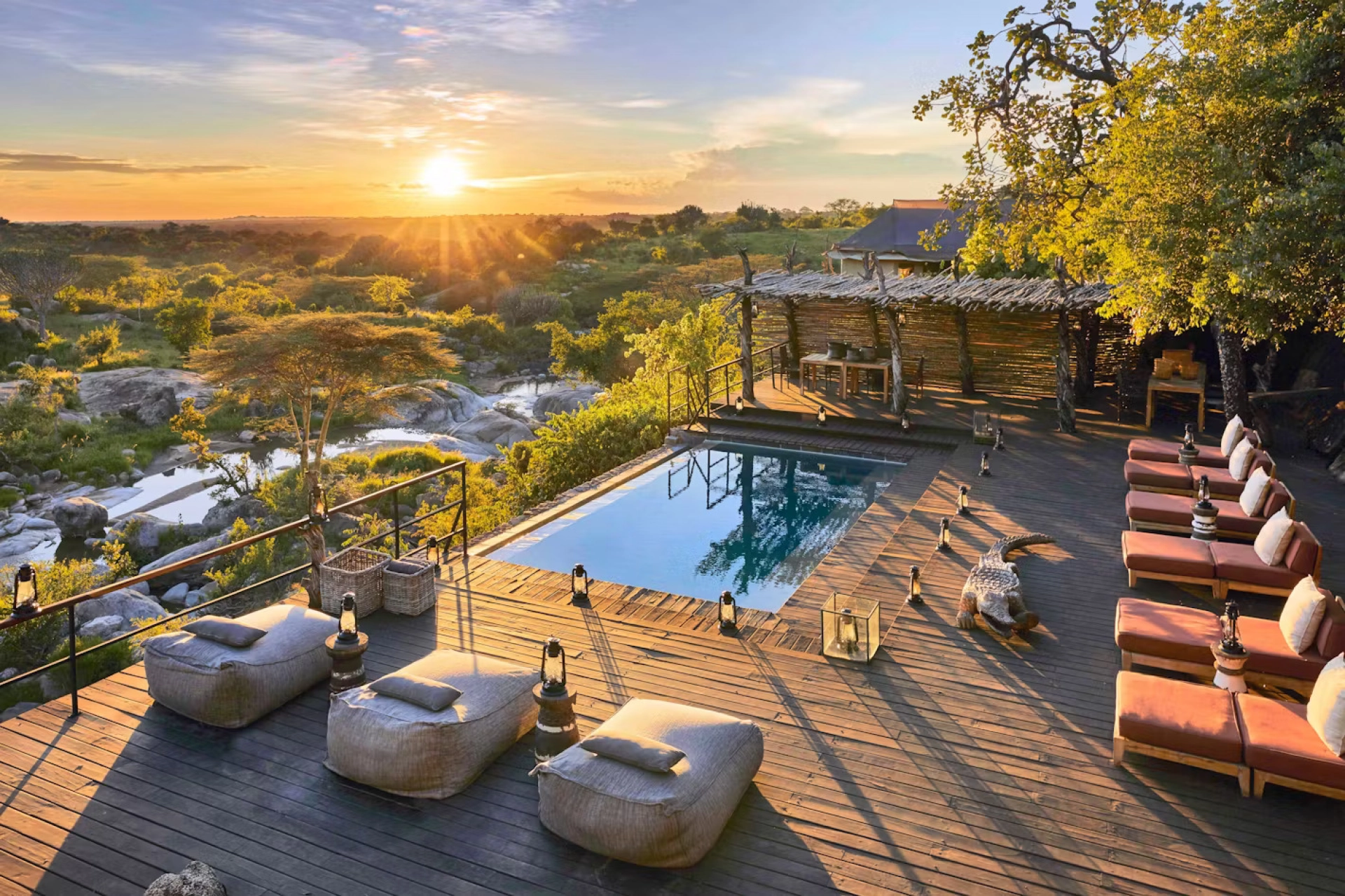
What should I look for when booking a luxury African safari?
When booking a luxury African safari, look beyond the room and compare the quality of guiding, wildlife location,…
Read article

Travel Guide
The debate over Masai Mara vs Serengeti is one of the most common questions asked by travellers planning an East African safari. Which is better? Should you safari in Kenya's Masai Mara National Reserve or Tanzania's…
The debate over Masai Mara vs Serengeti is one of the most common questions asked by travellers planning an East African safari. Which is better? Should you safari in Kenya’s Masai Mara National Reserve or Tanzania’s Serengeti National Park? Where are you more likely to see lions? Which destination is better for leopards and cheetahs? Where should you go for the Great Wildebeest Migration? Is Masai Mara cheaper? Is Serengeti less crowded?
Which destination offers better accommodation? Where are the best river crossings? And if your budget allows only one, which safari should you choose? The most important thing to understand is that Masai Mara and Serengeti are not completely separate ecosystems. They form parts of the wider Serengeti-Mara ecosystem, an enormous transboundary wildlife landscape spanning northern Tanzania and southwestern Kenya. Wildebeest do not recognise the international border. Zebras do not stop to show passports.
Lions do not change their behaviour because they move between administrative jurisdictions. Rainfall, water, grazing, territorial competition and predator-prey relationships determine how wildlife uses the landscape. This is why comparing Serengeti vs Masai Mara is less like comparing two unrelated safari parks and more like comparing two different sections of one extraordinary ecological system. They share important wildlife. They share migration movements. They share the Mara River system. But the safari experience can still feel remarkably different.
Serengeti is substantially larger and contains enormous geographical variation. Masai Mara is more compact and can deliver extremely productive wildlife viewing within shorter distances. Serengeti offers a wider range of migration locations throughout the year. The Mara becomes especially famous during the period when major herds move into the Kenyan portion of the ecosystem. The Mara’s surrounding conservancies can provide intimate, lower-density safari experiences. Serengeti’s remote northern, western and southern regions can create a profound sense of wilderness. Neither destination is objectively better. The correct choice depends on your month, budget, available time and wildlife priorities.
If your safari is very short, Masai Mara can be easier to experience efficiently.
If you have more time and want a vast wilderness journey, Serengeti becomes exceptionally attractive. If you are travelling during the early-year wildebeest calving period, Serengeti is the obvious choice. If you are travelling when enormous migration herds are occupying the Mara ecosystem, Kenya becomes extremely attractive. If you want private conservancy experiences and varied activities, the greater Mara ecosystem provides excellent possibilities. If you want to explore multiple ecological regions within one enormous national park, Serengeti is difficult to match. And if your budget and time permit, the strongest answer may simply be: Visit both Masai Mara and Serengeti.
Serengeti National Park lies in northern Tanzania.
The wider Serengeti ecosystem extends beyond the national park itself into surrounding conservation areas and reserves. Masai Mara National Reserve lies immediately north of the Serengeti ecosystem in Kenya. Together they form a connected landscape. The international boundary matters to governments and travellers. It matters far less to wildlife. This ecological connection explains the Great Wildebeest Migration. Animals move around the ecosystem in response to seasonal conditions rather than permanently living in one park.
Serengeti National Park is dramatically larger than the Masai Mara National Reserve.
This difference affects the safari experience. Serengeti can feel enormous. Travelling between southern, central, western and northern sections can require substantial time. A safari focusing on the wrong region during migration season may involve long drives to reach the herds. Masai Mara is much more compact. This can make wildlife viewing highly efficient. Travellers can sometimes encounter several major species within relatively short driving distances. But compact geography can also contribute to higher vehicle concentrations around famous sightings during peak periods.
At first glance, photographs of Masai Mara and Serengeti can appear similar.
Both contain rolling grasslands and classic East African savannah. But the differences become clearer when you spend time in both. The name Serengeti is commonly associated with the idea of “endless plains”, and certain sections genuinely create that impression. Open grassland stretches toward distant horizons. Rocky kopjes in Serengeti interrupt the plains and provide important habitat for lions and other wildlife. Central Serengeti includes riverine woodland. Northern Serengeti becomes more varied, with hills, woodland and rivers.
The Mara often appears greener and more rolling. River systems and escarpments add topographic interest. Both are beautiful. The better landscape is entirely subjective.
Both destinations provide outstanding wildlife.
Lions occur in both. Leopards occur in both. Cheetahs occur in both. Elephants, buffaloes, giraffes, zebras, wildebeest, hyenas, jackals and numerous antelope species occur throughout the wider ecosystem. This makes the question “Which has more wildlife?” difficult to answer meaningfully. Wildlife concentrations vary geographically and seasonally. The better question is: Which destination provides the wildlife experience you want during your travel month?
Both destinations are world-class for lions. The Masai Mara lion safari experience can be exceptionally productive because the reserve is relatively compact and open. Resident prides occupy territories throughout the ecosystem. Serengeti also supports major lion populations. Its enormous size allows travellers to experience lions across multiple habitat types. Kopjes are particularly attractive locations because lions may use elevated rocks for resting and scanning surrounding plains. For first-time safari travellers, either destination can produce extraordinary lion sightings. There is no meaningful reason to choose one country solely because you want lions.
Leopards are more difficult. They are solitary, secretive and often use woodland or dense vegetation. Both Serengeti and Masai Mara provide opportunities. Central Serengeti’s riverine areas can be productive. Masai Mara’s river systems and suitable woodland also support leopards. Guide quality matters enormously. A skilled guide understands leopard habitat, tracks and alarm calls. Your chances improve by spending more time in one region rather than racing constantly between destinations.
Both ecosystems provide excellent cheetah habitat. Open plains allow cheetahs to scan for prey and detect larger predators. The southern Serengeti plains can be particularly impressive during certain seasons. Masai Mara also has a strong reputation for cheetah viewing. Cheetahs move widely, and individual sightings cannot be guaranteed. Photographers should allow multiple game drives.
Elephants occur in both ecosystems. Masai Mara can provide excellent family-group sightings. Serengeti also supports elephants, particularly in suitable woodland and water-associated habitats. If elephants are your absolute priority, however, neither may be the strongest standalone choice in East Africa. Add Amboseli National Park in Kenya or Tarangire National Park in Tanzania. Both are particularly famous for elephant experiences. This creates an excellent internal itinerary strategy: Masai Mara and Amboseli safari for Kenya. Or: Serengeti and Tarangire safari for Tanzania.
Rhinos are considerably more difficult than the other Big Five species in both destinations. Travellers should not choose either ecosystem expecting easy rhino sightings. In Kenya, adding Lake Nakuru National Park or Ol Pejeta Conservancy can improve opportunities. In Tanzania, Ngorongoro Crater is an important destination for possible black rhino sightings. This means the best Big Five safari in Kenya or Tanzania often requires combining parks.
African buffaloes occur in both destinations. Large herds can be encountered. They are important prey for lions and play a major role in savannah ecology. Buffaloes can appear slow and placid from a distance, but they are powerful wild animals and should always be treated with respect. For safari travellers, buffalo sightings are generally more straightforward than leopard or rhino sightings.
This is where the comparison becomes most interesting. The Great Wildebeest Migration is not a Kenya event or a Tanzania event. It is an ecosystem event. Large numbers of wildebeest, zebras and other herbivores move through the wider Serengeti-Mara landscape. Where you should stay depends on when you travel. This is why Great Migration safari planning requires seasonal geography.
Choose Serengeti. During the early part of the year, large migration herds are commonly associated with southern Serengeti and surrounding short-grass plains, depending on rainfall. The landscape is green. Grazing is productive. Pregnant wildebeest gather in preparation for calving. Masai Mara still has excellent resident wildlife, but it is not usually the main migration location.
February is one of the most compelling reasons to choose Serengeti over Masai Mara. The wildebeest calving season produces enormous numbers of newborn animals across the southern plains. New life changes predator-prey dynamics. Lions, cheetahs, hyenas and other predators respond to vulnerable young animals. For travellers interested in behaviour rather than simply huge herds, Serengeti in February can be one of Africa’s greatest safari experiences.
Herds remain influenced by rainfall and fresh grazing. Movement gradually begins away from southern areas. March can remain excellent in parts of southern and central Serengeti. April enters a wetter period. Visitor numbers decline. The ecosystem becomes extremely green. For photographers willing to tolerate rain, this can be a beautiful time.
During May, herds may move increasingly through central and western portions of the Serengeti ecosystem depending on rainfall. This is still primarily a Tanzania migration experience. The Masai Mara remains excellent for resident wildlife but is not normally the centre of the mass migration at this stage.
June is a fascinating transition. Large herds may move through western and northwestern Serengeti regions. River crossings can occur in western areas. The dry season strengthens. This is an excellent month for travellers wanting migration activity without automatically choosing the most famous July-August period.
Now the decision becomes more complicated. Migration herds may be moving through northern Serengeti and toward the Masai Mara ecosystem. Some herds may remain in Tanzania. Others may cross into Kenya. Rainfall determines movement. A July Great Migration safari can therefore work in northern Serengeti, Masai Mara or both. The exact recommendation should depend on current and historical seasonal patterns rather than a rigid border-based itinerary.
August is the classic month for this debate. Both Northern Serengeti and Masai Mara can be excellent. Migration herds may move back and forth across the ecosystem. River crossings can occur. The Mara receives enormous international attention. Northern Serengeti also provides excellent opportunities. Rather than asking which country “owns” the migration in August, consider spending several nights on both sides if your budget permits.
September remains highly attractive for both northern Serengeti and Masai Mara. Herd distribution depends on rainfall. General wildlife viewing is excellent. Dry-season conditions continue. For photographers, golden grass, dust and predator activity can produce exceptional imagery.
October can still provide significant migration activity in the northern ecosystem. Seasonal changes begin encouraging eventual southward movement. Short rains may develop. The landscape gradually transforms. Both Kenya and Tanzania can remain relevant depending on herd position.
As seasonal rainfall creates fresh grazing farther south, migration herds generally move back through Serengeti. Tanzania again becomes increasingly important for travellers specifically following migration. Masai Mara continues to provide excellent resident wildlife. This is why the statement “the migration is in Kenya from July to October and Tanzania the rest of the year” is only a simplified planning guideline. Actual wildlife movement is more complex.
A common misconception is that Mara River crossings happen only in Kenya. The Mara River also runs through northern Serengeti. Crossings can therefore be witnessed on either side of the international border depending on herd movements. Northern Serengeti can sometimes provide an excellent river-crossing experience with lower vehicle density than certain heavily visited Kenyan crossing points. But nothing is guaranteed.
Neither can guarantee better crossings. The quality of a crossing depends on where animals gather, river conditions, timing, vehicle positioning and luck. Spending several nights in the correct region is more important than choosing Kenya or Tanzania based on marketing claims.
Crowding is one of the biggest practical differences. Because Masai Mara is smaller, popular sightings can attract significant numbers of vehicles during peak migration season. This is particularly noticeable around river crossings and major predator sightings. Serengeti’s enormous scale can disperse vehicles more widely. However, popular central Serengeti sightings can also become busy. Northern migration areas can attract many vehicles around crossings. Therefore, Serengeti should not automatically be described as uncrowded.
Consider staying in a Masai Mara conservancy. Conservancies generally control access more tightly than the main national reserve. This can reduce vehicle density. Depending on regulations and the specific conservancy, night drives and walking experiences may also be available. Another strategy is travelling outside peak migration season. January-February can provide superb wildlife with considerably fewer visitors.
Choose the correct region and travel season. Spend more nights in one area. Avoid rushing toward every radio-reported sighting. A skilled private guide can search for wildlife independently. Green-season travel can also provide a dramatically quieter experience.
The conservancy model is one of the strongest arguments for the greater Masai Mara ecosystem. Community and private conservancies surrounding the reserve can provide a more exclusive safari experience. Tourism revenue can support land conservation and participating communities. Vehicle numbers are generally managed. Safari activities may be more varied. Serengeti offers its own advantages through scale and remote wilderness, but the safari structure differs.
Both destinations offer accommodation from relatively affordable camps to ultra-luxury properties. The important question is location. During migration season, a beautifully designed lodge in the wrong region can provide less value than a simpler camp beside current herd movements. This is especially important in Serengeti because distances are enormous. In Masai Mara, the compact ecosystem makes some locations more flexible, although proximity to specific crossing points and conservancy boundaries still matters.
Kenya can sometimes be easier for short budget Masai Mara safaris, particularly when travelling from Nairobi and joining scheduled group departures. The road route is straightforward, although travel time remains significant. Serengeti usually forms part of a broader northern Tanzania circuit from Arusha. This can increase overall safari length and protected-area costs. However, camping and affordable tented camps make budget Serengeti safaris possible. The cheaper destination depends on the exact itinerary.
Both are exceptional. A luxury Masai Mara safari can use exclusive conservancy camps with personalised guiding. A luxury Serengeti safari can follow migration using strategically located seasonal camps and internal flights. At the highest level, both provide outstanding service. The deciding factor should be wildlife geography rather than which country has the more expensive lodge.
The Masai Mara safari cost depends on accommodation, reserve or conservancy fees, vehicle arrangements, transport and season. The Serengeti safari cost depends on similar factors plus Tanzania’s broader park-fee structure and travel distances. For short safaris, Masai Mara can sometimes be more economical. For a comprehensive East African journey, the comparison becomes less meaningful because travellers often combine multiple parks. Always compare complete packages rather than nightly accommodation rates.
A road safari from Nairobi to Masai Mara is common. The journey takes several hours and road conditions vary. Flying reduces travel time considerably. Budget travellers generally drive. Luxury travellers may prefer scheduled flights. The compact nature of Kenya’s safari circuit can make shorter itineraries practical.
The journey from Arusha to Serengeti is longer, but it passes through or near major attractions. This is why Serengeti safari from Arusha often incorporates Tarangire and Ngorongoro. Instead of viewing the journey simply as a transfer, it becomes a multi-park safari. This is one of Tanzania’s great strengths.
If you have only three days from Nairobi, Masai Mara is generally the more practical option. From Arusha, a three-day Serengeti road safari can feel rushed because of distance. Flying can solve the problem but increases cost. Therefore, Masai Mara often wins for extremely short trips.
With seven days, Serengeti becomes highly competitive because you can combine it with Ngorongoro Crater and Tarangire National Park. Kenya can combine Masai Mara with Lake Nakuru, Amboseli or Samburu. Both countries can produce exceptional seven-day itineraries. Choose according to season and wildlife interests.
At ten days, stop choosing. Combine them. A 10-day Kenya and Tanzania safari can include Masai Mara, Serengeti and Ngorongoro, with additional destinations depending on logistics. This provides a much more complete understanding of the ecosystem.
Masai Mara can be easier for families because of its compact geography and straightforward fly-in connections from Nairobi. Serengeti can involve longer distances. However, Tanzania’s northern circuit works extremely well for families when paced properly. Private vehicles are strongly recommended. Children should have enough downtime. Avoid changing camps every night.
Both are outstanding honeymoon destinations. Masai Mara conservancies can provide intimate camps, private dining and low vehicle density. Serengeti provides enormous landscapes and beautifully positioned tented camps. A Serengeti honeymoon and Zanzibar combination has the advantage of easy access to Tanzania’s Indian Ocean islands. A Masai Mara honeymoon and Diani Beach provides Kenya’s equivalent safari-and-beach combination.
Photographers should choose according to subject. For calving and green-season predator action, southern Serengeti is exceptional. For migration and predators in a compact ecosystem, Masai Mara can be outstanding. Northern Serengeti provides excellent migration photography. Both destinations reward private vehicles. The ability to remain with one animal for hours is far more valuable than rushing around in a shared vehicle.
Both ecosystems support rich birdlife. However, bird-focused travellers should broaden their itinerary. In Kenya, combine Mara with Rift Valley lakes, Samburu or forests. In Tanzania, combine Serengeti with Tarangire, Lake Manyara or other habitats. A birding safari in East Africa should prioritise habitat diversity rather than only famous mammal parks.
Both can provide four of the Big Five relatively realistically: lion, leopard, elephant and buffalo. Rhinos are the challenge. For a stronger Kenya Big Five safari, combine Masai Mara with Lake Nakuru or Ol Pejeta. For a stronger Tanzania Big Five safari, combine Serengeti with Ngorongoro Crater. This illustrates why country-level itineraries are often more useful than park-versus-park comparisons.
When comparing complete safari circuits rather than individual parks, Tanzania gains a major attraction in Ngorongoro Crater. The crater provides dramatic geology, high wildlife density and opportunities to search for black rhinos. A Serengeti and Ngorongoro safari is therefore one of Africa’s strongest first-time safari combinations.
Kenya responds with Amboseli National Park. Its elephants and Kilimanjaro views create an experience that Serengeti does not replicate. A Masai Mara and Amboseli safari combines predators, grasslands, elephants and mountain scenery. This is one of Kenya’s strongest itineraries.
Adding Samburu National Reserve transforms a Kenya safari. The specialised northern wildlife, arid landscapes and Ewaso Nyiro River create ecological diversity far beyond the Mara. A Kenya itinerary including Samburu, Lake Nakuru and Masai Mara can therefore rival Tanzania’s northern circuit for variety.
Tanzania’s Tarangire National Park provides exceptional elephant viewing, baobabs and strong dry-season wildlife concentrations. Combining Tarangire, Ngorongoro and Serengeti produces three dramatically different environments. This is why Tanzania is particularly effective for road-based safari circuits.
Tanzania has Zanzibar, Pemba and Mafia Island. Kenya has Diani Beach, Watamu, Lamu and other Indian Ocean destinations. Both countries therefore provide excellent safari-and-beach combinations. For honeymooners, Serengeti and Zanzibar is one of Africa’s classic journeys. In Kenya, Masai Mara and Diani Beach provides an equally attractive contrast.
Kenya combines particularly well with Uganda. After Masai Mara safari, fly toward Entebbe and continue to Bwindi Impenetrable National Park for mountain gorillas. Add Kibale National Park chimpanzee trekking for an even broader primate experience. This creates an exceptional Kenya and Uganda safari.
Tanzania also combines naturally with Uganda. A Serengeti and Uganda gorilla safari moves from the open plains of northern Tanzania to the rainforest mountains of southwestern Uganda. Few journeys provide greater ecological contrast. Travellers can potentially encounter lions, cheetahs, elephants, wildebeest, chimpanzees and mountain gorillas during one East African itinerary.
For travellers with sufficient time and budget, the ultimate East African wildlife itinerary can include all three. Start with Masai Mara National Reserve. Cross or fly into Tanzania for Serengeti National Park and Ngorongoro Crater. Then continue to Uganda for Bwindi gorilla trekking. This combines the Great Migration ecosystem, Big Five wildlife and mountain gorillas. A two-week or longer itinerary works best.
Both are excellent. Choose Masai Mara if you have limited time, are entering through Nairobi, or want to combine the Mara with Amboseli, Samburu or Kenya’s coast. Choose Serengeti if you have more time, are entering through Tanzania, want Ngorongoro and Tarangire, or are travelling during southern migration and calving season. Choose both if possible.
Repeat travellers should move beyond the famous central areas. In Kenya, explore private Mara conservancies and combine them with Laikipia or Samburu. In Tanzania, explore northern, western or southern Serengeti according to season, or combine Serengeti with remote parks such as Ruaha. The deeper safari experience comes from understanding ecological variation rather than repeatedly chasing the same checklist.
Not universally. Masai Mara is more compact and can provide highly efficient wildlife viewing, while Serengeti is much larger and offers greater geographical diversity.
Yes. Serengeti National Park is substantially larger than Masai Mara National Reserve.
It depends on the month. Southern Serengeti is particularly important during early-year calving, while northern Serengeti and Masai Mara become important during later migration phases.
Both northern Serengeti and Masai Mara can provide Mara River crossings. No crossing can be guaranteed.
Both ecosystems support significant lion populations and provide excellent lion-viewing opportunities.
Both provide leopard habitat. Guide quality, time and luck matter more than choosing Kenya versus Tanzania.
Both can provide excellent cheetah sightings, particularly in open grassland habitats.
Neither should be chosen solely for rhinos. Add Lake Nakuru or Ol Pejeta in Kenya, or Ngorongoro in Tanzania.
It can be for some short itineraries, but costs depend on accommodation, season, transport and fees.
Serengeti’s greater size can disperse visitors, but popular areas can still become busy. Mara conservancies can provide excellent low-density experiences.
Yes. A Kenya and Tanzania safari combining both is one of East Africa’s finest wildlife journeys.
Approximately eight to ten safari days provides a reasonable starting point, while longer trips allow more relaxed exploration.
Both are excellent. Choose according to season and preferred beach extension: Zanzibar for Tanzania or Diani/Watamu/Lamu for Kenya.
Yes. Both Kenya and Tanzania can be combined with Uganda gorilla trekking.
The Masai Mara vs Serengeti debate has no universal winner. For a short safari, Masai Mara’s compact geography can be a major advantage. For an expansive wilderness journey, Serengeti’s enormous scale is difficult to surpass. For wildebeest calving season, choose southern Serengeti. For peak northern migration, consider both Northern Serengeti and Masai Mara. For conservancy experiences and lower-density private wildlife areas, the greater Mara ecosystem is particularly strong. For a classic Tanzania circuit incorporating Ngorongoro Crater and Tarangire National Park, Serengeti becomes part of an exceptionally varied journey.
For a Kenya circuit incorporating Amboseli, Samburu and Lake Nakuru, Masai Mara anchors an equally compelling itinerary. And if you genuinely want to understand the Great Migration, do not think of Kenya and Tanzania as competing destinations. Think of them as different chapters in the same ecological story. The wildebeest certainly do. Adventure in the Wild Safaris can customise Masai Mara safari packages, Serengeti safari tours, Great Migration safaris, Kenya and Tanzania safari packages, Masai Mara and Serengeti itineraries, Kenya safari and beach holidays, Serengeti and Zanzibar holidays, and East African safari and Uganda gorilla trekking combinations.
The best choice is ultimately determined by your travel month, available days and budget. But for travellers with enough time, the answer to Masai Mara or Serengeti? is beautifully simple: Experience both.

Share This Article
When booking a luxury African safari, look beyond the room and compare the quality of guiding, wildlife location,…
Read article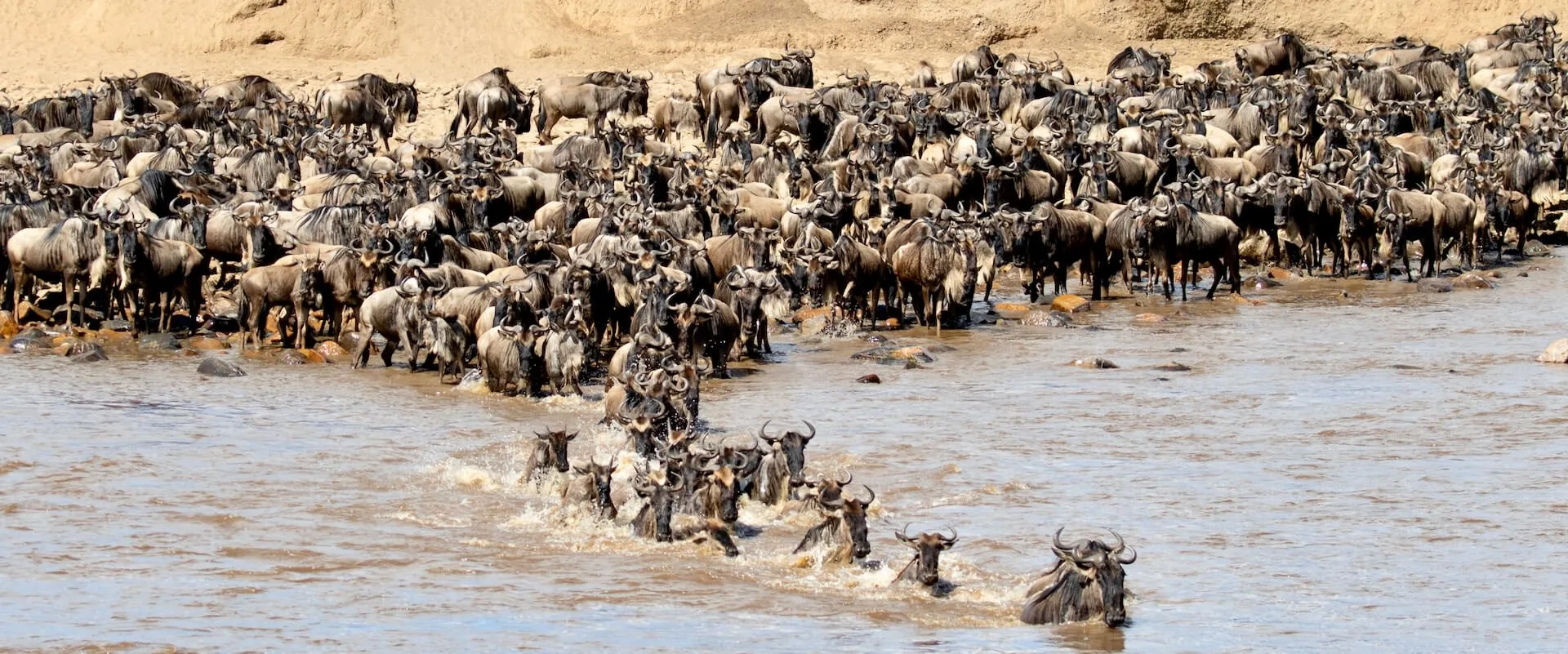
The Great Migration in Africa happens all year because the herds continuously circulate through the Serengeti–Mara ecosystem in…
Read article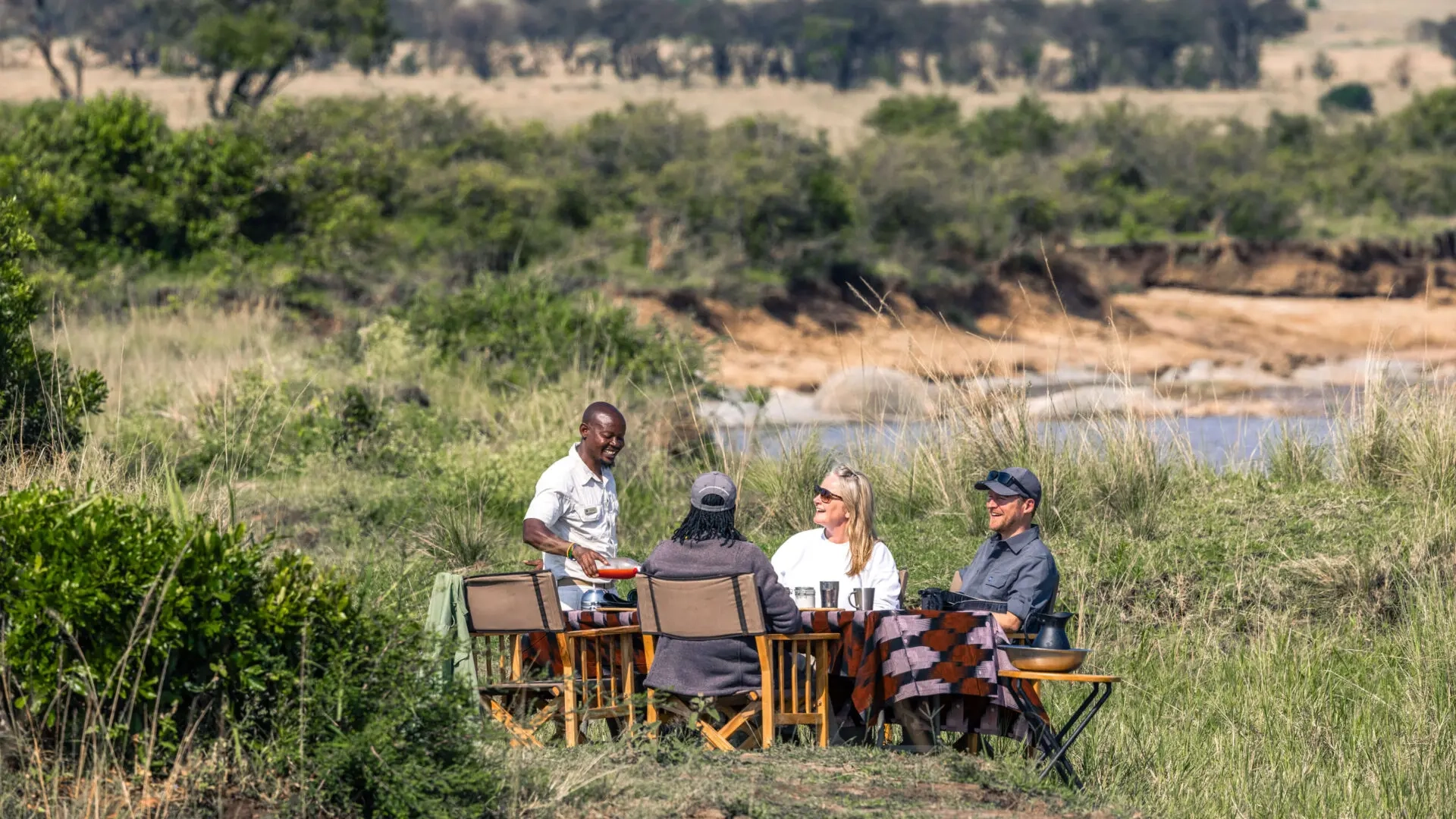
Definitive answer: A picnic lunch on safari is a packed or catered midday meal eaten at an approved…
Read article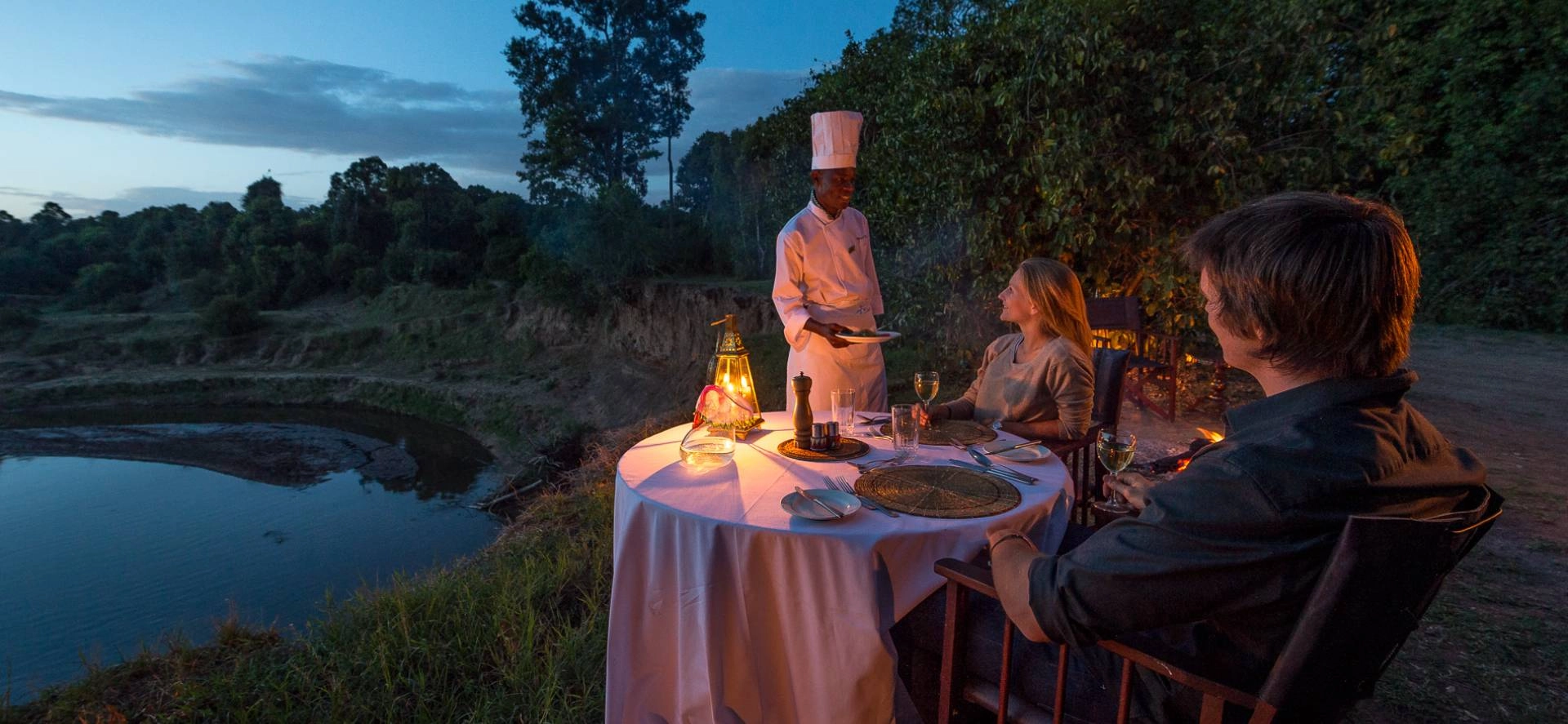
Definitive answer: A bush dinner is an outdoor evening meal arranged in a safe safari setting away from…
Read articleLet us take you closer to the wildlife, people and places that make Africa extraordinary.
Plan Your Safari Today