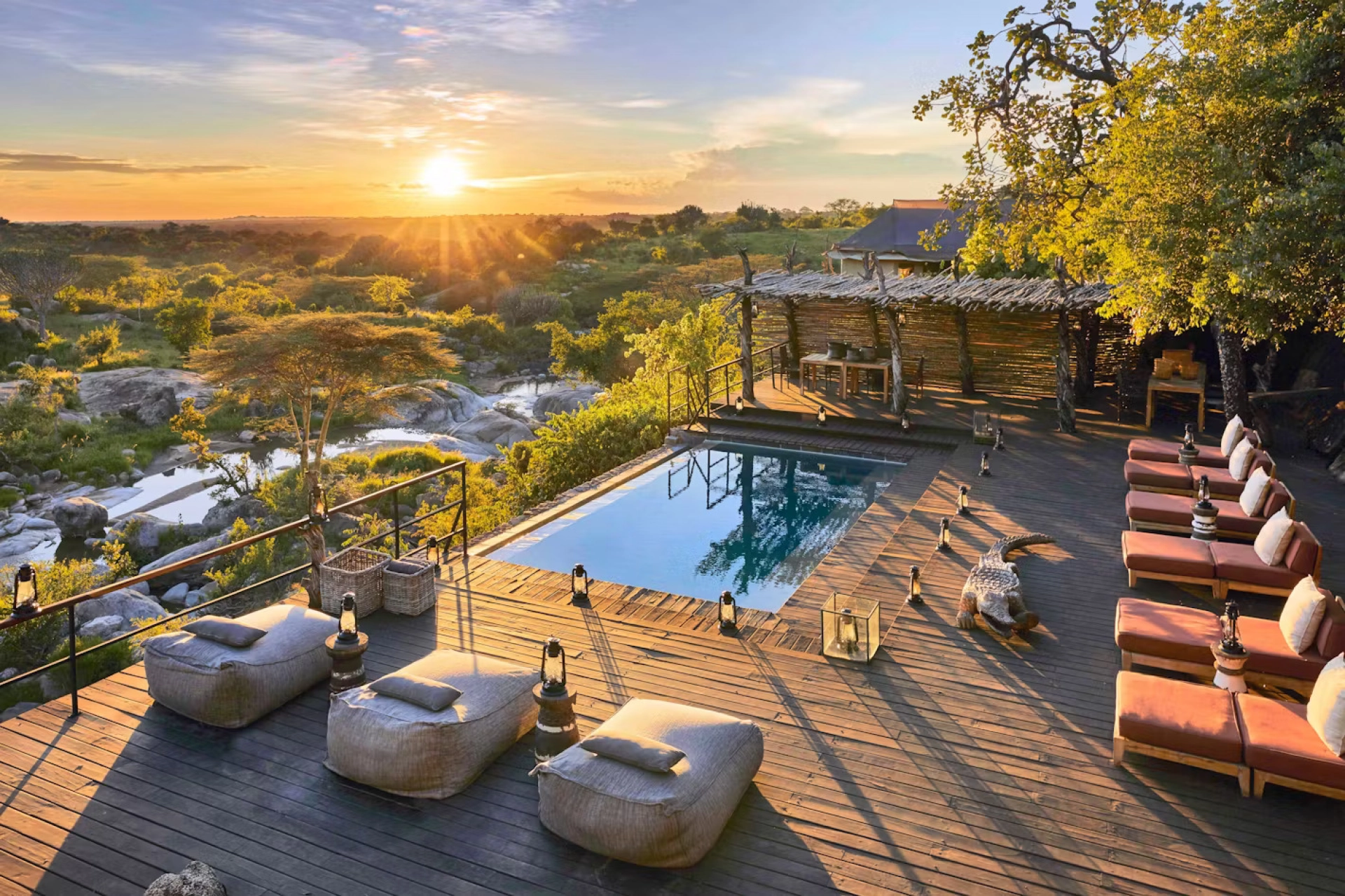
What should I look for when booking a luxury African safari?
When booking a luxury African safari, look beyond the room and compare the quality of guiding, wildlife location,…
Read article

Travel Guide
A mokoro safari in the Okavango Delta is almost the opposite of the traditional African game drive. There is no engine rumbling beneath you. No roof above your head. No high vehicle seat separating you from…
A mokoro safari in the Okavango Delta is almost the opposite of the traditional African game drive. There is no engine rumbling beneath you. No roof above your head. No high vehicle seat separating you from the reeds.
Instead, you sit low over the water while a skilled poler guides the narrow craft through channels bordered by papyrus, reeds, water lilies and floodplain vegetation. The loudest sounds may be frogs, insects, birds, wind moving through grass and the occasional splash of something disappearing beneath the surface. Elephants may appear beyond the reeds. A fish eagle may call from a dead tree.
Red lechwe may move through shallow floodplains. Dragonflies hover above the water. For travelers accustomed to measuring safari success by how quickly they find lions, the first mokoro excursion can be surprisingly transformative. The experience teaches you to slow down. A Botswana mokoro safari is not primarily about covering distance. It is about entering the wetland quietly. Yet planning one requires understanding an unusual ecological fact: the Okavango Delta’s flood cycle does not correspond neatly with Botswana’s local rainy season. Water arriving in the Delta has traveled from rainfall catchments far upstream in Angola.
As a result, the great flood can reach Botswana’s interior during the country’s dry season. This delayed hydrological pulse is central to understanding the best time for an Okavango Delta safari.
The Okavango Delta is an enormous inland wetland system in northern Botswana. Instead of reaching the sea, water from the Okavango River spreads across a broad inland landscape of channels, floodplains, islands, lagoons and seasonal wetlands. The result is one of Africa’s most extraordinary ecosystems. Its character changes continuously according to: water; rainfall; topography; season; and location. One part of the Delta may be permanently wet. Another may flood seasonally. Another may remain relatively dry and support woodland or grassland wildlife.
This is why saying “the Okavango Delta is flooded” can be misleading. Conditions vary enormously across the ecosystem.
A mokoro is a narrow canoe-like craft traditionally associated with movement through the shallow waterways of the Okavango region. Historically, mokoros were carved from tree trunks. Today, fiberglass alternatives are widely used in tourism and conservation contexts, reducing demand for large trees and providing durable craft. The mokoro is propelled by a poler standing toward the rear and using a long pole against the shallow bottom.
“Mokoro” is commonly used for the singular craft, while “mekoro” is often used as the plural. In international safari marketing, however, “mokoro safaris” has become the most familiar search phrase.
A mokoro safari is a guided excursion through shallow waterways using a mokoro. The poler navigates channels while guests sit low in the craft. Trips may range from relatively short excursions to components of more extensive wilderness itineraries. Mokoro activities are often combined with: game drives; walking safaris; motorboat trips; and wildlife viewing around camp.
Because it changes your perspective. In a vehicle, you sit above the grass. In a mokoro, your eyes are near water level. Tiny details become important. You notice: water lilies; frogs; reeds; tracks at muddy edges; small fish; dragonflies; bird calls; and subtle movement in vegetation. The Delta becomes an ecosystem rather than simply a background for large mammals.
It can be, but expectations should be realistic. Depending on location, season and luck, travelers may see: elephants; red lechwe; hippos at safe distances; crocodiles; antelopes; and numerous birds. However, mokoro trips are not designed to chase lions or surround elephants. Large-animal sightings are bonuses within a broader wetland experience.
Yes. The Okavango ecosystem supports elephants, and sightings from waterways are possible. A professional poler maintains safe distance and reacts appropriately to animal behavior. Guests should never pressure guides to approach wildlife more closely.
Potentially. Hippos inhabit suitable Delta waterways. Because hippos are powerful territorial animals, guides take their presence seriously. Routes and decisions should always prioritize safety.
Yes. Crocodiles occur in the Delta. The presence of crocodiles is one reason visitors should follow professional instructions and never treat wild waterways as ordinary swimming pools.
Mokoro excursions are established safari activities when operated professionally. However, the Okavango remains a wild environment. Safety depends on: experienced polers; appropriate routes; water conditions; wildlife awareness; and guest behavior. Follow instructions immediately. Do not stand unexpectedly. Do not trail hands in the water. Do not attempt to approach animals.
Any narrow watercraft can theoretically capsize. Guests should remain balanced and follow instructions. Professional operators select routes and procedures according to conditions.
Ask your operator about current safety requirements and equipment. Even confident swimmers should never treat Delta water as recreational swimming territory because wildlife and currents can present hazards.
The most fascinating aspect is the delay. Rain falls far upstream in the Angolan highlands. Water then travels through the river system toward Botswana. By the time the flood spreads through major parts of the Delta, Botswana itself may be entering or already experiencing dry-season conditions. The result is a seasonal paradox: a landscape becoming wetter while the surrounding regional climate becomes drier.
Flood timing and extent vary annually.
Broadly, floodwaters build through the system during the middle part of the year, but different Delta regions receive water at different times. Permanent channels remain wet beyond the seasonal flood peak. Travelers should therefore never assume that a particular month guarantees identical water conditions at every camp.
July can be excellent because substantial floodwater may be present in many parts of the Delta while Botswana’s dry season creates favorable wildlife conditions. But location remains crucial. One concession can have strong mokoro conditions while another behaves differently.
August is a classic Botswana safari month. Flooded landscapes, dry regional weather and strong wildlife viewing can combine extremely well. Demand is also high. Premium camps may book far in advance.
Yes. September can offer excellent wildlife viewing. Temperatures rise. Water levels may begin changing according to location and annual flood dynamics. Mokoro activities remain excellent in suitable water-based areas.
October can be extremely hot. Wildlife may concentrate strongly around water. Some seasonal floodplains begin drying. Permanent-water camps can still provide water activities. Travelers should select camp location carefully.
November is transitional. Heat can build dramatically before rains. Thunderstorms may begin. Vegetation responds quickly when rainfall arrives. The Delta enters a very different ecological phase.
Yes, particularly for travelers who enjoy green landscapes, birds and lower-season atmosphere. Local rainfall can create surface water even as the earlier annual flood cycle has receded in seasonal areas.
January falls within Botswana’s green season. Rainfall can create lush vegetation. Birdlife is excellent. Young animals may be present. Clouds create dramatic photography. Wildlife is often more dispersed than during the driest period.
February continues the green-season pattern. Rainfall varies. Warm temperatures and lush vegetation dominate. Birding remains a major attraction.
March can remain green and relatively wet from local rainfall. The landscape is very different from the classic dry-season images. Travelers interested in photography and birding may appreciate this period.
April is transitional. Local rains generally begin decreasing. Temperatures can become more comfortable. The landscape remains green. Floodwater moving downstream continues its long journey toward different parts of the Delta.
May often marks the beginning of the classic dry-season safari period. Conditions become drier locally. Floodwater may begin becoming increasingly important in appropriate areas. Visitor demand rises.
June can be an excellent month. Temperatures are cooler. Floodwaters are increasingly influential across many areas. Wildlife viewing strengthens as surrounding landscapes dry.
July is one of Botswana’s most popular safari months. Mornings can be cold. Days are usually comfortable. Flooded landscapes and dry-season wildlife viewing create the classic Delta contrast.
August remains extremely popular. Temperatures begin warming. Water-based and land-based safari activities can complement each other beautifully in mixed concessions.
September becomes hotter and drier. Wildlife can increasingly concentrate around reliable water. Photography remains excellent.
October is often one of the hottest months. For wildlife enthusiasts willing to tolerate heat, concentrations around water can be impressive. But water-based activities depend strongly on camp location.
The first meaningful rains can transform the landscape. Migratory birds return. Fresh vegetation appears. The visual identity of the Delta begins changing.
Green-season conditions become established. This is a completely different safari from July or August. For experienced safari travelers, that difference can be the attraction.
The answer depends on where you stay. If a mokoro excursion is essential, choose a camp or concession with dependable water access during your travel period. Do not book based only on the words “Okavango Delta.” The Delta is enormous.
This distinction is critical. Some camps have access to permanent water channels. Others rely more heavily on seasonal flooding. A camp marketed as “water based” may therefore provide more dependable mokoro opportunities than one located in a predominantly dry-land concession.
Safari planners sometimes informally distinguish between water-focused and land-focused camps. A water-focused camp emphasizes: mokoro; boating; wetland scenery; and aquatic ecology. A land-focused camp emphasizes: game drives; predators; and terrestrial wildlife. The strongest Okavango itinerary often combines both.
If budget and time allow, yes. Combining different habitats dramatically improves the experience. For example: three nights at a water-oriented camp; followed by three nights in a strong game-drive area. This produces much more ecological variety than staying six nights in one habitat.
They are not competitors. A game drive covers greater distances. It is generally better for searching for: lions; leopards; wild dogs;
large elephant herds; and terrestrial wildlife. A mokoro explores the intimate wetland environment. Do both.
A motorboat travels faster and can access deeper channels. A mokoro moves slowly and quietly through shallow water. Motorboats provide broader exploration. Mokoros provide intimacy. Again, both complement each other.
Walking changes your perspective again. On foot, guides interpret: tracks; plants; insects; dung; and animal behavior. Some mokoro excursions include landing on islands for guided walks where conditions and regulations allow.
The broader ecosystem supports extraordinary diversity. Depending on location, travelers may encounter: African elephant African buffalo lion leopard cheetah African wild dog hippopotamus Nile crocodile giraffe zebra red lechwe wildebeest impala kudu and numerous smaller mammals. Birdlife is exceptional.
Lions occupy suitable habitats across parts of the ecosystem. Some prides have adapted to landscapes shaped by seasonal water. Watching lions negotiate floodplains provides a distinctive Delta experience.
The Delta can provide excellent leopard viewing in appropriate land-based habitats. Leopards favor cover and can be secretive. A mokoro is not the primary method for searching for them.
Botswana is one of Africa’s important destinations for African wild dog viewing. These endangered carnivores range widely. Sightings are never guaranteed. When found, their social behavior and cooperative hunting can become a safari highlight.
Botswana supports major elephant populations. In the Delta, elephants move between islands, woodland and water. Watching an elephant cross a channel can be unforgettable.
The red lechwe is one of the animals most closely associated with wetland landscapes. Its adaptations allow efficient movement through shallow water and marshy terrain. For first-time Delta visitors, lechwe are an important part of understanding how mammals adapt to flooding.
Hippos shape wetland ecosystems through feeding and movement. They are fascinating but must be treated with great respect. Professional guides understand known hippo areas and behavior.
Crocodiles occupy suitable waterways. They may bask on banks or disappear almost invisibly beneath the surface. Their presence reinforces the importance of professional water-based guiding.
Birding is one of the Delta’s greatest attractions. Even non-birders quickly notice the diversity. Potential sightings include: African fish eagles; kingfishers; herons; egrets; storks; bee-eaters; jacanas; raptors; and numerous wetland species.
The craft moves quietly. Birds can sometimes be observed without engine noise. Low perspective makes reeds, lilies and shoreline habitat easier to examine. Bring binoculars.
Green-season months can be outstanding because migratory species join resident birds and breeding activity increases. The landscape also becomes colorful and photogenic.
Dry-season conditions generally improve wildlife concentration around reliable water. However, wildlife exists throughout the year. The best season depends on your species priorities.
There is no single answer. Dry season provides: dust; concentrated wildlife; golden grass; and predictable water use. Green season provides: dramatic clouds; lush vegetation; reflections; young animals; and birds. Flood season creates the classic blue-water Delta landscapes.
Photography requires caution. The craft is narrow. Space is limited. Long lenses can be awkward. Do not make sudden movements. Keep equipment protected from water. A moderate zoom can be more practical than carrying excessive gear.
Not necessarily. A mokoro experience is as much about landscapes and environmental detail as distant wildlife. A versatile lens may be easier to manage. Use a secure strap.
Drone rules in protected wildlife areas are often highly restrictive. Do not bring or operate a drone without confirming current official permissions.
Wildlife disturbance and aviation concerns are serious.
Accommodation ranges from rustic mobile camps to extraordinary luxury lodges. Many premium camps are remote and accessed by light aircraft. Rates can include: accommodation; meals; local drinks; scheduled safari activities; and transfers between camp airstrips. Inclusions vary.
Several structural factors increase cost. Remote camps require complex logistics. Supplies may arrive by aircraft or long overland routes. Guest numbers are limited. Conservation concessions can operate at relatively low tourism density. Light-aircraft transfers add cost. Premium guiding and staffing also contribute.
Yes, but the travel style changes. Budget travelers can use Maun as a gateway. Options may include: mobile camping; community-based mokoro excursions; overland safaris; and simpler accommodation. The experience will differ from an all-inclusive luxury fly-in camp, but the Delta remains accessible to more than ultra-luxury travelers.
Maun is the principal tourism gateway to the Delta. Many safari flights depart from Maun. Road-based and community excursions also originate in the region. Travelers should not confuse staying in Maun with staying deep inside the Delta. Both have different advantages.
Travelers with limited budgets or time may arrange mokoro experiences from the Maun region. The exact location and transfer arrangements vary. A day trip provides an introduction. Several nights deeper in the Delta provide a more immersive wilderness experience.
Luxury Delta travel often uses small camps in private concessions. Advantages can include: low guest density; excellent guiding; remote locations; private or semi-private activities; beautiful rooms; and fly-in access.
Mid-range travel requires more careful planning because Botswana’s tourism structure often leans toward premium products in the Delta. Mobile safaris and mixed accommodation can provide excellent value.
A Botswana mobile camping safari can be one of the most rewarding ways to explore the country. The camp moves between wildlife areas. Travelers experience remote locations without paying for permanent luxury lodge infrastructure. Different mobile safaris vary greatly in comfort. Some are basic. Others are surprisingly comfortable.
Prices vary enormously according to whether the mokoro activity is: a short community excursion; part of a mobile camping safari; or included within a premium fly-in lodge package. Therefore, there is no useful universal “mokoro price.” Compare the entire itinerary.
Common inclusions can include: accommodation; meals; selected beverages; game drives; mokoro excursions; boat trips; walking activities; and local transfers. But never assume. Ask for exact inclusions.
Sometimes internal camp-to-camp flights are packaged into a safari quotation. Sometimes they are separate. International flights are usually handled differently. Check carefully.
Small aircraft commonly impose strict baggage limitations. Soft-sided bags may be required. Weight limits vary by operator and aircraft. Photographers should discuss equipment in advance.
Extremely. The combination of: remote wilderness; small camps; beautiful sunsets; water activities; and high-quality service makes the Delta one of Africa’s strongest honeymoon destinations.
The quiet nature of the experience makes it particularly romantic. A private or low-density excursion through lily-filled channels can become one of the most memorable parts of a honeymoon.
Age restrictions can apply depending on camp and activity. Parents should check: minimum age; private vehicle requirements; water-activity rules; and family accommodation. Do this before paying deposits.
The activity can be gentle physically, but getting into and out of a low narrow craft requires mobility. Discuss limitations with the operator. Staff may be able to advise whether the activity is appropriate.
Wear lightweight, neutral clothing. Sun protection is essential because waterways can be exposed. Useful items include: hat; sunglasses; sunscreen; long sleeves; comfortable footwear; and a light layer during cool months.
Winter mornings can be surprisingly cold, particularly on open vehicles and boats. Travelers often underestimate Botswana’s temperature range. Layer clothing.
Insect activity varies by season and location. Repellent can be useful. Travelers should obtain professional health advice regarding malaria prevention and other travel-health considerations before visiting.
They are highly useful for water activities. Protect: camera equipment; phones; passports where carried; and electronics.
Yes. Use a secure waterproof case. Do not lean over the side attempting to photograph underwater.
Guests should remain seated unless the guide specifically instructs otherwise. Sudden movement can destabilize the craft.
A trained local poler guides the craft. Their skill involves far more than propulsion. They understand: channels; water depth; wildlife; safe routes; and seasonal conditions.
Tipping customs vary according to safari structure. Ask your operator for current guidance.
Community tourism plays an important role in parts of the Delta. Local guides possess detailed knowledge of waterways and landscapes. Responsible tourism can contribute directly to livelihoods associated with conservation landscapes.
Choose operators that: respect wildlife; use trained guides; follow concession rules; avoid disturbing animals; and support responsible local tourism structures. Never encourage a guide to move closer to wildlife for photographs.
Traditional mokoros were made from large tree trunks. Modern fiberglass craft replicate the basic shape while reducing the need to harvest mature trees. This transition has important conservation advantages.
Moremi Game Reserve protects a substantial part of the eastern Okavango landscape and combines wetland with dry-land habitats. It is one of Botswana’s premier safari destinations. Depending on route and season, visitors can experience game drives and water-associated environments.
Chief’s Island is one of the Delta’s important land masses and is associated with productive wildlife habitat. Access and activities depend on specific camps and concessions. Travelers should choose accommodation according to wildlife priorities rather than simply chasing famous names.
The Khwai region provides excellent wildlife and forms an important part of many Botswana itineraries. Different land-management areas around Khwai can offer varied activity possibilities. It is often combined with Moremi and Chobe.
Combining the Okavango Delta and Chobe National Park creates one of Botswana’s classic routes. The Delta provides wetlands and varied safari activities. Chobe adds the Chobe River and famous elephant concentrations.
Adding Victoria Falls creates an outstanding southern African itinerary. A common structure includes: Okavango Delta; Chobe; Victoria Falls. This combines wetlands, major wildlife areas and one of the world’s great waterfalls.
Around ten days provides a comfortable framework for many travelers. Longer is better if you want multiple Delta camps. Avoid spending one night everywhere.
Botswana can be linked with Namibia through longer overland routes. The contrast is dramatic. The Delta’s waterways eventually give way to some of Africa’s driest landscapes. Combining Okavango Delta and Etosha National Park creates excellent ecological variety.
Johannesburg is an important regional gateway. Travelers can combine Botswana with South African Big Five reserves. This can provide both Delta water experiences and intensive predator viewing.
Longer African trips can combine Botswana with Kenya, Tanzania, Uganda or Rwanda. This is particularly suitable for travelers making a major once-in-a-lifetime journey.
One of the most distinctive combinations is Okavango Delta and gorilla trekking in Uganda. The experiences could hardly be more different. In Botswana, you glide through wetlands. In Uganda, you climb through tropical mountain forest. The combination showcases Africa’s ecological diversity exceptionally well.
Another premium combination links Botswana with the Great Migration in Serengeti or Masai Mara. This requires more flights and a larger budget but creates two very different wildlife spectacles.
These destinations should not be treated as substitutes. The Serengeti is famous for vast open plains and the Great Migration. The Okavango is famous for seasonal wetlands, islands and water-based safari. A traveler who loves wildlife should eventually experience both.
The Mara often provides highly productive predator viewing across open grassland. The Delta provides more habitat diversity and water activities. The Mara can be easier to access on a moderate budget. Premium Delta travel can be considerably more expensive.
Chobe is famous for the river and elephants. The Delta provides a more complex mosaic of wetlands, islands and channels. Many Botswana itineraries include both because they complement rather than duplicate each other.
Kruger provides excellent road-based Big Five safari and a wide range of accommodation. The Delta provides a more remote wetland wilderness experience. Budget structures differ significantly.
Three nights is a minimum useful stay at one camp. Four is better. Six nights split between two contrasting areas can be excellent. Wildlife enthusiasts can easily justify longer.
It provides only a taste. Flight schedules may consume parts of arrival and departure days. If traveling internationally specifically for Botswana, invest more time.
Not if split across different habitats. Seven nights at one camp may feel repetitive for some travelers. Three or four nights each at two locations provides stronger diversity.
The first is assuming every Delta camp always has water. The second is choosing a land-focused camp while expecting daily mokoro activities. The third is visiting for only two nights.
The fourth is treating mokoro as a substitute for game drives. The fifth is bringing excessive camera equipment into a narrow craft. The sixth is ignoring winter temperatures. The seventh is assuming flood timing is identical every year.
Month matters. Location matters more. Two travelers visiting Botswana on the same day can have completely different experiences depending on their concessions. One may glide through deep channels. Another may spend the day on dry-land game drives. Ask your safari planner: Is water permanent? Is mokoro normally available during my dates? What happens if seasonal water is insufficient? Are boating activities possible? What are the alternative activities? These questions are much more useful than simply asking whether August is “good.”
Activities may change. A camp dependent on seasonal water may substitute game drives or walking. Permanent-water locations provide more reliable water activities. Nature remains variable. A responsible operator should explain this before booking.
The Delta is a highly dynamic hydrological system influenced by rainfall, river flow, landscape processes and broader climatic variability. Long-term climate change adds another layer of concern and uncertainty. Travelers should avoid assuming one year’s flood represents a permanent pattern.
No. Regional flood information can help understand broad conditions. But the experience at a specific camp depends on local channels, topography and timing. Use current camp-level information.
For premium camps during high-demand months, yes. The best small camps have limited rooms. Private guides, family units and specialist arrangements can disappear early.
The best Okavango Delta mokoro safari begins with a different question from most African safaris. Do not ask only: “What month should I visit?” Ask: “Where in the Delta will I stay, and what kind of water does that area have?” That distinction can determine your entire experience. If mokoro excursions are your priority, select accommodation with dependable water access for your travel period. If predators are your priority, combine a water-based camp with a productive land-based concession.
If elephants are your priority, add Chobe National Park. If waterfalls are your priority, continue to Victoria Falls. If primates are your priority, combine Botswana with gorilla trekking in Uganda. If migration is your priority, add the Serengeti or Masai Mara.
At Adventure in the Wild Safaris, an Okavango journey can be incorporated into a wider African itinerary designed around the experiences that matter most to you. A Botswana-focused trip might combine Moremi, Khwai, the Okavango Delta and Chobe National Park. A southern African journey can continue to Victoria Falls, Namibia or South Africa. A longer continental safari can combine Botswana with Kenya safari tours, the Great Migration in Tanzania, Uganda gorilla trekking or chimpanzee tracking.
The most important principle is not to treat every safari destination as interchangeable. The Okavango is special precisely because it does not feel like the Serengeti. A mokoro does not feel like a Land Cruiser. A flooded channel does not feel like an open savannah. And watching a tiny painted reed frog from water level can sometimes be as memorable as seeing a lion from a vehicle. That is the secret of the Okavango Delta mokoro safari. It slows Africa down. The vehicle engine disappears.
The checklist disappears. The landscape becomes quiet. And for a few hours, the journey is measured not in kilometers covered or animals counted, but in the gentle sound of a pole entering clear water as the mokoro moves deeper into one of Africa’s most remarkable wetlands.
Get quick answers to the most common questions. If you still have questions, our safari experts are here to help.
A guided excursion through shallow Okavango waterways using a traditional-style pole-propelled craft.
It is canoe-like but traditionally designed for the shallow channels of the Okavango region.
No. It is propelled by a poler.
No. Its quietness is one of the major attractions.
It is an established activity when conducted professionally, but the Delta is a wild environment and guide instructions must be followed.
Yes.
Yes.
Snakes occur naturally within Botswana’s ecosystems, but routine tourist encounters are uncommon and guides understand local conditions.
Yes. Elephants use wetland habitats extensively.
Possible but not something to expect as the main objective.
They occur in the broader ecosystem but are more commonly searched for through land-based safari activities.
Wetland antelopes, birds and aquatic wildlife are particularly relevant, with larger mammals possible.
The best period depends on camp location, flood conditions and wildlife priorities.
Yes.
Yes, and highly popular.
Yes.
Yes for wildlife, although it can be extremely hot and seasonal water conditions vary.
Yes for green-season travelers and birding.
Yes, with lush scenery and strong birding.
The major annual flood is driven largely by upstream rainfall and arrives with a substantial delay, creating the unusual situation of high water during Botswana’s dry season.
No. It contains permanent waterways, seasonal floodplains and dry land.
No.
No.
Many remote camps are primarily accessed by light aircraft.
Premium Delta safaris can be expensive, but alternative travel styles exist.
Yes, particularly through Maun-based trips, mobile camping and overland safari structures.
Maun is the principal gateway on the Delta’s southeastern edge rather than the same experience as staying at a remote interior camp.
Yes for an introduction, but a multi-night safari is much more immersive.
Two contrasting camps are excellent when time and budget allow.
Three or four per camp works well.
Possibly, depending on operator age rules and family circumstances.
Often, but mobility for entering the craft should be considered.
Neutral lightweight clothing, sun protection and layers for cold mornings.
Absolutely.
Yes, but protect it from water and avoid excessive equipment.
Yes, preferably with waterproof protection.
Do not enter Delta waterways independently. Follow professional guidance.
Remain seated unless your guide specifically directs otherwise.
Some tourism experiences may allow supervised participation in appropriate circumstances, but follow the guide’s instructions.
Yes. This is one of Botswana’s classic safari combinations.
Yes. It is an outstanding itinerary.
Yes. Okavango Delta and Uganda gorilla trekking creates an extraordinary multi-ecosystem safari.
Yes, generally through regional air connections.
Yes.
Neither is universally better. They provide fundamentally different ecosystems and safari styles.
Excellent.
Exceptional, particularly for travelers interested in wildlife within landscapes rather than only close-up portraits.
Our safari experts are here to help you plan your safari. Get personalized advice, the latest information and a free, no-obligation quote.
We typically reply within a few hours.

Share This Article
When booking a luxury African safari, look beyond the room and compare the quality of guiding, wildlife location,…
Read article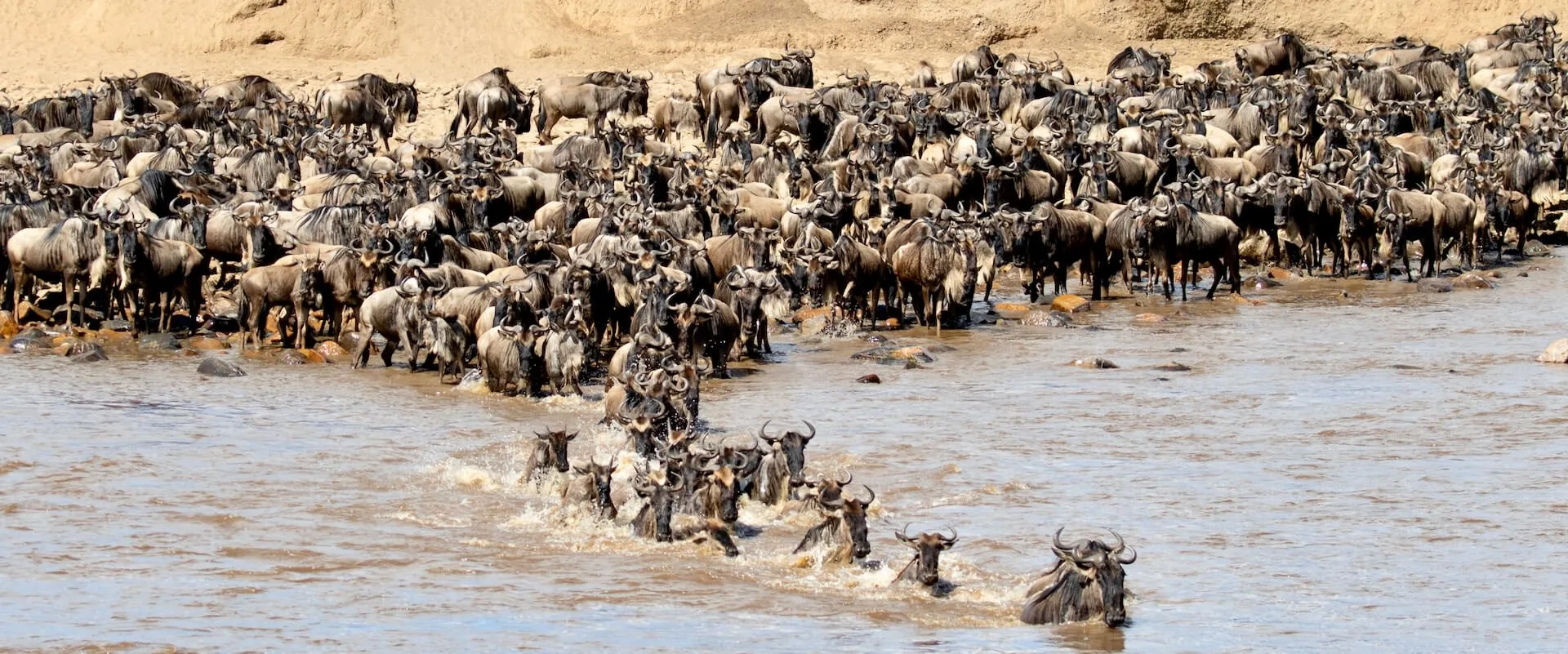
The Great Migration in Africa happens all year because the herds continuously circulate through the Serengeti–Mara ecosystem in…
Read article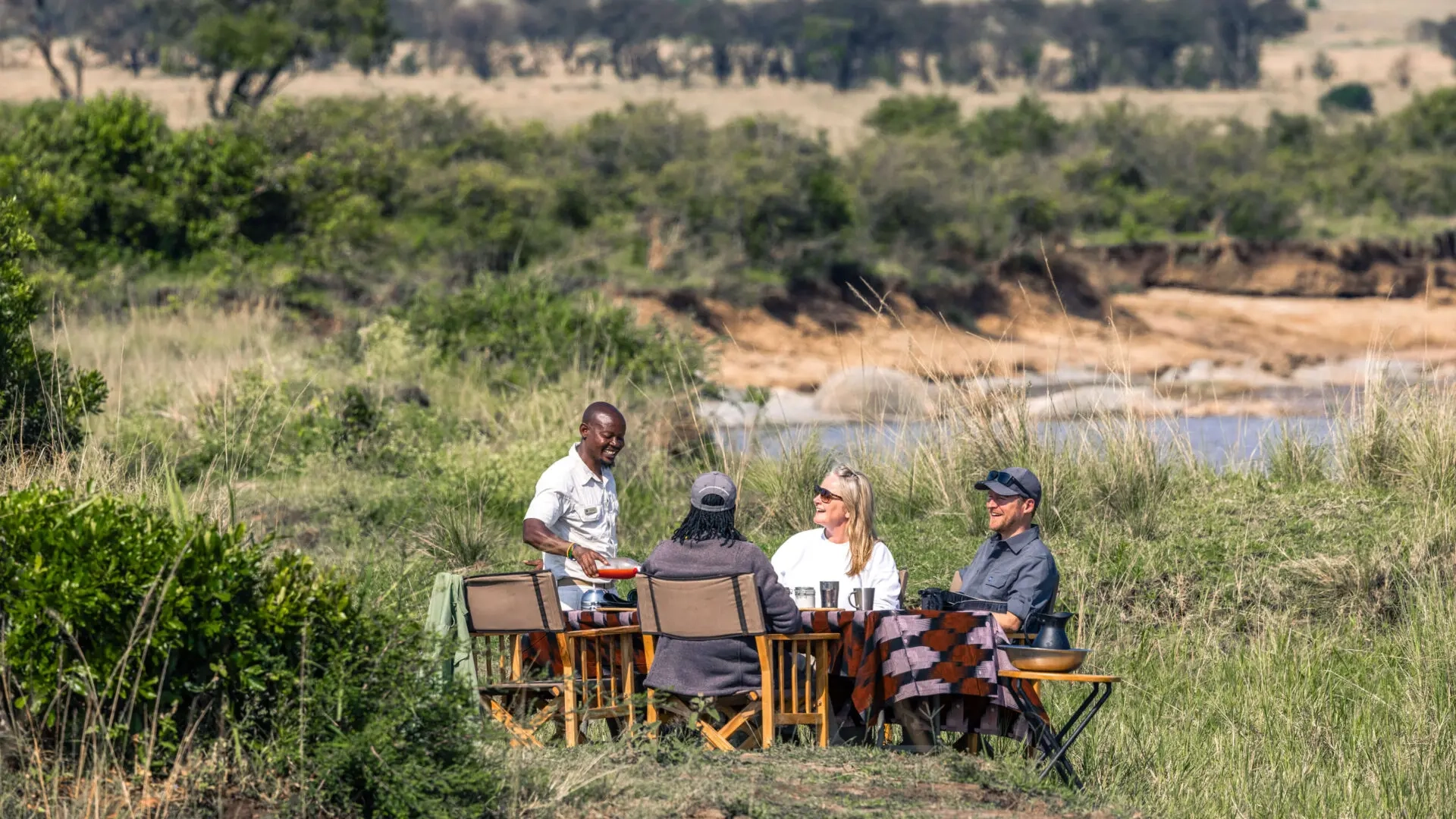
Definitive answer: A picnic lunch on safari is a packed or catered midday meal eaten at an approved…
Read article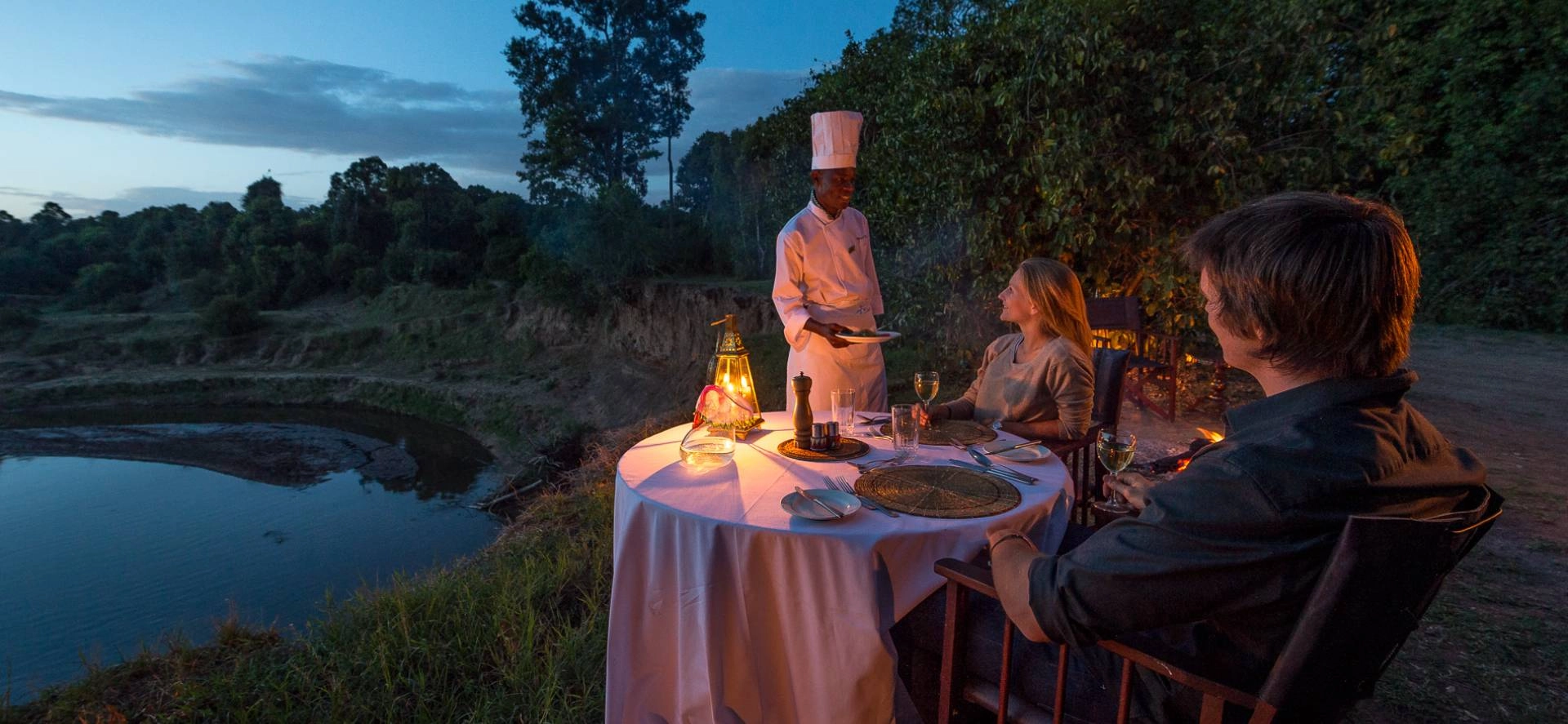
Definitive answer: A bush dinner is an outdoor evening meal arranged in a safe safari setting away from…
Read articleLet us take you closer to the wildlife, people and places that make Africa extraordinary.
Plan Your Safari Today