What should I look for when booking a luxury African safari?
When booking a luxury African safari, look beyond the room and compare the quality of guiding, wildlife location,…
Read article
Travel Guide
Southern Africa is world famous for safari destinations, dramatic coastlines, deserts, mountains and wildlife, but some of the region's most rewarding travel experiences happen outside national parks. From Cape Town's summer celebrations and South African arts…
Southern Africa is world famous for safari destinations, dramatic coastlines, deserts, mountains and wildlife, but some of the region’s most rewarding travel experiences happen outside national parks. From Cape Town’s summer celebrations and South African arts festivals to traditional events in Eswatini, desert gatherings in Namibia and cultural festivals across Zimbabwe, Zambia, Botswana and Mozambique, the region provides a year-round calendar of experiences that can add an entirely different dimension to an African holiday.
This month-by-month guide to Southern Africa’s best festivals is designed for travelers who want to combine wildlife, landscapes and cultural experiences in a single journey. A festival can become the focal point of a trip, or it can simply add one memorable day to a much larger safari. You might spend several days tracking the Big Five in Kruger National Park, fly south to experience Cape Town’s food and arts scene and then continue through the Winelands.
Another journey might combine Victoria Falls with a Zimbabwean arts festival. Travelers visiting Botswana can mix the Okavango Delta with cultural activities before crossing into Namibia. Mozambique makes it possible to combine beach, music and seafood with South African or Eswatini wildlife reserves. The possibilities are enormous. Importantly, exact dates for many festivals change annually. Some events are held during a consistent month but on different weekends. Others occasionally change venue, format or frequency.
Always confirm the current year’s dates before finalizing flights and non-refundable accommodation.
Southern Africa contains some of the continent’s most developed tourism infrastructure. This makes it relatively easy to combine highly organized cultural events with remote wildlife regions. South Africa in particular offers frequent domestic flights, excellent roads and a broad range of accommodation. Travelers can therefore move between city festivals and safari destinations without requiring an exceptionally long trip. The region is also culturally diverse. Southern African history encompasses Indigenous communities, African kingdoms, migration, colonialism, mining, liberation movements, Indian Ocean trade and contemporary global influences.
Modern festivals reflect this complexity. Visitors can experience jazz, electronic music, classical performances, traditional dancing, literature, food, wine, film and visual arts within the same region.
January falls in the middle of the Southern Hemisphere summer. Cape Town is especially lively at this time of year. Long daylight hours, warm weather and the festive atmosphere following the December holiday period make it one of the strongest months for travelers who want culture, food, beaches and outdoor activities.
One of the city’s best-known cultural spectacles is the Cape Town Minstrel Carnival, often associated with the Kaapse Klopse tradition. Colorful costumes, music, marching and community participation create a distinctive atmosphere. The tradition has a complex history connected with Cape Town’s communities and should be understood within that context rather than viewed purely as entertainment. For visitors, the event can be combined with a broader Cape Town holiday incorporating Table Mountain, the Cape Peninsula, Robben Island, Bo-Kaap and the Winelands.
January is summer in the Greater Kruger region. The bush is greener, migrant birds are present and many animals raise young. Visibility can be lower than during the dry season because vegetation is thicker, but photographers often appreciate the lush scenery and dramatic skies. A Cape Town and Kruger safari therefore works well in January for travelers who want both city culture and wildlife.
February remains warm across much of Southern Africa and is another excellent month for combining cultural activities with travel. Cape Town and Johannesburg typically maintain busy calendars of concerts, food events, theatre and outdoor entertainment.
South Africa has developed a strong tradition of outdoor music festivals, often held in scenic rural settings. Events can change over time, but the broader culture of summer music gatherings remains an important part of the country’s festival scene. Travelers interested in attending should check current programming before planning.
February is also popular for romantic travel. Cape Winelands estates frequently host food, wine and music experiences. Couples can combine these with several nights at a private safari lodge. This produces an excellent South Africa honeymoon itinerary balancing wildlife with sophisticated dining and scenery.
March marks the beginning of autumn in parts of southern Africa, although conditions can still feel very summery.
The Cape Town Carnival is a major public celebration featuring performers, floats, costumes and music. It reflects the city’s multicultural identity and creates an energetic atmosphere for visitors. Cape Town already ranks among Africa’s most rewarding urban destinations, so travelers need not structure the entire trip around a single event. Instead, the carnival can complement several days exploring the city.
Kruger remains green. Young animals, birdlife and lush landscapes continue to make the region attractive. In Botswana, seasonal conditions differ significantly between areas. Travelers considering the Okavango Delta should understand that the Delta’s flood cycle does not simply mirror local rainfall because much of the water arrives from Angola months later. That unusual hydrology is one reason Botswana’s safari seasons are so distinctive.
April is an excellent transition month.
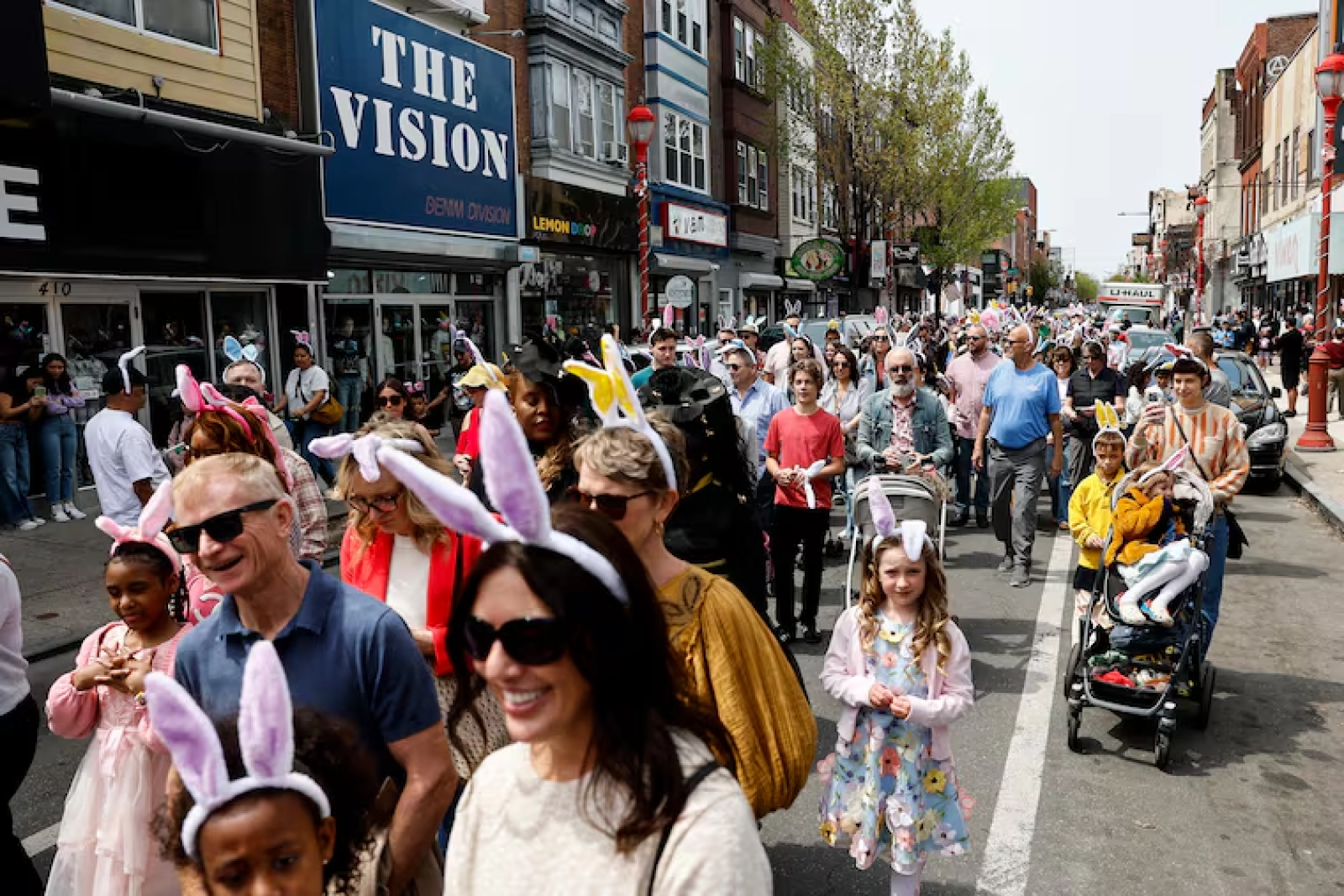
Temperatures become more comfortable in many areas, while Easter holidays generate additional domestic travel.
South Africa’s desert festival culture is best represented by AfrikaBurn, held in the Tankwa Karoo. The event is inspired by principles of participation, creativity, temporary community and self-reliance. Large-scale artworks, installations, costumes and performance create an environment unlike a traditional music festival. This is not an event to attend casually without preparation. The remote desert setting requires participants to think carefully about food, water, shelter, waste and transport. Travelers should review current official guidance before attending.
The Tankwa Karoo is dramatically different from the Greater Kruger bushveld. Travelers with sufficient time can use this contrast to create a highly varied South African journey. Begin in Cape Town, travel into the Karoo and then fly to a safari region. Few itineraries demonstrate South Africa’s ecological diversity so effectively.
May marks an important seasonal transition. In northeastern South Africa, rainfall generally decreases and vegetation begins to thin. Wildlife viewing often becomes progressively easier.
Durban hosts Africa’s Travel Indaba, one of the continent’s major tourism trade events. Although primarily intended for tourism professionals rather than conventional holidaymakers, it has broader significance because it brings together destinations, tour operators, accommodation providers and travel businesses from across Africa. For travel-industry professionals, combining the event with a KwaZulu-Natal safari can be particularly valuable. Hluhluwe-iMfolozi and private reserves in northern KwaZulu-Natal provide excellent wildlife viewing, while the Indian Ocean coast offers beach experiences.
May can be an excellent month for Kruger. Temperatures become more comfortable and dry-season conditions begin developing. This makes May particularly attractive for visitors who dislike the coldest winter mornings but still want improving wildlife visibility.
June brings winter to much of southern Africa. Safari mornings can be cold, but game viewing is often excellent.
The National Arts Festival in Makhanda is one of South Africa’s most significant arts gatherings. The program traditionally spans theatre, music, dance, comedy, visual arts and experimental performance. For culturally curious travelers, the festival demonstrates the sophistication and diversity of South Africa’s creative scene. It also works well with an Eastern Cape itinerary. Visitors can attend performances before continuing to wildlife destinations in the province.
June is a particularly good month for combining culture with wildlife. Kruger’s vegetation continues thinning. Water becomes increasingly important to animals. Cooler temperatures mean predators may remain active later into the morning. Travelers should pack warm clothing for open safari vehicles.
July is one of the region’s most popular safari months. Dry conditions dominate many wildlife areas. School holidays in several countries can increase domestic tourism.
The Knysna Oyster Festival is associated with the Garden Route and combines food, sport and community activities. Knysna itself is positioned around a beautiful lagoon surrounded by forested hills. Visitors can combine the festival with a broader Garden Route road trip including Wilderness, Plettenberg Bay and Tsitsikamma.
From the Garden Route, travelers can continue toward Eastern Cape private reserves or Addo Elephant National Park. Alternatively, they can fly from the Cape region to Greater Kruger. This allows food, coastal landscapes and wildlife to become part of one itinerary.
August is among the strongest months for safari travel across much of Southern Africa. Vegetation is dry, animals gather around water and wildlife visibility can be outstanding. It is also an important period for certain traditional cultural events.
The Umhlanga Reed Dance is one of Eswatini’s most internationally recognized cultural events. Thousands of participants may take part in ceremonies associated with traditional institutions and national identity. Visitors must remember that this is not simply a tourist performance. It carries cultural and social significance for participating communities. Photography and visitor behavior should follow current local guidance.
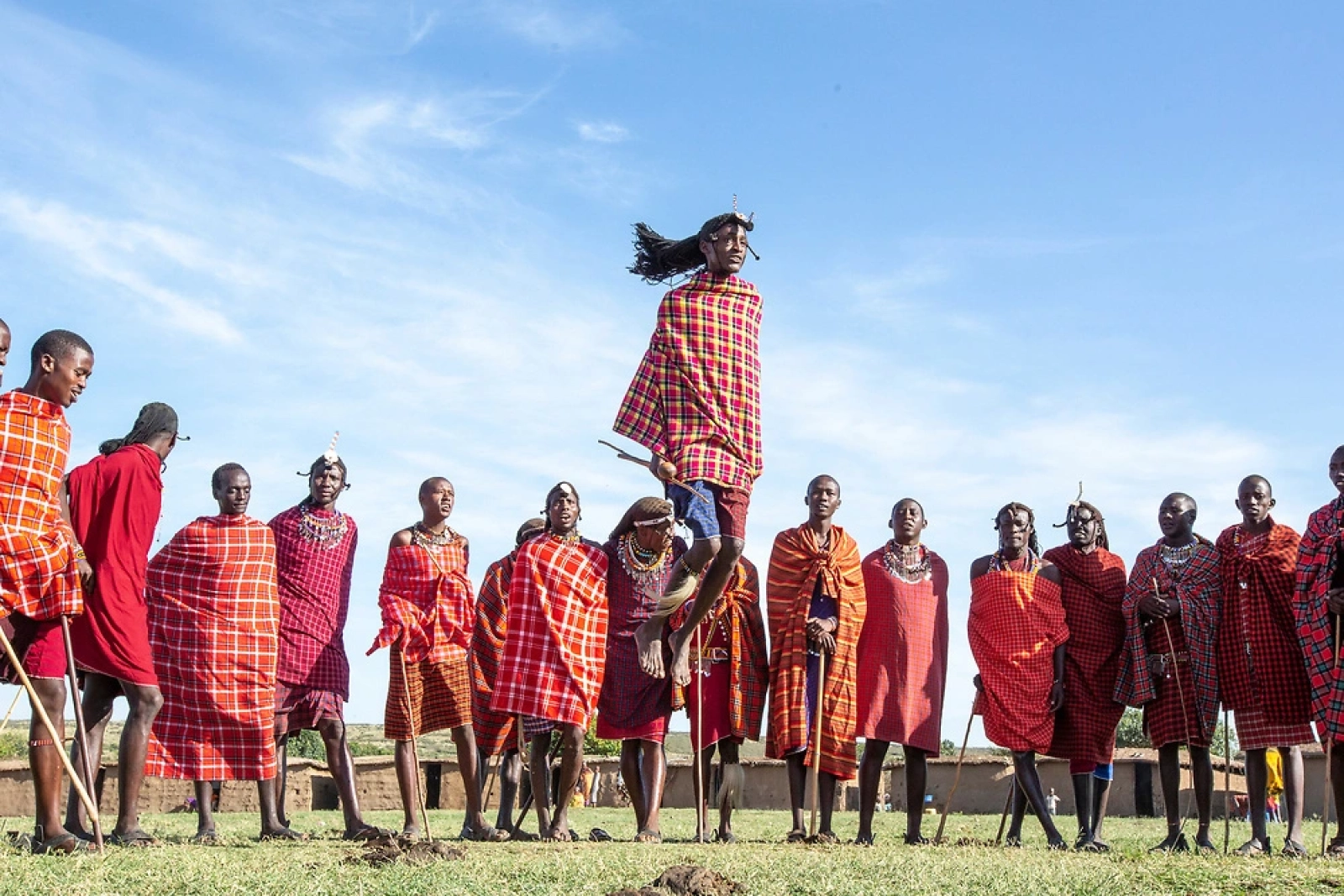
Eswatini fits naturally into overland routes between South Africa’s Kruger region and KwaZulu-Natal. A traveler can enjoy a Big Five safari in Greater Kruger, cross into Eswatini for cultural and landscape experiences and then continue toward South Africa’s Indian Ocean coast. That creates one of southern Africa’s strongest road-trip combinations.
September introduces spring into South Africa. Wildlife areas remain dry, but temperatures begin rising.
September is officially celebrated as Tourism Month in South Africa, with activities designed to encourage travel and highlight the country’s tourism economy. World Tourism Day is observed on September 27. For international visitors, September already offers excellent reasons to travel. The combination of safari conditions, spring weather, wildflowers in western regions and whale watching along parts of the coast makes this one of South Africa’s most versatile travel months.
Hermanus is internationally known for land-based whale watching. Events associated with whale season celebrate marine conservation, food, entertainment and the return of southern right whales to coastal waters. Travelers can combine Hermanus with Cape Town and the Winelands. From Cape Town, flights connect conveniently with safari regions.
Although not a conventional festival, the seasonal wildflower transformation of Namaqualand is one of southern Africa’s great natural events. Timing depends heavily on rainfall and weather, so exact flowering conditions vary. For nature photographers, combining spring flowers, whale watching and safari can produce an extraordinary South African journey.
October is a transitional safari month. Temperatures rise, and the first significant rains may begin in some inland regions. Until rains arrive, wildlife can remain highly concentrated around remaining water sources.
Pretoria and Johannesburg become associated with flowering jacaranda trees during spring. While not a formal festival in the conventional sense, the purple blooms create a seasonal visual identity and are often accompanied by outdoor events and photography interest.
South Africa’s major cities frequently host concerts, markets, food events and cultural programs during spring. Because schedules change yearly, visitors should check current calendars. October can be particularly attractive for combining Johannesburg events with nearby Pilanesberg, Madikwe or flights into Kruger.
November brings warmer conditions and increasing rainfall across many inland safari areas. The first rains transform dry landscapes.
Late spring and early summer traditionally bring numerous outdoor music gatherings across South Africa. Contemporary African music encompasses an enormous range of genres, including amapiano, house, jazz, hip-hop, gospel and Afro-pop. For travelers who want to understand modern South Africa, attending a music event can be just as culturally valuable as visiting historical monuments.
The arrival of rain can produce dramatic change. Fresh grass appears, insects emerge and migratory birds return. Many antelope species give birth during greener periods. Photographers may enjoy fresh landscapes, newborn animals and dramatic clouds.
December is one of southern Africa’s busiest domestic travel periods. Beaches, resort towns and major cities become especially active. Accommodation prices can rise sharply around Christmas and New Year.
Cape Town offers concerts, markets, food events and outdoor activities throughout December. The V&A Waterfront, beaches, Winelands and surrounding towns all attract visitors. Reservations should be made early.
South Africa observes the Day of Reconciliation in December. The date has complex historical meaning and reflects the country’s efforts to build a shared national identity from a divided past. Visitors interested in modern South African history can use the period to explore museums, heritage sites and cultural programs rather than treating the country only as a safari destination.
South Africa has the region’s largest and most visible festival calendar, but travelers should not overlook neighboring countries.
Eswatini’s traditional ceremonies are among the region’s most striking cultural experiences. In addition to the Reed Dance, the Incwala ceremony is an important national and royal tradition. Visitors should approach Incwala with considerable respect because elements of the ceremony are sacred and not necessarily intended for unrestricted tourism. Eswatini combines particularly well with a South Africa overland itinerary. Its mountains, valleys, crafts and cultural traditions provide a contrast to neighboring Kruger.
Botswana is internationally associated with the Okavango Delta, Chobe National Park and Kalahari Desert, yet the country also has rich cultural traditions. Community festivals and heritage events showcase dance, music, craft and traditional identity. Travelers can also incorporate visits with San communities when experiences are organized ethically and community participation is genuine.
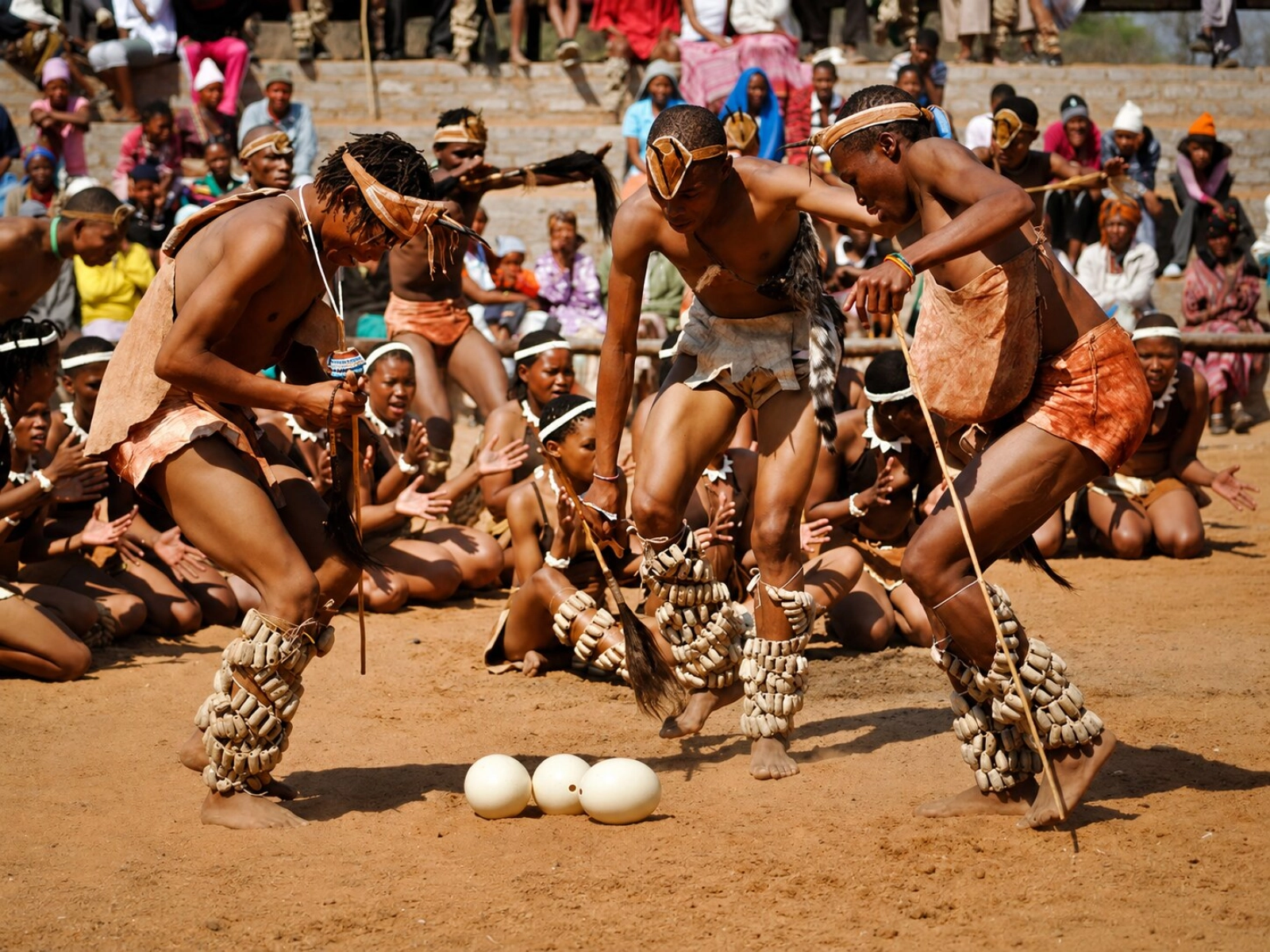
Botswana’s tourism model often emphasizes relatively low visitor density, especially in premium safari areas. A cultural extension can help travelers understand the human dimensions of the Kalahari and Okavango regions.
Namibia’s cultural calendar reflects German colonial history, Indigenous traditions and modern African identity. Windhoek hosts a range of cultural and food events. Regional communities also maintain important traditions. Namibia is especially suitable for self-drive travel. Visitors can combine Windhoek with Sossusvlei, Swakopmund, Damaraland and Etosha National Park. That means even a city-based event can become the beginning of one of Africa’s greatest road journeys.
Zimbabwe possesses a strong arts tradition. Music, dance, sculpture and theatre all play important roles in the country’s cultural identity.
The Harare International Festival of the Arts, commonly known as HIFA, has historically been one of southern Africa’s prominent arts events. Programming and event frequency can vary, so travelers should always verify whether the festival is operating in their intended travel year. When available, a major Harare arts event can be combined with Victoria Falls, Hwange National Park, Mana Pools or Great Zimbabwe.
Even outside large festivals, Zimbabwe offers outstanding musical traditions. The mbira, traditional percussion and modern Zimbabwean music provide a cultural dimension often overlooked by safari-focused travelers.
Zambia is particularly famous for Victoria Falls, South Luangwa National Park and Lower Zambezi National Park. It also contains important traditional ceremonies.
The Kuomboka Ceremony of the Lozi people is among Zambia’s best-known cultural events. The ceremony involves the movement of the Litunga from floodplain areas as seasonal waters rise. Its timing depends on natural water conditions and traditional decision-making, so it should never be treated like a fixed annual concert date. For visitors, this connection between environmental cycles and cultural tradition makes Kuomboka particularly fascinating.
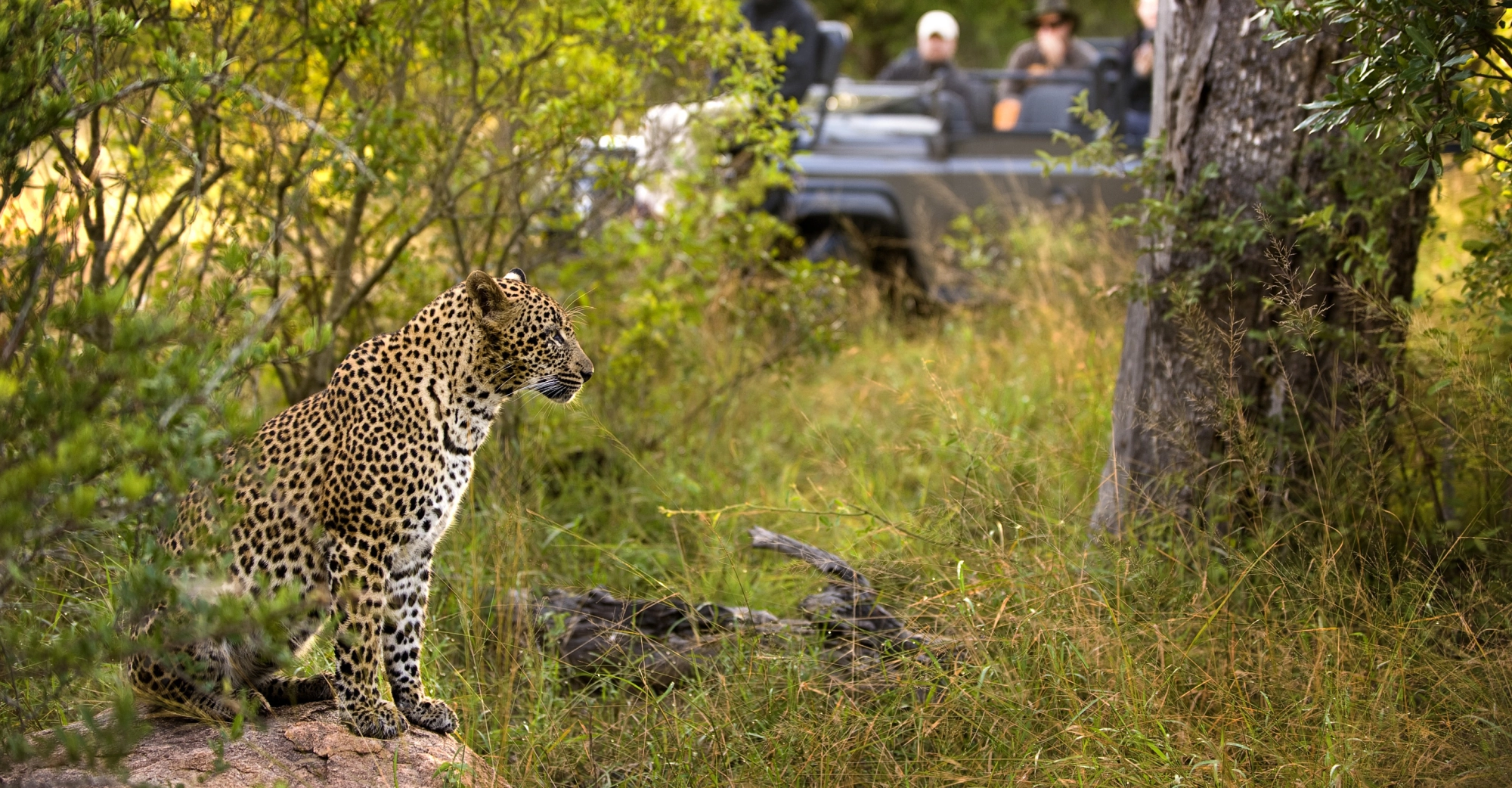
Western Zambia is less frequently visited than the country’s classic safari regions. Travelers with sufficient time can combine cultural travel with wildlife elsewhere in Zambia. South Luangwa is particularly famous for walking safaris and leopard sightings. Lower Zambezi combines game drives with river activities.
Mozambique offers an appealing blend of African and Portuguese influences. Music, food, architecture and coastal culture differ dramatically from inland safari destinations.
Maputo has an active cultural scene with live music, arts and food events. Mozambican music traditions include marrabenta alongside contemporary African styles. The city can be combined with coastal destinations or cross-border South African itineraries.
Ilha de Moçambique contains remarkable historical architecture and reflects centuries of Indian Ocean trade. Cultural events in and around the island can provide an outstanding addition to a northern Mozambique trip.
Not every traveler has enough time to organize an entire holiday around a festival. The easiest events to combine with safari are those located near major transport gateways or established tourism routes. South African events usually perform particularly well for this reason. Cape Town connects easily with Greater Kruger by air. Johannesburg provides access to Kruger, Pilanesberg and Madikwe. Durban links with KwaZulu-Natal’s wildlife reserves. Eswatini can be added to a Kruger-to-KwaZulu-Natal road itinerary.
Victoria Falls gives travelers access to Zimbabwe, Zambia and Botswana. These combinations reduce unnecessary travel time.
One of the strongest itineraries is Cape Town plus Greater Kruger. Spend several days exploring cultural events, food and attractions around Cape Town before flying to Kruger for a Big Five safari. Another excellent option is Victoria Falls plus Chobe National Park. The border region allows visitors to combine waterfalls, river experiences and Botswana’s famous elephant populations. For culturally focused travelers, Eswatini plus Kruger offers a compelling combination. Namibia provides a different style of journey.
Instead of flying between festival and safari locations, travelers can drive through dramatic desert landscapes toward Etosha.
Festivals are not the only events worth planning around. Nature itself produces seasonal spectacles.
During dry periods, large numbers of elephants may congregate along permanent water sources in places such as Chobe.
South Africa’s southern coastline receives migrating whales seasonally, creating excellent land- and boat-based viewing opportunities.
Western South Africa and Namaqualand can erupt into extraordinary carpets of flowers after favorable winter rainfall.
The Sardine Run along South Africa’s east coast is one of the ocean’s great wildlife phenomena. Massive shoals of sardines can attract dolphins, sharks, seabirds and other predators. Conditions and timing vary, meaning the phenomenon is never completely predictable. These natural events can be treated much like festivals when building a seasonal itinerary.
South Africa possesses one of the continent’s most developed culinary tourism industries. Cape Town and the Winelands are particularly strong. Stellenbosch, Franschhoek, Paarl and surrounding areas host food and wine experiences throughout the year. Travelers can spend several nights exploring restaurants and vineyards before continuing to safari. This contrast works surprisingly well. A morning might begin with coffee overlooking vineyard-covered mountains, while several days later the traveler is watching elephants at a waterhole.
Travel marketing sometimes presents African culture almost entirely through traditional dance and rural community visits. That approach ignores the enormous creativity of modern African cities. Johannesburg is one of the continent’s great cultural centers. Cape Town, Durban, Maputo, Harare, Lusaka and Windhoek all produce contemporary music, visual art, fashion and nightlife. A festival safari can therefore connect historical traditions with modern African identity. Visitors who attend a contemporary music festival may discover a side of Africa completely absent from conventional safari brochures.
Festivals provide challenging but rewarding photographic environments. Unlike wildlife photography, where subjects may be distant and light is often softest in the morning and evening, festivals can involve crowds, movement and harsh midday light. A small, unobtrusive camera setup may be easier than carrying extensive equipment. Portrait photography should always be respectful. Ask permission when appropriate. Avoid assuming that brightly dressed participants exist simply as photographic subjects. At traditional ceremonies, follow guidance carefully because certain activities may be private or sacred.
Some festivals work exceptionally well for families. Food festivals, outdoor arts events and daytime community celebrations can provide variety between safari days. Others may involve large evening crowds, loud music or ceremonial practices less suitable for young children. Parents should examine event format rather than assuming that every public festival is automatically family-friendly. A private safari operator can help structure transfers and accommodation so children are not exhausted by excessive driving.
Packing for both festival travel and safari requires versatility. Comfortable walking shoes are essential. Safari clothing should generally be lightweight and practical, with warmer layers for winter mornings. A hat, sunscreen and reusable water bottle are valuable during outdoor events. For evening festivals or city restaurants, visitors may want slightly smarter casual clothing. If the itinerary includes traditional or religious ceremonies, modest attire may be appropriate. Photography equipment should be protected from dust during safari sections.
Festival weekends can create unusual accommodation shortages. A town with normally abundant rooms may suddenly become heavily booked. This is especially important in smaller destinations. Reserve accommodation early when attending a major event. The same applies when the festival coincides with a popular safari season. August and September, for example, can be exceptionally attractive wildlife months in several Southern African destinations. Safari camps may already have strong demand even without an event.
Crowds can change normal transport conditions. Road closures, increased traffic and limited parking are common around urban events. Travelers should consider staying within convenient distance of the venue. Hotels may be able to arrange transfers. For multi-country safari itineraries, allow enough time between the end of an event and a flight or border transfer.
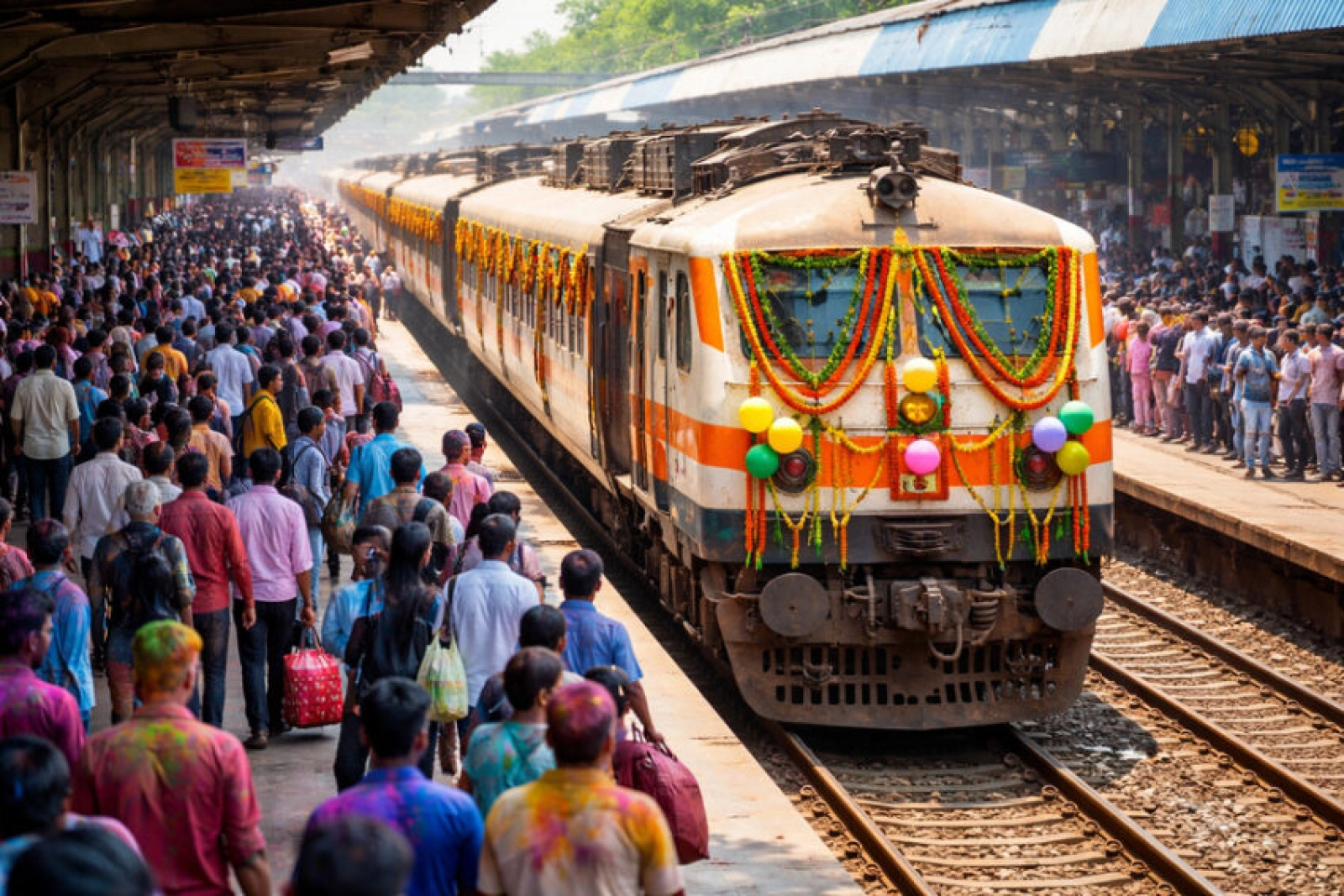
Building too many fixed connections into one day increases unnecessary risk.
Normal urban travel precautions apply. Keep valuables secure in crowded environments. Use trusted transport at night. Follow local authorities’ instructions regarding road closures and event access. Travelers should also purchase comprehensive insurance covering medical emergencies, cancellations and relevant activities. Current travel conditions can change, so official advice should be reviewed before departure.
Traditional ceremonies require particularly respectful behavior. Some are sacred events that happen to permit visitors rather than attractions created for visitors. This distinction matters. Do not interrupt ceremonies. Do not demand access to restricted areas. Do not photograph participants when told photography is inappropriate. A reputable local guide can explain cultural expectations and help visitors understand what they are witnessing. Tourism works best when communities remain in control of how their traditions are presented.
There is no universal answer. For Big Five wildlife viewing, the dry winter and early spring months can be excellent in several safari regions. For Cape Town, summer provides warm weather and abundant outdoor activity. For whale watching and spring flowers, late winter into spring can be particularly rewarding. For lush photography and birding in safari areas, the green summer season has major advantages. Instead of choosing a month based only on conventional peak season, select the event or natural phenomenon that matters most to you and then build the safari around it.
A highly varied itinerary could begin in Cape Town. Spend several days exploring Table Mountain, the Cape Peninsula, city neighborhoods, restaurants and a festival or cultural event. Continue to the Cape Winelands for food and wine. Fly from Cape Town to the Greater Kruger region. Spend four nights at a safari lodge searching for lions, leopards, elephants, buffalo and rhinos. If time allows, continue overland through Eswatini before finishing on the KwaZulu-Natal coast.
Another itinerary could focus on Victoria Falls. Attend a cultural event in Zimbabwe or Zambia before traveling to Chobe National Park in Botswana. From there, continue into the Okavango Delta. This type of journey combines culture with several of Africa’s most celebrated natural environments.
Wildlife often motivates the first journey to Southern Africa. Culture frequently becomes one of the reasons travelers return. The region’s festivals reveal how diverse Southern Africa really is. A traditional ceremony in Eswatini bears little resemblance to an experimental arts gathering in South Africa. A food festival in the Winelands differs completely from a flood-cycle ceremony in Zambia. A contemporary concert in Johannesburg offers another perspective again. Experiencing several of these layers prevents Africa from being reduced to a single safari stereotype.
The best African events and festivals in Southern Africa can turn an already memorable wildlife journey into something considerably richer. January and February bring summer energy to Cape Town and other major cities. March and April introduce carnivals, arts and desert gatherings. May and June combine cultural events with improving safari conditions. July and August are excellent for wildlife and traditional celebrations. September delivers one of South Africa’s most diverse travel periods, with safari, whales, flowers and tourism events.
Spring and early summer then bring contemporary music, green landscapes and coastal festivities before December’s busy holiday season. At Adventure in the Wild Safaris, we can integrate cultural events into broader South Africa safaris, Botswana safaris, Zimbabwe and Victoria Falls tours, Namibia journeys and multi-country Southern Africa itineraries, as well as connect Southern Africa with Uganda gorilla trekking, Rwanda safaris, Kenya and Tanzania wildlife tours. The most rewarding approach is not to race from one festival to another.
Choose an event that genuinely interests you, give yourself time to understand its cultural setting, and combine it with landscapes and wildlife that make sense geographically. That way, the festival does not become an interruption to the safari. It becomes part of the journey.

Share This Article
When booking a luxury African safari, look beyond the room and compare the quality of guiding, wildlife location,…
Read article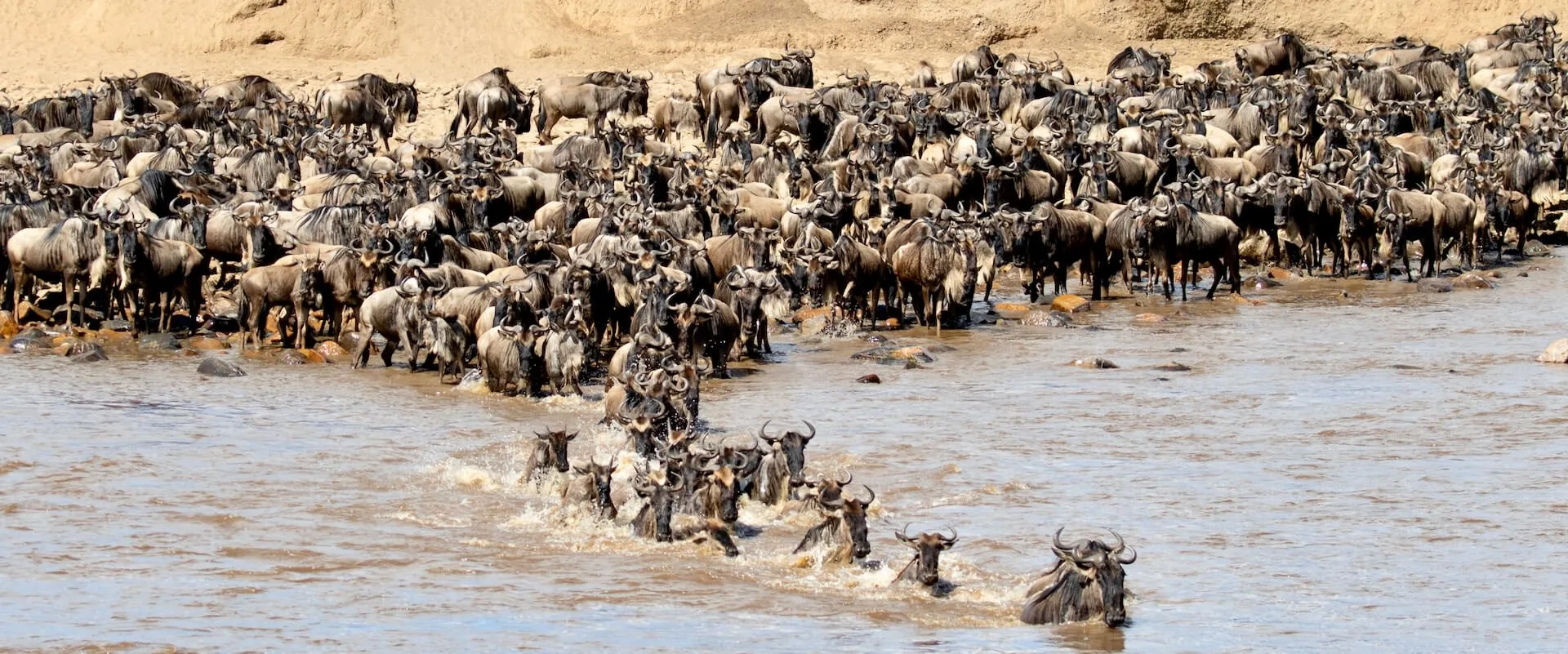
The Great Migration in Africa happens all year because the herds continuously circulate through the Serengeti–Mara ecosystem in…
Read article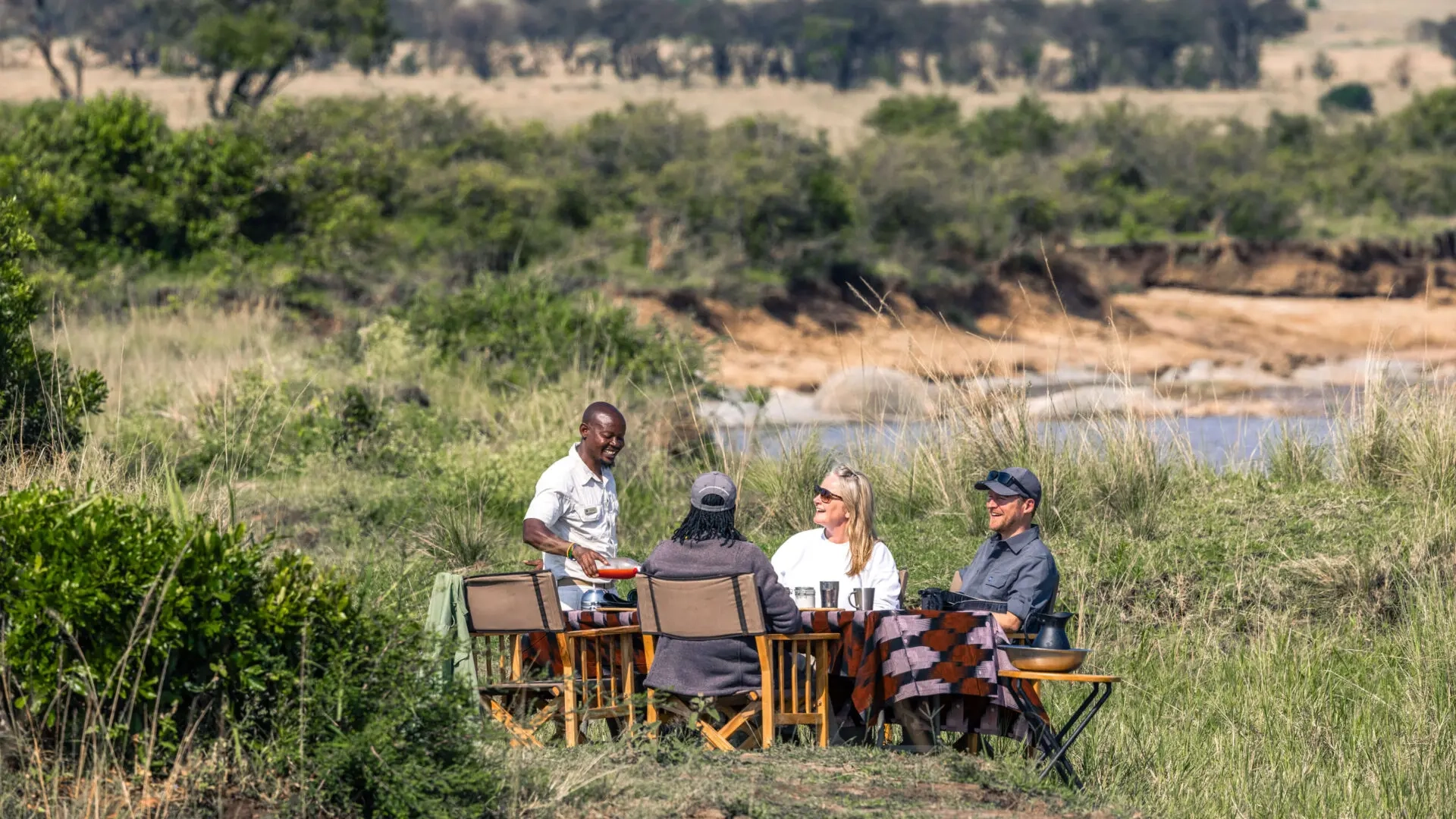
Definitive answer: A picnic lunch on safari is a packed or catered midday meal eaten at an approved…
Read article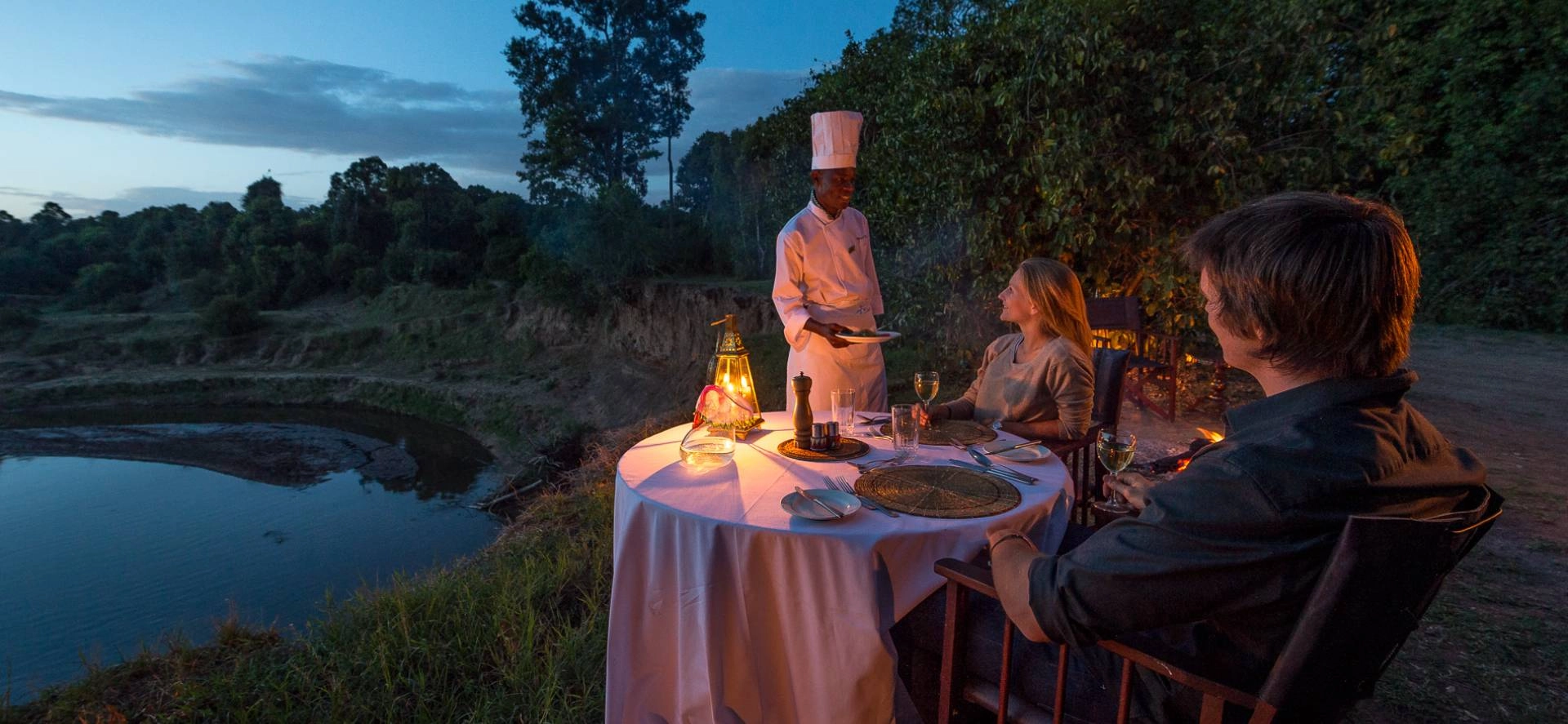
Definitive answer: A bush dinner is an outdoor evening meal arranged in a safe safari setting away from…
Read articleLet us take you closer to the wildlife, people and places that make Africa extraordinary.
Plan Your Safari Today