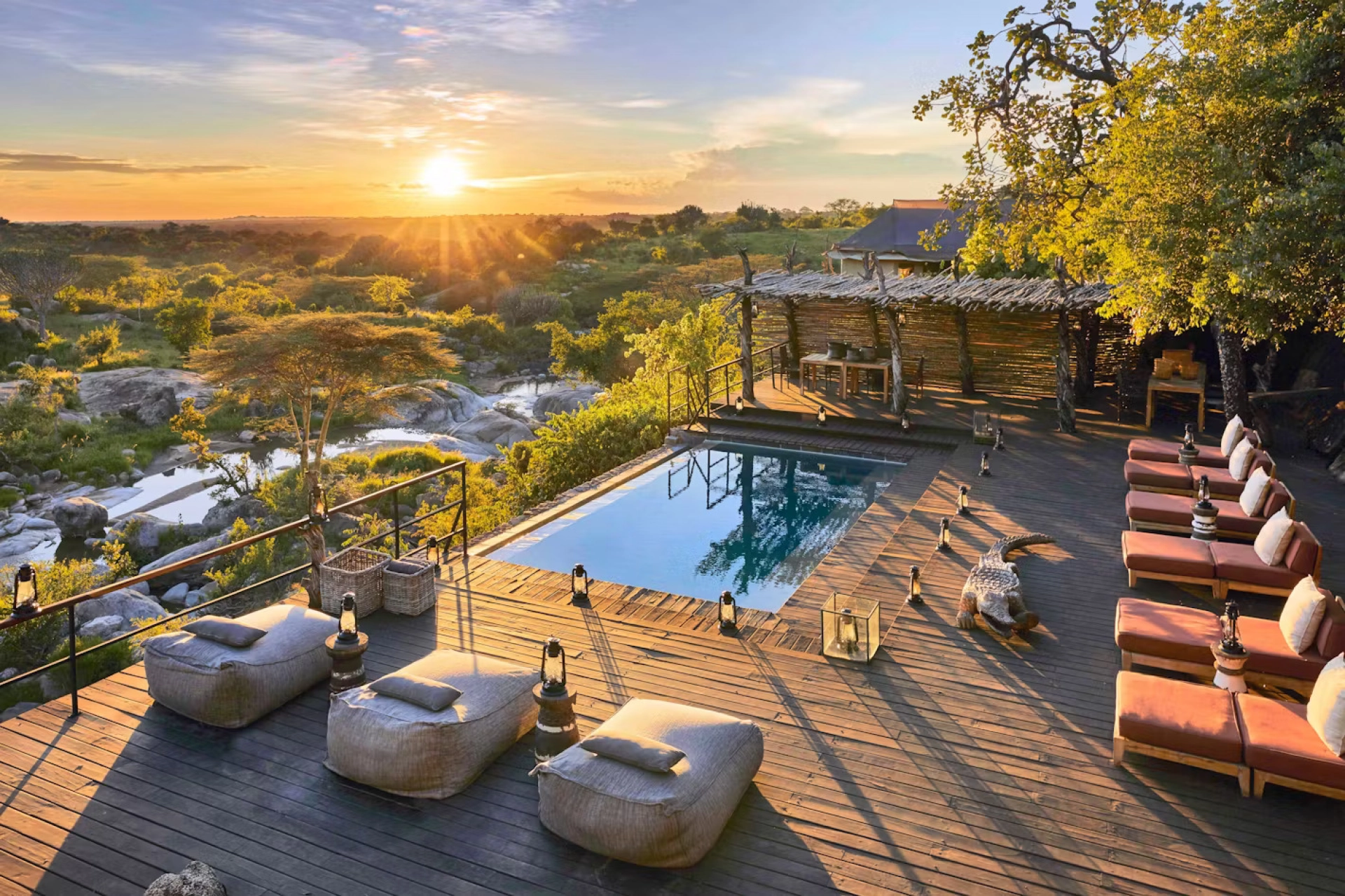
What should I look for when booking a luxury African safari?
When booking a luxury African safari, look beyond the room and compare the quality of guiding, wildlife location,…
Read article
Travel Guide
The best African safaris in 2027 are not defined by a single national park, one famous animal or the most expensive lodge. Africa offers such extraordinary ecological variety that the right safari depends on what a…
The best African safaris in 2027 are not defined by a single national park, one famous animal or the most expensive lodge. Africa offers such extraordinary ecological variety that the right safari depends on what a traveller actually wants to experience. For one visitor, the ultimate journey is sitting quietly a few metres from a mountain gorilla in Uganda’s Bwindi Impenetrable National Park. For another, it is watching enormous wildebeest herds moving through Tanzania’s Serengeti. Others dream about lions in Kenya’s Masai Mara, elephants moving through Botswana’s Okavango landscape, desert scenery in Namibia or a combination of wildlife and Cape Town in South Africa.
This variety explains why searches for the most booked African safaris, best safari destinations in Africa, top African safari tours, best safari countries in Africa and African safari packages 2027 can produce very different answers. There is no single itinerary that can honestly be called the best for every traveller. What can be identified are the safari experiences that consistently attract strong international interest because they combine exceptional wildlife, memorable landscapes and practical itinerary possibilities.
Across East and southern Africa, certain journeys continue to stand out: Uganda gorilla trekking safaris, Tanzania’s Serengeti and Ngorongoro circuit, Kenya’s Masai Mara and Amboseli, Rwanda’s Volcanoes National Park, Botswana’s Okavango Delta, South Africa’s Kruger ecosystem and Namibia’s desert-and-wildlife circuits. Increasingly, travellers combine several of these experiences.
A modern African safari might begin with chimpanzees in Uganda, continue to mountain gorillas in Bwindi, fly to Tanzania for the Great Migration and finish on Zanzibar. Another may connect Kenya’s Masai Mara with Amboseli before several nights on the Indian Ocean coast. A honeymoon could combine Rwanda’s gorillas with an intimate Tanzanian safari. A family may prefer Kenya or South Africa because of routing and accommodation flexibility.
The important trend is that travellers are becoming more selective. They are not simply asking, “Where should I safari?” They are asking, “Which safari gives me the wildlife experience I actually want?” That is the right question.
Among the best African safaris for 2027, Uganda occupies a particularly distinctive position because it combines great-ape trekking with conventional savannah wildlife within one country. The headline experience is mountain gorilla trekking in Bwindi Impenetrable National Park, one of Africa’s most extraordinary wildlife encounters.
A gorilla trek is fundamentally different from a game drive. Instead of scanning open plains from a safari vehicle, visitors enter dense forest on foot with trained guides and trackers. The journey may involve climbing steep slopes, crossing uneven terrain and moving through thick vegetation. The length and difficulty of the search vary because mountain gorillas are wild animals moving naturally through the forest.
When a habituated gorilla family is eventually located, the pace changes completely. The search ends. The forest becomes quiet. Travellers observe the gorillas according to the applicable trekking rules and instructions. A silverback may sit almost motionless while feeding. Young gorillas may climb or interact. Adults groom, rest and move through vegetation. The experience feels intimate because the traveller is no longer separated from wildlife by a vehicle. This is why Uganda gorilla safaris remain among Africa’s most sought-after specialist wildlife journeys.
Uganda’s greatest advantage is diversity. A traveller who flies to East Africa solely for a gorilla trek can have an exceptional holiday. But a longer Uganda safari itinerary reveals much more.
Kibale National Park provides one of Africa’s best-known chimpanzee trekking experiences. Queen Elizabeth National Park introduces savannah wildlife, crater landscapes and the Kazinga Channel. Murchison Falls combines wildlife with the Nile and one of the continent’s most powerful waterfall environments. Lake Mburo provides another contrasting ecosystem, while Mgahinga adds volcanic scenery and opportunities associated with the Virunga region.
This allows visitors to combine gorilla trekking, chimpanzee trekking, game drives, boat safaris, birding and scenic travel without constantly crossing international borders. For travellers who want maximum ecological diversity from one country, Uganda is extremely competitive.
The combination of Bwindi gorilla trekking and Kibale chimpanzee trekking is particularly strong. Although gorillas and chimpanzees are both great apes, the encounters are dramatically different. Gorillas are generally observed in cohesive family groups and spend much of their time on or close to the ground. Chimpanzees can be faster, noisier and more mobile. They may travel through the forest, climb high into trees and communicate through calls that can be heard from considerable distances.
Experiencing both provides a much deeper introduction to primate behaviour. A classic route can travel from Entebbe toward Kibale, continue south toward Queen Elizabeth and then reach Bwindi. This geographical progression is one of Uganda’s major safari advantages.
For travellers who want primates but also expect a conventional African wildlife experience, Bwindi and Queen Elizabeth National Park safaris work particularly well. The transition is dramatic. One day can involve hiking through mountain rainforest. Another can involve watching elephants, buffaloes, antelopes and other wildlife from a safari vehicle. The Kazinga Channel introduces a water-based dimension, with opportunities to observe hippos, birds and other animals around the shoreline. Instead of repeating the same style of safari for a week, Uganda continuously changes the experience.
Uganda is especially attractive to travellers who prioritise gorilla trekking, chimpanzees, birds, active wildlife experiences and ecological variety. It also suits repeat safari travellers who have already visited conventional savannah destinations and want something different. For photographers, the combination of forest primates, landscapes and savannah wildlife provides a broad portfolio. For honeymooners, forest lodges and scenic southwestern Uganda can be combined with private wildlife travel.
For families, age restrictions on primate activities must be considered carefully, but suitable itineraries can be built around the interests of different family members.
If the dream of Africa involves immense plains, lions, cheetahs, wildebeest and dramatic predator-prey relationships, the Serengeti safari in Tanzania remains one of the world’s defining wildlife journeys. The Serengeti is not merely a park containing animals. It is part of a vast functioning ecosystem. Rainfall, grass and water influence wildlife movement across enormous distances. Herbivores respond to changing grazing conditions. Predators respond to prey. Seasons alter the appearance of the landscape.
This ecological scale is one reason Tanzania remains among the most popular African safari destinations.
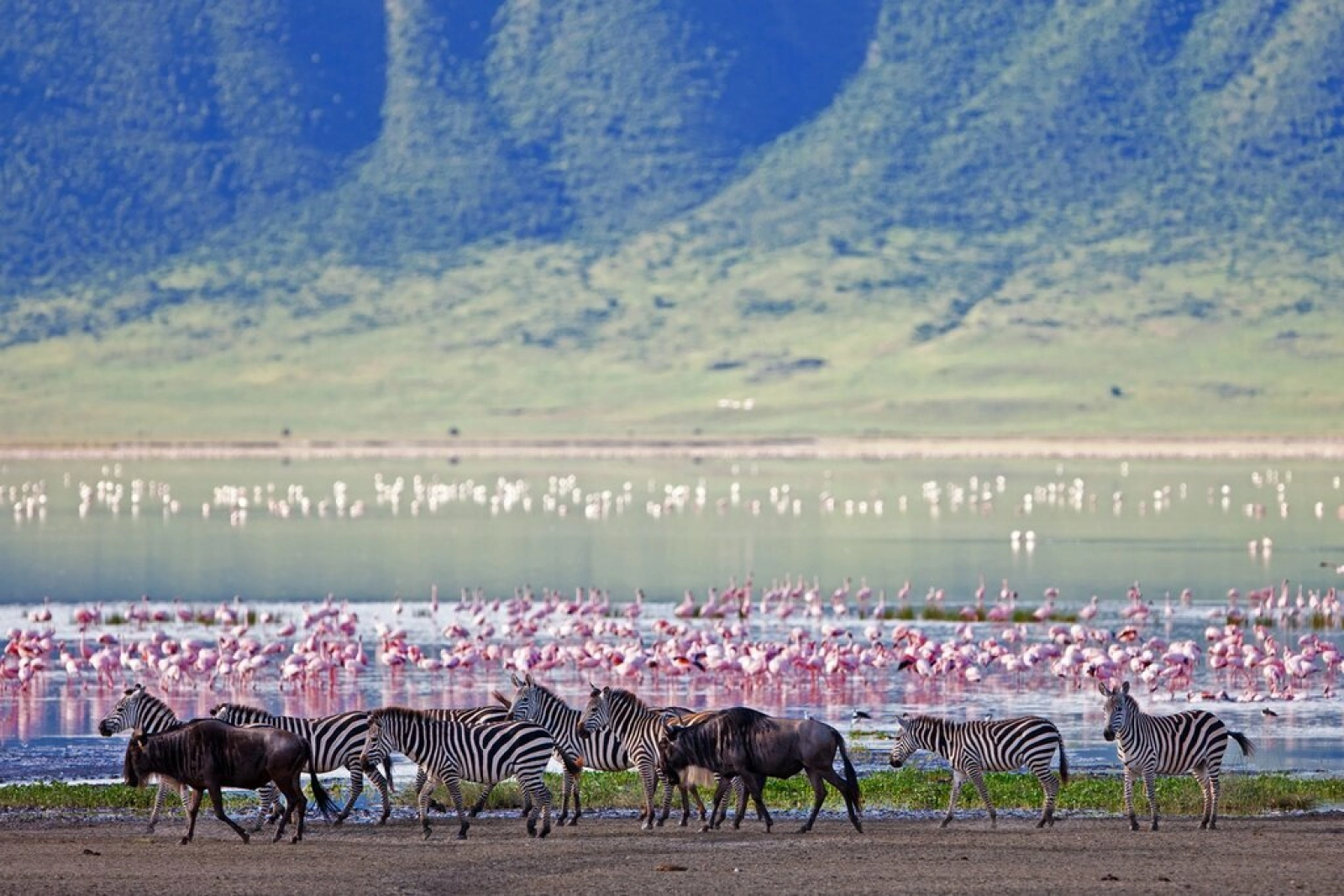
The Great Wildebeest Migration is one of the principal reasons travellers book Tanzania. However, understanding the migration properly is essential. It is not a single event that occurs during one month. The herds move through an annual cycle influenced primarily by rainfall and grazing. During the broader early-year period, the southern Serengeti and Ndutu ecosystem become important, including the famous calving period. As conditions change, animals gradually move through other parts of the ecosystem. Later in the year, northern areas become especially important and potential river crossings attract international attention.
Eventually, the broader cycle continues southward. Because wildlife does not follow a fixed calendar, no responsible operator should guarantee the exact location of every herd or promise a river crossing on a particular day. Instead, a good Great Migration safari places travellers in the most appropriate general region for their travel dates and gives them enough time.
For some wildlife enthusiasts, the Serengeti calving season is more interesting than river-crossing season. The southern plains can become intensely green. Large numbers of wildebeest gather. Young animals create constant activity.
Predators respond to the abundance of vulnerable prey. Clouds and seasonal weather produce dramatic photography. This is a reminder that the “best time for Tanzania safari” depends on the desired experience. A traveller interested in dramatic green landscapes and predator behaviour may choose very different dates from someone determined to maximise the possibility of seeing a northern river crossing.
The Ngorongoro Conservation Area adds another extraordinary dimension to northern Tanzania itineraries. The crater landscape is visually spectacular and supports substantial wildlife within a relatively concentrated environment. Descending into the crater early in the morning can feel like entering an enormous natural amphitheatre. The experience differs from the Serengeti. The Serengeti communicates scale and movement. Ngorongoro communicates concentration and geological drama. Combining them produces a stronger safari than treating them as interchangeable wildlife stops.
Tarangire National Park is increasingly recognised as a destination worthy of proper time. Its baobabs immediately distinguish the landscape from the Serengeti. Elephants are a major attraction. Seasonal wildlife concentrations can be impressive. For photographers, the combination of wildlife and ancient-looking baobab trees creates a strong visual identity. A carefully planned Tanzania northern circuit safari therefore uses Tarangire, Ngorongoro and Serengeti to provide contrast rather than simply accumulating park names.
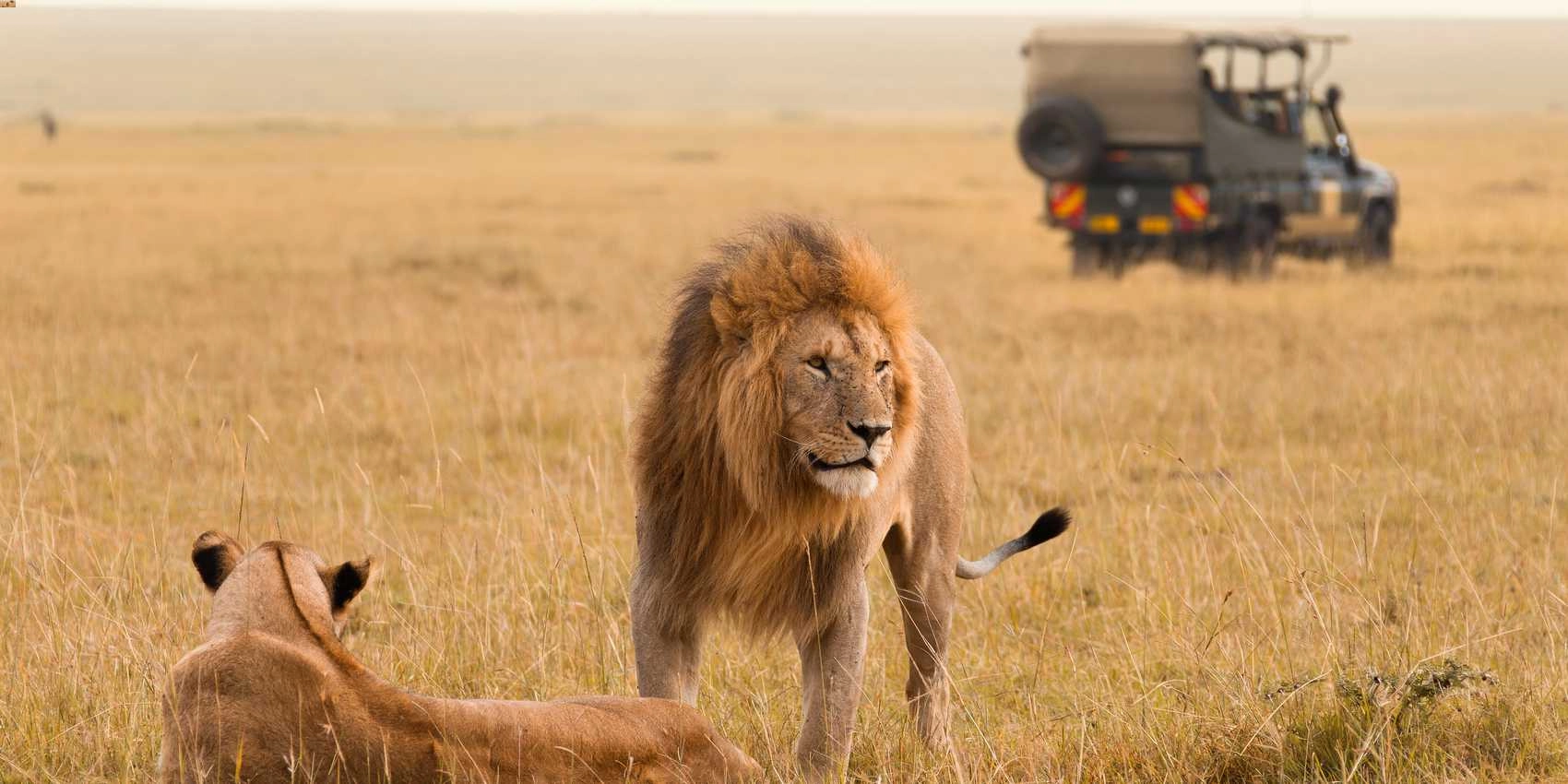
Few safari destinations are as internationally recognisable as the Masai Mara National Reserve. Its open plains, predators and connection to the wider Serengeti-Mara ecosystem have made it one of the most booked wildlife destinations in Africa. The Mara’s popularity is justified. Wildlife densities can be excellent. Large predators are a major attraction. The landscape provides classic safari photography. And during appropriate migration periods, enormous numbers of wildebeest and zebra may enter the broader ecosystem. Yet the Mara is often misunderstood as a migration-only destination.
Resident wildlife makes the Mara attractive throughout much of the year. Lions do not migrate to Tanzania with the wildebeest. Cheetahs remain. Elephants remain. Giraffes, antelopes, hippos and numerous birds continue to occupy the ecosystem. This means travellers seeking a Kenya wildlife safari rather than a specific migration event can consider a wider range of travel dates. This flexibility can improve value. The busiest migration periods can generate strong accommodation demand and higher visitor density.
Outside those periods, the landscape may look different, but the safari can remain outstanding.
The development of conservancy tourism around the Mara has expanded the range of safari experiences.
Depending on the specific conservancy and applicable rules, guests may experience lower vehicle densities and activities that differ from those in the national reserve. The conservation model is also significant because tourism can contribute economic value to land maintained for wildlife outside the formal reserve. For travellers, the key is to understand what they are buying. A Masai Mara conservancy safari is not simply another hotel location.
It can represent a different style of wildlife experience.
Amboseli National Park offers one of Africa’s most famous combinations of wildlife and landscape. The possibility of photographing elephants with Mount Kilimanjaro in the background gives Amboseli a visual identity that few destinations can match. Kilimanjaro itself lies across the border in Tanzania, but its massive profile dominates the Amboseli landscape when weather conditions allow. The elephants are the other defining attraction.
Amboseli has a long history of elephant research and remains one of the places many travellers associate with observing these animals in open landscapes. A Kenya safari combining Masai Mara and Amboseli therefore works well because the two areas offer different photographic environments.
For travellers with sufficient time and budget, combining Uganda with Kenya or Tanzania creates one of Africa’s most complete wildlife journeys. The reason is ecological contrast. Uganda contributes mountain gorillas and chimpanzees. Kenya or Tanzania contributes large open-plains ecosystems.
Instead of choosing between primates and classic safari wildlife, travellers experience both. A Uganda and Tanzania safari might begin in Entebbe, continue through Kibale, Queen Elizabeth and Bwindi, then use regional air connections to reach Tanzania for Serengeti wildlife. A Uganda and Kenya safari might combine Bwindi with the Masai Mara. These itineraries are especially appealing to travellers making a once-in-a-lifetime journey from distant international markets.
Regional flights add cost, but they may be more efficient than returning to Africa several years later for a completely separate holiday.
Rwanda remains one of the most recognisable destinations for mountain gorilla trekking in Africa. Volcanoes National Park provides the central primate experience, while Kigali makes the country relatively straightforward to incorporate into a shorter itinerary. Rwanda’s compact geography is one of its major advantages. Travellers with limited time can reach important destinations without the very long overland transfers associated with larger countries.
The Virunga region is also famous for golden monkey trekking. For primate enthusiasts, adding golden monkeys creates useful contrast with gorilla trekking. They are smaller, quicker and visually striking. This activity can fit particularly well into a Rwanda-Uganda primate journey.
A Rwanda and Uganda safari is one of the most practical cross-border combinations in East Africa. Kigali can serve as a gateway to southwestern Uganda depending on the itinerary. Travellers may combine Volcanoes National Park with Bwindi or Mgahinga, or use Rwanda as one component of a longer regional journey. The route should be designed around permits, border logistics and realistic driving times rather than simply adding another country for marketing purposes.
Botswana offers a very different vision of African wilderness. The Okavango Delta is famous for seasonal water, islands, floodplains and wildlife adapted to this unusual inland delta environment. Depending on camp location, water levels and season, safari experiences may combine vehicle-based wildlife viewing with water activities. The delta’s appeal lies partly in perspective.
After several conventional game drives elsewhere in Africa, moving quietly through channels can completely change the traveller’s relationship with the landscape. Botswana has also developed a strong reputation for lower-density, higher-cost safari tourism in many areas. This means it may not be the natural first choice for every budget. For travellers prioritising remote wilderness and exclusivity, however, it remains among Africa’s most aspirational safari destinations.
Kruger National Park and the surrounding private reserves remain among the continent’s most accessible and diverse safari regions. South Africa’s infrastructure creates enormous flexibility. Travellers can choose self-drive trips, guided park safaris, mid-range lodges or extremely luxurious private reserves. This makes South Africa particularly useful for families and travellers wanting to combine wildlife with other experiences.
Cape Town, the Winelands, the Garden Route and coastal travel can be incorporated into the same holiday. A South Africa safari and Cape Town itinerary therefore appeals to visitors who want wildlife without dedicating the entire trip to safari.
Namibia offers landscapes unlike almost anywhere else in Africa.
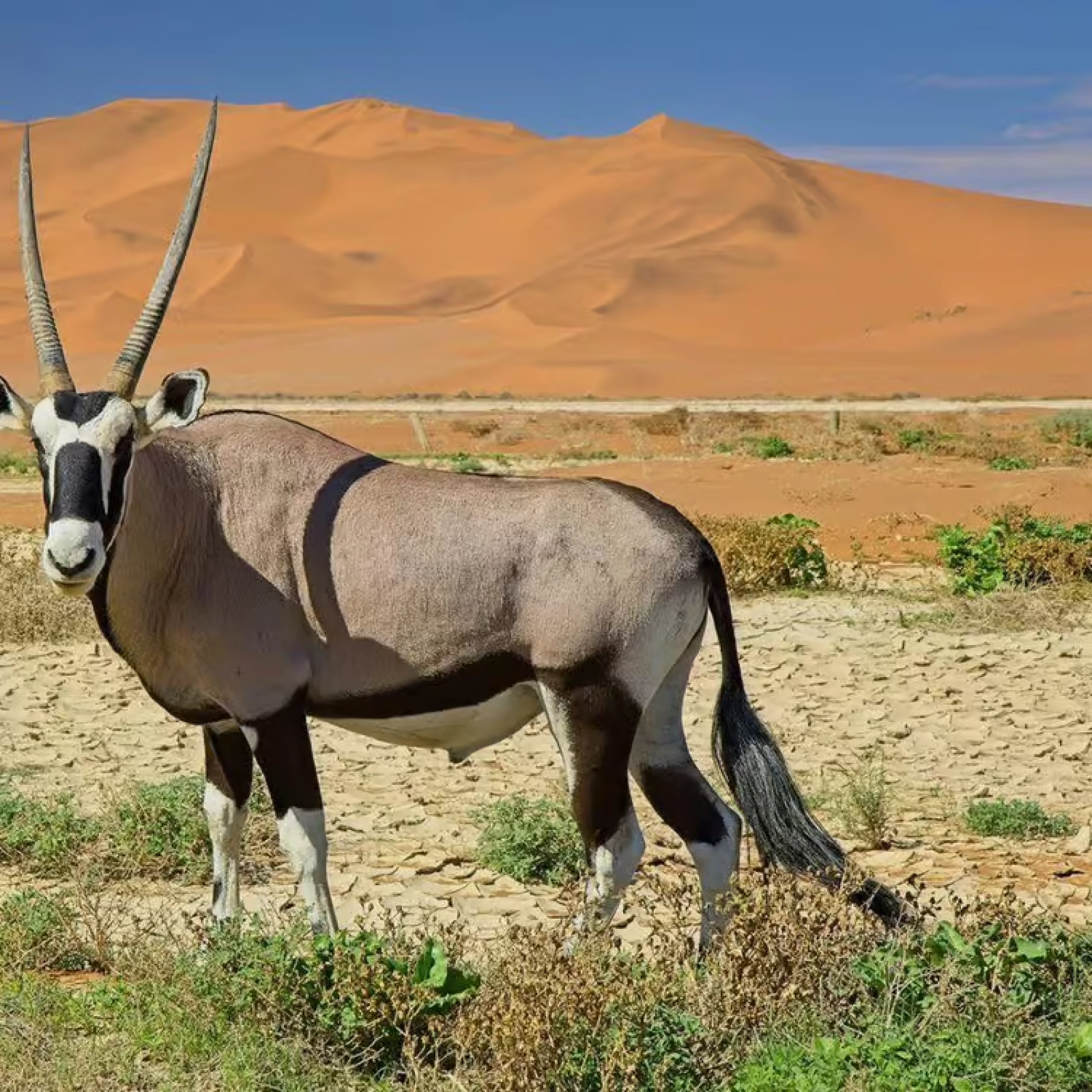
The country’s appeal is not based solely on wildlife density. It comes from scale. Desert. Dunes. Open roads. Rock formations. Dry river systems. Enormous skies. Etosha National Park adds conventional wildlife viewing to this landscape-driven journey. For independent travellers, Namibia self-drive safaris can be particularly attractive. However, distances are large and vehicle selection matters. Namibia is best suited to travellers who enjoy the journey itself rather than simply moving between wildlife sightings.
The combination of Tanzania safari and Zanzibar remains one of Africa’s most popular honeymoon and first-time safari itineraries. The logic is obvious. A safari requires early mornings. Wildlife drives can be dusty. Days are active. Zanzibar provides contrast. The traveller exchanges safari roads for Indian Ocean beaches, historical Stone Town, tropical atmosphere and time to relax. The strongest itineraries plan the beach portion from the beginning rather than attaching it casually at the end.
Seasonality, flight connections and total holiday pace should all be considered.
Another increasingly compelling combination is Uganda gorilla trekking and Zanzibar. This produces an even greater ecological contrast. Bwindi is mountainous, forested and cool compared with the coast. Gorilla trekking is physically active. Zanzibar is designed for decompression. For honeymooners and travellers who want a shorter wildlife component with one extraordinary signature experience, the combination can be excellent.
The best family safari in Africa depends heavily on children’s ages. A family with teenagers can consider experiences that may not be available to younger children. A family with small children should pay closer attention to drive lengths, malaria considerations, lodge age policies, swimming facilities and the amount of time spent sitting quietly in vehicles. Private vehicles are often particularly valuable. The guide can adapt the schedule. Stops can be added. Game drives can be shortened.
A family does not need to inconvenience unrelated travellers in a shared vehicle. Safari should be designed around the family rather than forcing children into an adult itinerary.
Safari remains one of the world’s great honeymoon experiences. But African honeymoon safaris should not automatically mean booking the most expensive lodge every night. Romance often comes from privacy, beautiful landscapes and enough time. A couple may gain more from a three-night stay in an excellent mid-range or upper-mid-range lodge than from a single night in an ultra-luxury property followed by another long transfer. Gorilla trekking can create an unforgettable adventure component. Serengeti or Mara safaris provide classic wildlife. Zanzibar or another Indian Ocean destination provides relaxation. The balance matters more than the label.
Photography-focused travel continues to grow. The best African photography safari is not necessarily the destination containing the greatest number of animals. Vehicle configuration matters enormously.
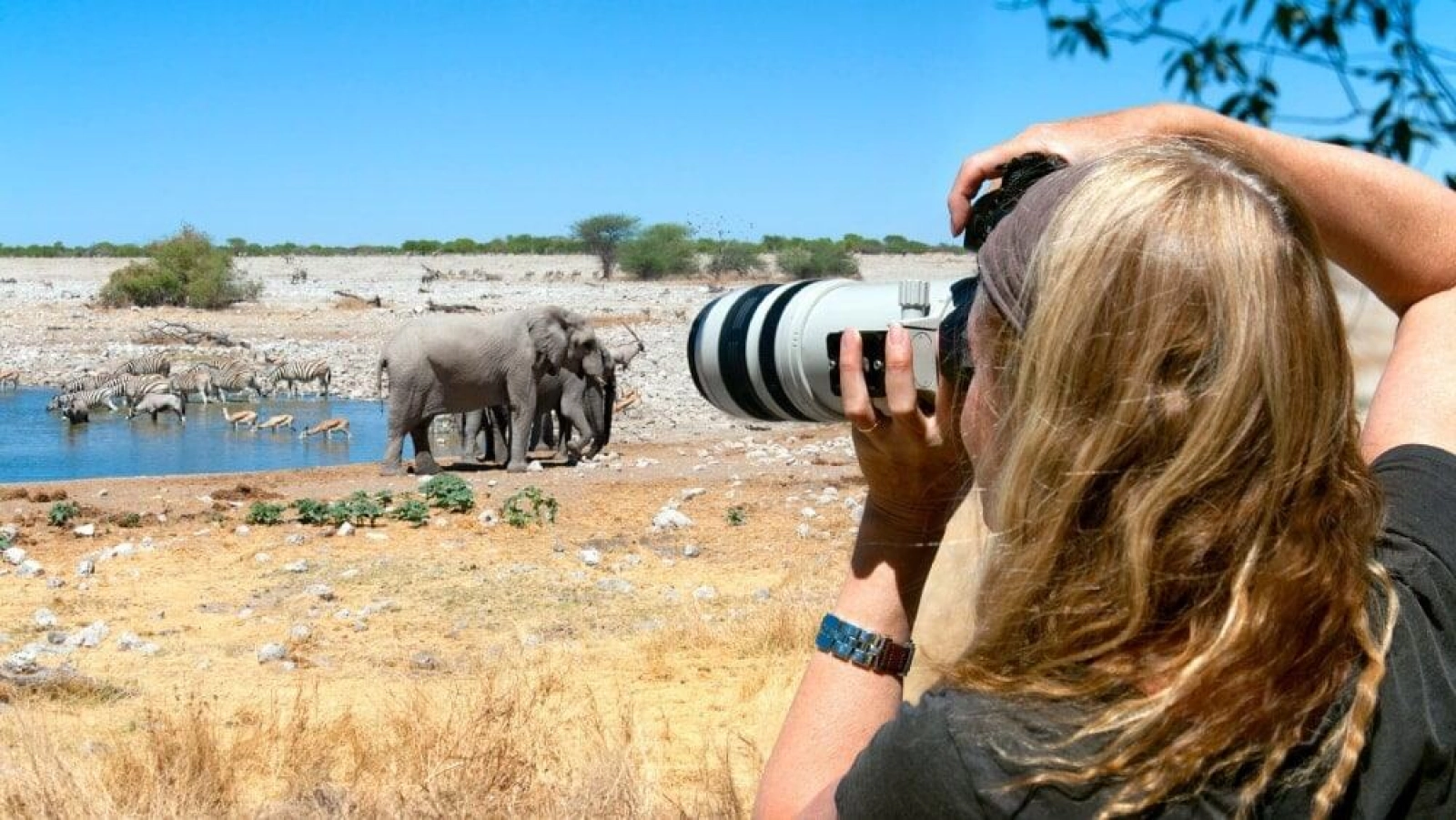
A photographer needs space. The guide must understand light and positioning. Time at sightings matters. Seasonal conditions matter. Private or specialist photographic vehicles can therefore justify a higher daily cost because they improve the central purpose of the trip. Uganda adds forest photography challenges. The Serengeti and Mara offer open-landscape opportunities. Amboseli provides exceptional environmental compositions. Botswana adds water and wilderness. Each destination requires different photographic strategies.
Africa’s birds are increasingly becoming primary safari attractions rather than secondary additions. Uganda is particularly strong for African birding safaris because of its enormous habitat diversity. Wetlands provide shoebill opportunities. Forests support specialised species. Savannah parks add another bird community. For serious birders, a safari can last two or three weeks without feeling repetitive. Kenya and Tanzania are also outstanding birding countries. The key is specialist guiding. A general wildlife guide may recognise many common species. A dedicated bird guide interprets calls, habitat and subtle identification details.
Popularity can result from several factors. Wildlife quality is important, but so are international flights, marketing history, accommodation capacity and destination awareness. The Masai Mara and Serengeti have decades of global recognition. Uganda’s gorilla tourism appeals to travellers seeking a rarer specialist experience. South Africa benefits from strong infrastructure. Botswana has positioned itself strongly in the premium wilderness market. Therefore, most popular African safaris should not automatically be interpreted as objectively superior safaris. Popularity tells us what travellers frequently choose.
It does not tell us what you should choose.
A first safari should usually provide strong wildlife without excessive logistical complexity. Kenya and Tanzania remain natural choices for travellers whose mental image of safari is lions, elephants, giraffes and open plains. Uganda is an exceptional choice for travellers who consider gorillas or chimpanzees essential. South Africa works particularly well for travellers wanting safari alongside urban and coastal experiences.
The right first safari depends on the dream that brought the traveller to Africa.
Repeat safari travellers often become more specialised. Someone who has already visited Kenya may prioritise gorillas in Uganda. Someone who has completed Tanzania’s northern circuit may explore Botswana or Zambia. Someone who has seen the Big Five may become fascinated by birds, primates or walking safaris. This progression reflects a deeper understanding of Africa. The continent’s wildlife richness cannot be reduced to five mammal species.
For value, travellers should look beyond nightly accommodation prices. A best-value African safari balances park fees, permits, transport, lodge location, guide quality and itinerary length. Mid-range accommodation can provide exceptional value. Shoulder seasons can reduce costs. Small groups can share vehicle expenses. Geographically intelligent routing reduces wasted fuel and time. Value is created through design.
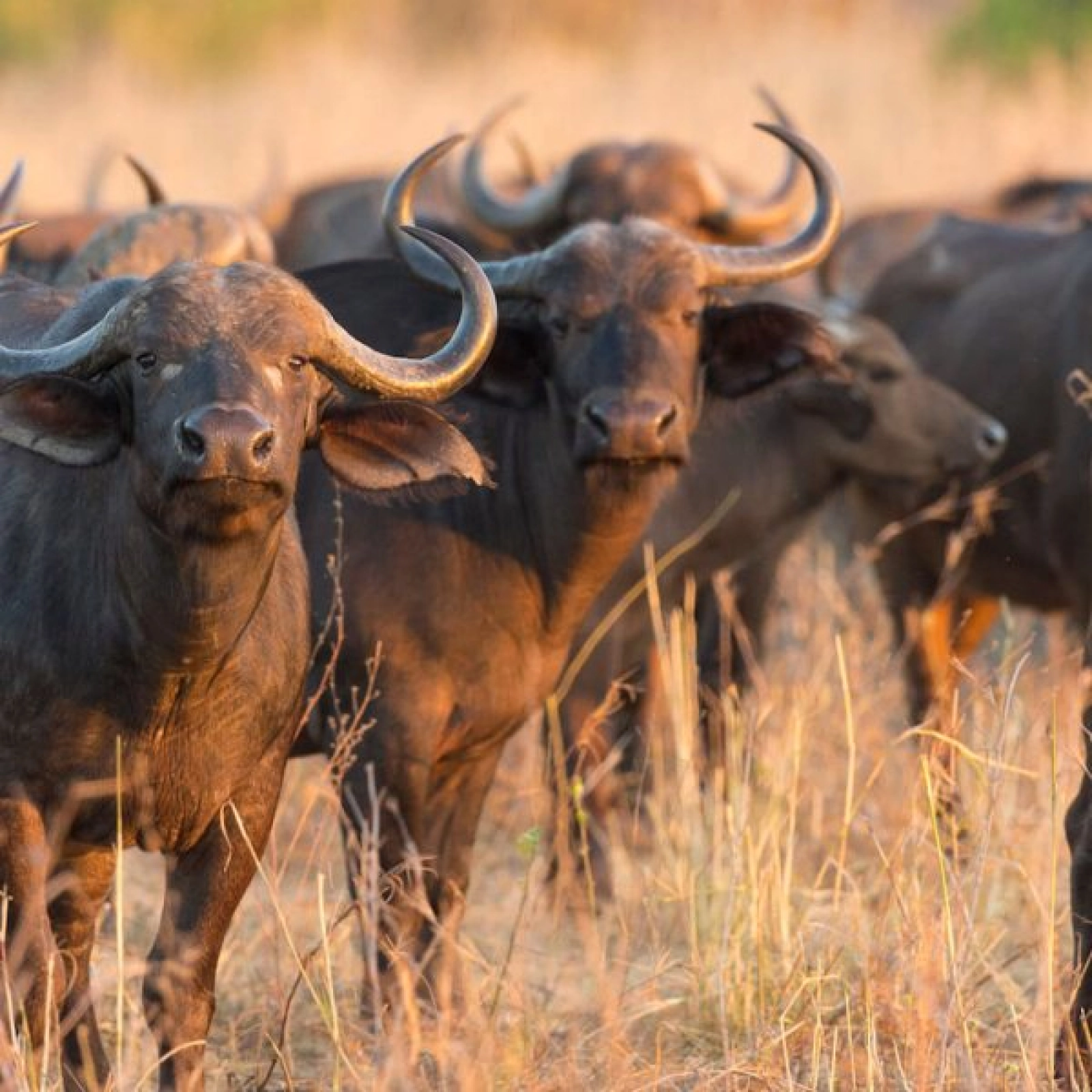
Luxury safari travel is strongest when money changes the experience. Private concessions. Exceptional guides. Small camps. Remote locations. Domestic flights. Outstanding food. Privacy. These features can justify premium prices. Large suites alone do not necessarily improve wildlife viewing. The most effective luxury African safaris combine high service levels with privileged geography and enough time to enjoy the property.
For international travellers, approximately one week is a useful starting point for a focused safari. Ten to fourteen days allow significantly more depth. Multi-country journeys may need longer. The biggest mistake is trying to compress too much. A safari with constant one-night stops can become an exercise in luggage management. Two- and three-night stays create better wildlife opportunities.
Trips involving limited primate permits, small camps, migration-season accommodation or festive dates should be planned early. However, travellers with flexible dates can also consider shoulder seasons. The important point is to secure scarce components first. If gorilla trekking is non-negotiable, confirm permit availability before building the rest of the journey. If a specific migration region matters, accommodation location becomes a priority.
There is no single best safari. Uganda is exceptional for gorillas and chimpanzees, Tanzania for the Serengeti and Great Migration, Kenya for classic wildlife, Botswana for wilderness, and South Africa for flexibility.
Among the most consistently popular safari experiences are the Serengeti, Masai Mara, Uganda and Rwanda gorilla trekking, Ngorongoro, Amboseli, Kruger and Botswana’s Okavango Delta.
Yes. Uganda combines mountain gorillas, chimpanzees, savannah wildlife, boat safaris, birding and varied landscapes.
Both are excellent. Kenya offers the Mara, Amboseli and a wide range of safari circuits. Tanzania offers Serengeti, Ngorongoro and Tarangire. The choice should reflect travel dates, budget and wildlife priorities.
Yes. Regional flights make Uganda gorilla and Tanzania safari combinations increasingly practical.
Seven days can provide a strong focused safari. Ten to fourteen days offer more depth and are particularly useful for multi-destination or multi-country journeys.
Gorilla trekking with a luxury forest lodge, Serengeti or Mara wildlife followed by Zanzibar, and Botswana wilderness safaris can all be excellent honeymoon choices.
Value depends on season, route, accommodation and activities. Mid-range Uganda, Kenya and Tanzania itineraries can provide excellent experiential value when carefully designed.
At Adventure in the Wild Safaris, we design journeys around wildlife priorities rather than simply inserting travellers into standard routes. If your dream is gorilla trekking in Uganda, we can build the itinerary around Bwindi and combine it with Kibale chimpanzees, Queen Elizabeth or other destinations. If your priority is the Great Wildebeest Migration, we can structure the Tanzania or Kenya component according to the broad seasonal movement of the ecosystem.
If you want both primates and savannah wildlife, a Uganda and Tanzania safari or Uganda and Kenya safari can create one extraordinary journey. Accommodation can be designed around budget, mid-range, luxury or a mixture of categories. The goal is to put the budget where it matters most.
The most memorable African safari is rarely the itinerary with the longest list of national parks. It is the one with the clearest purpose. If you have dreamed about mountain gorillas for twenty years, build the safari around Bwindi gorilla trekking. If you dream about immense herds, spend enough time in the Serengeti-Mara ecosystem. If elephants are your passion, consider Amboseli, Botswana or other strong elephant destinations. If photography matters, protect vehicle space and time. If you are travelling with children, reduce exhausting transfers. If this is your honeymoon, leave room to enjoy the lodge.
And if this may be your only journey to Africa, consider combining genuinely different ecosystems rather than simply visiting several similar parks. The best African safaris of 2027 are not defined by popularity alone. They are defined by the moment when the destination, wildlife, season, guide, itinerary and traveller all come together. That is when a safari stops being a holiday package and becomes an experience you will remember for the rest of your life.

Share This Article
When booking a luxury African safari, look beyond the room and compare the quality of guiding, wildlife location,…
Read article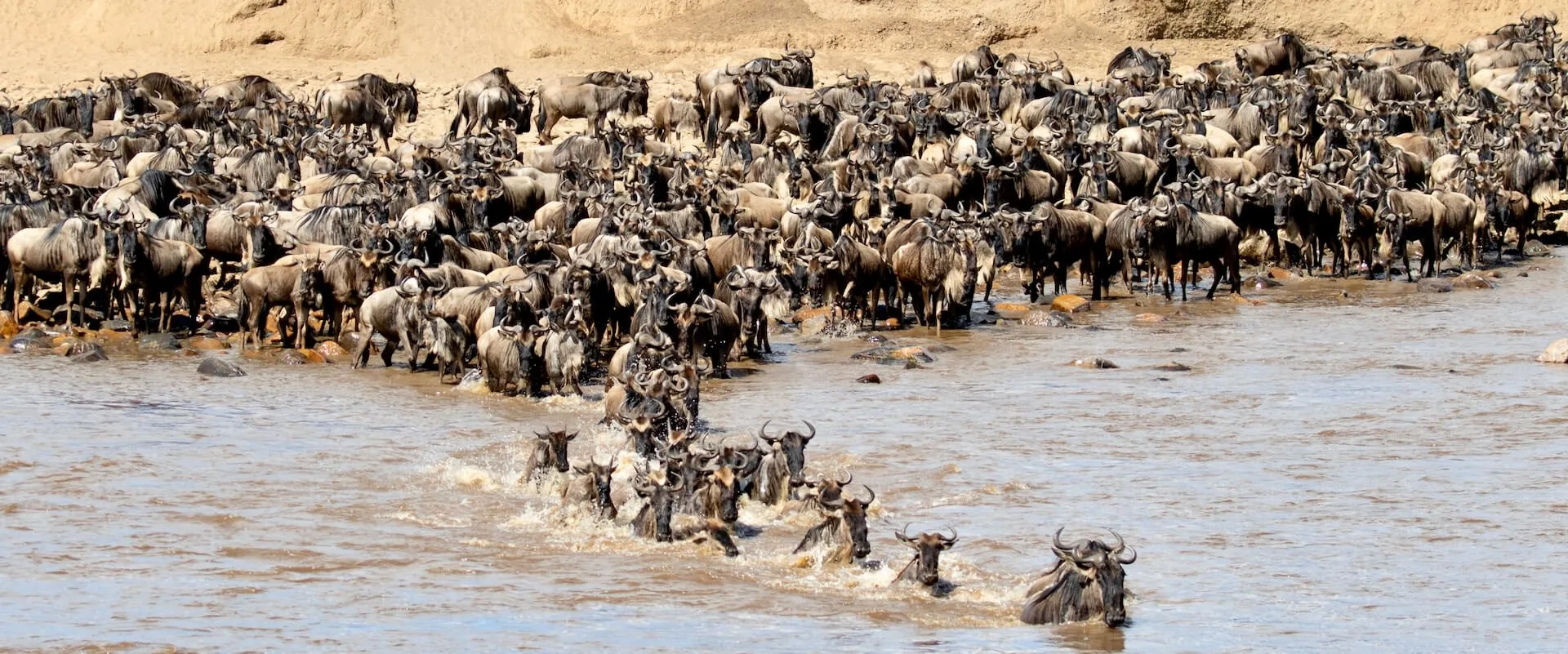
The Great Migration in Africa happens all year because the herds continuously circulate through the Serengeti–Mara ecosystem in…
Read article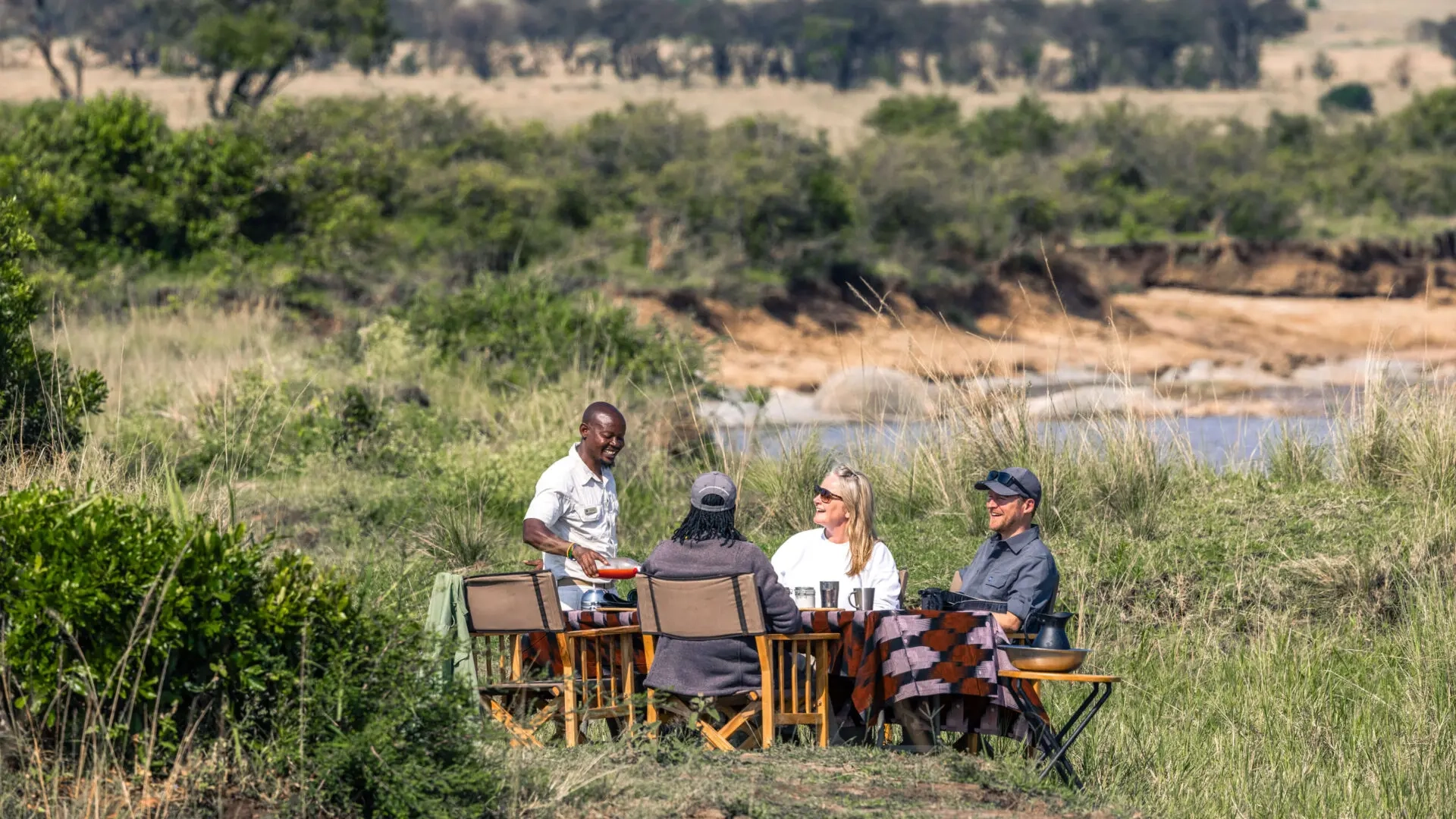
Definitive answer: A picnic lunch on safari is a packed or catered midday meal eaten at an approved…
Read article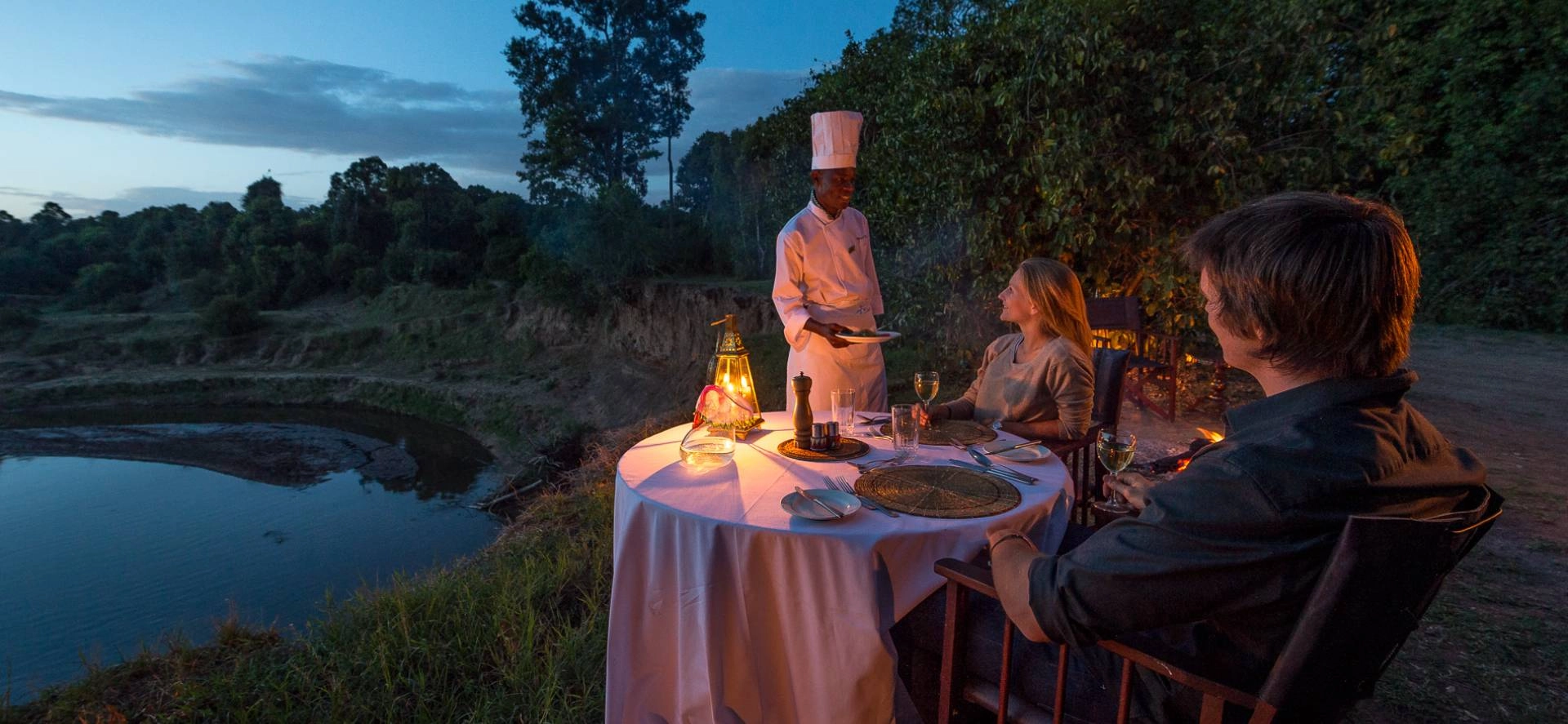
Definitive answer: A bush dinner is an outdoor evening meal arranged in a safe safari setting away from…
Read articleLet us take you closer to the wildlife, people and places that make Africa extraordinary.
Plan Your Safari Today