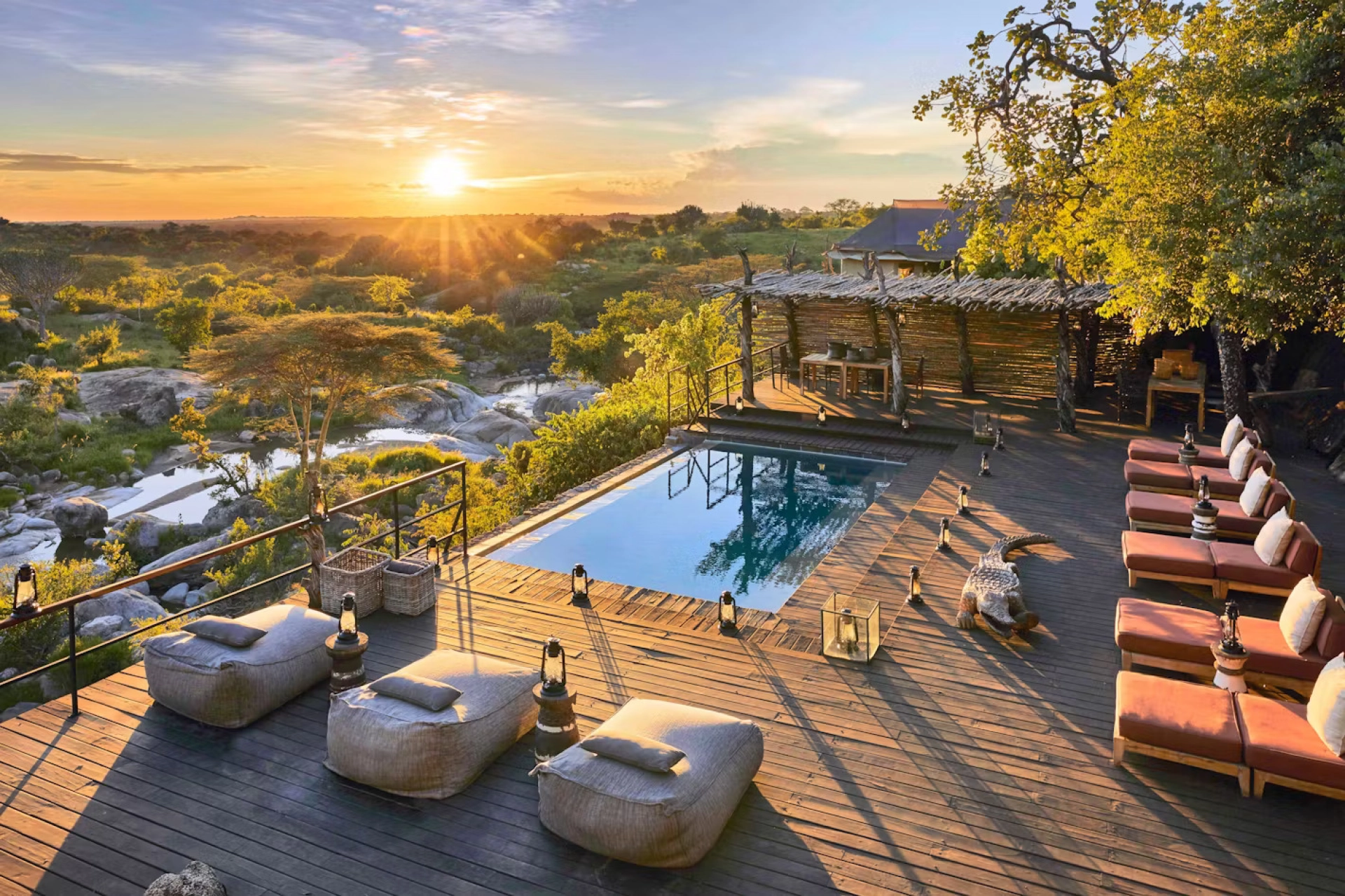
What should I look for when booking a luxury African safari?
When booking a luxury African safari, look beyond the room and compare the quality of guiding, wildlife location,…
Read article

Travel Guide
You do not need two or three weeks to experience the magic of an African safari. Some of the continent's most rewarding wildlife destinations can be explored in just two, three, four or five days, making…
You do not need two or three weeks to experience the magic of an African safari. Some of the continent’s most rewarding wildlife destinations can be explored in just two, three, four or five days, making short safaris increasingly attractive to travelers who have limited vacation time, are visiting Africa for business, want to add wildlife to a beach holiday, or have found a last-minute opportunity to travel.
A carefully designed short African safari can deliver far more than many travelers expect. Within only a few days, you could track mountain gorillas through Uganda’s Bwindi Impenetrable National Park, watch lions hunting across Kenya’s Masai Mara, descend into Tanzania’s Ngorongoro Crater, photograph elephants in Amboseli, search for the Big Five in South Africa’s Kruger National Park or cruise along Botswana’s Chobe River while enormous elephant herds gather at the water.
The secret is choosing the right destination. A short safari should not attempt to reproduce a two-week itinerary at twice the speed. The best last-minute African vacations minimize unnecessary road transfers and concentrate on one or two exceptionally productive wildlife areas. That principle is especially important when travelers are planning at short notice. Permit availability, domestic flights, accommodation, park fees and seasonal wildlife movements can all influence what is practical. A destination that works perfectly for a traveler with four months to plan may not be the best choice for someone hoping to depart next week.
This guide explores some of the most popular short safaris in Africa, including Uganda, Rwanda, Kenya, Tanzania, South Africa, Botswana, Zimbabwe and Zambia. It also explains how to select the right short safari according to your available time, budget and wildlife priorities.
Absolutely. The quality of a safari is not determined only by its length. Location and itinerary design matter enormously. If a traveler spends three days in one wildlife-rich ecosystem, the experience can be substantially better than spending six days racing through four distant national parks. Consider a 3-day Masai Mara safari from Nairobi. Once inside the Mara ecosystem, travelers have access to one of Africa’s most productive wildlife landscapes. Lions, elephants, buffalo, giraffes, zebras, antelopes, cheetahs, hyenas and numerous other species may be encountered without changing parks every day.
The same principle applies to a 3-day Uganda gorilla safari. If the primary objective is seeing mountain gorillas, there is no requirement to visit every national park in Uganda. A focused journey can take travelers directly to Bwindi, complete the gorilla trek and return. In South Africa, a traveler can fly from Johannesburg or Cape Town into the Greater Kruger region and spend three nights at a lodge where morning and afternoon game drives take place within a productive Big Five ecosystem.
Short safaris work because many of Africa’s greatest wildlife experiences are geographically concentrated.
Short safaris are ideal for several types of traveler. Business travelers attending conferences in Nairobi, Kigali, Kampala, Johannesburg, Cape Town, Arusha or Dar es Salaam may have only a few free days. A short wildlife extension can transform an ordinary business trip into a memorable African journey. Beach travelers represent another major group. Visitors staying in Zanzibar can fly to Tanzania’s mainland for several safari days. Travelers on Kenya’s coast can connect with the Masai Mara, Tsavo or Amboseli. Visitors to Cape Town can fly directly to the Kruger region.
Short safaris are also useful for travelers connecting between destinations. Someone flying through Kigali may decide to add gorilla trekking. A visitor traveling through Entebbe can incorporate a Uganda primate experience. Victoria Falls visitors can easily add Chobe National Park. And increasingly, travelers simply prefer shorter holidays. Not everyone wants to spend fourteen days on safari. A focused four-day wildlife experience followed by a beach, cultural or city stay can provide greater variety.
Few short African adventures can compete with mountain gorilla trekking in Uganda. Uganda protects mountain gorillas in Bwindi Impenetrable National Park and Mgahinga Gorilla National Park, both situated in the country’s mountainous southwest. A short gorilla safari is particularly attractive because the primary experience takes place during one extraordinary trekking day. Travelers enter the forest with trained guides and trackers, following trails through dense vegetation until they locate a habituated gorilla family.
The journey through the forest is part of the experience. Depending on where the gorillas have moved, trekking can range from relatively manageable to physically demanding. Once the gorillas are located, visitors follow the regulations governing the encounter and observe the family at remarkably close range. Watching a silverback resting only meters away or seeing juvenile gorillas climbing through vegetation can become one of the most powerful wildlife experiences in Africa.
A 2-day gorilla safari from Kigali can work particularly well for travelers with extremely limited time, subject to border logistics and permit availability. Kigali is geographically convenient for parts of southwestern Uganda. Travelers can cross into Uganda, continue toward Bwindi, overnight near the trekking sector and undertake gorilla trekking the following day before returning. However, such an itinerary is fast-paced. Those with an additional day will generally enjoy a more relaxed journey.
A 3-day Uganda gorilla trekking safari is one of the strongest short safari options. The extra time reduces transfer pressure and allows the traveler to appreciate southwestern Uganda’s landscapes. Depending on routing, the trip may start from Entebbe, Kampala or Kigali. The precise Bwindi sector matters. Bwindi contains several trekking sectors, and selecting accommodation simply because it appears attractive online can create unnecessary transfers if it is located far from the assigned trekking point.
A knowledgeable safari operator should coordinate the gorilla permit, trekking sector, lodge and transport route as one package.
Travelers with three or four days can consider adding Lake Bunyonyi. The lake’s terraced hills and islands create a peaceful contrast to the physical intensity of gorilla trekking. A sunset boat trip or relaxed lakeside stay can make a short gorilla safari feel much more complete.
Rwanda offers another excellent short gorilla trekking experience. Volcanoes National Park lies within relatively convenient driving distance of Kigali, making Rwanda particularly suitable for travelers whose available time is extremely limited. A traveler can arrive in Kigali, transfer toward Musanze and trek gorillas the following morning. This logistical convenience is one of Rwanda’s greatest strengths. The Virunga volcano scenery is also spectacular. Steep forested slopes create a dramatic environment for gorilla trekking.
The answer depends on budget, permit availability, flight routing and the rest of the itinerary. Rwanda can be especially convenient for a very short trip because of the transfer from Kigali.
Uganda often provides excellent value and allows gorilla trekking to combine naturally with Lake Bunyonyi, Queen Elizabeth National Park and other destinations when an extra few days are available. Travelers should compare the total safari package, rather than looking only at driving time or permit price.
For travelers dreaming of classic African savannah, a 3-day Masai Mara safari is difficult to beat. The Masai Mara National Reserve and surrounding conservancies form the northern section of the greater Serengeti-Mara ecosystem. Open grasslands support an exceptional variety of wildlife. Lions are among the most conspicuous predators. Cheetahs use open plains where their extraordinary speed becomes an advantage. Leopards inhabit riverine vegetation and wooded areas. Elephants, giraffes, buffalo, zebras and antelope are widespread.
Spotted hyenas patrol the plains. During the migration season, huge numbers of wildebeest and zebra may enter the ecosystem from Tanzania. However, the Mara should not be considered a seasonal destination that is worthwhile only during the migration. Resident wildlife provides excellent safari opportunities throughout much of the year.
For short vacations, transfer time matters. Driving from Nairobi allows travelers to see more of the Kenyan countryside and can reduce costs. However, road transfers consume a significant part of the available holiday. Flying into the Mara is more expensive but can maximize actual game-viewing time. For a traveler with only three days, a fly-in Masai Mara safari can therefore make excellent sense. For someone with four or five days and a tighter budget, a road safari may provide better overall value.
Private and community conservancies surrounding the national reserve provide another option. Vehicle densities may be lower, and certain conservancies permit activities such as night drives and guided walks. Combining the national reserve with a conservancy can be rewarding, although extremely short itineraries should avoid changing camps unnecessarily.
Amboseli National Park is one of Kenya’s most recognizable safari destinations. The park is famous for elephants and iconic views toward Mount Kilimanjaro across the border in Tanzania. Large elephant herds move across open landscapes, creating outstanding photographic opportunities. Wetlands fed by underground water provide important wildlife habitat despite the surrounding dry environment. Buffalo, giraffes, zebras, wildebeest, lions, hyenas and numerous birds can also be encountered.
Amboseli’s location makes it relatively accessible from Nairobi compared with more distant Kenyan safari areas. A two- or three-night stay can provide an excellent introduction to East African wildlife. Photographers often appreciate early morning conditions when Kilimanjaro may be clearer. Cloud can obscure the mountain at any time, so travelers should never treat a perfect mountain view as guaranteed. Amboseli also combines well with Tanzania for travelers extending their trip.
Travelers wanting wildlife without going as far as the Masai Mara can consider Kenya’s Rift Valley. Lake Nakuru National Park is particularly valuable for rhino viewing and birdlife. The surrounding landscape can also support lions, buffalo, giraffes and other animals. Nearby Lake Naivasha provides boat excursions, hippos and prolific birdlife. A short Kenya itinerary can combine these environments without excessive travel. This is especially useful for repeat visitors who have already experienced the Mara or travelers who want a gentler safari introduction.
The Serengeti National Park represents the African safari dream for millions of travelers. Its enormous plains support one of the greatest concentrations of large mammals on Earth. Lions, cheetahs, leopards, hyenas, elephants, buffalo, giraffes and countless herbivores inhabit the ecosystem. The challenge for short safaris is distance. Driving from Arusha to deeper sections of Serengeti consumes substantial time. For a genuinely short holiday, a fly-in Serengeti safari may therefore be the better option.
Light aircraft connect major tourism gateways with airstrips throughout the ecosystem. Travelers can land close to their chosen camp and begin wildlife viewing relatively quickly.
Travelers hoping to encounter migration herds should select the safari region according to the general seasonal movement. The herds do not remain in one place. Different months can favor southern Serengeti, central areas, the western corridor or northern Serengeti. Exact movements depend on rainfall. A short migration safari therefore requires particularly careful lodge selection because there is little time to compensate for staying in the wrong region.
For travelers with very limited time from Arusha, the Ngorongoro Crater offers extraordinarily concentrated wildlife viewing. The crater is a huge volcanic caldera containing grassland, wetland and woodland.
Wildlife lives within and moves through the wider conservation area. Lions, buffalo, elephants, hippos, zebras, wildebeest and numerous antelope can be encountered. Black rhinos are present, although sightings are never guaranteed. The dramatic descent from the crater rim to the floor is itself unforgettable.
A particularly strong 3-day Tanzania safari can combine Tarangire and Ngorongoro. Tarangire introduces travelers to baobab landscapes and large elephant populations. Ngorongoro provides concentrated wildlife and spectacular scenery. This combination avoids the longer road journey to Serengeti and therefore works exceptionally well for travelers short on time.
Tarangire is sometimes overshadowed by Serengeti and Ngorongoro, but it can be outstanding. The park is particularly famous for elephants. Ancient baobab trees dominate sections of the landscape. During the dry season, the Tarangire River becomes increasingly important to wildlife, concentrating animals around available water. A two-night Tarangire safari can be surprisingly rewarding. The park’s proximity to Arusha compared with Serengeti makes it useful for short itineraries.
South Africa may offer the greatest variety of short Big Five safari packages anywhere on the continent. Kruger National Park and the adjoining private reserves of Greater Kruger support lions, leopards, elephants, buffalo and rhinos alongside an extraordinary variety of other wildlife. Multiple airports serve the wider region. Travelers can therefore fly from Johannesburg or Cape Town and reach a safari lodge without spending an entire day on the road.
Three nights in a private reserve can provide approximately six guided game-drive opportunities, depending on arrival and departure times and lodge arrangements. That creates a surprisingly substantial wildlife experience. Morning drives typically begin around sunrise. Afternoon drives extend toward evening. Professional guides and trackers search for wildlife while interpreting tracks, calls and behavior. In reserves where off-road driving is permitted under controlled circumstances, guides may approach certain sightings more closely than is possible on public national park roads.
The Sabi Sand Nature Reserve is particularly famous for leopard viewing. For travelers with only three nights but a healthy budget, Sabi Sand can provide one of Africa’s most intensive luxury wildlife experiences. Excellent guiding, relatively low vehicle numbers and high-quality lodges make it ideal for honeymooners and photographers.
Kruger is not exclusively a luxury destination. National park rest camps and self-drive opportunities make it possible to organize an affordable safari. Travelers can rent a vehicle, stay inside or near the park and explore independently. For first-time visitors, adding guided drives can improve wildlife interpretation.
Travelers with extremely limited time in Johannesburg can consider Pilanesberg National Park. Its relative proximity makes it suitable for short extensions. The reserve supports Big Five wildlife and a range of other species. Although it cannot replicate the enormous scale of Kruger, accessibility is its advantage. For someone with only one or two available nights, avoiding a flight can make Pilanesberg a practical choice.
Madikwe Game Reserve provides another excellent South African option. The reserve supports the Big Five and is also known for African wild dogs. Its lodge-based safari model works well for travelers who want everything organized. Guests typically undertake morning and afternoon game drives with professional guides. Madikwe can be particularly attractive for families and travelers considering malaria-risk factors, although current professional health advice should always be obtained.
Botswana is often associated with expensive, long fly-in safaris, but Chobe National Park can be incorporated into surprisingly short itineraries. The Chobe River supports one of Africa’s most famous elephant concentrations. Boat safaris provide exceptional wildlife viewing. Elephants enter the river, buffalo gather along the banks and hippos and crocodiles occupy the waterways. Game drives reveal another side of the ecosystem.
Chobe’s location makes it particularly useful for travelers visiting Victoria Falls. The border region allows relatively straightforward connections between Zimbabwe, Zambia and Botswana, subject to current border requirements. Day trips are possible, but at least one or two nights in Chobe generally provide a better experience. An overnight stay allows travelers to experience both morning and afternoon wildlife activity.
Victoria Falls is not itself a traditional safari park, but it forms the center of one of southern Africa’s strongest short holiday regions. Travelers can view the waterfall and then continue to Chobe or Hwange National Park. This makes a Victoria Falls safari package ideal for visitors who want a major natural landmark alongside wildlife.
Activities around the waterfall may include river cruises, scenic flights and other adventure experiences, depending on season and operating conditions.
Hwange National Park is Zimbabwe’s largest national park and an excellent short safari destination when combined with Victoria Falls. The park is especially famous for elephants. Lions, leopards, buffalo, wild dogs and numerous herbivores also inhabit the ecosystem. Travelers can transfer by road, rail or air depending on the chosen lodge and itinerary. Spending three nights provides enough time for multiple game drives without creating an overly complicated holiday.
For travelers willing to use light aircraft, Zambia’s Lower Zambezi National Park can provide an outstanding short luxury safari. The Zambezi River forms the centerpiece of the ecosystem. Activities can include game drives, boat trips, canoeing and walking, depending on camp and conditions. Elephants are frequently associated with the river landscape. Hippos and crocodiles are abundant. The ability to alternate between land and water activities makes even a short stay feel varied.
South Luangwa National Park is one of Africa’s legendary wildlife destinations. The park is particularly famous for leopards and walking safaris. A fly-in itinerary allows travelers to reach the region efficiently. Three or four nights can provide a strong introduction. Walking safaris reveal details impossible to appreciate from vehicles. Tracks, plants, insects and animal signs become central to the experience. Game drives complement walking and provide opportunities to cover greater distances.
Gorillas receive most of the attention, but chimpanzee trekking in Uganda can also form the basis of a short safari. Kibale National Park is one of Africa’s leading chimpanzee destinations. Travelers walk through tropical forest with guides while listening for chimpanzee vocalizations. The experience is often dynamic. Chimpanzees may travel through the forest, climb trees or interact noisily with other group members. A short Kibale itinerary can be combined with Bigodi wetland and community experiences.
Those with additional days can continue toward Queen Elizabeth National Park.
A short Queen Elizabeth National Park safari can combine game drives with a Kazinga Channel boat cruise. This is an especially efficient way to experience different wildlife environments. Game drives may reveal elephants, buffalo, antelope and predators. The channel provides hippos, crocodiles, elephants, buffalo and extraordinary birdlife. Travelers approaching from Kibale or continuing toward Bwindi can incorporate Queen Elizabeth naturally into a longer Uganda journey.
Murchison Falls National Park is another strong choice for a 3-day Uganda safari. The park combines wildlife with one of the Nile’s most dramatic landscapes. Game drives across the savannah can produce elephants, giraffes, buffalo, lions, antelope and other species. A boat trip along the Nile provides close views of hippos, crocodiles and waterbirds while approaching the base of the falls. The combination of river and savannah makes Murchison particularly rewarding for first-time visitors.
Travelers visiting Kigali can add a short safari to Akagera National Park. Akagera’s savannah, lakes and wetlands contrast dramatically with Rwanda’s mountainous western regions. The park supports traditional African safari wildlife and makes it possible to combine game viewing with gorilla trekking within one relatively compact country. A traveler with four or five days can potentially include Akagera and another major Rwandan experience, although the itinerary should avoid becoming rushed.
Travelers whose primary goal is seeing the Big Five animals—lion, leopard, elephant, buffalo and rhino—should consider South Africa particularly strongly. Greater Kruger provides an excellent combination of accessibility and wildlife density. Madikwe is another strong option. Ngorongoro can contribute excellent Big Five opportunities in Tanzania, although leopard sightings on the crater floor are less predictable. The Masai Mara offers exceptional wildlife, but rhinos are more difficult to locate than many visitors expect.
Never select a destination solely because marketing material says “Big Five.” Ask how realistic sightings are within your available time.
For lions, the Masai Mara, Serengeti and Greater Kruger are exceptional. For leopards, private reserves in the Greater Kruger ecosystem are particularly famous. South Luangwa is another excellent leopard destination. Cheetah enthusiasts should strongly consider open ecosystems such as the Mara and Serengeti. African wild dogs occur at relatively low densities across the continent, making sightings special wherever they happen.
Amboseli is one of East Africa’s strongest elephant destinations.
Chobe is legendary for elephant concentrations around the river. Tarangire is another excellent choice. Kruger and Greater Kruger also support substantial elephant populations. Travelers interested specifically in elephant behavior may benefit from selecting a destination where water concentrates herds.
For primates, Uganda is difficult to beat. Mountain gorillas and chimpanzees can potentially be combined within one country. Rwanda provides exceptionally convenient access to mountain gorillas from Kigali. Travelers with five or six days can create a dedicated gorilla and chimpanzee safari rather than a conventional savannah trip.
First-time safari travelers often benefit from destinations with reliable logistics and diverse wildlife. Greater Kruger, Masai Mara and Tanzania’s Ngorongoro-Tarangire circuit are particularly strong. For travelers whose lifelong dream is gorilla trekking, however, there is no reason to postpone the gorillas simply because it is the first trip to Africa. The best first safari is the one centered on the experience that matters most to you.
Last-minute safaris can sometimes produce excellent opportunities, but flexibility becomes important. The most popular lodges may already be full. Gorilla permits may be limited. Specific migration camps may have no space. Instead of becoming attached to one hotel, remain open to equivalent alternatives. An experienced operator can often find solutions by adjusting accommodation while preserving the important wildlife experiences.
Gorilla trekking requires particular attention. Permits are limited for each trekking date. Travelers booking at short notice should confirm permit availability before making assumptions about the itinerary. If one sector is full, another sector may still have availability. This can require changing accommodation or routing. Flexibility is therefore extremely valuable.
A shorter safari is generally cheaper overall than a longer journey, but the daily rate can sometimes be higher. Fixed expenses such as airport transfers, vehicle positioning and internal flights are divided across fewer days. Gorilla permits also represent a substantial fixed activity cost regardless of trip length. Travelers should therefore compare total trip value, not simply price per day.
Scheduled group departures can reduce costs because travelers share transport. Road-based safaris are usually cheaper than fly-in trips. Simple lodges and camps can also provide excellent experiences. The wildlife does not become better because the room has a private plunge pool.
Short duration can actually make luxury safaris more attainable. A traveler who cannot afford seven nights in a premium private reserve may be able to spend three nights there. Because luxury lodges often include game drives, meals and activities, the short stay can still feel extremely complete.
Location becomes even more important when time is limited. Saving money by staying far outside a national park can be a false economy if several hours are lost every day entering and leaving the wildlife area. Whenever practical, choose accommodation inside the park, within a conservancy or very close to the appropriate entrance. For gorilla trekking, choose the lodge according to the assigned trekking sector. For migration safaris, select the camp according to the likely seasonal herd location.
For short trips, geography matters more than hotel branding.
Road safaris are often more affordable and allow travelers to see landscapes between destinations. Fly-in safaris maximize time. The correct choice depends on trip length. If a destination requires eight hours of driving each way and the traveler has only three days, flying may be worth the additional cost. If the road journey is scenic and the traveler has five days, driving may form part of the experience.
Do not overpack. Lightweight neutral clothing, comfortable footwear, sun protection and a warmer layer for early mornings cover most safari needs. A small pair of binoculars can dramatically improve wildlife viewing. Camera equipment should match your interest level. Modern smartphones are capable of excellent landscape and close-range photography, although a telephoto camera lens remains useful for distant wildlife. For gorilla trekking, stronger footwear, long trousers and practical rain protection become particularly important.
Short duration does not reduce the importance of insurance.
Flights can be disrupted. Illness can affect trekking. Luggage can be delayed. Safari activities and non-refundable permits may represent significant financial commitments. Travelers should choose coverage appropriate to their itinerary and confirm that planned activities are included.
The greatest mistake in short safari planning is trying to see too much. Three days does not mean you need three national parks. Five days does not require two countries. A single outstanding ecosystem can provide dozens of memorable sightings. Wildlife experiences improve when travelers have time to wait. A sleeping leopard may eventually descend from a tree. Elephants may approach a waterhole. Lions may begin hunting as temperatures fall.
Constantly driving toward the next destination removes these opportunities.
Travelers with four or five days can combine experiences when distances make sense. In Uganda, Bwindi and Lake Bunyonyi work naturally together. Kibale and Queen Elizabeth form another logical combination. In Tanzania, Tarangire and Ngorongoro work extremely well. In Kenya, Naivasha and the Masai Mara can be linked. In southern Africa, Victoria Falls and Chobe are a classic pairing. Greater Kruger is usually best treated as one ecosystem rather than changing lodges every night.
One of the best uses of a short safari is adding it to a beach vacation. Tanzania is ideal for Serengeti or Ngorongoro plus Zanzibar. Kenya combines the Masai Mara with Diani, Watamu or other Indian Ocean destinations. South Africa can pair Greater Kruger with Cape Town and the coast. Mozambique can be combined with South African wildlife reserves. This style of itinerary offers a satisfying balance between active early-morning safari days and slower coastal relaxation.
Africa’s major business cities are surprisingly well positioned for wildlife extensions. From Nairobi, travelers can reach the Masai Mara or Amboseli. From Kigali, gorilla trekking and Akagera become possible. From Kampala or Entebbe, several Uganda safari options can be arranged. Johannesburg provides access to Kruger, Pilanesberg and Madikwe. Arusha is the gateway to northern Tanzania. Adding even two or three days can transform a work journey.
Choose according to your highest priority. For mountain gorillas, choose Uganda or Rwanda. For the Great Migration, choose Kenya or Tanzania according to season. For a highly accessible Big Five safari, consider South Africa. For elephants, look closely at Amboseli, Tarangire or Chobe. For water-based safari, consider Chobe or the Okavango. For leopards, Greater Kruger and South Luangwa are particularly strong. For a combination of primates and traditional safari, Uganda provides exceptional variety.
A short holiday does not have to mean a small African experience. The most popular short safaris for last-minute African vacations succeed because they concentrate on quality rather than distance. Three carefully planned nights in Greater Kruger can produce extraordinary Big Five encounters. A focused Masai Mara safari can reveal lions, elephants, cheetahs and vast savannah landscapes. A few days in Uganda can culminate in a face-to-face encounter with mountain gorillas.
Tanzania can deliver elephants beneath baobabs and wildlife inside the Ngorongoro Crater. Botswana can put you beside the Chobe River as elephant herds enter the water. At Adventure in the Wild Safaris, we design 2-day, 3-day, 4-day and 5-day African safaris around the time travelers actually have available. Our short safari itineraries can include Uganda gorilla trekking, Rwanda gorilla safaris, Kenya Masai Mara tours, Tanzania wildlife safaris, Big Five experiences and multi-destination extensions.
When time is short, itinerary design matters more than ever. Choose fewer places, minimize unnecessary transfers and give Africa enough time to surprise you. Even three days can become a journey you remember for the rest of your life.

Share This Article
When booking a luxury African safari, look beyond the room and compare the quality of guiding, wildlife location,…
Read article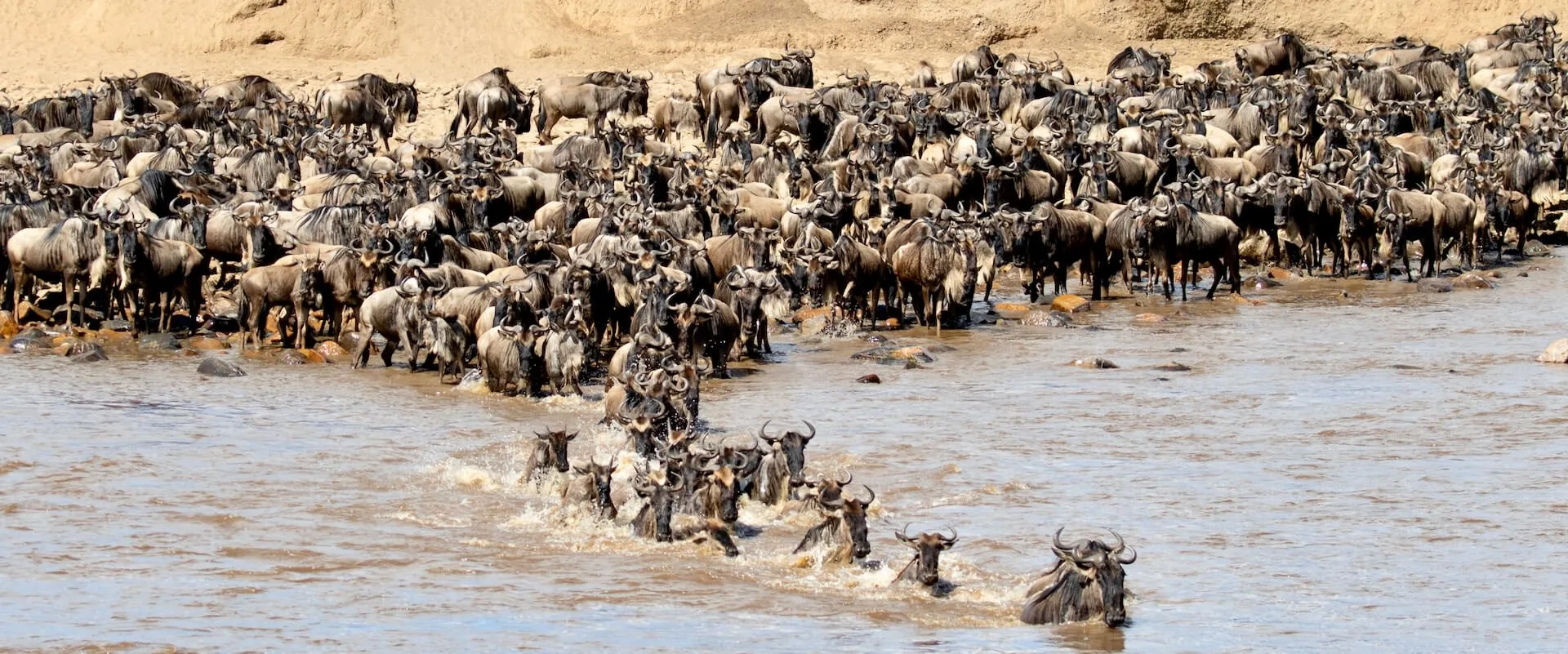
The Great Migration in Africa happens all year because the herds continuously circulate through the Serengeti–Mara ecosystem in…
Read article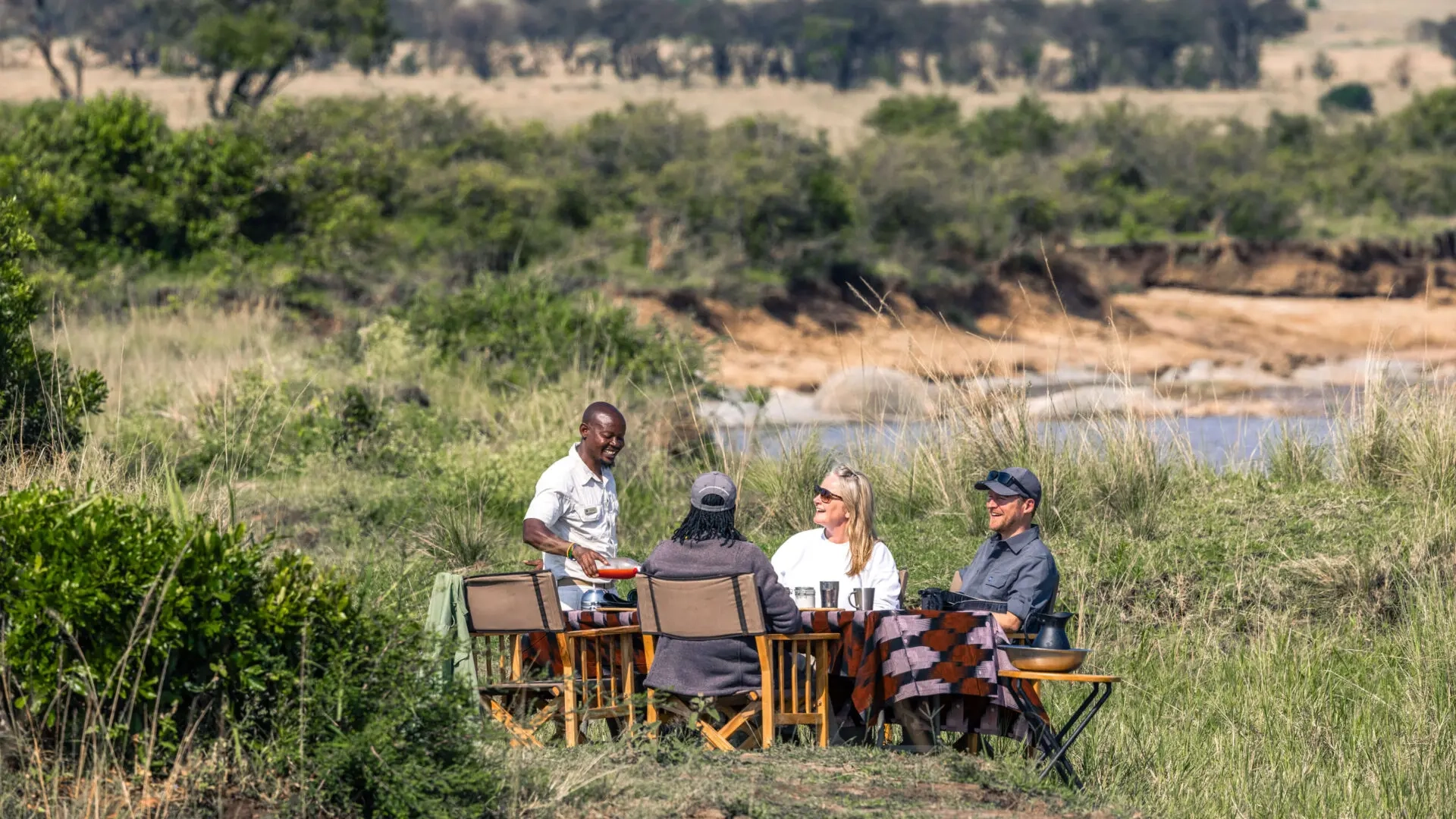
Definitive answer: A picnic lunch on safari is a packed or catered midday meal eaten at an approved…
Read article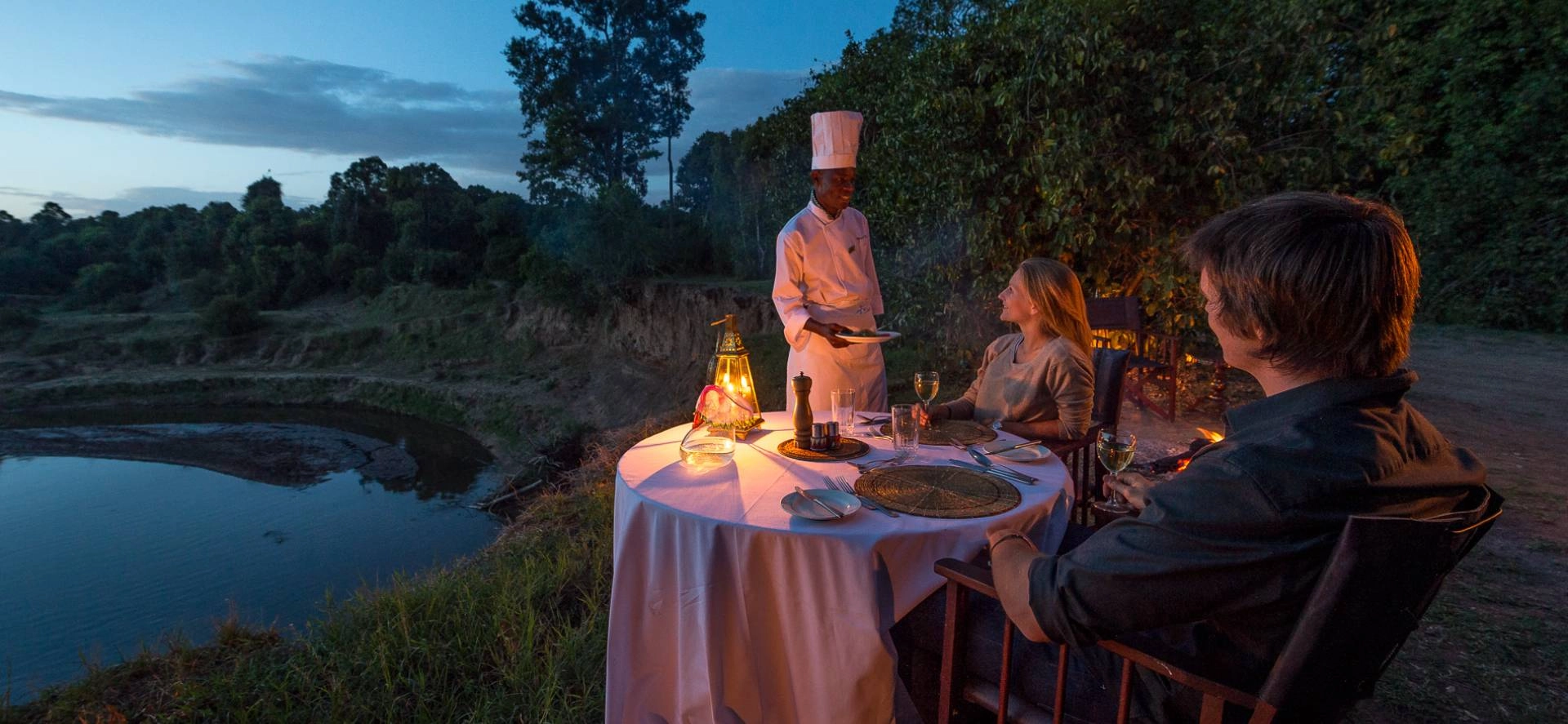
Definitive answer: A bush dinner is an outdoor evening meal arranged in a safe safari setting away from…
Read articleLet us take you closer to the wildlife, people and places that make Africa extraordinary.
Plan Your Safari Today