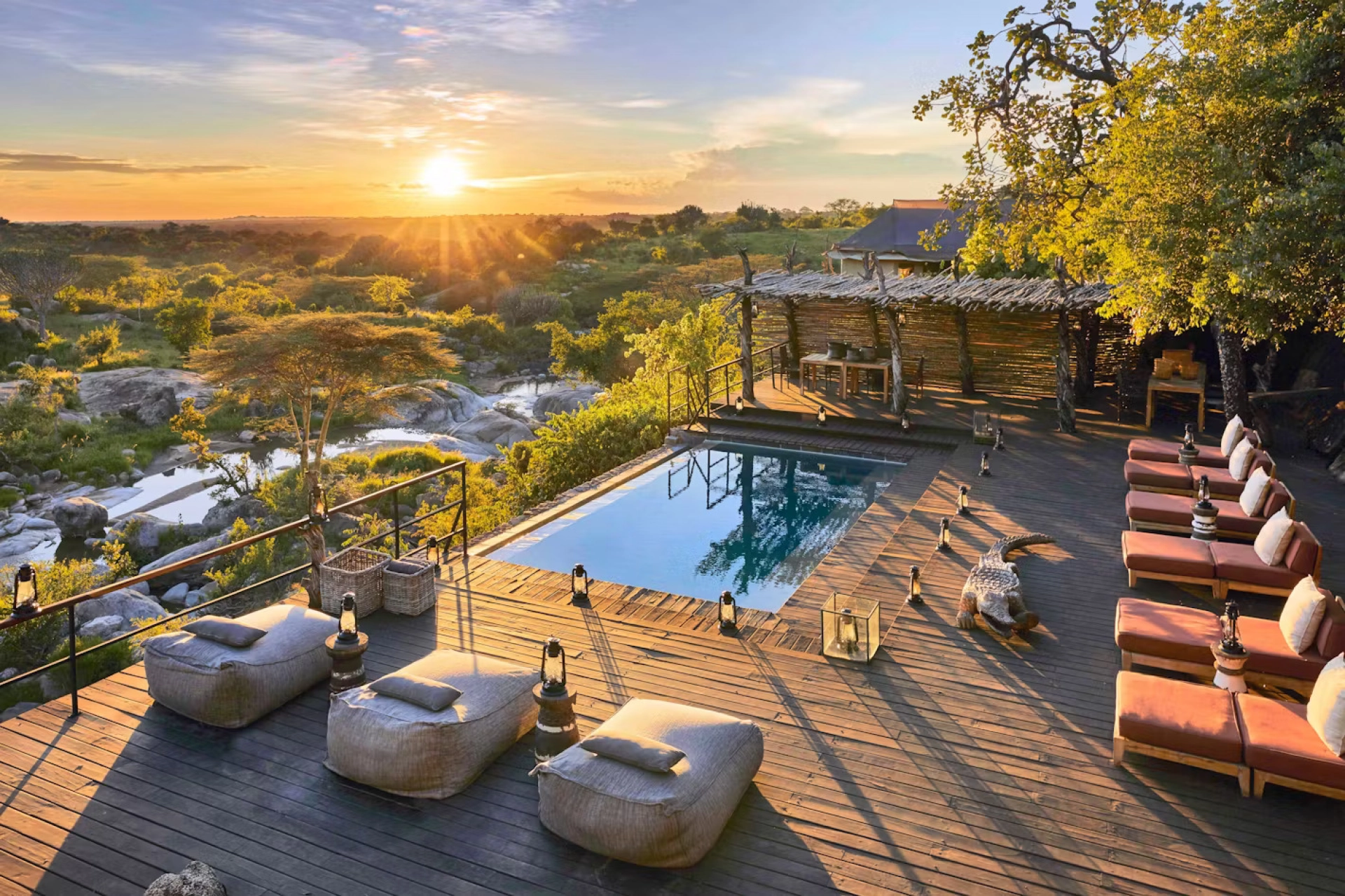
What should I look for when booking a luxury African safari?
When booking a luxury African safari, look beyond the room and compare the quality of guiding, wildlife location,…
Read article

Travel Guide
Gemsbok obtain much of their moisture from vegetation. Green season safari in Namib Desert They feed on grasses, leaves, roots and desert plants containing water. After rain, fresh growth provides valuable moisture. During dry periods, oryx…
Gemsbok obtain much of their moisture from vegetation.
They feed on grasses, leaves, roots and desert plants containing water. After rain, fresh growth provides valuable moisture. During dry periods, oryx may dig for roots and bulbs. They can survive for extended periods without drinking standing water. This adaptation allows them to occupy regions where many large mammals would struggle.
Oryx occur widely across Namibia.
Visitors frequently encounter them around Sossusvlei, the Namib-Naukluft region and other desert landscapes. One of Namibia’s classic wildlife scenes is a solitary gemsbok walking beneath enormous red dunes. It is not just picturesque. It represents one of the clearest examples of large-mammal desert adaptation in Africa.
Springbok are another widespread desert and semi-desert antelope.
They are lighter and smaller than oryx but similarly capable of surviving dry conditions. Springbok obtain moisture from vegetation and can persist without regularly drinking free-standing water. Their coats help reflect sunlight, while activity patterns may shift to avoid the hottest periods. Their famous leaping behaviour, known as pronking, is among southern Africa’s most recognisable wildlife displays. An animal suddenly springs high into the air with stiff legs, often repeating the movement several times.
Pronking may signal fitness to predators or occur in response to excitement or alarm. In Namibia, springbok frequently occur across open plains where their pale coats blend remarkably well with dry grass and sand.
Among the most extraordinary Namibia desert animals are the elephants living in the country’s northwestern drylands.
Often called desert-adapted elephants, these animals are African savannah elephants whose behaviour has adapted to extremely arid environments. They are not a separate species. What makes them exceptional is the scale of their movements and their ability to survive in areas where permanent water and vegetation are widely scattered.
These elephants may travel great distances along ephemeral river systems.
Dry rivers such as the Huab can contain important trees and shrubs even when surface water has disappeared. Elephants remember water locations and move between feeding areas according to seasonal conditions. Their extensive ranges are much larger than those of elephants living in more productive environments. Because food is scattered, groups may also be smaller.
The Damaraland and Kunene regions are among the principal areas for desert-elephant safaris. Tracking them usually requires experienced local guides who understand recent movements. A sighting may involve driving along dry riverbeds while looking for tracks, broken branches and fresh dung. Unlike watching elephants around a permanent East African waterhole, locating desert elephants often feels like genuine tracking. That process becomes part of the experience.
Lions surviving along Namibia’s remote northwestern landscapes have become internationally famous. These desert-adapted lions occupy some of the harshest lion habitat in Africa. Their territories can be enormous. Prey density is relatively low. Water is limited. Some individuals move between inland desert habitats and areas closer to the Skeleton Coast.
Namibian desert lions obtain much of their moisture from prey. They hunt species adapted to dry environments and may travel extraordinary distances in search of opportunities. Their movements demonstrate the flexibility of lions as a species. Although popular imagery often associates lions with lush African savannah, they can survive in surprisingly extreme environments when adequate prey remains available.
Desert lions face considerable conservation pressure. Because they range outside formally protected areas, encounters with livestock and people can produce conflict. Livestock losses may generate retaliatory killing. Successful conservation therefore depends on collaboration with local communities, monitoring programmes and tourism systems that provide economic value from keeping lions alive. For visitors, responsible desert lion safaris in Namibia can contribute to that conservation model.
The brown hyena is one of the most fascinating predators along Namibia’s coast. With shaggy dark fur, long legs and an unusual appearance, it is considerably less familiar to international travellers than the spotted hyena. Brown hyenas are excellent scavengers. Along the Skeleton Coast, they may forage around seal colonies and search beaches for carcasses washed ashore. Individuals can travel impressive distances in a single night. Their ability to survive in such barren terrain illustrates the value of flexible feeding strategies.
The Skeleton Coast and other areas of western Namibia provide some of Africa’s best habitat for brown hyenas. Sightings remain unpredictable because the animals can be secretive and largely nocturnal. Tracks along beaches or sandy roads may sometimes provide evidence even when the animal itself remains unseen. For wildlife enthusiasts, a brown-hyena sighting can become more exciting than encountering a better-known predator.
Black-backed jackals thrive across a remarkable range of southern African habitats. In the Namib, they take advantage of almost any available food source. Along the coast, jackals frequently patrol seal colonies looking for carrion, placentas, dead pups and other feeding opportunities. In inland environments they may hunt rodents, birds, reptiles and insects. Adaptability is their greatest advantage. Unlike a specialist dependent on one prey species, jackals can change feeding strategies according to local conditions.
They are also highly alert. Watching jackals around larger predators or seal colonies can provide fascinating lessons in opportunistic behaviour.
The Cape fox is another small carnivore adapted to dry southern African landscapes. It tends to be nocturnal or active around dawn and dusk, helping reduce exposure to extreme daytime temperatures. Its diet includes rodents, insects, reptiles and other small animals. Cape foxes can be difficult to see on standard daytime excursions. Night drives in appropriate private reserves may improve the chances. Their large ears assist with detecting small prey and dissipating heat.
The enormous ears of the bat-eared fox are not merely decorative. They help the animal locate insects underground and also assist with heat regulation. Bat-eared foxes feed heavily on termites. Unlike most larger African carnivores, they may spend long periods walking slowly across open ground while listening for tiny movements below the soil. Because insects provide both nutrition and moisture, this feeding strategy is highly effective in dry environments. Family groups can sometimes be seen around burrow systems.
Teenagers and first-time safari visitors often find these unusual foxes particularly appealing.
Namibia is one of the best places to see Hartmann’s mountain zebra. Unlike plains zebra occupying flatter savannah, mountain zebras are associated with rugged, rocky environments. Their hooves and body structure help them negotiate steep terrain. They frequently occur in western Namibia, including mountainous desert regions. Access to water remains important, so zebra movements may be strongly influenced by reliable springs and waterholes. Their vertical stripes also produce surprising camouflage among rocks and shadows.
Greater kudu occur where enough shrubs and trees provide browse. The huge spiral horns of adult males are among Africa’s most spectacular natural features. Despite their size, kudu disappear remarkably easily into sparse woodland. Their grey-brown coats and vertical pale stripes break up their body outline among branches. Kudu feed mainly on leaves, shoots and other browse. In desert-margin environments, access to nutrient-rich vegetation can fluctuate strongly with rainfall.
The ostrich is exceptionally well suited to Namibia’s open spaces. Its powerful legs allow high running speeds. Large eyes provide excellent long-distance vision. Ostriches can detect predators across landscapes where hiding places are limited. They obtain moisture from food and can tolerate substantial periods without drinking. Seeing several ostriches crossing a vast gravel plain conveys the scale of Namibia particularly well. The birds appear large when close to a vehicle yet can become tiny silhouettes within minutes.
Namibia’s desert birdlife is often underestimated. Species such as Rüppell’s korhaan survive in extremely arid habitats. Larks, bustards, sandgrouse, coursers and raptors exploit different ecological niches. Some birds travel considerable distances to reach water. Sandgrouse provide one particularly remarkable adaptation. Adult males of some species can absorb water into specially adapted belly feathers and carry it back to chicks. Such behaviour demonstrates that desert survival involves far more than simply tolerating heat.
One of the Namib’s most famous survival stories involves tiny beetles. Certain Namib Desert beetles use coastal fog as a water source. They climb dune ridges and position their bodies so moisture condenses on their surfaces. Droplets then move toward the mouth. This allows them to obtain water in landscapes receiving extraordinarily little rainfall. For scientists and engineers, these beetles have even inspired research into technologies for harvesting water from fog.
They are a reminder that some of the Namib’s most remarkable wildlife measures only a few centimetres.
The web-footed gecko, sometimes called the palmato gecko, is beautifully adapted to Namib dune environments. Its feet help it move over loose sand. A pale, translucent body provides camouflage and may reduce heat absorption. Large eyes assist nocturnal activity. During the hottest daytime periods, these geckos often shelter beneath the sand. Nighttime emergence allows them to hunt insects when temperatures are lower. Specialist desert excursions around Swakopmund and Walvis Bay can introduce visitors to such small animals that would otherwise go unnoticed.
The Namib contains specialised snakes capable of moving efficiently across loose sand. Sidewinding locomotion reduces the amount of the body contacting hot ground at any one time and prevents sinking deeply into sand. These snakes may bury themselves almost completely while waiting for prey. Only the eyes can remain visible. This illustrates an important feature of dune ecosystems: much of the wildlife is hidden. An apparently empty dune may contain insects, spiders, lizards and snakes directly beneath the surface.
Several reptiles have developed remarkable techniques for surviving scorching sand. The shovel-snouted lizard is one example. During extremely hot periods it may perform a thermal dance, lifting alternating feet away from the burning surface. It can also burrow rapidly into loose sand. Reptiles depend strongly on external temperatures, so managing heat exposure is fundamental to survival. Their behaviour allows visitors to see desert adaptation happening in real time.
Peringuey’s desert adder is a small venomous snake specialised for Namib dunes. Its colouring blends almost perfectly with sand. The snake can bury most of its body while leaving only part of the head exposed. This serves two functions. It conceals the snake from predators. It also creates an ambush position for lizards and other prey. Visitors rarely notice these snakes without specialist guides trained to read tracks and subtle disturbances in the sand.
Some desert animals spend nearly their entire lives below the surface. Golden moles can effectively “swim” through loose sand. Their eyes are reduced because vision has little use underground. Instead, they detect vibrations and movement. Burrowing protects them from extreme surface temperatures and many predators. Again, survival depends not on resisting the desert directly but avoiding its harshest conditions.
One of the Namib’s most celebrated invertebrates is the wheel spider, which can escape danger by rolling rapidly down dunes. Other spiders dig burrows providing refuge from heat. Many emerge after dark when temperatures fall. Tracks seen on dunes at sunrise often reveal an astonishing amount of nocturnal activity. A good desert guide can interpret these marks much like a safari guide reads lion or leopard spoor. Lines, dots and tiny trails reveal which creatures crossed the sand overnight.
Scorpions are exceptionally well adapted to arid conditions. They reduce water loss efficiently and can survive with relatively little food. Most remain hidden during daytime and become active at night. On specialised excursions, ultraviolet lights can reveal scorpions because certain compounds in their exoskeleton fluoresce. This can be fascinating, but visitors should never handle desert wildlife or search beneath rocks without expert supervision.
The Namib Desert meets the Atlantic Ocean along one of Africa’s most dramatic coastlines. Here, wildlife is influenced by both desert and marine ecosystems. Large colonies of Cape fur seals occur along parts of Namibia’s coast. At places such as Cape Cross, tens of thousands of seals may gather. The noise, movement and smell can be overwhelming. Predators and scavengers take advantage of these concentrations. Jackals and brown hyenas patrol colony edges.
Marine predators hunt offshore. The result is one of the clearest examples of ocean productivity supporting terrestrial desert wildlife.
The cold Benguela Current is nutrient-rich. Boat trips from Walvis Bay may encounter dolphins, seals and numerous seabirds. Occasionally larger marine species are present depending on season and conditions. Combining marine wildlife with desert exploration broadens the conventional definition of a Namibia safari. A single day can begin surrounded by dunes and end among seals in the Atlantic.
Walvis Bay’s wetlands support large numbers of birds. Depending on conditions, greater and lesser flamingos may gather in impressive concentrations. The contrast is striking. Behind them lie some of the driest landscapes on Earth. In front lies a productive coastal wetland. The area illustrates how quickly habitat can change within Namibia. Birdwatchers can encounter pelicans, terns, cormorants and many waders alongside flamingos.
No introduction to Namib wildlife is complete without mentioning the extraordinary Welwitschia mirabilis plant. Individual plants can survive for centuries. Some are thought to exceed a thousand years. The plant produces only two persistent leaves throughout its life. It obtains moisture partly through fog and demonstrates the same remarkable adaptation to aridity seen among desert animals. Welwitschia habitat supports insects and other organisms, contributing to local ecological networks.
Sossusvlei is famous primarily for landscape rather than dense wildlife. Yet animals are present. Oryx are perhaps the most iconic. Springbok, ostriches, jackals and smaller mammals may also occur. Tracks reveal activity around dunes even when creatures remain hidden. At Deadvlei, the skeletal camel-thorn trees and enormous dunes dominate photographs, but careful observation reveals birds and insects moving through the wider area. Early morning provides particularly good conditions. Temperatures are cooler.
Animal activity is greater. The dunes glow with warm light.
The Skeleton Coast is among Namibia’s most remote environments. Cold fog, barren gravel plains, shipwrecks and pounding Atlantic surf create an atmosphere unlike any conventional safari destination. Wildlife may include seals, jackals, brown hyenas, desert lions and numerous coastal birds. Elephants and other large mammals occur in parts of the broader northwestern region. The very scarcity of animals makes sightings feel significant. Finding lion tracks on a deserted beach communicates wilderness more powerfully than seeing dozens of animals concentrated around a busy waterhole.
Damaraland provides some of Namibia’s strongest opportunities for desert-adapted large mammals. Elephants are a major attraction. Black rhinos also survive in northwestern Namibia. Specialised tracking experiences allow visitors to search for rhinos on foot under the guidance of professional trackers and conservation teams. This can become one of Africa’s most powerful wildlife experiences. Unlike conventional vehicle-based rhino sightings, tracking requires reading signs and approaching carefully according to wind, terrain and animal behaviour.
Responsible tourism helps finance monitoring and conservation.
Namibia protects one of the world’s most important populations of free-ranging black rhinos outside conventional fenced reserves. Some survive across extremely arid landscapes. Black rhinos are browsers, feeding on shrubs and woody vegetation. They can travel significant distances between food and water. Conservation success has depended heavily on community-based natural-resource management and intensive monitoring. Tourism revenue can provide economic incentives for local communities to protect wildlife. For visitors, learning this conservation story adds meaning beyond simply seeing the animal.
Choosing where to travel depends heavily on what wildlife interests you. For giant dunes, oryx and desert scenery, Sossusvlei and Namib-Naukluft are fundamental. For marine wildlife, flamingos and coastal desert excursions, Walvis Bay and Swakopmund are excellent. For desert elephants, Damaraland and Kunene are particularly important. For rhino tracking, selected conservancies in northwestern Namibia provide specialist experiences. For seals and coastal scavengers, the Skeleton Coast and Cape Cross region are highly relevant.
The strongest Namibia itineraries combine several of these environments.
Namibia can be visited throughout much of the year. The cooler dry-season months are popular because daytime temperatures are generally more comfortable and skies often remain clear. Nighttime and early morning can become surprisingly cold. Summer temperatures can be intense, particularly inland. Occasional rainfall can transform sections of the desert. Plants emerge. Temporary water collects. Animals respond quickly. Photographers may appreciate dramatic summer skies, while travellers prioritising comfortable outdoor activity often prefer cooler months.
Coastal temperatures differ significantly because of the Benguela Current and fog.
Conventional safari skills focus heavily on large-mammal tracking. Namib desert guiding often requires a different kind of observation. A tiny curved line in sand may reveal a snake. Small footprints indicate a gecko. A depression could mark a buried spider. A beetle trail may explain how an insect moved overnight. Without an experienced guide, most travellers would walk past these signs. Specialist desert excursions transform an apparently empty dune into a wildlife landscape.
This can be particularly rewarding for families and photographers.
Namibia is one of the world’s great landscape-photography destinations. However, wildlife photography also offers unusual opportunities. Rather than filling the frame with an animal, consider showing scale. An oryx beneath a towering dune communicates environment. A desert elephant walking through a dry riverbed tells a story about survival. A jackal beside an Atlantic seal colony illustrates ecological connections. Early and late light creates strong dune shadows and texture. Dust protection is essential.
Fine sand can damage camera equipment, so lenses should be changed cautiously.
Namibia is particularly famous for self-drive travel. Roads connect major destinations, and the sense of independence suits adventurous travellers. However, distances are large. Fuel stations can be widely spaced. Some routes require high-clearance or four-wheel-drive vehicles. Mobile-phone coverage may be unreliable. Families should plan conservatively and carry sufficient water. For remote desert-elephant, rhino or Skeleton Coast wildlife experiences, guided excursions are usually far more productive than attempting to locate animals independently.
The Namib and Kalahari are often discussed together, but they are very different environments. The Namib is strongly influenced by the Atlantic Ocean and coastal fog. The Kalahari extends across the interior of southern Africa and receives more rainfall across many areas. The Namib contains enormous dune fields and extreme coastal desert environments. The Kalahari supports broader expanses of semi-arid grassland and thornveld. Both contain oryx, springbok and remarkable desert-adapted wildlife.
Combining Namibia’s Namib landscapes with Botswana’s Kalahari can reveal the extraordinary diversity of southern African drylands.
For first-time visitors to Namibia, combining the Namib with Etosha National Park creates an excellent itinerary. Etosha offers more conventional wildlife concentrations around waterholes. Visitors can search for elephants, lions, rhinos, giraffes, zebras and antelope. The Namib then provides an entirely different experience focused on desert ecology and landscape. Together, the destinations prevent safari fatigue. One day may involve waiting beside a waterhole for elephants. Several days later you are climbing a dune before sunrise.
Longer southern African itineraries can continue from Namibia into Botswana. The Okavango Delta provides an extraordinary contrast with the Namib. One ecosystem is dominated by drought. The other is shaped by seasonal floodwater. A journey can continue toward Chobe National Park and Victoria Falls. This creates one of Africa’s most ecologically diverse overland routes.
Desert wildlife lives close to ecological limits. Disturbance can therefore have serious consequences. Vehicles should remain on approved routes. Animals should never be chased for photography. Desert elephants should be approached responsibly. Lion locations may sometimes need to remain confidential to reduce disturbance or conflict. Visitors should avoid collecting rocks, plants or other natural material. Even driving across apparently empty desert can damage fragile soil surfaces or destroy small organisms.
Responsible tourism protects what makes Namibia exceptional.
Namibia is internationally recognised for community-based conservation initiatives. Communal conservancies allow local residents to participate in managing wildlife and benefit economically from tourism. This is particularly important in regions where elephants, rhinos and predators share landscapes with livestock and settlements. Conservation cannot succeed if wildlife creates costs for communities without providing benefits. Tourism revenue, employment and conservation partnerships can help shift that balance. When travellers choose responsible lodges and operators, safari spending can support these systems.
A long African itinerary can combine Namibia with East Africa for an extraordinary contrast. Imagine beginning with gorilla trekking in Uganda, continuing to Kenya’s Masai Mara and later exploring the Namib. You would experience rainforest, savannah and desert within one journey. The wildlife adaptations would be completely different. Mountain gorillas depend on cool montane forest. Wildebeest follow seasonal grasslands. Oryx survive extreme desert heat. For serious wildlife travellers, comparing such ecosystems is one of the great pleasures of exploring Africa.
The most important lesson of the Namib is that abundance should not always be measured by the number of large animals visible from a safari vehicle. The desert is rich in adaptation. A beetle collecting fog may be more ecologically remarkable than an elephant. A gecko hiding beneath the sand demonstrates behavioural adaptation. An oryx surviving without daily drinking shows physiological adaptation. A desert lion travelling enormous distances demonstrates behavioural flexibility.
A brown hyena feeding along a coastline connects marine and terrestrial food systems. Once you begin seeing those connections, the Namib stops appearing empty. It becomes intensely alive.
The Namib Desert animals tell some of Africa’s greatest survival stories. The challenge is not simply finding food. It is finding water. Avoiding heat. Managing energy. Travelling enormous distances. Using fog. Sheltering beneath sand. Adapting activity to nighttime. Every species has solved the same problem differently. That makes a Namib Desert safari fundamentally different from a conventional Big Five safari. You may not encounter dozens of large mammals during every drive.
Instead, you gain a deeper appreciation for how life survives near environmental extremes. And when a gemsbok suddenly appears beneath a red dune, or a desert elephant emerges from a dry river valley, the sighting carries additional meaning because you understand how difficult survival here really is.
Adventure in the Wild Safaris can help combine Namibia’s extraordinary desert landscapes with broader African wildlife journeys, including East African safaris and primate adventures. Travellers interested in contrasting ecosystems can combine Namibia wildlife experiences with Kenya, Uganda, Rwanda, Tanzania or other southern African destinations. The best itinerary will depend on available time, travel season, wildlife priorities and preferred travel style.
Animals include oryx, springbok, ostriches, jackals, brown hyenas, desert-adapted elephants, desert lions, black rhinos, geckos, snakes, beetles, spiders and numerous bird species.
Desert-adapted elephants live in northwestern Namibia’s arid regions, particularly around ephemeral river systems in Damaraland and Kunene.
No. They are African savannah elephants whose behaviour and movement patterns have adapted to extremely dry conditions.
Yes. Desert-adapted lions survive in parts of northwestern Namibia, including landscapes extending toward the Skeleton Coast.
Different species use different strategies. Oryx obtain moisture from plants and tolerate increased body temperatures. Beetles harvest fog. Many reptiles and small mammals shelter underground and become active at night.
The gemsbok or southern oryx is one of the Namib’s most iconic animals because of its remarkable adaptation to extreme heat and low water availability.
Damaraland and the wider Kunene region provide some of the best opportunities, normally through guided tracking excursions.
Specialist desert tours near Swakopmund explore dune habitats for geckos, snakes, lizards, beetles, spiders and other small creatures.
Sossusvlei is primarily famous for its landscapes, but oryx, springbok, jackals, ostriches and smaller desert animals occur throughout the wider area.
Potential sightings include Cape fur seals, jackals, brown hyenas, desert lions and numerous coastal birds, although wildlife distribution varies greatly.
Yes. Namibia is particularly strong for families with older children and teenagers because wildlife can be combined with dune climbing, coastal activities, self-drive adventures and desert exploration.
Yes. Combining the Namib Desert with Botswana’s Okavango Delta and Chobe creates one of southern Africa’s strongest multi-ecosystem safari journeys.

Share This Article
When booking a luxury African safari, look beyond the room and compare the quality of guiding, wildlife location,…
Read article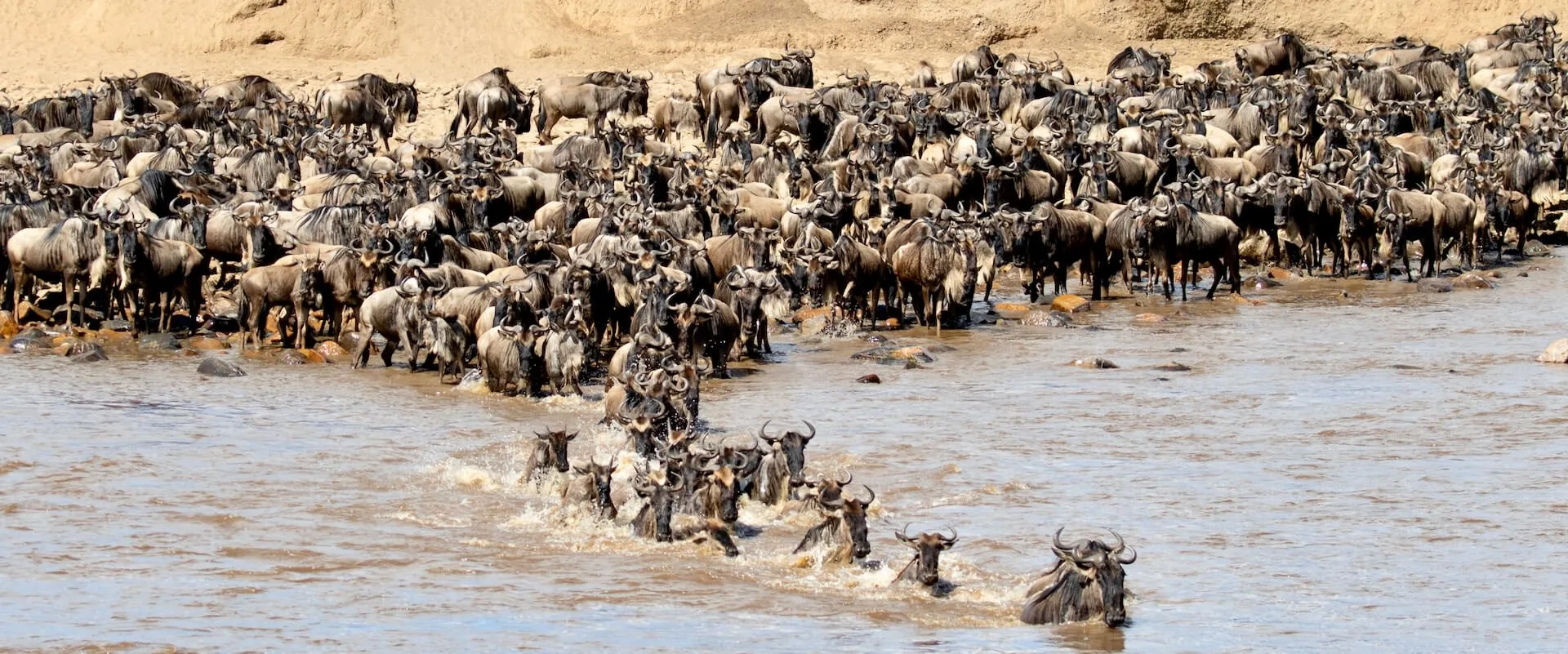
The Great Migration in Africa happens all year because the herds continuously circulate through the Serengeti–Mara ecosystem in…
Read article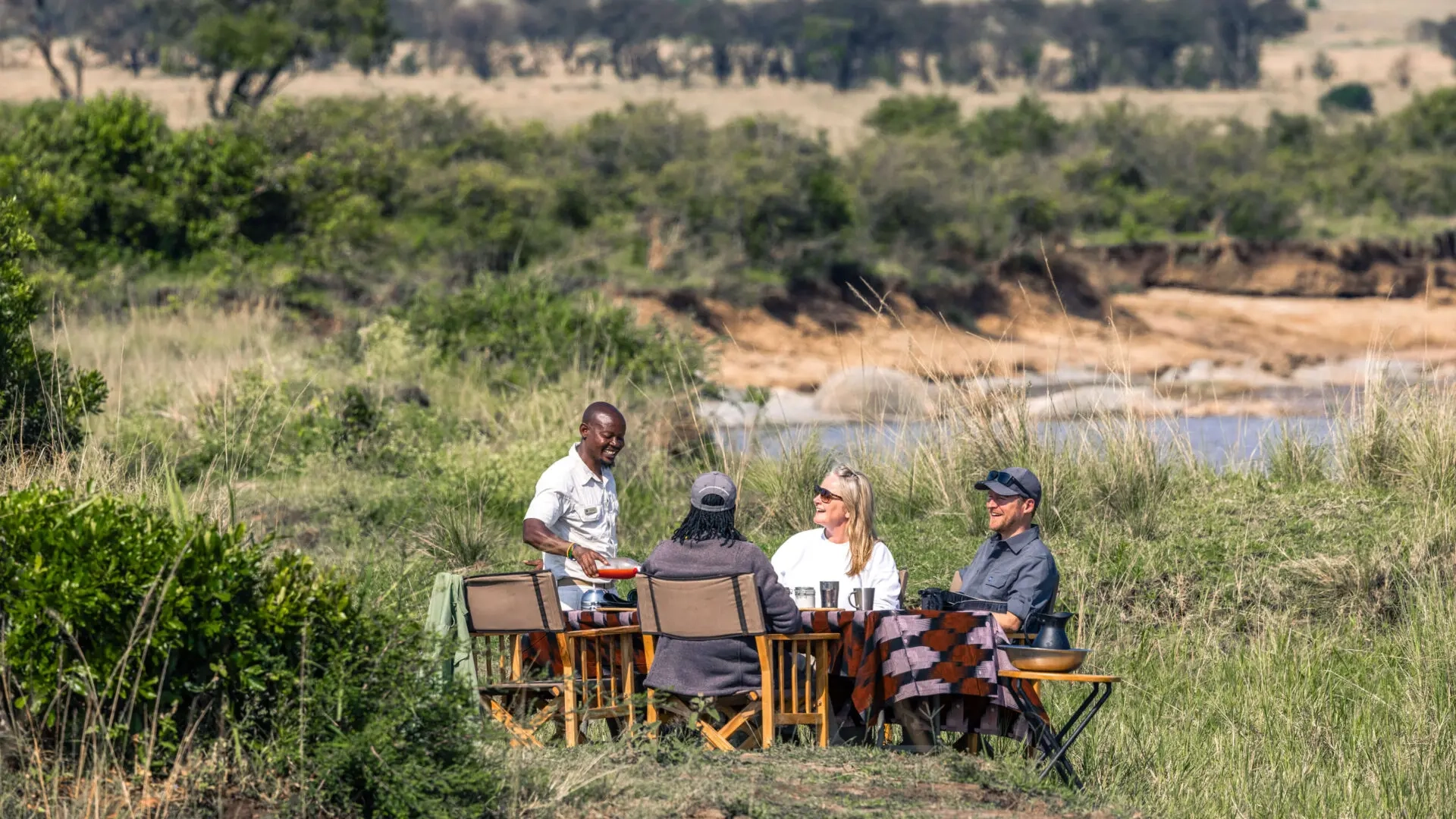
Definitive answer: A picnic lunch on safari is a packed or catered midday meal eaten at an approved…
Read article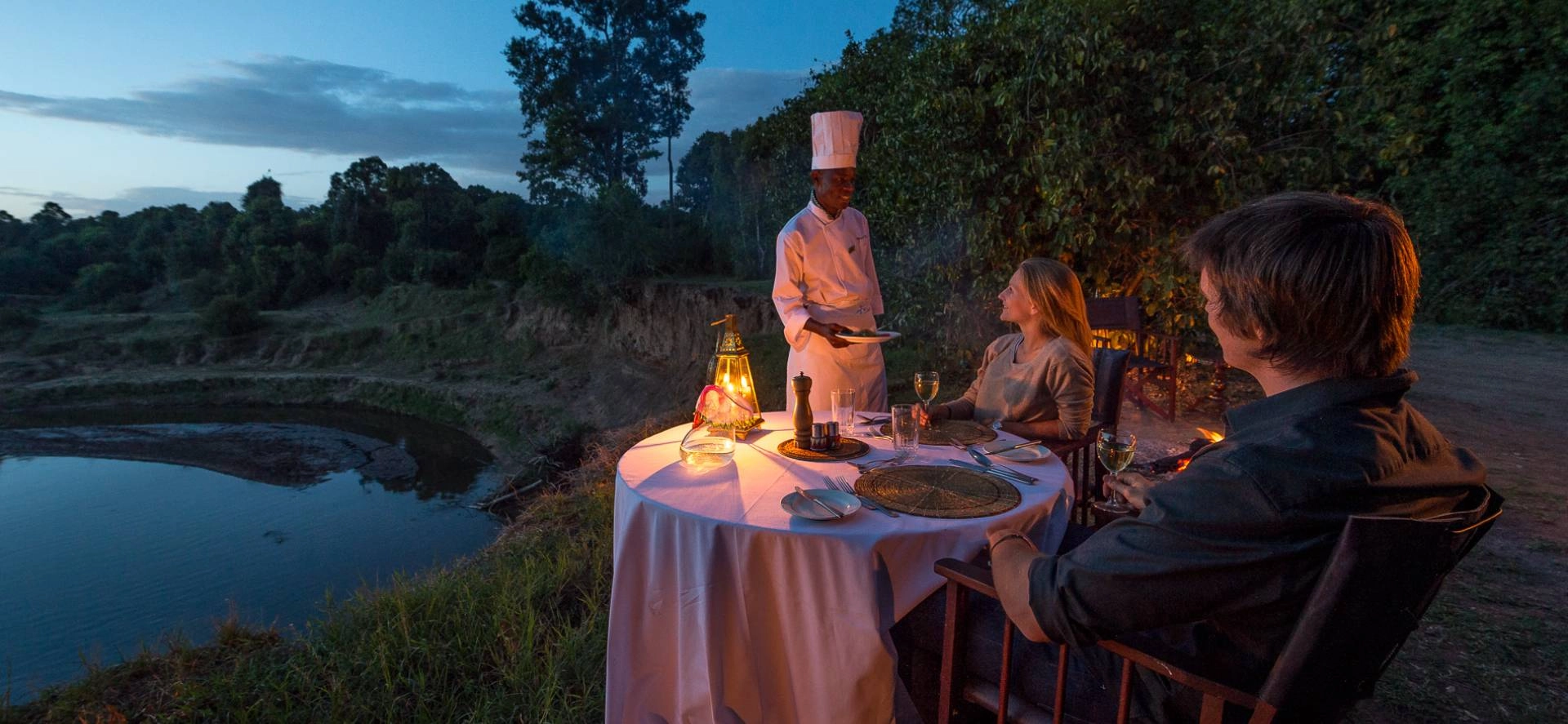
Definitive answer: A bush dinner is an outdoor evening meal arranged in a safe safari setting away from…
Read articleLet us take you closer to the wildlife, people and places that make Africa extraordinary.
Plan Your Safari Today