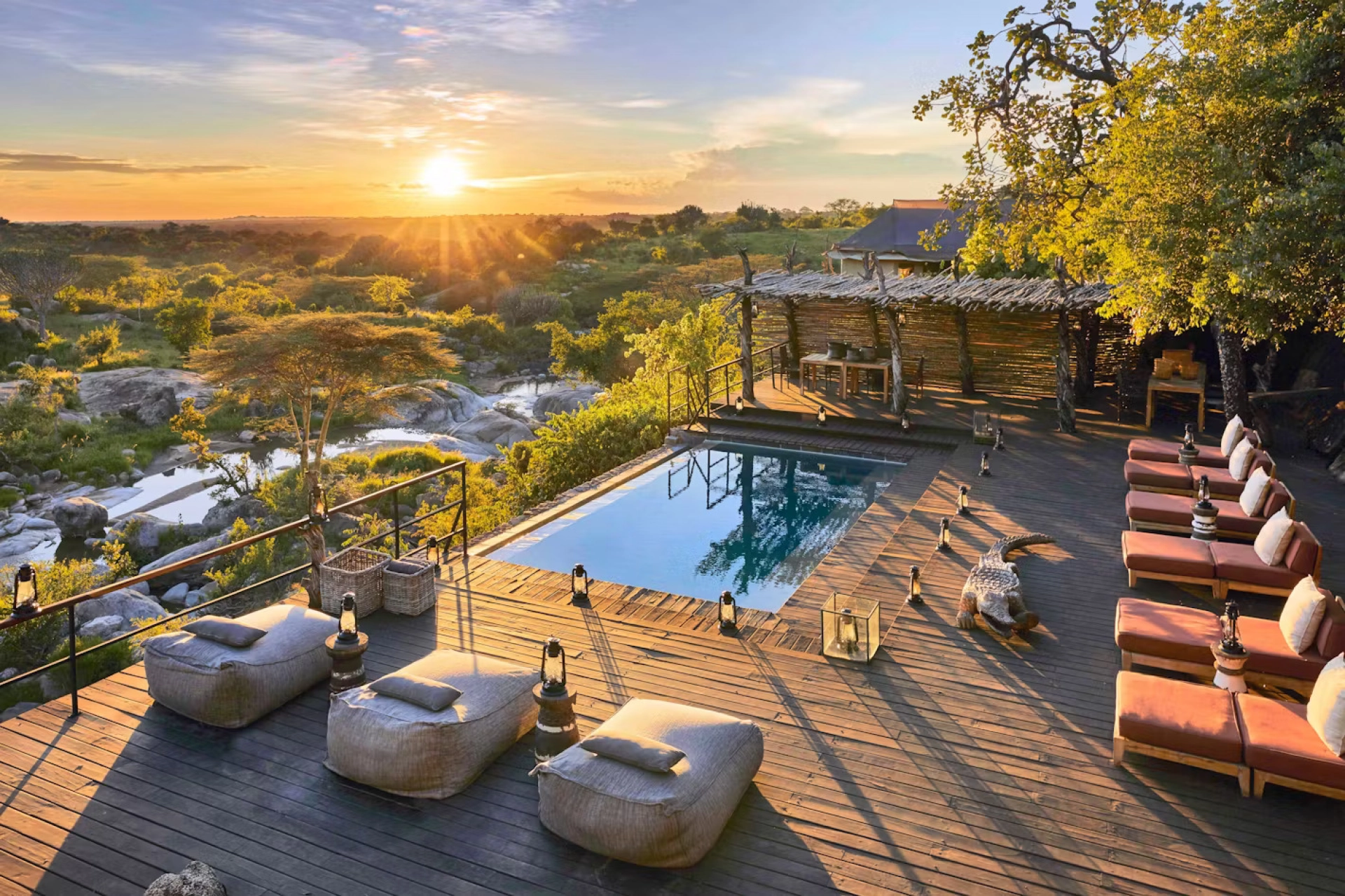
What should I look for when booking a luxury African safari?
When booking a luxury African safari, look beyond the room and compare the quality of guiding, wildlife location,…
Read article

Travel Guide
Namibia is unlike almost any other safari destination in Africa. It is a country where the landscape frequently becomes as important as the wildlife. Yes, you can see elephants. Lions. Rhinos. Giraffes. Zebras. Oryx. Springbok. Cheetahs.…
Namibia is unlike almost any other safari destination in Africa. It is a country where the landscape frequently becomes as important as the wildlife. Yes, you can see elephants. Lions. Rhinos. Giraffes. Zebras. Oryx. Springbok. Cheetahs. Hyenas. And an extraordinary variety of desert-adapted species. But many travellers leave Namibia talking just as passionately about the towering dunes of Sossusvlei, the ghostly trees of Deadvlei, the enormous salt pan of Etosha National Park, the rugged mountains of Damaraland, the shipwreck-strewn Skeleton Coast and the sheer feeling of space created by driving for hours through almost empty landscapes.
This combination of wildlife safari, desert scenery, road-trip adventure and photography makes Namibia one of southern Africa’s most distinctive travel destinations. It also raises many planning questions. Is Namibia safe? Do you need a 4×4? Can you self-drive? How expensive is a Namibia safari? How many days do you need? Is Etosha better than Kruger? Can children travel comfortably? What is the best time for Sossusvlei? Can Namibia be combined with Botswana or Victoria Falls?
And how difficult is driving on gravel roads? This detailed Namibia Safari FAQ guide answers the questions travellers ask most frequently when planning a trip.
Namibia lies in southwestern Africa.
It borders: South Africa, Botswana, Angola, Zambia, and the Atlantic Ocean. The country also extends northeast through the narrow Zambezi Region, connecting the main body of Namibia toward Botswana, Zambia and Zimbabwe. Its capital is Windhoek, which serves as the main starting point for many international safaris.
Namibia is particularly famous for:
Sossusvlei Deadvlei Namib Desert Etosha National Park Skeleton Coast Damaraland desert-adapted elephants, black rhinos, dramatic dunes, remote road trips, and exceptional landscape photography. The country also offers cultural experiences, Atlantic coastal towns and some of Africa’s most rewarding self-drive routes.
Yes, but a Namibia safari feels different from a safari in Kenya, Tanzania or Botswana.
Wildlife is important, especially in Etosha National Park and northern regions. However, the country is equally known for scenery. Namibia works best for travellers who enjoy combining wildlife with: landscapes, road travel, photography, geology, desert environments, and remote wilderness.
Namibia supports impressive wildlife despite its arid conditions.
Potential sightings include: African elephants lions leopards cheetahs black rhinos giraffes zebras wildebeest springbok oryx kudu brown hyenas spotted hyenas jackals ostriches and many smaller mammals. Different ecosystems support different species.
Namibia supports members of the African Big Five, although it is not always the easiest destination for travellers whose only objective is checking all five species from a list.
Etosha National Park is famous for elephants and rhinos. Lions occur widely. Leopards are present but elusive. Buffalo are not widespread through the classic Etosha circuit and are more associated with northeastern Namibia. If ticking the traditional Big Five is your primary objective, other southern African destinations may be easier. If wildlife plus extraordinary scenery is your goal, Namibia is outstanding.
Etosha National Park is Namibia’s flagship wildlife park. The enormous Etosha Pan dominates the landscape. During much of the year, the pan appears as a vast pale expanse. Wildlife gathers around permanent and artificial waterholes, especially during dry conditions. This creates a distinctive safari style. Instead of constantly driving long distances searching for animals, visitors can sometimes wait at productive waterholes and watch wildlife arrive.
Typical possibilities include: elephants, black rhinos, lions, giraffes, zebras, wildebeest, springbok, oryx, kudu, jackals, hyenas, and many bird species. Leopards and cheetahs occur but can be more difficult to see. Wildlife sightings vary by season, water availability and luck.
At least two full safari days are recommended. Three nights or more is better. Etosha is large. Different sections can produce different wildlife. Rushing through in one day misses the opportunity to sit patiently at waterholes and observe behaviour.
Neither is universally better. Kruger National Park offers extraordinary biodiversity, large road networks and strong predator viewing. Etosha offers a more arid landscape and distinctive waterhole-based safari experience. Choose Kruger if you want dense ecological variety and classic bushveld. Choose Etosha if you want wildlife combined with Namibia’s wider desert journey. Travellers with time can visit both.
Sossusvlei is one of Namibia’s most famous desert landscapes. Located in the Namib-Naukluft region, it is associated with towering red-orange dunes surrounding pale clay pans. The contrast between dune, sky and dry ground creates some of the country’s most iconic scenery.
Deadvlei is a pale clay pan containing dead camel-thorn trees. The dark trunks, white ground, orange dunes and blue sky create an almost surreal landscape. It is one of Africa’s most famous photography locations. The visual simplicity makes composition extremely powerful.
Dune 45 is one of the better-known dunes along the route toward Sossusvlei. Many travellers climb it early in the morning. Walking on loose sand is physically demanding. Start before temperatures rise. Bring water. Wear sun protection.
Absolutely. For many travellers, Sossusvlei is the visual highlight of Namibia. Even visitors primarily interested in safari should include the desert because it provides a radically different experience from wildlife parks.
The Namib Desert is one of the world’s most remarkable arid environments. It runs along much of Namibia’s Atlantic coast and includes enormous dune fields, gravel plains and specialised desert ecosystems. Fog from the Atlantic Ocean plays an important ecological role in some areas. Numerous plants and animals have adapted to extreme scarcity of water.
The Skeleton Coast is Namibia’s remote Atlantic coastline. It is famous for: fog, shipwrecks, cold ocean currents, desert landscapes, seal colonies, and extreme isolation. Historically, the coastline gained a fearsome reputation because of dangerous seas and the difficulty of travelling inland through desert. Today, it is one of Namibia’s most atmospheric wilderness destinations.
Damaraland is widely used as a tourism name for a rugged region of northwestern Namibia. The landscape includes: mountains, dry riverbeds, rock formations, desert-adapted wildlife, and important archaeological sites. It is one of the best places to experience Namibia’s sense of wilderness.
The elephants of northwestern Namibia are African elephants that have developed behavioural adaptations allowing them to survive in extremely arid environments. They are not a separate elephant species. They may travel large distances between water and food. Seeing elephants moving through dry riverbeds and mountain landscapes is one of Namibia’s most memorable wildlife experiences.
Yes. Namibia is one of the important countries for black rhino conservation. Free-ranging rhinos occur in parts of the northwest, while Etosha also supports important populations. Specialist rhino-tracking experiences may be available in selected areas. Responsible tourism is essential. Never share precise live rhino locations online.
Namibia supports an important cheetah population. However, cheetahs are naturally difficult to locate in vast landscapes. Some private conservation areas and reserves provide better chances than random self-driving.
Yes. Although Namibia is arid, birding can be excellent. Different habitats provide very different species. Etosha attracts birds around waterholes. The coast supports seabirds. The northeast provides richer wetland and woodland birdlife. Birders should consider extending into the Zambezi Region.
The northeastern section of Namibia is known as the Zambezi Region. Older travel literature often refers to it as the Caprivi Strip. It is much greener than Namibia’s famous desert regions. Major rivers create habitats for: elephants, hippos, crocodiles, buffalo, antelope, and extensive birdlife. This region makes it easy to continue toward Botswana, Zambia or Zimbabwe.
Yes. Namibia is one of Africa’s most popular self-drive safari destinations. The road network is extensive. Tourism infrastructure is well established on major routes. However, self-driving still requires preparation. Distances are enormous. Gravel roads require slower speeds. Fuel stations can be widely spaced. Phone coverage may disappear. Tyre damage is possible.
Not always. Many major routes can be travelled in ordinary vehicles, although higher-clearance vehicles can provide additional comfort and confidence on gravel. Certain remote areas or specialised routes require 4×4 vehicles. If your itinerary includes only major tourism circuits, ask the rental company or safari operator what is genuinely necessary. Do not pay for an expensive 4×4 simply because Namibia looks adventurous in photographs if your route does not require one.
The physical act of driving is not usually complicated. The main challenges are: long distances, gravel, fatigue, animals on roads, dust, and occasional tyre damage. Drive more slowly than you would on paved roads. Avoid racing to make up time. Schedule realistic transfer days.
The safest answer is: according to road conditions and rental-company guidance. Do not assume the speed limit represents a safe target. Loose gravel can dramatically reduce traction. Sudden steering or braking may lead to loss of control. A slower arrival is better than an accident.
Generally avoid unnecessary night driving outside towns. Wildlife and livestock may be difficult to see. Roadside assistance becomes more complicated. Distances between services can be substantial. Design your itinerary to arrive before dark.
Tyre punctures are one of the most common self-drive concerns. Before departure, verify: where the spare tyre is, how to use the jack, what tools are supplied, whether you have one or two spares, and whom to contact for assistance. Check tyres regularly. Do not wait until you are hundreds of kilometres from a town to discover you do not know where the equipment is stored.
On established tourism routes, careful planning is usually more important than carrying large volumes of spare fuel. Fill up when opportunities arise. Do not assume the next station has fuel simply because it appears on an old map. Remote routes require more careful preparation.
Namibia is widely travelled by international visitors, including self-drivers. As anywhere, travellers should use sensible precautions. In urban areas: avoid displaying expensive items, secure luggage, use reputable accommodation, and ask local staff about areas to avoid. On remote roads, the greater risk may be breakdown or accident rather than conventional urban crime. Travel insurance is strongly recommended.
Windhoek is the main entry point for many visitors. Use normal city precautions. Avoid leaving visible valuables inside vehicles. Ask hotels about walking after dark. Use reputable taxis or transfers where appropriate.
Many solo travellers visit successfully. Self-driving alone requires extra preparation because there is no second person to help with navigation, tyre changes or fatigue. Joining a group safari can be an excellent option for solo visitors who prefer company.
It can be, with normal travel precautions. Choose reputable accommodation. Keep others informed of remote driving routes. Avoid unnecessary night driving. Use professional local operators for specialised activities.
There is no single perfect month. For wildlife viewing in Etosha, the dry season is often popular because animals concentrate around water. The cooler southern African winter months can provide comfortable daytime conditions, although mornings and nights may be very cold. Summer can bring extreme heat and seasonal rain. Green-season Namibia offers different photography and birding opportunities.
Yes—sometimes surprisingly cold. Travellers often imagine “desert” means permanent heat. During southern African winter, early mornings and nights can become very cold, particularly in inland and desert regions. Pack layers.
Absolutely. Daytime temperatures can become intense, especially during warmer months. The temperature difference between day and night can be substantial.
Bring: lightweight clothing, warm layers, sun hat, sunscreen, sunglasses, comfortable footwear, reusable water bottle, camera protection, personal medication, binoculars, and a basic first-aid kit. Self-drivers should also consider practical road equipment provided or recommended by the rental company.
Neutral colours are practical for wildlife activities. There is no need to purchase an entirely new khaki wardrobe. Comfort and sun protection matter more. Very bright clothing can be distracting on walking activities and photography trips.
Malaria risk varies by region and season. Northern and northeastern areas may carry greater risk than desert regions farther south. Medical advice changes and depends on personal health circumstances. Consult a qualified travel-health professional before departure rather than relying on generic internet advice.
Routine and travel vaccinations depend on: your country of origin, previous vaccinations, travel history, and itinerary. Speak with a qualified medical professional. Entry rules can also change.
The Namibian dollar is the local currency. The South African rand is also widely connected to Namibia’s monetary system and commonly accepted. Travellers should still carry some local cash for smaller expenses.
Cards are widely accepted in many hotels, lodges, restaurants and fuel stations. Remote areas may experience payment or connectivity issues. Carry backup cash. Never rely on a single payment method.
Namibia can suit several budgets. Self-drive travel and midrange guesthouses can make the country relatively manageable. Luxury lodges and private flying safaris can become expensive. The biggest budget variables are: vehicle hire, fuel, accommodation, activities, and specialised guiding.
There is no single price. A budget Namibia safari may involve: camping, self-driving, self-catering, and public camps. A midrange safari may include comfortable lodges and organised activities. A luxury Namibia safari may combine premium lodges, private guides and charter flights.
At least seven days is recommended for a short highlights trip. Ten to fourteen days is much better. Two to three weeks allows deeper exploration. Namibia is large. Driving takes time. Avoid building an itinerary where every day requires a six-hour transfer.
You can see a limited section. For example: Windhoek, Sossusvlei, Swakopmund, and perhaps another nearby region. Trying to add Etosha as well can create a rushed itinerary.
Yes. A strong 14-day itinerary can combine: Windhoek, Sossusvlei, Swakopmund, Damaraland, and Etosha. This is one of the classic Namibia road-trip routes.
A ten-day itinerary might include: Day 1 – Windhoek. Days 2–3 – Sossusvlei. Days 4–5 – Swakopmund. Days 6–7 – Damaraland. Days 8–10 – Etosha. This is still active but provides strong variety.
With two weeks, slow the pace. Spend additional time in Sossusvlei. Add Twyfelfontein and other Damaraland attractions. Allow three or four nights in Etosha. This creates a much stronger safari.
Swakopmund is a coastal town between Atlantic Ocean and desert. Its cooler climate provides a dramatic contrast with inland Namibia. The town is known for: adventure activities, restaurants, historic architecture, coastal excursions, and access to nearby desert landscapes.
Activities may include: sandboarding, quad biking, desert nature tours, scenic flights, kayaking, and coastal excursions. Swakopmund is also an excellent place to rest between long road journeys.
Walvis Bay lies south of Swakopmund. It is known for its lagoon, marine life and birdlife. Flamingos can often be observed around the lagoon. Boat and kayaking excursions may provide encounters with seals and other marine wildlife.
Namibia is not normally associated with easy tourist penguin viewing in the way that Boulders Beach near Cape Town is. For penguin-focused travel, South Africa provides more accessible options.
Cape Cross is famous for its large colony of Cape fur seals. The sound and smell can be overwhelming. It is one of the most dramatic wildlife concentrations along Namibia’s coast.
Twyfelfontein is one of Namibia’s most important cultural and archaeological destinations. It is famous for ancient rock engravings. A visit adds human history to an itinerary otherwise dominated by natural landscapes. Guided interpretation is valuable.
Yes. Cultural experiences may include communities and traditions associated with different regions. However, cultural tourism should be approached respectfully. Avoid expecting people to perform an “unchanged ancient lifestyle” for photographs. Culture evolves. Modern Namibian communities balance inherited traditions with contemporary life.
Yes, organised cultural experiences are available in northern Namibia. The Himba people are frequently associated with pastoral traditions and distinctive use of otjize. Choose visits that provide genuine community benefit. Ask before photographing. Avoid reducing people to appearance.
Kaokoland is a commonly used tourism term for the remote northwest. It is associated with: rugged mountain scenery, Himba communities, desert-adapted elephants, dry riverbeds, and remote 4×4 travel. It is more demanding than the standard Namibia circuit.
Yes, particularly for children comfortable with long road journeys. Wildlife, dunes and desert landscapes can be highly educational. The main challenge is distance. Do not design an itinerary where children spend the entire holiday inside a vehicle.
Yes, many children enjoy dunes enormously. However, heat and dehydration are serious considerations. Go early. Bring water. Use sun protection. Let children move at their own pace.
Yes. A Namibia honeymoon safari can be extremely romantic. Remote lodges, desert sunsets, private dinners, scenic flights, and dramatic landscapes create a strong honeymoon atmosphere. Combine Sossusvlei with Etosha or a luxury Damaraland lodge.
It is one of Africa’s best photographic destinations. Subjects include: dunes, wildlife, dead trees, fog, shipwrecks, night skies, rock formations, desert-adapted animals, and enormous landscapes. A Namibia photography safari often rewards wider lenses more than conventional wildlife-only trips.
Wildlife photographers benefit from a telephoto lens. Landscape photographers need a wide-angle or standard zoom. A flexible two-lens system can cover most needs. Protect equipment from dust and sand.
Drone regulations can change and may involve aviation and protected-area restrictions. Never assume recreational drone use is automatically allowed. Check current official regulations and permit requirements. National parks may impose additional restrictions.
Yes. Low population density and remote desert areas create exceptional stargazing. Many lodges are far from significant light pollution. The Milky Way can be extraordinary. Astrophotographers should consider moon phases when planning.
Yes. A Namibia and Botswana safari is one of southern Africa’s strongest combinations. A route may include: Etosha, the Zambezi Region, Chobe, and the Okavango Delta. This gives travellers desert and wetland ecosystems within one trip.
Yes. The northeast connects logically toward Botswana, Zambia and Zimbabwe. Victoria Falls works particularly well at the end of a longer Namibia journey.
Absolutely. The classic route is Cape Town to Namibia. This can include: Cape Town, the Northern Cape, Fish River Canyon, Lüderitz, Sossusvlei, and Windhoek.
Yes. Travellers with sufficient time can fly from southern Africa to East Africa for Uganda gorilla trekking or Rwanda gorilla trekking. This creates one of the most dramatic combinations on the continent. Namibia offers open desert. Uganda and Rwanda offer dense tropical mountain forests. Namibia offers oryx and desert-adapted elephants. Bwindi offers mountain gorillas. The ecological contrast is extraordinary.
Choose Namibia for: road trips, deserts, landscape photography, self-driving, and geographical variety. Choose Botswana for: premium wildlife, Okavango wetlands, remote safari camps, and intensive game viewing. Combine both if possible.
South Africa provides greater variety of cities, food, wine, beaches and safari infrastructure. Namibia provides a stronger sense of remote desert wilderness. First-time travellers wanting broad variety may find South Africa easier. Travellers seeking open landscapes and adventure may prefer Namibia.
Kenya provides classic East African savannahs, the Masai Mara and the Great Migration ecosystem. Namibia provides more dramatic desert scenery and self-drive travel. They are fundamentally different.
Tanzania is stronger for large-scale classic safari circuits including Serengeti National Park and Ngorongoro Crater. Namibia is stronger for desert road trips and landscape travel.
Not necessarily. Self-drive travel is common. However, guides add enormous value in places such as: Damaraland, cultural attractions, wildlife tracking, and specialised photographic destinations. A hybrid itinerary can work well. Self-drive between major destinations and use local guides where their expertise matters.
Yes, particularly during popular travel periods. Accommodation inside or close to Etosha National Park and Sossusvlei can fill early. Rental vehicles also become limited. Last-minute flexibility is possible in quieter seasons but should not be relied upon.
Yes. Travel insurance should ideally cover: medical emergencies, trip interruption, vehicle-related travel problems, luggage, and scheduled activities. Self-drivers should understand what the rental-car insurance includes and excludes.
Water quality varies by location. Many lodges provide guidance. When uncertain, use filtered or bottled water. Staying hydrated is particularly important in desert environments.
Self-drivers should always carry more water than they expect to drink that day. A mechanical breakdown can turn a short journey into a long wait. Water is basic road safety in Namibia.
Coverage is reasonable around many towns and main routes but disappears in remote regions. Do not rely entirely on your phone. Download offline maps. Share your route. Ask accommodation staff about remote-road conditions.
Many lodges and hotels provide Wi-Fi, but speeds may be slower than travellers expect. Remote safari and desert properties may have limited connections. Consider disconnection part of the experience.
Namibia drives on the left. Visitors from right-driving countries should allow time to adjust.
Usually this requires advance authorisation. Rental companies may issue cross-border documentation and charge additional fees. Tell the company your entire itinerary when booking.
Very. Namibia is excellent for self-drive camping safaris. Many campsites are well located and offer a much more affordable way to explore. Campers must still plan fuel, water, food and distances carefully.
Yes. Luxury lodges can provide extraordinary settings in: Sossusvlei, Damaraland, Etosha, and remote desert areas. Private scenic flights can reduce long road transfers. Luxury Namibia is often more about exclusivity, landscapes and design than dense wildlife.
Yes. Camping, self-drive transport and simple guesthouses can reduce costs considerably. The main unavoidable expenses are vehicle hire, fuel and distances.
Cuisine reflects southern African and historical influences. Meat is common. Urban restaurants offer international options. Coastal towns serve seafood. Remote lodges usually provide set meals. Vegetarians and travellers with dietary restrictions should notify properties in advance.
Yes. Lodges regularly cater for international visitors. Advance notice is useful, particularly in remote areas with limited supplies.
Carry some. Cards are widespread but connectivity can fail. Small cash amounts are useful for tips and smaller businesses.
Tipping is generally discretionary. Safari guides, restaurant staff and lodge employees appreciate gratuities for good service. Follow lodge-specific guidance when available.
Yes, especially for travellers comfortable with road trips. The tourism infrastructure is established. However, distances and remote travel require more planning than a fully guided safari. A first-time visitor nervous about self-driving can easily book a guided tour.
Extremely. Travellers who have already experienced East African savannahs or South African wildlife often find Namibia refreshing because the emphasis shifts toward desert landscapes and road travel.
Trying to see too much. Namibia’s map creates deceptive impressions. Destinations may appear manageable until road conditions and realistic speeds are considered. Fewer stops usually produce a better trip.
Bring warm clothing. A sunrise drive in Etosha can be genuinely cold. Desert mornings are not always warm.
This is one of the most important self-drive lessons. Gravel roads reward patience. Your itinerary should never require speeding.
Wildlife is important, but Namibia’s landscapes are equally central. Make time for: Sossusvlei, Deadvlei, coastline, mountains, rock art, and desert ecology.
Yes. A southern Namibia road trip can be extraordinary even without classic safari. However, wildlife lovers should strongly consider including Etosha.
Yes. Etosha alone is one of southern Africa’s major wildlife destinations. But the combination creates a much more complete picture of Namibia.
For most first-time visitors with around two weeks: Windhoek Sossusvlei Swakopmund Damaraland Etosha National Park creates an excellent core itinerary. Add additional regions only when you have more time.
Namibia is a country where distance is part of the experience. The emptiness matters. So does silence. The road between famous attractions matters almost as much as the attractions themselves. You may drive for hours through open landscapes, see only a few vehicles and watch the horizon stretch endlessly ahead. Then a dune rises from the desert. Or a herd of oryx appears. Or elephants cross a dry riverbed. Or the Etosha Pan glows pale beneath an enormous sky.
This is why a Namibia safari should never be planned as a race between checklist attractions. Allow time. Stay several nights. Drive slowly. Watch the light. Sit at waterholes. Listen to guides. Explore the coast. Learn about desert ecology. And understand that Namibia’s greatest luxury is often not a five-star lodge. It is space.
Adventure in the Wild Safaris can help connect Namibia with wider African safari journeys. Travellers can combine a Southern Africa safari with Botswana, South Africa or Victoria Falls, then continue into East Africa for Uganda gorilla trekking, Rwanda, Kenya or Tanzania. The result can combine some of Africa’s greatest contrasts—from the Namib Desert to tropical gorilla forests.
Get quick answers to the most common questions. If you still have questions, our safari experts are here to help.
Yes. Namibia combines some of Africa’s most dramatic scenery with excellent wildlife and road-trip opportunities.
Sossusvlei, Deadvlei, Etosha National Park, the Namib Desert, Damaraland and the Skeleton Coast.
Yes, especially for travellers wanting both wildlife and landscapes.
Absolutely. It is Namibia’s premier wildlife destination.
At least two full safari days; three or more nights is better.
Yes. Namibia is particularly important for black rhino conservation.
Yes, including famous desert-adapted elephants in the northwest.
Yes, particularly in Etosha and selected other regions.
Yes, although sightings in vast wild landscapes can never be guaranteed.
It depends on your priorities. Dry-season months are especially popular for wildlife viewing.
It is widely visited, but travellers should use normal urban precautions and take remote-road safety seriously.
Yes. Self-driving is extremely popular.
Not for every itinerary.
They require slower driving and careful vehicle control.
Avoid unnecessary night driving outside urban areas.
It can be budget, midrange or luxury depending on your travel style.
Yes. Namibia is excellent for camping safaris.
Yes, provided the itinerary does not involve excessive driving.
Yes. Desert lodges and remote landscapes can be exceptionally romantic.
It is one of Africa’s strongest landscape and wildlife photography destinations.
Yes. It is one of Namibia’s signature destinations.
A famous clay pan containing dead camel-thorn trees surrounded by enormous dunes.
A remote Atlantic coastal region known for fog, desert, shipwreck history and dramatic scenery.
A rugged northwestern region known for mountains, rock art and desert-adapted wildlife.
Yes. This is one of southern Africa’s best safari combinations.
Yes, particularly via northeastern Namibia and Botswana.
Yes. The Cape Town to Namibia road trip is excellent.
Yes. This creates an extraordinary desert-and-rainforest combination.
Ten to fourteen days provides a strong first trip.
Trying to cover too much distance too quickly.
A route through Windhoek, Sossusvlei, Swakopmund, Damaraland and Etosha is one of the strongest options.
Our safari experts are here to help you plan your safari. Get personalized advice, the latest information and a free, no-obligation quote.
We typically reply within a few hours.

Share This Article
When booking a luxury African safari, look beyond the room and compare the quality of guiding, wildlife location,…
Read article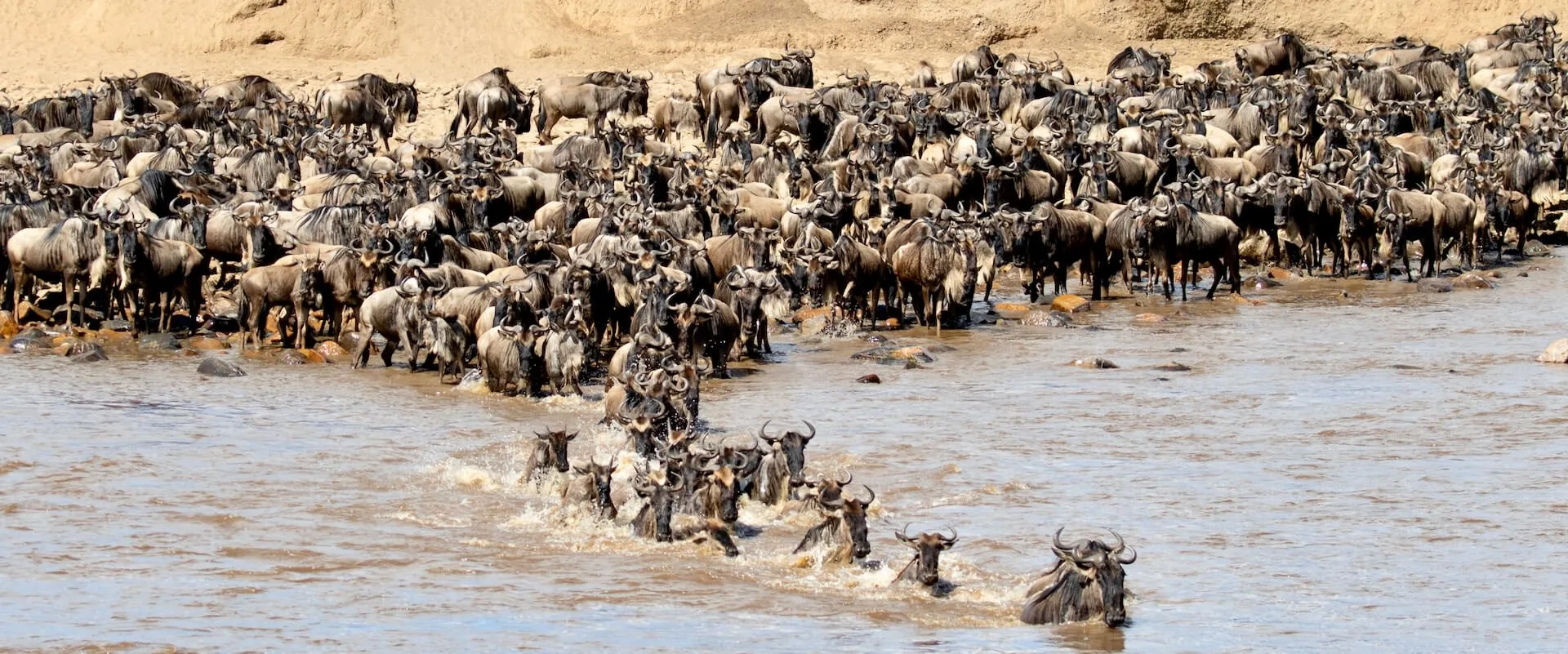
The Great Migration in Africa happens all year because the herds continuously circulate through the Serengeti–Mara ecosystem in…
Read article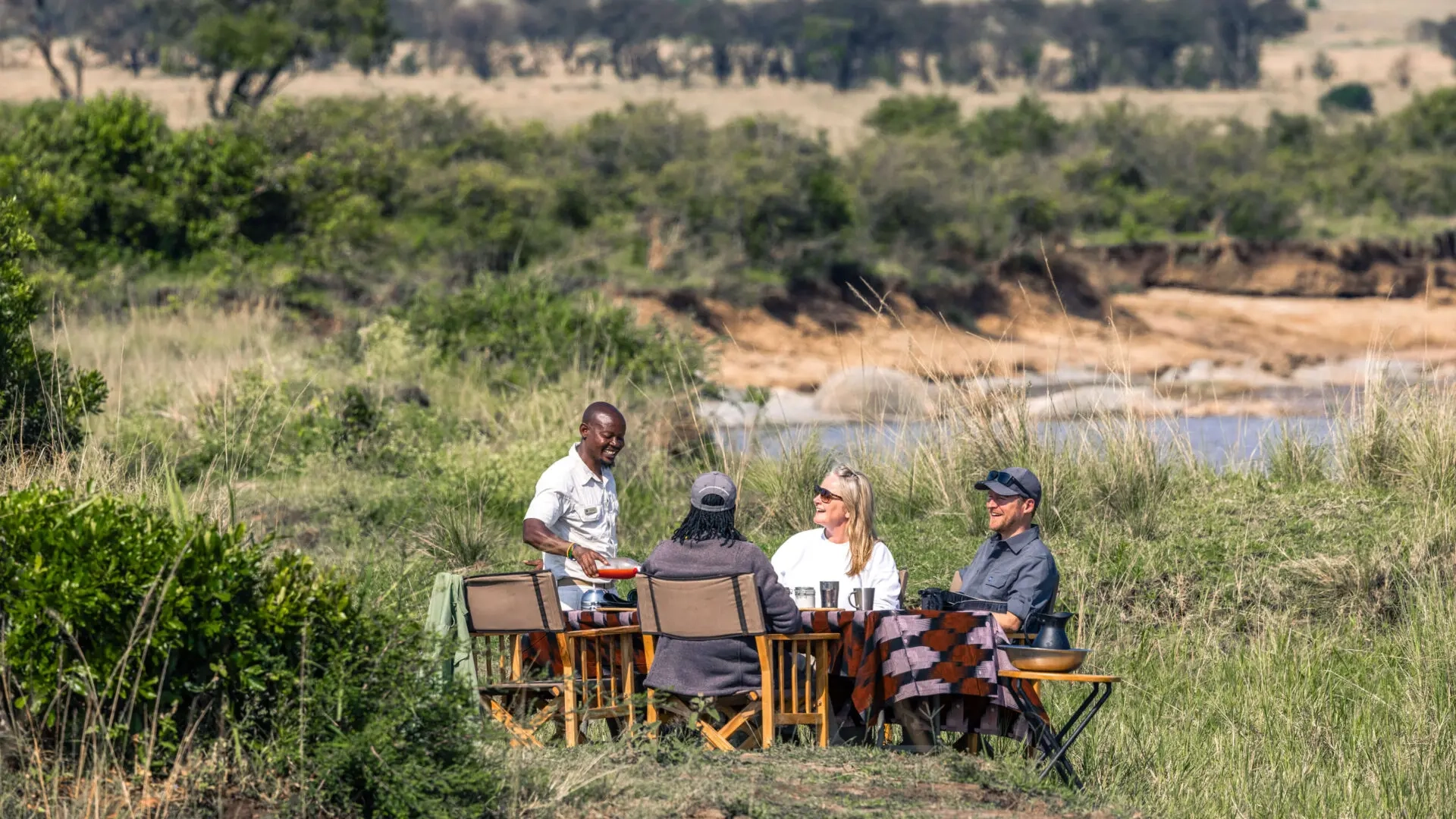
Definitive answer: A picnic lunch on safari is a packed or catered midday meal eaten at an approved…
Read article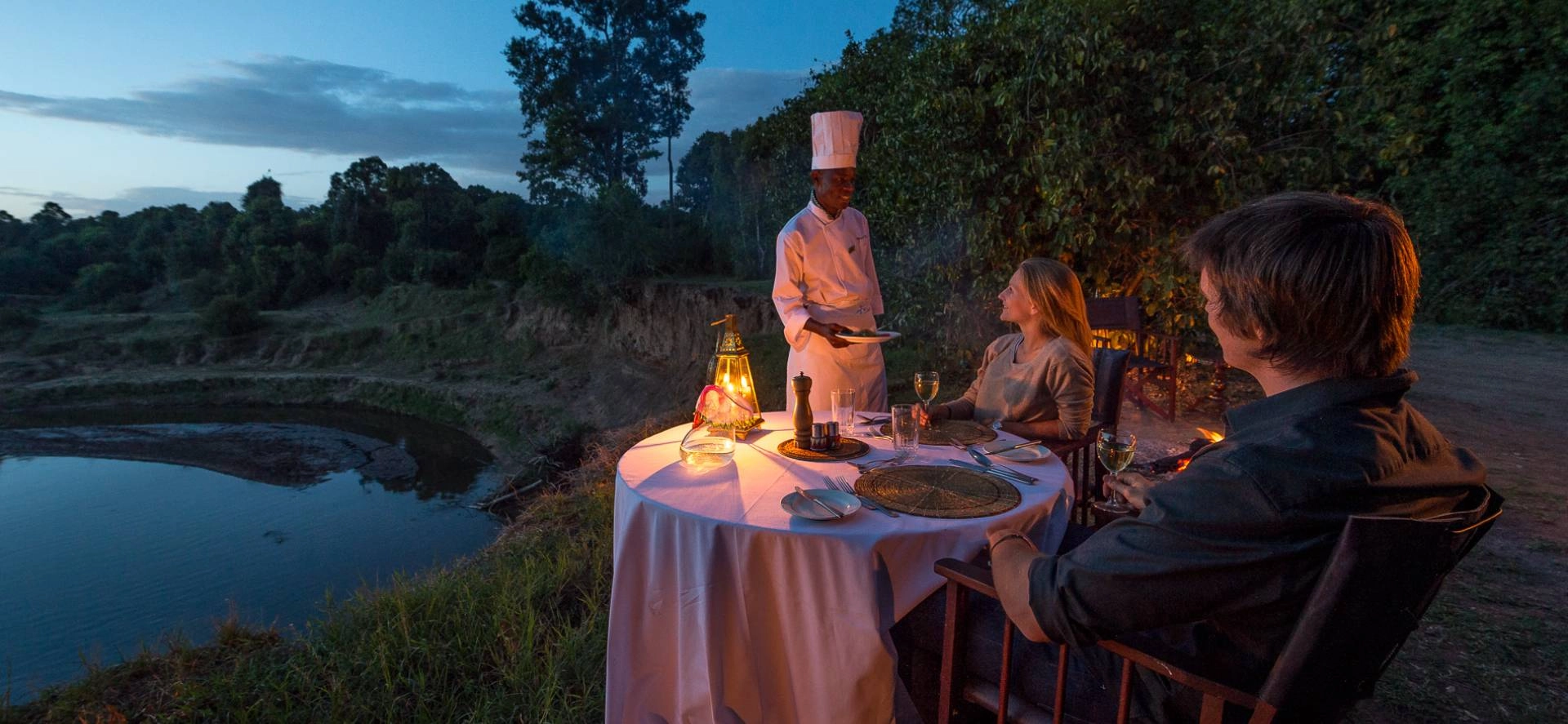
Definitive answer: A bush dinner is an outdoor evening meal arranged in a safe safari setting away from…
Read articleLet us take you closer to the wildlife, people and places that make Africa extraordinary.
Plan Your Safari Today