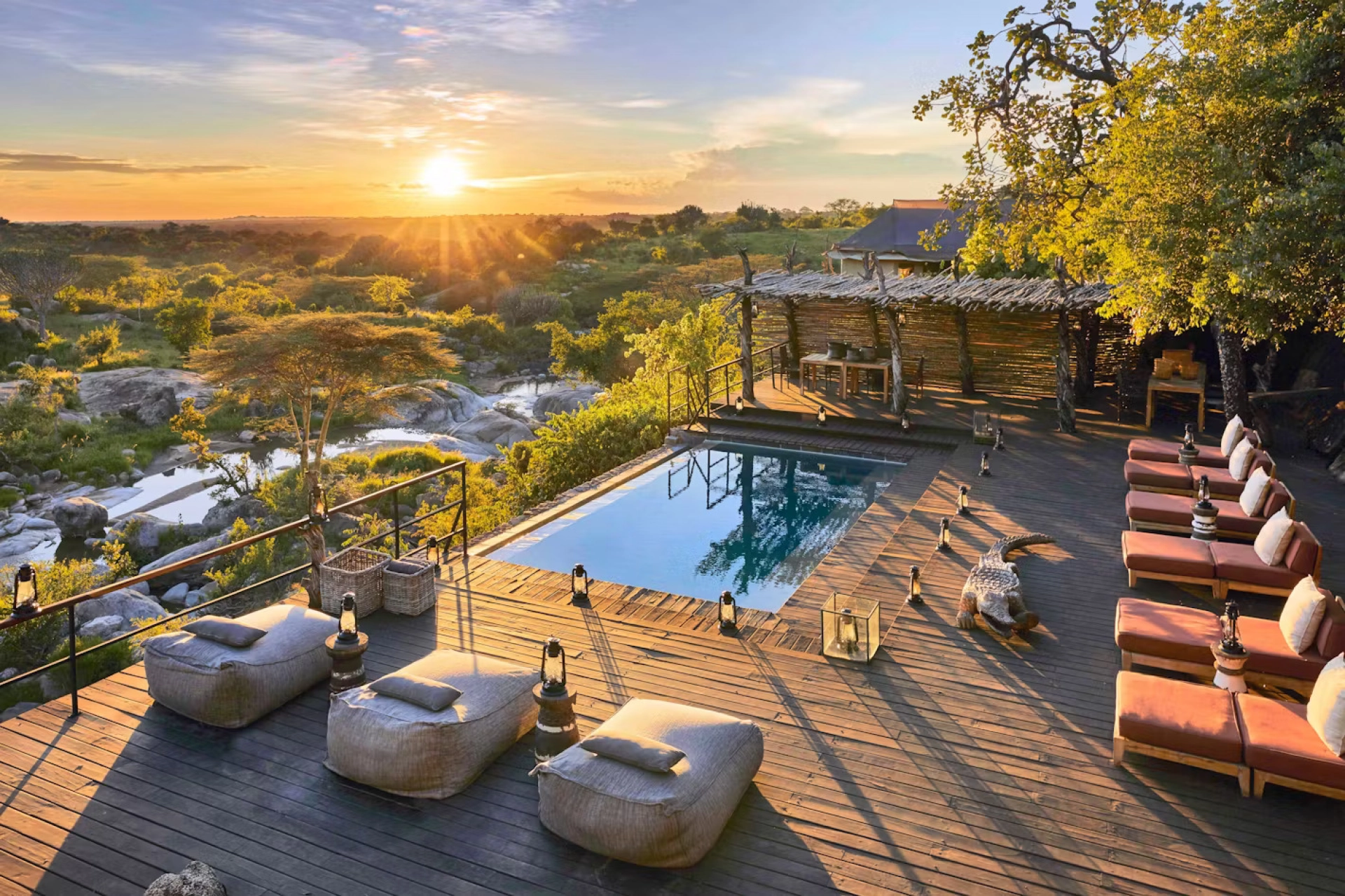
What should I look for when booking a luxury African safari?
When booking a luxury African safari, look beyond the room and compare the quality of guiding, wildlife location,…
Read article

Travel Guide
South Africa has one of the most varied national park systems in Africa. One national park protects lions, elephants, rhinos and enormous herds across subtropical savanna. Another protects penguins, fynbos-covered mountains and dramatic Atlantic coastline. Travel…
South Africa has one of the most varied national park systems in Africa. One national park protects lions, elephants, rhinos and enormous herds across subtropical savanna. Another protects penguins, fynbos-covered mountains and dramatic Atlantic coastline. Travel farther north and national parks become red Kalahari dunes. Head inland and they become semi-desert Karoo plains. Travel to Namaqualand in the right season and dry-looking landscapes suddenly explode into carpets of wildflowers. Other parks protect wetlands, indigenous forests, rugged mountains, archaeological sites, marine environments and some of the most important cultural landscapes in southern Africa.
That extraordinary variety is what makes South Africa’s national parks so interesting. They are not simply safari parks. As of 2026, South African National Parks—SANParks—states that its national park system contains 21 national parks. The system protects more than four million hectares of terrestrial landscapes as well as substantial marine protected areas. That figure is important because older travel guides commonly refer to 19 South African national parks. The system has expanded.
Meerkat National Park, associated with the Square Kilometre Array landscape in the Northern Cape, has become part of the SANParks network, while the emerging Grasslands National Park in the Eastern Cape highlands is now also appearing within SANParks’ current operational listings. For travelers, the result is an extraordinary collection of protected landscapes stretching from the Mozambique border to the Atlantic Ocean and from the Cape Peninsula to the Kalahari. This detailed guide explores South Africa’s SANParks, explaining where they are, what makes each one special, the best reasons to visit and how to combine them into larger South African safari itineraries.
South African National Parks, usually shortened to SANParks, is the public conservation organization responsible for managing the country’s national park system.
Its mandate extends beyond wildlife tourism. SANParks protects biodiversity, cultural heritage, archaeological sites, water resources and important landscapes while also operating tourism facilities that help finance conservation. SANParks describes its current system as 21 national parks, including World Heritage Sites and marine protected areas. For visitors, SANParks manages many of South Africa’s most recognizable destinations, including: Kruger National Park, Table Mountain National Park, Addo Elephant National Park, Kgalagadi Transfrontier Park, and Garden Route National Park. Yet some of the smaller national parks can be just as rewarding.
South Africa sits at the meeting point of dramatically different ecological regions.
Its climate varies from Mediterranean conditions around parts of the Western Cape to subtropical environments in the northeast and arid desert landscapes toward Namibia. The country contains multiple biomes, including: savanna, fynbos, Nama Karoo, Succulent Karoo, grassland, forest, coastal habitats, and desert-like ecosystems. This means no single South African national park represents the country as a whole. To appreciate South Africa properly, travelers should visit several.
For international travelers, Kruger National Park is usually the most famous of all South African national parks.
Kruger extends across northeastern South Africa along the borders with Mozambique and Zimbabwe. It protects an enormous savanna ecosystem containing extraordinary wildlife diversity.
The Big Five—lion, leopard, elephant, rhino and buffalo—are major attractions. But Kruger supports far more. Giraffes browse woodland. Zebras and wildebeest move through grasslands. Hippos occupy rivers. Wild dogs range over enormous territories. Spotted hyenas patrol at night. Numerous antelope species occur throughout the ecosystem. Kruger is also a phenomenal birding destination.
One feature that distinguishes Kruger from many African parks is its accessibility to self-drive travelers. An extensive road network connects rest camps, picnic sites and waterholes. Visitors can therefore rent a vehicle and explore independently. For first-time safari travelers, however, guided game drives can provide significant advantages because professional guides understand animal behavior, tracking and local wildlife patterns.
The dry winter months generally provide excellent wildlife viewing because vegetation becomes thinner and animals depend increasingly on permanent water. Summer brings rain, lush landscapes, migratory birds and many young animals. Both seasons have advantages.
Kruger is ideal for: first-time safari travelers, Big Five enthusiasts, birders, self-drive visitors, families, photographers, and travelers wanting a wide choice of accommodation.
Located in the Eastern Cape, Addo Elephant National Park began as a refuge for a small surviving elephant population and has developed into one of South Africa’s major conservation success stories.
Today, elephants remain the headline attraction.
Elephant viewing can be superb. Herds gather around waterholes, sometimes allowing prolonged observation. Buffalo, lions, antelope and numerous other species also occur. The wider protected landscape extends toward the coast, creating an unusual connection between terrestrial and marine conservation.
Addo combines extremely well with a road trip along the Garden Route. Travelers can begin around Cape Town, drive east through coastal destinations and finish with an Eastern Cape safari. This creates a convenient Cape Town, Garden Route and safari holiday without needing to fly to Kruger.
Few national parks anywhere are as closely integrated into a major city as Table Mountain National Park.
The park protects much of the Cape Peninsula, including Table Mountain itself, Cape Point and major sections of coastline. SANParks confirms that Table Mountain is part of the current system of 21 national parks.
The flat-topped mountain dominates Cape Town. Visitors can hike or use the aerial cableway when operating. Routes range from relatively direct climbs such as Platteklip Gorge to more demanding mountain traverses. Weather can change rapidly and should never be underestimated.
The southern section of the park contains dramatic cliffs, beaches and fynbos landscapes. Cape Point and the Cape of Good Hope are among the most popular day excursions from central Cape Town.
The Boulders Penguin Colony protects one of the best-known mainland-accessible colonies of African penguins. Raised boardwalks allow visitors to observe the birds while reducing disturbance.
Table Mountain National Park protects extraordinarily rich fynbos biodiversity. It also contains deep cultural history. SANParks records indigenous associations with the mountain extending far before European settlement.
The Kgalagadi Transfrontier Park stretches across the arid borderlands of South Africa and Botswana. Red dunes, dry riverbeds and sparse vegetation create one of Africa’s most photogenic desert safari landscapes.
Kgalagadi is particularly famous for predators. Black-maned Kalahari lions are iconic. Cheetahs use open terrain. Leopards occur more discreetly. Spotted and brown hyenas inhabit the ecosystem. Gemsbok, springbok and wildebeest provide classic Kalahari scenes.
The combination of red sand, golden light and open landscapes is exceptional for wildlife photography. Animals often stand against uncluttered backgrounds. Predator behavior can be particularly rewarding.
Kgalagadi feels much more remote than Kruger. Distances are large. Temperatures can be extreme. Travelers should prepare carefully, especially when driving into isolated sections.
Garden Route National Park protects several celebrated sections of South Africa’s southern coast and forest landscapes. It includes the Tsitsikamma, Knysna and Wilderness sections. SANParks’ 2026 National Parks Week information continues to identify these three components as part of the Garden Route National Park.
Tsitsikamma is famous for dramatic coastline, indigenous forest, hiking and the Storms River Mouth area. The suspension bridges at Storms River are among the Garden Route’s best-known attractions. The famous Otter Trail also traverses this wider coastline.
The Wilderness section protects lakes, rivers, forest and wetland environments. Canoeing, hiking and birdwatching are popular.
The Knysna section includes important estuarine and forest habitats. Travelers exploring the town can combine restaurants and coastal scenery with protected natural landscapes.
Garden Route National Park is perfect for travelers who enjoy: hiking, coastlines, forests, kayaking, birdwatching, and scenic road trips.
The Orange River suddenly plunges through a dramatic granite gorge at Augrabies Falls National Park. The landscape is hot, rocky and starkly beautiful.
The waterfall is most dramatic when river flows are high. Even during lower water, the surrounding gorge remains spectacular. Boardwalks and viewpoints provide access around the main falls.
Augrabies is not primarily a Big Five safari destination. Its appeal lies in arid-land ecology, geology, reptiles, antelope and dramatic scenery. Travelers passing through the Northern Cape can combine it with Kgalagadi and Namaqualand.
The Richtersveld is among South Africa’s most extraordinary desert landscapes. Mountains rise above the Orange River. Succulent plants survive in severe aridity. Traditional cultural landscapes remain important. The park forms part of a transfrontier conservation area with Namibia.
This is a destination for travelers who enjoy remoteness. Four-wheel-drive routes, unusual geology, desert plants and enormous landscapes dominate the experience. It is nothing like Kruger. That contrast illustrates the extraordinary range within the SANParks system.
For much of the year, Namaqualand appears dry and understated. Then, after suitable winter rainfall, spring arrives. Huge areas can erupt in wildflowers. Namaqua National Park protects some of the best-known landscapes associated with this seasonal transformation.
Flower timing varies according to rainfall and temperature. The spectacle is generally associated with late winter and spring. It cannot be guaranteed for specific dates far in advance.
The park also protects Succulent Karoo biodiversity, coastal landscapes and highly specialized plants. Travelers interested in botany will find Namaqua rewarding beyond peak flower weeks.
Located relatively close to Cape Town, West Coast National Park offers lagoons, coastal vegetation, birdlife and spectacular seasonal flowers.
The lagoon is central to the park’s identity. Its shallow water and wetlands attract numerous birds. The landscapes provide a complete contrast to Cape Town’s mountainous skyline.
The Postberg section is particularly famous during flower season. Access conditions may change seasonally, so visitors should confirm before traveling.
West Coast National Park can be visited as a day trip or incorporated into a longer West Coast itinerary.
Agulhas National Park protects the southernmost region of the African continent. Cape Agulhas is geographically significant because it marks Africa’s southern extremity.
The broader area is popularly associated with the meeting of the Atlantic and Indian oceans. Oceanographic boundaries are more complex than a visible line in the water, but the symbolic significance makes Cape Agulhas a popular destination.
The park protects coastal habitats and highly diverse vegetation. Shipwreck history adds another cultural dimension.
One of South Africa’s smaller national parks, Bontebok National Park lies near Swellendam in the Western Cape. It played an important role in conserving bontebok.
Travelers can see bontebok, mountain zebra and other species while enjoying peaceful landscapes along the Breede River. The park is particularly attractive as a stop between Cape Town and the Garden Route.
National parks are not measured only by size. Bontebok demonstrates how focused protection can contribute to the survival of threatened species and habitats.
Near Beaufort West lies Karoo National Park, protecting part of the vast semi-arid interior landscape. Flat plains give way to the Nuweveld Mountains.
Travelers can see antelope, mountain zebra and various predators. Lions have been reintroduced. The park also protects important fossil and geological resources.
Low population density and dry air contribute to impressive stargazing. The Karoo’s silence and scale are major reasons to visit.
Near Cradock in the Eastern Cape, Mountain Zebra National Park was established partly to protect the Cape mountain zebra. The conservation story has become one of the park’s defining features.
Mountain zebras remain central, but the park also supports numerous antelope species and predators. The mountain scenery creates attractive landscapes for game viewing.
It combines well with Addo and Camdeboo for travelers exploring the Eastern Cape interior.
Camdeboo National Park surrounds the historic town of Graaff-Reinet. Its most famous landscape is the Valley of Desolation.
Huge dolerite columns rise above the surrounding plains. Sunset is particularly atmospheric.
Camdeboo allows travelers to combine geology, wildlife and one of South Africa’s most historically significant Karoo towns. This makes it different from parks designed almost exclusively around wilderness safari.
Located south of Kimberley, Mokala National Park is one of SANParks’ less internationally famous destinations. Its relative obscurity is part of its attraction.
The park supports important populations of several large herbivores and contributes to conservation breeding and species management. Open landscapes can provide good wildlife photography.
Mokala is ideal for travelers driving through the Northern Cape who want a quieter safari stop away from South Africa’s busiest parks.
Marakele National Park lies in the Waterberg region of Limpopo. Mountains, valleys and savanna create striking scenery.
Elephants and other large mammals occur. The wider Waterberg region is important for wildlife conservation.
Marakele is also associated with significant Cape vulture populations. For birders, this adds substantial interest beyond conventional big-game viewing.
Its relative accessibility from Gauteng makes the Waterberg appealing to travelers beginning or ending trips in Johannesburg.
Mapungubwe National Park sits near the northern border of South Africa where landscapes connect with Botswana and Zimbabwe. It is both a natural and cultural destination.
Mapungubwe was the center of a sophisticated pre-colonial kingdom. Archaeological evidence demonstrates long-distance trade and complex social organization. The famous gold objects discovered in the region have become symbols of South Africa’s precolonial history.
The park also protects sandstone formations, riverine environments and wildlife. This combination of archaeology and safari makes Mapungubwe one of South Africa’s most intellectually rewarding national parks.
Located in the Free State near the Lesotho border, Golden Gate Highlands National Park protects dramatic sandstone cliffs and high-altitude grasslands.
The park takes its name from golden light illuminating sandstone formations. Hiking is a major attraction.
Visitors may encounter zebras and antelope adapted to grassland environments. Large predator viewing is not the primary attraction.
The wider area also provides opportunities to learn about Basotho culture. This makes Golden Gate ideal for travelers combining scenery, hiking and cultural travel.
Tankwa Karoo National Park is about emptiness, silence and space. Located in an extremely arid part of the Northern Cape/Western Cape interior, it receives far fewer conventional tourists than Kruger or Table Mountain.
The landscape is stark. Mountains frame open plains. Succulent and desert-adapted vegetation dominate. Birders may seek specialized arid-country species.
Visitors should prepare carefully. Fuel, water and road conditions require planning. This is precisely why adventurous travelers love it.
Meerkat National Park is one of the newest additions to the modern SANParks network. The park is closely associated with the Square Kilometre Array astronomy landscape in the Northern Cape. SANParks describes its declaration as an important expansion of the conservation network linked with a major international science landscape, and current 2026 SANParks material treats Meerkat as an operational national park.
This makes Meerkat unusual. The surrounding landscape has global scientific significance because of radio astronomy. Low human disturbance also creates conservation opportunities.
Not yet in the same sense as Kruger or Addo. Visitor access and tourism infrastructure are limited compared with major SANParks destinations. Travelers should therefore check official current access information rather than simply arriving expecting conventional rest camps and game drives.
Meerkat demonstrates that national parks can serve purposes beyond traditional safari tourism. They can protect ecosystems while interacting with scientific research landscapes.
The newest major development in the SANParks network is Grasslands National Park, associated with the highlands of the Eastern Cape. SANParks documents in 2026 list Grasslands National Park within current organizational activities, although the establishment and formal development process has been evolving and tourism infrastructure remains far less established than at older parks.
Grasslands can be easily underestimated. To an inexperienced visitor, they may look less spectacular than forests or mountains. Ecologically, they are enormously important. High-altitude grasslands support specialized plants, birds and other wildlife. They also contribute to water catchment systems.
The Grasslands National Park initiative has involved partnerships, landowners and local communities. This reflects a broader movement toward landscape-scale conservation that extends beyond simply fencing off government-owned land.
As infrastructure develops, the region could become particularly interesting for: birding, hiking, botany, highland landscapes, community tourism, and conservation-focused travel. For now, travelers should verify access and facilities directly with SANParks before planning it like an established Kruger-style destination.
Kruger National Park remains the strongest overall choice. Its size, wildlife diversity and tourism infrastructure provide excellent opportunities to see large mammals. Addo also offers major wildlife viewing, while several other parks protect large game. But travelers should not choose every park according to Big Five potential. South Africa’s greatest strength is diversity.
Kruger provides exceptional elephant viewing across enormous landscapes. Addo, however, is especially famous for elephants and can provide superb waterhole encounters. For travelers specifically passionate about elephant photography, combining the two would be exceptional.
Kruger and Kgalagadi are outstanding. Kgalagadi is particularly famous for dramatic predator photography against desert landscapes. Kruger provides greater habitat variety and a broader overall safari experience.
Kgalagadi is one of the most famous choices because open terrain can provide excellent cheetah observation. Cheetahs also occur in other protected landscapes, but sightings are never guaranteed.
Table Mountain National Park, specifically the Boulders area, is the obvious answer. This alone demonstrates how different South Africa’s park system is from conventional safari expectations.
Table Mountain and Garden Route provide outstanding opportunities. Golden Gate is another excellent hiking park. Richtersveld appeals to experienced adventure travelers. The best choice depends on whether you prefer mountains, coastline, forest or desert.
Namaqua National Park is the most famous for mass spring-flower displays. West Coast National Park is another excellent option and is easier to combine with Cape Town. Bloom timing varies each year.
Kruger is outstanding because of sheer habitat and species diversity. West Coast is excellent for wetland and coastal birds. Garden Route provides forest species. Kgalagadi attracts arid-country specialists and raptors. Marakele is particularly interesting for Cape vultures. Serious birders should visit several parks.
Table Mountain National Park is actually integrated into Cape Town itself. West Coast National Park makes a good day trip. Agulhas can be visited on a longer road journey. Bontebok and Garden Route fit naturally into an eastward driving itinerary.
Kruger is the most famous safari choice, usually reached by flight or a longer road transfer. Marakele and the wider Waterberg region provide alternatives within a different driving radius.
Choose Kruger if wildlife is the priority. Choose Addo if you are already planning Cape Town and the Garden Route and do not want an additional long domestic connection. Choose Kgalagadi if you are an experienced safari traveler particularly interested in predators and photography.
South Africa has both national parks and private reserves. They provide different safari experiences. National parks often cover far larger areas. Self-driving may be possible. Accommodation can range from basic camping to comfortable rest camps and selected luxury concessions. Private reserves frequently emphasize guided safari experiences, open vehicles, smaller guest numbers and high-end lodges. Many private reserves adjoining Kruger form part of the same broader ecosystem. Combining both can be ideal.
South Africa is arguably one of Africa’s easiest countries for self-drive safari travel. Kruger in particular has a large network of public roads. Addo and several smaller parks are also accessible to independent visitors. However, self-drive requires patience. Professional guides often find animals by interpreting tracks, calls and recent movement rather than simply driving randomly. For first-time visitors, a mixture of self-drive and guided activities works well.
Accommodation differs greatly between parks. Major destinations may offer: campsites, chalets, cottages, guesthouses, rest camps, and selected concession lodges. Remote parks may have much more limited infrastructure. Never assume every national park has restaurants, fuel or full-service accommodation. Check park-specific facilities before departure.
Frequent visitors may consider the Wild Card program. SANParks’ current Wild Card information states that its SANParks cluster covers access to all 21 SANParks national parks, subject to program terms and exclusions. For travelers visiting several parks or residents making repeated visits, this can sometimes offer value. Always compare current pricing against your planned conservation fees.
SANParks traditionally holds an annual SA National Parks Week, during which qualifying South African citizens can receive free day-entry access to participating parks. In September 2026, SANParks described the initiative as providing free access to most of the 21 national parks for day visitors, subject to park-specific dates and exclusions. The offer does not generally mean free accommodation or free paid activities. Visitors should check annual rules rather than relying on older information.
There is no single best month for all 21 parks. South Africa contains multiple climate zones.
Dry winter generally produces easier big-game viewing. Summer is lush and excellent for birding.
Cape Town and surrounding areas have Mediterranean-type seasonality, with relatively wetter winters and generally drier summers.
Spring flowers depend on winter rainfall.
Seasonal temperature extremes are important. Summer can be extremely hot.
The region can receive rainfall across the year and remains relatively green. The best time therefore depends on which park you are visiting.
A first-time traveler should not attempt to see all 21. South Africa is large. Driving distances can be enormous. It is better to choose parks that complement one another.
Cape Town + Table Mountain + Garden Route + Addo.
Cape Town + Kruger.
Kgalagadi + Augrabies + Namaqua.
Mapungubwe + Kruger + Golden Gate.
Addo + Mountain Zebra + Camdeboo.
National parks exist first and foremost to protect natural and cultural heritage. Tourism helps finance that mission. SANParks states that ecotourism revenue contributes significantly to its conservation operations. Travelers therefore influence conservation through: park fees, responsible accommodation use, guided activities, and support for local businesses.
Never feed wildlife. Remain inside vehicles where park regulations require it. Observe speed limits. Do not pressure animals with vehicles. Keep camps clean. Avoid littering. Respect hiking closures and fire restrictions. Follow marine and coastal regulations. In cultural landscapes, respect archaeological sites and community rights.
It would be easy to equate South African national parks with Kruger. That would be a mistake. Kruger may provide lions beneath acacia trees and elephants crossing dusty roads. But Table Mountain protects fynbos and penguins. Kgalagadi offers black-maned lions beneath enormous desert skies. Namaqua erupts into spring flowers. Garden Route protects forests and wave-battered coastline. Mapungubwe connects wildlife with the history of an ancient African kingdom. Richtersveld reveals an almost surreal desert mountain landscape.
Golden Gate protects highland grasslands. Addo demonstrates what long-term elephant conservation can achieve. Newer protected areas such as Meerkat and Grasslands show that South Africa’s national park network continues to evolve. That diversity is precisely why the country is such a rewarding destination. You could visit one South African national park every year for many years and never repeat the same experience. One trip would be about the Big Five.
Another about flowers. Another about hiking. Another about penguins. Another about archaeology. Another about deserts and stars. Another about forests and coastlines. Together, the 21 SANParks national parks tell a much larger story—of wildlife, plants, geology, oceans, people, history and conservation across one of Africa’s most ecologically diverse countries.
Get quick answers to the most common questions. If you still have questions, our safari experts are here to help.
SANParks currently describes its national park system as containing 21 national parks.
Older guides predate newer additions and changes in the SANParks network. Meerkat National Park and the developing Grasslands National Park have changed the current count.
Kruger National Park is the country’s most famous international safari destination and one of its largest protected wildlife landscapes.
Kruger is the strongest general recommendation for first-time Big Five safari travelers.
Addo and Kruger are both outstanding.
Table Mountain National Park forms part of Cape Town itself.
Yes, several parks allow self-driving on designated roads, with Kruger being the most famous example.
Costs vary significantly. Self-drive national-park trips can be considerably less expensive than fully inclusive private-lodge safaris.
Yes, many established parks offer rest camps or other accommodation, although facilities vary.
Namaqua National Park is internationally famous for seasonal spring flowers.
African penguins can be visited in the Boulders section of Table Mountain National Park.
Kgalagadi, Richtersveld, Tankwa Karoo and Namaqua all provide distinctive arid landscapes.
Table Mountain, Garden Route and Golden Gate are particularly strong hiking destinations.
The system is currently evolving around newer protected landscapes including Meerkat National Park and Grasslands National Park, both now appearing in SANParks’ 2026 organizational material.
Our safari experts are here to help you plan your safari. Get personalized advice, the latest information and a free, no-obligation quote.
We typically reply within a few hours.

Share This Article
When booking a luxury African safari, look beyond the room and compare the quality of guiding, wildlife location,…
Read article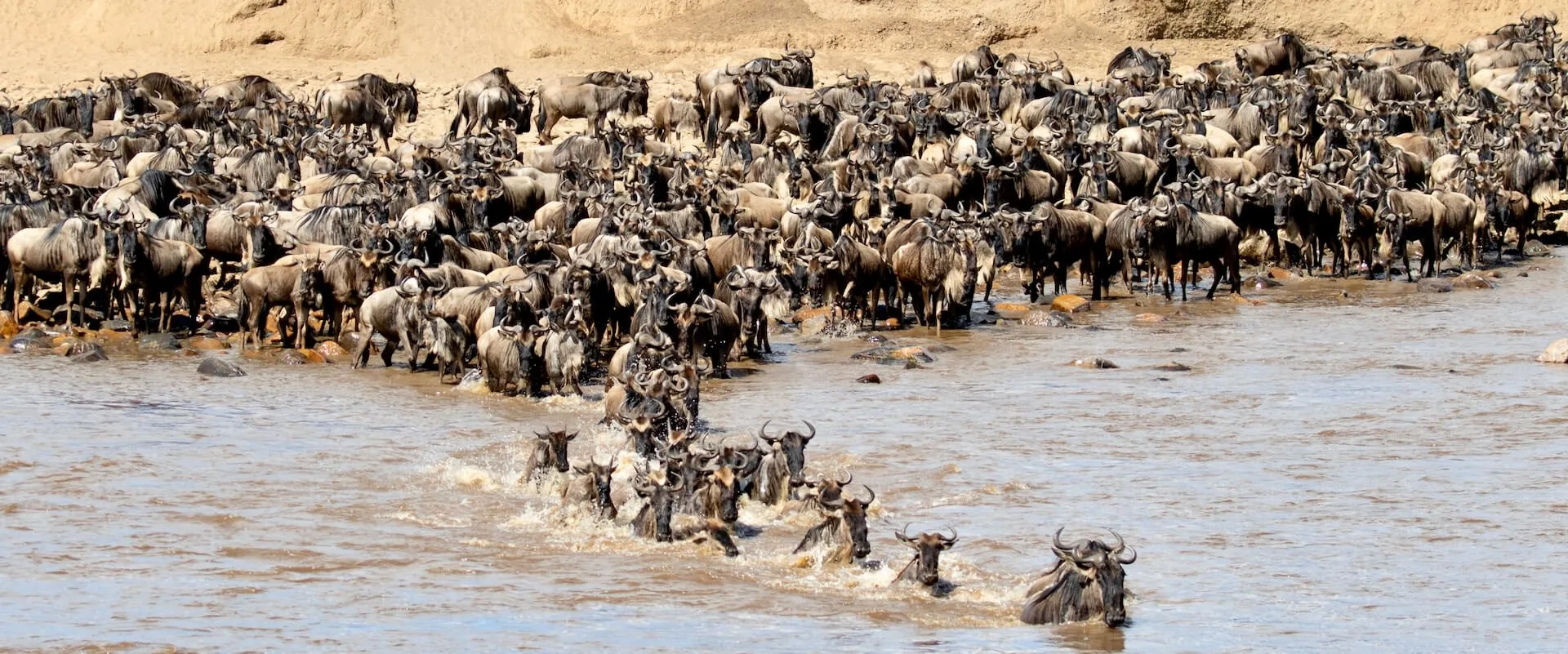
The Great Migration in Africa happens all year because the herds continuously circulate through the Serengeti–Mara ecosystem in…
Read article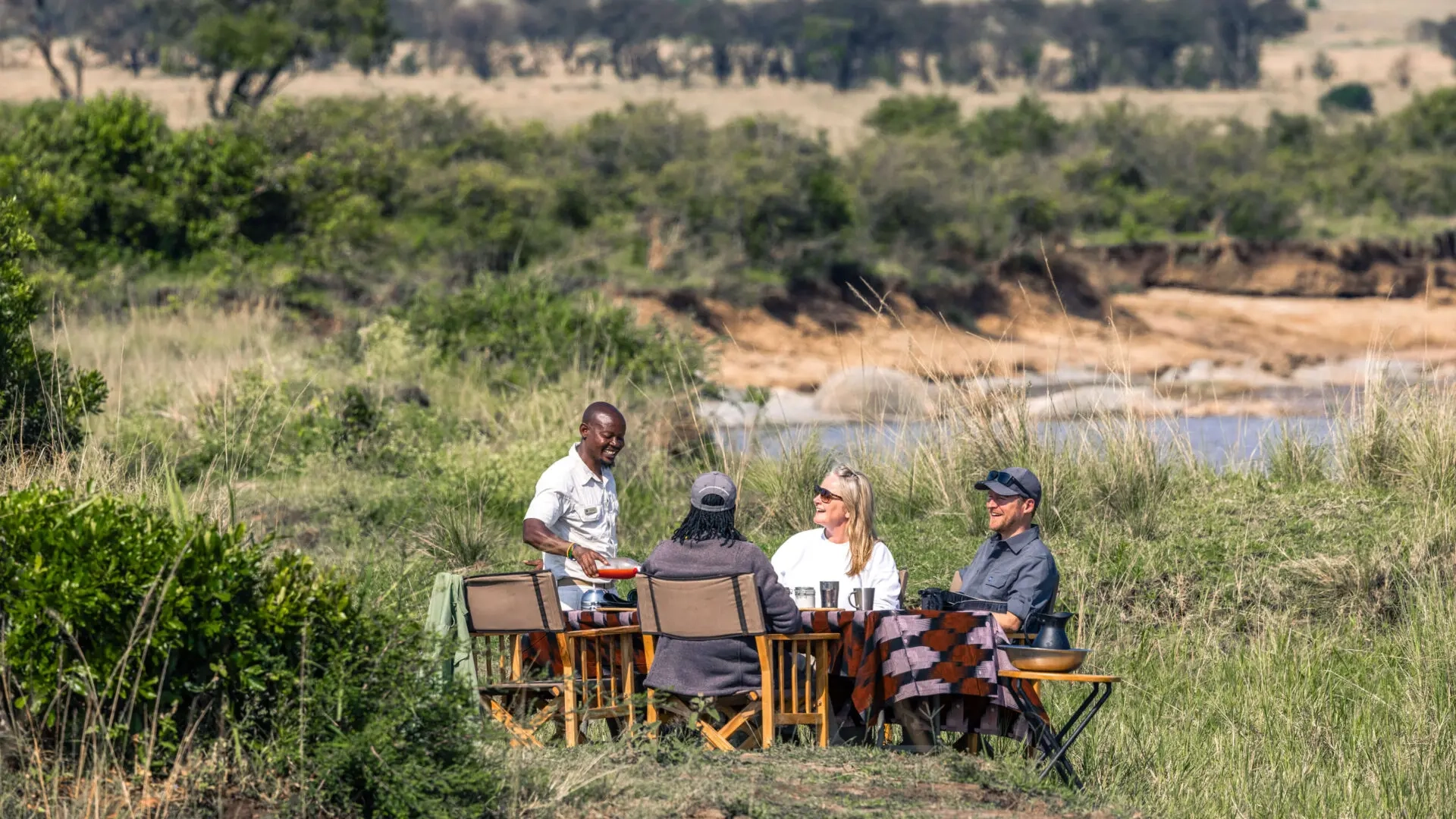
Definitive answer: A picnic lunch on safari is a packed or catered midday meal eaten at an approved…
Read article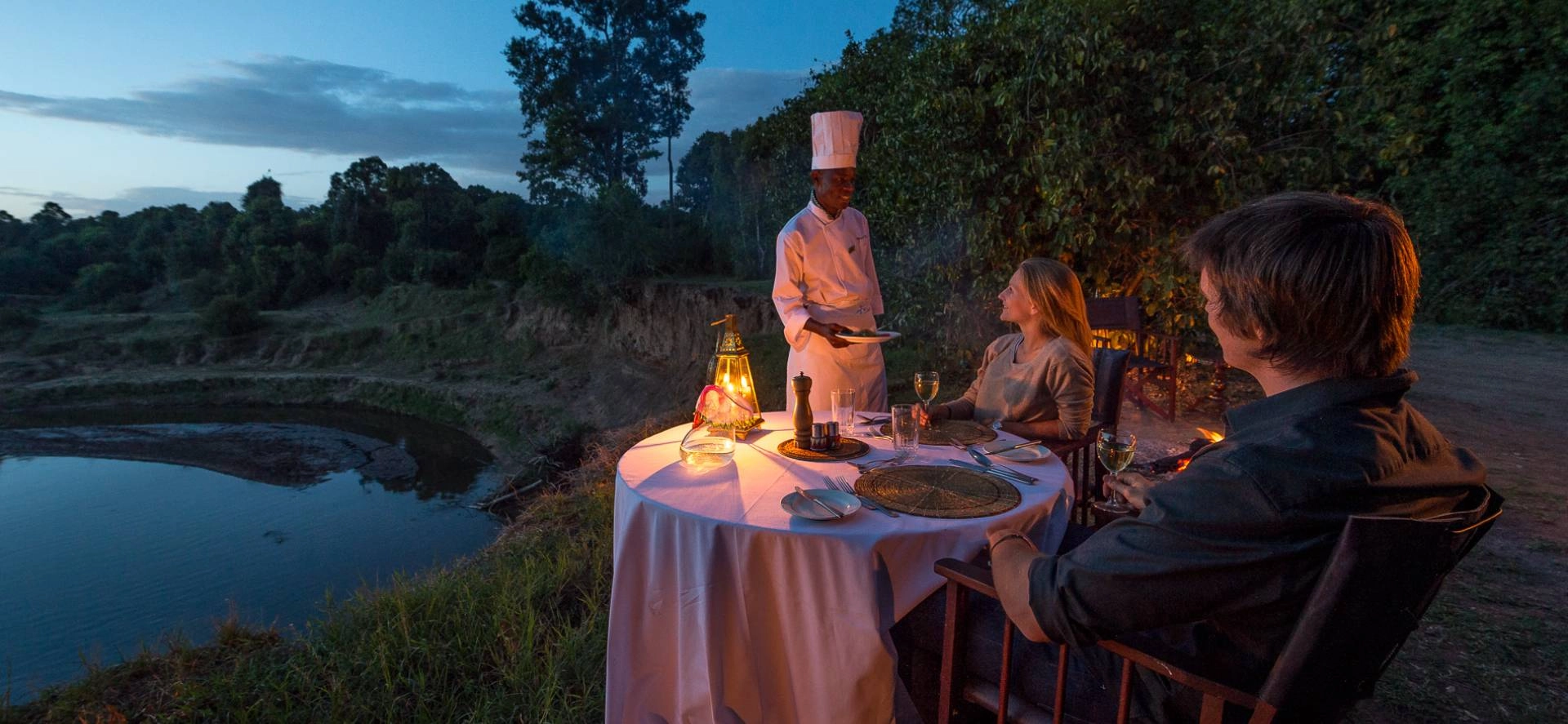
Definitive answer: A bush dinner is an outdoor evening meal arranged in a safe safari setting away from…
Read articleLet us take you closer to the wildlife, people and places that make Africa extraordinary.
Plan Your Safari Today