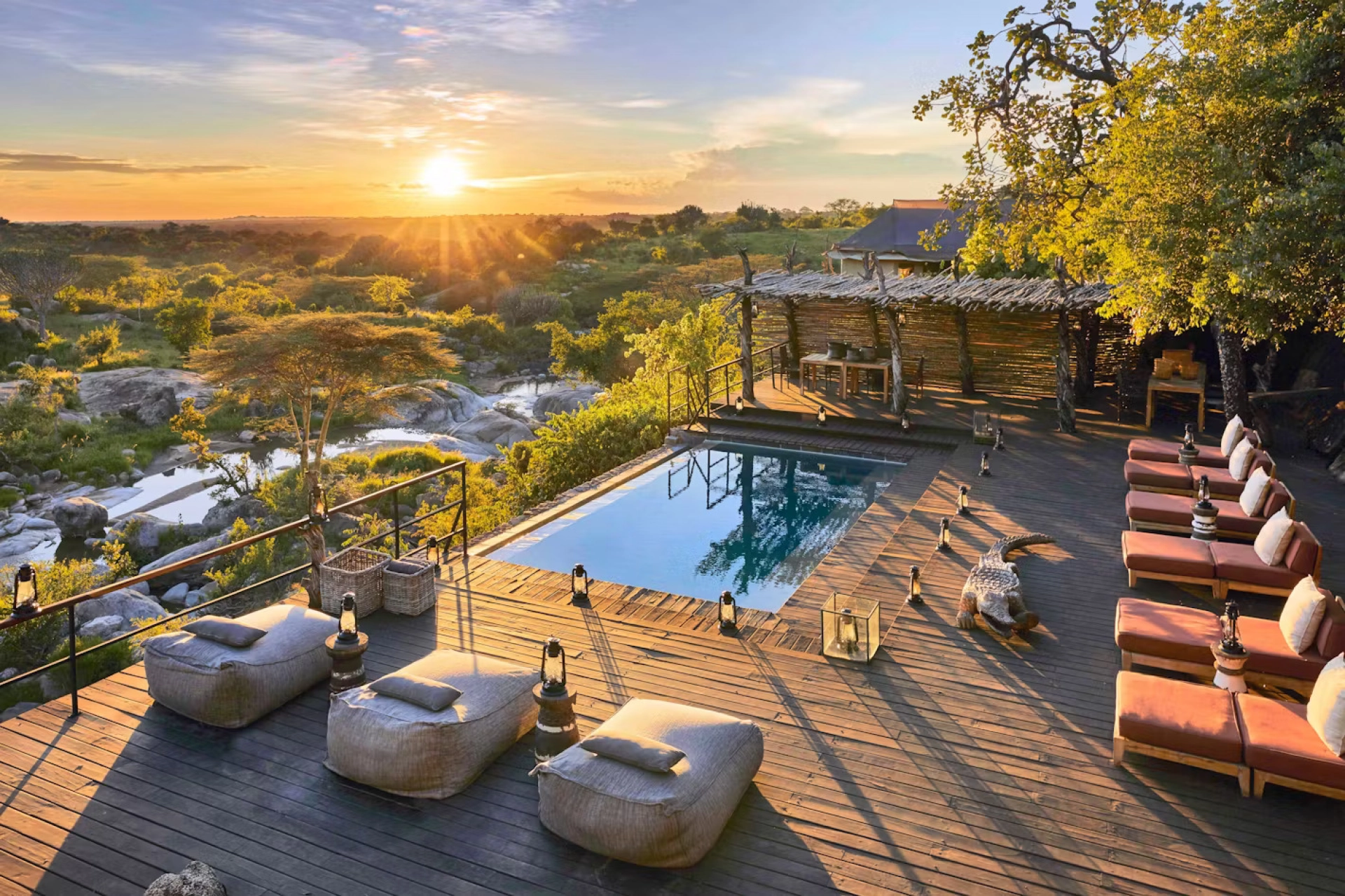
What should I look for when booking a luxury African safari?
When booking a luxury African safari, look beyond the room and compare the quality of guiding, wildlife location,…
Read article

Travel Guide
--- Few destinations represent the idea of an African safari as powerfully as Tanzania. Its northern plains contain the Serengeti ecosystem, where lions patrol immense grasslands and hundreds of thousands of wildebeest move through a constantly…
—
Few destinations represent the idea of an African safari as powerfully as Tanzania. Its northern plains contain the Serengeti ecosystem, where lions patrol immense grasslands and hundreds of thousands of wildebeest move through a constantly changing landscape. Nearby, the Ngorongoro Crater creates one of Africa’s most concentrated wildlife-viewing environments. Tarangire introduces enormous baobabs and seasonal elephant concentrations, while Lake Manyara adds Rift Valley scenery, groundwater forest and a different ecological character. Farther south and west, Tanzania becomes increasingly remote through destinations such as Nyerere National Park, Ruaha National Park, Katavi National Park and Mahale Mountains National Park.
For travelers researching Tanzania safari packages, the problem is therefore rarely whether Tanzania has enough to see. The challenge is deciding how much of it to include.
A safari advertised as a “Tanzania safari” might mean four days visiting Tarangire and Ngorongoro. Another might spend ten days following seasonal wildlife through different Serengeti regions. A third could combine a private northern-circuit safari with several nights on Zanzibar. At the luxury end, travelers can fly between remote camps. At the budget end, camping and shared safari vehicles can make some of Africa’s greatest wildlife ecosystems accessible at substantially lower prices.
The right Tanzania safari package is consequently not the itinerary containing the largest number of famous destinations. It is the itinerary that places you in the correct ecosystems for your travel dates while allowing enough time to experience them. This is especially important when planning a Great Migration safari in Tanzania. Wildebeest do not follow the dates printed in tourism brochures. Their broad movement around the Serengeti-Mara ecosystem is influenced by rainfall, fresh grazing, water and reproductive cycles. Different regions become strategically important at different times of year.
A safari designed for February should therefore look different from one designed for August. Likewise, a traveler with six days should not attempt the same route as someone with twelve. This guide explains how to choose among new Tanzania safari packages, how the country’s major safari regions differ, what determines safari costs, when to visit different parts of the Serengeti and how to combine Tanzania with Zanzibar, Kenya, Uganda or Rwanda.
Tanzania’s safari reputation is built on scale. The Serengeti alone represents an enormous wildlife system rather than a conventional fenced reserve. The landscape continues north toward Kenya’s Masai Mara and contains one of the world’s most famous large-mammal migrations. But the Serengeti is only one component of Tanzania’s wildlife offering. The Ngorongoro Conservation Area provides a dramatic volcanic landscape and the famous Ngorongoro Crater. Tarangire National Park introduces baobab-dominated scenery and important dry-season wildlife concentrations. Lake Manyara National Park provides forest, wetlands and Rift Valley scenery.
The country’s southern parks offer an entirely different safari atmosphere, often with fewer visitors. Western Tanzania adds primates and remote wilderness. Then Zanzibar provides an Indian Ocean beach extension without leaving the country. Few destinations can combine this degree of wildlife diversity, scenery and beach access within one national itinerary.
For most first-time visitors, the Northern Tanzania safari circuit is the logical starting point. It normally revolves around Arusha as the principal safari gateway and may include Tarangire, Lake Manyara, Ngorongoro and Serengeti. The route is popular because these destinations complement each other and can be connected by road. However, their geographical relationship can be misleading when viewed quickly on a map.
The Serengeti is enormous. Traveling from central Serengeti to northern Serengeti is not the same as moving between neighboring hotel districts. A well-designed safari must therefore account for driving time inside the ecosystem itself. This becomes particularly important for migration safaris.
For many travelers, the Serengeti National Park is the reason for visiting Tanzania. Its name has become almost synonymous with African wildlife. Open plains stretch toward the horizon. Lions rest beside tracks. Cheetahs scan the grasslands. Hyenas patrol territories. Elephants move through woodland. Giraffes appear against enormous skies. Leopards occupy riverine habitats and woodland. Large herds of herbivores move through different sections of the ecosystem. Yet one of the biggest mistakes in Tanzania safari planning is treating “Serengeti” as though it were a single small destination. It is not.
Different areas provide different wildlife opportunities according to habitat and season.
The Central Serengeti, often associated with the Seronera region, is one of the most reliable areas for year-round general wildlife viewing. The mixture of grassland, riverine habitat and rocky kopjes supports substantial resident wildlife. This makes central Serengeti particularly useful for first-time travelers who are not visiting exclusively for one seasonal migration event. Predators are a major attraction.
Lions are frequently sought around the plains and kopjes. Leopards may be encountered around suitable riverine habitat. Cheetahs use more open country. Hyenas are important members of the predator community rather than merely scavengers waiting for lions to finish eating. A well-designed Serengeti safari package should therefore allocate enough time to observe behavior rather than simply race between sightings.
A common budget itinerary tries to include Serengeti with only one or two nights. This creates a serious problem. If you arrive in the afternoon and leave the following morning, you have technically visited Serengeti but barely experienced it. Three nights gives you two full days. Four nights provides considerably greater flexibility. Wildlife moves. Weather changes. A leopard hidden in vegetation today may emerge tomorrow.
Lions sleeping through one afternoon may hunt the following morning. A cheetah can disappear beyond the horizon in minutes. Safari quality depends heavily on time. For travelers spending thousands of dollars reaching Tanzania, reducing Serengeti by one night simply to add another destination can be false economy.
The Great Wildebeest Migration is one of the principal reasons travelers research Tanzania. The migration involves enormous numbers of wildebeest accompanied by zebra and other herbivores moving through the wider Serengeti-Mara ecosystem. Predators follow opportunities created by these concentrations. But the migration should not be imagined as one giant herd moving in a perfect circle.
Animals spread across large areas. Subgroups move differently.
Rainfall influences grazing. Local conditions can change rapidly. The useful way to plan a migration safari is therefore by broad seasonal region rather than a promise of one exact event.
Early in the year, migration-focused travelers often look toward the southern Serengeti ecosystem and Ndutu region. This period is associated with the wildebeest calving season. Large numbers of animals gather on nutrient-rich short-grass plains. The arrival of young animals creates intense predator activity. Lions, cheetahs and hyenas may exploit opportunities around vulnerable calves. For wildlife photographers, this period can be extraordinary. The landscape can also be greener than the dry-season Serengeti images commonly used in brochures. Travelers should understand that seasonal rainfall influences exact herd distribution.
The correct camp location matters.
April and May can receive substantial rainfall. This is sometimes described too negatively. The Serengeti does not become empty because rain falls. Wildlife remains. Landscapes become intensely green. Cloud formations can create dramatic photography. Visitor numbers may be lower. Some properties offer more attractive rates. However, road conditions can become difficult in places and some camps may close seasonally. Travelers choosing this period should value atmosphere, photography and lower visitor density rather than expecting dry-season conditions.
As seasonal conditions change, migration herds begin moving northward through different portions of the ecosystem. June can be an excellent safari month. The exact location of major concentrations varies. Travelers should avoid booking a camp purely because an old migration map shows wildebeest standing in one exact location on June 15. Nature is not that precise. A knowledgeable safari operator should select the broad region according to seasonal expectations while explaining that actual movements remain natural and unpredictable.
Northern Serengeti receives intense interest from approximately July through October because of the possibility of migration herds approaching and crossing the Mara River. This is one of Africa’s most dramatic wildlife spectacles. Wildebeest may gather near riverbanks before entering dangerous water where currents and crocodiles create hazards. But no safari operator can guarantee a crossing.
You can sit near the river for hours while animals refuse to enter. They may cross several kilometers away. They may cross before you arrive. They may turn around entirely. This unpredictability is precisely what makes the event wild. A strong Great Migration safari Tanzania package therefore spends several nights in the appropriate region rather than scheduling a single afternoon beside the river.
As rainfall patterns shift, herds begin moving toward central and southern areas. Again, this is not an overnight transfer. Different groups can be distributed widely. The Serengeti remains rewarding regardless of whether you are directly beside the largest migration concentration. Resident wildlife is a major reason to visit.
These are related but different products. A Great Migration safari is designed around seasonal herd movements. Accommodation may therefore be selected according to mobile or seasonal camp locations. A general Serengeti wildlife safari prioritizes productive habitats and resident wildlife. The latter can often provide better value for travelers who care about lions, elephants, leopards, cheetahs and general game viewing more than river crossings. Do not pay peak migration premiums simply because everybody says migration is the “best” safari. Choose according to your own priorities.
The Ngorongoro Crater provides one of Africa’s most unusual wildlife environments. The enormous volcanic caldera creates a visually dramatic setting in which diverse animals occupy grasslands, wetlands and woodland habitats. A game drive descends from the highlands toward the crater floor. The change in elevation itself creates a memorable arrival. Wildlife density can be impressive. Buffalo, zebra, wildebeest, gazelles, lions and other species may be encountered. Rhinos are among the most sought-after animals, although sightings are never guaranteed. The crater is particularly valuable for first-time safari travelers because one game-drive day can produce an enormous range of wildlife.
Ngorongoro involves substantial conservation and vehicle-related costs. Accommodation on the crater rim can also be expensive. Budget-conscious travelers can reduce expenditure by staying in the broader Karatu area or other strategically positioned accommodation rather than choosing the most expensive crater-rim lodge. The experience that matters most is the crater game drive. You do not need the most luxurious bedroom to appreciate it.
Do not choose between them unless time is extremely limited. They provide different experiences. Ngorongoro is geographically concentrated and visually enclosed. Serengeti is expansive. Ngorongoro can produce many species in one day.
Serengeti rewards multiple days of searching and observing. Combining them creates one of the strongest safari itineraries in Africa.
Tarangire National Park is frequently underestimated because travelers rush toward Serengeti. This is unfortunate. Tarangire has its own powerful identity. Massive baobab trees dominate parts of the landscape. Elephants are a major attraction. During the dry season, the Tarangire River becomes increasingly important to wildlife. Animals from surrounding areas may concentrate around reliable water. The result can be excellent game viewing. Tarangire also provides an aesthetic contrast to Serengeti’s open plains.
Tarangire is relatively accessible from Arusha compared with deeper Serengeti regions. This can reduce transportation requirements. A two-night stay provides meaningful wildlife time without requiring a bush flight. Travelers with only five or six safari days can therefore combine Tarangire, Ngorongoro and a carefully planned Serengeti visit. It is one of the strongest routes for a short Tanzania safari package.
Lake Manyara is smaller than Serengeti or Tarangire but offers ecological variety. Groundwater forest, lake environments and escarpment scenery create a different visual experience. Elephants, primates, birds and other wildlife contribute to the attraction. Historically, the park became famous in tourism marketing for tree-climbing lions. Travelers should not visit expecting lions to pose in trees on demand. Wildlife behavior is unpredictable. Lake Manyara’s real value is habitat diversity and its position within the northern circuit.
Travelers with limited time before or after a major safari can consider Arusha National Park. Its proximity to Arusha makes it useful for an arrival or departure-day activity when schedules allow. The park is not a replacement for Serengeti. It provides a different experience. Landscapes associated with Mount Meru, forest and smaller-scale wildlife viewing make it a useful addition for travelers with extra time.
Travelers who have already experienced the northern circuit or who want fewer safari vehicles should consider southern Tanzania. Nyerere National Park forms part of a vast protected landscape. The safari style differs from Serengeti. Depending on the area and operation, visitors may combine conventional game drives with boat-based experiences and other activities permitted under local rules.
The sense of wilderness can be exceptional. Distances are enormous. Fly-in logistics are often more practical than long road transfers.
Ruaha National Park is another major southern Tanzania destination. Its scale, relatively low visitor density and predator populations appeal strongly to experienced safari travelers. Ruaha feels different from the classic northern circuit. The landscape can be rugged and dry. Baobabs contribute to the scenery. Elephants and predators are major attractions. For travelers seeking a remote Tanzania safari, Ruaha deserves serious consideration.
The northern circuit is generally easier for a first visit. It contains globally famous destinations and excellent road-routing possibilities. The southern circuit appeals strongly to repeat visitors, photographers and travelers prioritizing wilderness and lower visitor density. A southern safari may cost more because remote camps and flights become important. Value should therefore be measured in exclusivity and experience rather than simply nightly price.
Tanzania supports the Big Five — lion, leopard, elephant, rhinoceros and buffalo. However, seeing all five should never be guaranteed. Ngorongoro can improve opportunities for rhino. Serengeti is exceptional for predators. Tarangire is excellent for elephants. Buffalo occur across suitable habitats. Leopards remain elusive. A multi-park northern safari provides a strong overall chance of seeing diverse wildlife. But some of Tanzania’s most memorable animals are not members of the Big Five. Cheetahs, giraffes, hippos, zebras, wildebeest, hyenas and enormous bird diversity frequently become trip highlights.
A first Tanzania safari should usually prioritize the northern circuit. For approximately seven days, a combination of Tarangire, Ngorongoro and Serengeti is extremely strong. If migration is a priority, more time may be allocated to the appropriate Serengeti region. Lake Manyara can be included when it improves the route. Do not include every park simply because it is famous.
Four days is short. Focus on geographical efficiency. Tarangire and Ngorongoro can form a rewarding combination. Serengeti can be included in some short itineraries, but road time becomes significant. Travelers determined to see Serengeti should understand the compromise. Adding a flight can save time but increases cost.
Five days allows greater flexibility. A carefully planned northern circuit can include Serengeti and Ngorongoro with another strategically chosen park. The itinerary should still avoid excessive transfers. Spend more time watching wildlife and less time collecting park entrance stamps.
Seven days is one of the strongest durations for first-time visitors. It allows multiple nights in Serengeti, a Ngorongoro experience and time in Tarangire or another northern destination. Wildlife viewing becomes less rushed. This is also enough time to design the route around seasonal migration expectations.
Ten days allows deeper exploration. Travelers can spend several nights in Serengeti, explore different regions and avoid racing between destinations. Photography improves because there is time to wait. A longer itinerary can also include cultural or walking experiences where appropriate. For international visitors traveling long distances to East Africa, ten days often provides excellent value.
One of Tanzania’s greatest advantages is the ability to combine world-class safari with the Indian Ocean without crossing an international border. A Tanzania safari and Zanzibar package can begin with Tarangire, Ngorongoro and Serengeti before flying to Zanzibar. The contrast is almost perfect. Safari mornings begin before sunrise. Zanzibar mornings can begin whenever you want. The first half of the holiday involves dust, wildlife and long game drives. The second provides swimming, seafood, Stone Town, spice farms, snorkeling and rest.
Three nights is the minimum for a meaningful short extension. Five nights provides a much better balance. Seven nights works well for honeymooners or travelers who want substantial relaxation. Do not spend eight days on safari and then allow only one full beach day unless your schedule forces it. The beach extension should actually feel like an extension.
Tanzania can be expensive because park and conservation fees are significant and a safari vehicle with professional guide represents a substantial operating cost. Budget travel remains possible. Shared departures divide vehicle expenses. Camping reduces accommodation costs. Simple lodges can replace luxury camps. Road transportation can replace some bush flights. The smartest budget strategy is to simplify accommodation without reducing essential wildlife time.
Mid-range safaris are often the best balance for first-time travelers. Permanent tented camps provide beds, private bathrooms and comfortable meals without ultra-luxury pricing. Vehicles may still be private depending on the package. Location remains critical. A well-positioned mid-range camp can provide a better safari than a more luxurious lodge requiring extensive daily travel.
Luxury Tanzania safaris can include fly-in transportation, premium camps, private vehicles and highly personalized service. The most important luxury is often location. Seasonal camps can position travelers near expected migration areas. Private concessions or remote properties can reduce visitor density. Luxury should improve the wildlife experience, not merely the room.
A private Tanzania safari provides a dedicated vehicle and guide. This is particularly valuable for photographers, families and groups of friends. You control departure times. You can spend longer at sightings. You can stop for birds without worrying about other passengers. For four or more travelers, private safari costs can become surprisingly competitive because vehicle expenses are shared among the group.
Scheduled group safaris are one of the strongest ways for solo travelers and couples to reduce costs. The compromise is flexibility. You follow a fixed route and share decisions with other passengers. Vehicle seating becomes important. Ask how many travelers are carried. A safari that is slightly more expensive but guarantees everyone good viewing space may offer better value.
Families should prioritize pace. Children may love wildlife but become tired during long road transfers. A private vehicle provides flexibility. Swimming pools at lodges can become valuable during midday breaks. Avoid changing accommodation every night. Longer stays create a calmer holiday. Age restrictions may apply to certain walking or specialist activities, so check before booking.
Tanzania is one of Africa’s strongest honeymoon destinations because safari can combine naturally with Zanzibar. A honeymoon does not need luxury accommodation every night. Spend strategically. Use comfortable mid-range lodges during transit portions. Upgrade in Serengeti or at the beach where the property becomes part of the experience. A private vehicle can add intimacy and flexibility.
Photographers should prioritize vehicle space and time.
A crowded vehicle makes photography difficult. A private safari can therefore provide better value than spending the same additional money on luxury accommodation. Serengeti offers exceptional predator and landscape photography. Ngorongoro provides dramatic environmental scenes. Tarangire adds baobabs and elephants. Migration season introduces enormous herd compositions.
Group departures make Tanzania much more affordable for solo travelers. Single supplements remain important to compare. A solo traveler booking a private Land Cruiser effectively carries the vehicle cost alone. Joining several other travelers distributes that cost. For photographers or travelers who dislike group compromises, a private safari remains possible but requires a larger budget.
The largest variables are travel season, number of travelers, accommodation level, park fees, vehicle type, route length and whether flights are included. Migration-area camps during high-demand periods cost more. Private vehicles cost more per person for couples than for groups. Remote fly-in camps cost more than road-accessible lodges. The correct way to compare safari quotations is therefore to compare inclusions line by line.
A package may exclude international flights, visas, travel insurance, tips, drinks, optional activities or Zanzibar transfers. Some quotations may handle park fees differently. Ask what is included. Do not choose according to the headline price alone. A slightly more expensive package containing all major safari costs can ultimately be cheaper.
Your safari vehicle becomes part of your daily life. You may spend many hours inside it. Reliability matters. Visibility matters. Seat comfort matters. A properly maintained 4×4 Land Cruiser is especially important on longer and rougher routes. Ask about vehicle occupancy. A safari with too many passengers reduces comfort and photography opportunities.
A good guide can transform a safari. Guides interpret tracks, alarm calls, animal behavior, habitats and birdlife. They know when to wait. They understand where wildlife may move. They can distinguish between racing toward every radio message and allowing a natural encounter to develop. You will remember the guide’s interpretation of a lion hunt long after you forget the design of your bathroom.
Accommodation ranges from public campsites and simple tented camps to some of Africa’s most exclusive safari properties. Permanent tented camps are particularly characteristic. “Tent” does not necessarily mean basic. Many have proper beds, bathrooms, electricity and verandas. The canvas maintains a connection with the surrounding environment. At night you may hear lions, hyenas or other wildlife. Follow camp safety instructions.
Inside or strategically located accommodation can reduce daily travel. Outside properties may cost less. The correct choice depends on the park. Ngorongoro provides an obvious example: crater-rim accommodation can be expensive, while Karatu can offer better-value alternatives. In Serengeti, however, staying far from the wildlife region you intend to explore can waste substantial time. Location should always be considered alongside price.
There is no universal best month. The right time depends on the experience. Dry-season travel is popular for general wildlife viewing. Early-year travel can be exceptional for southern Serengeti calving. Mid-year travel can target northward migration movement. July through October attracts travelers interested in northern Serengeti and river-crossing possibilities. Green season provides different photographic conditions and potentially better value. Choose according to wildlife priorities rather than simply selecting the most expensive month.
These months are especially attractive for travelers interested in southern Serengeti and calving-season activity. Predator-prey interactions can be intense. The landscape may be green. Photography can be beautiful. Demand around the most productive areas can still be high.
June provides excellent general safari conditions and increasingly dry landscapes. Migration movements become an important planning consideration. Tarangire also becomes progressively more productive as the dry season develops.
These are among the most sought-after months. Northern Serengeti receives migration interest. Accommodation can fill early. Book well ahead if travel dates are fixed.
Remember that no river crossing can be guaranteed.
Northern Serengeti can remain highly attractive depending on herd distribution. Tarangire can be excellent late in the dry season. Temperatures rise as October progresses. Wildlife remains outstanding.
A Tanzania and Kenya safari creates one of Africa’s classic multi-country wildlife journeys. Serengeti and Masai Mara belong to the same broader ecosystem. Ngorongoro, Amboseli and other parks can add further variety. However, international-border logistics require careful planning. Do not assume vehicles can simply drive through any point between the Mara and Serengeti. The itinerary must use appropriate border and transport arrangements.
Travelers seeking greater wildlife diversity can combine Tanzania with Uganda gorilla trekking. This transforms the journey. Tanzania provides vast savannahs and migration wildlife. Uganda provides mountain gorillas, chimpanzees, rainforest and additional savannah ecosystems. For serious wildlife enthusiasts, this can be one of Africa’s most rewarding combinations.
Rwanda provides another option for mountain gorillas. A regional flight can connect Tanzania with Kigali. The traveler can then continue toward Volcanoes National Park. Rwanda is particularly attractive when vacation time is limited because distances are comparatively compact.
A safari should support conservation rather than undermine it. Follow protected-area regulations. Never pressure a guide to drive illegally close to wildlife. Do not feed animals. Do not encourage guides to block hunting predators. Keep noise low around sensitive sightings. Avoid sharing precise rhino locations publicly. Choose operators committed to responsible wildlife viewing. The goal is to observe natural behavior, not force wildlife into photographs.
A northern-circuit safari combining Serengeti, Ngorongoro and Tarangire is one of the strongest introductions.
Seven to ten safari days provides an excellent first experience. Shorter trips are possible, while longer itineraries allow deeper exploration.
Absolutely. Resident wildlife remains excellent throughout the year.
No. River crossings are natural events influenced by animal movement, weather and local conditions.
Yes. Tanzania supports all Big Five species, although individual sightings can never be guaranteed.
It can be, but group departures, camping, road travel and carefully selected mid-range accommodation can reduce costs.
Yes. It is one of Africa’s most popular safari-and-beach combinations.
Both are exceptional. Tanzania offers Serengeti and Ngorongoro, while Kenya offers the Masai Mara, Amboseli and other distinctive ecosystems. The right choice depends on season and priorities.
Yes. Regional flights can connect Tanzania with Uganda or Rwanda.
Private safaris provide flexibility and are excellent for families and photographers. Groups generally provide better value for solo travelers and couples.
The best new Tanzania safari packages should not be designed around marketing phrases. They should be designed around ecology. Where is wildlife likely to be during your travel period? How much time do you have? Which experiences matter most? Do you care more about the Great Migration or general predators? Do you want camping or luxury? Are you comfortable with long road transfers? Would one bush flight meaningfully improve the itinerary? Do you want Zanzibar afterward? Would gorilla trekking in Uganda or Rwanda add more value than another savannah park? Answer those questions first.
Then build the safari.
A Tanzania safari can be one of the greatest wildlife journeys in the world, but Tanzania rewards travelers who resist the temptation to rush. Serengeti needs time. Ngorongoro deserves more than a box ticked on an itinerary. Tarangire should not be treated merely as somewhere to sleep before moving north. Migration should be understood as a natural process rather than a scheduled performance. The best Tanzania safari packages recognize these realities. They put travelers in productive wildlife areas for the correct season. They allocate enough nights.
They choose accommodation according to geography as well as comfort. They balance driving with game viewing. And they leave enough flexibility for wildlife to surprise you. For travelers planning with Adventure in the Wild Safaris, Tanzania can be arranged as a dedicated Serengeti and Ngorongoro safari, a Great Migration safari, a family journey, honeymoon, budget group departure, private photographic safari or part of a wider East African safari.
It can also combine naturally with Zanzibar, Kenya’s Masai Mara, Uganda gorilla trekking or Rwanda’s Volcanoes National Park. The question is therefore not simply which Tanzania safari package is cheapest. The better question is which itinerary places your time and budget where Tanzania is most extraordinary. That is the package worth booking.

Share This Article
When booking a luxury African safari, look beyond the room and compare the quality of guiding, wildlife location,…
Read article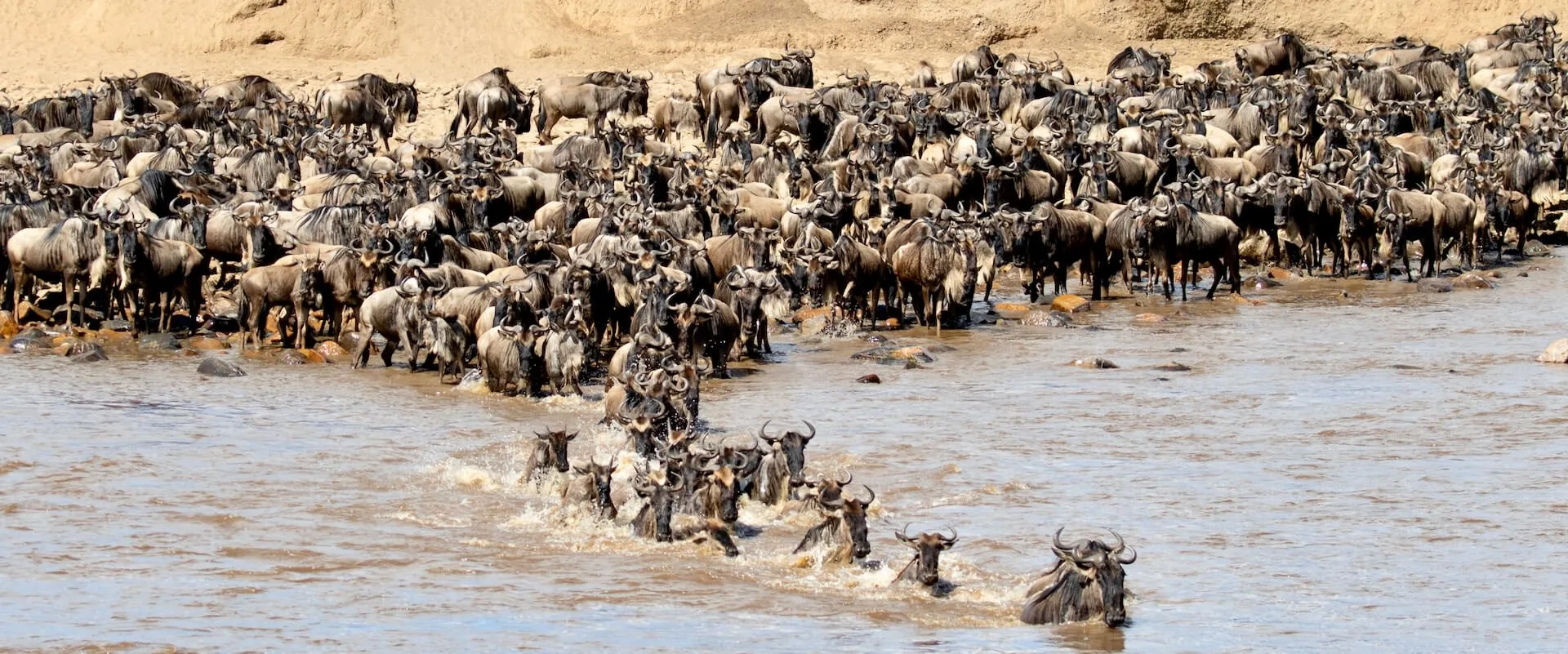
The Great Migration in Africa happens all year because the herds continuously circulate through the Serengeti–Mara ecosystem in…
Read article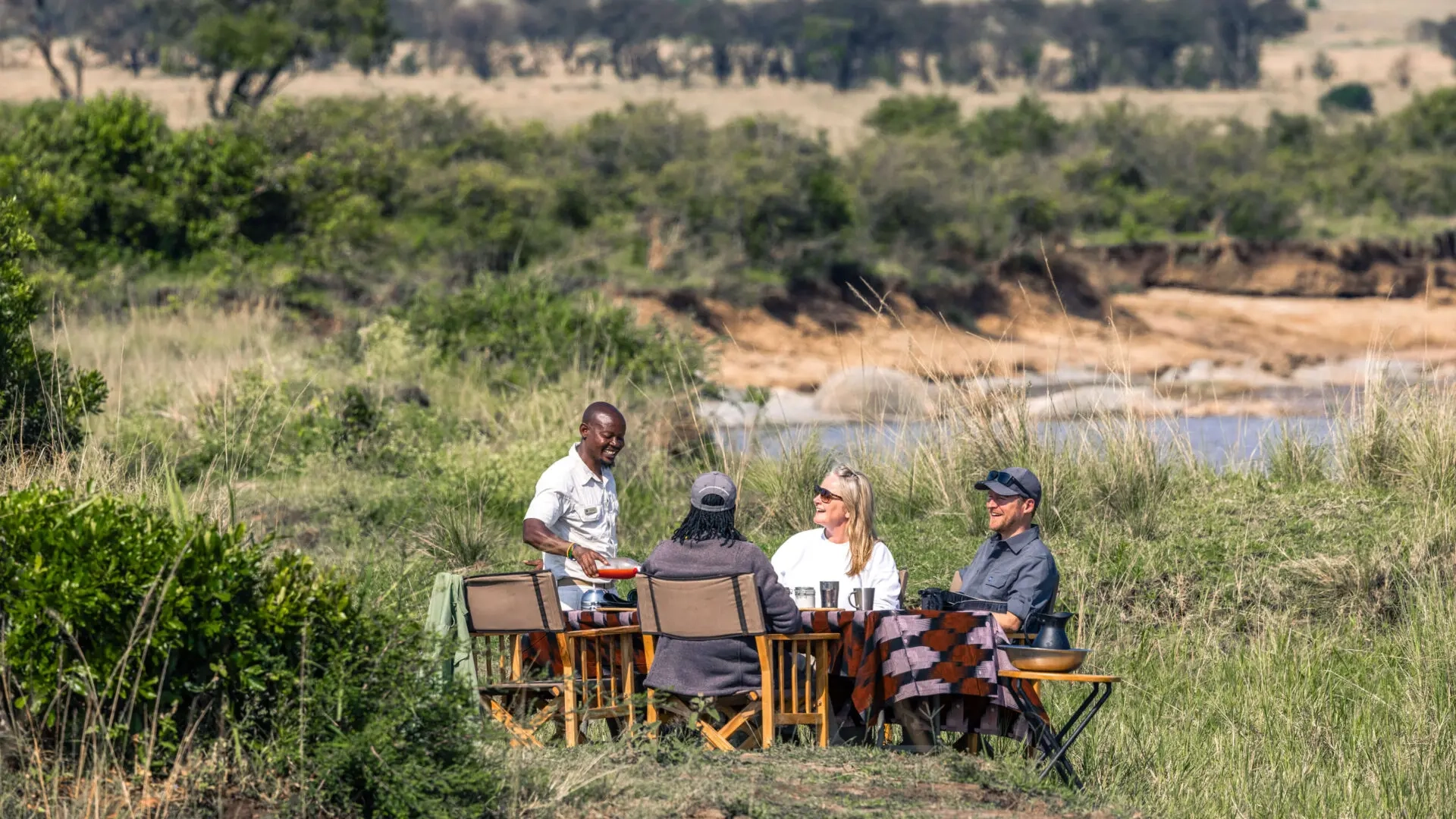
Definitive answer: A picnic lunch on safari is a packed or catered midday meal eaten at an approved…
Read article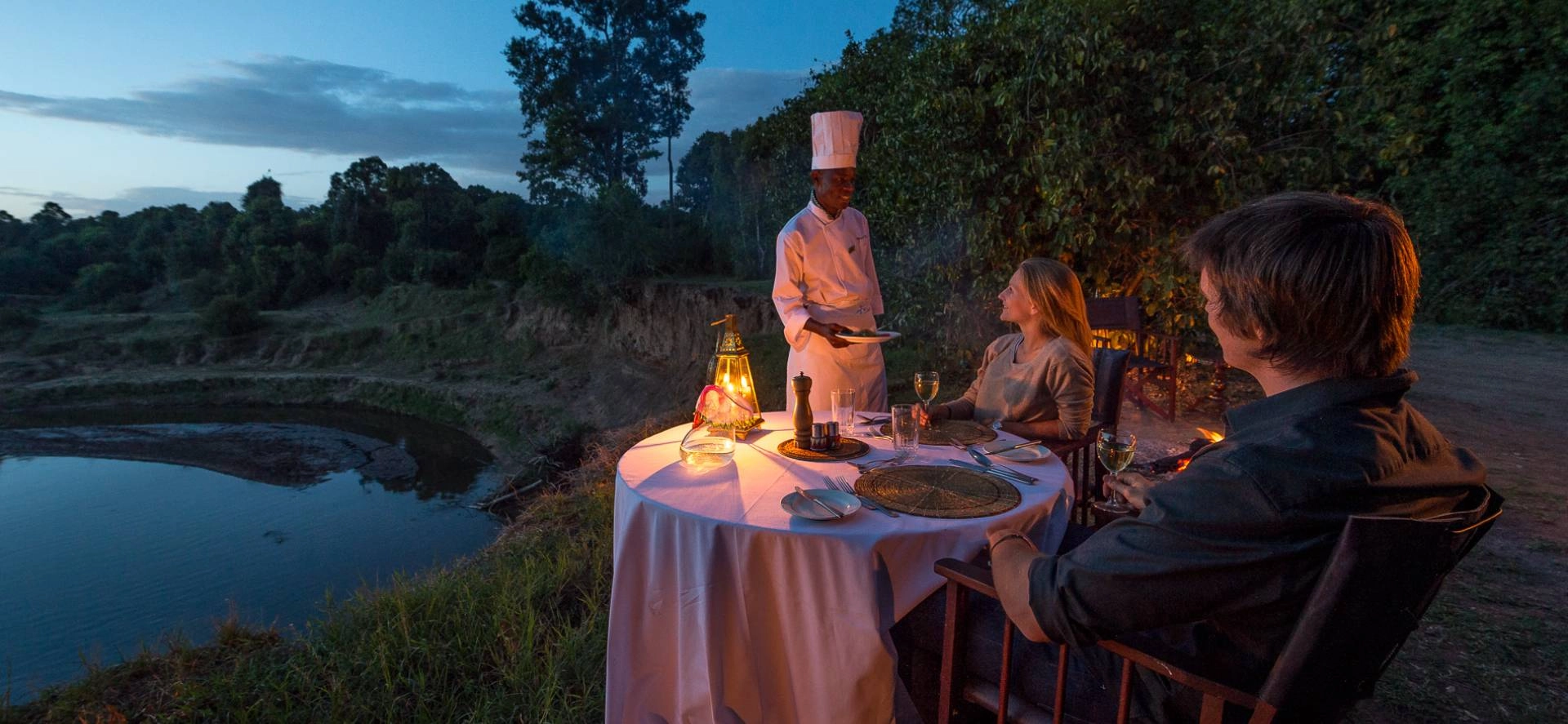
Definitive answer: A bush dinner is an outdoor evening meal arranged in a safe safari setting away from…
Read articleLet us take you closer to the wildlife, people and places that make Africa extraordinary.
Plan Your Safari Today