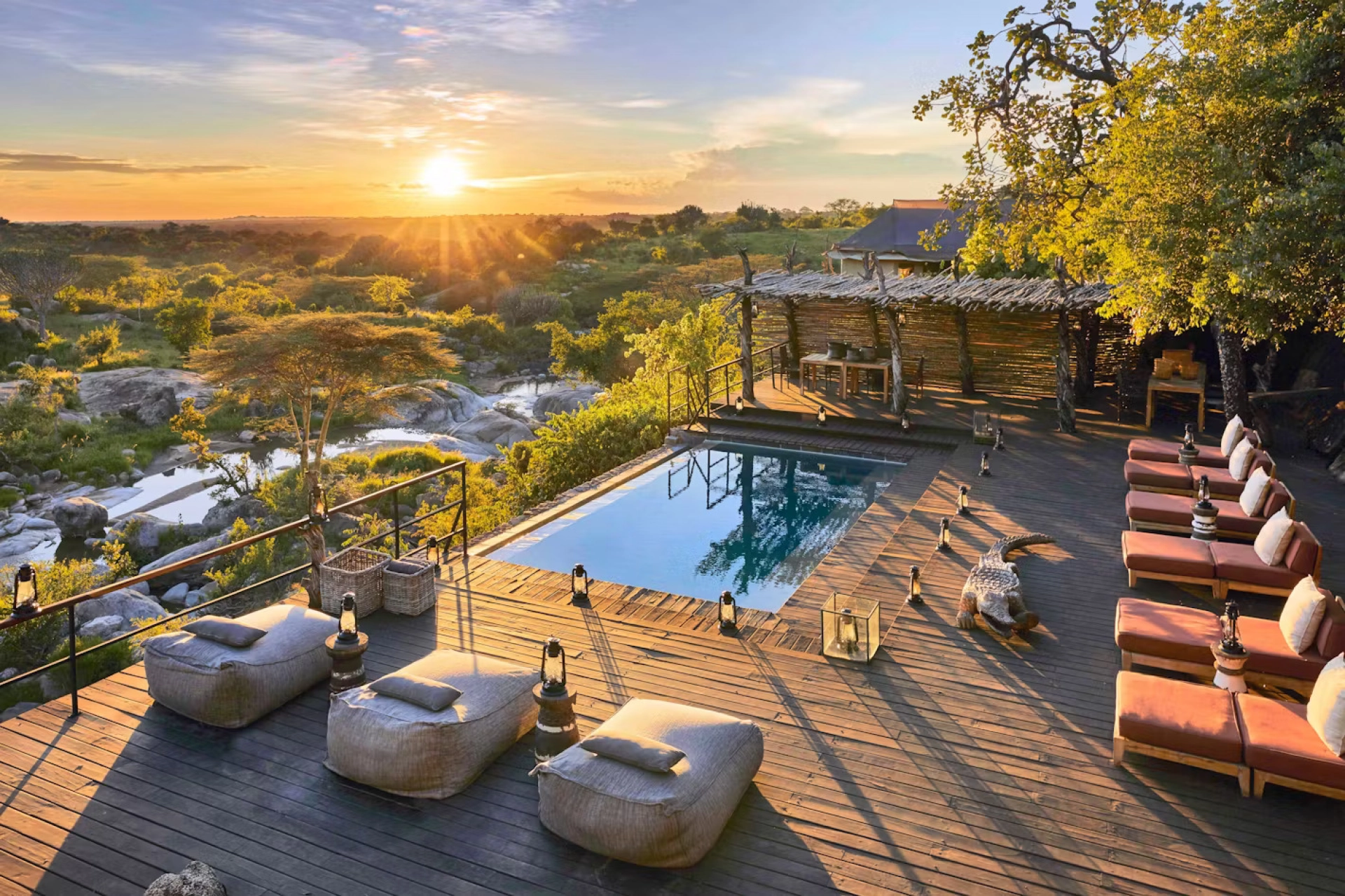
What should I look for when booking a luxury African safari?
When booking a luxury African safari, look beyond the room and compare the quality of guiding, wildlife location,…
Read article

Travel Guide
Northern Madagascar feels like several completely different destinations compressed into one extraordinary region. Within a relatively small part of the world's fourth-largest island, travellers can move from tropical beaches and coral reefs to humid rainforest, dramatic…
Northern Madagascar feels like several completely different destinations compressed into one extraordinary region. Within a relatively small part of the world’s fourth-largest island, travellers can move from tropical beaches and coral reefs to humid rainforest, dramatic limestone tsingy, volcanic lakes, cocoa plantations, waterfalls, caves, mangrove forests, offshore islands and the broad natural harbour surrounding Antsiranana. Then there is the wildlife. Lemurs move through forest canopies. Tiny chameleons disappear among leaves.
Fruit bats occupy caves. Sea turtles glide over reefs. Whales pass offshore seasonally. Birds, reptiles and amphibians occur in remarkable diversity, with many species found nowhere else on Earth. For travellers researching Northern Madagascar, the biggest challenge is understanding just how much there is to see. The north is not simply Nosy Be. Nor is it only a beach destination. A serious Northern Madagascar itinerary can combine Nosy Be and its islands with the Sambirano Valley, Ankarana Special Reserve, Red Tsingy, Amber Mountain National Park, Antsiranana — still widely known as Diego Suarez — and potentially the more remote SAVA region farther east.
Madagascar’s official tourism organisation describes the north as a destination where travellers can combine islands and turquoise water with forests and dramatic inland landscapes. Its suggested northern circuit connects Nosy Be, Ankarana and Diego Suarez, while Madagascar National Parks confirms that Ankarana and Amber Mountain remain major protected areas for hiking, wildlife observation and nature tourism.
This detailed guide explains where to go, what to see, when to travel and how to design a rewarding Northern Madagascar safari and beach holiday.
Northern Madagascar offers one of Africa’s most unusual combinations of wildlife and coast. In many safari destinations, travellers must choose between wildlife and beaches. In northern Madagascar, the transition can happen within the same itinerary. You might begin the morning searching for lemurs in humid forest and end the afternoon snorkelling beside a tropical island. You can hike over razor-edged limestone formations one day and sail across intensely turquoise water the next.
This variety makes the north particularly attractive to travellers who prefer active journeys rather than conventional resort holidays. There are also cultural dimensions that are easy to overlook. Northern Madagascar is influenced by centuries of movement around the western Indian Ocean. African, Malagasy, Arab, Indian and European connections have all contributed to the region’s culture, architecture and food. Plantations produce cacao, vanilla, coffee, pepper and ylang-ylang. Fishing villages line the coast.
Local markets create some of the best opportunities to experience everyday Malagasy life beyond national parks.
“Northern Madagascar” can refer broadly to the upper part of the island, but most tourism itineraries revolve around two principal areas. The northwest is dominated by Nosy Be, the Sambirano region and access toward Ankarana. Farther north, Antsiranana/Diego Suarez provides access to Amber Mountain, the Red Tsingy, Ramena, Emerald Sea and surrounding bays. Farther east lies the SAVA Region, famous for vanilla and rainforest landscapes. Madagascar’s tourism authority identifies the north as including the Nosy Be archipelago, Diego Suarez area and SAVA region, along with protected landscapes such as Marojejy.
Trying to experience everything in one short visit is a mistake. Distances can appear modest on maps, but road conditions and transfer logistics often make journeys slower than international visitors expect. A good northern Madagascar holiday therefore prioritises depth over excessive mileage.
For many international travellers, Nosy Be is the natural starting point. Located in the Mozambique Channel off Madagascar’s northwestern coast, Nosy Be is the principal island in an archipelago of smaller islands. Its tropical atmosphere makes it an obvious beach destination, but the island is much more than hotels and sand. The official tourism authority describes Nosy Be as a volcanic island of approximately 320 square kilometres and highlights surrounding islands including Nosy Komba, Nosy Tanikely, Nosy Sakatia and Nosy Iranja.
Nosy Be is traditionally known as the Island of Perfumes, a reference to aromatic crops and vegetation such as ylang-ylang and spices. Drive across the interior and you encounter plantations, villages, volcanic lakes and forest areas that feel far removed from beach resorts. This makes Nosy Be particularly suitable as the beginning or end of a northern Madagascar circuit. Spend several days exploring wildlife and national parks, then slow down beside the Indian Ocean before flying home.
Nosy Be offers numerous beaches, but not every coastline feels identical. Some areas have developed accommodation and restaurants. Others remain considerably quieter. Andilana Beach is among the most famous and is often included in Nosy Be sightseeing circuits. The western side of the island is particularly attractive around sunset. Travellers who want seclusion should also consider smaller islands around Nosy Be rather than spending the entire beach portion on the main island.
The surrounding archipelago is where Northern Madagascar’s marine appeal becomes truly impressive.
Travellers interested in wildlife should not treat Nosy Be purely as a beach stop. Lokobe protects important forest habitat on the southeastern side of the island. Madagascar’s tourism authority recommends the Lokobe peninsula for travellers interested in lemurs, chameleons, birds, reptiles and forest biodiversity. Traditional canoe access forms part of some visitor experiences. A guided forest walk provides a useful introduction to Madagascar’s remarkable endemic wildlife. The key is to slow down.
Madagascar wildlife viewing differs from open-savanna safari. You are not searching across kilometres of grassland for elephants. You are scanning branches and leaves for movement. A guide may point toward a tree and reveal a tiny chameleon you would never have noticed independently. Lemurs may suddenly appear overhead. Geckos blend against bark. Butterflies move through shafts of forest light. This fine-scale wildlife observation becomes one of the defining features of a Madagascar trip.
Nosy Komba lies between Nosy Be and mainland Madagascar. The island combines forested slopes, small settlements, handicrafts and coastal scenery. It is often associated with lemurs and is accessible on boat excursions from Nosy Be. Nosy Komba can be visited on a day trip, although travellers wanting a slower experience may prefer staying overnight. Once day visitors leave, the atmosphere becomes quieter. Walking paths connect settlements rather than conventional roads dominating the island.
That slower pace is one of its attractions.
For snorkelling and accessible marine wildlife, Nosy Tanikely is one of the most popular excursions from Nosy Be. Clear water, coral habitat and tropical fish make it particularly attractive to travellers who may not be experienced divers. Sea turtles can sometimes be encountered while snorkelling. As with all marine wildlife experiences, responsible behaviour matters. Do not chase turtles. Do not stand on coral. Avoid touching marine animals. Use experienced boat operators who respect protected areas and local regulations.
Nosy Sakatia offers another easy island escape. It is smaller and generally quieter than Nosy Be. The island is known for beaches, village life and marine excursions. For travellers who find large resort areas too developed, Sakatia can provide a more relaxed atmosphere. It also fits easily into a longer Nosy Be stay because boat journeys are relatively short.
Few places in northern Madagascar photograph as dramatically as Nosy Iranja. The destination is famous for two islands connected by a sweeping sandbank that becomes especially visible around lower tide. White sand meets intensely blue water, creating the sort of landscape commonly associated with luxury Indian Ocean advertising. The journey from Nosy Be is longer than excursions to closer islands, but the scenery makes it one of the region’s most famous marine trips.
Travellers should remember that tidal conditions affect the sandbank. Timing matters.
Marine wildlife adds another dimension to a Northern Madagascar holiday.
Seasonal whale movements can create opportunities for whale watching, while other marine species occur throughout the region. Exact timing and species vary, so travellers planning specifically around whales should verify current seasonal conditions before booking. Choose operators who follow responsible whale-watching practices. Boats should avoid chasing animals or approaching too aggressively. Wildlife encounters are better when animals determine the distance.
Nosy Be and the surrounding islands have developed a strong diving industry. Reefs, tropical fish and varied marine environments provide options for different experience levels. Experienced divers can explore more remote sites, while beginners may prefer introductory dives or snorkelling. Visibility and sea conditions vary seasonally. When selecting a dive operator, prioritise safety standards, equipment condition and guide qualifications rather than choosing exclusively by price.
Nosy Be is volcanic, and its interior contains a landscape very different from the coast. Mount Passot provides elevated views across the island and surrounding water. Sunset visits are especially popular. The island’s volcanic lakes and agricultural landscapes can also be incorporated into a land-based tour. This is useful for travellers who want a break from boats and beaches.
Nosy Be’s nickname, the Island of Perfumes, comes partly from crops such as ylang-ylang. Its fragrant flowers are used in perfume production. Visiting plantations or distilleries offers an opportunity to connect the island’s tourism identity with agriculture. This is one of the reasons a Northern Madagascar itinerary becomes much richer when it includes food, farming and local communities rather than focusing exclusively on wildlife.
Travellers continuing into northern Madagascar usually cross toward the mainland around Ankify. From here, routes can continue through Ambanja and northward toward Ankarana. This transition is important. Nosy Be feels strongly maritime. Once on the mainland, the journey becomes increasingly focused on forests, plantations, villages and dramatic geological landscapes.
The Sambirano Valley around Ambanja is one of Madagascar’s important agricultural regions. Its warm, humid conditions support cacao, coffee, vanilla, pepper and aromatic plants. Madagascar’s tourism authority highlights the valley’s cacao, coffee, spices, ylang-ylang, vetiver and patchouli production and notes the potential for community and agricultural tourism. For chocolate lovers, cacao plantations can be particularly interesting. You begin understanding the long journey from cacao pod to finished chocolate. A plantation visit also gives travellers a reason to engage with rural Madagascar rather than simply moving from one park to another.
If you visit only one major inland protected area in Northern Madagascar, Ankarana should be high on the list. The landscape is extraordinary. Sharp limestone formations known as tsingy rise from the earth in jagged fields. Below the surface lies a network of caves and underground rivers. Forest survives between limestone formations. Lemurs, bats, reptiles and birds occupy an ecosystem shaped by geology. Madagascar National Parks lists Ankarana at approximately 18,225 hectares and identifies hiking, birdwatching, guided nature excursions and caving among available activities. The eastern ecotourism zone is accessible year-round, while the western zone has more seasonal access.
Ankarana is not the sort of destination to rush. A proper visit involves walking. Some circuits cross exposed limestone and suspension bridges. Others enter caves. The physical difficulty varies, making it important to choose routes according to fitness and weather conditions.
The Malagasy word tsingy is commonly used for dramatic eroded limestone landscapes composed of sharp pinnacles and ridges. Rainwater gradually dissolves limestone along fractures. Over immense timescales, this process creates razor-like formations, vertical walls, caves and channels. The result can resemble a stone forest. Ankarana is one of Madagascar’s famous tsingy landscapes, although the enormous Tsingy de Bemaraha farther southwest is perhaps internationally better known. Northern travellers benefit from being able to combine Ankarana’s geology with Nosy Be and Diego Suarez without travelling across the entire island.
Ankarana protects an impressive range of species adapted to the area’s dry forest, limestone and cave environments. Lemurs are among the principal attractions. Bats occupy underground cave systems. Reptiles, amphibians and birds add further diversity. The tourism authority specifically highlights lemurs, crocodiles and bats among the fauna associated with Ankarana’s distinctive ecosystem. Night walks around appropriate areas can reveal an entirely different community of animals, depending on local regulations and accommodation location.
Madagascar is particularly rewarding after dark. Nocturnal lemurs, chameleons and geckos become active while daytime species disappear.
Ankarana becomes even more remarkable underground. Water has carved extensive cave systems beneath the limestone. Some caves contain bat colonies. Others have cultural or spiritual significance. Access depends on route conditions, water levels and local regulations. Always follow guides. Cave environments can be fragile, and local cultural traditions must be respected.
North of Ankarana, travellers frequently stop at the Red Tsingy.
Despite the name, these formations are visually very different from Ankarana’s grey limestone tsingy. The Red Tsingy consists of striking reddish erosional formations sculpted from softer material. Madagascar’s tourism authority describes them as distinctive red formations associated with sandstone, marl and limestone in the Diego Suarez region. For photographers, the contrast between red pinnacles, blue sky and surrounding vegetation can be spectacular. The Red Tsingy works particularly well as a stop while travelling between Ankarana and Antsiranana.
At Madagascar’s northern tip lies Antsiranana, still commonly called Diego Suarez. The city sits beside one of the world’s great natural bays. Its architecture and atmosphere reveal layers of colonial history, maritime trade and Malagasy culture. Madagascar’s tourism authority describes Diego Suarez as northern Madagascar’s principal city and a base for beaches, mountain landscapes, marine activities and excursions to Amber Mountain and Ankarana. Diego Suarez is not simply an overnight transit point.
Give it time. Explore the city. Visit markets. Eat seafood. Walk through neighbourhoods. Then use the city as a base for some of northern Madagascar’s most varied excursions.
The bay dominates the region. Views can be enormous, particularly from elevated points outside the city. Sailing, fishing, wind sports and boat excursions make the coastline appealing to active travellers. Different bays have different conditions, with some especially popular for kitesurfing because of reliable winds.
Around 20 kilometres from Diego Suarez lies Ramena, a coastal village and beach destination. The tourism authority describes approximately three kilometres of sandy beach and highlights marine activities and nearby historical sites. Ramena works well for a relaxed afternoon after several days of driving or hiking. Restaurants serve seafood and local dishes. Sunset can be particularly beautiful. Some travellers prefer staying around Ramena rather than central Diego Suarez to remain closer to the coast.
The Emerald Sea, or Mer d’Emeraude, is among the most beautiful marine excursions in northern Madagascar. Its name comes from the shallow turquoise-green water created by bright sand and clear seas. The area is generally reached by boat. Madagascar’s official tourism site highlights the intensely clear water and shallow sandy seabed responsible for its distinctive colour. A typical excursion may involve swimming, snorkelling and time on small islands or sandbanks.
Wind conditions can affect the experience. Bring strong sun protection. There may be very little shade once you are on the water.
The coastline around Diego Suarez includes a series of scenic bays that can be explored by vehicle, walking or organised excursion. These landscapes combine beaches, cliffs, vegetation and exposed ocean scenery. For active travellers, this can be more rewarding than spending another day beside a resort pool. Northern Madagascar rewards movement. The landscape keeps changing.
Montagne des Français, or Mountain of the French, rises near Diego Suarez and offers hiking opportunities with excellent views. The area combines limestone landscapes, dry forest and historical associations. Hiking difficulty varies according to route and weather. Early morning is usually preferable to the heat of midday. Take plenty of water.
South of Diego Suarez lies Montagne d’Ambre National Park, or Amber Mountain. The environmental change is dramatic. After dry northern landscapes, the mountain supports humid forest, waterfalls, streams and dense vegetation. Madagascar National Parks currently lists the protected area at approximately 30,538 hectares and describes it as accessible throughout the year. The park’s elevation creates cooler, wetter conditions than the surrounding lowlands. For wildlife lovers, this means another completely different habitat within the same northern journey.
Amber Mountain is excellent for travellers interested in small wildlife. Lemurs occur in the forest. Chameleons can be astonishingly tiny. Frogs, reptiles, butterflies and birds reward slow observation. The tourism authority highlights lemurs, boas, butterflies and remarkable chameleon diversity in the park. This is where a good local guide becomes invaluable. Many Madagascar species survive by camouflage. Without trained eyes, you can walk within centimetres of an animal without noticing it.
Amber Mountain contains a network of trails leading through humid forest toward waterfalls, crater lakes and viewpoints. Rain can occur even when surrounding lowlands are relatively dry. Carry a light waterproof layer. Trails may become slippery. Good walking shoes are considerably more useful than fashionable safari boots.
Travellers with extra time can explore the Andrafiamena-Andavakoera Protected Area. The region protects important forest habitat and rare wildlife. Madagascar’s tourism authority highlights the area as an important complement to Ankarana and notes its significance for rare lemurs. This is a more specialised destination than Nosy Be or Amber Mountain. For serious wildlife travellers, that is part of the appeal.
Farther east, the SAVA Region includes Sambava, Antalaha, Vohemar and Andapa.
This is one of Madagascar’s most important vanilla-growing regions. The tourism authority describes SAVA as a centre of exceptional vegetation and vanilla production within northern Madagascar. SAVA receives fewer conventional tourists than Nosy Be. Infrastructure and travel logistics can therefore be more challenging. For adventurous visitors, however, it provides a deeper journey into landscapes and communities rarely experienced on standard Madagascar tours.
Marojejy National Park rises dramatically in northeastern Madagascar. The park protects mountainous rainforest and remarkable biodiversity. It is particularly attractive to serious hikers and wildlife enthusiasts. Unlike a short forest walk near Nosy Be, Marojejy can require a genuine expedition mentality. Conditions may be humid. Trails can be steep. Facilities are simpler. The reward is immersion in one of Madagascar’s most extraordinary rainforest landscapes.
Lemurs are usually one of the principal reasons travellers choose Madagascar. Northern species vary according to habitat. Some are active during daylight. Others are nocturnal. Some move in conspicuous groups. Others require patient searching. This diversity is why travellers should visit several protected areas rather than expecting one park to provide “all the lemurs.” A Northern Madagascar wildlife safari can combine forest walks in Lokobe, Ankarana and Amber Mountain to experience different ecological communities.
Madagascar is famous for chameleons, including extremely small species. Finding them can feel almost impossible until a guide points directly at one. Their colours, textures and slow movements are perfect adaptations to vegetation. Photography requires patience. Avoid handling wild chameleons unnecessarily. A photograph of an animal behaving naturally on vegetation is far more meaningful than one placed on someone’s hand for a tourist picture.
Birders can turn a northern Madagascar journey into a highly specialised expedition. Madagascar’s long isolation has produced high levels of endemism. Different forest types support different communities. Amber Mountain, Ankarana, Lokobe and northeastern rainforest areas each contribute to the overall experience. Bring binoculars. Even travellers who do not consider themselves birders frequently become interested once they realise how unusual Madagascar’s avifauna is.
Madagascar is one of the world’s great destinations for reptiles and amphibians. Geckos, snakes, chameleons and frogs provide constant rewards for travellers willing to look beyond large mammals. Night walks are particularly productive. Flashlights reveal eye shine and movement invisible during daylight. Always participate through authorised guides and areas where night activities are permitted.
Northern Madagascar has a tropical climate, and conditions vary between coast, rainforest and mountains. Generally, the drier months are easier for overland touring. Heavy rainfall can affect roads and hiking conditions. Cyclone risk must also be considered during the wetter period. For Ankarana specifically, Madagascar National Parks indicates that the eastern ecotourism zone can be accessed throughout the year, while the western ecotourism zone is generally available between July and November.
Amber Mountain is listed as visitable year-round. For a broad northern circuit involving roads, hiking and islands, the dry-season months usually provide the easiest logistics. However, wildlife, vegetation and marine conditions vary throughout the year. There is no single perfect month for every activity.
The dry season is popular because road conditions are generally more predictable. Hiking routes can be easier. Humidity may feel more manageable. Island excursions and overland circuits are simpler to combine. This is an excellent time for travellers wanting to visit Nosy Be, Ankarana, Diego Suarez and Amber Mountain within one itinerary.
The wet season transforms vegetation. Forests become intensely green. Reptiles and amphibians may be especially active. Photography can be beautiful. However, road journeys become less predictable. Heavy rain may affect trails and transfers. Travellers need flexibility. A tightly scheduled itinerary is more vulnerable to disruption.
Seven days is a minimum for a meaningful trip. Ten to fourteen days is far better. A comprehensive itinerary could easily justify two weeks or more. Trying to combine Nosy Be, Ankarana, Diego Suarez and multiple islands within five days creates too much driving and too little experience. Madagascar rewards slow travel.
A compact trip might focus on Nosy Be and one mainland destination.
Days 1–3: Nosy Be, Lokobe and island excursion. Day 4: Transfer to mainland and continue toward Ankarana. Day 5: Full Ankarana exploration. Day 6: Return toward Nosy Be or continue according to flight routing. Day 7: Departure. This works, but it leaves out Diego Suarez and Amber Mountain.
Ten days offers a stronger balance. Days 1–3: Nosy Be and surrounding islands. Day 4: Nosy Be to Ambanja or Ankarana. Days 5–6: Ankarana hiking and wildlife. Day 7: Red Tsingy and transfer to Diego Suarez. Day 8: Amber Mountain National Park. Day 9: Emerald Sea or Three Bays. Day 10: Departure or onward travel. This itinerary provides beach, wildlife, geology and rainforest without excessive backtracking.
Two weeks allows a much better pace. Spend several nights on Nosy Be. Add Nosy Komba or another island. Visit the Sambirano Valley. Spend two nights near Ankarana. Continue through the Red Tsingy. Explore Diego Suarez. Allocate a full day to Amber Mountain. Add Ramena and Emerald Sea. Finish with a quiet coastal stay. Alternatively, adventurous travellers can use additional days to extend into the SAVA region.
Northern Madagascar can create an exceptional honeymoon when comfort and adventure are balanced carefully. Rather than moving hotel every night, combine a few strong bases. For example: Three nights Nosy Be. Two nights Ankarana. Three nights around Diego Suarez. Three nights on a quiet island or beach. This creates enough time for wildlife and adventure while preserving the relaxed atmosphere expected from a honeymoon. Private boat excursions and well-chosen eco-lodges add a sense of exclusivity without requiring conventional resort luxury every night.
Families with adventurous children can enjoy the region, but itinerary design matters. Long road transfers can be tiring. Choose fewer destinations. Spend longer on Nosy Be. Select shorter hiking circuits at Ankarana. Build in beach days between wildlife activities. Parents should also consult a travel-health professional regarding vaccinations, malaria precautions and other family-specific medical considerations.
Transport logistics are among the most important parts of planning a Madagascar tour. Distances shown on maps can be misleading. Road conditions may slow travel considerably. For mainland circuits, a private vehicle with an experienced driver is often the most comfortable solution. A 4×4 may be advantageous or necessary depending on route and season. Domestic flights can save time, although schedules should always be confirmed close to travel. Boat transfers connect Nosy Be with surrounding islands and the mainland.
Build flexibility into the itinerary. Madagascar is not a destination where a five-minute delay should cause anxiety.
Accommodation ranges from simple guesthouses and eco-camps to comfortable boutique properties and upscale beach resorts. The best choice depends on location. On Nosy Be, travellers can find relatively sophisticated accommodation. Near more remote protected areas, simplicity may be part of the experience. Do not automatically reject a lodge because it lacks luxury. A well-run eco-lodge beside exceptional forest can provide a far more memorable experience than a generic resort room.
For active travellers, location often matters more than facilities.
Food reflects the region’s coastal environment and agricultural abundance. Fresh seafood is common in coastal areas. Rice is central to Malagasy cuisine. Coconut, spices, tropical fruit and local vegetables appear frequently. The Sambirano region provides opportunities to learn about cacao, coffee, vanilla and pepper. Travellers who enjoy food should visit markets rather than eating only at hotels. Markets reveal everyday ingredients and provide another window into local culture.
Madagascar is internationally famous for vanilla. Northern and northeastern Madagascar are central to this story. Yet vanilla is not the only crop. Cacao, coffee, pepper, ylang-ylang and other aromatic plants contribute to local agricultural economies. Adding a plantation visit creates valuable context. You begin understanding why global commodity prices matter to rural families thousands of kilometres from the consumers buying chocolate, perfume or vanilla products.
Pack for heat, humidity, rain, hiking and boats. Lightweight breathable clothing works well. Bring a rain jacket. Good walking shoes are important. Sandals are useful on the coast. A dry bag or waterproof phone pouch can protect valuables during marine excursions. Binoculars dramatically improve wildlife experiences. A headlamp is useful for night walks and remote lodges. Bring insect repellent and high-SPF sunscreen. Photography equipment should be protected against humidity and dust.
Parts of Madagascar are malaria-risk areas.
Medical recommendations depend on personal circumstances and travel dates. Consult a qualified travel-health professional before departure. Do not rely only on internet discussions. Use insect repellent and appropriate clothing around dawn and dusk. Travellers visiting remote regions should also carry essential personal medications because specialised supplies may not be readily available.
Cash remains important in Madagascar, particularly outside major tourism centres. Card facilities may be limited or unreliable in remote areas. Keep smaller denominations for everyday purchases and tips. ATMs may be available in larger towns but should not be treated as guaranteed in rural areas. A properly organised tour reduces the need to manage every local payment independently.
Connectivity varies considerably. Nosy Be and larger towns generally provide better mobile coverage. Remote parks and lodges may have weak or no reliable signal. Treat this as part of the experience. Northern Madagascar is a destination where being offline for several hours can become an advantage rather than a problem.
Madagascar’s biodiversity is extraordinary but vulnerable. Many species occupy limited habitats. Forest loss places pressure on wildlife. Tourism can support conservation when revenue reaches protected areas and local communities. Choose local guides. Use authorised park services. Avoid buying products made from endangered wildlife. Do not remove shells, coral, plants or animals. Respect sacred sites and community traditions. Minimise plastic waste. Wildlife encounters should occur on the animal’s terms.
Madagascar rewards both wildlife and landscape photographers. For lemurs, a moderate telephoto lens is useful. Macro capability is valuable for chameleons, frogs and insects. A wide-angle lens works well for tsingy landscapes and beaches. Humidity can fog lenses. Allow equipment to acclimatise when moving from air-conditioned rooms into humid conditions. Carry spare batteries. Remote lodges may have limited charging windows.
Madagascar can be surprisingly expensive compared with what travellers expect from a developing country. The reason is logistics. Remote accommodation, long transfers, domestic flights and private vehicles add costs. Budget travellers can reduce expenses through simpler accommodation, but transportation remains significant. When comparing tours, look beyond the headline price. Ask whether park fees, guides, boat trips, domestic flights, meals and transfers are included.
The two regions provide very different experiences. Northern Madagascar combines tropical islands, rainforest, tsingy, volcanic landscapes and marine activities. Southern Madagascar is famous for spiny forests, ring-tailed lemurs, baobabs and dramatically drier landscapes. Neither is better. The ideal region depends on your interests. First-time travellers wanting beaches plus wildlife may find the north particularly attractive.
Madagascar should not be treated as a substitute for Kenya, Tanzania, Uganda or Rwanda. It is a completely different wildlife experience. You will not see enormous elephant herds crossing the plains. There are no wild lions or giraffes. Instead, the focus is on endemic species, forests, reptiles, lemurs, marine environments and evolutionary uniqueness. That makes Madagascar an excellent addition to a conventional African safari rather than a replacement for one.
A Kenya and Madagascar holiday can be exceptional. Begin with the Masai Mara or another Kenyan safari area to see lions, elephants, giraffes and large herbivore herds. Then continue to Madagascar for lemurs, reefs and beaches. The contrast creates tremendous wildlife diversity.
Another remarkable combination is Uganda and Madagascar. Uganda provides mountain gorillas, chimpanzees and classic savanna wildlife. Madagascar adds lemurs, chameleons and marine experiences. For serious primate enthusiasts, this is particularly appealing. Imagine trekking mountain gorillas in Bwindi Impenetrable National Park and then travelling to Madagascar to search for lemurs in completely different forests. Few journeys demonstrate African biodiversity more dramatically.
The greatest mistake travellers make with Northern Madagascar is treating it simply as Nosy Be plus a hotel. Nosy Be is beautiful, but it is only the beginning. Cross to the mainland and the landscape changes. Cacao plantations appear around the Sambirano Valley. Limestone rises into the jagged formations of Ankarana. Caves disappear underground. The Red Tsingy erupts from an eroded landscape. Farther north, Diego Suarez opens toward an enormous bay.
Amber Mountain rises unexpectedly into cool rainforest. Lemurs move overhead. Tiny chameleons disappear between leaves. And beyond the land, the Indian Ocean surrounds islands, reefs and fishing communities. That combination is what makes the north exceptional. It is simultaneously an African wildlife destination, Indian Ocean beach holiday, hiking adventure, cultural journey and geological expedition. Give it enough time. Spend several days exploring rather than racing between attractions. Use experienced Malagasy guides.
Visit communities and plantations as well as national parks. Combine rainforest with dry forest. Combine lemurs with marine life. Then finish beside the ocean, where the pace slows and the scale of the journey finally becomes clear. For travellers planning a wider African adventure, Adventure in the Wild Safaris can help combine Northern Madagascar with Uganda gorilla trekking, Rwanda gorilla safaris, Kenya wildlife safaris and other African destinations, creating an itinerary that brings together some of the continent’s most remarkable wildlife and landscapes.
Get quick answers to the most common questions. If you still have questions, our safari experts are here to help.
Absolutely. The north combines tropical islands, beaches, lemurs, coral reefs, tsingy landscapes, caves, rainforest, waterfalls and cultural experiences within one region.
Major highlights include Nosy Be, Lokobe, Nosy Komba, Nosy Tanikely, Ankarana Special Reserve, the Red Tsingy, Diego Suarez, Amber Mountain National Park, Ramena and Emerald Sea.
A minimum of seven days is recommended. Around 10–14 days provides a much better northern Madagascar circuit.
No. Nosy Be has forest, volcanic landscapes, plantations and wildlife experiences in addition to beaches.
Yes. Lemurs occur in several protected areas, including Lokobe, Ankarana and Amber Mountain.
Ankarana is particularly famous for its limestone tsingy, caves, underground rivers and wildlife. Madagascar National Parks lists hiking, caving, birdwatching and nature excursions among visitor activities.
Yes. Amber Mountain provides humid rainforest, waterfalls and wildlife in a landscape dramatically different from the surrounding dry north. The park is listed as accessible year-round.
Yes. Antsiranana/Diego Suarez is a useful base for Amber Mountain, Ramena, Emerald Sea, Red Tsingy and numerous coastal excursions.
Yes, but the journey should be treated as part of a multi-day itinerary rather than merely a quick transfer. Ankarana and other attractions can be incorporated along the route.
The drier part of the year generally offers easier overland travel, although different parks and wildlife experiences have different optimum seasons. Ankarana’s eastern zone is listed as accessible throughout the year, while its western tourism zone is seasonally accessible.
Yes. Combining wildlife areas with Nosy Be and smaller islands creates an excellent balance of adventure, privacy and beach relaxation.
Yes. It combines particularly well with Kenya, Tanzania, Uganda, Rwanda or South Africa for travellers wanting both classic African mammals and Madagascar’s endemic wildlife.
Our safari experts are here to help you plan your safari. Get personalized advice, the latest information and a free, no-obligation quote.
We typically reply within a few hours.

Share This Article
When booking a luxury African safari, look beyond the room and compare the quality of guiding, wildlife location,…
Read article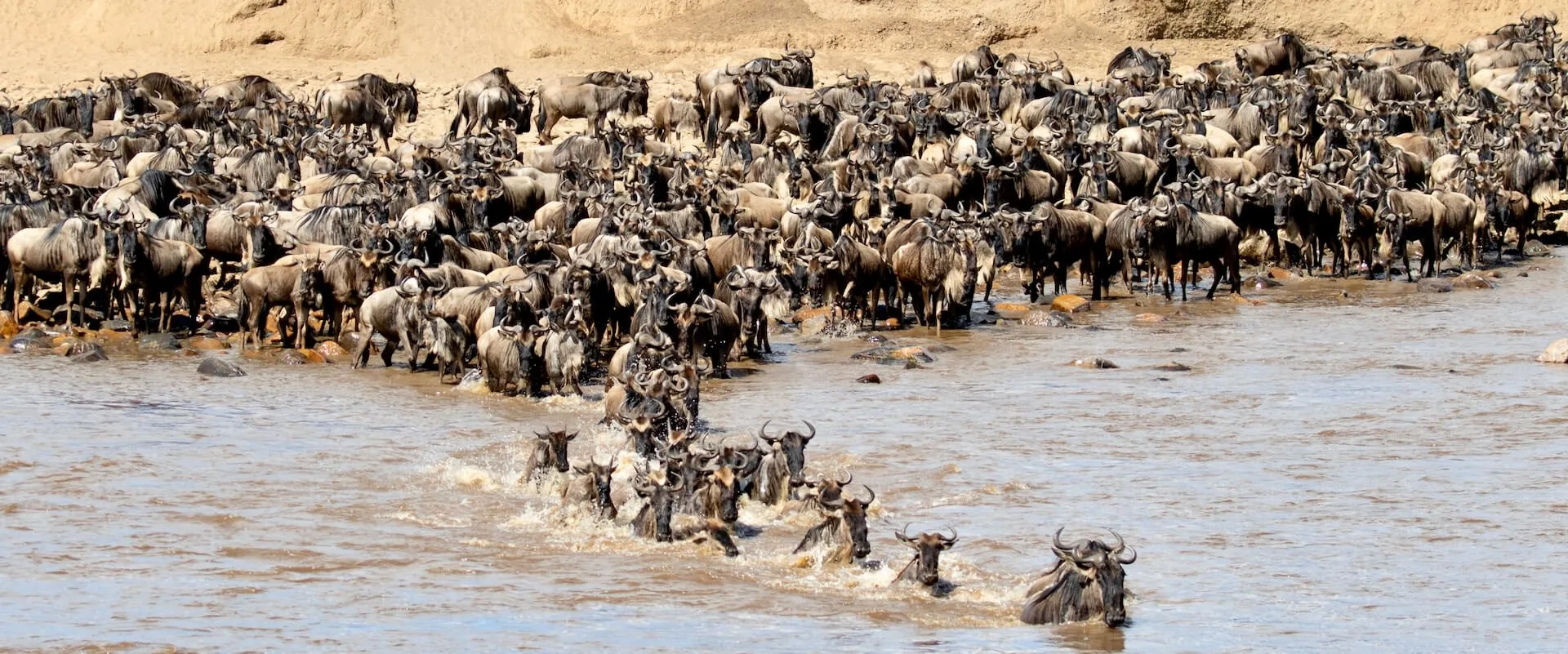
The Great Migration in Africa happens all year because the herds continuously circulate through the Serengeti–Mara ecosystem in…
Read article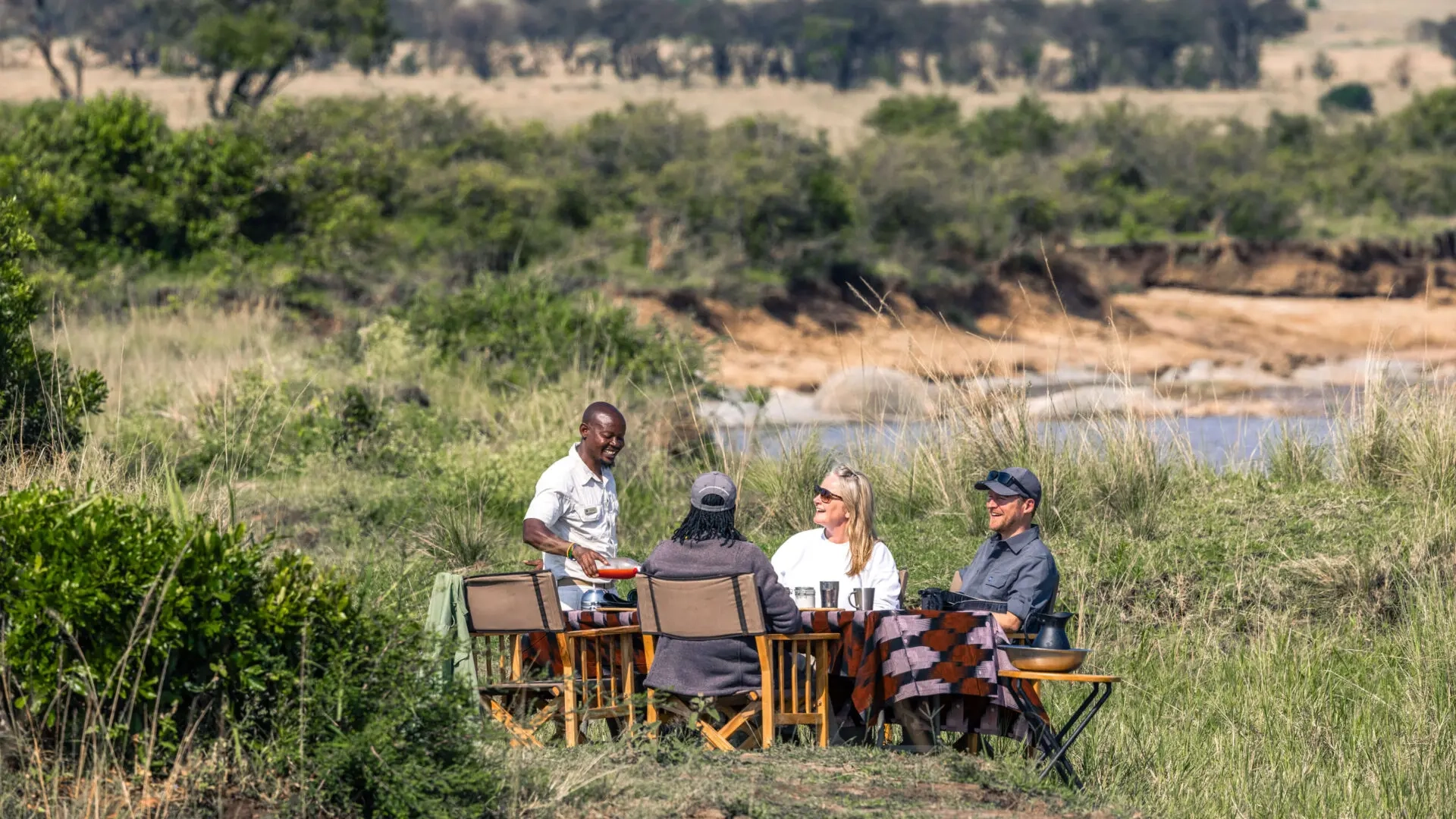
Definitive answer: A picnic lunch on safari is a packed or catered midday meal eaten at an approved…
Read article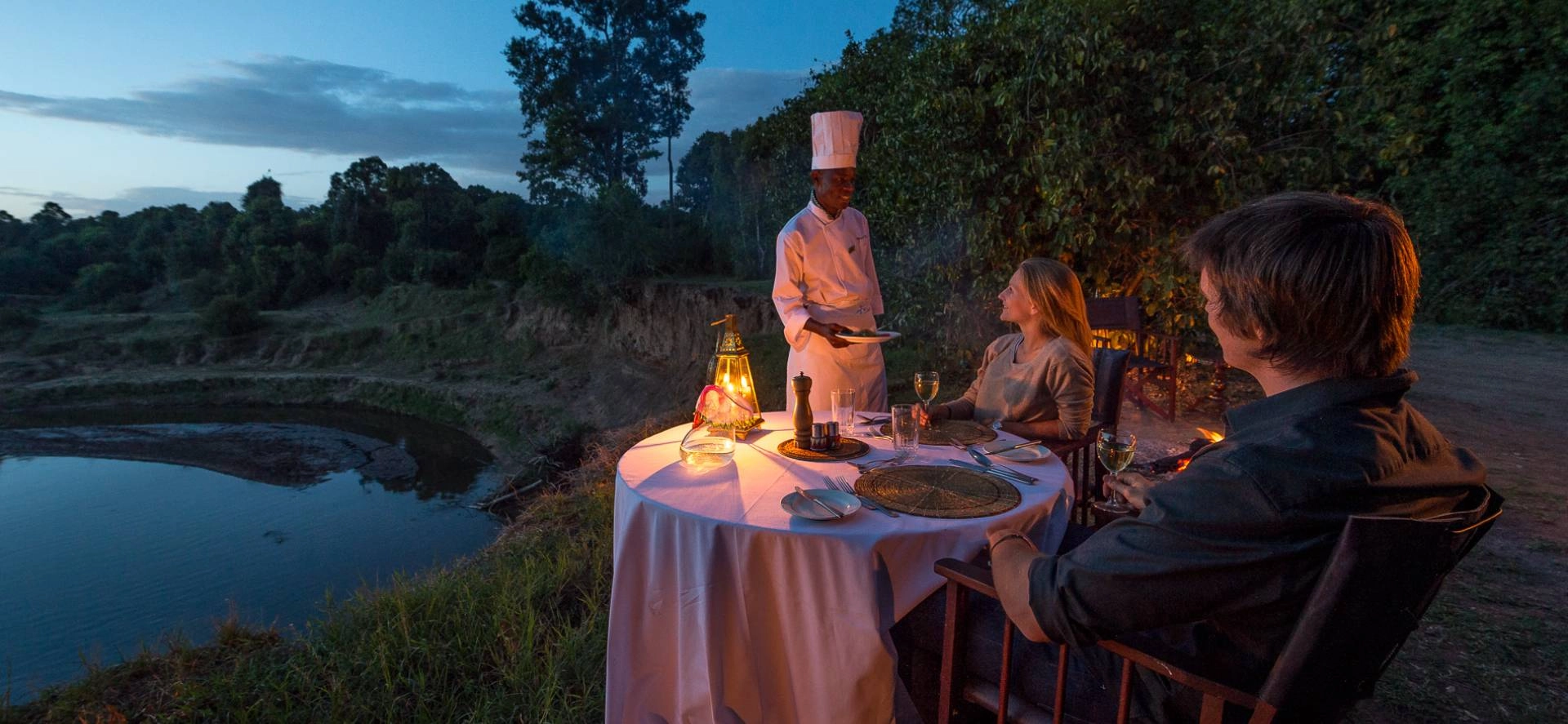
Definitive answer: A bush dinner is an outdoor evening meal arranged in a safe safari setting away from…
Read articleLet us take you closer to the wildlife, people and places that make Africa extraordinary.
Plan Your Safari Today