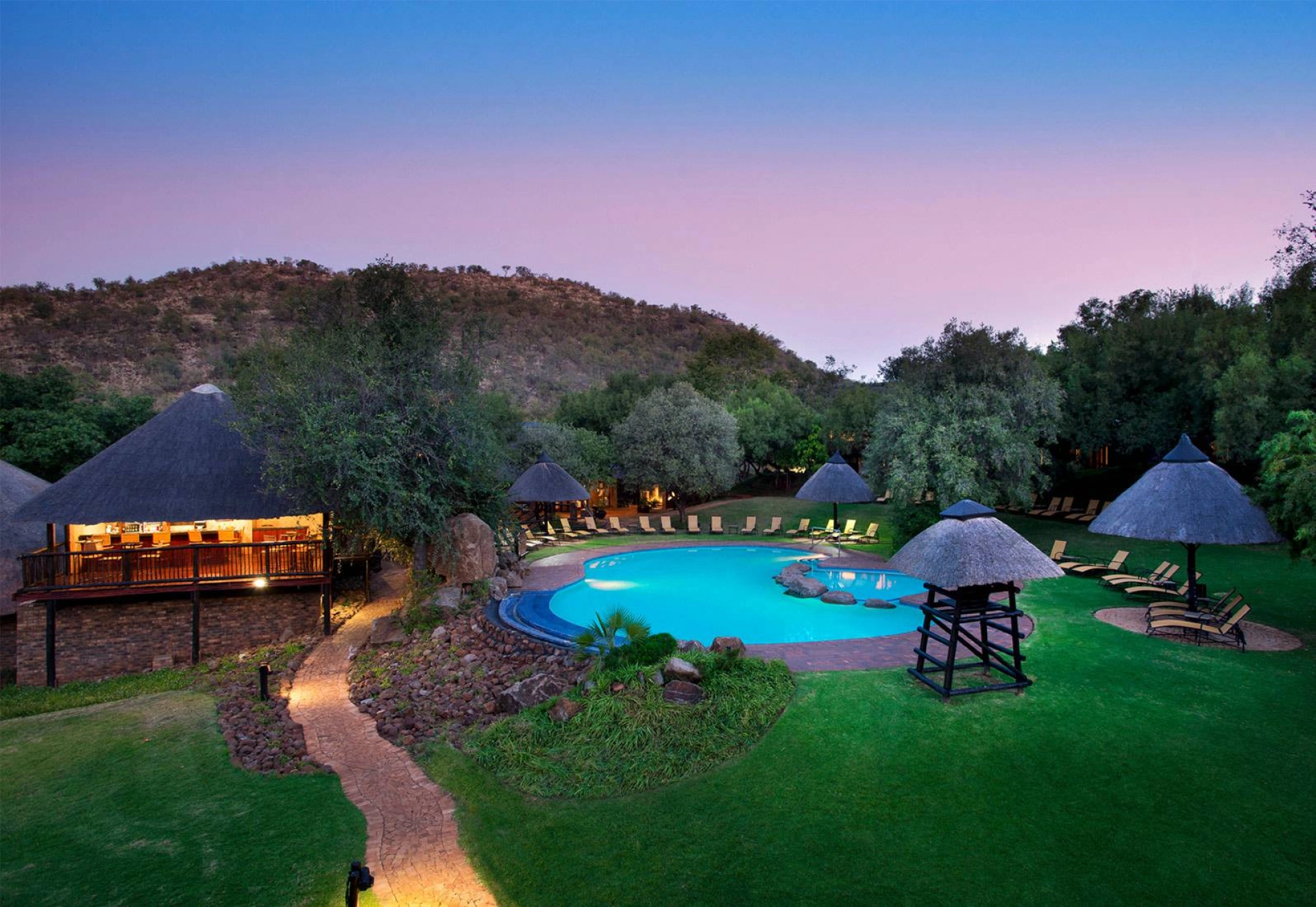
An Overnight Adventure at Bakubung Bush Lodge in Pilanesberg National Park
A safari does not always need to involve an internal flight, several…
Read article

Travel Guide
There is a major difference between researching a safari from home and actually being on safari. Before departure, travellers naturally focus on the big questions. Will we see lions? When is the Great Migration? Which park…
There is a major difference between researching a safari from home and actually being on safari. Before departure, travellers naturally focus on the big questions. Will we see lions? When is the Great Migration? Which park is best? How expensive is Kenya? Once you arrive, different questions begin to matter. How long should you stay in one reserve? What makes a good safari guide? Is it worth waking up before sunrise?
Why did the driver stop for an animal that initially looked unimportant? Should you photograph everything? How close will the animals come? Does a private conservancy really feel different from a national reserve? These practical questions often determine whether a safari in Kenya becomes simply a successful holiday or one of the great travel experiences of your life. Kenya remains one of Africa’s defining safari destinations. Its official tourism platform highlights the Maasai Mara, Amboseli, Laikipia, Samburu, Meru and Tsavo among the country’s major wildlife regions, each offering a different landscape and wildlife experience.
The country’s strength is not simply that it has wildlife. It has diversity. A Kenya safari can move from the open grasslands of the Maasai Mara to elephant country beneath Kilimanjaro, then continue north into Samburu’s semi-arid landscapes before ending beside the Indian Ocean. This second set of questions explores how to experience that diversity properly.
Kenya occupies a special place in safari history. Images of open savannah, acacia trees, lions, elephants, giraffes and Maasai communities have shaped international ideas about African travel for generations. But Kenya’s modern appeal goes far beyond nostalgia. The country contains an exceptional network of national parks, national reserves, private conservancies and community conservation areas. These protect ecosystems ranging from semi-arid northern landscapes to mountain forests, Rift Valley lakes and vast southern grasslands.
Kenya also has well-developed safari infrastructure. Nairobi is a major international aviation hub. Domestic flights connect the capital with many wildlife regions. Road networks make numerous overland circuits possible. Accommodation ranges from simple camps to some of Africa’s most sophisticated safari lodges. Most importantly, Kenya still delivers extraordinary wildlife. A first-time visitor can potentially encounter lion, leopard, elephant, buffalo, rhino, giraffe, cheetah, zebra, wildebeest, hippo and numerous antelope species within one journey.
That is why a Kenya wildlife safari remains one of the strongest introductions to Africa.
Yes, although understanding why requires looking beyond the Great Migration. The Maasai Mara National Reserve protects part of the larger Mara-Serengeti ecosystem. Its rolling grasslands, river systems and scattered woodland support abundant resident wildlife. Lions are particularly prominent. Cheetahs benefit from open hunting terrain. Leopards occupy suitable riverine areas. Elephants, giraffes, buffalo, zebras, hyenas and numerous antelope remain throughout the year. This is the crucial point: The Maasai Mara is not only a migration destination.
The enormous wildebeest herds are seasonal. Resident wildlife is not. A traveller visiting outside the famous migration period can still have an outstanding safari, often with different weather, fewer vehicles or better value depending on the month. Kenya’s tourism authority describes the Mara as one of the country’s premier wildlife regions and highlights it for both predators and the seasonal wildebeest spectacle.
The migration is frequently oversimplified. It does not begin when wildebeest enter Kenya and stop when they leave. The Great Migration is a year-round cycle through the Serengeti-Mara ecosystem. Wildebeest and zebras move according to rainfall, grazing and water availability. The Maasai Mara generally becomes most relevant to migration-focused travellers during the northern movement and period when substantial herds occupy the wider Mara region. Kenya’s official safari calendar broadly identifies July through October as the key Maasai Mara wildebeest migration period.
But nature does not read calendars. Rainfall can shift movements. Herds may remain south longer. They can move quickly. River crossings are particularly unpredictable. No responsible operator should guarantee that you will witness a dramatic crossing at a specific time. The correct strategy is to spend enough time in the appropriate ecosystem and allow nature to determine the details.
Absolutely not. This is one of the most important expectations to correct before a migration safari. Television documentaries compress weeks of waiting into minutes of action. Social media shows the crossing, not the hours when nothing happens. Wildebeest may gather near a riverbank and then retreat. They can wait for hours. They may cross somewhere else. A herd may cross one direction and later return. Predators and crocodiles add drama, but even their presence does not guarantee action.
A good Great Migration safari in Kenya should therefore be enjoyable even if you never witness a major river crossing. The surrounding wildlife and landscapes remain exceptional.
Three nights is a good starting point. Four nights is better for travellers particularly interested in wildlife or photography. During migration-focused trips, additional time increases the probability of observing interesting herd behaviour. One or two nights can feel rushed. Travel time consumes part of the first and final day, particularly when driving from Nairobi. Wildlife does not perform according to your schedule. Spending several nights removes the pressure to make every game drive “successful.”
A quiet morning becomes acceptable because you know you have another drive later. This relaxed mindset often produces better safari experiences.
Not necessarily better. Different. Private and community conservancies around the Mara ecosystem often limit accommodation density and vehicle numbers. Depending on regulations and property, activities may include night drives and guided walks that are not conducted in the same way inside the national reserve. The reserve itself remains important, particularly for access to major river systems and extensive game-viewing areas. An excellent itinerary can combine both. Spend some nights in a conservancy for exclusivity and alternative activities, then include game drives inside the main reserve.
This provides two perspectives on the same broader ecosystem.
Amboseli National Park is famous for elephants and its relationship with Mount Kilimanjaro.
The mountain lies in Tanzania but dominates the skyline from parts of southern Kenya. When clouds clear, elephants walking beneath Kilimanjaro create one of Africa’s most iconic wildlife scenes. Kenya Tourism specifically highlights Amboseli among the country’s major wildlife destinations and describes it as a landscape strongly associated with elephants. But Amboseli is not simply a photography backdrop. Wetlands fed by underground water support wildlife even when surrounding plains become dry.
Elephants can often be observed at relatively close range. Buffalo, giraffes, zebras, wildebeest, hippos and numerous birds add diversity. Amboseli combines particularly well with Tsavo or the Maasai Mara.
Yes, particularly if you have already visited East African savannah parks. Samburu National Reserve feels different from the Mara. The environment is drier. The vegetation changes. The Ewaso Ng’iro River becomes a focal point for wildlife. Most importantly, northern Kenya supports several species and forms that travellers may not see on conventional southern circuits. Reticulated giraffes have striking geometric patterns. Grevy’s zebras possess narrower stripes and large rounded ears. Gerenuk are famous for standing upright to browse.
Beisa oryx are adapted to dry environments. Kenya’s official tourism information highlights Samburu, Shaba and Buffalo Springs specifically for their distinctive northern species. For wildlife enthusiasts, that makes the journey worthwhile.
Tsavo is enormous. Divided administratively into Tsavo East and Tsavo West, the broader ecosystem offers a sense of scale that feels different from the more concentrated Mara. Tsavo East is particularly famous for elephants that can appear reddish after coating themselves in the area’s distinctive dust. Kenya Tourism describes Tsavo’s wilderness in connection with these red-dusted elephant herds. Tsavo also works extremely well geographically for travellers connecting Nairobi and the Kenyan coast.
Instead of flying directly to a beach resort, you can build safari into the journey. That creates an excellent Kenya safari and beach holiday.
Yes. The idea sounds improbable. A major African capital has a national park immediately beside it, yet Nairobi National Park protects genuine savannah wildlife. The skyline occasionally appears behind animals, creating photographs that seem almost surreal. Nairobi National Park should not replace the Maasai Mara for travellers seeking a multi-day wilderness experience. But it is excellent for a short safari. Travellers arriving early in Nairobi can use the park as an introduction before beginning a longer itinerary.
It is also valuable for business travellers with limited free time. The existence of such significant wildlife beside a capital city makes Nairobi unusual even by African standards.
A great safari guide does much more than drive. The best guides interpret. They understand animal behaviour. They recognise tracks. They know birds. They understand habitats. They communicate clearly without talking continuously. They know when to explain and when to allow silence. They position vehicles responsibly for photography without disturbing animals. They read guests as well as wildlife. A family with young children requires a different style from professional photographers.
First-time safari travellers may want broader explanations. Experienced birders may expect detailed identification. The guide adapts. Most importantly, a professional guide respects wildlife. A guide who pressures animals merely to obtain a dramatic photograph is not providing a superior safari. Responsible guiding should always come before entertainment.
Both have advantages. A private Kenya safari gives you control over pacing. If you want to spend forty minutes photographing one leopard, you can. If you are tired, you can return to the lodge. Families can adapt around children. Birders can stop repeatedly. Photographers can position around light. Group safaris are more economical because vehicle and guiding costs are shared. They can also be sociable. The compromise is flexibility. One guest may want lions while another wants birds.
Someone may be ready to return while another wants another hour. For couples, families and serious photographers, private safaris are often worth the additional cost. For solo travellers or visitors prioritising affordability, small-group departures can provide excellent value.
The answer depends on route and safari style. For overland Kenya itineraries, customised 4×4 Land Cruisers with pop-up roofs are particularly effective. They provide high ground clearance, strong performance on rough roads and excellent viewing once the roof is raised during game drives. Every traveller should ideally have convenient access to a window. This matters more than many first-time visitors realise. Wildlife can appear on either side of the vehicle.
Photographers need freedom to reposition quickly. A crowded vehicle may be cheaper, but it can reduce the quality of every game drive. For fly-in safaris, camps may use open-sided vehicles at the destination. These provide excellent visibility and a stronger sense of immersion.
Road safaris reveal the country between parks.
You see towns, farmland and changing landscapes. They are also generally more economical for multi-stop itineraries. The disadvantage is time. Kenyan distances can be substantial, and road conditions or traffic can make journeys longer than expected. A fly-in Kenya safari maximises wildlife time. Small aircraft connect Nairobi with the Mara, Amboseli, Samburu and other regions. The flight itself can provide spectacular aerial views. The disadvantage is cost and luggage restrictions.
Many travellers choose a hybrid. Drive sections where the journey is interesting and fly where overland travel would consume too much time.
A typical safari begins early. Very early. Predators may still be active around dawn. Temperatures are cooler. Light is beautiful. Animals often become more active before the heat develops. After several hours, guests return for breakfast or brunch. Midday is usually quieter. Many animals rest. Travellers relax, swim, read, edit photographs or simply sleep. The afternoon game drive begins as temperatures fall. Wildlife activity increases again. Sunset brings beautiful light.
Depending on the reserve and regulations, the drive may finish before darkness or continue as a permitted night drive. The rhythm becomes addictive. Wake. Drive. Eat. Rest. Drive again.
Not every day. But they are usually worth it. Sunrise transforms the landscape. Temperatures are comfortable. Predators may still be hunting or returning from nighttime activity. Hyenas move through open areas. Elephants begin feeding. Birds become active. The light is also ideal for photography. Sleeping late is tempting, especially after several consecutive safari mornings. There is nothing wrong with occasionally resting. But if you only have a few days in a major wildlife area, sunrise is too valuable to miss repeatedly.
Distance varies according to the animal, terrain, park regulations and the animal’s behaviour. Some wildlife approaches vehicles voluntarily. Lions may walk beside a stationary Land Cruiser without showing concern. Elephants can cross roads directly in front of vehicles. Cheetahs sometimes use safari vehicles as shade or elevated observation points in particular ecosystems. This does not mean guides should deliberately crowd wildlife. A responsible guide gives animals space and avoids blocking movement.
Close encounters are most rewarding when the animal chooses the distance.
Millions of travellers have enjoyed successful Kenya safaris, but no destination should be described as universally risk-free. Safari areas and established tourism routes operate within professional tourism systems. Travellers should follow current official travel advice, use reputable operators and follow guide instructions. In wildlife areas, animals themselves require respect. Never leave a vehicle unless your guide says it is safe. Do not walk around unfenced camps at night without following lodge procedures.
Never feed wildlife. In cities, use the same sensible precautions you would apply in other major destinations. A professional operator handles much of the logistical complexity.
Comfort matters more than fashion. Neutral colours such as khaki, beige, olive and muted earth tones work well. Bright colours are not automatically catastrophic, but subdued clothing is practical. Lightweight long trousers and breathable shirts provide sun and insect protection. Bring a warm layer. This surprises many travellers. Early mornings can be cold, particularly in open vehicles or at higher elevations. A lightweight waterproof layer is useful during rainy periods.
Comfortable closed shoes are sufficient for most vehicle safaris. Heavy hiking boots are unnecessary unless your itinerary includes substantial walking.
You do not need professional equipment to enjoy safari. Modern smartphones can produce excellent wide-angle and environmental images. However, wildlife photography benefits enormously from telephoto reach. A lens extending to around 300mm or more on a full-frame equivalent basis gives considerably more flexibility. Longer lenses are useful for birds and distant wildlife. Do not bring only a telephoto lens. A wider lens is essential for landscapes, elephants close to the vehicle and environmental portraits.
Bring spare batteries. Carry sufficient memory cards. Protect equipment from dust. And occasionally put the camera down. A photograph records the sighting. Your own attention records the experience.
The Big Five — lion, leopard, elephant, buffalo and rhino — remain an exciting safari objective. But treating them as the only animals worth seeing reduces the safari experience. Cheetahs are not Big Five. Neither are giraffes. Wild dogs are not. Hippos are not. Zebras are not. Some of the most interesting behaviours involve jackals, mongooses, birds or antelope. A great guide teaches travellers to appreciate ecosystems rather than trophies. If you see all five, wonderful.
If you do not, your safari has not failed.
First-time safari travellers often announce that they are “not interested in birds.”
A few days later, they are photographing lilac-breasted rollers. Kenya’s bird diversity adds colour and activity between major mammal sightings. Raptors reveal predator-prey dynamics. Oxpeckers interact with large mammals. Vultures help explain how ecosystems process carcasses. Kingfishers, bee-eaters, hornbills and rollers are extraordinary photographic subjects. Once you begin noticing birds, there is almost never a quiet game drive.
There is no meaningful single price. A Kenya safari cost depends on accommodation, transport, park fees, travel season, group size, private versus shared vehicle arrangements and whether flights are included. Budget camping or simpler lodges reduce accommodation costs. Midrange safaris provide comfortable rooms or tents without the highest luxury premiums. Luxury safaris can include exclusive camps, charter flights, private vehicles and elaborate dining. The Great Migration period can command higher rates in the Maasai Mara.
Festive periods can also be expensive. The most useful comparison is not simply total price. Compare inclusions. A cheaper itinerary that excludes major park fees, transfers or meals may ultimately cost more.
A budget Kenya safari prioritises wildlife while reducing accommodation and transport costs. A midrange Kenya safari often provides the best balance for many travellers: comfortable accommodation, private or small-group transport and good locations without the premium associated with exclusive luxury camps. A luxury Kenya safari adds exceptional properties, personalised service, prime locations and often more flexible logistics. Wildlife does not know how much your room costs. A lion can walk past a budget camp and ignore a luxury lodge.
The value of luxury lies in comfort, location, service and exclusivity rather than guaranteed superior wildlife.
A hot-air balloon safari over the Maasai Mara is expensive, but it offers a perspective unavailable from the ground. The flight usually begins around dawn. From above, animal trails, rivers and the structure of the landscape become visible. Wildlife appears within its ecological context. Kenya Tourism promotes dawn balloon flights over the Mara among the country’s signature safari experiences. Ballooning is weather dependent and should be considered an enhancement rather than an essential requirement.
Travellers on tighter budgets may prefer to invest the money in an additional safari night.
Yes. Kenya can be excellent for adventurous families, and the country’s tourism authority explicitly identifies it as a family-friendly destination. Children often become fascinated by wildlife. However, safari days should be designed differently for families. Very long game drives may exhaust younger children. Private vehicles provide flexibility. Some camps have age restrictions for walks or certain activities. Family-friendly accommodation can provide pools, educational programmes and flexible meals. Parents should discuss children’s ages with the operator before choosing the itinerary.
Kenya is one of Africa’s classic honeymoon destinations because safari can be combined with beaches. A couple can spend several nights in a small Mara camp, continue to Amboseli or another wildlife region and then fly to Diani Beach, Watamu or the wider Kenyan coast. Private dinners, scenic sundowners and intimate tented camps create romantic safari experiences without sacrificing wildlife. The key is pacing. A honeymoon should not feel like a race between parks.
Kenya’s Indian Ocean coast is one of the country’s great advantages. After safari, travellers can fly toward Mombasa, Diani, Malindi or other coastal destinations. Kenya Tourism highlights the coastline for turquoise water, beaches and Swahili culture. A beach extension allows travellers to rest after early safari mornings. It also reveals another side of Kenya. Swahili architecture, seafood, Islamic heritage and Indian Ocean trade history make the coast culturally distinct from inland safari regions.
This comparison rarely has a simple winner.
Kenya offers the Maasai Mara, Amboseli, Samburu, Tsavo, Laikipia and excellent safari infrastructure. Tanzania offers the Serengeti, Ngorongoro, Tarangire, Nyerere, Ruaha and numerous other protected areas. For the Great Migration, the two countries share one broader ecosystem. The best choice depends on month, available time, budget and preferred landscapes. Travellers with enough time can combine both. A Kenya and Tanzania safari creates one of Africa’s great wildlife journeys.
Kenya does not have mountain gorilla trekking. But it combines extremely well with Uganda or Rwanda. A traveller can experience the Maasai Mara and then fly toward Entebbe or Kigali for gorilla trekking. This creates one of East Africa’s strongest wildlife combinations. Kenya provides open savannah, big cats and migration landscapes. Uganda or Rwanda adds rainforest and mountain gorillas. For travellers making a once-in-a-lifetime journey to East Africa, combining the two ecosystems can be worth the additional travel.
Kenya can provide excellent safari experiences throughout the year. The dry periods are popular because wildlife can become easier to locate around water and vegetation may be less dense. The migration period attracts large numbers of visitors to the Maasai Mara. Green seasons create lush landscapes, dramatic skies and excellent birding. Some periods can also offer better value. The best time to visit Kenya for safari therefore depends on priorities.
Migration? Photography? Fewer crowds? Budget? Family travel? Birding? A good operator designs around those objectives rather than repeating one generic answer.
Five days can provide a satisfying short safari. Seven to ten days allows multiple ecosystems. Two weeks can combine wildlife with the coast without rushing. For example, a first journey might include Amboseli and Maasai Mara. A longer itinerary can add Samburu or Laikipia. Travellers heading to the coast can include Tsavo. The biggest mistake is trying to visit too many parks. A safari is not improved by spending every afternoon transferring.
Yes. Kenya combines exceptional wildlife, diverse ecosystems, experienced safari infrastructure and easy regional connections.
The Maasai Mara is the most famous all-round wildlife destination, but Amboseli, Samburu, Tsavo, Laikipia and other regions provide very different experiences.
Yes. Kenya supports all members of the Big Five, although seeing every species on one trip is never guaranteed.
Large migration herds are generally associated with the Mara during the northern part of the annual cycle, broadly around July to October, but exact movements depend on rainfall and grazing.
No. Crossings are natural events and cannot be scheduled or guaranteed.
For families, photographers, couples and travellers wanting maximum flexibility, a private safari vehicle can significantly improve the experience.
Yes. Kenya is one of the world’s strongest first-safari destinations because of its wildlife diversity and established tourism infrastructure.
Yes. Kenya combines particularly well with Uganda or Rwanda for a Maasai Mara and gorilla trekking safari.
Absolutely. Kenya’s Indian Ocean coast makes safari-and-beach combinations particularly convenient.
Three nights is a strong minimum for most travellers, while four or more nights is excellent for serious wildlife enthusiasts and migration-focused journeys.
The most important lesson from a safari in Kenya is that the best moments are rarely the ones you can schedule. You can schedule a sunrise game drive. You cannot schedule the lion that begins calling beside the vehicle. You can reserve a lodge near a river. You cannot order a leopard to walk through the trees at sunset. You can travel during migration season. You cannot instruct thousands of wildebeest to cross a river while you are watching.
That uncertainty is exactly what makes safari powerful. Kenya provides the setting. Its savannahs, mountains, rivers, deserts and wildlife create the possibilities. The guide helps interpret them. But nature decides what happens. Adventure in the Wild Safaris designs private Kenya safaris, Maasai Mara tours, Kenya and Tanzania safaris, Kenya family safaris, honeymoon safaris, Great Migration journeys and Kenya–Uganda gorilla trekking combinations around the traveller’s available time, budget and wildlife priorities.
The objective is not simply to see as many animals as possible. It is to give yourself enough time to stop, watch and understand what is happening. That is when a Kenya safari becomes much more than a holiday.

Share This Article
A safari does not always need to involve an internal flight, several…
Read article
Mention a Tanzania safari and most travelers immediately imagine the Serengeti. The…
Read article
An African safari is often described as a once-in-a-lifetime holiday, but that…
Read article
Mozambique stretches for thousands of kilometers along southeastern Africa’s Indian Ocean coastline,…
Read articleLet us take you closer to the wildlife, people and places that make Africa extraordinary.
Plan Your Safari Today