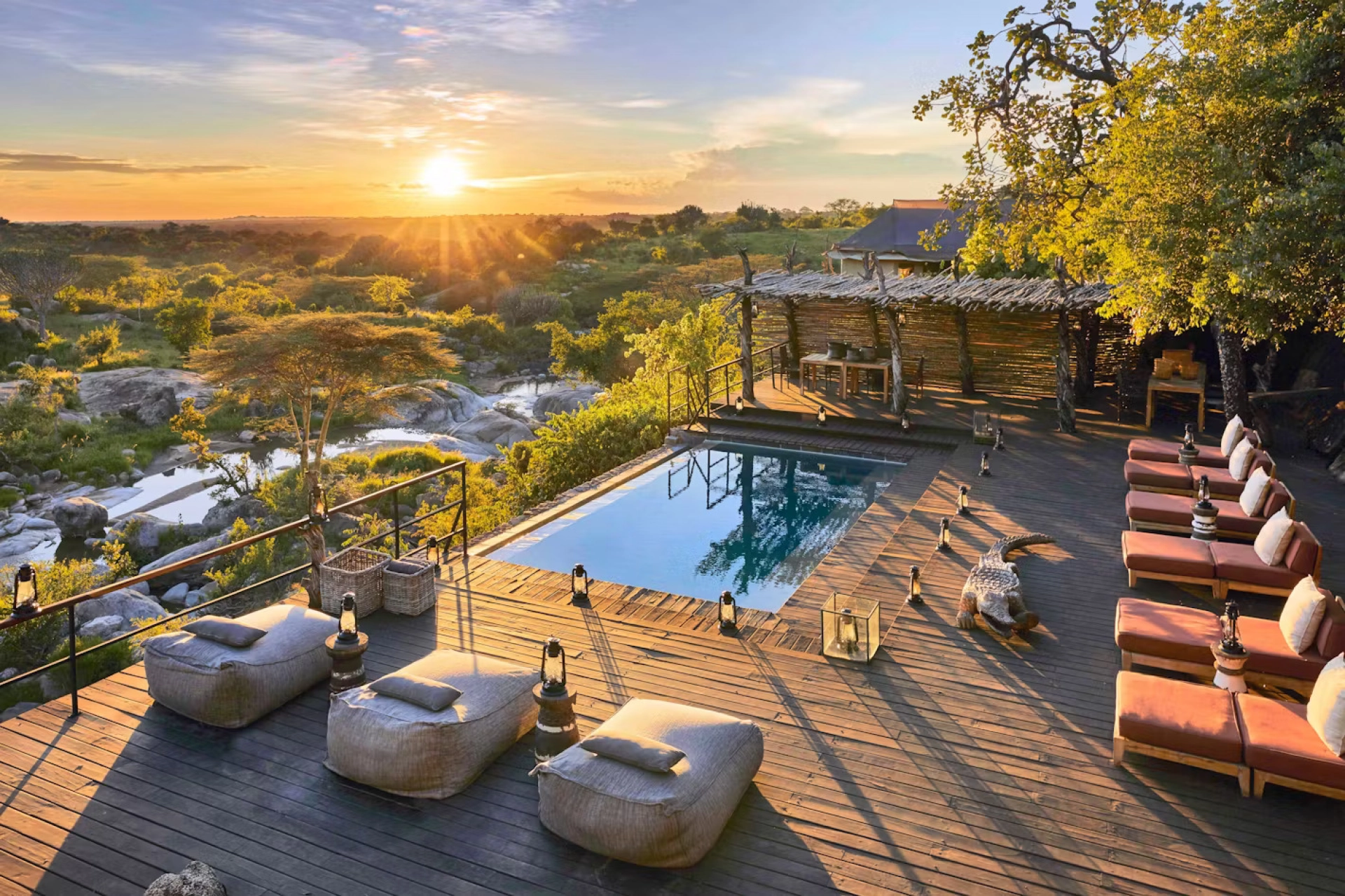
What should I look for when booking a luxury African safari?
When booking a luxury African safari, look beyond the room and compare the quality of guiding, wildlife location,…
Read article

Travel Guide
Some African safari destinations impress through scale. Others through enormous migration herds. Others through luxury. South Luangwa National Park earns its reputation through something slightly different: exceptional wildlife, strong predator viewing, extraordinary professional guiding and the…
Some African safari destinations impress through scale. Others through enormous migration herds. Others through luxury. South Luangwa National Park earns its reputation through something slightly different: exceptional wildlife, strong predator viewing, extraordinary professional guiding and the opportunity to experience the African bush on foot. For travellers researching the best safari destinations in Zambia, South Luangwa almost always appears near the top. And with good reason. The landscape is shaped by the Luangwa River, one of the major tributaries of the Zambezi.
Seasonal channels, lagoons, oxbow lakes, woodland and open areas create productive habitats supporting extraordinary concentrations of wildlife. Elephants move between woodland and river. Hippos crowd waterways. Crocodiles wait along muddy banks. Impala occur in large numbers. Giraffes browse above the vegetation. Lions patrol territories. Spotted hyenas search for opportunities. Wild dogs move quickly across enormous ranges. And leopards have made South Luangwa particularly famous among safari enthusiasts. Yet wildlife abundance alone does not explain the park’s character.
South Luangwa is also closely associated with the development of the walking safari. Leaving the vehicle transforms the way visitors experience wilderness. Tracks become important. Wind direction matters. Bird calls become clues. Plants suddenly deserve attention. A pile of elephant dung tells a story. The safari slows down. That combination of predators, river ecosystems, walking safaris, seasonal change and excellent guiding makes South Luangwa National Park one of Africa’s great safari destinations. Here are six major reasons to put it on your Zambia itinerary.
The first reason is also the simplest. There is a remarkable amount of wildlife. South Luangwa protects a substantial section of the Luangwa Valley ecosystem. The river creates the foundation. During the dry season, water becomes increasingly concentrated. Animals gather around permanent channels, lagoons and remaining pools. Predators follow. The resulting wildlife encounters can be extraordinary. This is the classic ecological pattern behind many of Africa’s best dry-season safari destinations.
But South Luangwa adds its own character. Its wildlife is experienced against a landscape of riverine woodland, open plains, lagoons and mopane forest rather than one continuous open savannah. This variety makes every game drive feel different.
The Luangwa River is the defining geographical feature. Rivers shape wildlife. They provide drinking water. They create fertile soils. They support trees. They form oxbow lakes. They influence animal movement. They create habitat for hippos and crocodiles. During wetter periods, the river expands and transforms the valley. As water retreats, disconnected lagoons remain. These become critical dry-season resources. From a safari perspective, this means guides can interpret wildlife according to water. Where are elephants drinking? Which lagoon still contains water? Where are buffalo moving? Where might lions wait? Understanding the river turns a game drive from random driving into ecological interpretation.
South Luangwa is particularly well known for hippopotamus. The Luangwa River and its associated pools provide ideal habitat. During dry periods, hippos can gather in impressive concentrations. Watching them reveals far more complexity than their apparently lazy daytime behaviour suggests. Hippos spend much of the day resting in water to protect their skin from heat and sun. At night they leave the river and travel onto land to graze. They are territorial in water and can be extremely dangerous.
A knowledgeable guide can explain vocalisations, territorial disputes and movement patterns while maintaining a safe distance. For photographers, groups of hippos provide endless behavioural opportunities. Yawning. Fighting. Resting. Young calves. Oxpeckers. Mud. Reflections. The river is constantly changing.
African elephants are another defining feature. Family groups move between feeding areas and water. During the dry season, riverbanks become particularly important. Watching elephants from a vehicle is always impressive. Seeing them while walking with an experienced guide changes the experience completely. On foot, their size becomes more obvious. So does the importance of distance, wind and animal behaviour. Walking guides do not simply approach elephants for excitement. They read conditions. Safety determines decisions. Sometimes the correct safari experience is watching from far away. That restraint is part of professional guiding.
South Luangwa is also associated with the distinctive Thornicroft’s giraffe, historically treated as a local giraffe subspecies or population strongly associated with Zambia’s Luangwa Valley. These giraffes provide an excellent example of why safari should extend beyond the Big Five. Their patterned coats and elegant movement make them superb photographic subjects. More importantly, their restricted geographic association gives South Luangwa a wildlife identity that cannot simply be replicated everywhere else. Travellers who pay attention to regional wildlife variation gain far more from safari than those who only count lions and elephants.
The Luangwa Valley is also associated with Crawshay’s zebra, a regional form of plains zebra distinguished by relatively narrow striping. Again, the difference may seem subtle to first-time visitors. But these regional variations reveal how wildlife populations adapt and diversify across African ecosystems. A guide who points out these details adds depth to every game drive.
Large African buffalo herds can become especially impressive during dry periods. Buffalo depend heavily on water. As seasonal resources shrink, herds concentrate around remaining sources. These gatherings naturally attract lions. That relationship creates some of South Luangwa’s most dramatic predator-prey interactions. But even without predators, a large buffalo herd is extraordinary. Dust rises. Oxpeckers move across backs. Calves remain close to adults. Dominant bulls stand heavily among the herd. Safari becomes most rewarding when visitors appreciate the entire ecological scene rather than waiting only for an attack.
Ask experienced safari travellers what South Luangwa is famous for and one animal repeatedly appears: The leopard. The Luangwa Valley provides excellent leopard habitat. Riverine woodland offers cover. Trees provide resting and feeding locations. A healthy prey base supports predators. Night drives increase opportunities to encounter nocturnal activity. South Luangwa therefore developed a reputation as one of Africa’s particularly rewarding destinations for travellers hoping to see leopards. No ethical safari operator should guarantee a wild leopard. But the opportunities can be excellent.
Leopards are masters of concealment. Their rosette-patterned coats disappear into broken light. They move quietly. They often rest in vegetation. Unlike lions, which may lie openly beside a road, a leopard can remain invisible only metres away. Finding one requires experience. Guides listen for alarm calls. Baboons bark. Impala stare. Birds sometimes react. Fresh tracks provide clues. Other safari vehicles may communicate responsibly. A guide combines all this information. Then patience takes over.
South Luangwa’s night game drives add another dimension. After sunset, the ecosystem changes. Nocturnal animals become active. Leopards may begin hunting. Hyenas patrol. Genets and civets can emerge. Owls become easier to locate. Night drives should be conducted responsibly, with spotlights used carefully to minimise disturbance. For travellers accustomed only to daytime safaris, darkness completely changes the bush. Familiar landscapes become mysterious. Sounds become more important. Your field of vision narrows. Every pair of reflected eyes creates anticipation.
Leopards may receive much of the attention, but lions in South Luangwa are equally compelling.
Prides use river systems and open areas where prey concentrates. Buffalo can become particularly important. Lion behaviour changes through the day. Morning drives may find animals returning from nighttime activity. During heat, prides sleep. Late afternoon brings renewed movement. After dark, roaring can travel enormous distances. Hearing lions from camp is one of those safari experiences that no photograph can reproduce.
South Luangwa can also provide opportunities to encounter African wild dogs, one of the continent’s most fascinating and endangered predators. Wild dogs live socially in packs. Their cooperative hunting strategy differs from that of lions and leopards. They can cover large distances quickly. Finding them may therefore require persistence. When a pack becomes active, the atmosphere changes instantly. Animals greet one another. Pups become excited. Adults begin moving. Then the entire pack can disappear along the road at remarkable speed. For wildlife enthusiasts, a wild dog encounter can easily outrank seeing another lion.
Spotted hyenas play a crucial ecological role. Popular culture often portrays them simply as scavengers. In reality, they are highly effective hunters with complex social systems. South Luangwa provides excellent opportunities to observe interactions between hyenas and other predators. A carcass may attract lions, hyenas, vultures and smaller scavengers. These encounters demonstrate how energy moves through an ecosystem. Nothing is wasted.
For many travellers, this is the most important reason to choose South Luangwa. Zambia has a celebrated tradition of walking safaris, and South Luangwa played a major role in developing this style of wildlife tourism. Walking changes everything. Inside a safari vehicle, visitors occupy a protected elevated platform. Animals often tolerate vehicles because they are familiar objects. On foot, you become physically aware that you are sharing the landscape. The senses sharpen. You listen more carefully. You notice wind direction. Tracks suddenly matter. The landscape feels larger.
A South Luangwa walking safari generally begins with a safety briefing. Your professional guide explains: How the group should walk. Where guests should position themselves. What to do if wildlife is encountered. Why silence may be required. Why nobody should wander away. The guide may be accompanied according to local operating and safety requirements. The purpose is not to chase dangerous animals. It is to experience ecology at ground level. You may examine tracks. Dung. Bones. Plants. Insects. Termite mounds. Birds. Small mammals. The things ignored from a vehicle suddenly become the centre of attention.
One of the great misconceptions is that a walking safari is successful only if you encounter lions or elephants on foot. That is not the objective. Walking teaches visitors to read the bush. A track shows direction. Dung indicates diet and freshness. Broken vegetation suggests elephant movement. Alarm calls indicate tension. Plants reveal human uses. Termite mounds explain soil systems. Suddenly the landscape is filled with information. This is why experienced safari travellers often become increasingly interested in walking after multiple vehicle safaris. The thrill comes from understanding.
Walking in a wilderness containing elephants, buffalo, lions and other potentially dangerous animals involves inherent risk. That is precisely why professional guiding, rules and judgement matter. Guests should never walk independently in wildlife areas where it is prohibited or unsafe. A trained guide constantly evaluates: Wind. Visibility. Tracks. Animal behaviour. Escape routes. Terrain. Distance. Sometimes wildlife is approached carefully. Sometimes it is avoided entirely. The best guides are not those who create unnecessary close encounters. They are those who make good decisions.
Walking safaris suit travellers who are: Curious about ecology. Comfortable following instructions. Interested in tracking. Able to walk moderate distances. Patient. Willing to appreciate smaller details. They may be less appropriate for travellers with mobility limitations or young children, depending on camp and regulatory age restrictions. Always discuss requirements with your operator before booking.
South Luangwa can offer more than short walks from a lodge. Specialist itineraries may involve multi-day walking safaris, moving between camps or remote wilderness locations. This produces a much deeper immersion. Instead of walking for two hours and returning to a vehicle, the journey itself unfolds on foot. These safaris are best suited to travellers specifically seeking wilderness and comfortable with simpler logistics. For the right person, they can become one of Africa’s greatest safari experiences.
South Luangwa is not a one-activity destination. A well-designed safari can combine: Morning game drives. Walking safaris. Afternoon game drives. Night drives. Birdwatching. Photographic safaris. Seasonal river experiences where available. Time at hides or lagoons. This variety prevents safari fatigue. One morning you walk. That afternoon you drive. The next evening you stay out after dark. Each activity reveals a different part of the ecosystem.
Early morning is one of the most productive safari periods. Temperatures are cool. Predators may still be active. Tracks from the night remain fresh. Bird activity increases. Soft sunlight improves photography. The landscape gradually changes from grey-blue darkness into warm colour. A South Luangwa morning game drive often begins before or around sunrise. That early alarm becomes much easier once you realise what might be waiting outside camp.
Afternoon drives begin as temperatures start falling.
Herbivores become more active. Elephants move toward water. Predators wake. The sun produces warm photographic light. Depending on regulations and safari arrangements, the drive may continue beyond sunset into darkness. This transition is one of South Luangwa’s strengths. You experience daytime wildlife and then watch the nocturnal ecosystem take over.
Birders should not allow the park’s predator reputation to overshadow its birdlife. The Luangwa Valley supports an enormous variety of species associated with rivers, lagoons, woodland and open habitat. Waterbirds gather around lagoons. Raptors patrol overhead. Kingfishers use riverbanks. Bee-eaters add colour. Storks, herons and egrets concentrate around wetlands. Vultures reveal predator activity. During wetter months, migrant species increase diversity. A Zambia birding safari can therefore be combined easily with conventional big-game viewing.
One of the most visually memorable seasonal birding spectacles can involve southern carmine bee-eaters. These intensely coloured birds may nest in colonies along suitable riverbanks. Their vivid red plumage creates extraordinary photographic opportunities. Birding moments like this demonstrate why safari travellers should bring binoculars even when their main objective is mammals.
South Luangwa is exceptionally rewarding for wildlife photography. Predators provide obvious subjects. But the landscape also creates interesting compositions. Reflections in lagoons. Elephants crossing dusty roads. Giraffes among woodland. Hippos at sunset. Backlit dust. Birds along the river. Night photography adds further possibilities. Photographers should consider requesting a private vehicle where budget permits. This allows control over positioning and time.
Shared game drives work extremely well for most travellers. Serious photographers have different priorities. They may want to spend forty minutes with a leopard while other guests want to move on. They may need the vehicle repositioned repeatedly for light. Large lenses require space. A private safari vehicle in South Luangwa therefore represents a valuable upgrade for dedicated photographers. Spend money where it improves your actual safari experience.
Another reason to visit is that South Luangwa is not the same safari throughout the year. Seasonal change transforms the valley. Dry months concentrate wildlife. Wet months transform brown landscapes into green. Birdlife changes. Water spreads. Some camps close. Different photographic opportunities emerge. Understanding these seasons helps travellers choose the right trip rather than searching for one universally “best” month.
The dry season is the classic wildlife-viewing period. Vegetation thins. Water sources shrink. Animals become concentrated around the Luangwa River and remaining lagoons. Predator-prey interactions can become intense. Road conditions are generally favourable. This period attracts high demand. Prices can therefore be higher. The later dry-season months can also become extremely hot. Visitors should balance wildlife concentration against temperature.
When rain arrives, the landscape transforms. Grass returns. Trees become green. Lagoons refill. Birdlife flourishes. Young animals appear. Storm clouds create dramatic photography. This is sometimes called the emerald season. The challenge is accessibility. Some remote camps close. Roads can become difficult. Wildlife spreads over a wider area because water is no longer concentrated. For photographers and birders, however, the green season can be extraordinary.
No. It is simply different. If your only priority is maximising opportunities for concentrated large mammals around waterholes, dry season may suit you better. If you value: Green scenery. Birding. Lower visitor numbers. Dramatic skies. Potentially lower rates. Young animals. Then green season deserves serious consideration. Safari planning should match personal priorities.
Leopards are resident throughout the year. Dry-season visibility can improve because vegetation becomes less dense and prey concentrates. However, sightings remain dependent on behaviour and luck. Night drives help. Experienced guides help. Staying several nights helps most of all. The longer you remain in one productive ecosystem, the more opportunities you create.
A minimum of three nights provides a useful introduction. Four or five nights is better. Serious photographers and walking enthusiasts can stay considerably longer. Safari becomes richer after the first few drives. Initially, every impala feels exciting. Then you begin recognising individual areas. You understand where lagoons lie. You learn pride territories. You recognise particular leopard zones. The ecosystem begins making sense. Moving camps every night prevents that deeper understanding.
The sixth reason may be the hardest to quantify. South Luangwa feels wild. That matters. Many excellent safari destinations now experience substantial visitor pressure around famous sightings. A lion appears and vehicles converge. A leopard causes congestion. South Luangwa certainly has popular areas and busy periods, particularly around established access zones. But the park and surrounding wilderness still provide opportunities for quieter safari experiences. Remote camps increase that feeling dramatically.
Wildlife viewing is not only about seeing an animal.
It is about the quality of the encounter. One leopard with two vehicles can be far more memorable than the same leopard surrounded by twenty. Lower vehicle density creates: Better photography. Less noise. More natural animal behaviour. Greater sense of wilderness. More time with sightings. This is one reason travellers should consider location carefully when selecting South Luangwa safari camps.
South Luangwa is famous for intimate bush camps. These properties are often smaller than conventional safari lodges. Some operate seasonally. Their attraction is proximity to wilderness. Guest numbers are limited. Guiding can be highly personalised. Walking becomes central. Evenings feel quiet. A remote bush camp may provide fewer conventional hotel luxuries but deliver a stronger safari atmosphere. For experienced travellers, that trade can be worthwhile.
One of the most underrated safari experiences occurs after returning to camp. The bush continues. Hippos call. Hyenas whoop. Lions roar. Insects fill the darkness with sound. Something moves through vegetation beyond your tent. You may never see it. That uncertainty creates atmosphere. Luxury on safari is not only thread count and private pools. Sometimes luxury is lying awake while lions call across a dark African valley.
Travellers planning a Zambia safari itinerary often compare South Luangwa with Lower Zambezi National Park. They are complementary rather than interchangeable. South Luangwa is particularly famous for: Walking safaris. Leopards. River and lagoon ecosystems. Night drives. Traditional bush camps. Lower Zambezi adds a stronger river-based dimension, with activities such as canoeing and boating complementing conventional game drives. Combining both creates an outstanding Zambia safari.
Kafue National Park is enormous and geographically diverse. Its Busanga Plains are especially famous for seasonal wildlife viewing. South Luangwa generally has a stronger international reputation for consistent predator viewing and walking safaris. Kafue can provide a greater feeling of scale and exploration. Travellers with sufficient time should not necessarily choose one. They can combine them.
Botswana offers some of Africa’s finest luxury safari experiences, especially in the Okavango Delta. South Luangwa can offer a different style. Walking plays a larger role. Night drives are important. The Luangwa River shapes the ecosystem differently from the Okavango wetlands. Zambia can also sometimes provide better value than premium Botswana fly-in camps. Travellers seeking a highly polished water-and-land safari may favour Botswana. Those drawn toward professional walking and predator-rich wilderness may prefer South Luangwa.
Kenya’s Maasai Mara delivers vast open grasslands and classic East African safari imagery. South Luangwa is more wooded and riverine. Kenya is associated strongly with the Great Migration. South Luangwa is associated strongly with walking safaris and leopards. Both are exceptional. The experiences feel completely different. Repeat African travellers should experience both rather than expecting one to replace the other.
Kruger National Park offers enormous biodiversity and outstanding safari infrastructure. Self-drive travel is possible. South Luangwa is more naturally associated with guided safari experiences. Walking and night drives form a stronger part of many itineraries. South Luangwa can feel more intimate, especially when staying at remote camps. Kruger offers broader accommodation choice and accessibility. Again, “best” depends on safari style.
The principal gateway is Mfuwe. Travellers commonly fly into Mfuwe Airport, where safari camps arrange transfers. Connections typically operate through regional hubs depending on season and current airline schedules. Road travel is possible but can involve long distances. For most international safari travellers, flying is the practical choice. Once inside the safari ecosystem, camps organise activities and transfers.
Mfuwe is the principal tourism gateway. The area near the park entrance contains several lodges. These can provide excellent wildlife access at potentially lower prices than extremely remote bush camps. Travellers can therefore design a South Luangwa safari according to budget. A comfortable lodge near Mfuwe. A remote bush camp. Or a combination. Combining the two can balance cost and wilderness.
Accommodation ranges from relatively affordable lodges to exclusive luxury camps. When selecting a property, consider more than the room. Ask: Where is the camp? Does it offer walking? Are night drives included? How many guests share a vehicle? Does the camp operate year-round? Are park fees included? Are drinks included? Are transfers included? What is the guiding structure? A simpler camp with exceptional guiding may provide a better safari than a more luxurious property with weaker access.
South Luangwa safari prices vary substantially.
Budget level. Season. Camp. Flights. Private or shared activities. Length of stay. Remote bush camps cost more to operate because supplies and staff logistics become difficult. Luxury camps can run several hundred to more than a thousand dollars per person per day depending on season and inclusions. More accessible lodges near Mfuwe can reduce costs. The best approach is to compare complete packages rather than nightly room rates.
A typical safari package may include: Accommodation. Meals. Game drives. Walking safaris where offered. Park transfers. Local drinks at all-inclusive camps. Laundry at some properties. Park fees may be included or charged separately. Always verify. Domestic flights are often separate unless the itinerary is sold as a complete fly-in package.
South Luangwa works beautifully for adventurous honeymoons. Small camps provide privacy. Sunset drives create atmosphere. Private dinners may be arranged. Walking adds adventure. A Zambia honeymoon safari can combine South Luangwa with Lower Zambezi before finishing at Victoria Falls. Travellers seeking a beach extension can then continue elsewhere in southern or eastern Africa.
Families can enjoy South Luangwa, but camp choice matters. Some walking activities have minimum age restrictions. Long drives may be challenging for very young children. Certain camps specialise more effectively in family travel. Private vehicles are particularly useful. Parents should provide exact children’s ages before booking so the operator can select appropriate accommodation and activities.
Pack lightly. Neutral-coloured clothing works well. Long sleeves provide sun and insect protection. A warm layer can be valuable during cool early-morning drives. Comfortable closed shoes are important for walking. Bring: Binoculars. Sun protection. Hat. Camera equipment. Spare batteries. Personal medication. Insect repellent. Reusable water bottle where appropriate. Avoid extremely bright clothing on walking safaris.
Even photographers should bring binoculars. A leopard may be far across a lagoon. Wild dogs may appear at distance. Birds are everywhere. Binoculars allow you to watch behaviour without looking through a camera. They are among the highest-value items you can pack for any African wildlife safari.
One of the strongest Zambia itineraries combines South Luangwa and Victoria Falls. The two experiences could hardly be more different. South Luangwa offers intimate wildlife encounters. Victoria Falls provides monumental scenery. A typical itinerary might include four or five nights in South Luangwa followed by two or three nights in Livingstone. This creates a balanced Zambia safari and Victoria Falls holiday.
For wildlife enthusiasts, adding Lower Zambezi National Park creates an even deeper itinerary. South Luangwa contributes walking, predators and lagoons. Lower Zambezi adds the Zambezi River, canoeing, boating and game drives. The combination showcases Zambia’s safari diversity.
Travellers seeking one of Africa’s most varied wildlife journeys can combine Zambia safari and Uganda gorilla trekking. Imagine the progression: Leopards in South Luangwa. Walking safari beside the Luangwa River. Victoria Falls. Then mountain gorillas in Bwindi Impenetrable National Park. Chimpanzee trekking can be added in Kibale National Park. This produces an itinerary combining big-game safari, waterfalls and primates.
Responsible wildlife tourism requires restraint. Do not pressure guides to approach animals too closely. Do not shout at wildlife to make it look toward the camera. Respect walking-safari instructions. Do not leave litter. Avoid disturbing nocturnal animals with excessive light. Support camps investing in conservation and local communities. Respect communities outside the park. The quality of future safari depends on protecting the ecosystems travellers have come to experience.
Absolutely. It is one of Zambia’s premier safari destinations, particularly for walking safaris, leopards, elephants, hippos, lions and wild dogs.
The park is particularly famous for the Luangwa River ecosystem, walking safaris, leopard sightings, hippos, elephants and professional safari guiding.
Yes. South Luangwa has a longstanding reputation as one of Africa’s rewarding leopard-viewing destinations, although sightings of wild animals can never be guaranteed.
Yes. Guided walking safaris are one of the destination’s defining experiences. They must be conducted according to park rules with appropriately qualified professionals.
Four or five nights is excellent for most visitors. Three nights provides a useful introduction, while wildlife photographers and walking enthusiasts may stay considerably longer.
Dry-season months are popular for concentrated wildlife viewing, while the green season offers lush landscapes, birding and dramatic photography. The best period depends on your priorities.
South Luangwa should not be chosen purely as a Big Five checklist destination. It offers excellent populations of many iconic animals, but Zambia’s safari appeal lies in the overall ecosystem and quality of wildlife encounters.
Yes. African wild dogs occur in the ecosystem and can provide spectacular sightings when packs are located.
Yes. The Luangwa Valley is particularly associated with Thornicroft’s giraffe.
Yes. South Luangwa and Victoria Falls is one of Zambia’s best safari combinations.
Very much so. Leopards, lions, wild dogs, elephants, giraffes, hippos, birds, lagoons and river landscapes make it an excellent Zambia photography safari destination.
It can range from comfortable midrange lodges to expensive remote luxury camps. Accessibility, season, accommodation and domestic flights have major effects on cost.
There are many reasons to enjoy a Zambia safari in South Luangwa National Park, but the destination’s greatest strength is how all those reasons come together. Wildlife is abundant. Predators are exciting. The Luangwa River creates a constantly changing ecological landscape. Leopards move through riverine woodland. Lions follow buffalo. African wild dogs race across enormous territories. Elephants gather around water. Hippos crowd the river. Thornicroft’s giraffes browse above the woodland.
Birdlife fills the lagoons. And then you leave the vehicle. Suddenly the safari becomes quieter. Your guide points toward tracks in the dust. You examine a plant you would never have noticed from a Land Cruiser. You hear an alarm call. The wind changes. Everyone stops. That moment captures what makes South Luangwa walking safaris so special. The park does not merely show visitors wildlife. It teaches them to experience wilderness differently.
Adventure in the Wild Safaris can design South Luangwa safari packages, Zambia walking safaris, Zambia photographic safaris, Victoria Falls and South Luangwa tours, Lower Zambezi combinations, Botswana extensions and Zambia plus Uganda gorilla trekking safaris. For first-time visitors, South Luangwa reveals why Zambia has earned such respect among serious safari travellers. For experienced African travellers, it often provides something even more valuable: A reason to fall in love with safari all over again.

Share This Article
When booking a luxury African safari, look beyond the room and compare the quality of guiding, wildlife location,…
Read article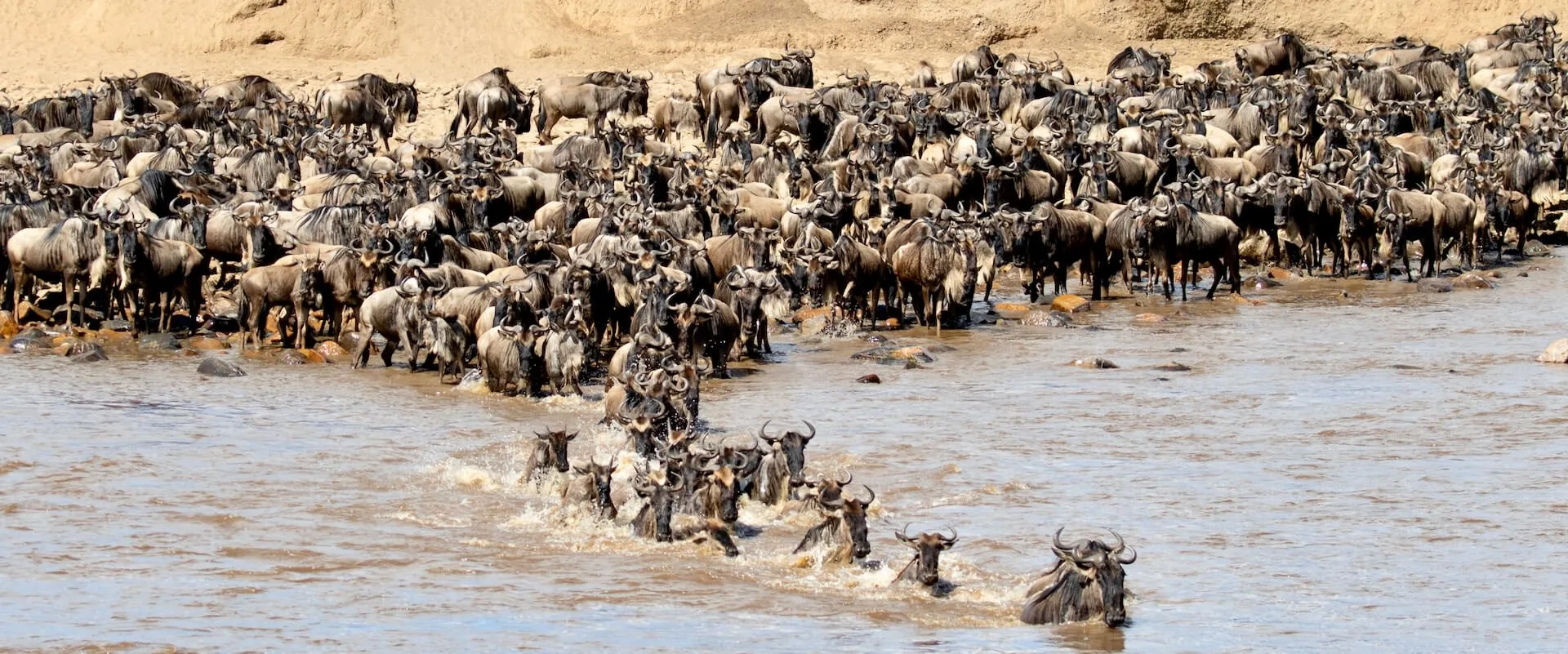
The Great Migration in Africa happens all year because the herds continuously circulate through the Serengeti–Mara ecosystem in…
Read article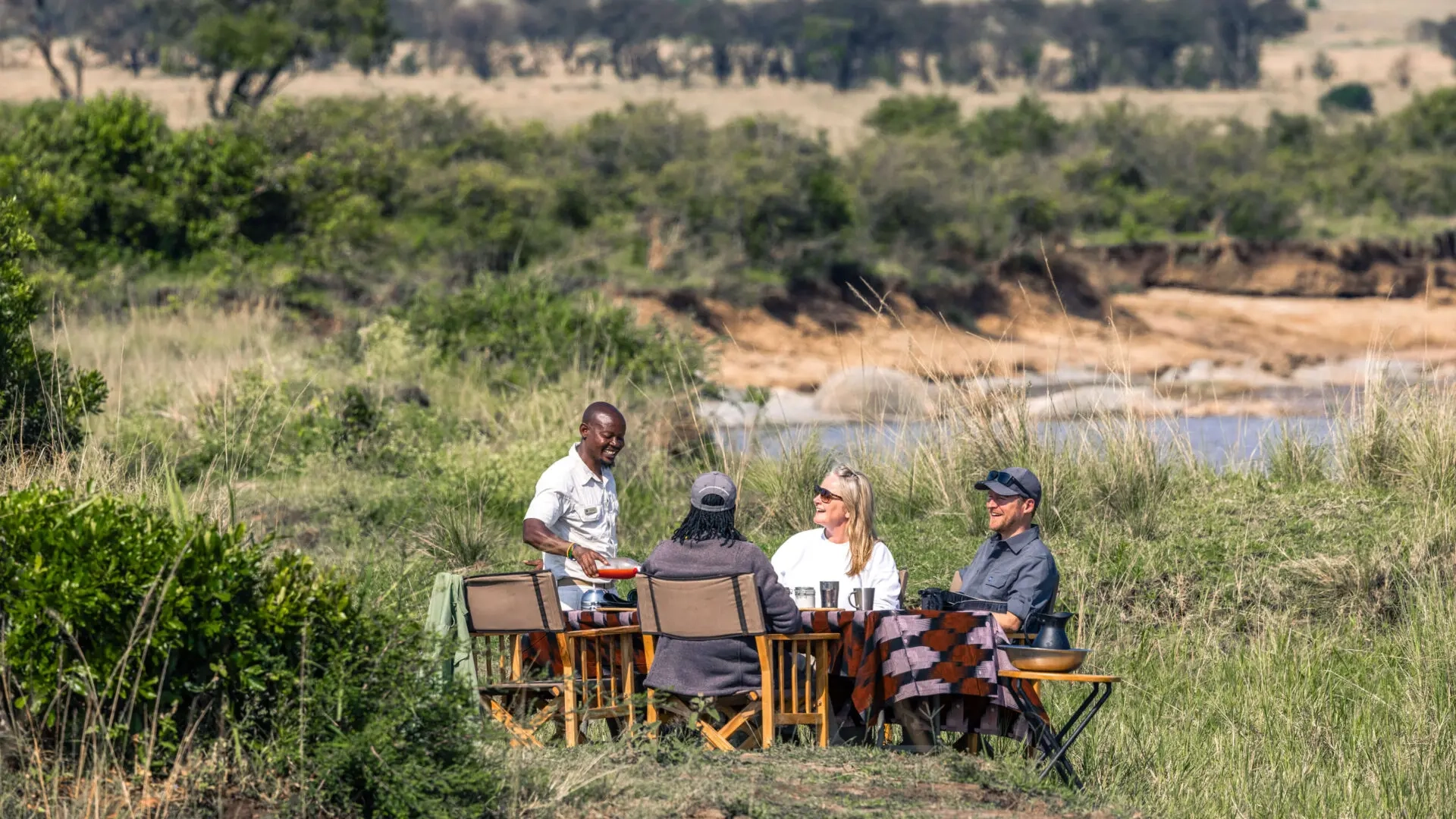
Definitive answer: A picnic lunch on safari is a packed or catered midday meal eaten at an approved…
Read article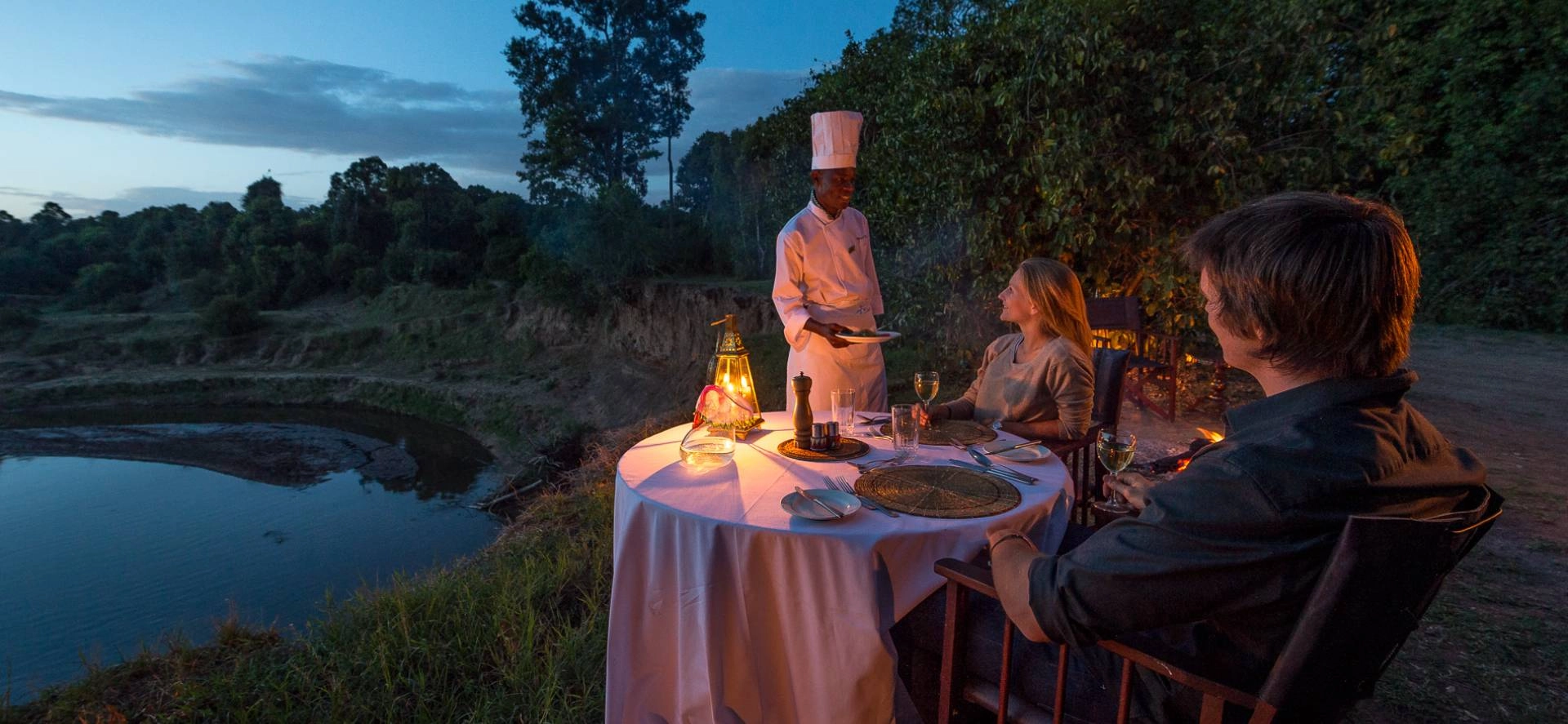
Definitive answer: A bush dinner is an outdoor evening meal arranged in a safe safari setting away from…
Read articleLet us take you closer to the wildlife, people and places that make Africa extraordinary.
Plan Your Safari Today