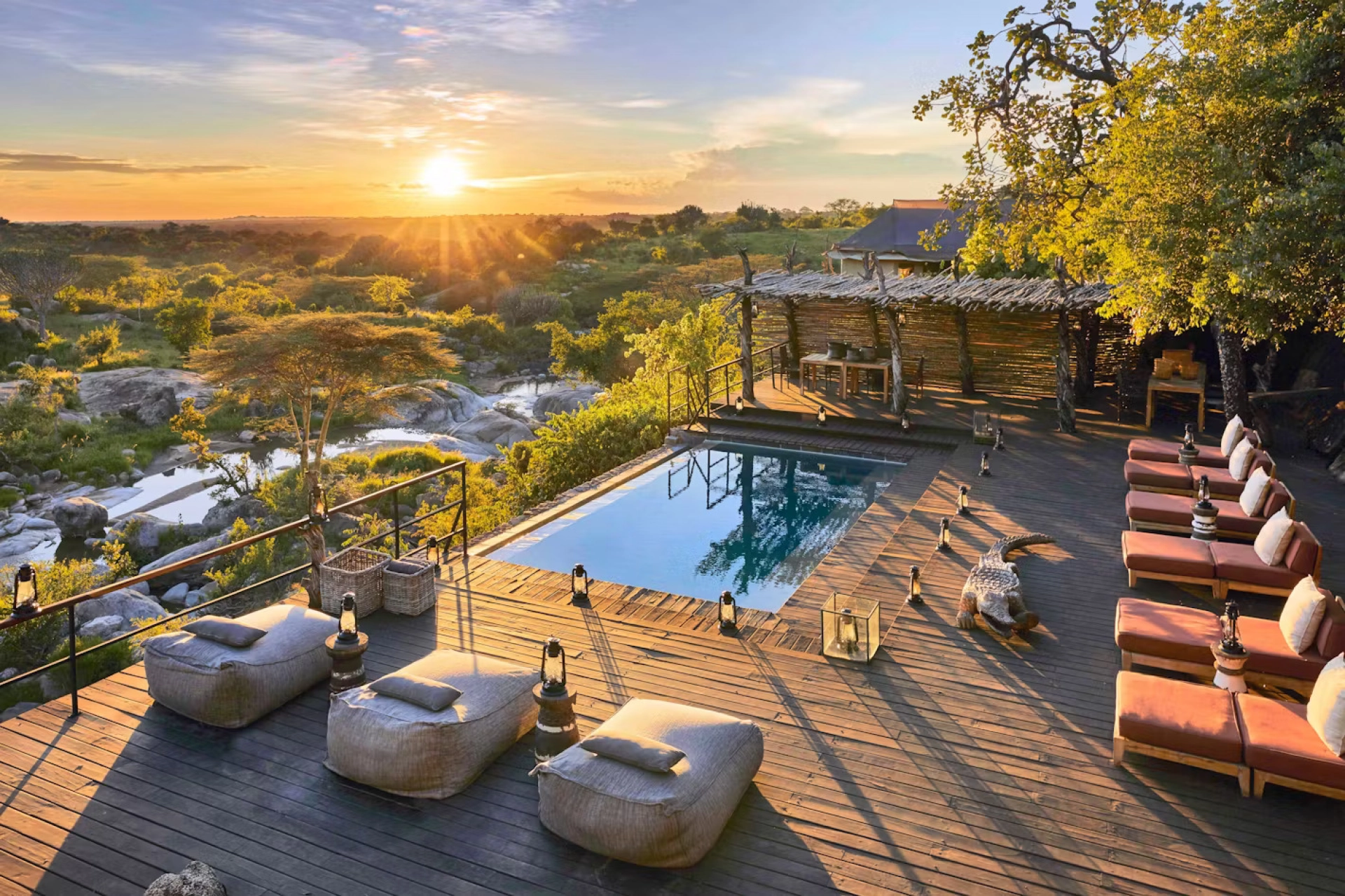
What should I look for when booking a luxury African safari?
When booking a luxury African safari, look beyond the room and compare the quality of guiding, wildlife location,…
Read article

Travel Guide
The phrase remote tribes of Africa remains a popular search term, which is why it appears in the title of this guide. However, travellers should use such terminology thoughtfully. Cultural safari encounter in East Africa The…
The phrase remote tribes of Africa remains a popular search term, which is why it appears in the title of this guide. However, travellers should use such terminology thoughtfully.
The word “tribe” has long been used to describe African ethnic and cultural groups, but it can oversimplify extremely complex identities. Many communities are better understood as ethnic groups, Indigenous peoples, pastoral societies or cultural communities. Likewise, “remote” does not mean disconnected from contemporary society. A village may be geographically distant from a city while residents still participate in national education systems, elections, markets, tourism and modern communication. Responsible travel begins by recognising communities as contemporary people—not museum exhibits.
The most rewarding cultural experiences happen when visitors arrive with curiosity rather than preconceived ideas.
Kenya is one of Africa’s best-known safari destinations, but it is also home to a remarkable variety of cultural communities.
Among the most internationally recognisable are the Maasai people of Kenya and Tanzania. Their red clothing, intricate beadwork and pastoral traditions have become strongly associated with East African tourism imagery. However, Maasai culture is far more complex than the photographs used in safari brochures suggest. Traditionally, cattle are central to Maasai economic, cultural and social life. Livestock provide food, economic security and social status. Seasonal access to water and pasture historically influenced movement across broad savannah landscapes.
These pastoral systems developed in environments where rainfall can be unpredictable and grazing conditions change dramatically through the year. Understanding Maasai pastoralism therefore adds another dimension to a safari across southern Kenya. The grasslands that visitors experience as wildlife habitat are also cultural landscapes shaped by generations of interaction between people, livestock and wild animals.
Some of Kenya’s most successful modern wildlife-conservation models have developed in areas where pastoral communities retain ownership or stewardship of land.
Around the greater Masai Mara ecosystem, community conservancies have become an important part of wildlife tourism. Landowners may receive tourism income while keeping land available for wildlife movement and livestock grazing under agreed management systems. For travellers, staying within a community conservancy can therefore provide more than excellent wildlife viewing. It creates an opportunity to understand how modern African conservation increasingly depends on local participation. A thoughtful cultural visit might include conversation with community members about livestock, education, land use, wildlife conflict and the ways tourism has changed economic opportunities.
That discussion is far more valuable than simply arriving for a staged photograph.
Beadwork is one of the most visible aspects of Maasai culture.
Necklaces, bracelets, belts and decorative items may communicate aesthetics, identity and social meaning. Today, beadwork also provides an important source of income for many women. Travellers who purchase crafts directly from community cooperatives or verified local artisans can support household income more directly than buying mass-produced souvenirs far from the people who made them. When visiting a cultural centre or village, ask where money from entrance fees, performances and craft purchases goes.
Transparency is one sign of responsible community tourism.
Farther north, the Samburu people have cultural and linguistic links with the Maasai but maintain their own distinct identity.
Samburu country has a very different landscape from the green highlands and rolling grasslands surrounding parts of southern Kenya. Much of northern Kenya is semi-arid. Rainfall is irregular. Rivers and dry-season water sources become extremely important. Livestock pastoralism developed in response to this demanding environment. Camels, goats, sheep and cattle all play roles within local livelihoods. For visitors combining culture and wildlife, Samburu National Reserve, Buffalo Springs and surrounding community conservancies offer a strong opportunity to see how pastoral societies coexist with elephants, lions, leopards and northern specialist wildlife.
A responsible Samburu community visit can explore livestock management, family structure, beadwork, traditional housing and the challenges of maintaining pastoral livelihoods as land use and climate conditions change. Visitors may also learn about community-based conservation. Local guides and wildlife scouts increasingly play an important role in protecting elephants and other animals. Knowledge of seasonal water, animal behaviour and landscape patterns can be extremely valuable in conservation work. This demonstrates an important principle often overlooked in discussions of “traditional African tribes”:
Traditional ecological knowledge is not simply cultural history. It can remain directly relevant to contemporary wildlife management.
Kenya is particularly well suited to cultural safari holidays because community experiences can be incorporated naturally into wildlife itineraries. A journey might combine Nairobi, Amboseli, community conservancies and the Masai Mara. Another could travel north toward Samburu. Families, photographers and first-time African travellers often find these cultural encounters provide context for the landscapes seen during game drives. Instead of thinking of people and wildlife as separate tourism attractions, travellers begin understanding that they frequently share the same broader ecosystems.
Few places in Africa contain the level of cultural diversity found in southern Ethiopia’s Lower Omo Valley. Communities across the region maintain distinct languages, ceremonies, forms of body decoration, livestock traditions and relationships with the Omo River. Groups in the wider region include the Hamar, Mursi, Karo, Dassanech, Banna and several others. Because the area is geographically remote and visually striking, it has attracted photographers and cultural travellers for decades.
But it is also one of the places where responsible tourism matters most. People should never be treated merely as photographic subjects. Visitors should approach the Lower Omo as a region of living communities experiencing rapid social and economic change.
The Hamar people are among the best-known groups of southern Ethiopia. Livestock remain economically and culturally significant. Cattle, goats and other animals influence food systems, household wealth and social relationships. Hamar settlements, clothing and hairstyles are visually distinctive, but travellers gain far more by understanding the ideas behind what they see. Local guides can explain family structure, pastoral livelihoods, ceremonies and the seasonal challenges of life in a semi-arid environment.
Certain ceremonies have become widely photographed and sometimes controversial outside their cultural context. Visitors should avoid making instant judgments based only on short encounters. Listening first is essential. At the same time, responsible tourism never requires travellers to romanticise harmful practices. Cultural respect and thoughtful ethical reflection can coexist.
The Mursi people are frequently represented in travel photography through the lip plates worn by some women. Unfortunately, this one visual characteristic has sometimes reduced an entire society to a photographic stereotype. Mursi culture is far broader. Cattle are extremely important. Seasonal movement, relationships with neighbouring groups, changing access to land and the ecology of the Omo region all influence community life. A genuinely informative visit should therefore go beyond portrait photography.
Travellers should learn about pastoralism, social organisation, agriculture, land-use pressures and how rapid development has affected local communities.
The Karo live near the Omo River and are well known for elaborate body painting and decorative traditions. Natural pigments may be used to create temporary patterns on the body. Photography can be part of tourism in the region, but consent should always be explicit. If payment for photography is customary, follow the guidance of a trusted local guide rather than photographing people without agreement. The strongest cultural encounters happen when travellers stop thinking of the camera as the primary purpose of the visit.
Conversation creates far richer memories.
Understanding the Lower Omo Valley requires understanding the river. For generations, communities developed livelihood systems adapted to seasonal water conditions. Pastoralism, agriculture and flood-related cultivation have all played roles in different areas. Environmental change therefore has direct cultural consequences. When water systems, grazing areas or migration routes change, traditions can change too. This provides an important lesson for travellers. Culture does not exist separately from geography. African cultural diversity has developed partly because communities adapted differently to mountains, forests, deserts, rivers, wetlands and savannahs.
Choose guides who have genuine relationships with communities. Avoid tours promising encounters with “untouched tribes.” Nobody should have to perform an exaggerated version of their identity because tourists expect it. Ask before photographing. Pay agreed community fees. Purchase crafts directly where possible. Allow time for conversation. And remember that school uniforms, motorcycles, mobile phones or modern clothing do not make a cultural experience less authentic. Authenticity is not the absence of modernity.
It is people being able to define their own lives.
Northern Namibia is home to the Himba, one of southern Africa’s most recognisable pastoral communities. Many Himba live in the Kunene region, a vast and often harsh landscape of rocky mountains, dry river systems and semi-desert environments. The region’s remoteness has helped preserve aspects of pastoral life, but Himba society is also changing. Some families remain strongly connected to traditional livestock systems while others participate increasingly in education, employment, tourism and urban economies.
One of the best-known aspects of Himba culture is otjize, a mixture commonly associated with ochre and fat that some women apply to their skin and hair. It produces the distinctive reddish appearance seen in photographs. Travellers often hear simplified explanations that otjize is merely protection from sun or insects. Its significance is broader and includes beauty, identity and cultural expression. Hairstyles and personal decoration can also communicate information relating to age and social status.
A good local guide can explain these traditions without reducing people to visual curiosities.
Livestock lie at the heart of traditional Himba livelihoods. Cattle and goats provide food, wealth and social value. Managing livestock in northwestern Namibia requires deep knowledge of water availability, grazing conditions and seasonal change. This knowledge becomes particularly impressive when travellers experience the environment themselves. Kunene can be extremely dry. Surface water may be scarce. Rainfall can vary greatly between seasons. Himba pastoralism therefore represents generations of accumulated environmental knowledge.
A visit may include entering a family homestead with permission. Visitors can learn how homes are constructed, how livestock areas are organised and how household activities function. The purpose should not be to inspect a “primitive village.” Instead, think of the homestead as an adaptation to a particular economy and environment. Architecture reflects available materials. Settlement patterns reflect livestock management. Daily routines reflect access to water and food. Seen this way, the experience becomes an exploration of human geography.
Himba communities receive substantial tourism attention. That creates opportunity but also risk. Poorly managed cultural tourism can become intrusive. Visitors may arrive without meaningful community consent, take photographs constantly and leave without understanding where their money goes. Responsible operators should work with communities directly. Photography expectations should be clear. Community fees should be transparent. Craft purchases should benefit the makers. Travellers should also accept that not every person wishes to participate in tourism.
Northern Namibia can combine cultural encounters with some of Africa’s most unusual wildlife experiences. Damaraland and Kunene are associated with desert-adapted elephants, black rhinos and dramatic dryland scenery. Farther east, Etosha offers more conventional wildlife viewing. A carefully planned Namibia cultural safari can therefore combine desert ecology, wildlife and community experiences without treating any one element as isolated from the others.
The San peoples of southern Africa are among the continent’s most historically significant Indigenous communities. Different San groups live across parts of Botswana, Namibia, South Africa and neighbouring countries. Terms such as “Bushmen” have historically been widely used, but San is generally more appropriate in respectful contemporary travel writing, while recognising that individual communities may identify by more specific names. For generations, San communities developed exceptionally detailed knowledge of Kalahari environments.
Tracking, plant use, water finding, hunting techniques and ecological understanding formed part of sophisticated systems of survival in landscapes outsiders frequently considered inhospitable.
One of the most extraordinary San skills is wildlife tracking. An experienced tracker may interpret marks that an untrained visitor barely notices. The shape of a hoofprint can identify the species. Its edges may indicate how recently the animal passed. Stride length can suggest whether it was walking or running. Disturbed vegetation may reveal direction. Dung can provide information about diet and timing. Tracks of predators can indicate territorial movement.
This knowledge is not magic. It is the result of careful observation accumulated over generations. Modern safari guiding and wildlife research increasingly recognise the value of expert Indigenous tracking.
Kalahari environments contain plants with uses that are far from obvious to visitors. Roots may contain water. Certain plants have medicinal applications. Others provide food, fibres or materials. A San cultural walk led by community members can reveal how seemingly sparse landscapes provide resources when understood properly. For travellers, this can completely transform their perception of the Kalahari. The bush is no longer empty. It becomes a living storehouse of ecological information.
Romantic travel writing has sometimes portrayed San people as living permanently as hunter-gatherers untouched by modern society. That image is misleading. Many communities have experienced displacement, loss of traditional land, economic marginalisation and restrictions on access to natural resources. Some now live in permanent settlements and participate in livestock farming, wage labour, tourism and education. Cultural tourism therefore needs to avoid pretending history has stopped. Demonstrations of tracking, fire making or traditional plant use can still be authentic cultural knowledge even when guides also use smartphones, drive vehicles or live in modern houses.
Botswana offers several opportunities to combine Kalahari wildlife safaris with guided cultural experiences. Depending on location, visitors may join community members for interpretive walks explaining tracks, plants and survival techniques. The best experiences are interactive. Rather than simply watching a performance, visitors learn how people read landscapes. Questions are encouraged. Knowledge is explained. The cultural exchange becomes genuinely educational.
A Botswana itinerary might combine Central Kalahari Game Reserve, Makgadikgadi, Nxai Pan and the Okavango Delta. A San cultural experience provides valuable human context before or after wildlife viewing. The Kalahari supports lions, cheetahs, brown hyenas, oryx, springbok, meerkats and numerous smaller species. Traditional tracking knowledge helps visitors understand exactly how people historically navigated the same predator-rich environment.
Central Africa’s Congo Basin contains one of the world’s largest tropical rainforest systems. Within these forests live numerous Indigenous communities whose cultures, languages and livelihoods are closely connected to rainforest ecosystems. Travel literature has historically used terms such as “Pygmy” to group diverse peoples together, but this term can be reductive or offensive depending on context. More respectful writing should use specific community names whenever possible. Groups across the wider Congo Basin include BaAka, Baka and other forest peoples, each with distinct identities.
In parts of the Central African Republic and the wider Congo Basin, BaAka communities possess extraordinary knowledge of rainforest plants, animal signs and seasonal resources. A tropical forest can initially appear confusing to visitors. Visibility is limited. Trails disappear quickly. Vegetation repeats endlessly. Wildlife is often heard rather than seen. For people who know the forest intimately, however, it contains constant information. Broken branches indicate movement. Animal calls reveal location.
Tracks remain visible in mud. Plant species communicate changes in soil, water or habitat. Traditional knowledge transforms what outsiders experience as an impenetrable environment into a highly readable landscape.
Specialist safari areas in Central Africa sometimes employ Indigenous trackers during forest wildlife experiences. Their ability to locate gorillas, forest elephants and other animals demonstrates how traditional knowledge can contribute directly to modern ecotourism and conservation. Visitors may also participate in cultural walks explaining plants, gathering practices and forest ecology. These encounters can be among Africa’s most intellectually rewarding cultural experiences because they reveal an entirely different relationship between people and wilderness.
Music is important within many forest cultures. Polyphonic singing traditions in parts of Central Africa are particularly remarkable. Rather than thinking of cultural performances as entertainment staged for visitors, travellers should understand music as part of wider social and spiritual life. Where community-led performances form part of tourism programmes, compensation and consent should be clear.
Central African forests face pressures from logging, mining, hunting, infrastructure expansion and changes in land access. Indigenous communities can be directly affected when forests are degraded or traditional rights are restricted. Conservation programmes therefore increasingly need to consider local land use and community participation. Protecting wildlife without respecting people living within the ecosystem rarely produces durable conservation. For travellers, this is another reason to choose safari operators and lodges with strong community partnerships.
Most visitors travel to Africa initially because of wildlife. Lions. Elephants. Gorillas. Rhinos. Wildebeest. But landscapes that appear “wild” have often been inhabited or used by people for generations. The Masai Mara ecosystem is also a Maasai cultural landscape. Northern Kenya is shaped partly by Samburu pastoral traditions. The Kalahari contains deep San history. Namibia’s northwestern wilderness overlaps with pastoral communities. Central African rainforests are home to Indigenous peoples whose ecological knowledge predates modern conservation institutions.
Understanding these relationships produces a more complete safari.
Responsible cultural tourism begins with community involvement. Before booking, consider who operates the experience. Is it community owned? Does the village choose when visitors arrive? Are guides local? Where do entrance fees go? Are photography rules clearly explained? Can visitors purchase crafts directly from producers? Are people presented respectfully? Be cautious of experiences advertised using language such as “primitive,” “untouched,” “Stone Age tribe” or “people unchanged for thousands of years.”
Such language may sound adventurous, but it reduces living communities to stereotypes. The most ethical operators celebrate traditional culture without pretending people exist outside history.
Never assume that buying a tour provides automatic permission to photograph everyone you encounter. Ask. Your guide can explain local expectations. In some locations photography fees are normal. Elsewhere people may prefer not to be photographed. Children should be treated with particular care. Avoid distributing sweets or money randomly to children because this can encourage begging and create unhealthy relationships with tourism. If you wish to support schools or community organisations, arrange donations through established local structures.
Handicrafts can provide direct economic benefits from tourism. Beadwork, carvings, baskets, textiles and jewellery often represent substantial labour and skill. Buying directly from artisans or organised cooperatives usually allows more money to remain within the community. Negotiation practices vary. Bargaining may be normal in some markets, but aggressively reducing the price of a handmade item to save a few dollars is rarely necessary. Remember that the purchase may represent meaningful household income.
Community tourism and wildlife conservation are increasingly connected. If communities bear the costs of elephants damaging crops or predators killing livestock while receiving little benefit from conservation, wildlife protection becomes difficult. Tourism revenue can change that relationship. Employment as guides, trackers, lodge staff, rangers and artisans creates financial value around protected landscapes. Community conservancies can also generate land-lease income or tourism revenue. This does not eliminate conflict, but it can create stronger incentives for coexistence.
Travellers exploring Uganda, Kenya, Rwanda or Tanzania can easily combine cultural encounters with wildlife. In Kenya, Maasai and Samburu experiences fit naturally with safari itineraries. In Uganda, travellers can add Batwa, Karamojong and other community experiences when appropriately organised. Rwanda offers community-based cultural tourism around several destinations. Northern Tanzania includes opportunities to learn about Maasai pastoral culture alongside Serengeti and Ngorongoro safaris. The strongest itinerary allows sufficient time. Avoid trying to squeeze a meaningful community encounter into a rushed thirty-minute stop between national parks.
Cultural tourism deserves the same planning attention as wildlife tourism.
Responsible cultural travel can be particularly valuable for families. Children quickly discover that “Africa” is not one culture. Languages change. Food changes. Architecture changes. Livelihoods change. Clothing changes. Environmental knowledge differs according to geography. For teenagers, conversations with local young people can challenge assumptions created by social media and television. Parents should prepare children to interact respectfully. Do not encourage them to treat village visits like attractions. Instead, encourage questions and genuine exchange.
Cultural travel is possible throughout the year, but conditions depend heavily on region. Kenya’s northern regions have distinct wet and dry seasons. Southern Ethiopia’s roads may become more difficult during heavy rain. Namibia’s dry season can be comfortable for overland travel but mornings may be cold. The Kalahari changes dramatically between dry and green seasons. Central African rainforest destinations can receive rain throughout the year. When combining cultural travel with safari, choose timing based primarily on the overall itinerary rather than attempting to identify one universal cultural-travel season.
Seeing lions, gorillas or elephants can be extraordinary. But talking with somebody who has lived within that landscape can change how you understand everything you see afterward. A Maasai pastoralist can explain why cattle and grazing land matter. A San tracker can turn marks in sand into an entire wildlife story. A Himba guide can explain how families manage livestock in an extremely dry environment. A BaAka tracker can make a seemingly impenetrable rainforest readable.
These experiences reveal an Africa that wildlife documentaries cannot fully show. The continent is not simply wilderness. It is home. And the most meaningful journeys recognise both.
Adventure in the Wild Safaris designs tailor-made African itineraries that combine wildlife viewing with carefully selected cultural experiences. In East Africa, journeys can combine Kenya safaris, Uganda gorilla trekking, Rwanda tours, Tanzania wildlife safaris and responsible community encounters. Tell us what interests you most—wildlife, culture, photography, primates, traditional knowledge or a combination—and we can build an itinerary that gives each experience enough time to be meaningful.
Yes. Many communities participate willingly in organised tourism. Visits should be arranged through responsible operators or community-run programmes.
The term remains widely used, including by some African communities themselves, but it can oversimplify identity. Where possible, use the community’s specific name.
Only with permission. Ask your guide or the person directly before taking photographs.
Kenya, Ethiopia, Namibia, Botswana, Uganda and Tanzania all offer excellent cultural experiences. The best choice depends on the rest of your itinerary.
Maasai communities live primarily in southern Kenya and northern Tanzania. Community conservancies around the greater Masai Mara ecosystem offer particularly good opportunities for responsible cultural engagement.
Himba communities are associated especially with the Kunene region of northern Namibia and neighbouring areas of southern Angola.
San is a collective term for several Indigenous peoples of southern Africa with deep historical connections to regions including the Kalahari.
Some tourism experiences include demonstrations of traditional activities. A demonstration is not automatically inauthentic; the important questions are whether communities control the experience and receive fair economic benefit.
Yes. Combining community experiences with national parks and wildlife reserves often creates a more complete understanding of African landscapes.
Use community-owned or reputable programmes, hire local guides, pay agreed fees, buy locally made crafts and follow community rules regarding photography and behaviour.

Share This Article
When booking a luxury African safari, look beyond the room and compare the quality of guiding, wildlife location,…
Read article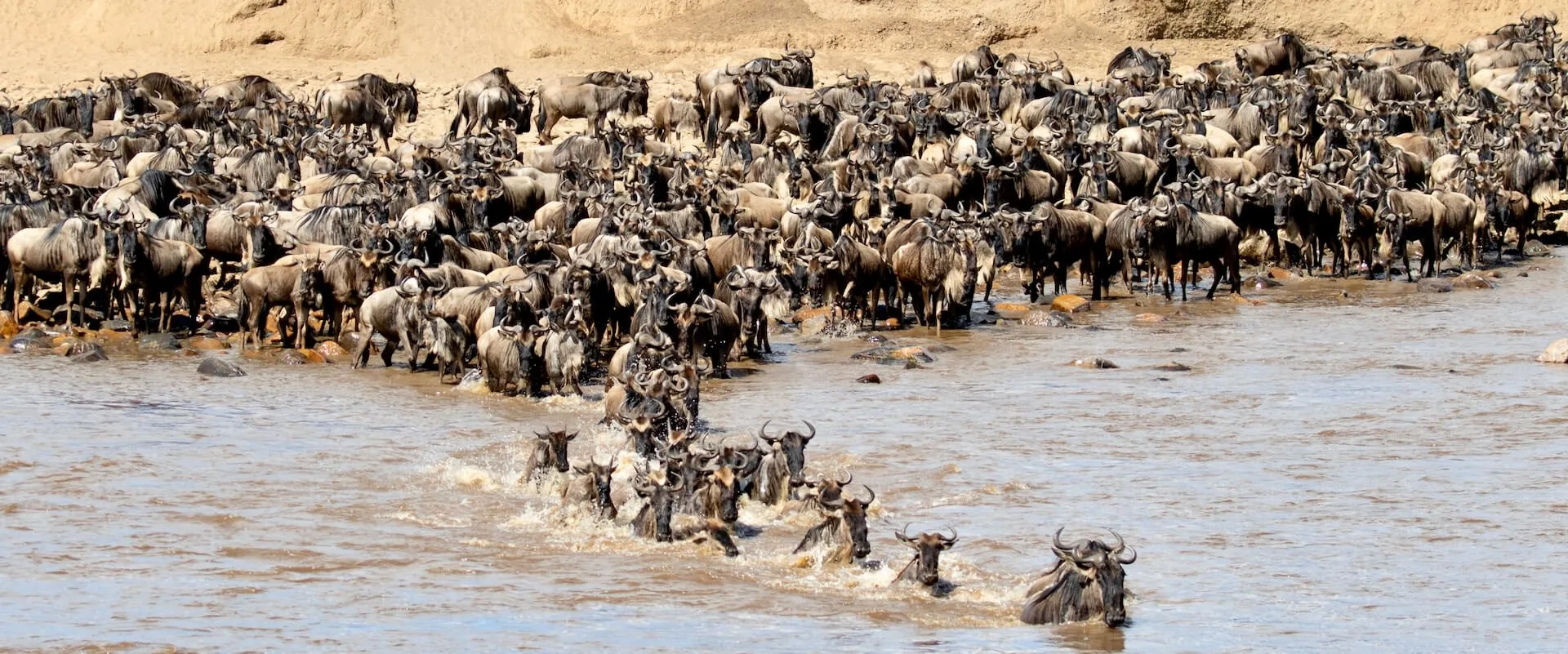
The Great Migration in Africa happens all year because the herds continuously circulate through the Serengeti–Mara ecosystem in…
Read article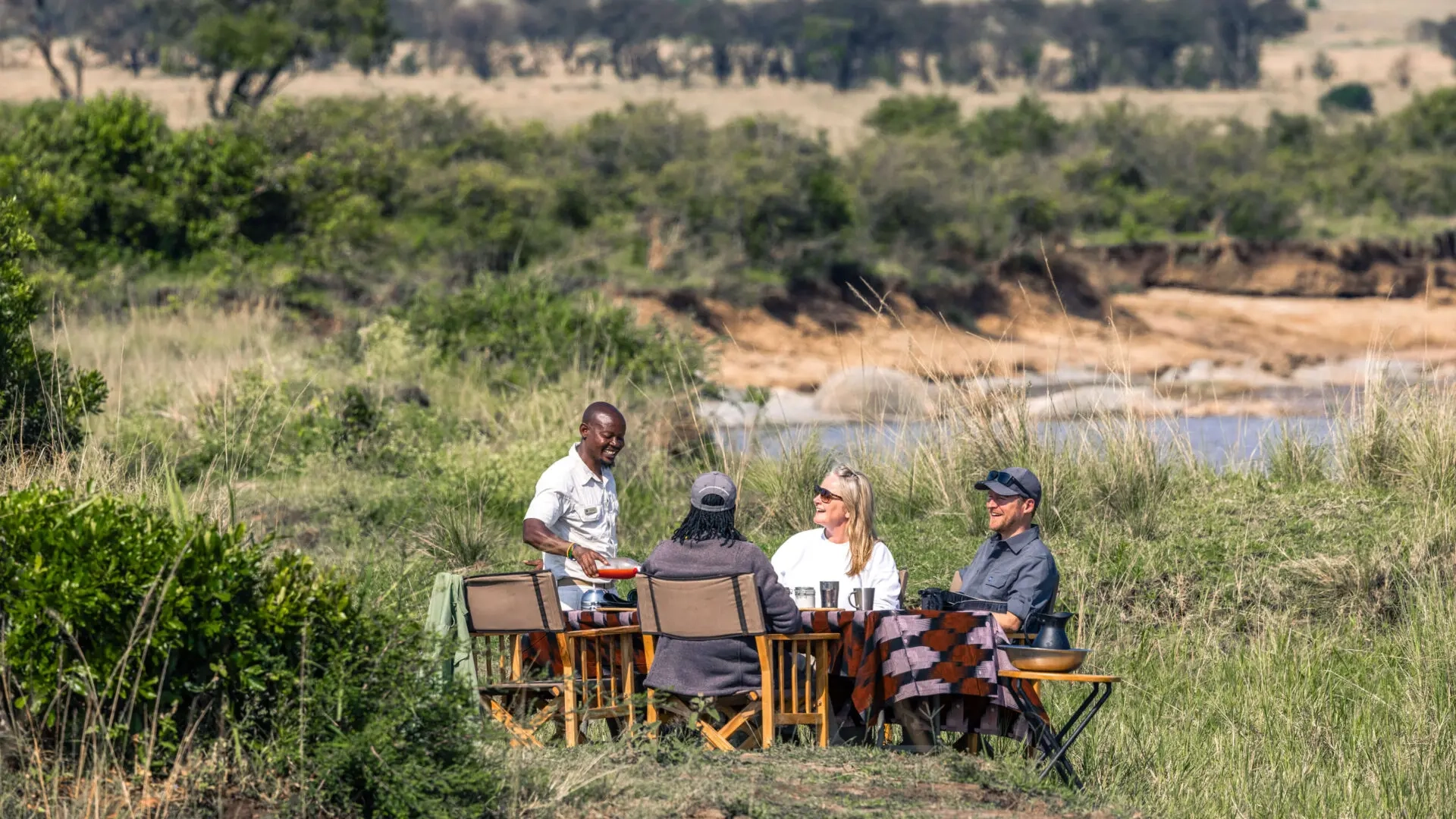
Definitive answer: A picnic lunch on safari is a packed or catered midday meal eaten at an approved…
Read article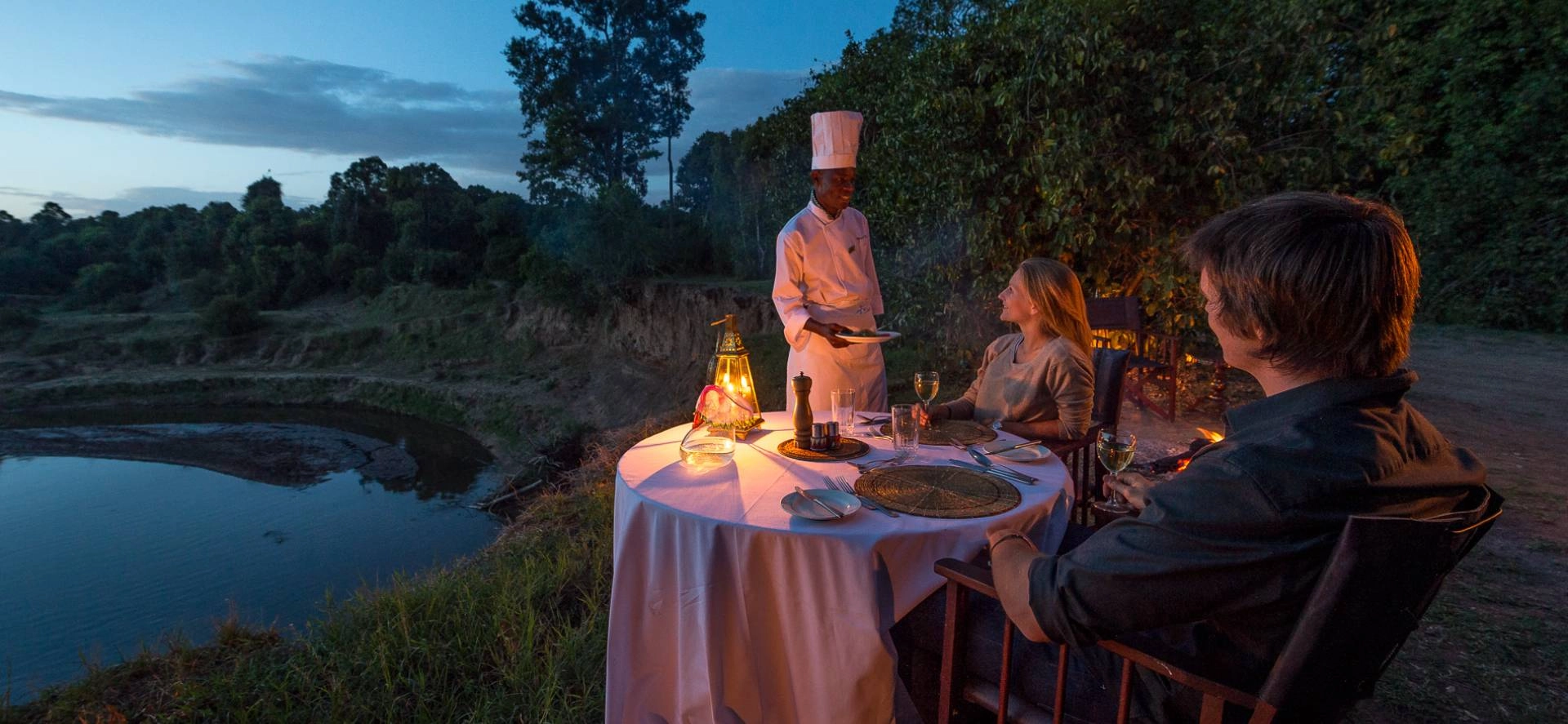
Definitive answer: A bush dinner is an outdoor evening meal arranged in a safe safari setting away from…
Read articleLet us take you closer to the wildlife, people and places that make Africa extraordinary.
Plan Your Safari Today