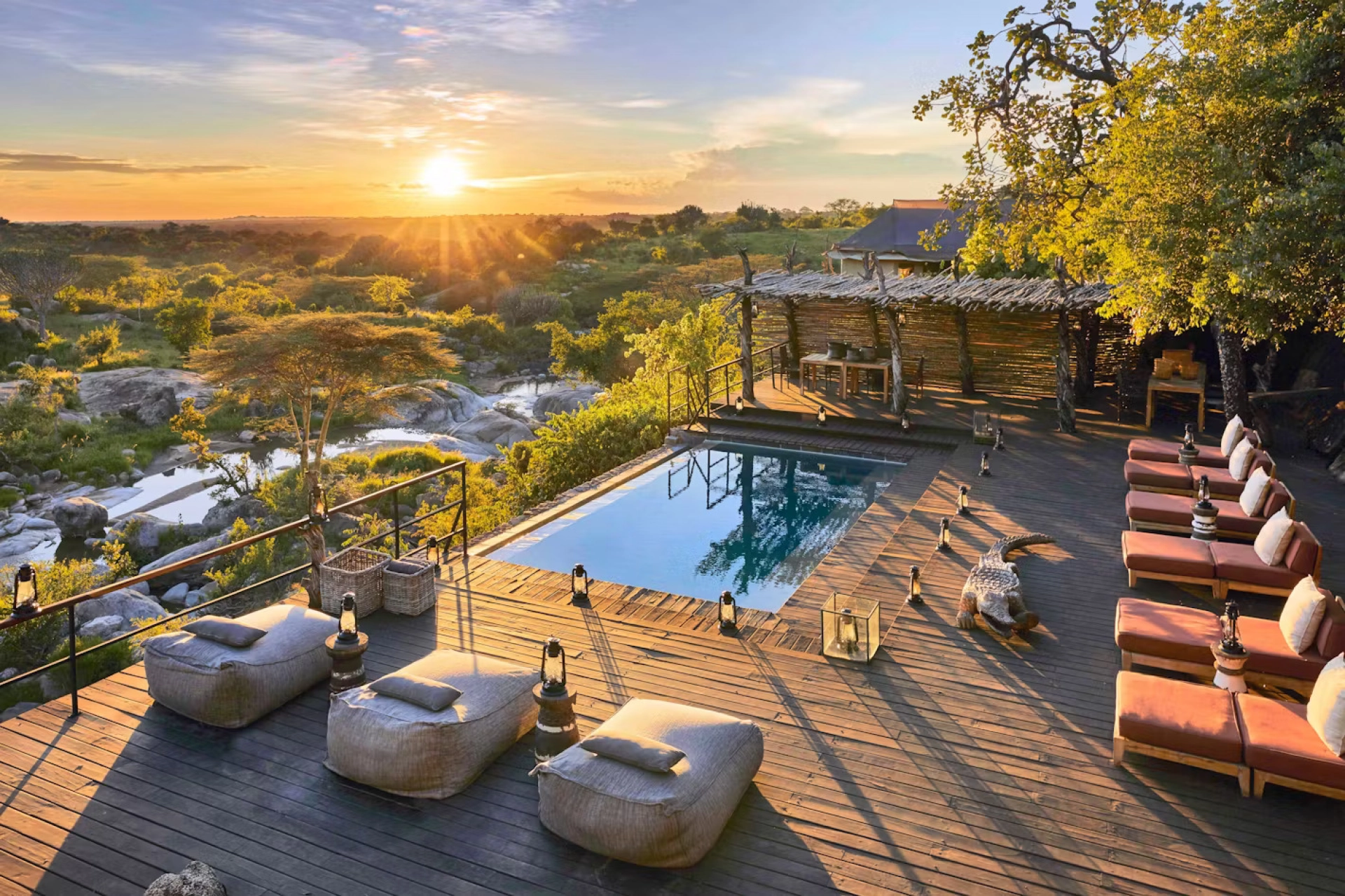
What should I look for when booking a luxury African safari?
When booking a luxury African safari, look beyond the room and compare the quality of guiding, wildlife location,…
Read article

Travel Guide
Most travellers first encounter Rwanda through photographs of mountain gorillas. A silverback sits against dense green vegetation. Mist hangs over the slopes of the Virunga volcanoes. A trekking group follows a ranger into the forest. These…
Most travellers first encounter Rwanda through photographs of mountain gorillas. A silverback sits against dense green vegetation. Mist hangs over the slopes of the Virunga volcanoes. A trekking group follows a ranger into the forest. These images have become so strongly associated with Rwanda tourism that it is easy to think of the country primarily as a gorilla destination. Yet anyone who travels through Rwanda rather than simply flying in for a single trek quickly discovers that Rwanda culture and people are as important to understanding the country as its famous wildlife.
The landscapes themselves tell part of the story. Terraced farms climb steep hillsides. Cattle graze in valleys and on highland pastures. Villages spread across ridges. Markets fill with bananas, beans, cassava, vegetables, textiles and household goods. Kigali combines contemporary architecture with neighbourhoods where everyday life still revolves around family, commerce and community. Music accompanies celebrations, dance communicates history, baskets carry symbolic meaning, and cattle remain deeply connected with ideas of beauty, prosperity and social identity.
A cultural Rwanda safari therefore should not be treated as a collection of short performances inserted between wildlife activities. The richest experiences come from understanding how Rwanda’s traditions developed, how they survived periods of extraordinary historical disruption, and how contemporary Rwandans reinterpret them today. This matters especially for travellers coming for gorilla trekking in Rwanda. The mountain gorillas are protected within landscapes surrounded by human communities. Conservation cannot be understood independently from those communities. The lodges, porters, guides, farmers, artisans, cultural performers and families encountered around Volcanoes National Park are all part of the wider tourism ecosystem.
A memorable Rwanda safari is therefore not only about what you see in the forest. It is also about the people you meet outside it.
Rwanda is geographically small, but its cultural identity is remarkably cohesive. Kinyarwanda is spoken across the country and forms an important foundation of national cultural life. English and French are also widely encountered in education, tourism, business and government contexts, while Kiswahili has an important regional role. For visitors, this linguistic cohesion contributes to a strong sense of national identity. Yet Rwanda is not culturally static. Contemporary Kigali is modern, entrepreneurial and increasingly international. Young Rwandans engage with global music, fashion, technology and business while traditional dance, crafts, storytelling, ceremonies and agricultural practices remain visible.
This relationship between continuity and change is one of the most interesting aspects of Rwandan culture. The country a traveller sees today is not a museum preserving a frozen version of the past. It is a living society deciding which traditions to protect, which to reinterpret and how to integrate them with modern life.
Safari travel sometimes creates an artificial division between “nature” and “culture.” One day is labelled wildlife. The next is labelled community. But in Rwanda, the two are deeply connected. The forests protecting mountain gorillas are surrounded by densely populated agricultural landscapes. National parks exist beside communities whose livelihoods have historically depended on the same land and natural resources. A traveller who spends an hour with gorillas but learns nothing about the communities around Volcanoes National Park has seen something extraordinary but has understood only part of the conservation story.
Similarly, visiting Akagera National Park without appreciating the cattle traditions and rural livelihoods of eastern Rwanda misses an important cultural dimension of that landscape. The best Rwanda cultural tours therefore add context to wildlife rather than competing with it.
One of the most visually powerful introductions to traditional Rwandan culture is Intore dance. For many visitors, the first impression is energy. Dancers move with remarkable precision. Drums create an insistent rhythm. Men may perform movements associated with strength, courage and warrior traditions, while female dancers create elegant flowing gestures with carefully controlled arms and posture. The performance is beautiful, but reducing Intore to entertainment misses much of its meaning.
Historically, Intore traditions were associated with the royal court and with ideals of discipline, bravery, excellence and social responsibility. The term is commonly connected with the idea of those who were selected or distinguished. Dance, poetry, music and physical training formed part of a broader cultural system through which values and identity could be expressed. Today, Intore performance appears in cultural centres, ceremonies, festivals and tourism experiences. For visitors, it creates an accessible entry point into Rwandan history.
But the most rewarding way to watch is not simply to photograph the costumes. Ask what the movements represent. Listen to the drums. Observe how dancers interact. Learn about the context in which different performances developed. A cultural experience becomes far richer when performance is treated as communication rather than spectacle.
Drums occupy a significant place in Rwanda cultural heritage. Historically, royal drums carried political and ceremonial meaning. Drumming was associated with authority, public events and communication, while today it remains an important feature of performance and celebration. A live drumming performance has a physical quality that is difficult to understand from video. The rhythm is not merely background music. It organises the performance. When several drummers play together, changes in pace and intensity shape how dancers move and how the audience experiences the performance.
Travellers interested in African music and dance traditions should therefore resist the temptation to treat drumming as a brief photo opportunity. It is worth observing the coordination and listening to how rhythm structures the entire event.
Traditional women’s performances often create a striking contrast with more forceful warrior-associated choreography. Movement may appear softer and more flowing, but it requires exceptional control. Arms trace deliberate shapes through the air. Posture, hand movements and synchronisation become central to the visual language. Costumes can accentuate movement and create a sense of continuity between individual performers. For travellers interested in Rwanda traditional dance, seeing different performance styles helps reveal how gender, history, ceremony and aesthetics interact within the broader tradition.
Cultural performances can be incorporated around Kigali, Volcanoes National Park, community-tourism projects and selected lodges. The best experience is one where visitors receive interpretation rather than watching an unexplained performance. A knowledgeable local host can explain what particular songs or dances represent and how the tradition fits into modern Rwanda. This transforms the experience from passive viewing into cultural learning.
To understand Rwanda’s cultural history, it is important to understand cattle. Cattle have historically represented far more than food or agricultural assets. They have been associated with prestige, wealth, relationships, ceremony and social identity. Among the most visually distinctive are Inyambo cattle, known for their extraordinarily long horns and their connection with Rwanda’s royal traditions. Seeing these animals helps travellers understand why cattle imagery appears so frequently in discussions of Rwandan heritage. Their importance is not simply biological. They are cultural symbols.
Inyambo cattle are closely associated with Rwanda’s historical monarchy. Traditionally selected and trained animals could participate in royal ceremonies and processions. Their appearance—particularly their sweeping horns—made them visually impressive, but their value came equally from the care, training and cultural meaning attached to them. Special keepers developed relationships with the cattle, and traditions surrounding songs, praise and husbandry reflected the importance of livestock within the wider social world.
For a traveller, encountering Inyambo cattle offers a way to move beyond simplified wildlife tourism. These are domesticated animals, yet the cultural story surrounding them can be as fascinating as the wild species encountered inside national parks.
One of the most important places for travellers interested in Rwanda royal history is the King’s Palace area in Nyanza. The site helps visitors explore Rwanda’s pre-colonial monarchy and traditional architecture. A reconstructed royal residence illustrates building techniques and spatial organisation associated with the historical court, while the famous long-horned cattle provide a living connection with royal traditions. The experience is particularly valuable because it challenges the idea that Rwanda’s history begins with the twentieth century. The country’s political, social and cultural systems developed over centuries. Understanding that deeper history makes later colonial and post-colonial events easier to place in context.
Historic Rwandan architecture used locally available materials and reflected social organisation as well as climate.
Traditional royal structures could feature beautifully organised interiors and distinctive woven construction. For modern travellers accustomed to concrete, glass and steel, the buildings demonstrate the sophistication possible with organic materials. Architecture also provides insight into everyday questions: how spaces were divided, where guests were received, how families lived and how status could be expressed.
Cattle remain important in contemporary rural life, although Rwanda has changed enormously. Livestock contributes to household livelihoods, agriculture and food production. Milk remains culturally and economically significant. For travellers driving through rural Rwanda, cattle are therefore not simply picturesque elements in the landscape. They are part of an ongoing relationship between people, agriculture and land. Understanding this creates a more meaningful view of the countryside seen between safari destinations.
Among Rwanda’s most distinctive visual traditions is Imigongo art. The geometric designs are immediately recognisable. Strong repeated patterns create compositions that can appear remarkably contemporary, even though the tradition has deep roots. Historically associated with southeastern Rwanda, Imigongo has become one of the country’s most recognisable artistic expressions. Its story is especially compelling because it demonstrates how local materials can be transformed into sophisticated decorative art.
Traditional Imigongo artwork is created using cow dung mixed and shaped into raised geometric patterns before drying and finishing. To someone encountering the technique for the first time, the raw material may sound surprising. But this is precisely what makes the tradition so interesting. Materials that are ordinary within an agricultural environment become the foundation for elaborate visual design. The process reflects creativity, resourcefulness and the close relationship between artistic practice and rural life. Modern artists have expanded the tradition in many directions, experimenting with new compositions while retaining its characteristic geometric language.
Imigongo is more than a souvenir style. It is an example of how cultural traditions survive by adapting. If an artistic practice remains completely unchanged and disconnected from contemporary life, it can gradually become something performed only for outsiders. When artists reinterpret traditional techniques and find new markets, the practice remains economically and creatively relevant. For travellers, buying authentic locally produced Rwandan crafts can therefore contribute directly to artisans rather than merely providing a decorative object to take home.
Basket weaving is another important part of traditional crafts in Rwanda. The famous tightly woven baskets often feature intricate geometric patterns. Some have become widely associated with reconciliation, peace and post-conflict national identity, although basket-making traditions themselves extend much further back. Visitors will encounter baskets in markets, craft shops, cultural centres and homes. Look closely at the workmanship. A high-quality basket represents many hours of skilled labour. The apparent simplicity of the finished object hides extraordinary precision.
The Agaseke basket, with its distinctive fitted lid and elegant form, is among Rwanda’s best-known craft traditions. Historically, baskets were practical household objects and could be used for storing or presenting items. In modern Rwanda, they have also become powerful symbols of cultural identity and craftsmanship. For travellers interested in responsible souvenir shopping in Rwanda, purchasing directly from artisan groups or recognised cooperatives can help ensure more of the value reaches the maker.
Many craft initiatives involve women’s cooperatives. This matters because tourism spending can create economic opportunities beyond hotels and national parks. A visitor who participates in a weaving workshop or purchases directly from a community group contributes to a different part of the tourism economy from someone buying an imported souvenir at an airport shop. This is one reason community-based tourism in Rwanda can be valuable when designed respectfully. The objective should not be to turn people’s everyday lives into performances. It should be to create voluntary economic exchanges in which communities decide how their culture is presented.
Coffee provides another excellent way to experience contemporary Rwanda. The country’s highland climate supports coffee production, and visits to farms or washing stations can introduce travellers to the process behind a product they may consume every morning without much thought. A good Rwanda coffee tour follows the journey from plant to cup. Visitors can learn about growing, harvesting, sorting, washing, drying, roasting and preparation. More importantly, they can meet people involved in the industry and understand how international commodity markets connect with small-scale farming.
Coffee experiences work particularly well because they are both cultural and economic. They are not staged historical recreations. They involve an industry that remains part of modern Rwanda. For travellers moving between Kigali, Lake Kivu and other destinations, a carefully selected coffee experience can provide a welcome contrast to national-park activities.
Tea is another major feature of Rwanda’s highland agricultural landscape.
Around parts of western and southwestern Rwanda, green tea plantations create spectacular patterned hillsides. A tea experience can introduce visitors to cultivation, harvesting and processing while providing insight into rural employment and agricultural exports. Travellers heading toward Nyungwe National Park may encounter extensive tea-growing landscapes. Combining a forest safari with agricultural experiences creates a more rounded understanding of the region.
Food is one of the easiest ways to encounter culture naturally. Traditional meals commonly make use of ingredients such as: beans, bananas, cassava, sweet potatoes, maize and vegetables. Meat may be eaten depending on household, occasion and location, while milk has important cultural associations. Instead of approaching Rwandan food as a checklist of dishes to photograph, travellers should pay attention to how meals are prepared, shared and connected to agriculture. The ingredients tell a story about climate, land and everyday life.
Isombe is commonly prepared from cassava leaves, which are processed and cooked into a rich dish. Recipes vary. It may be combined with other ingredients to create a substantial accompaniment. For visitors accustomed only to eating cassava root, the use of leaves can be particularly interesting. Trying local dishes through a reputable restaurant or hosted culinary experience is one of the simplest ways to expand a Rwanda cultural safari beyond museums and performances.
Maize-based staples are common across East Africa, though names and preparation traditions vary. In Rwanda, similar staple foods may accompany beans, vegetables, meat or sauces. The significance is not that one dish is uniquely Rwandan in isolation. Food cultures cross modern borders. What matters is understanding how ingredients are used within local households and how agricultural traditions shape everyday meals.
Visitors travelling through Kigali will quickly encounter brochettes—grilled skewers commonly served in restaurants and casual dining environments. They represent the more informal side of Rwanda’s food scene. Contemporary Kigali dining combines traditional ingredients with East African, continental and international influences. This is another reminder that Rwanda culture today is dynamic rather than frozen in the past.
Traditional fermented drinks have long existed in many East African societies, including Rwanda. Where cultural experiences include demonstrations or tastings, travellers can learn about the social role of local beverages and the methods used to produce them. The important element is context. A drink becomes culturally interesting when visitors understand when it was traditionally consumed, how it was made and what role it played in gatherings or ceremonies.
One aspect of modern Rwanda that frequently interests visitors is Umuganda, the national community-work tradition. The concept reflects collective participation in activities intended to benefit the wider community. Visitors may notice that certain businesses or activities operate differently during Umuganda periods. For travellers, the importance is not simply that “people clean the streets.” The broader idea concerns collective responsibility and participation. It provides insight into how modern Rwanda presents concepts of citizenship and community obligation.
Kigali is frequently praised by travellers for its cleanliness. That reputation is linked to policy, civic expectations and community practices rather than occurring automatically. Visitors should contribute by respecting local environmental norms. Do not litter. Reduce unnecessary plastic. Use designated disposal systems. Follow national-park rules. A traveller who admires Rwanda’s cleanliness while leaving waste behind has misunderstood the cultural lesson entirely.
No responsible discussion of Rwanda culture and people can ignore the 1994 genocide against the Tutsi. But Rwanda’s culture should also never be reduced exclusively to genocide history. Both principles are important. The genocide is fundamental to understanding contemporary Rwanda, national memory and many aspects of modern political and social life. At the same time, Rwanda has centuries of history, artistic traditions, agricultural practices, oral culture, royal institutions and social systems that existed long before 1994. A thoughtful cultural itinerary should make space for both.
The Kigali Genocide Memorial is one of the most important places for visitors seeking to understand Rwanda’s recent history. A visit can be emotionally difficult. It should be approached with seriousness rather than as a routine sightseeing stop. Allow enough time. Read the exhibits. Listen. Avoid rushing through simply because another activity is scheduled. Understanding what happened in 1994 provides essential context for many conversations about modern Rwanda.
Memorial sites are places of mourning and remembrance. Dress and behave respectfully. Follow photography rules. Keep conversations quiet. Avoid posing for inappropriate photographs. Remember that for many Rwandans, the events being interpreted are not distant history. Survivors and families of victims are part of contemporary society. Cultural sensitivity requires recognising that reality.
Travellers interested in deeper history should explore Rwanda’s pre-colonial political and social structures.
The historical monarchy, royal court, cattle traditions, oral history and systems of social organisation demonstrate that Rwanda possessed complex institutions long before European colonial intervention. This deeper perspective prevents visitors from seeing African history only through the period of colonisation and conflict. It also makes destinations connected with Rwanda’s royal heritage significantly more meaningful.
German and later Belgian colonial rule changed political institutions and social relationships in ways that had profound long-term consequences. A detailed history is beyond the scope of a safari guide, but visitors should understand that colonial administrations did not simply govern an unchanged society. They categorised, reorganised and manipulated existing structures. Learning about this history helps travellers understand why simplified explanations of Rwanda’s twentieth-century conflicts can be misleading.
Learning a few words of Kinyarwanda can enrich interactions. You do not need to become fluent. The simple act of greeting someone in the local language demonstrates interest and respect. Guides are usually delighted when visitors make an effort. Language is one of the easiest forms of cultural engagement because it immediately changes an interaction from purely transactional to more personal.
Kigali is an important cultural destination in its own right. The city contains: art galleries, cafés, fashion designers, music venues, restaurants, craft markets, creative businesses, and contemporary architecture. A traveller who sees only the airport and a hotel misses much of modern Rwanda. Spend time exploring the city. The contrast between traditional heritage and contemporary urban culture is precisely what makes Kigali interesting.
Modern Rwandan artists work across painting, sculpture, photography, fashion and mixed media. Some draw directly on traditional patterns such as Imigongo. Others address urban life, memory, identity, environment or entirely personal themes. Visiting galleries allows travellers to encounter Rwandan culture through the eyes of contemporary creators rather than viewing culture exclusively through historical exhibits. This is particularly worthwhile for repeat safari visitors who have already completed the major wildlife experiences.
Markets reveal everyday life in a way that formal tourist attractions cannot. A busy market may contain: fresh produce, beans, fruit, clothing, household goods, fabrics, spices, baskets, and countless ordinary items. The purpose of visiting should not be to treat shoppers and vendors as exotic subjects. Walk respectfully. Ask before photographing people. Purchase something where appropriate. A market is a workplace, not a staged cultural attraction.
Kimironko Market in Kigali is often visited by travellers interested in local commerce and daily life. It can provide a colourful introduction to food, fabrics and household shopping. Going with a local guide can make the experience more meaningful because the guide can explain ingredients, bargaining customs and the role of different products. This turns an ordinary market visit into a genuine Kigali cultural experience.
The region around Volcanoes National Park is one of the best places to combine wildlife and culture. Most visitors arrive for Rwanda gorilla trekking, but the surrounding communities provide opportunities for cultural interpretation, craft visits, food experiences, dance and community tourism. Adding one of these activities before or after gorilla trekking changes the narrative of the trip. The visitor begins to understand that gorilla conservation exists within a human landscape.
Community tourism projects around the Volcanoes region can demonstrate how livelihoods once associated with forest-resource use can become connected with conservation and tourism. This transition is an important part of the broader mountain gorilla conservation story. When tourism creates jobs through guiding, performance, craft production and hospitality, wildlife can become an economic asset to surrounding communities. The relationship is complex, but responsible tourism can strengthen it.
A national park cannot succeed indefinitely if surrounding communities receive only restrictions while visitors and distant businesses receive all the economic benefits. This is particularly important in a densely populated country such as Rwanda. People living around protected areas need livelihoods. They need access to education, markets and economic opportunity. Tourism can contribute by creating employment and supporting local enterprises. This is why gorilla conservation and community tourism should be discussed together rather than as unrelated topics.
Eastern Rwanda offers a different cultural landscape from the highlands around Volcanoes.
Cattle traditions, agriculture and rural livelihoods become especially relevant. Travellers who combine Akagera National Park safaris with cultural experiences can better understand the human history of the region. The park’s wildlife restoration story is itself connected to questions of land use, displacement, settlement and coexistence. A good safari guide can explain these relationships while travelling through the landscape.
The communities around Lake Kivu have livelihoods connected with agriculture, fishing, trade and tourism. Coffee experiences are particularly relevant in parts of western Rwanda. A longer Lake Kivu safari extension can therefore include more than relaxation beside the water. Travellers can explore farming landscapes, visit community projects, walk sections of scenic routes and learn about local economic life.
The southwestern highlands around Nyungwe National Park provide opportunities to understand tea production, rural agriculture and forest-edge communities. For travellers coming primarily for chimpanzee trekking in Rwanda, adding an agricultural or community experience can make the long journey to Nyungwe far more rewarding. Instead of seeing the countryside merely through a vehicle window, visitors gain context for the landscapes they cross.
Not every activity labelled “cultural” is automatically responsible. Good cultural tourism should respect dignity and agency. Communities should have meaningful control over how they are represented. People should be compensated fairly. Children should not be encouraged to beg or perform simply because tourists arrive. Visitors should ask before photographing individuals. And cultural practices should not be distorted merely to satisfy stereotypes about what tourists expect Africa to look like.
There is an important difference between learning about community life and treating poverty as an attraction. A responsible Rwanda community tour should focus on exchange, education, culture, livelihoods and local enterprise. Visitors should not photograph vulnerable people without consent or distribute money randomly in ways that encourage dependency or create conflict. If you want to support a project, ask your guide about established organisations or community initiatives.
Buying directly from artisans can be one of the easiest ways to make tourism spending more inclusive. Look for authentic Rwandan baskets, Imigongo art, textiles, carvings and locally designed products. Ask where the item was made. Learn about the artist. A souvenir becomes far more meaningful when you understand the person and tradition behind it.
Rwanda is highly photogenic. But the presence of a camera does not remove someone’s right to privacy. Ask before photographing people closely. This is particularly important with children. Do not assume that because someone is wearing traditional clothing during a cultural activity, they have agreed to every possible type of photography. Listen to your host or guide.
There is no need for safari travellers to wear formal clothing during most community experiences, but modest and respectful dress is sensible. Clothing that works for a lodge may not always be appropriate at a memorial, church or formal cultural site. Your guide can advise when specific expectations apply. Respect is more important than attempting to imitate local dress.
Random gift distribution is generally not the best approach. Giving sweets, pens or cash directly to children can un
Cultural activities can be particularly valuable on a Rwanda family safari. Children who are too young for gorilla trekking can still participate in craft workshops, dance experiences, farm visits and age-appropriate city activities. This makes culture an important part of designing family itineraries. Rather than leaving younger children with nothing to do while adults trek, a good safari programme can provide meaningful alternative experiences.
Cultural tourism also works beautifully within a Rwanda honeymoon safari.
Couples can combine gorilla trekking with coffee tastings, art experiences, scenic countryside visits and intimate cultural activities. These experiences provide a slower pace between demanding trekking days. They also create memories that are different from wildlife photography.
A short itinerary can still incorporate meaningful cultural experiences. The first day might begin in Kigali with historical interpretation before transferring toward Volcanoes National Park. The second day can focus on mountain gorilla trekking. The third can include a community or cultural activity before returning to Kigali. The key is not to pack five superficial experiences into one morning. Choose one or two strong activities and allow enough time to engage properly.
With five days, travellers can combine Kigali, Volcanoes National Park and Akagera. This creates a balanced journey involving modern urban culture, gorilla trekking, community experiences and traditional savanna wildlife. A well-paced itinerary might spend time understanding Kigali before heading north, then move east for Akagera wildlife safaris. The diversity is remarkable for such a geographically compact country.
Seven days provides enough time to move beyond highlights. Travellers can include: Kigali, Volcanoes, rural cultural experiences, Akagera, and carefully selected community activities. Alternatively, the itinerary can extend toward Lake Kivu. The additional time allows conversations and encounters to happen naturally rather than treating culture as something squeezed into the 45 minutes before hotel check-in.
Rwanda combines naturally with Uganda. A traveller might begin with Kigali’s cultural and historical attractions, travel north toward Volcanoes, then cross into Uganda for Bwindi gorilla trekking. From there, the itinerary can continue through Queen Elizabeth National Park, Kibale National Park and other destinations. This creates a fascinating cross-border journey through different cultures, ecosystems and wildlife experiences.
Comparisons should be made carefully. Neither country has one uniform “culture.” Uganda contains exceptional linguistic and cultural diversity across numerous communities, kingdoms and regions. Rwanda has a stronger nationwide linguistic cohesion around Kinyarwanda while still containing considerable regional and historical variation. Travelling through both countries reveals how political borders sit within a much larger East African cultural landscape.
For many visitors, this is the ideal combination. Spend the morning tracking mountain gorillas in Volcanoes National Park, then use another day to learn about the people living around the same landscape. The wildlife encounter creates emotional impact. The cultural experience creates context. Together they provide a much deeper understanding of Rwanda than either can offer alone.
The mountain gorilla will probably remain Rwanda’s most internationally recognised tourism symbol. That is understandable. Few experiences compare with sitting quietly in the vegetation of Volcanoes National Park while a wild silverback rests only a short distance away. But the danger of allowing one extraordinary animal to dominate the entire tourism narrative is that travellers can leave Rwanda having seen the country’s most famous wildlife while barely understanding its people.
Rwanda becomes much more interesting when you look beyond the gorillas. The long horns of Inyambo cattle connect modern visitors with royal history. The rhythm of Intore dance carries ideas of discipline, strength and cultural memory. The geometric precision of Imigongo art demonstrates how rural materials can become sophisticated artistic expression. Basket weaving reveals extraordinary craftsmanship. Coffee connects small farms with international markets. Tea plantations show how agriculture shapes highland landscapes.
Markets reveal everyday commerce. Kigali’s galleries demonstrate how young artists reinterpret identity. Memorials confront visitors with one of the darkest periods in modern African history. And community tourism around protected areas helps explain why the future of wildlife depends partly on whether conservation creates opportunities for the people living beside it. This is why a Rwanda cultural safari should never be an afterthought. It belongs beside Rwanda gorilla trekking, Akagera National Park safaris, Nyungwe chimpanzee trekking, golden monkey trekking, Lake Kivu holidays and Kigali city tours as one of the country’s central travel experiences.
Travellers often ask which cultural activity is “the best.” There is no universal answer. A spectacular dance performance may be the highlight for one visitor. Another may remember sitting with a coffee farmer. Someone else may be fascinated by royal history. An artist may spend hours studying Imigongo patterns. A family may value a weaving workshop because their children can participate. The common element is interaction. Culture becomes memorable when there is enough time to ask questions.
Who taught you this skill? What does this pattern mean? When is this song normally performed? How has farming changed? Do young people still practise this tradition? What has tourism changed here? Those questions transform a cultural activity from something consumed into something understood.
This is especially important on a gorilla safari in Rwanda. The mountain gorillas do not exist in an empty wilderness. Their habitat is surrounded by human communities. People need farmland. Families need employment. Young people need opportunities. Protected areas require local support. Tourism therefore succeeds most sustainably when wildlife conservation and human development reinforce each other. Hiring local porters, purchasing local crafts, using community guides and participating in responsibly managed cultural tourism can spread the economic benefits of safari travel beyond national-park boundaries. That is not charity. It is part of building a tourism economy in which wildlife has value to the people who live closest to it.
A safari often begins with destinations. Kigali. Volcanoes. Akagera. Nyungwe. Lake Kivu. But when travellers return home, their strongest memories are frequently about people. A guide who explained the history behind a landscape. A porter who helped on a steep gorilla trail. A dancer whose performance communicated more than words could. An artisan who explained how a basket pattern was created. A farmer who showed how coffee cherries become the drink served at breakfast.
A conversation in a market. A shared meal. A Kinyarwanda greeting that produced an unexpected smile. These encounters are not extras attached to a Rwanda safari. They are part of Rwanda itself. For that reason, the best Rwanda safari itineraries create space for both wildlife and people. Trek mountain gorillas in Volcanoes National Park, but also learn about the communities surrounding their habitat. Search for lions and rhinos on an Akagera National Park safari, but also understand the cattle and agricultural traditions of eastern Rwanda. Trek chimpanzees around Nyungwe National Park, but notice the tea-growing landscapes and communities beyond the forest boundary.
Explore Kigali not merely as the airport city but as the centre of contemporary Rwandan art, food, history and culture. And when visiting cultural projects, approach them with curiosity rather than expectation. The goal is not to find a version of Rwanda that looks sufficiently “traditional” for a photograph. The goal is to understand a country where ancient cultural traditions, painful modern history, conservation, entrepreneurship, art, agriculture and rapid development exist together.
That is what makes Rwanda culture and people such an important part of the safari experience. Adventure in the Wild Safaris can incorporate carefully selected Rwanda cultural tours, Kigali city experiences, Rwanda gorilla trekking, Volcanoes National Park safaris, Akagera wildlife safaris, Nyungwe chimpanzee trekking, golden monkey trekking, Lake Kivu tours, Uganda and Rwanda combined safaris, Kigali to Bwindi gorilla safaris and longer East Africa cultural and wildlife safaris into one customised journey.
A Rwanda safari becomes far richer when the itinerary does not simply ask, “Which animals will we see?” It also asks: “Who are the people whose landscapes we are travelling through, and what can we learn from them?”
Get quick answers to the most common questions. If you still have questions, our safari experts are here to help.
Rwanda is known for Kinyarwanda language, traditional dance and drumming, royal history, cattle traditions, basket weaving, Imigongo art, oral traditions, agricultural heritage and strong contemporary cultural expression.
Intore dance is one of Rwanda’s best-known performance traditions and is associated historically with ideas of skill, discipline, bravery and royal culture.
Inyambo cattle are famous long-horned cattle closely associated with Rwanda’s historical royal traditions.
Imigongo is a distinctive Rwandan visual-art tradition using raised geometric patterns traditionally formed from cow dung and finished decoratively.
Nyanza is an important destination for exploring Rwanda royal history and traditional kingship.
Absolutely. Kigali contains memorial sites, galleries, markets, restaurants, creative spaces and contemporary cultural life.
Yes. The Volcanoes National Park region is one of the easiest places to combine gorilla trekking and community tourism.
Authentic baskets, locally produced art, textiles and craft products can make excellent souvenirs when purchased from reputable artisans or cooperatives.
Ask permission before taking close photographs of individuals, particularly children.
Explore local preparations using beans, cassava, bananas, vegetables and grilled foods, and consider a guided food experience if you want more cultural context.
Yes. Craft, dance, food and community experiences can be particularly useful for families with children who are below the minimum gorilla-trekking age.
At least half a day is better than a rushed 30-minute stop. Travellers with longer itineraries should integrate cultural experiences naturally throughout the safari.
Our safari experts are here to help you plan your safari. Get personalized advice, the latest information and a free, no-obligation quote.
We typically reply within a few hours.

Share This Article
When booking a luxury African safari, look beyond the room and compare the quality of guiding, wildlife location,…
Read article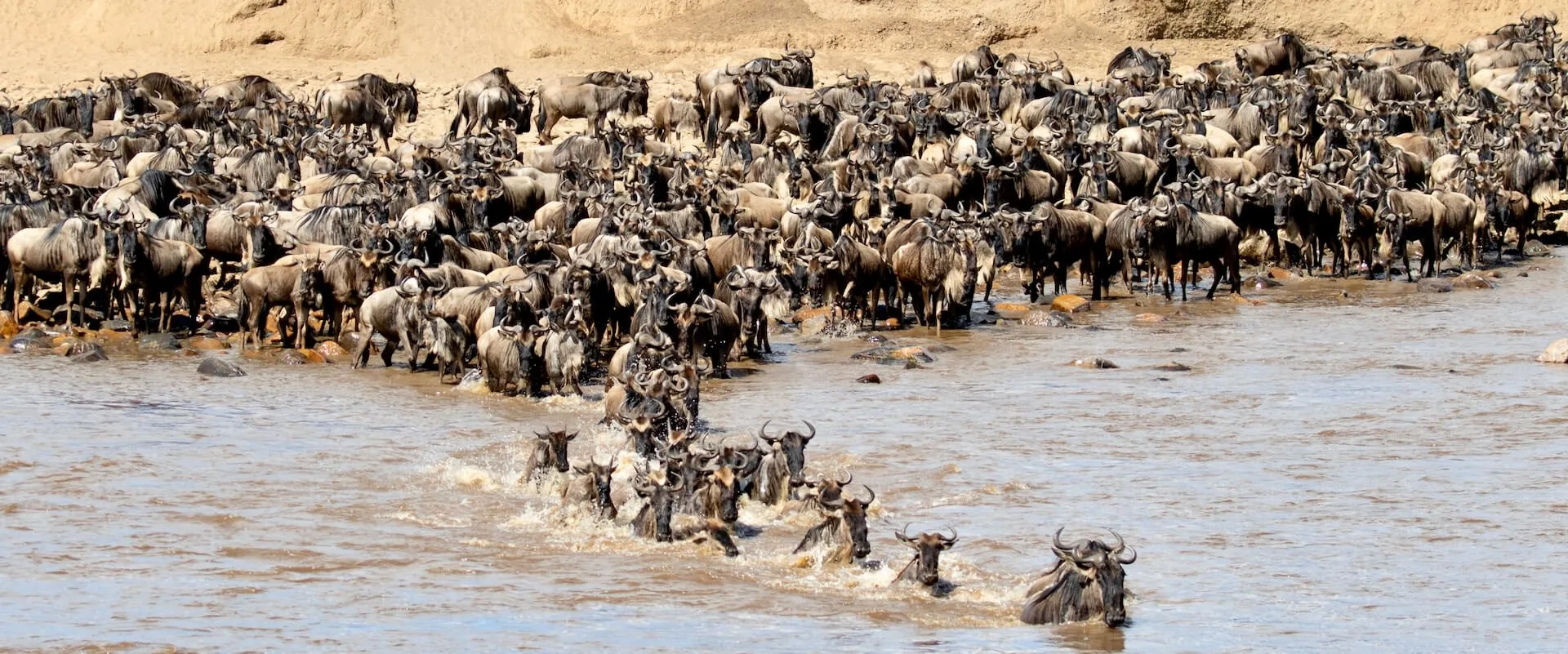
The Great Migration in Africa happens all year because the herds continuously circulate through the Serengeti–Mara ecosystem in…
Read article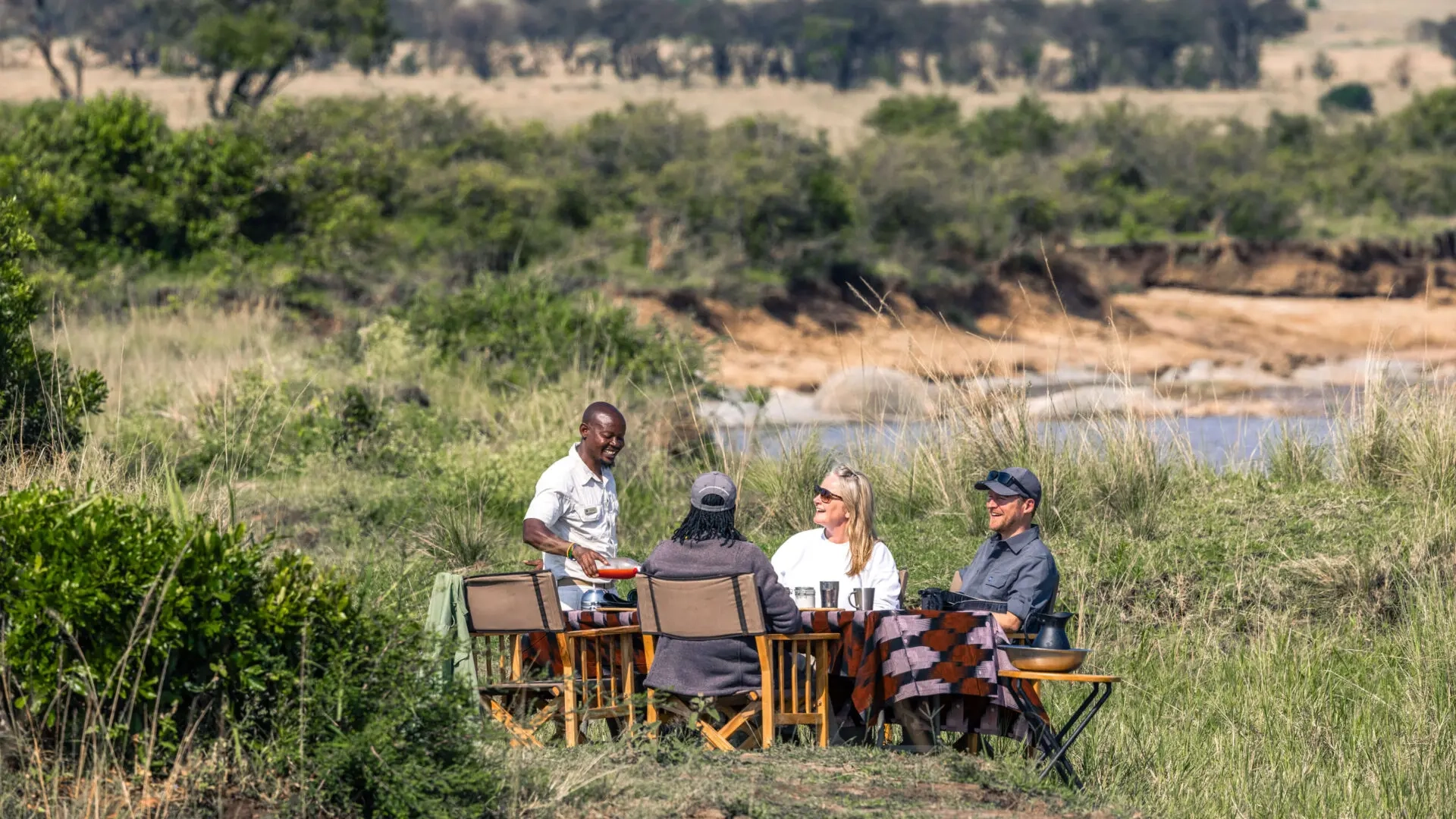
Definitive answer: A picnic lunch on safari is a packed or catered midday meal eaten at an approved…
Read article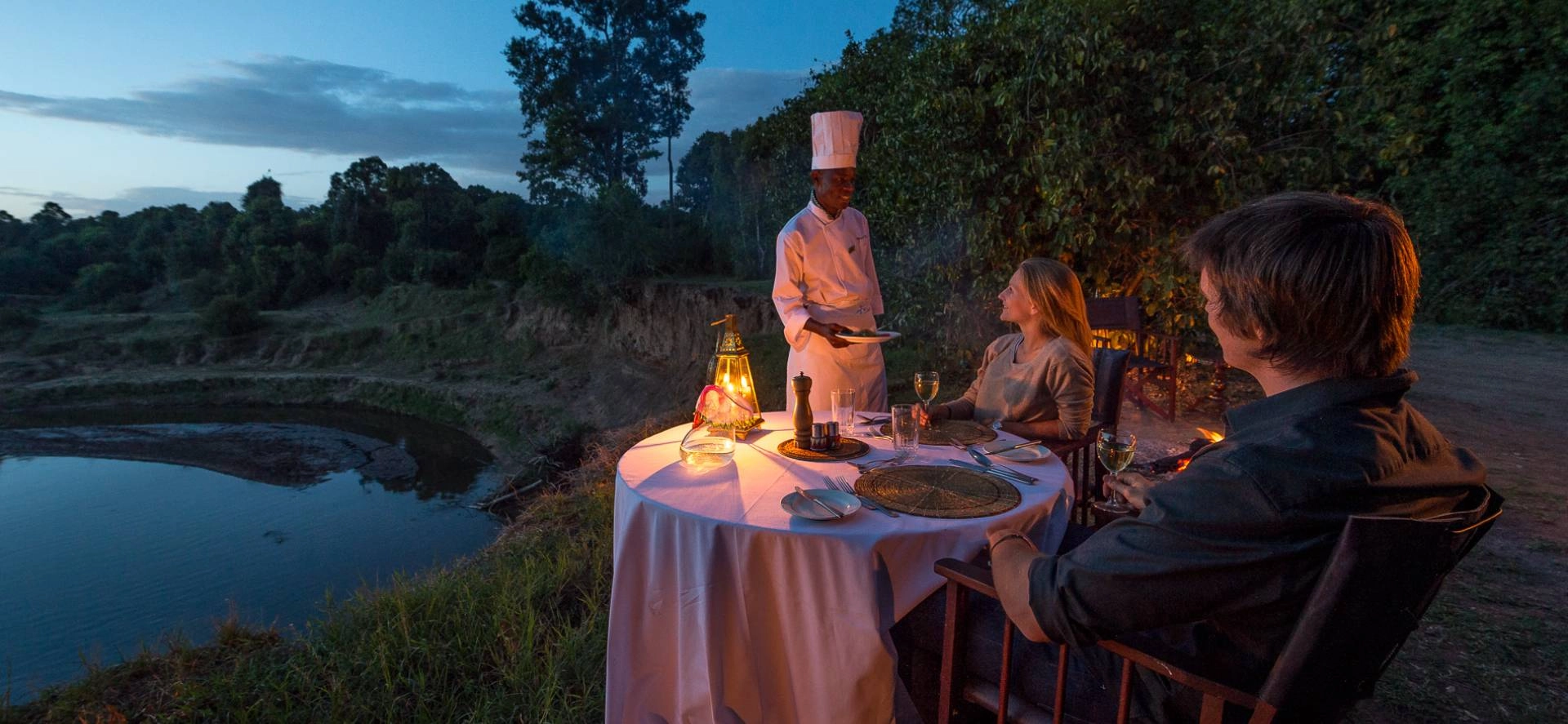
Definitive answer: A bush dinner is an outdoor evening meal arranged in a safe safari setting away from…
Read articleLet us take you closer to the wildlife, people and places that make Africa extraordinary.
Plan Your Safari Today