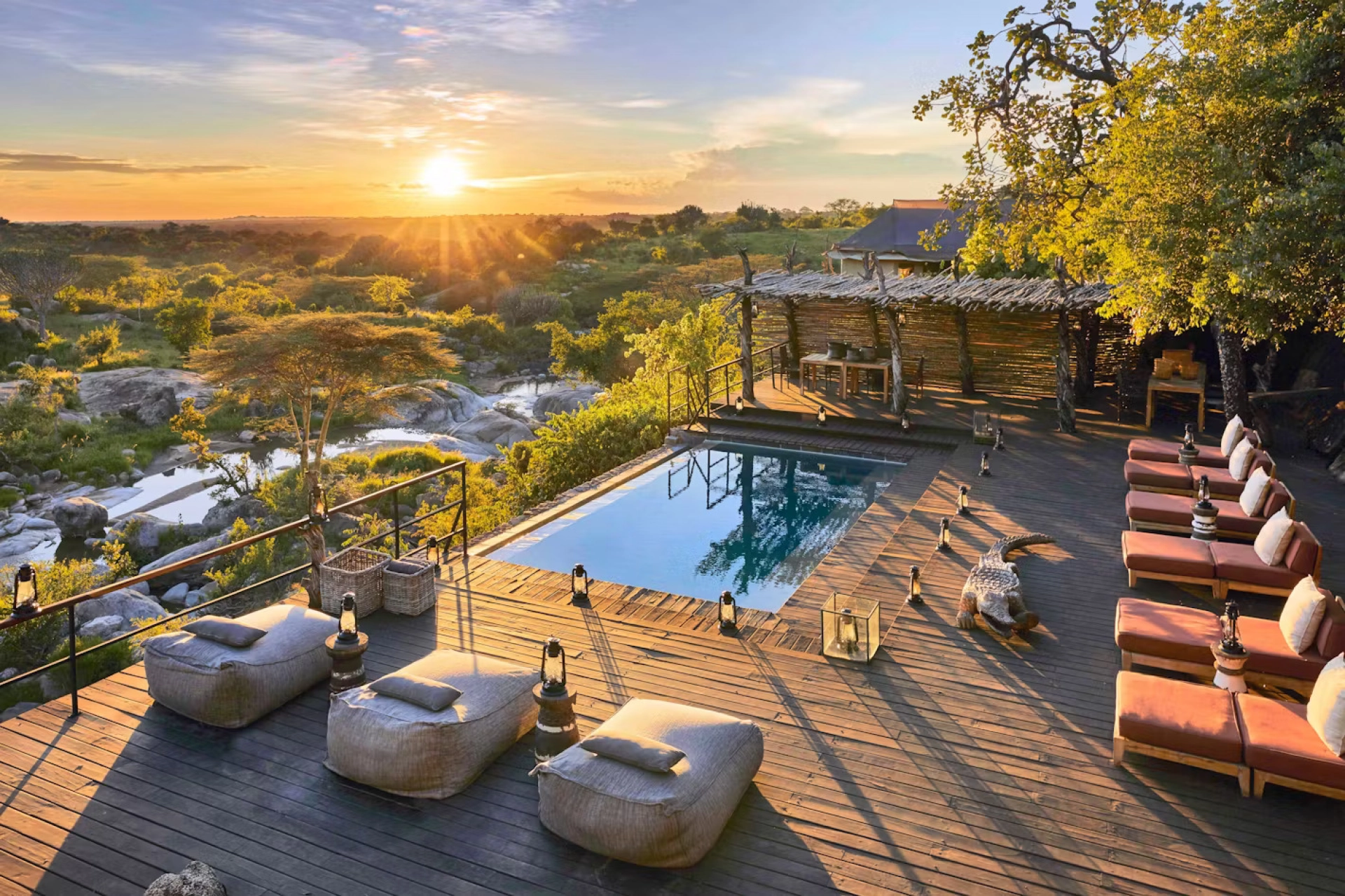
What should I look for when booking a luxury African safari?
When booking a luxury African safari, look beyond the room and compare the quality of guiding, wildlife location,…
Read article

Africa Travel Guide
The Rwanda gorilla permit cost is one of the first questions travelers ask when planning a mountain gorilla safari. The permit is a major component of the trip budget, but understanding the real cost of gorilla…
The Rwanda gorilla permit cost is one of the first questions travelers ask when planning a mountain gorilla safari. The permit is a major component of the trip budget, but understanding the real cost of gorilla trekking requires more than looking at a single headline price. Accommodation, private transport, the number of nights, porter services, international flights and any additional Rwanda safari activities all affect what you ultimately spend.
A Rwanda gorilla permit authorizes a visitor to participate in a regulated mountain gorilla trek in Volcanoes National Park on a specified date, subject to the current rules of Rwanda’s responsible tourism and conservation authorities. Permits are limited because gorilla tourism is deliberately controlled. Mountain gorillas are wild, highly protected primates, and visitor numbers must remain compatible with conservation.
Rwanda has historically positioned its gorilla trekking product at the premium end of East African tourism. That makes careful budgeting important. Yet permit cost alone does not determine whether Rwanda is more or less suitable than Uganda. Rwanda’s relatively short road journey between Kigali and Volcanoes National Park can reduce transfer time, while Uganda may offer a different permit price structure and a broader road-safari circuit involving Bwindi, Mgahinga, Queen Elizabeth and Kibale.
This guide explains Rwanda gorilla permit prices, what the permit covers, what it does not cover, how to book, when to reserve, cancellation considerations, total safari costs and how Rwanda compares with Uganda. Because permit fees and official policies can change, always verify the latest rate before making a non-refundable payment.
A Rwanda gorilla trekking permit is the official authorization required to join a mountain gorilla trek in Volcanoes National Park. It is not simply an entrance ticket. The permit is connected to a controlled tourism system involving park management, guides, trackers, conservation monitoring and regulated access to habituated gorilla families. Each permit is valid according to the date and conditions under which it is issued.
Travelers cannot normally treat a permit as an open-ended voucher to arrive whenever convenient.
Rwanda’s gorilla permit fee has historically been quoted at US$1,500 per person for standard international visitor categories, but travelers planning future travel must verify the current official tariff and any applicable visitor category, promotion or policy before booking. Rates can change. Special promotional structures or resident/regional categories may also have conditions that differ from the standard international rate. For a 2027 or later safari, never rely on an old blog or screenshot as proof of the current fee. Your safari operator should confirm the applicable official price when checking availability.
Mountain gorilla tourism is
The economics of the permit therefore form part of a conservation model rather than simply paying for an hour of sightseeing.
Yes. Each eligible trekker requires an individual permit. A couple requires two permits. A family of four eligible trekkers requires four. This is important when budgeting because permit cost scales directly with the number of travelers. Transport and some accommodation expenses can be shared, but gorilla permits cannot.
A standard permit is associated with one trekking date. If you want to trek mountain gorillas twice, you generally need two separate permits for two dates. Some serious wildlife photographers and primate enthusiasts deliberately book two treks because each encounter can be completely different. The second permit should be treated as another major safari expense.
The permit provides access to the regulated trekking activity under current official rules. This includes the organized park experience involving professional guides and trackers and the permitted encounter with a habituated gorilla group once located. It also contributes within the wider conservation framework supporting protected mountain gorillas and their habitat. Exact official inclusions should be confirmed when booking.
Do not assume the permit covers the rest of your safari. Typically separate costs include international flights, Rwanda airport transfers, private safari vehicle, accommodation, meals outside package inclusions, porter services, tips, travel insurance and personal expenses. If a tour operator quotes one complete package price, the permit may already be incorporated into that total. Always read the inclusions rather than adding another permit on top by mistake.
No, not as a standalone permit. Accommodation is booked separately or bundled into a safari package. Volcanoes National Park has options ranging from more economical hotels around Musanze to exceptional luxury lodges. Your accommodation choice can therefore change the total cost of the trip dramatically even though the permit itself remains the same for your visitor category.
Not normally as a standalone permit. Most international travelers arrange a private driver-guide from Kigali to the Volcanoes region. Because the road journey is only a few hours under ordinary conditions, transport logistics are relatively straightforward. Still, a safari vehicle, fuel, driver and airport transfers add to the overall budget.
Porters are normally an additional service. Hiring a porter is strongly recommended. The porter carries your daypack and can assist on steep or muddy terrain. The relatively modest additional expense can significantly improve a trekking day while directly supporting local employment.
Budget for a porter rather than deciding only after you are already exhausted.
Tips are separate and discretionary. Travelers may choose to tip porters, guides, trackers, drivers and lodge staff according to service and local guidance. Ask your safari operator for current tipping recommendations before travel. Carry suitable small-denomination cash where practical.
International travelers commonly arrange permits through a reputable Rwanda or East Africa safari operator. The operator checks availability for your dates, confirms the applicable official rate and coordinates payment and itinerary logistics. This is convenient because the permit date must align with accommodation and transport. Travelers may also use current official booking channels where applicable.
Always use authorized channels and keep confirmation documentation.
A good operator does more than purchase a permit. They coordinate the entire chain of logistics: your international arrival, Kigali hotel if required, road transfer to Musanze, lodge, trekking date, park reporting time and onward journey. If your itinerary crosses into Uganda, they can also coordinate Bwindi or Mgahinga permits, border logistics and vehicle arrangements.
This reduces the risk of a technically valid permit being attached to an impractical itinerary.
As early as possible once dates are reasonably firm. Permits are limited. Peak travel periods can sell out, particularly when larger groups need several permits for the same date. Booking months in advance is sensible for major holiday periods. If you are planning a honeymoon, family trip or fixed international flights, early permit confirmation is particularly important.
Sometimes, if permits remain available. However, last-minute travelers have less choice of trekking dates and lodges. A cancellation may occasionally create an opportunity, but that should be treated as luck rather than a planning strategy. If gorilla trekking is the primary purpose of the trip, secure it first.
Operators generally require traveler details that match official identification or passport documentation. Exact requirements can change. Provide accurate information. Do not use a nickname that differs significantly from the passport without checking what is required. Travel with the identification requested for permit verification.
Permit transfer, amendment, resale and cancellation conditions are governed by official rules. Do not assume you can privately sell an unused permit to another traveler. If plans change, contact the booking operator or responsible authority immediately. The earlier a problem is identified, the more accurately current options can be explained.
Date changes are subject to current permit rules and availability. A permit should be treated as date-specific when planning the safari. Do not build an itinerary that assumes you can move the trek casually after booking. Changes may involve restrictions, administrative requirements or additional costs. Verify the applicable policy at the time of the requested change.
Cancellation terms can be strict. This is one reason comprehensive travel insurance is important. Before paying, ask your operator to explain the booking and cancellation terms applying to the permit and the wider safari. Travel insurance should be purchased early enough and should cover the risks relevant to your trip according to policy wording.
A delayed international flight can become serious if the gorilla trek is scheduled too close to arrival. Build a buffer. Ideally, arrive in Rwanda with enough time to travel to the Volcanoes region and sleep there before the trek. Do not schedule a morning arrival in Kigali and assume you can recover from any airline delay before a fixed early-morning trek the next day without risk.
Gorilla health is a conservation priority.
Because mountain gorillas are closely related to humans, respiratory and other contagious illnesses can pose risks. Travelers who are unwell must follow current official health rules and ranger instructions. Do not hide significant symptoms because the permit was expensive. Ask in advance how illness is handled under current policy and ensure your insurance is appropriate.
A permit authorizes participation in the trek; it should not be understood as a contractual guarantee that wild animals will behave in a particular way. Trackers are highly experienced and habituated groups are monitored, making sightings normally very successful. Nevertheless, mountain gorillas remain wild. Responsible safari marketing should never describe wildlife as mechanically guaranteed.
The standard trek follows the viewing period specified under current official regulations once the assigned habituated gorilla family is located. Confirm the latest rules before travel. The walk to and from the gorillas can take much longer than the viewing period. This distinction matters when evaluating what the permit buys: you are paying for the complete regulated conservation experience, not purchasing wildlife by the minute.
For a couple, multiply the applicable individual permit price by two. If the standard international rate applicable to your booking were US$1,500 each, permits alone would total US$3,000. That does not include lodging or transport. Because fees can change, this example is for budgeting logic rather than a promise of the price on your future travel date.
Every family member who participates and meets the official age requirement needs an individual permit. This can make a family gorilla safari expensive quickly. Families should first verify age eligibility. If younger children cannot trek, plan alternative supervision and activities rather than purchasing permits before confirming the rules.
Rwanda applies a minimum age for gorilla trekking. Verify the current official requirement before booking. Age rules exist for safety and conservation reasons. Do not assume exceptions will be granted because a child is unusually tall, fit or experienced. Families should disclose children’s ages accurately during planning.
The total price usually consists of several components: gorilla permit + private transport + accommodation + meals + driver-guide + airport or Kigali transfers + administration/operational costs + optional activities. Accommodation is one of the biggest variables. A comfortable midrange trip and an ultra-luxury lodge itinerary can use the same gorilla permit but have dramatically different total prices. That is why asking “How much is gorilla trekking in Rwanda?” requires more context than the permit fee.
Rwanda gorilla trekking can be approached more economically by controlling the costs surrounding the permit. Stay at a simple but reputable property around Musanze. Use a well-planned private road transfer rather than premium services you do not need. Keep the itinerary compact without making it dangerously tight. The permit remains the major fixed expense, so saving on accommodation can meaningfully reduce the total.
A midrange itinerary balances comfort and cost. Travelers can choose a quality lodge with private rooms, good meals, hot water and practical park access. A private 4×4 and professional driver-guide provide smooth logistics. Three or four days allows gorillas plus golden monkeys without requiring the most expensive accommodation. For many travelers, this represents the best overall value.
Rwanda is famous for luxury gorilla travel. High-end lodges may include private villas, exceptional dining, personalized service, sophisticated design, spa treatments and dramatic volcano views. At this level, accommodation can cost as much as or considerably more than the permit. The experience appeals to honeymooners and travelers who want the lodge to be an important part of the journey.
A high permit fee does not automatically make the complete trip poor value. Kigali’s proximity to Volcanoes means travelers can create a short, efficient itinerary. A person with only four vacation days may prefer paying more for the permit while spending less time in vehicles.
Another traveler with ten days may prefer Uganda because the longer road circuit itself becomes part of the safari. Value depends on time as well as money.
Uganda and Rwanda have different gorilla permit pricing structures. Travelers should verify the current official fee in each country for the actual dates and visitor category. Uganda offers gorilla trekking in Bwindi Impenetrable National Park and Mgahinga Gorilla National Park. Rwanda offers trekking in Volcanoes National Park. Permit price is only one comparison point.
Uganda can offer a lower permit cost depending on the current tariff, and it has a wide range of budget and midrange safari lodges. Travelers can also combine gorillas with Kibale chimpanzee trekking, Queen Elizabeth National Park, Lake Mburo and Murchison Falls. For a longer wildlife trip, Uganda can provide strong value. However, road distances are generally longer than the short Kigali-to-Volcanoes connection.
Rwanda’s principal advantage is logistical efficiency. Travelers can land in Kigali and reach the gorilla region in a few hours. This is attractive for short holidays, business travelers adding a gorilla extension and luxury travelers who prefer to minimize road time. The final decision should compare the total Rwanda safari cost versus total Uganda safari cost, not permits in isolation.
Yes, subject to current border and immigration rules. Kigali is relatively close to southwestern Uganda. Travelers can cross toward Mgahinga or southern Bwindi. This can create a useful combination: international arrival in Rwanda, Uganda gorilla trekking and return to Kigali or continuation through Uganda. The economics depend on permits, border transfers and itinerary length.
One trek is sufficient for most travelers. A second trek is valuable for photographers, gorilla enthusiasts and travelers who want a second chance at different behavior and lighting. No two encounters are identical. If the budget allows, you could trek twice in Rwanda or combine Rwanda with Uganda. Remember that a second trek requires another permit.
Refund and exceptional-circumstance policies are governed by current official terms. Do not rely on old internet claims. Ask specifically about the policy applying to your booking before payment. Wildlife sightings are managed with experienced trackers, but gorillas remain wild animals.
No. Golden monkey tracking is a separate activity with its own current permit or activity fee. It is an excellent addition because golden monkeys inhabit the same broader Virunga ecosystem but behave very differently. Budget for a separate activity day and another night if you want a relaxed itinerary.
No. Activities such as Mount Bisoke hiking or other approved Volcanoes National Park hikes have their own arrangements and fees. Check current park offerings because route availability can change. Do not assume every historic hiking route is operating on your travel dates.
Not automatically. Conservation-history experiences and attractions around the region have their own arrangements. If this history interests you, tell your safari planner before finalizing the itinerary. It can be incorporated alongside gorilla trekking without rushing.
The permit is obvious, but smaller expenses add up. Consider visa or entry requirements, travel insurance, tips, porter, drinks outside meal plans, laundry, optional activities, bank/card charges and personal shopping. A transparent safari quote should state clearly what is included and excluded. Ask questions before paying rather than discovering costs during the trip.
International airfare is normally outside a land safari quote unless specifically stated. Kigali International Airport has regional and international connections, but flight pricing changes continuously. Compare the total journey rather than buying the cheapest flight if it creates an impractical arrival time before trekking.
A well-timed flight can save an extra hotel night and reduce disruption risk.
Accommodation has enormous variation. Budget hotels in Musanze serve cost-conscious travelers. Midrange lodges provide comfortable safari standards. At the luxury end, Rwanda has some of Africa’s most prestigious gorilla lodges. When requesting a quote, state your accommodation preference clearly. A “Rwanda gorilla safari cost” without an accommodation category is not meaningful.
A private safari vehicle provides airport pickup, Kigali-Musanze transfer, park-area logistics and onward travel. The price depends on itinerary length, vehicle type, fuel and operational arrangements. Groups can share this expense across several travelers, which means the per-person cost often decreases as party size rises. Solo travelers generally pay more per person for private transport.
The gorilla permit remains individual. However, a couple shares one vehicle. Four travelers can share the same vehicle and driver across many itinerary segments. Accommodation may also price rooms differently from single occupancy. Therefore, always request a quote based on the actual number of travelers rather than dividing a solo price arbitrarily.
Solo travelers should expect a higher land-cost per person because vehicle and single-room expenses are not shared. The permit itself is not higher simply because you are traveling alone under the same visitor category. A scheduled group safari can sometimes reduce transport cost where appropriate departures exist.
Honeymooners often choose upgraded accommodation, private experiences and slower pacing. This raises the total but can greatly improve the trip. A well-designed honeymoon might combine Volcanoes National Park, Lake Kivu and Akagera, or continue to Uganda, Kenya or Tanzania. The gorilla permit remains only one component of the full honeymoon budget.
Save on the things that do not undermine the trek. Choose a simpler lodge rather than arriving the same morning from far away. Reduce decorative luxury rather than eliminating the porter. Travel with a sensible number of nights rather than creating risky connections. Combine transfers efficiently. Ask for low-season accommodation offers where available. The objective is good-value Rwanda gorilla trekking, not simply the lowest advertised number.
Do not compromise on legitimate permits, reliable transport, adequate insurance or safe accommodation. Extremely cheap offers should be examined carefully. Ask whether the gorilla permit is actually included. Confirm the number of nights, meal plan and transport. A quote that appears hundreds of dollars cheaper may simply exclude the permit or important services.
Put competing quotes side by side. Check: permit included or excluded; hotel names and room category; meal plan; private or shared vehicle; airport transfers; golden monkey or other activities; park fees; border costs; tips and personal exclusions. Then compare the itinerary pace. A cheap package that requires exhausting overnight travel may not represent better value.
Payment procedures depend on the operator and booking conditions. Because permits are limited and often need to be secured promptly, operators may request sufficient deposit to purchase permits and confirm accommodation. Use traceable payment methods and ensure you receive booking documentation. Understand card, bank or transfer charges before sending funds.
Tourism services are often quoted in US dollars, while Rwanda uses the Rwandan franc for local transactions. Exchange rates change. Ask which currency your invoice uses and whether bank charges are included. Carry some local cash for smaller expenses where useful.
A gorilla safari represents a substantial prepaid investment. Comprehensive travel insurance is therefore strongly recommended. Look for coverage relevant to trip cancellation, medical emergencies, interruption and evacuation, subject to the policy terms. Purchase insurance promptly rather than waiting until immediately before departure.
If your dates are flexible, check gorilla permit availability before purchasing restrictive flights. Once a trekking date is confirmed, choose flights that provide enough buffer. This sequence reduces the risk of paying for airfare and then discovering the desired gorilla date is unavailable. For large groups, this is particularly important.
Sometimes travelers already have flights. In that case, provide the operator with the complete arrival and departure details and ask them to search the feasible trekking dates. Remain flexible about which day you trek. Do not insist on an impossible itinerary simply because one hotel night has already been booked.
Two nights around Volcanoes is a practical minimum for one trek. Three nights allows a second activity and creates a more relaxed trip. For a standalone Rwanda gorilla holiday, three to four days works well. For a broader Rwanda safari, add enough time for Akagera, Nyungwe or Lake Kivu rather than repeatedly changing hotels every night.
A three-day package typically contains: Day 1 Kigali pickup and transfer to Volcanoes; Day 2 gorilla trekking; Day 3 return to Kigali. The total will depend primarily on the permit, hotel level and private transport. This is the simplest framework for comparing operators.
Add another night and a golden monkey activity. Although the extra day increases accommodation and guiding costs, it can substantially improve the overall value of traveling to the Virunga region. You experience two primate species and avoid leaving immediately after the main trek.
A traveler could trek gorillas in one country and use the other as an arrival or extension point. For example: Kigali – Volcanoes region – Mgahinga or Bwindi – Queen Elizabeth – Entebbe. Alternatively, trek in Uganda after arriving in Kigali and use the savings, depending on current permit differences, for additional safari days. The correct calculation must use current official fees and actual vehicle routing.
Travelers searching specifically for a Rwanda gorilla permit 2027 should verify the tariff applicable at the time of booking. A page written in 2026 cannot guarantee that a government-controlled tourism fee will remain unchanged in later years. The same principle applies to promotional rates and visitor categories. Use this guide to understand the cost structure, then confirm the live permit price before payment.
The Rwanda gorilla permit cost is substantial because mountain gorilla tourism is deliberately restricted and conservation-focused. Yet judging a Rwanda safari only by the permit price misses the larger picture. Rwanda offers unusually convenient access from Kigali, an exceptional selection of accommodation and the chance to combine gorillas with golden monkeys, Akagera National Park, Nyungwe Forest and Lake Kivu. For travelers with limited time, that efficiency can be extremely valuable.
The best approach is to calculate the complete trip: permit, lodge, transport, number of nights, porter, optional activities and flights. Then compare that complete experience with alternative Uganda routes rather than comparing one permit number against another. Adventure in the Wild Safaris can check current availability and arrange Rwanda gorilla permits, Volcanoes National Park gorilla safaris, Kigali transfers, midrange and luxury gorilla tours, golden monkey extensions, Uganda-Rwanda combinations, Bwindi gorilla trekking and Mgahinga gorilla trekking.
Get quick answers to the most common questions about gorilla trekking in Africa. If you still have questions, our safari experts are here to help.
The standard international rate has historically been US$1,500 per person, but current official pricing and visitor categories must be verified for your actual trekking date.
Yes.
No, unless a tour package explicitly bundles accommodation.
Not as a standalone permit.
Normally no. Budget separately for porter assistance.
Do not rely on this. Availability is limited and advance booking is strongly recommended.
Only according to current official permit conditions and availability.
The permit may be more expensive depending on current tariffs, but the total trip must also account for transport, accommodation and itinerary length.
Yes, with a separate permit for each trekking date.
Where possible, confirm permit availability before purchasing highly restrictive flights.
Our safari experts are here to help you plan your gorilla trekking adventure. Get personalized advice, the latest information and a free, no-obligation quote.
We typically reply within a few hours.
“Gorilla trekking is more than a safari — it’s a powerful reminder of our shared humanity and the importance of protecting our natural world.”
— Adventure in the wild Safaris

Share This Article
When booking a luxury African safari, look beyond the room and compare the quality of guiding, wildlife location,…
Read article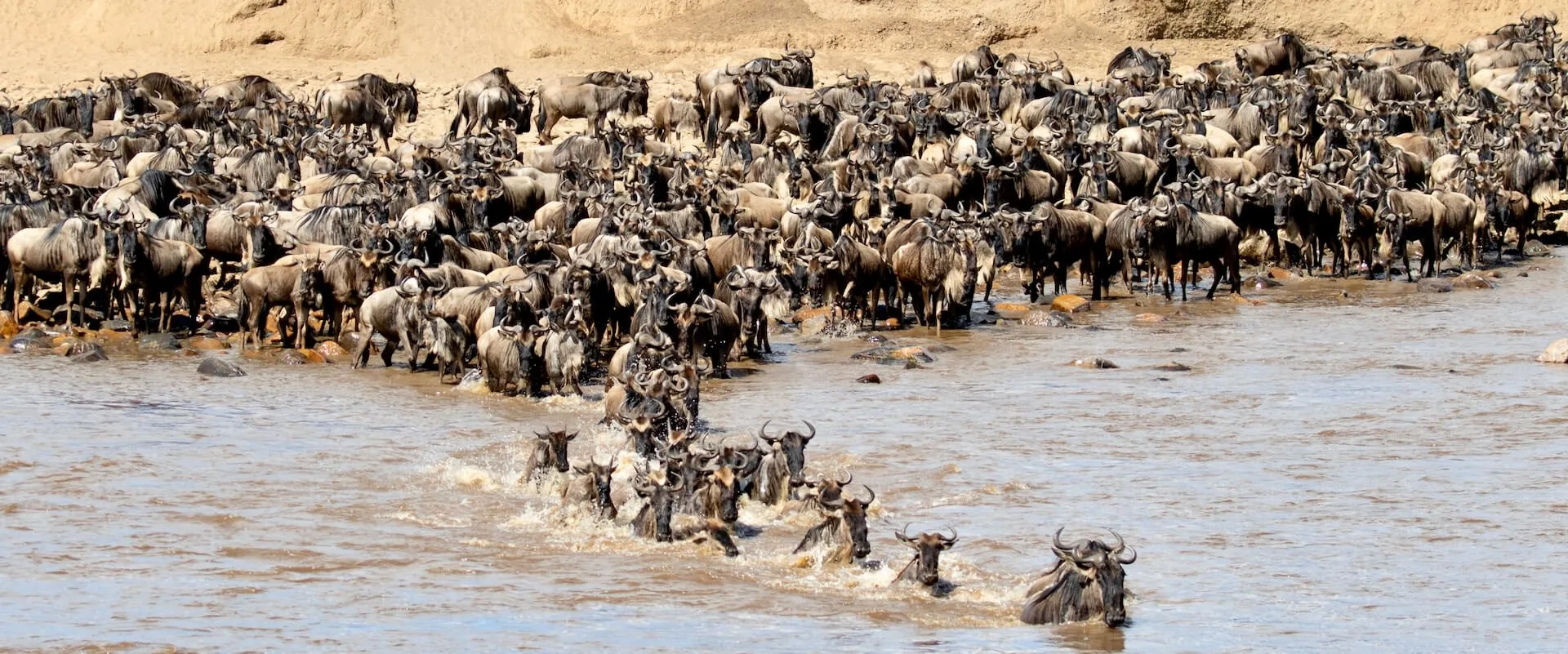
The Great Migration in Africa happens all year because the herds continuously circulate through the Serengeti–Mara ecosystem in…
Read article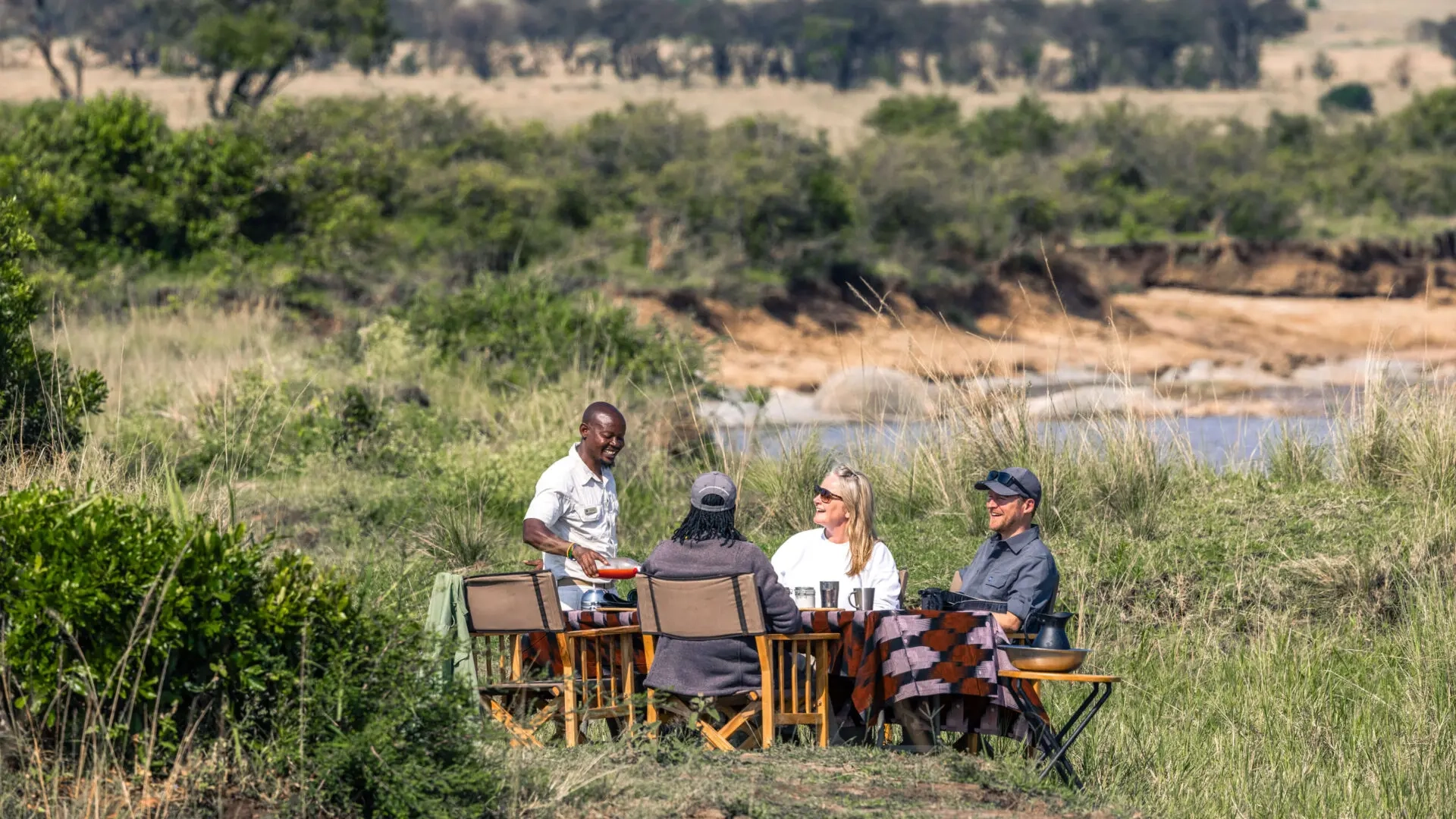
Definitive answer: A picnic lunch on safari is a packed or catered midday meal eaten at an approved…
Read article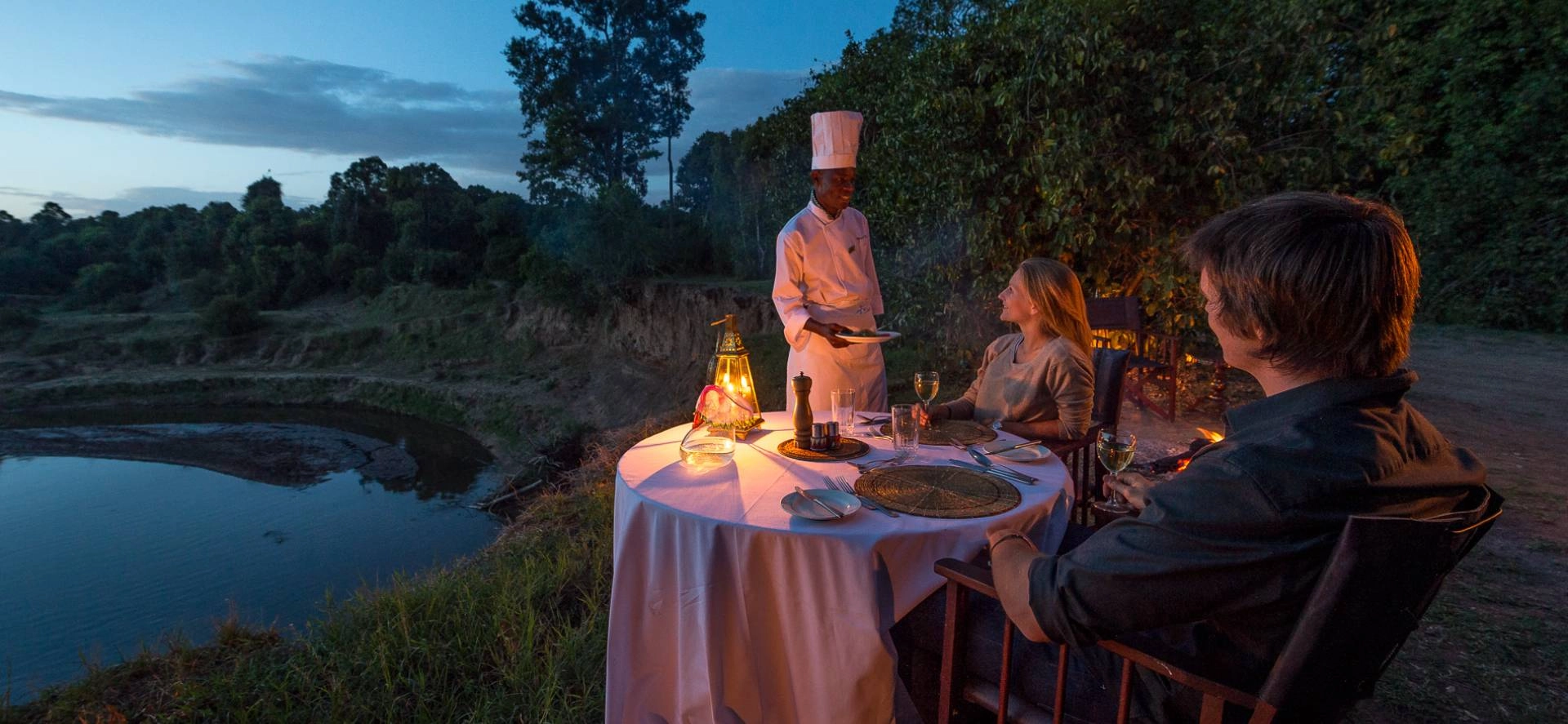
Definitive answer: A bush dinner is an outdoor evening meal arranged in a safe safari setting away from…
Read articleLet us take you closer to the wildlife, people and places that make Africa extraordinary.
Plan Your Safari Today