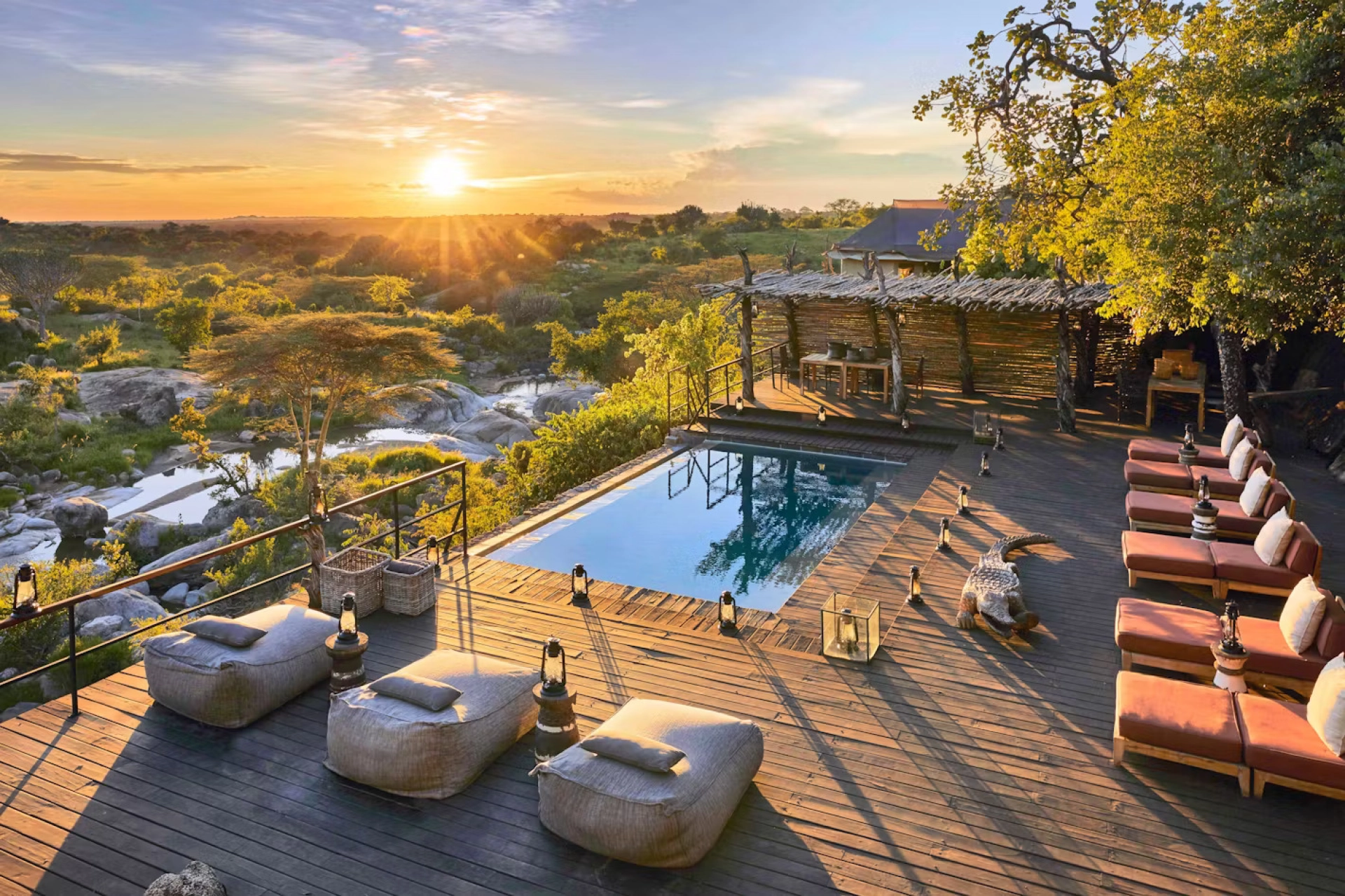
What should I look for when booking a luxury African safari?
When booking a luxury African safari, look beyond the room and compare the quality of guiding, wildlife location,…
Read article

Travel Guide
Planning a Rwanda safari is different from budgeting for many other African holidays because one activity can account for a surprisingly large percentage of the entire trip: mountain gorilla trekking in Rwanda. Add a private safari…
Planning a Rwanda safari is different from budgeting for many other African holidays because one activity can account for a surprisingly large percentage of the entire trip: mountain gorilla trekking in Rwanda. Add a private safari vehicle, accommodation around Volcanoes National Park, a wildlife safari in Akagera, chimpanzee trekking in Nyungwe, meals, transfers and perhaps several nights in Kigali, and the total cost can vary enormously depending on how the itinerary is designed.
A short Rwanda gorilla safari can therefore cost more per day than a considerably longer conventional wildlife safari elsewhere in East Africa. This does not necessarily mean Rwanda is an excessively expensive destination. Rather, Rwanda’s tourism model—particularly around Volcanoes National Park—places significant emphasis on high-value conservation tourism. Understanding where the money goes is the key to deciding whether to travel on a budget, choose comfortable midrange accommodation, invest in a luxury experience, or combine Rwanda with neighbouring Uganda to reduce the overall cost.
The single biggest fixed expense for most international visitors is the Rwanda gorilla trekking permit, which is currently priced at US$1,500 per person per trek for standard international visitors. For a couple, that immediately means US$3,000 before accommodation, transport or any other safari activity has been added. For four travellers, gorilla permits alone represent US$6,000.
That is why the question “How much does a Rwanda safari cost?” cannot be answered accurately with one daily rate. A traveller spending four days in Rwanda without gorilla trekking will have a completely different budget from someone spending four days in the country primarily to trek mountain gorillas. This guide breaks the costs down carefully and, more importantly, explains how to build a Rwanda safari itinerary that provides strong value rather than simply choosing the cheapest possible components.
The total cost of a safari in Rwanda is influenced by several interconnected factors. The most important are the number of travellers, whether the itinerary includes gorilla trekking, the standard of accommodation, the length of the safari, the parks visited, whether transport is private or shared, the season of travel and whether Rwanda is being visited alone or as part of a wider Uganda and Rwanda safari.
Group size is particularly important because safari transport is usually priced per vehicle rather than per passenger. A private 4×4 carrying one traveller may cost almost the same to operate as the same vehicle carrying two or three people. When several travellers share the vehicle, fuel and guide expenses are divided between them, reducing the per-person cost substantially.
Gorilla permits work differently. They are individually priced. A couple cannot share one permit, and a group does not normally receive a lower standard permit rate simply because several people are travelling together. Consequently, the gorilla permit cost in Rwanda remains a major fixed expense regardless of group size.
Accommodation introduces another large variable. Rwanda has everything from straightforward guesthouses to some of Africa’s most exclusive luxury gorilla lodges. A traveller can stay in comfortable accommodation near Musanze without spending thousands of dollars per night, while someone seeking a premium forest lodge with exceptional dining, spa facilities, private villas and highly personalised service can spend several thousand dollars per room per night. The final safari price is therefore a combination of fixed costs and flexible choices.
For most international travellers, the standard Rwanda gorilla permit price is US$1,500 per person for one trek. That permit gives the visitor access to a regulated mountain gorilla trekking experience in Volcanoes National Park, where trekkers join trained guides and trackers before entering the forest in search of an assigned habituated gorilla family. Once the gorillas are located, the normal viewing period is limited, making the encounter carefully controlled for conservation reasons.
The permit price is one of the fundamental differences between Rwanda gorilla trekking and Uganda gorilla trekking. Uganda’s standard foreign non-resident permit costs significantly less, which is why some price-conscious travellers fly into Kigali but cross into southwestern Uganda for trekking in Bwindi Impenetrable National Park or Mgahinga Gorilla National Park. However, Rwanda offers an important advantage: convenience. Volcanoes National Park can be reached from Kigali in a few hours by road. This makes it possible to create a compact itinerary with comparatively little time spent on long transfers.
The choice between Rwanda and Uganda is therefore not purely a question of permit price. It is a balance between cost, available time, preferred accommodation, itinerary design and the other destinations the traveller wants to experience.
A gorilla permit is not simply an admission ticket to a tourist attraction. Mountain gorilla tourism depends on intensive conservation management. Gorilla families are monitored. Rangers and trackers operate in the forest. Habituation requires long-term work. Veterinary interventions may occasionally be required. Habitat must be protected. Tourism numbers need to be controlled, and communities living around the protected area need to see meaningful benefits from conservation. The high-value model also limits the number of people entering the forest for gorilla encounters. This helps prevent the experience from becoming mass tourism.
When evaluating Rwanda gorilla trekking costs, it therefore makes more sense to compare the experience with other highly regulated wildlife encounters than with the entrance fee to a conventional national park.
The phrase budget Rwanda safari requires some explanation because gorilla trekking creates a high minimum cost. Even travellers sleeping in inexpensive guesthouses still need to purchase the same standard gorilla permit as guests staying at luxury lodges. A budget-conscious traveller can nevertheless reduce expenses considerably through intelligent itinerary planning. Choosing simple but clean accommodation, travelling with another person, avoiding unnecessary hotel changes, limiting the number of private activities and using Kigali as an efficient arrival point can keep the non-permit portion of the trip relatively modest.
A short 2-day Rwanda gorilla safari will normally include transport from Kigali to the Volcanoes region, one night’s accommodation, meals according to the chosen package, a professional driver-guide and the return transfer after trekking. Once the US$1,500 permit is included, however, the final price inevitably rises. For this reason, a “cheap Rwanda gorilla safari” should never be judged solely by the advertised package price. Travellers should ask whether the gorilla permit is actually included. An apparently inexpensive package can suddenly become US$1,500 more expensive when the permit is excluded from the headline rate.
For many travellers, a midrange Rwanda safari provides the best balance between comfort and price. Midrange accommodation typically offers private en-suite rooms, good meals, attractive locations and dependable service without the exceptionally high prices associated with Rwanda’s most exclusive lodges. This category works especially well for travellers who consider the wildlife experience more important than having a private plunge pool or ultra-luxury villa.
Around Volcanoes National Park, choosing a comfortable midrange lodge can dramatically reduce the overall cost while leaving the actual gorilla encounter unchanged. The same mountain gorillas are visited under the same park rules regardless of whether a traveller sleeps in a modest lodge or one of Africa’s most expensive properties. This is one of the most important principles when trying to reduce Rwanda gorilla safari costs without compromising the core experience. Spend strategically. Invest in the permit, professional transport, good guiding and the activities that matter most. Choose accommodation according to the level of comfort you genuinely value.
Rwanda has established itself as one of Africa’s major luxury gorilla safari destinations. Around Volcanoes National Park, high-end properties can offer spectacular architecture, fine dining, wellness facilities, private villas, fireplaces, personalised service and extraordinary views across the Virunga volcanoes. At this level, accommodation can become more expensive than the gorilla permit itself. A luxury itinerary may also include private helicopter transfers, premium Kigali hotels, exclusive cultural experiences, private guides, upgraded suites and multi-night stays at prestigious wilderness properties.
A complete luxury Rwanda safari can therefore reach several thousand dollars per person per day, particularly when high-end lodges and gorilla permits are combined. The important distinction is that luxury spending enhances the experience around gorilla trekking; it does not buy additional standard viewing time with the gorillas.
Accommodation prices vary considerably by destination.
Kigali hotels range from inexpensive guesthouses and small boutique properties to international luxury hotels. Travellers who arrive late or depart early often need only a practical overnight hotel rather than an elaborate resort. Accommodation around Volcanoes National Park tends to command higher prices because of the value of gorilla tourism and the concentration of luxury lodges in the region. Nevertheless, good budget and midrange choices remain available, particularly around Musanze and the wider park area.
Akagera National Park accommodation also ranges from comfortable tented camps to higher-end safari lodges. The experience is more comparable to a traditional African savanna safari, with accommodation prices reflecting location, inclusions and service level. Around Nyungwe National Park, the accommodation market is more limited than in Kigali, and premium forest lodges can substantially increase the cost of an itinerary. The smartest budgeting strategy is often to vary accommodation levels. There is no rule saying every night of a safari must belong to the same category.
A traveller might choose a simple Kigali hotel, a comfortable midrange lodge at Volcanoes National Park and then spend one or two nights at a more exclusive property for a special occasion.
Private transport is another major component of the Rwanda safari price. A vehicle rate needs to cover much more than fuel. The operator must account for the vehicle itself, maintenance, insurance, tyres, servicing, the professional driver-guide, guide accommodation and meals during the trip, and the fact that the vehicle may need to reposition before or after the safari. Rwanda’s relatively compact geography helps control these costs. The journey from Kigali to Volcanoes National Park is much shorter than many classic East African safari transfers. Akagera is also accessible from Kigali without the extremely long overland journeys found on some regional itineraries.
This makes Rwanda especially attractive to travellers with limited time.
Imagine a private safari vehicle costing a certain amount to operate for three days. A solo traveller carries virtually that entire transport expense. Two travellers split it. Three or four travellers divide it further. This is why Rwanda safari cost per person usually falls as group size increases, even though individual costs such as gorilla permits remain unchanged. Families and groups of friends can therefore achieve considerably better value than solo travellers. For a solo traveller, joining a scheduled departure can sometimes reduce costs if an appropriate group safari is available.
Akagera National Park provides a completely different wildlife experience from Volcanoes National Park. Instead of dense mountain forest and gorillas, Akagera offers savanna, woodland, lakes and wetlands. It is Rwanda’s main destination for a traditional Big Five safari. Travellers visit in search of lions, elephants, rhinos, buffalo and leopards, together with giraffes, zebras, antelopes, hippos, crocodiles and abundant birdlife. An Akagera safari adds costs for park entry, vehicle access, accommodation and optional activities. Yet it can substantially increase the value of a Rwanda trip because the traveller experiences two completely different ecosystems without leaving the country.
A Rwanda gorilla and wildlife safari combining Volcanoes and Akagera is therefore one of the strongest all-Rwanda itineraries.
A 1-day Akagera safari from Kigali is possible, but it creates a long day. An early departure from Kigali allows visitors to enter the park, complete a game drive and return later. For travellers with sufficient time, staying overnight is much better. A two-day visit allows more relaxed game viewing and gives travellers the opportunity to experience the park during the more productive early-morning and late-afternoon periods. When calculating value, remember that a slightly longer safari can sometimes be better value than trying to compress every activity into expensive private day trips from Kigali.
A journey to Nyungwe National Park adds another dimension to Rwanda. The forest is renowned for chimpanzee trekking, primates, birding, forest walks and dramatic highland scenery. Adding Nyungwe increases transport time because it lies far from Volcanoes and Akagera. This creates additional vehicle and guide days. For travellers specifically interested in African primate safaris, however, combining mountain gorillas with chimpanzees can justify the extra expense. A complete Rwanda primate safari can include gorilla trekking in Volcanoes National Park, golden monkey trekking and chimpanzee experiences around Nyungwe, producing a far more comprehensive journey than a gorilla-only visit.
Golden monkey trekking in Rwanda is considerably less expensive than gorilla trekking and makes an excellent additional activity around Volcanoes National Park. Because the traveller is already paying to reach the Musanze area, spending an extra night and adding golden monkeys can improve overall value. This is an important principle in safari planning: once you have paid to reach a remote destination, adding a second worthwhile activity can be more economical than leaving immediately and later returning.
A Kigali city tour is relatively easy to integrate into a Rwanda safari because virtually every international visitor passes through the capital. Depending on arrival and departure times, travellers can explore Kigali without adding an entire extra safari day. Popular experiences include the Kigali Genocide Memorial, local markets, art galleries, neighbourhood viewpoints, restaurants and cultural sites. Private guided tours cost more than exploring independently, but a knowledgeable guide can add substantial historical and cultural context.
Meal costs depend strongly on where you eat.
Local restaurants and cafés can be inexpensive compared with international hotels, while premium lodges may include elaborate multi-course meals in their accommodation rate. Most organised safari packages use a defined meal plan. Around national parks, full-board safari accommodation is convenient because alternative restaurants may be limited. In Kigali, bed-and-breakfast accommodation can make more sense because the city has numerous independent dining options. Check exactly which meals are included in your safari quote. Small exclusions can accumulate over a long itinerary.
Alcoholic beverages, premium wines, minibar items, laundry, souvenirs, spa treatments and tips are commonly excluded from standard safari prices. These costs are individually small compared with a gorilla permit, but they can become meaningful on a long luxury safari. A good Rwanda safari budget should therefore include a daily allowance for personal expenses rather than allocating every dollar to the quoted tour price.
Tipping is generally discretionary but appreciated for good service. Travellers may choose to tip: their driver-guide, gorilla trekking rangers, porters, lodge staff, and activity guides. The amount varies according to group size, length of service and satisfaction. Rather than carrying one large note, bring smaller denominations so tips can be distributed appropriately.
Yes, and the cost is usually modest compared with the overall trip. A porter can carry your backpack, help on steep slopes and provide support when trails become muddy. More importantly, porter employment allows gorilla tourism revenue to reach local households directly. Even travellers who are physically fit should consider hiring one. A gorilla trekking porter should be viewed as both practical support and a community-tourism contribution.
International airfare is usually excluded from quoted Rwanda safari packages. Kigali International Airport is the main gateway. Flight cost depends heavily on origin, airline, booking date and season. European, North American, Asian and Australian travellers should compare the total journey rather than simply the base ticket price. A cheaper flight involving an inconvenient overnight connection can create additional hotel, meal and transfer expenses.
Kigali’s position is one of Rwanda’s greatest cost advantages. Many visitors can begin their safari shortly after landing rather than requiring an additional domestic flight. This is particularly valuable for short Rwanda safaris. A traveller can spend one night in Kigali, continue to Volcanoes National Park the following morning, trek gorillas and then either return to Kigali or extend into another destination. The country’s compact geography means fewer safari days can be consumed purely by road transfers.
A two-day itinerary is among the shortest practical Rwanda gorilla tours. The first day usually involves collection in Kigali and transfer to the Volcanoes region. Depending on arrival time, cultural or scenic activities may be included. The second day begins early with the gorilla trekking briefing, followed by the forest trek. Afterward, the traveller can return to Kigali. The largest component of the total price remains the US$1,500 permit. Accommodation, vehicle and guide expenses then determine the remainder. Because the trip is short, a two-day safari has a relatively high daily average cost even when budget accommodation is used.
Three days is more comfortable.
A typical 3-day Rwanda gorilla safari provides time to reach the park without rushing, complete gorilla trekking and add another activity such as golden monkey trekking, a cultural experience or a relaxed return to Kigali. The extra night adds accommodation and vehicle costs, but it can substantially improve the quality of the holiday. Travellers who have flown halfway around the world should consider whether saving the cost of one night is worth making the entire gorilla experience feel hurried.
A 5-day Rwanda safari can begin to feel like a genuine multi-destination holiday rather than a single-activity trip. One option combines Kigali, Volcanoes National Park and Akagera. Another concentrates on primates, adding golden monkeys or Nyungwe. A five-day itinerary spreads international flight costs and other fixed expenses across more experiences, often producing better overall value.
Seven days allows a more complete exploration of the country. A carefully designed 7-day Rwanda safari might combine Kigali, Akagera National Park, Volcanoes National Park, gorilla trekking, golden monkeys and cultural experiences. Adding Nyungwe usually requires careful routing or additional days because of transfer distances. At this duration, accommodation category becomes a major determinant of the final price. Seven nights of luxury lodging can add many thousands of dollars compared with a comfortable midrange programme.
Rwanda is particularly strong for luxury honeymoon safaris. Gorilla trekking provides the major once-in-a-lifetime experience, while high-end lodges create privacy and romance around it. Couples can combine Volcanoes with Akagera or extend into Tanzania, Kenya, Uganda or Zanzibar. A honeymoon does not need to be ultra-luxury throughout. One of the best strategies is to choose comfortable midrange accommodation for transfer nights and invest in a spectacular lodge for two or three special nights.
Families need to consider the minimum age for gorilla trekking. Visitors must meet the required age to participate, so families with younger children need alternative arrangements while adults or older teenagers trek. A Rwanda family safari may therefore require additional childcare, private activities or separate arrangements. Akagera is particularly well suited to family wildlife viewing because game drives do not require strenuous trekking.
Solo travel is possible but relatively expensive. The gorilla permit remains the same price, while private vehicle costs cannot be shared. A solo traveller may reduce costs by joining a group departure or choosing a short organised itinerary. However, travellers who value flexibility may still find the premium for a private safari worthwhile. A private driver-guide allows the itinerary to move entirely at the traveller’s preferred pace.
For gorilla-focused travel, Uganda is usually less expensive. The difference begins with the permit but continues through accommodation options. Uganda has a very broad range of budget and midrange lodges around Bwindi Impenetrable National Park, while Rwanda’s Volcanoes region has developed a particularly strong luxury market. This does not mean Rwanda lacks affordable options, but travellers seeking maximum value often compare Rwanda gorilla trekking vs Uganda gorilla trekking carefully.
One of the most effective alternatives is flying into Kigali and trekking gorillas in Uganda. From Kigali, travellers can cross the official border and continue toward Bwindi Impenetrable National Park or Mgahinga Gorilla National Park. This allows travellers to retain the convenience of Kigali while paying Uganda’s lower gorilla permit rate. For two travellers, the permit saving alone can be substantial. This is why Kigali to Bwindi gorilla safaris have become such an important option for price-conscious visitors.
Not necessarily, especially if the traveller wants a broader Uganda safari.
Starting in Entebbe makes sense when the itinerary includes Murchison Falls National Park, Kibale National Park, Queen Elizabeth National Park, Lake Mburo National Park and Bwindi. If the only objective is gorilla trekking in southwestern Uganda, however, Kigali may offer a shorter overland approach depending on the trekking sector. The cheapest route is therefore determined by the complete itinerary rather than the airport alone.
A Rwanda and Uganda safari can offer excellent value because each country contributes different strengths. A traveller might arrive in Kigali, explore Rwanda, cross into Uganda for gorilla trekking, continue through Queen Elizabeth National Park and Kibale National Park, and depart through Entebbe. Another itinerary might begin with Akagera, include Volcanoes and then cross into Uganda. Although crossing the border adds logistical complexity, combining the countries can reduce permit costs while greatly increasing wildlife diversity.
Rwanda also combines easily with Kenya safaris. A traveller can trek gorillas in Rwanda and then fly to Nairobi for the Masai Mara, Amboseli or another Kenyan wildlife destination. This combination works particularly well for first-time visitors who want both mountain gorillas and a classic open-savanna safari. Regional flights increase the budget, but they save significant travel time.
A Rwanda and Tanzania safari can combine gorillas with the Serengeti, Ngorongoro Crater or Zanzibar. This is a premium East African itinerary. The cost is influenced by regional flights, Tanzanian park fees and the standard of accommodation in both countries. However, the wildlife contrast is exceptional: mountain rainforest followed by the vast plains of the Serengeti.
For honeymooners, combining gorilla trekking and Zanzibar is especially attractive. The gorilla trek provides adventure and wildlife, while Zanzibar provides beaches and relaxation. The main additional expense is the regional flight connection. Travellers should compare routing carefully because the cheapest airfare is not always the most efficient.
Always read the quotation carefully. A properly constructed private safari usually explains whether the price includes accommodation, meals, vehicle, fuel, driver-guide, airport transfers, park fees and activities. Gorilla permits should be clearly identified. If a quote says “gorilla safari” but does not explicitly state whether the US$1,500 permit is included, ask before comparing it with another proposal. The same principle applies to chimpanzee permits, golden monkey activities and optional boat trips.
Common exclusions include international flights, visas, travel insurance, alcoholic drinks, personal purchases, laundry, optional activities and tips. Some premium lodges include selected beverages or laundry, so exclusions vary. The cheapest-looking quote is not necessarily the least expensive once all exclusions are considered.
A strong safari quotation should minimise surprises.
Nevertheless, travellers should budget for: bank or card fees, visa costs where applicable, personal drinks, tips, souvenirs, unexpected hotel nights caused by flight disruption, and optional activities booked during the trip. Travel insurance should also be considered part of the true holiday cost.
The best savings come from itinerary design, not cutting essential quality. Share a vehicle. Use midrange accommodation. Avoid unnecessary one-night hotel changes. Book early. Travel for enough days to make fixed costs worthwhile. Consider Uganda for the gorilla trek if permit cost is decisive. Combine nearby activities rather than repeatedly returning to Kigali. Most importantly, never compromise on professional transport, legitimate permits or reputable guiding simply to reduce the headline price.
Gorilla permits are limited. Travellers planning peak-season trips should secure them as early as possible. A permit determines not only whether you can trek but also the date around which the rest of the itinerary must be built. Accommodation should ideally be coordinated with the confirmed trekking date.
Independent travellers can arrange parts of Rwanda themselves, but a safari operator simplifies the complicated elements. A professional operator coordinates: gorilla permits, vehicle, guide, lodges, activity timing, border crossings where applicable, and route design. This is especially useful on a multi-country East Africa safari. The operator’s value should be judged by logistical competence and service, not merely by whether the quote is a few dollars cheaper.
The cheapest safari and the best-value safari are not necessarily the same. Imagine saving US$100 by booking accommodation two hours from the gorilla trekking point. The resulting pre-dawn transfer may reduce sleep, create road risk and make the most important day of the holiday unnecessarily stressful. Spending slightly more for the correct location could therefore provide far greater value. The same principle applies to vehicles, guides and itinerary pacing.
For gorilla trekking, yes, Rwanda sits toward the premium end of African safari pricing. But the country also offers excellent logistical efficiency. Short driving distances can reduce the number of days required. A traveller with only four or five days can experience Kigali, mountain gorillas and potentially another activity without taking domestic bush flights. In that sense, Rwanda can offer very high experience value per day, even if the daily financial cost is substantial.
For travellers whose dream is to see mountain gorillas in the wild, the answer is often yes. There are few wildlife experiences comparable to sitting quietly in a rainforest while a silverback feeds nearby and juveniles play through the vegetation. Rwanda also allows that experience to be combined with one of Africa’s most accessible capitals, the Virunga volcanic landscape and a growing range of wildlife and cultural experiences. Whether Rwanda represents good value depends on what you value.
If the goal is maximum safari days for the lowest possible cost, another destination may provide more nights for the same budget. If the goal is a compact, exceptionally memorable gorilla safari in Africa, Rwanda is difficult to dismiss.
There is no single correct Rwanda safari price because Rwanda can be experienced in dramatically different ways. One traveller may fly into Kigali, spend a night in a modest hotel, travel to Volcanoes National Park, trek mountain gorillas and return home within a few days. Another may spend two weeks combining Kigali, Akagera National Park, Volcanoes National Park, Nyungwe National Park, luxury lodges, private guides and multiple primate experiences. Both have visited Rwanda, but their budgets may differ by tens of thousands of dollars.
The most important starting point is the Rwanda gorilla permit cost. For international visitors planning standard gorilla trekking, US$1,500 per person must be incorporated immediately. After that, almost everything can be adjusted. Accommodation can be budget, midrange or luxury. The trip can be private or shared. It can last two days or two weeks. You can remain entirely within Rwanda or build a Rwanda and Uganda safari. You can focus exclusively on gorillas or combine them with golden monkey trekking, Akagera Big Five safaris, chimpanzee trekking, cultural experiences and neighbouring East African destinations.
For many travellers, the best value comes from a comfortable midrange programme with an experienced private driver-guide, carefully selected lodges and enough time to enjoy the country without unnecessary rushing. And for travellers whose primary concern is the price of the gorilla permit, a Kigali to Bwindi gorilla safari offers an important alternative: arrive conveniently through Rwanda, cross into Uganda and complete gorilla trekking in Bwindi Impenetrable National Park at Uganda’s lower permit rate.
Adventure in the Wild Safaris organises Rwanda gorilla safaris, Rwanda wildlife safaris, Akagera National Park safaris, Rwanda and Uganda gorilla tours, Kigali to Bwindi gorilla safaris, Uganda gorilla trekking, chimpanzee trekking safaris, golden monkey trekking, luxury Rwanda safaris, midrange Rwanda safaris, budget gorilla safaris and customised East Africa safari packages. Rather than simply asking for the cheapest Rwanda safari, the better question is: how can your available budget produce the best possible combination of gorillas, wildlife, comfort and time? That is where careful itinerary design makes the greatest difference.
Get quick answers to the most common questions. If you still have questions, our safari experts are here to help.
The final cost depends on duration, accommodation and transport, but international travellers should begin by budgeting for the US$1,500 gorilla permit per person, then add accommodation, vehicle, guide and other activities.
The standard international permit costs US$1,500 per person per trek.
Rwanda can be relatively affordable for normal city travel, but a safari becomes expensive when gorilla trekking and luxury lodges are included.
Uganda gorilla trekking is generally cheaper because its standard foreign non-resident gorilla permit costs significantly less than Rwanda’s.
Yes. The national-park gorilla experience is not determined by your accommodation category.
Travel with another person, choose midrange or budget accommodation, keep the itinerary geographically efficient and consider trekking in Uganda after arriving through Kigali.
Yes, particularly if you want to combine mountain gorillas with a Big Five safari without leaving Rwanda.
For gorillas alone, two or three days can work. Five to seven days provides a much more complete Rwanda safari.
Only if the lodge experience matters to you. Luxury accommodation can be exceptional, but it does not change the standard gorilla viewing period.
Usually not unless the package explicitly states otherwise.
Our safari experts are here to help you plan your safari. Get personalized advice, the latest information and a free, no-obligation quote.
We typically reply within a few hours.

Share This Article
When booking a luxury African safari, look beyond the room and compare the quality of guiding, wildlife location,…
Read article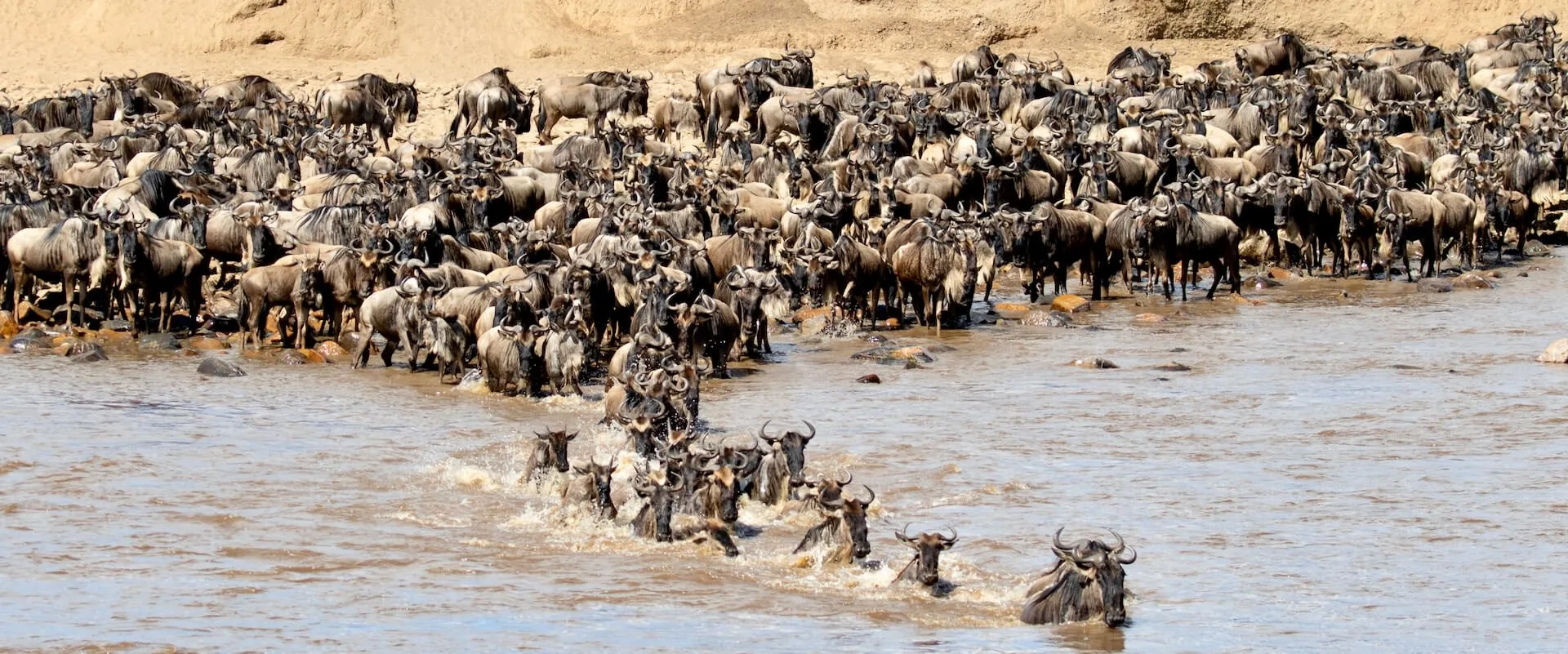
The Great Migration in Africa happens all year because the herds continuously circulate through the Serengeti–Mara ecosystem in…
Read article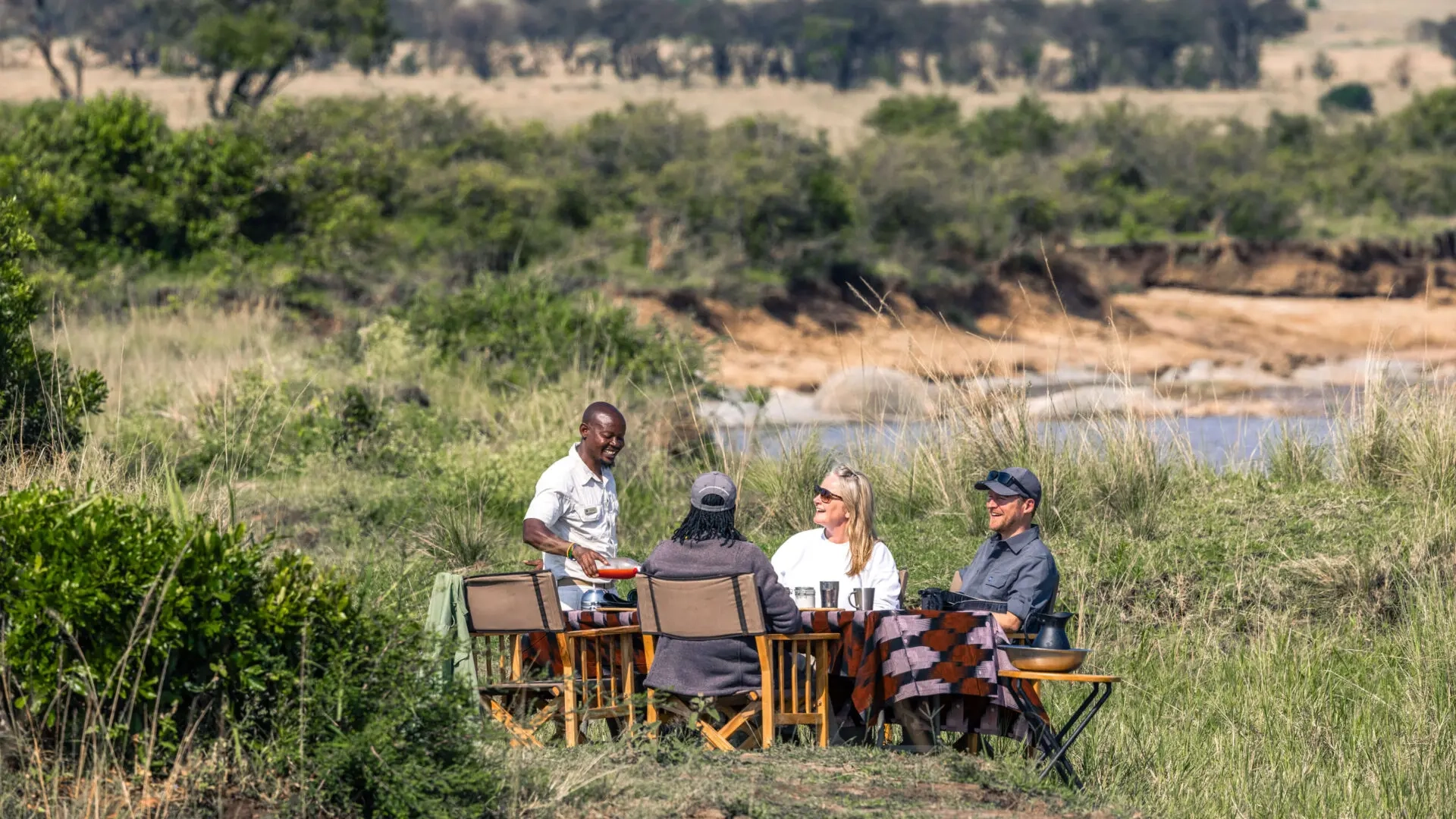
Definitive answer: A picnic lunch on safari is a packed or catered midday meal eaten at an approved…
Read article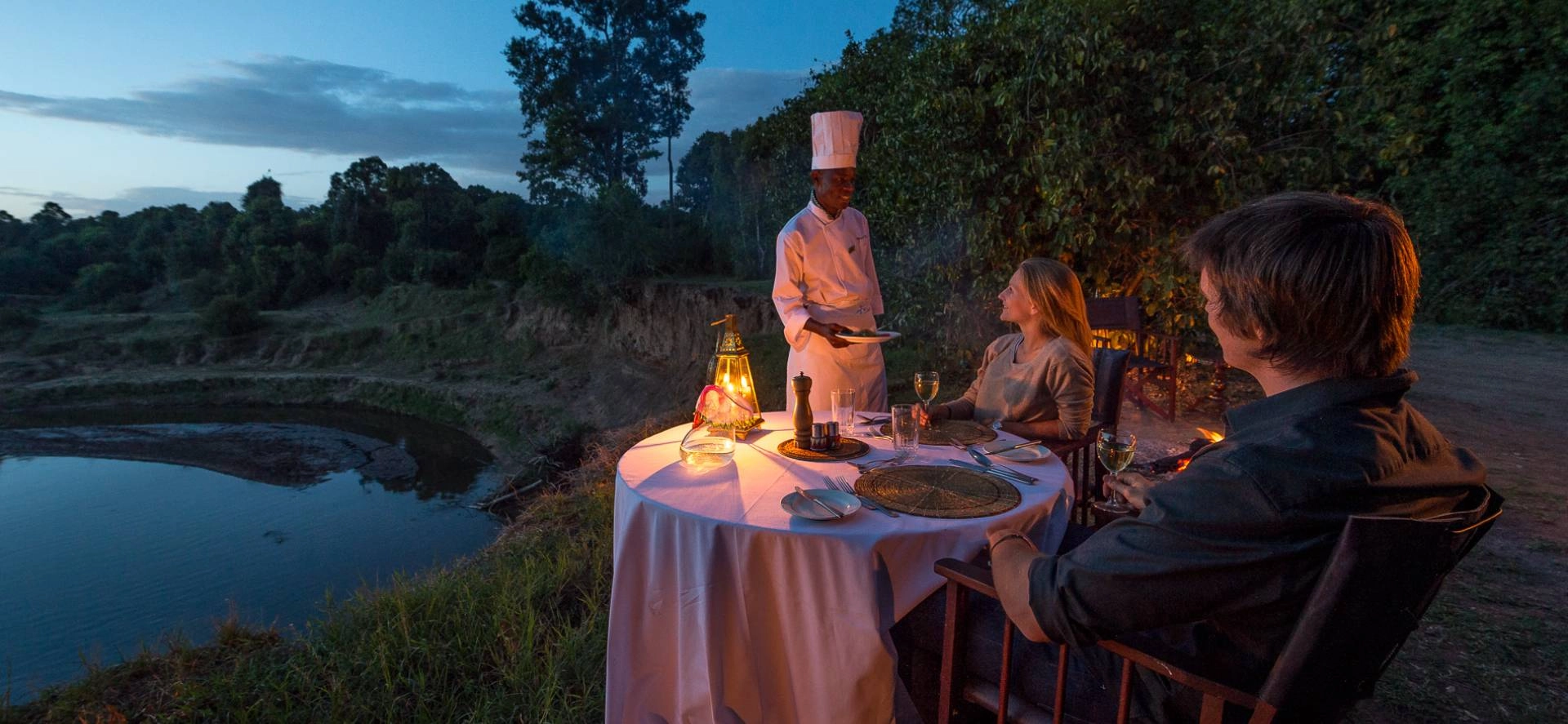
Definitive answer: A bush dinner is an outdoor evening meal arranged in a safe safari setting away from…
Read articleLet us take you closer to the wildlife, people and places that make Africa extraordinary.
Plan Your Safari Today