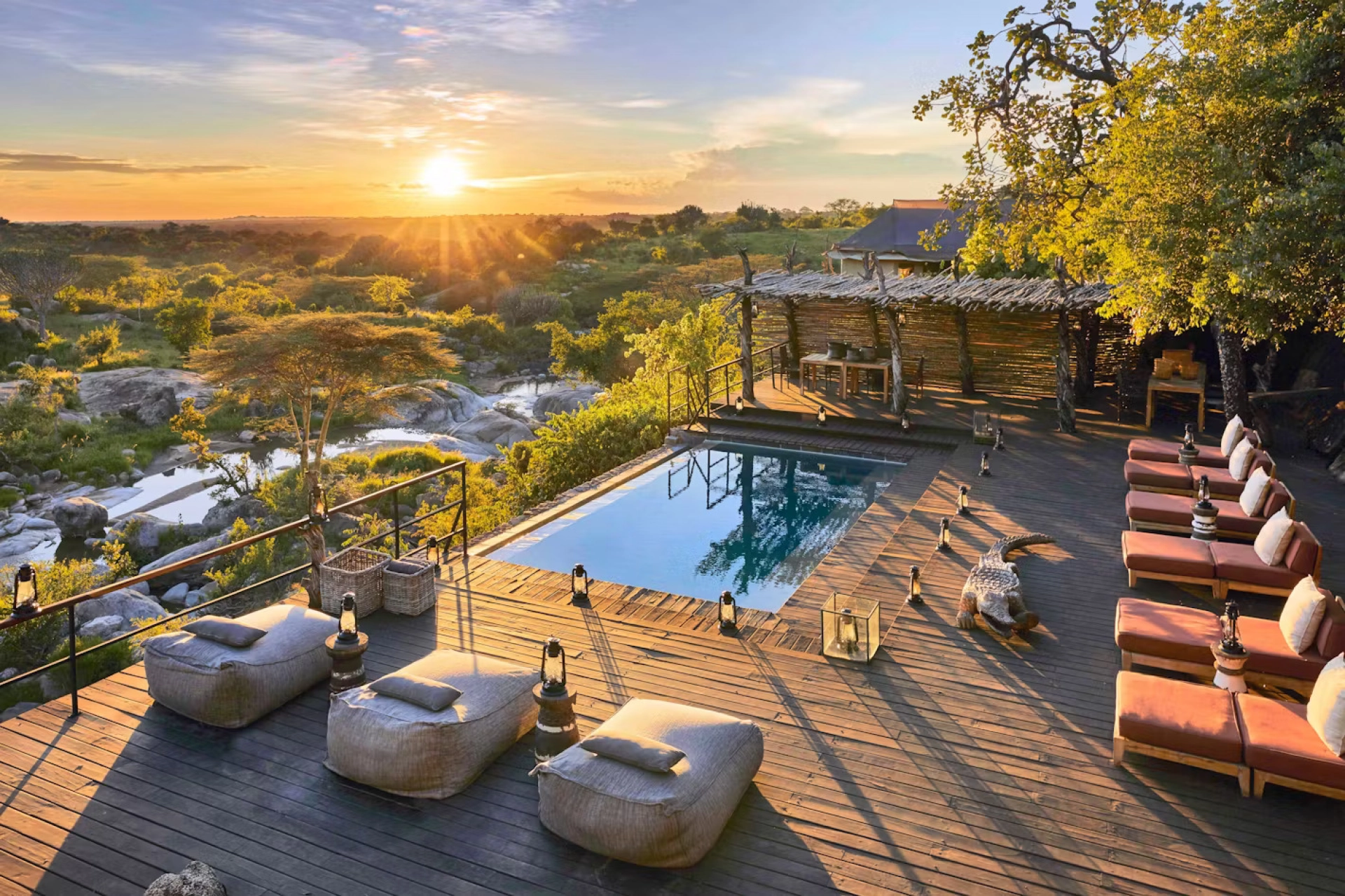
What should I look for when booking a luxury African safari?
When booking a luxury African safari, look beyond the room and compare the quality of guiding, wildlife location,…
Read article

Travel Guide
For many travellers considering gorilla trekking in Rwanda, the first question is not about lodges, permits or what camera to carry. It is much simpler: Is Rwanda safe to visit? The most useful answer in 2026…
For many travellers considering gorilla trekking in Rwanda, the first question is not about lodges, permits or what camera to carry. It is much simpler: Is Rwanda safe to visit? The most useful answer in 2026 is more nuanced than either “yes” or “no.”
Rwanda has long been known among African travellers for orderly cities, comparatively low levels of everyday street crime, well-maintained tourism infrastructure and a highly organised gorilla trekking industry in Volcanoes National Park. Kigali is generally regarded by experienced travellers as one of the more manageable African capitals to navigate, and established safari routes between Kigali, Volcanoes National Park, Akagera National Park, Lake Kivu and Nyungwe National Park are routinely used by international visitors. However, current regional circumstances mean travellers should not rely on older articles that simply describe Rwanda as “one of the safest countries in Africa” without qualification.
As of September 2026, the U.S. State Department places Rwanda at Level 3 – Reconsider Travel, citing health risks, crime and regional unrest, and advises against travel within 10 kilometres of Rwanda’s border with the Democratic Republic of the Congo. Importantly for gorilla travellers, the advisory specifically states that Volcanoes National Park is not included in that higher-risk border zone. The UK Foreign, Commonwealth & Development Office takes a more geographically targeted approach, advising against all but essential travel to parts of Rusizi District within 10 kilometres of the DRC border, rather than advising against travel to Rwanda as a whole.
Therefore, the correct travel-planning question is not simply, “Is Rwanda safe?” It is: Which parts of Rwanda am I visiting, what is the current regional situation, and how should I plan my Rwanda safari responsibly? For most conventional tourism itineraries involving Kigali, Volcanoes National Park, Akagera National Park and established routes through the country, organised tourism continues. But travellers should monitor official advisories, use reputable operators and pay particular attention to developments around the Rwanda–DRC border. This detailed guide explains the situation clearly.
Rwanda remains a major international tourism destination. Visitors travel for: Rwanda gorilla trekking Volcanoes National Park Akagera National Park safaris Nyungwe National Park chimpanzee trekking in Rwanda Lake Kivu holidays Kigali city tours golden monkey trekking and multi-country Rwanda and Uganda safaris. In the country’s established tourism areas, travellers typically encounter professional guides, regulated national-park systems, organised accommodation and good road connections. The everyday experience of travelling around Kigali or heading toward major safari destinations can therefore feel calm and highly organised.
Yet no destination should be described as completely safe. Petty theft is possible. Road accidents remain a travel risk. Health conditions can change. Regional political developments can affect borders. Adventure activities such as gorilla trekking involve physical terrain. And Rwanda’s western border sits beside eastern Democratic Republic of the Congo, where armed conflict has remained highly unstable. A responsible Rwanda travel safety guide must address all these issues instead of relying on generalisations.
The regional security context is the most important update for travellers researching older material. The U.S. advisory issued in June 2026 says travellers should reconsider travel to Rwanda because of crime, unrest and health risks, while specifically advising against travel within 10 kilometres of the DRC border. The same advisory notes that Volcanoes National Park is outside that increased-risk area.
The UK advice current in September 2026 is more targeted. It advises against all but essential travel to parts of Rusizi District within 10 kilometres of the DRC border, including Kamembe Airport and Rwandan islands in Lake Kivu falling within the defined zone. It also warns that Rwanda–DRC border crossings may close at short notice. This distinction matters enormously. A traveller flying into Kigali and going to Volcanoes National Park for mountain gorilla trekking is not following the same itinerary as someone planning independent travel immediately beside the DRC frontier. Safety advice should always be interpreted according to the exact itinerary.
For most visitors, Kigali is the first introduction to Rwanda. The capital is unusually clean and orderly compared with many cities of similar size. Main tourism neighbourhoods contain international hotels, restaurants, cafés, offices and established transport services. Visitors commonly explore: Kigali Genocide Memorial Kimironko Market art galleries, local restaurants, craft centres, and neighbourhood viewpoints. Petty crime such as pickpocketing and opportunistic theft is still possible, particularly in crowded urban environments. The U.S. advisory specifically notes petty theft in urban areas and says more serious burglary or targeted theft can also occur, although less commonly.
Basic precautions remain sensible. Do not display unnecessary amounts of cash. Keep passports and valuables secure. Use reliable transport after dark. Be aware of your phone in crowded places. Avoid walking alone through unfamiliar quiet areas late at night. These precautions are not unique to Rwanda. They are normal urban travel habits.
Busy hotel districts, reputable restaurants and organised transport are routinely used by visitors in the evening. That does not mean every street should be treated identically. If you are unfamiliar with the city, taking a hotel-arranged vehicle, registered taxi or trusted private transfer is generally preferable to walking substantial distances late at night. Travellers arriving on late international flights should pre-arrange an airport transfer in Kigali. This is especially convenient when your Rwanda gorilla safari begins early the following morning.
This is one of the most important questions for visitors. Mountain gorilla trekking in Rwanda takes place in Volcanoes National Park, in the country’s northwest. Despite the broader regional concerns involving eastern DRC, the current U.S. travel advisory explicitly says that Volcanoes National Park is not included in its 10-kilometre DRC-border no-travel zone. Gorilla trekking itself is highly organised. Visitors register at the park headquarters. Groups receive ranger briefings.
Treks are led by trained park personnel. Mountain gorilla families used for tourism are habituated to controlled human presence. Tourists are not simply allowed to wander independently through the forest. This managed system makes Rwanda gorilla trekking very different from informal wilderness travel.
Tourism authorities monitor conditions around Rwanda’s protected areas. Travellers should still follow current government and tour-operator guidance because regional circumstances can change. Use a reputable operator. Do not independently attempt unofficial forest access. Follow ranger instructions. Do not cross international borders outside official immigration points. And monitor travel advisories before departure. The UK specifically recommends discussing itineraries near the DRC border with tour operators and keeping updated on current developments.
For conventional tourism, Volcanoes National Park continues to receive international visitors for: mountain gorilla trekking golden monkey trekking volcano hikes, birding, and cultural activities. The national park is one of Rwanda’s most important tourism assets and its gorilla trekking programme is tightly regulated. The broader border region nevertheless deserves attention because the Virunga mountain system extends across Rwanda, Uganda and the DRC. A mountain landscape does not follow political boundaries. This is why travellers should distinguish between visiting Rwanda’s organised national-park tourism zone and crossing into eastern DRC. They are not equivalent risks.
This is where the most significant travel warnings currently apply.
Eastern DRC has experienced serious conflict involving armed groups and military forces. The UK advises that Rwanda–DRC crossings at Gisenyi–Goma and Cyangugu–Bukavu can close at short notice. The U.S. advises against travelling within 10 kilometres of Rwanda’s DRC border, while exempting Volcanoes National Park from that specified increased-risk zone. Travellers should therefore avoid assuming that a holiday in Lake Kivu, Gisenyi, Rusizi, or other western areas can be planned exactly as it might have been several years ago. The advice can vary by district and nationality. Always check the official guidance relevant to your passport.
For tourism planning in 2026, DRC gorilla trekking should not be treated as a normal add-on from Rwanda. Virunga National Park’s own tourism platform currently states that gorilla and Nyiragongo treks are closed until further notice. The UK advises against all travel to North Kivu, where Virunga lies, and the U.S. currently places the Democratic Republic of the Congo at Level 4 – Do Not Travel. Older safari articles that tell tourists to simply cross from Kigali into Virunga for a cheaper gorilla permit are therefore badly outdated. For a current gorilla safari in Africa, focus on Uganda and Rwanda unless the DRC security and park situation changes substantially.
The key point is geographic separation and itinerary management. Conflict in eastern DRC does not mean every part of Rwanda is experiencing active conflict. But instability close to the border creates potential spillover risks, border disruptions and government security responses. Travellers should therefore avoid two extremes: Do not claim that the DRC conflict has no relevance to Rwanda. But also do not assume that visiting Kigali or participating in organised tourism in Volcanoes National Park is identical to travelling through North Kivu. Good travel planning requires precision.
Health conditions are another reason travel advice changed during 2026. The U.S. advisory references the regional Ebola situation as one factor in its current Rwanda advisory level. Rwanda has also introduced health screening and DRC-border measures in response to the outbreak. The UK advises that these measures can change at short notice. Travellers should therefore check health requirements shortly before travel rather than relying on information read months earlier. Health screening procedures can evolve quickly.
Rwanda can work very well for solo safari travellers, particularly when the trip is organised around private transfers, established lodges and national-park activities. Solo visitors frequently travel to: Kigali, Volcanoes National Park, Akagera, and Nyungwe. The main disadvantage is often price rather than security. A private safari vehicle costs nearly the same whether occupied by one traveller or two, so solo travellers may face higher per-person costs. Joining a scheduled Rwanda gorilla safari or small group departure can reduce expenses.
Many women travel successfully in Rwanda independently or through organised tours. The same normal precautions apply: use established accommodation, avoid isolated walking after dark, use trusted transport, keep family or friends informed of your itinerary, and avoid accepting transport from unknown individuals. A professionally organised Rwanda safari for solo women provides the additional benefit of having a driver-guide throughout major transfers.
Rwanda can be an excellent family safari destination, although gorilla trekking itself has a minimum age. Rwanda’s official tourism information states that the minimum age for gorilla tracking is 15 years. Families with younger children can still enjoy: Akagera National Park Kigali, Lake Kivu, cultural activities, nature walks, and selected lodge experiences. Older teenagers who meet the age requirement can join gorilla trekking in Volcanoes National Park.
Akagera National Park lies in eastern Rwanda along the Tanzanian border and offers Rwanda’s main traditional savanna safari. It is the country’s Big Five safari destination. Visitors can search for: lions elephants rhinos Cape buffalo leopards giraffes, zebras, hippos, crocodiles, and abundant antelope. The park’s organised tourism system includes entrance controls, designated roads and guided experiences. Akagera is geographically far from the DRC conflict zone that generates the most prominent regional warnings. This makes Kigali and Akagera safaris a useful combination for travellers concerned about western-border developments.
Nyungwe National Park in southwestern Rwanda is famous for:
chimpanzee trekking colobus monkey tracking birdwatching, forest hiking, and canopy experiences. Because parts of southwestern Rwanda approach border regions where security advice can change, travellers should check current routing carefully. The UK’s current warning specifically applies to parts of Rusizi District near the DRC border. An established safari operator should plan routes according to the latest local guidance.
Lake Kivu is beautiful and commonly included between gorilla trekking and other Rwanda destinations. Popular centres include: Gisenyi/Rubavu Kibuye/Karongi and areas farther south. The lake also forms part of Rwanda’s border with DRC. This means travellers must pay attention to exactly where they are staying and whether current travel warnings affect the surrounding district. Do not assume that every point around Lake Kivu has the same advisory status.
For many tourists, road safety is a more immediate practical risk than violent crime. Rwanda’s main paved roads are generally good, but driving conditions can include: motorcycles, pedestrians, cyclists, slow vehicles, fog, rain, mountain roads, and reduced visibility at night. When possible, long safari transfers are better completed during daylight. An experienced Rwanda safari driver-guide is valuable because they understand road conditions, local driving patterns and park access procedures.
Most private Rwanda itineraries use comfortable safari vehicles or 4x4s. For gorilla trekking, the road to many lodges and park areas is good, though rural tracks can become rough during rain. A properly maintained vehicle and professional driver are far more important than choosing a particular luxury vehicle model.
Motorcycle taxis are widely used locally. For international visitors unfamiliar with Kigali traffic, taxis or private transfers may be more comfortable, especially when carrying luggage or valuable camera equipment. If using a motorcycle service, follow local helmet requirements and choose recognised services.
Public buses and shared transport operate throughout Rwanda. Budget travellers use them successfully. However, they provide less control over schedules, luggage and routing than a private safari vehicle. For travellers whose holiday centres on expensive activities such as a US$1,500 Rwanda gorilla permit, missing the trekking day because of transport problems could be costly. Private transport therefore often makes practical sense even when public transport is available.
One of the biggest financial risks in gorilla travel is not physical safety but booking fraud. A Rwanda gorilla permit currently costs US$1,500 per person per trek for standard international visitors. Rwanda’s official tourism site also confirms a minimum trekking age of 15. Only book through: the recognised official system, or a reputable registered safari company. Be cautious about individuals offering dramatically discounted permits without clear documentation.
Comprehensive Rwanda safari travel insurance is strongly recommended. Your policy should ideally cover: medical treatment, emergency evacuation, trip cancellation, missed connections, lost luggage, and planned adventure activities such as gorilla trekking. Read the wording carefully. Some insurance policies exclude travel to areas where a government specifically advises against travel. This is especially important when an itinerary approaches a border-warning zone. The UK explicitly notes that travelling against FCDO advice can invalidate some insurance policies.
Mountain gorillas share substantial biological similarity with humans.
That means they can be vulnerable to human respiratory disease. If you are sick, report your symptoms. Do not attempt to hide illness simply because the permit was expensive. Rwanda encourages gorilla visitors to maintain appropriate distance, use face masks and follow park rules designed to protect gorilla families. These procedures protect wildlife as well as travellers.
Vaccination advice depends on: your home country, travel history, age, medical history, and exact itinerary. Travellers should consult a travel-medicine professional rather than relying exclusively on a safari blog. Yellow-fever documentation may be required depending on where the traveller has recently been. Malaria-prevention advice should also be discussed with a medical professional.
Rwanda is not universally malaria-free. Risk varies with altitude and location. Kigali and high-elevation gorilla areas may feel cooler than classic tropical malaria destinations, but travellers should not make medication decisions based simply on temperature. Seek professional health advice.
Higher-quality Rwanda safari lodges usually provide safe drinking water and carefully prepared meals. Visitors should still avoid drinking untreated water. Use bottled or properly filtered water. When eating independently, select busy reputable restaurants where food turnover is high. Wash or sanitise hands before meals.
Foreign travellers should avoid demonstrations and politically sensitive gatherings. Do not assume that behaviour tolerated in your home country will be treated identically elsewhere. Respect local laws. Avoid photographing sensitive government or military facilities. If authorities instruct you not to photograph somewhere, comply. Tourists do not need to become involved in local political disputes to enjoy Rwanda safely.
Rwanda has laws and social expectations that visitors should respect. Research customs and prohibited items before departure. The UK travel advice was updated in September 2026 with information about restrictions involving vapes and e-cigarettes, illustrating why travellers should always consult current official guidance rather than old packing lists.
Rwanda is visually beautiful, but people are not scenery. Ask permission before taking close-up photographs of individuals. Be particularly respectful at memorial sites. Do not photograph security installations, border infrastructure or military personnel without explicit permission.
A visit to the Kigali Genocide Memorial is important for understanding modern Rwanda. It is not an ordinary tourist attraction. Dress respectfully. Keep voices low. Follow photography instructions. Avoid treating memorial spaces as social-media backdrops. Understanding Rwanda’s history also helps travellers appreciate why issues involving security, identity and national unity are particularly sensitive.
Rwanda increasingly supports card and electronic payment, particularly in Kigali and higher-end tourism establishments.
Nevertheless, travellers should carry some local currency for small purchases. Avoid displaying large sums of cash publicly. Use bank or reputable ATM facilities. Notify your bank before international travel where required.
Major hotels and many established lodges accept international cards. Smaller establishments may rely on cash or mobile payments. Always carry a backup payment method. For major safari payments such as permits and lodge reservations, confirm accepted payment methods before travelling.
Mobile coverage is generally useful along major routes. A local SIM or roaming data can help with: maps, emergency communication, flight updates, and contacting your safari company. Do not depend entirely on mobile connectivity in remote national parks. Share your itinerary with family or friends before leaving Kigali.
Tourism-related fraud is less visible than in some destinations but can still occur. Common risks anywhere in the travel industry include: fake lodge websites, unlicensed operators, false permit claims, payment requests to personal accounts, and heavily discounted offers that sound unrealistic. Verify company details. Read independent reviews. Check invoices carefully. A legitimate Rwanda tour operator should clearly explain accommodation, transport, permits and payment conditions.
Travellers should research current laws, social attitudes and official travel guidance relevant to their circumstances. Public attitudes can be more conservative than in some Western destinations. Discretion may be advisable in unfamiliar settings.
Rain itself is not usually a major security issue, but it affects transport and trekking. Heavy rain can create: muddy mountain roads, slippery forest trails, reduced visibility, and longer transfer times. For gorilla trekking in Rwanda, waterproof clothing and hiking footwear with good grip are important.
One of the greatest practical risks during a gorilla trek is simply slipping. Volcanoes National Park contains steep, uneven and sometimes muddy terrain. Use a walking stick when provided. Wear proper boots. Hire a porter. A porter is not only for travellers who consider themselves unfit. They can carry a backpack and assist on steep sections, making the trek safer and providing direct local employment.
Mountain gorillas are extremely powerful wild animals. Tourism is possible because trekking occurs with habituated gorilla groups that have gradually become accustomed to controlled human presence. Habituation does not mean domestication. Follow ranger instructions. Do not approach gorillas independently. Do not touch them. Do not imitate aggressive behaviour. If a gorilla moves closer than the recommended distance, remain calm and follow the guide’s direction.
Both Rwanda gorilla trekking and Uganda gorilla trekking are established tourism industries.
Each country has different current travel advisories, regional considerations and routes. Uganda’s Bwindi Impenetrable National Park and Mgahinga Gorilla National Park are also close to international borders, and UK advice notes that security personnel routinely accompany gorilla-tracking tourists in these areas. The correct decision should consider the entire itinerary rather than simply declaring one country “safer.”
Safety is only one difference. Rwanda offers extremely convenient access from Kigali to Volcanoes National Park, making short gorilla tours possible. Uganda offers: Bwindi Impenetrable National Park Mgahinga Gorilla National Park a lower standard international permit price, the Gorilla Habituation Experience and easier combinations with longer wildlife safaris. For many travellers, the ideal solution is a Rwanda and Uganda gorilla safari, entering through Kigali and trekking in Uganda or combining both countries.
The Kigali–Bwindi route is widely used on organised safaris. Visitors cross the official Rwanda–Uganda border and continue to southwestern Uganda. Border procedures and operating conditions can change, so a tour operator should confirm the current crossing arrangements shortly before travel. This route is significantly shorter for some Bwindi sectors than beginning in Kampala.
Self-driving is possible, but many international visitors prefer a driver-guide. A private driver removes the stress of: navigation, road rules, parking, border formalities, and timing. It also allows travellers to enjoy the scenery rather than constantly monitoring unfamiliar roads. For Rwanda gorilla safari packages, transport with a professional guide is often worth the additional cost.
Keep copies of: passport, travel insurance, flight details, emergency contacts, and safari-company contacts. Know how to reach your embassy or consular service. Keep enough accessible funds for unexpected transport. Follow local authority instructions during emergencies. Do not rely on social-media rumours when official information is available.
The strongest safety strategy is good planning. Travel with an established operator. Keep your itinerary realistic. Avoid unnecessary night driving. Follow government advisories. Do not cross unofficial borders. Buy appropriate insurance. Use trained national-park guides. Follow health advice. Respect local laws. And stay informed as your travel date approaches.
As of September 2026, tourism continues in Rwanda, but international government advisories reflect genuine regional and health concerns. The U.S. currently advises travellers to reconsider travel to Rwanda and to avoid the defined DRC-border zone, while specifically excluding Volcanoes National Park from that increased-risk area. The UK currently advises against all but essential travel only to specified parts of Rusizi District near the DRC border, while warning travellers about instability and possible border closures.
So the responsible answer is: Rwanda remains visitable for organised tourism, including gorilla trekking, but travellers should use current itinerary-specific advice rather than relying on the broad claim that the entire country is automatically safe.
Rwanda deserves neither careless reassurance nor exaggerated fear. It is a highly established African safari and gorilla trekking destination with professional tourism infrastructure and extraordinary attractions. Visitors can walk through Kigali, track mountain gorillas in Volcanoes National Park, search for lions and rhinos in Akagera National Park, explore rainforest in Nyungwe, and combine the country easily with Uganda gorilla trekking. At the same time, 2026 is not a year to publish or rely on the simplistic statement that “Rwanda is completely safe.”
Regional instability in eastern DRC is real. Government travel advisories have changed. Health measures can change. Certain border areas require greater caution or avoidance depending on the advisory relevant to your nationality. The safest approach is therefore informed travel. Build your itinerary through established tourism areas. Use a professional Rwanda safari operator. Monitor official advice before departure. Keep travel insurance current. Avoid restricted border zones. Follow national-park authorities. And distinguish between Rwanda’s normal tourism circuits and unstable areas across the DRC frontier.
For travellers who do that, Rwanda gorilla trekking, Volcanoes National Park, Akagera National Park, Kigali, golden monkey trekking, chimpanzee trekking, and carefully planned Rwanda–Uganda safari combinations can remain extraordinary components of an East African journey. Adventure in the Wild Safaris can organise private Rwanda gorilla safaris, Rwanda and Uganda gorilla tours, Kigali to Bwindi safaris, Akagera wildlife safaris, golden monkey trekking, Uganda gorilla trekking, chimpanzee trekking safaris and longer East Africa safari itineraries, with routes planned according to current conditions rather than outdated information.
Get quick answers to the most common questions. If you still have questions, our safari experts are here to help.
Major tourism areas remain operational, but travellers should review current government advisories because of regional instability and health concerns.
Kigali is generally manageable for visitors, but petty theft and other crime can occur. Use normal urban precautions.
Volcanoes National Park remains an established gorilla-tourism destination. The current U.S. advisory specifically excludes it from the 10-kilometre DRC-border no-travel zone.
The conflict is centred in eastern DRC, but proximity to the border creates risks of spillover and border disruption. Avoid treating every part of Rwanda as equally affected.
Virunga National Park currently states that its gorilla and Nyiragongo treks are closed until further notice.
Akagera is an established protected area in eastern Rwanda and is geographically distant from the principal DRC-border security concerns.
Many solo women travel successfully in Rwanda, particularly using established accommodation and transport. Apply normal solo-travel precautions.
Yes, established tourism routes can suit families. Gorilla trekking itself is restricted to visitors aged 15 and older.
Strongly recommended. Ensure the policy covers your activities and does not exclude any region on your itinerary.
The risk profiles are different. South Africa has greater concerns around violent urban crime in certain areas, while Rwanda’s current considerations include border-region instability and health measures. It is more useful to compare exact itineraries than national reputations.
Our safari experts are here to help you plan your safari. Get personalized advice, the latest information and a free, no-obligation quote.
We typically reply within a few hours.

Share This Article
When booking a luxury African safari, look beyond the room and compare the quality of guiding, wildlife location,…
Read article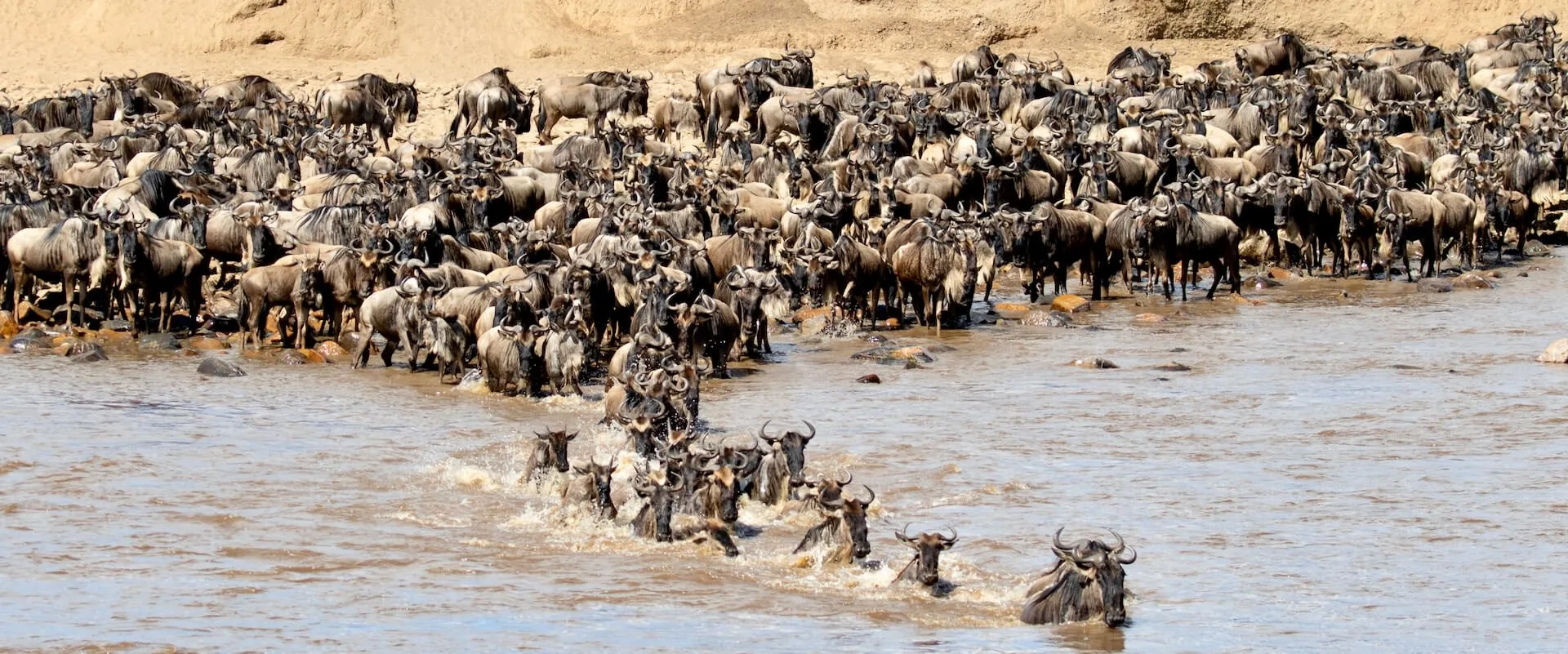
The Great Migration in Africa happens all year because the herds continuously circulate through the Serengeti–Mara ecosystem in…
Read article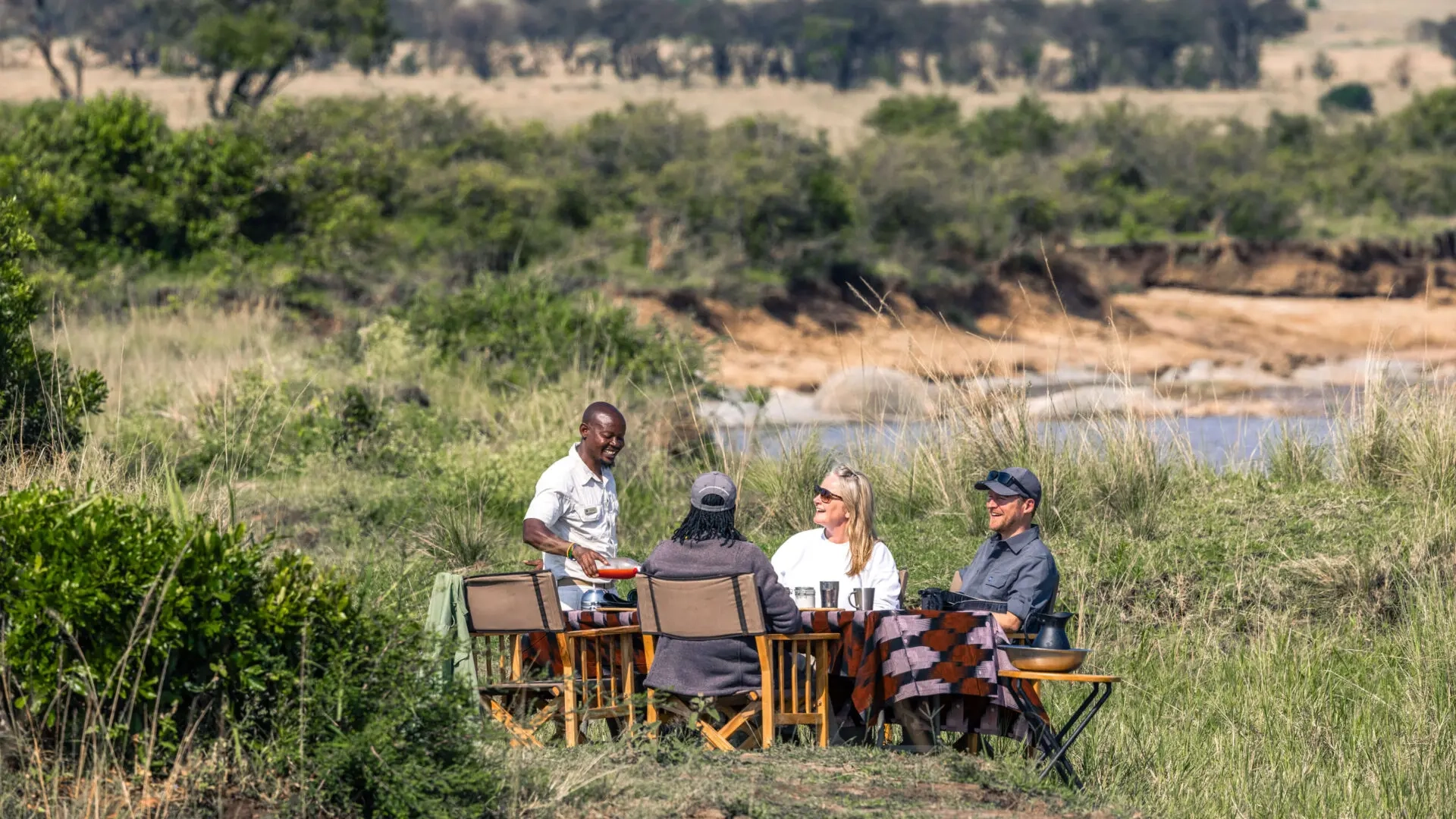
Definitive answer: A picnic lunch on safari is a packed or catered midday meal eaten at an approved…
Read article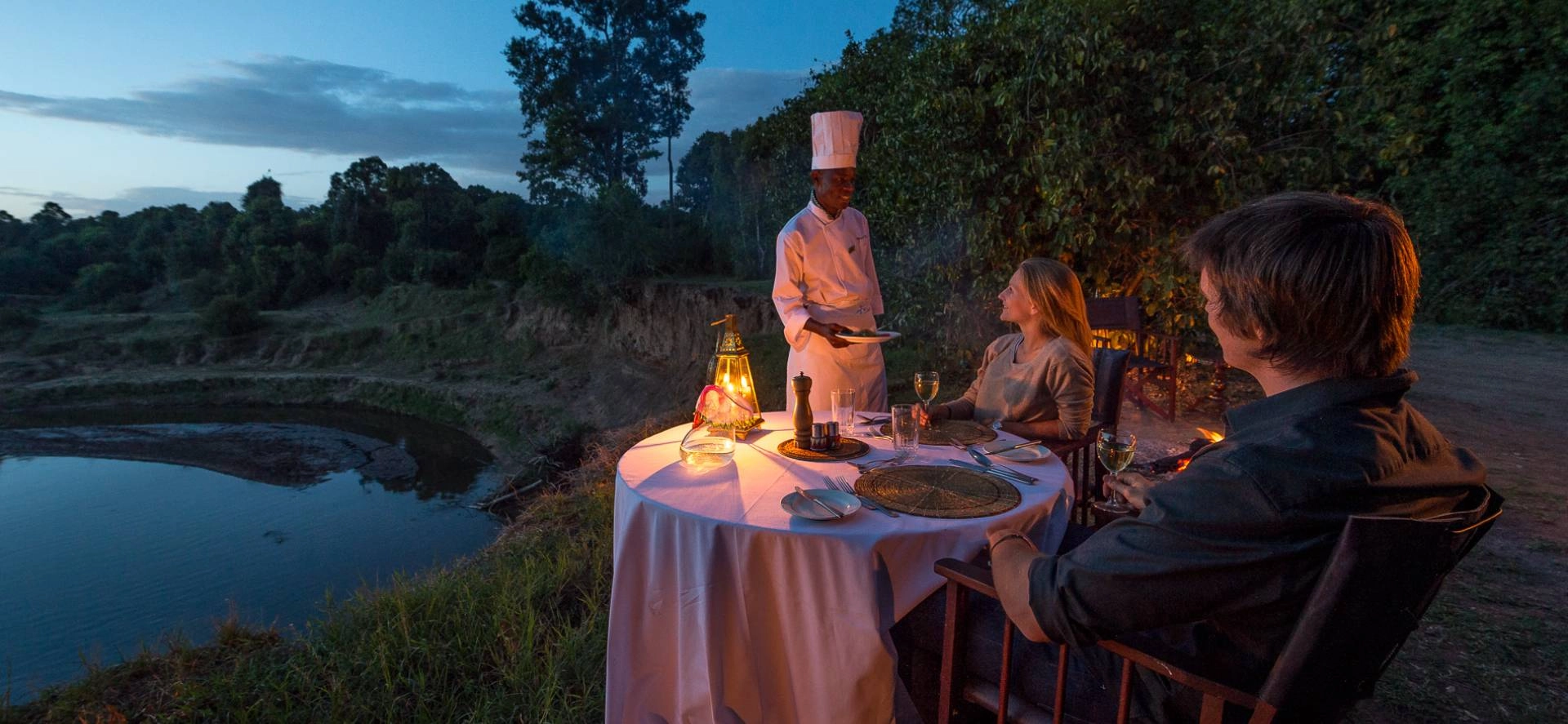
Definitive answer: A bush dinner is an outdoor evening meal arranged in a safe safari setting away from…
Read articleLet us take you closer to the wildlife, people and places that make Africa extraordinary.
Plan Your Safari Today