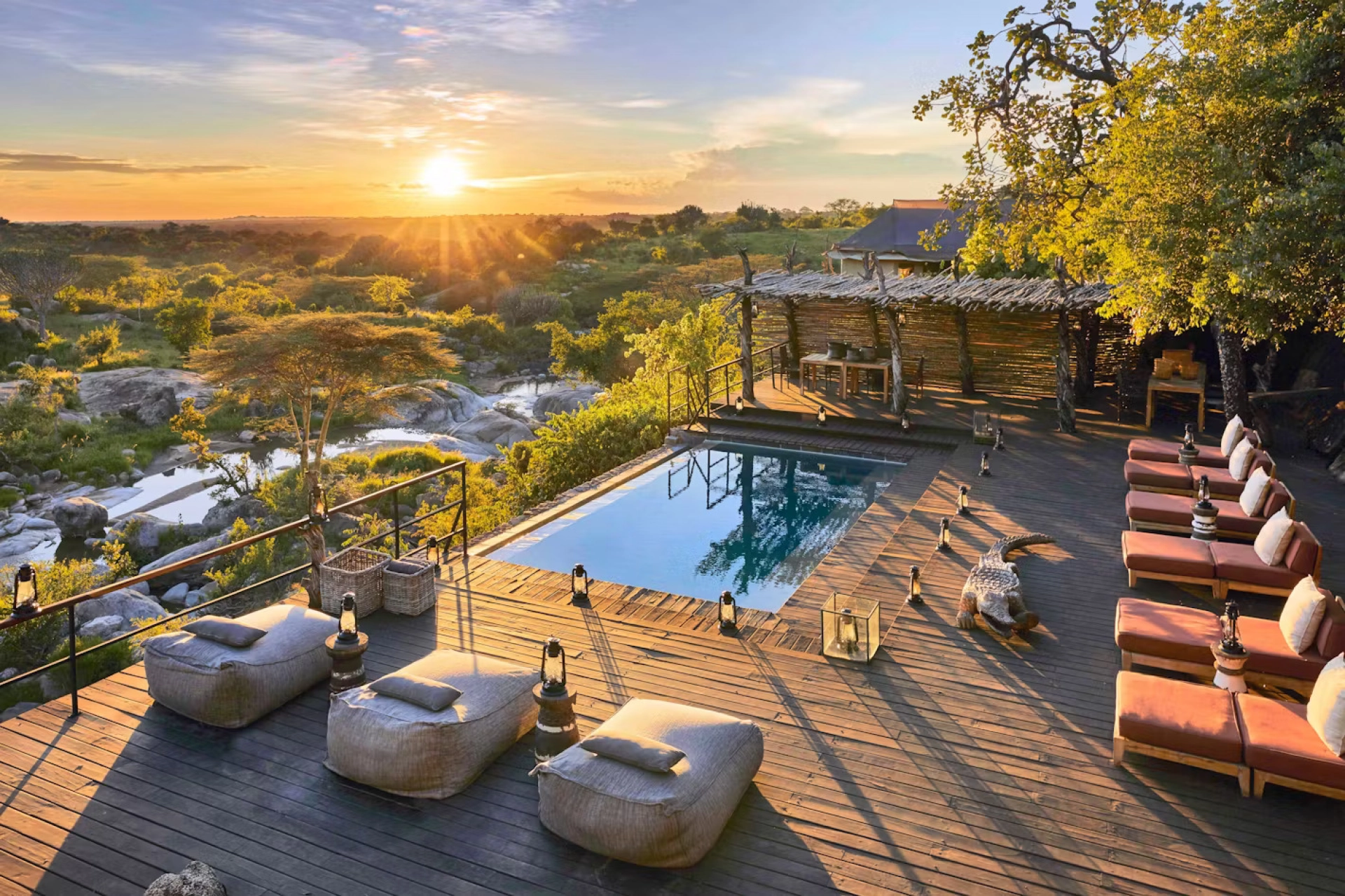
What should I look for when booking a luxury African safari?
When booking a luxury African safari, look beyond the room and compare the quality of guiding, wildlife location,…
Read article

Travel Guide
Knowing when to book an African safari can make an enormous difference to the trip you eventually experience. The timing of your reservation can influence which lodge you stay in, whether you obtain the gorilla trekking…
Knowing when to book an African safari can make an enormous difference to the trip you eventually experience. The timing of your reservation can influence which lodge you stay in, whether you obtain the gorilla trekking date you want, whether your safari vehicle is private or shared, whether a preferred migration camp still has space and, in some cases, how much the entire journey costs. Yet travelers frequently confuse two completely different questions. The first is: When is the best time to travel to Africa? The second is:
When is the best time to book that safari? They are not the same. You may want to travel to the Masai Mara during one of its busiest wildlife periods, but the best time to reserve that safari could be many months earlier. You may want to visit Uganda during a quieter period, in which case you may have greater booking flexibility. You may be looking for green season safari deals, meaning your strategy is deliberately different from that of a traveler determined to stay at a specific Serengeti migration camp during a narrow seasonal window.
This safari booking deals guide explains how to think about booking windows, availability, seasonal pricing, permits, migration movements, lodge inventory and the trade-off between reserving early and waiting for possible offers. The most important lesson is simple: The best time to book is determined less by Africa as a whole than by how specific your safari dream is. If your dates, lodge and wildlife objective are extremely specific, book early. If your dates and destination are flexible, waiting can sometimes create opportunities.
A safari is not a conventional city holiday where hundreds of hotels may be available within a few kilometers. Many of Africa’s most desirable wildlife areas have limited accommodation. Some camps have fewer than twenty rooms or tents. Remote properties may be accessible only by small aircraft. Gorilla trekking is controlled through limited permits. Specialist activities can have capacity restrictions. Private guides and safari vehicles are finite. During peak periods, several of these constraints occur simultaneously.
A traveler can therefore find an international flight to Nairobi, Entebbe or Kilimanjaro and still struggle to build the safari they actually want. This is why experienced safari planners look at the itinerary as an interconnected system. Flights. Permits. Accommodation. Vehicles. Guides. Internal aviation. Park activities. One unavailable component can affect everything else.
There is no universal booking deadline, but a useful general principle is to begin serious planning several months before travel and considerably earlier for highly competitive dates or experiences.
For particularly popular periods, planning nine to twelve months ahead can be sensible. For extremely specific luxury camps, family accommodation configurations, migration-focused journeys or holiday periods, travelers may begin even earlier. For more flexible low-season travel, shorter lead times can sometimes work. The mistake is assuming that because a safari destination is physically large, accommodation availability must also be large.
It often is not.
Imagine two travelers. Traveler A says: “I want an African safari sometime between April and June. I am flexible between Kenya, Tanzania and Uganda, and I am happy with several good midrange lodges.” Traveler B says: “I want to travel from August 7 to August 15, stay at a particular Masai Mara camp, have a private vehicle, and then fly to Uganda for a gorilla trek on August 18.” Traveler A has flexibility. Traveler B has dependencies. The second itinerary should be booked much earlier because every element must align. This principle is more important than any universal “book exactly six months ahead” rule.
The Great Migration is one of the biggest drivers of advance safari bookings in East Africa. But travelers should first understand that the migration is not a single event occurring during one fixed week. Wildebeest and zebra move through the broader Serengeti-Mara ecosystem over the year in response to rainfall, grazing and ecological conditions. Different seasons are associated with different regions and behaviors.
The famous river crossings are only one part of the migration cycle. This matters because the phrase Great Migration safari can refer to several very different itineraries.
Travelers hoping to experience migration activity in Kenya’s Masai Mara National Reserve during the traditionally popular migration months should plan early. Demand can be substantial. Well-positioned camps and lodges can fill far ahead. Private safari vehicles may become harder to secure. Regional flights may also be busy. If your travel dates are fixed by school holidays, work schedules or an anniversary, early reservation becomes even more important.
No.
This should influence booking expectations. You can travel during a period when crossings are historically more likely. You can stay in a strategically useful part of the ecosystem. You can spend enough days in the area. You can use an experienced guide. But wildlife does not follow a tourism timetable. Rainfall influences movement. Herds can wait near a river for hours or days. They may cross somewhere you are not positioned. They may cross and then cross back. A safari should therefore be designed around the broader Masai Mara wildlife experience, not around a promise of one exact crossing.
One of the best ways to improve a migration safari is not necessarily upgrading the lodge. It is increasing the number of nights. A traveler staying four nights has more opportunities than a traveler staying two. Weather changes. Herd positions change. Predators move. Crossing activity changes. Safari rewards patience. When allocating budget, an extra night in a good midrange camp may sometimes provide more wildlife value than moving to an ultra-luxury camp for fewer nights.
The Serengeti National Park is enormous. A successful migration-focused itinerary therefore requires more than booking “a Serengeti lodge.” You need to consider which part of the ecosystem makes sense for your month of travel. Accommodation location can matter enormously. A beautiful camp located far from your main wildlife objective can create long daily drives. Seasonal or mobile camps may be positioned strategically around anticipated wildlife movements. Because the most desirable camps can have limited inventory, early booking is valuable.
Some travelers deliberately target periods associated with wildebeest calving in the southern Serengeti ecosystem. This creates a very different safari from the river-crossing season. Large concentrations of animals, newborn calves and predator activity can make this period exceptionally interesting. Photographers may prefer it to the more famous river-crossing months. If calving is your priority, communicate that clearly to your safari planner. Do not simply ask for “migration.”
Gorilla trekking in Uganda or Rwanda requires a different booking strategy because the critical resource is not only accommodation. It is the trekking permit. Visitor numbers are controlled. Permits are date-specific and subject to availability. This means travelers with fixed dates should secure their safari early enough for the operator to coordinate permits, accommodation and transport around the intended trekking date.
Uganda offers mountain gorilla trekking in Bwindi Impenetrable National Park and Mgahinga Gorilla National Park according to current permit allocation and operating arrangements. Bwindi itself contains different trekking sectors. This creates another layer of planning. A permit is connected not only to a date but to the practical geography of the safari. Your lodge should support the trekking location. Your arrival route should support the lodge. Your previous and next safari destinations should support the overall route. Waiting too long can leave availability in a sector that is inconvenient for the rest of your itinerary.
Imagine your preferred lodge is located near one trekking sector but the remaining permit availability is elsewhere. You may have to change accommodation. Or accept a longer transfer. Or change the trekking date. Or reorganize the entire safari. Early booking increases the chance of aligning these components cleanly.
The same basic principle applies to gorilla trekking in Rwanda’s Volcanoes National Park. Travelers with fixed dates should not assume permits will remain indefinitely available. This becomes particularly important when Rwanda is being added to a Kenya or Tanzania itinerary with several fixed flights. Once multiple countries are connected, one date change can affect the entire journey.
A Uganda gorilla and Masai Mara safari is one of East Africa’s strongest combinations. It is also a good example of why advance planning matters. The itinerary may require: a migration-season lodge in Kenya; regional flights; Uganda accommodation; gorilla permits; and potentially domestic aviation or long road transfers.
Each component has different availability. Planning early allows the route to be optimized rather than assembled from whatever remains.
The same is true of Uganda gorilla trekking and Serengeti safari combinations. These journeys can be extraordinary, but they require thoughtful aviation and permit coordination. Travelers should avoid buying non-refundable international flights first and only afterward asking whether all safari components are available. Check the core safari feasibility before locking the trip.
Botswana is another destination where early planning can be particularly valuable. Many safari camps are small. Some are located in remote concessions. Access may depend on light-aircraft schedules. High-end properties can have limited rooms and high demand during popular wildlife periods. Travelers targeting a particular Okavango camp or a very specific combination should plan well ahead.
The Okavango Delta changes seasonally as floodwaters interact with local rainfall and the wider ecosystem. Different areas can offer different water- and land-based experiences. Therefore, selecting a camp should be based on more than luxury level. Ask what activities are normally possible in that location during your intended travel period. A famous lodge is not automatically the right lodge for your priorities.
South Africa generally provides more accommodation inventory than remote safari destinations such as Botswana. This can give travelers greater flexibility. However, top private reserves, family villas and highly regarded lodges can still fill during peak holiday periods. Travelers combining Kruger safari experiences with Cape Town, the Winelands and the Garden Route also need to consider non-safari accommodation demand.
Kenya has a huge range of safari accommodation, but availability varies dramatically by destination and season. For the Masai Mara during peak periods, book early. For other parks and shoulder seasons, there may be greater flexibility. Amboseli, Samburu, Laikipia and the coast each have different demand patterns. A Kenya safari should therefore be planned according to the specific circuit.
Tanzania’s booking strategy depends heavily on route and season. The Serengeti, Ngorongoro, Tarangire, Nyerere and other safari regions do not all experience identical demand. A migration-focused northern circuit during popular months should be planned well ahead. A flexible green-season journey may offer more options. Zanzibar adds another accommodation market, especially around holiday periods.
Uganda can sometimes offer more flexibility than the busiest Kenya or Tanzania migration circuits, but gorilla permits change the equation. For a safari without gorilla trekking, accommodation and park logistics may be relatively flexible outside major holiday periods. For a Uganda gorilla safari, permit availability should guide booking timing.
Rwanda is compact and can work well for shorter journeys, but gorilla permits and premium accommodation can be limiting factors. Travelers wanting a very specific lodge near Volcanoes National Park should plan early.
Peak season generally offers the strongest demand and least pricing flexibility. Low and shoulder seasons can provide better opportunities for deals. But “low season” should not automatically be interpreted as “bad safari.” Often the lower demand is related to rainfall patterns rather than an absence of wildlife. This creates some of Africa’s best value opportunities.
Green season safaris generally refer to wetter periods when landscapes become lush and vegetation regenerates. The exact months vary by region. There is no single African green season. Rainfall patterns in Botswana differ from those in Uganda, Kenya or Tanzania. Travelers should therefore research the specific destination rather than applying a continent-wide calendar.
Lower demand can encourage lodges to offer reduced rates, stay-pay promotions or other incentives. Flights may also be easier to secure. Parks can feel quieter. This can create outstanding value for flexible travelers. But lower prices should not be the only reason to travel. Understand what the weather means for the destination.
Photographers often underestimate green season. Dust is reduced. Vegetation can become intensely colorful. Cloud formations add drama. Newborn animals may be present in some ecosystems. Birdlife can be exceptional. The landscape itself becomes a photographic subject. The trade-off is that thicker vegetation can sometimes make certain mammals harder to locate.
Shoulder season sits between the highest-demand and lowest-demand periods. For many travelers, this can provide an excellent balance. Rates may be lower than peak season. Crowds may be reduced.
Weather can still be favorable. Wildlife viewing may remain strong. The exact timing differs by country and ecosystem.
Sometimes. But last-minute booking is a strategy for flexible travelers, not a reliable method for securing a dream itinerary. If you can travel on different dates, accept different lodges and choose among several destinations, last-minute availability can occasionally create good value. If you need one particular lodge during peak migration and a specific gorilla trekking date, waiting is risky.
Hotels in cities may reduce prices dramatically when rooms remain empty. Remote safari camps operate differently. They have limited rooms and substantial operational costs. Some may prefer to leave a room unsold rather than deeply discount a high-demand product. Do not assume every unsold safari room will eventually become cheap.
Some safari companies or lodges may offer early-booking incentives. These vary by season and supplier. However, early booking’s greatest financial value may not be the discount itself. It is the ability to secure the right itinerary before only more expensive alternatives remain.
Suppose the ideal midrange camp fills. The remaining options may be luxury properties. Suppose the convenient regional flight fills. You may need a more complicated route. Suppose the preferred gorilla sector is unavailable. You may need a different lodge and longer transfer. In this way, delaying can increase the cost even if official safari rates have not changed.
International safari pricing can involve currencies such as US dollars, local currencies or occasionally euros depending on supplier and market. Exchange-rate movements can therefore influence the final cost for travelers paying from another currency. But attempting to predict currency markets is rarely a good reason to delay a capacity-limited safari. Availability usually matters more.
Most safari operators require a deposit to confirm arrangements. This allows the operator to secure accommodation, permits and other services. The exact deposit percentage and payment schedule vary by company and itinerary. Travelers should read booking terms carefully before paying.
Gorilla permits, certain flights and some accommodation bookings may have restrictive cancellation conditions. The operator is often passing on the supplier’s terms rather than inventing the restriction. This is why travel insurance should be considered early. Do not wait until something goes wrong to investigate insurance.
The earlier you commit significant non-refundable funds, the more important it becomes to understand insurance. Policies vary considerably. Coverage may depend on when the policy was purchased relative to the first trip payment. Travelers should read policy wording and seek professional insurance advice where necessary.
Families traveling during school holidays should book earlier. Their flexibility is limited. They often require family rooms, triples or interconnected accommodation, which may be far scarcer than ordinary double rooms. A lodge with twenty rooms may have only two suitable family configurations. This makes early booking especially valuable.
Festive-season safaris can be extremely popular. Some properties apply supplements or minimum-stay rules. Availability can disappear early. Travelers wanting Christmas in the bush or New Year near a famous wildlife destination should not rely on last-minute planning.
Honeymooners often have fixed dates linked to a wedding. They may also want particular room categories, private vehicles or romantic properties. Book early enough to preserve choice. This is especially important when combining safari with Zanzibar, Seychelles, Mauritius or another beach destination.
Groups create their own availability challenges. Finding one room may be easy. Finding six rooms at the same lodge can be difficult. Therefore groups should generally begin earlier than couples. The same applies to safari vehicles and internal flights.
Solo travelers can sometimes benefit from last-minute space on scheduled departures. But if you want a private safari, early planning still creates more options. Ask whether scheduled group departures exist for your dates.
These are not the same. A safari deal is good value for the quality and experience provided. A cheap safari may simply remove important components. Compare:
park fees; vehicle quality; guide services; lodge location; meal plan; permits; airport transfers; internal flights; and activities. The lowest headline number is meaningless if essential items are excluded.
A cheaper lodge far outside a park may require long daily transfers. A more expensive lodge in a strategically excellent location may produce substantially more wildlife time. When comparing deals, calculate experience rather than room rate alone.
A private vehicle increases flexibility and usually cost. During high-demand periods, private vehicles may need to be reserved early. Photographers and families often benefit most. Travelers prioritizing budget may choose shared game drives.
Serious photographers should book early if they need a private vehicle, specialist guide or particular camp. Photography requires space and patience. A vehicle shared with travelers who have different objectives can be frustrating. Specific photographic arrangements should be confirmed, not assumed.
Birders may travel during seasons that differ from conventional peak safari months. Migratory birds, breeding plumage and rainfall can influence timing. Specialist bird guides may also have limited availability. If birding is the main objective, book around birds—not around generic “best safari season” advice.
Gorilla permits provide regulated access, but photographers also need to think about weather, equipment and trekking logistics. Booking early allows the broader itinerary to be built around the trekking day rather than forcing the trekking day into whatever remains.
Combining safari with a beach extension creates additional availability dependencies. A Kenya safari and Diani Beach holiday requires both safari and coast accommodation. A Tanzania safari and Zanzibar holiday may involve domestic or regional flights. A Uganda gorilla safari and Zanzibar combination adds international or regional connections. The more components you add, the earlier coordinated planning becomes useful.
Start with flexibility. Travel outside the busiest weeks. Consider green season. Ask about shoulder-season rates. Compare midrange and luxury options. Consider staying longer at fewer properties. Ask whether a stay-pay offer applies. Travel as a couple or small group to share private transport costs. And most importantly, compare like with like.
Some properties occasionally offer incentives for longer stays. Even without a formal discount, staying three nights instead of moving every two nights can reduce transfer costs and improve the experience. Safari is often better when you move less.
A multi-country safari has more moving parts. Consider a trip combining Kenya, Uganda and Tanzania. You may need international flights, domestic flights, park accommodation, gorilla permits and several transfers. A delay in one booking can disrupt the sequence. These itineraries benefit from early planning.
Travelers planning a major African journey a year or more ahead do not necessarily need every minor activity confirmed immediately. But they can begin by establishing priorities. Which country? Which wildlife experience? Which month? How many days? Budget range? Accommodation level? Once those decisions are clear, the operator can advise when the critical components should be secured.
The most capacity-constrained components should generally guide the itinerary. For a gorilla safari, permits may be central. For a migration safari, the best-positioned camp may be central. For a luxury Botswana itinerary, specific lodge availability may be central. For a honeymoon, the exact travel dates may be fixed. Build outward from the least flexible element.
Ideally, check safari feasibility before buying restrictive international tickets. You do not necessarily need to pay for the safari before investigating flights. But coordinate the two. A small shift of one day can sometimes dramatically improve lodge or permit availability. Once non-changeable flights are purchased, that flexibility disappears.
Enough to understand value, but not so many that comparison becomes impossible. Three carefully prepared safari proposals are often more useful than twenty generic prices. Look beyond the total. Compare route logic, accommodation location, activities, vehicle arrangement and inclusions.
Be cautious when the price seems dramatically lower than comparable offers and the explanation is unclear. Check whether permits are included. Check whether park fees are included. Check accommodation names. Check whether the vehicle is private or shared. Check whether airport transfers are included. Check whether internal flights are included. Transparency matters more than a flashy discount percentage.
Budget travelers should book the non-negotiable elements early and remain flexible elsewhere. For example, secure the gorilla permit and then choose among suitable budget lodges. Travel in shoulder or green season. Join a scheduled departure. Use road transport rather than unnecessary flights. Stay longer in fewer places. These strategies reduce cost without sacrificing the core experience.
Midrange travelers often have the widest range of options. Book early enough to secure well-located lodges. Spend money on private transport where it matters. Use scheduled domestic flights strategically. Travel during shoulder season if dates allow. This category often provides the strongest overall value.
Luxury travelers should also book early. The assumption that a high budget guarantees availability is wrong. Some of Africa’s most exclusive camps are also its smallest. Money cannot purchase a room that has already been sold. Early booking preserves choice.
The best time to book an African safari depends on how much flexibility you have. If your dream is extremely specific—one particular migration camp, one particular gorilla date, one particular family villa—book early. If your priority is value and you can travel across several months, explore green season safari deals, shoulder-season pricing and alternative lodges. If you are planning a Great Migration safari, give yourself enough nights rather than relying on a guaranteed river crossing.
If you are planning gorilla trekking in Uganda, treat permit availability as a core part of the itinerary rather than something to arrange later. If you are combining several countries, coordinate the journey before purchasing restrictive flights. Most importantly, do not allow the word “deal” to become more important than the safari itself. A poor itinerary at a 20% discount is still a poor itinerary.
A well-positioned lodge, excellent guide, intelligently paced route and enough time in the wilderness can deliver far greater value than a superficially cheap package. At Adventure in the Wild Safaris, we can help travelers plan and coordinate Uganda gorilla safaris, Kenya Masai Mara safaris, Tanzania Serengeti safaris, Rwanda primate journeys and wider East Africa safari packages, including safari-and-beach and multi-country combinations. Book early when the experience is specific. Stay flexible when price matters most. And remember that in safari planning, the best deal is not simply the lowest price. It is securing the right experience, in the right place, at the right time.

Get quick answers to the most common questions. If you still have questions, our safari experts are here to help.
For many trips, several months ahead is sensible. Highly specific peak-season, migration, gorilla, festive-season or luxury itineraries may benefit from planning nine to twelve months or more in advance.
If your dates are fixed and you want specific camps or limited permits, yes, this can be sensible.
Yes if you are flexible, but specific peak-season experiences may no longer be available.
For popular migration-season dates, early booking is strongly recommended.
Book early if targeting a specific migration area, camp or peak travel period.
Travelers with fixed dates should plan early because permits are limited and must align with accommodation and routing.
They can offer better rates or promotions in some destinations, but the exact offers vary by lodge, country and year.
No. Some low-season periods provide beautiful landscapes, excellent birding, fewer vehicles and strong wildlife experiences.
Sometimes. More importantly, booking early can preserve access to better-value accommodation before it sells out.
No. Limited availability can actually force you into more expensive options.
Check safari availability first or coordinate both simultaneously, particularly for permit-dependent or migration-focused trips.
Families should generally book early because family rooms and school-holiday dates are limited.
Early enough to secure the preferred room, lodge and travel sequence around fixed wedding dates.
Terms vary. Always read the operator and supplier cancellation conditions before paying.
Comprehensive travel insurance is strongly advisable for significant safari bookings, especially where non-refundable payments are involved.
Our safari experts are here to help you plan your safari. Get personalized advice, the latest information and a free, no-obligation quote.
We typically reply within a few hours.

Share This Article
When booking a luxury African safari, look beyond the room and compare the quality of guiding, wildlife location,…
Read article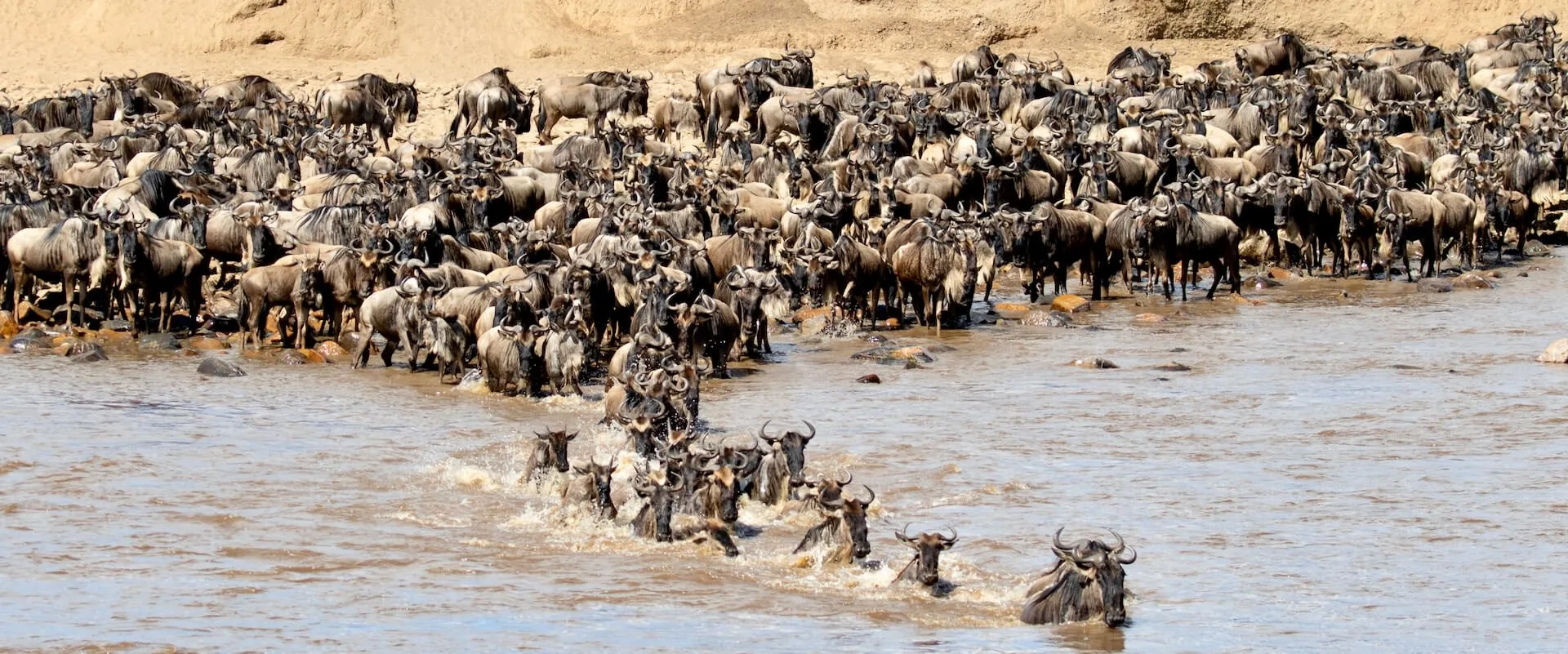
The Great Migration in Africa happens all year because the herds continuously circulate through the Serengeti–Mara ecosystem in…
Read article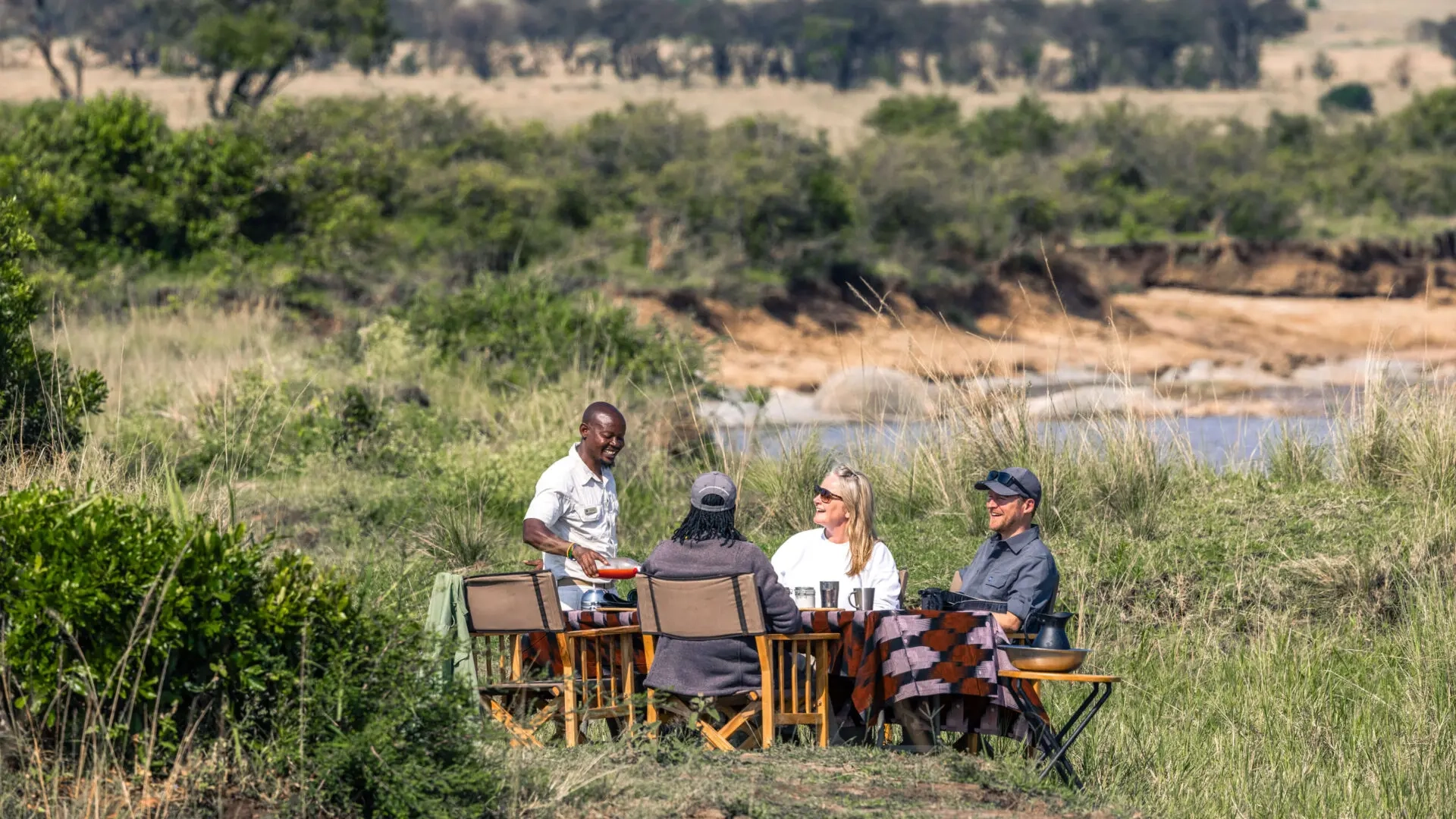
Definitive answer: A picnic lunch on safari is a packed or catered midday meal eaten at an approved…
Read article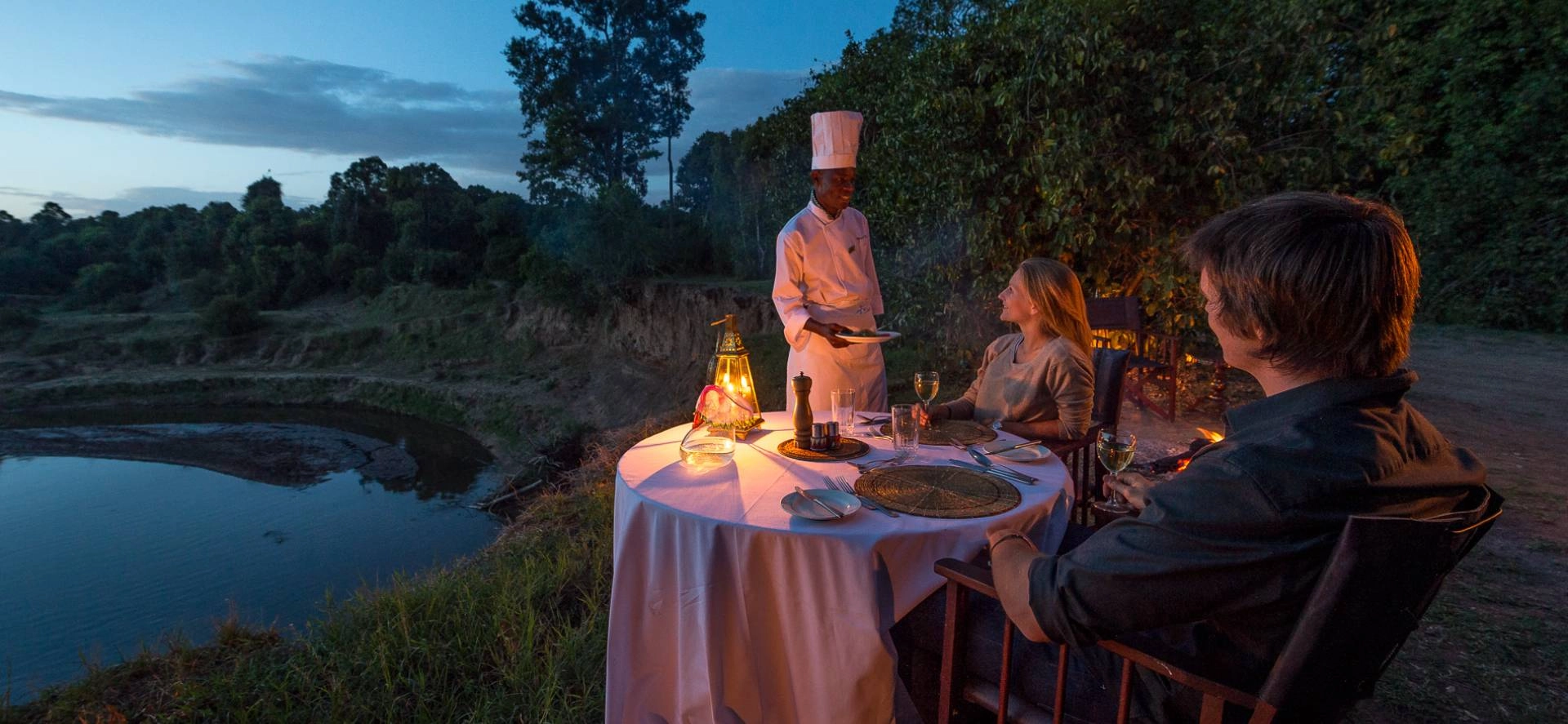
Definitive answer: A bush dinner is an outdoor evening meal arranged in a safe safari setting away from…
Read articleLet us take you closer to the wildlife, people and places that make Africa extraordinary.
Plan Your Safari Today