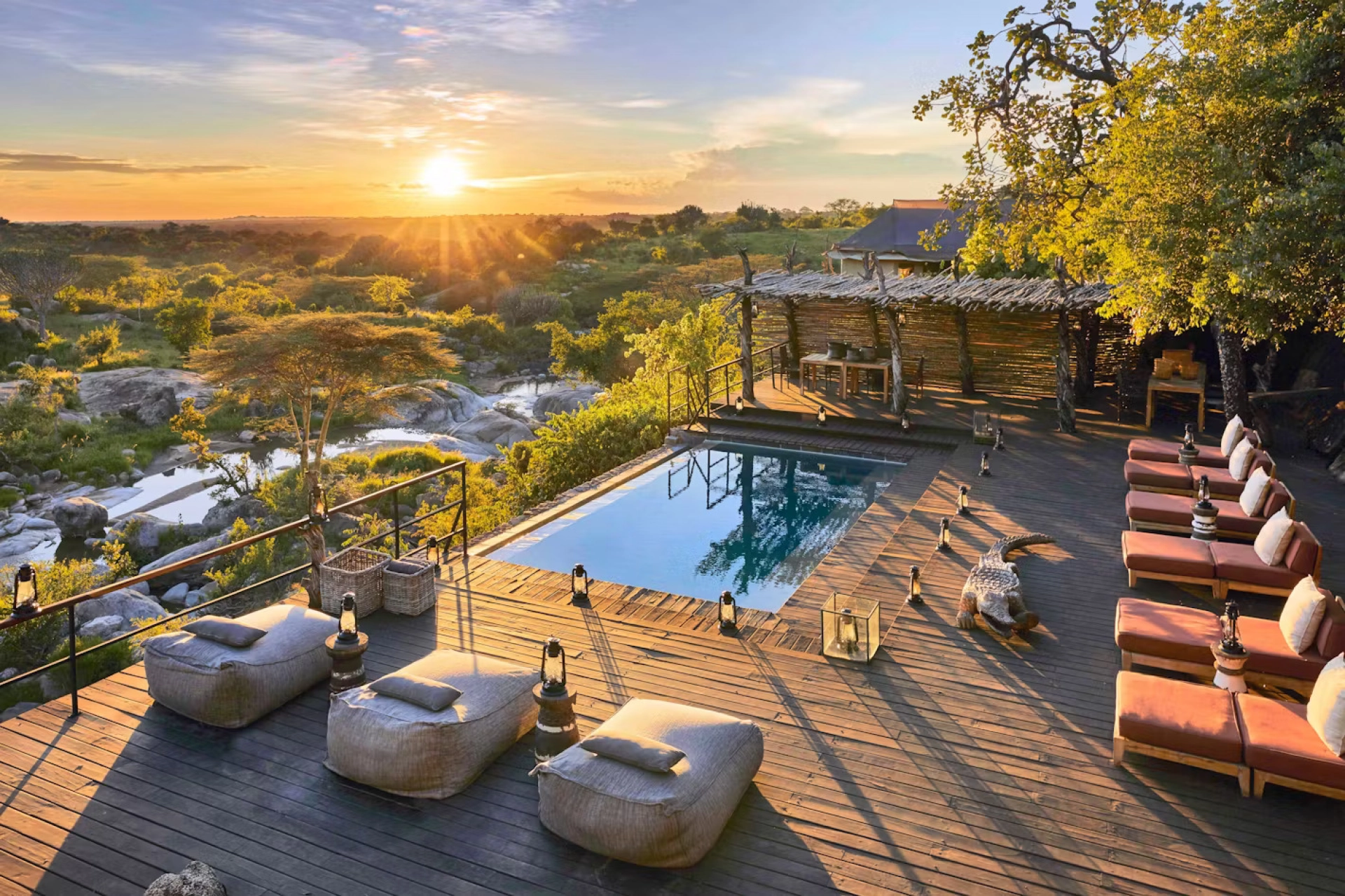
What should I look for when booking a luxury African safari?
When booking a luxury African safari, look beyond the room and compare the quality of guiding, wildlife location,…
Read article

Travel Guide
Planning a first African safari can feel surprisingly complicated. Travelers often begin with one simple dream—seeing lions in the wild, trekking mountain gorillas, watching elephants cross a road or witnessing the Great Wildebeest Migration—and quickly discover…
Planning a first African safari can feel surprisingly complicated. Travelers often begin with one simple dream—seeing lions in the wild, trekking mountain gorillas, watching elephants cross a road or witnessing the Great Wildebeest Migration—and quickly discover hundreds of decisions involving countries, national parks, seasons, accommodation, transport, permits, visas, vaccinations, luggage, tipping and costs. Should you visit Kenya or Tanzania? Is Uganda only for gorillas? How many days should a safari last? Is the rainy season really bad?
Are safari vehicles safe around lions? Can children trek gorillas? Is a luxury lodge necessary? Should you fly between parks or drive? How much should you tip? Will you have Wi-Fi? Can you wear shorts? Do you need binoculars? Can safari operators guarantee the Big Five? These are sensible questions. A successful African safari is not simply about choosing the park with the most famous name. It depends on matching your dates, budget, wildlife interests and preferred travel style with an ecosystem capable of delivering the experience you want.
Uganda’s official wildlife authority, for example, manages ten national parks spanning remarkably different ecosystems, including Bwindi, Kibale, Queen Elizabeth, Murchison Falls, Kidepo Valley and Lake Mburo. This diversity is why a Uganda journey can combine rainforest primates, savannah wildlife, river cruises and mountain scenery in one itinerary. This comprehensive safari guide with answers to African safari FAQs explains the questions travelers most often ask before booking.
A safari is a journey focused on observing wildlife, landscapes and natural environments. Modern safari tourism is primarily about photography, conservation, interpretation and experiencing wildlife in natural habitats. The classic image involves driving through an African savannah looking for elephants, lions, giraffes and zebras. That is only one type of safari. A modern African safari can include gorilla trekking, chimpanzee tracking, walking safaris, boat safaris, canoeing, birding, mountain hiking, desert exploration, photographic expeditions and even specialist conservation experiences. A safari in Botswana’s Okavango Delta feels completely different from a safari in Uganda’s Bwindi rainforest. Both are safaris.
The term is derived from Swahili, where safari broadly means journey. Over time, international tourism increasingly associated the word with wildlife travel in eastern and southern Africa. Today it is used globally, but Africa remains the spiritual center of the safari tradition.
There is no universal winner. Your priorities should decide. Choose Kenya if you want famous savannah wildlife, strong safari infrastructure, the Masai Mara and easy combinations with other Kenyan parks. Choose Tanzania if you want the Serengeti, Ngorongoro, Tarangire and access to several stages of the Great Migration.
Choose Uganda if you want mountain gorillas, chimpanzees and conventional savannah wildlife in the same journey. Choose Rwanda if you prioritize gorillas and compact travel distances. Choose Botswana if you value remote wilderness, waterways and lower-density safari experiences. Choose South Africa if you want extensive infrastructure and a broad choice between self-drive, private reserves and luxury travel.
Choose Namibia if landscape, desert ecology and self-driving matter as much as large-mammal density.
Yes, particularly for travelers who want variety. A well-planned Uganda safari can include Murchison Falls National Park, Kibale National Park, Queen Elizabeth National Park, Bwindi Impenetrable National Park and Lake Mburo National Park. The trip can therefore combine elephants, lions, giraffes, buffaloes, hippos, chimpanzees, mountain gorillas, zebras and extraordinary birds. Uganda Wildlife Authority lists gorilla trekking, safaris, mountain trekking and other nature-based activities among the country’s major visitor experiences.
No. This is one of the biggest misconceptions about Uganda tourism. Gorilla trekking in Uganda is internationally famous, but the country has much more. Murchison Falls offers game drives and Nile-based wildlife. Queen Elizabeth combines savannah, crater landscapes and the Kazinga Channel. Kibale is renowned for primates. Lake Mburo provides zebras and other savannah species. Kidepo Valley offers remote northeastern wilderness. The gorillas may be the headline attraction, but they are only one part of the country’s wildlife portfolio.
Uganda Wildlife Authority identifies Bwindi Impenetrable National Park and Mgahinga Gorilla National Park as the country’s two gorilla-tracking destinations. Bwindi contains several trekking sectors, including Buhoma, Ruhija, Rushaga and Nkuringo. UWA notes that gorilla treks can require moderate fitness and may last several hours depending on where the gorillas are located. The trekking sector matters because accommodation and road routing should be matched to the correct entry area.
There is no fixed trekking duration. The gorillas move through natural forest. Some groups may be located relatively quickly. Others require several hours of walking. UWA’s current Bwindi visitor information describes treks as potentially lasting roughly two to seven hours and notes that visits involve a defined observation period once a habituated family has been reached. Travelers should keep the full day flexible.
It can be physically demanding. Terrain can include: steep hills; mud; roots; dense vegetation; and uneven trails. Fitness helps. However, many travelers of varying ages successfully trek when adequately prepared. Hiring a porter can be extremely useful. Porters can help carry bags and provide practical support over difficult terrain while also generating local employment.
Chimpanzee trekking involves entering forest with trained guides to search for habituated chimpanzee communities. The experience differs from gorilla trekking. Chimpanzees are often more mobile. They may move rapidly through trees. Calls can echo through the forest. Groups can split and re-form. The experience can feel dynamic and energetic.
Kibale National Park is Uganda’s best-known chimpanzee destination. Uganda Wildlife Authority identifies Kibale as an important chimpanzee stronghold and promotes chimpanzee tracking as a major visitor experience. Other Ugandan forest destinations can also offer chimpanzee experiences depending on current tourism arrangements.
Absolutely. In fact, a gorilla and chimpanzee safari in Uganda is one of East Africa’s strongest primate itineraries. A traveler might combine: Kibale chimpanzee trekking; Queen Elizabeth game drives; the Kazinga Channel; and Bwindi gorilla trekking. This creates dramatic ecological contrast without requiring several international flights.
The Great Wildebeest Migration is the continuous movement of huge numbers of wildebeest and accompanying herbivores through the Serengeti–Mara ecosystem. It is driven mainly by rainfall, grass growth and water availability. It is not one single river-crossing event.
The migration moves principally through Tanzania’s Serengeti ecosystem and, during the northern phase, into Kenya’s Masai Mara ecosystem. TANAPA identifies the wildebeest migration as one of Serengeti’s defining wildlife attractions. Travel dates determine which part of the ecosystem should be prioritized.
That depends on what you want to see. Travelers interested in calving usually focus on southern Tanzania during the early-year period. Those interested in possible northern river crossings generally focus on northern Serengeti and the Masai Mara later in the year. Exact movements vary with rainfall. No operator can responsibly guarantee a crossing.
No. The animals decide when and where to cross. A strong Great Migration itinerary gives travelers several nights in the appropriate region rather than attempting a one-day crossing chase.
The Big Five are: lion; leopard; African elephant; African buffalo; and rhinoceros.
The term originated historically in hunting culture but is now used widely in photographic safari tourism.
No. Giraffes and hippos would immediately challenge that idea. The Big Five were not selected according to body size.
No. Hippos and crocodiles are not members, despite their potential danger. The category is historical rather than a scientific ranking.
Several safari countries offer opportunities. South Africa is particularly famous for Big Five reserves. Tanzania can offer all five through suitable itineraries and ecosystems. Kenya provides strong possibilities. Botswana and Zimbabwe also have excellent big-game destinations. The important distinction is between a country containing all five species and one short game drive producing all five sightings.
Yes. Tanzania supports all five species. However, they are not evenly distributed across every park. A combination of Serengeti, Ngorongoro and Tarangire can create strong opportunities for classic big-game viewing.
Tarangire is renowned particularly for elephants and also supports lions and leopards, among many other species. TANAPA highlights large elephant herds, buffaloes, predators, wildebeest, zebras and extensive birdlife among its major attractions. Rhino is not the reason travelers choose Tarangire. Therefore, the park should be valued for what it does exceptionally well rather than judged solely by a Big Five checklist.
Yes, particularly for lions, leopards, elephants and buffaloes. TANAPA describes the Big Five and the Great Migration among Serengeti’s key attractions. Black rhino is considerably less commonly encountered than the other four.
The Ngorongoro ecosystem is one of northern Tanzania’s most famous large-mammal areas and can provide strong opportunities for classic safari wildlife. Its enclosed crater landscape can produce relatively concentrated viewing. However, even here no individual animal should be guaranteed.
A game drive is a wildlife-viewing excursion conducted by vehicle. Most game drives use customized safari vehicles with elevated seating or roof openings designed to improve visibility. The guide searches for animals while interpreting behavior, habitat and tracks.
Cooler temperatures often increase animal activity. Predators may still be active from the night. Herbivores begin feeding. Light is also softer for photography. Late afternoon can similarly produce renewed wildlife movement as heat decreases. Midday is not useless, however. Wildlife remains present.
A full-day game drive generally means remaining in the wildlife area for much of the day rather than returning to camp between morning and afternoon activities. This can be particularly useful in enormous parks where wildlife may be far from the lodge. The trade-off is fatigue.
Often, yes. A private vehicle provides control over: departure times; sighting duration; photography; rest stops; and overall pace. Families and photographers especially benefit. Shared vehicles can provide excellent value for travelers prioritizing budget.
Vehicle design varies. Some East African vehicles seat approximately five to seven guests comfortably. However, capacity is not the same as ideal occupancy. Photographers generally benefit from fewer passengers. Always ask whether every traveler has a window position.
A safari van can work effectively on suitable Kenyan routes and can cost less. A purpose-built 4×4 may provide greater capability on rough, muddy or remote roads. The best vehicle depends on destination, season and itinerary. The cheapest vehicle is not always the best value.
Yes. They are mechanical machines operating on rough roads. Professional operators maintain vehicles carefully and should have procedures for managing mechanical issues. Vehicle condition is one reason choosing a reputable safari company matters.
Open-sided vehicles are commonly used in many southern African reserves. Wildlife often becomes habituated to the predictable profile of vehicles. Safety depends on passengers obeying guides. Standing suddenly, reaching outside or leaving the vehicle can alter the risk.
A lion is physically capable of climbing or jumping. However, incidents involving correctly operated safari vehicles are rare. Lions in established viewing environments often treat the vehicle as one large familiar object. This should never be confused with tameness.
Yes. Elephants are large wild animals and can make defensive or assertive approaches. Professional guides understand elephant behavior and maintain suitable distances. TANAPA specifically advises Tarangire visitors to give elephants and buffaloes generous space and avoid blocking animal paths to water.
Guides often do this when conditions allow because it reduces noise and vibration. However, safety, traffic and animal behavior may require the engine to remain on. The guide decides.
Only where permitted. Most national parks restrict exiting vehicles to designated places. Walking safaris require authorized arrangements. TANAPA’s Tarangire visitor regulations, for example, instruct visitors to remain in vehicles except at designated points and require authorized ranger accompaniment for walking activities.
A walking safari involves exploring wildlife habitat on foot with qualified guides or rangers. The emphasis is often different from vehicle safari. Participants learn about: tracks; plants; insects; dung; bird calls; animal movement; and ecology. It is less about pursuing close encounters with dangerous animals.
It involves genuine wildlife risk, which is why trained professionals and strict procedures are required. A professionally led walking safari is designed to manage that risk. Guests must follow instructions immediately.
A boat safari provides wildlife viewing from water. Some of Africa’s best examples include the Kazinga Channel in Uganda, the Nile in Murchison Falls and the Chobe River in Botswana. Boat safaris can reveal hippos, crocodiles, elephants, buffaloes and extraordinary birds from a completely different angle.
The activities complement each other. Game drives reveal terrestrial landscapes. Boat safaris concentrate attention on aquatic and riverine ecosystems. A destination offering both can provide much greater diversity than a vehicle-only itinerary.
A night drive searches for nocturnal wildlife after dark, usually using controlled spotlighting. These activities are only permitted in certain areas. Potential sightings can include: genets; civets; hyenas; leopards; porcupines; bushbabies;
and other nocturnal animals.
In some countries, yes. South Africa and Namibia are particularly well suited to self-drive travel. Parts of Kenya and Tanzania can be more logistically demanding for international visitors, and Uganda’s multi-park itineraries are often easier with a driver-guide.
It can be. But calculate the complete cost: vehicle rental; insurance; fuel; park entry; navigation; accommodation; and your own driving time. Hiring a guide adds cost but can greatly improve wildlife finding and interpretation.
For a first safari, seven to ten days is an excellent starting point. Three or four days can work for a single destination. Ten to fourteen days allows deeper exploration or combinations such as gorillas plus savannah wildlife. Very long trips can be extraordinary but should avoid excessive one-night stays.
Yes, if you concentrate on one destination. Three days is not enough for an ambitious multi-country safari. A short trip should prioritize depth over geography.
Five days can work very well for: Masai Mara; a short Tanzania northern circuit; or a focused Uganda gorilla-and-wildlife trip depending on routing. Avoid trying to include too much.
Seven days allows significantly more flexibility. A Uganda itinerary might combine primates and savannah. A Tanzania itinerary can incorporate several northern-circuit ecosystems. A Kenya itinerary can include the Mara plus another region.
Not for serious safari travelers. Two weeks allows slower travel, better wildlife observation and fewer rushed transfers. Multi-country itineraries also become more realistic.
Generally, at least two nights creates a better rhythm. One-night stays involve repeated packing and long transfers. Three nights in important areas can be even better.
High-demand safaris should be planned well ahead. This is particularly important for: gorilla permits; Great Migration camps; small luxury properties; family rooms; and festive-season travel. There is no advantage in waiting if your dates are fixed.
Sometimes. But last-minute travel reduces your choice. It is particularly risky when permits or specialized accommodation are essential.
Africa is too large for one universal best month. East Africa and Southern Africa have different seasonal patterns. Even neighboring parks can behave differently. The correct question is: “What is the best season for the specific wildlife experience I want?”
No. Dry season often improves wildlife concentration around water and reduces vegetation. But green season can offer: young animals; excellent birding; fewer visitors; dramatic clouds; lower accommodation rates in some destinations; and beautiful landscapes.
No. Rain is part of the ecosystem. Roads may become difficult, and animals can disperse, but rain can create superb photography and wildlife behavior. TANAPA notes that wet conditions can make parts of parks muddy, which simply requires appropriate vehicles and sensible driving.
Light rain usually does not automatically end a drive. Severe storms, flooded roads or unsafe conditions may require itinerary adjustments. Good operators respond to conditions.
Uganda can be visited throughout the year. Drier periods can make forest trekking and road travel easier. Wetter periods bring lush landscapes and excellent birding. Because Uganda lies near the equator, weather is influenced by altitude and local geography rather than four simple temperate seasons.
Different months suit different objectives. The Serengeti migration moves throughout the year. Tarangire can become particularly rewarding in the dry season as wildlife concentrates around water sources; TANAPA specifically highlights dry-season gatherings along the Tarangire River. There is therefore no single best Tanzania month.
Kenya offers year-round safari potential. Migration visitors tend to focus on the Mara during the northern migration period. Birders, photographers and travelers avoiding peak crowds may choose other seasons.
Safari costs vary enormously. Factors include: destination; season; accommodation; vehicle type; group size; number of days; permits; internal flights; park fees; and special activities. A realistic comparison must examine the complete itinerary rather than a headline daily rate.
A budget African safari prioritizes wildlife experience while reducing accommodation and transport luxury. It may use: simple lodges; shared vehicles; road transport; and fewer premium extras. Budget does not have to mean poor quality.
Mid-range travel usually provides private rooms, good meals, reliable comfort and appropriate locations without ultra-luxury extras. For many travelers, this is the best balance of cost and quality.
A luxury safari may include: premium lodges; remote camps; private vehicles; scheduled or charter flights; fine dining; spa treatments; personalized guiding; and exceptional locations.
The best luxury is functional: it improves the actual safari rather than merely decorating the room.
Protected wilderness requires conservation funding. Safari camps may operate in remote areas where everything must be transported long distances. Professional guides, vehicles, fuel, park fees, staff, food and maintenance all contribute. Some destinations
Often, but never assume. Ask your operator whether all protected-area fees are included. This is one of the most important questions when comparing quotations.
Only when clearly stated. Because gorilla trekking permits are a major safari component, the quotation should specify whether they are included.
Government fees, taxes or fuel costs can change. Read the operator’s booking terms carefully. Trips booked far in advance may be subject to statutory fee adjustments.
Not automatically. Compare: hotel category; vehicle type; park fees; activity inclusions; route; guide services; number of game drives; and transfer time. A quote that is $500 cheaper may exclude far more than $500 in essential costs.
Tipping customs vary by destination and company. Guides, trackers, porters and lodge staff may have different conventions. Request current guidance from your operator before travel rather than relying on a universal internet figure.
Strongly recommended. Safari travel can involve remote environments, non-refundable permits and significant international flight costs. Travelers should consider appropriate medical, evacuation, cancellation and baggage coverage according to personal circumstances.
Health requirements depend on nationality, travel history and itinerary. Travel-health recommendations can change. Consult qualified medical professionals and official sources before departure. A safari blog should not replace individualized medical advice.
Risk differs by country, region, altitude and season. Professional medical guidance should be obtained for the actual itinerary. Do not assume one malaria recommendation applies to every African safari destination.
Millions of travelers visit African safari destinations safely. But safari safety depends on responsible behavior. Wildlife remains wild. Road travel carries normal risks. Health preparation matters. Local political conditions can change. A reputable operator helps manage these variables.
Within a properly operated safari vehicle, lion viewing is a normal activity in many protected areas. Guests must follow guide instructions. Never approach predators independently.
Controlled gorilla trekking uses trained guides, established visitor procedures and habituated gorilla families. Uganda Wildlife Authority regulates gorilla tracking and designated entry points. Visitors must comply with health and behavioral rules.
Yes. Family safaris can be excellent. The itinerary should consider: driving time; heat; meal schedules; pool safety; wildlife rules; and age restrictions on specialist activities. Private vehicles can make family travel much easier.
Minimum-age rules apply. These requirements can change, so families should verify current official regulations before booking permits. Never assume a young child can participate simply because they are physically fit.
Often exceptionally good. Teenagers who enjoy wildlife, photography, geography or adventure can become deeply engaged. Including varied activities such as boat trips, primates and walking experiences can prevent game-drive fatigue.
Yes. Many older travelers safari successfully. Itineraries can be adapted using: fly-in transfers; shorter driving days; accessible lodges; and private vehicles. For gorilla trekking, mobility and fitness deserve additional consideration.
This is a medical and personal decision. Consider: malaria risk; vaccination requirements; remote medical access; rough roads; heat; and activity limitations. Consult a qualified healthcare professional before booking.
Pack lightly and practically. Essential categories include: comfortable clothing; sun protection; appropriate footwear; rain protection where relevant; medications; binoculars; camera equipment; chargers; travel documents; and a small daypack. Avoid bringing excessive luggage.
Neutral colors such as khaki, olive, beige and brown are practical. Bright colors are not automatically disastrous inside a vehicle, but neutral tones are generally better for walking and trekking. Avoid camouflage-pattern clothing where local laws or norms discourage it.
You can, but dark colors can absorb heat and may attract certain biting insects in some environments. Practical comfort matters more than achieving a stereotypical safari costume.
For vehicle safaris, yes, if comfortable and appropriate for conditions. For forest trekking, long trousers provide much better protection from vegetation and insects.
For ordinary game drives, comfortable closed shoes can be enough. For gorilla trekking, chimpanzee trekking or walking safaris, sturdy footwear becomes more important.
Yes. Binoculars are one of the best safari investments. They improve observation of: birds;
distant predators; animal behavior; and landscapes. Do not assume your camera zoom replaces binoculars.
That depends on your photography ambitions. A smartphone works well for landscapes and close wildlife. Interchangeable-lens or bridge cameras offer far better reach for distant animals. Photographers should prioritize lenses and vehicle positioning over carrying too many camera bodies.
Usually only under strict regulations or special permissions. Protected areas frequently prohibit ordinary recreational drone use. TANAPA, for example, states that drones require prior written permission in Tarangire. Never arrive assuming a drone can be used.
Usually, but supply arrangements vary. Remote camps may use: solar power; generators; or restricted charging times. Photographers should ask about charging facilities.
Many lodges offer internet in rooms or communal areas. Remote camps can have slow or intermittent connections. Safari is not the ideal environment for relying on continuous high-speed internet.
Yes, but coverage varies. Urban centers and major towns generally have stronger networks than wilderness areas. A local SIM or eSIM may improve connectivity depending on destination.
Soft-sided luggage is especially useful for small aircraft. Some fly-in safaris impose strict weight and dimension limits. Hard suitcases can be problematic on certain bush flights. Road safaris are generally more flexible.
Some cash is useful for: tips; small purchases; local crafts; and incidental expenses. Avoid carrying excessive amounts. Payment options vary widely by destination and lodge.
Each country has its own official currency. Many international safari quotations are denominated in US dollars. Hotels and tourism businesses may accept multiple payment methods. Ask your operator about specific destinations.
Safari lodges generally serve a mix of local and international cuisine. Meals may include: fresh fruit; eggs; bread; soups; salads; rice; potatoes; vegetables; meat; fish; and desserts. Remote camps plan supplies carefully.
Often, yes. Vegetarian and many other dietary requirements can usually be managed when communicated in advance. Guests with serious allergies should provide detailed information early.
Safari operators and lodges usually provide treated or bottled drinking water. Do not assume tap water is suitable everywhere. Follow local guidance.
Morning game drives often begin around sunrise. Exact times depend on park rules, season and lodge routine. Gorilla and chimpanzee activities usually require scheduled morning briefings.
Yes. Early mornings, long drives and excitement can be surprisingly tiring. A well-designed itinerary includes enough downtime. Constantly changing lodges increases fatigue.
No. Balance matters. Some destinations justify long field days. Others work better with morning and afternoon activities separated by rest.
A common pattern may include: an early wake-up; morning wildlife activity; breakfast or brunch; midday rest; late-afternoon game drive; dinner; and an early night. However, migration safaris, trekking days and full-day excursions can differ substantially.
Some are. Others are completely open to wildlife. At unfenced camps, animals can move through freely. Guests may be escorted to rooms after dark. Always obey the lodge’s procedures.
Yes. At wilderness camps, elephants and other animals sometimes move through. Do not approach them. Remain where staff instruct.
In river or lakeside environments, hippos can move on land at night. This is another reason nighttime escort rules exist.
Sometimes, especially if food is accessible. Keep doors and windows secured as instructed. Never feed monkeys. Habituating primates to human food creates behavioral problems.
Very. Sunsets, private dinners, remote camps and extraordinary wildlife make safari popular for honeymoons and anniversaries. A honeymoon safari in Africa can combine wildlife with Zanzibar, the Kenyan coast, Lake Bunyonyi or another relaxation destination.
Couples should choose according to priorities. For migration and beach: Tanzania plus Zanzibar. For gorillas and wilderness: Uganda or Rwanda. For exclusive luxury: Botswana. For classic safari and coast: Kenya. The best honeymoon is not one generic package.
Yes. Popular combinations include: Tanzania and Zanzibar; Kenya safari and Diani Beach; South Africa and Mozambique; or longer East African journeys followed by the Indian Ocean.
Yes.
This is one of Africa’s strongest classic safari combinations. Border and vehicle logistics need careful planning, particularly between the Masai Mara and Serengeti.
Yes. A powerful itinerary can combine the Serengeti Great Migration with gorilla trekking in Uganda. This delivers both mass savannah wildlife and intimate primate encounters.
Yes. The Masai Mara plus Uganda gorilla trekking is another excellent combination. Travelers can fly between regional hubs and continue by road or domestic flight.
Both provide legitimate mountain-gorilla experiences. Uganda often suits travelers who want to combine gorillas with extensive savannah and chimpanzee experiences. Rwanda offers compact geography and easy access from Kigali to Volcanoes National Park. The decision should consider the entire itinerary rather than only permit price.
If possible, do both. A game drive is observational and vehicle-based. Gorilla trekking is immersive and physically active. They complement each other rather than compete.
Choose destinations with strong wildlife density, knowledgeable guides and suitable vehicle access. The Mara, Serengeti, South Luangwa, Botswana and numerous private reserves are excellent. Uganda provides exceptional primate photography. For serious photographers, a private vehicle can matter more than lodge luxury.
Uganda is outstanding due to its habitat diversity. Tanzania, Kenya, Botswana, Zambia, South Africa and Namibia also offer tremendous birdlife. Birding safaris should focus on habitat variety rather than only species counts.
It can be when conducted responsibly. Tourism can generate conservation revenue, employment and economic incentives for protecting habitats. But poor tourism practices can disturb wildlife. Choose operators that respect: park rules; animal space; local communities; and conservation.
Never. Feeding changes natural behavior and can create dangerous habituation.
Only where regulations permit. Do not pressure guides to break conservation rules for photographs.
A great guide does far more than identify animals. They understand: behavior; tracks; ecology; bird calls; weather; landscape; culture; and guest interests. Good guides also know when to remain silent.
Two travelers can visit the same park on the same day and have completely different experiences. The better guide may notice: a leopard tail in vegetation; alarm calls suggesting a predator; fresh tracks; or subtle animal behavior. Safari quality is therefore partly about interpretation.
A strong itinerary has: realistic drive times; enough nights in major destinations; logical geography; appropriate accommodation locations; activities matched to traveler interests; and seasonal awareness. More parks do not automatically mean a better safari.
Trying to do too much. A rushed itinerary creates: long drives; short game-viewing periods; repeated packing; and exhaustion. Spend more time in fewer places.
Choosing accommodation by photographs rather than location. A beautiful lodge two hours from the main activity can produce a poor safari.
Treating wildlife like scheduled entertainment. Wild animals do not perform on command. The best safaris accept uncertainty.
Ask whether the quotation includes: all accommodation; meal plans; park fees; permits; vehicle and guide; airport transfers; domestic flights; activities; and taxes. Also ask what is excluded.
Compare line by line. A cheaper quote may use: different lodges; shared transport; fewer activities; or excluded fees. Do not compare final price alone.
For travelers genuinely interested in wildlife, nature and conservation, safari can be one of the world’s most rewarding forms of travel. The value comes from experiences that cannot be recreated in a zoo or documentary. Watching a wild lion interact with its pride, following elephant tracks through savannah or meeting mountain gorillas in forest creates a connection to ecosystems that photographs alone cannot replicate.
The best African safari begins with three questions: What do you most want to see? When can you travel? What budget and comfort level suit you?
Everything else follows. If your priority is mountain gorillas and chimpanzees, build the journey around Uganda. If your priority is the Great Migration, choose the correct section of Serengeti or Masai Mara for your travel month. If your priority is the Big Five, build an itinerary around ecosystems that provide realistic opportunities for all five rather than assuming every famous park does.
If your priority is photography, protect time and vehicle space. If your priority is budget, reduce luxury before reducing wildlife time. If your priority is family travel, reduce transfer distances. And above all, remember that safari is not a race to tick animals from a list. The magic comes from watching wild animals behave naturally in functioning ecosystems. At Adventure in the Wild Safaris, we design Uganda safaris, gorilla trekking safaris, chimpanzee trekking tours, Kenya wildlife safaris, Tanzania safaris, Great Migration tours, Big Five safaris and multi-country East African journeys around each traveler’s dates, interests and preferred accommodation level.
A well-planned safari does not merely answer your questions before departure. It creates a journey that makes you return home with even better questions about Africa’s wildlife, landscapes and conservation.

Share This Article
When booking a luxury African safari, look beyond the room and compare the quality of guiding, wildlife location,…
Read article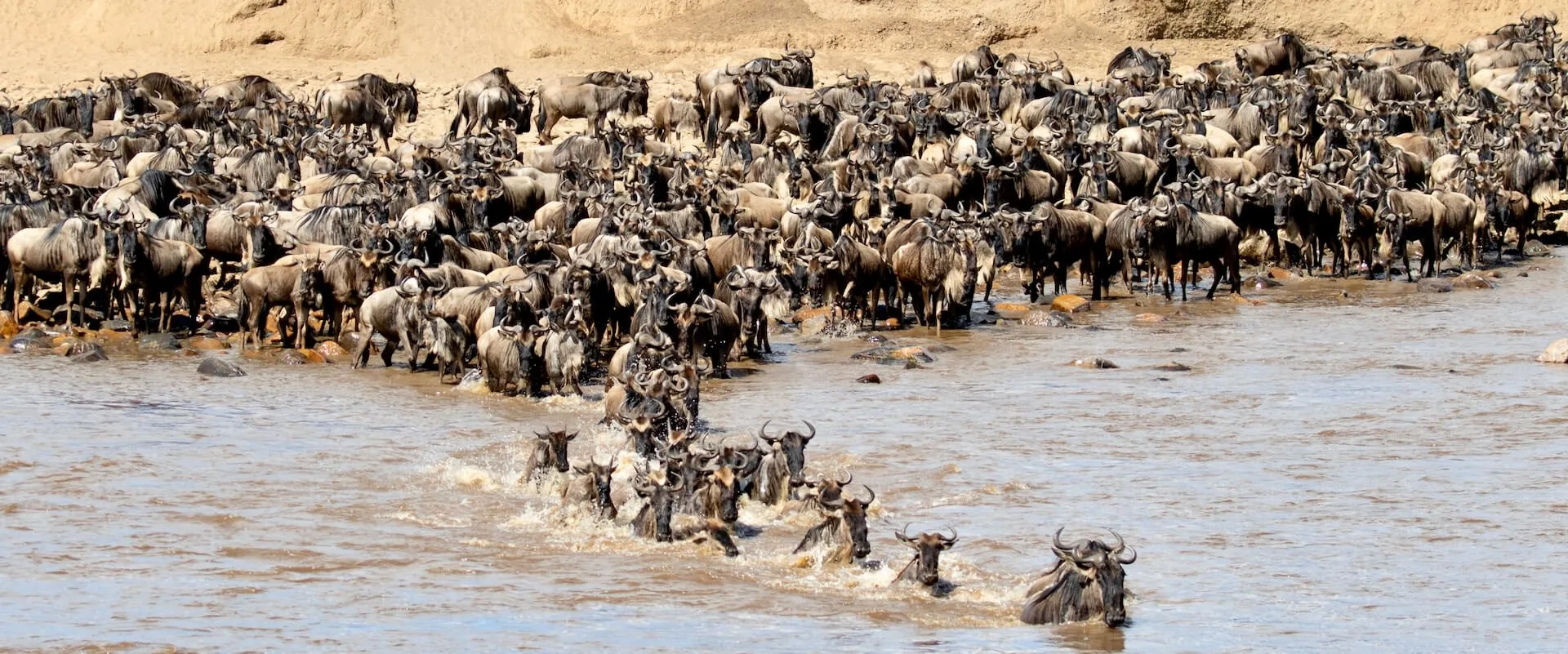
The Great Migration in Africa happens all year because the herds continuously circulate through the Serengeti–Mara ecosystem in…
Read article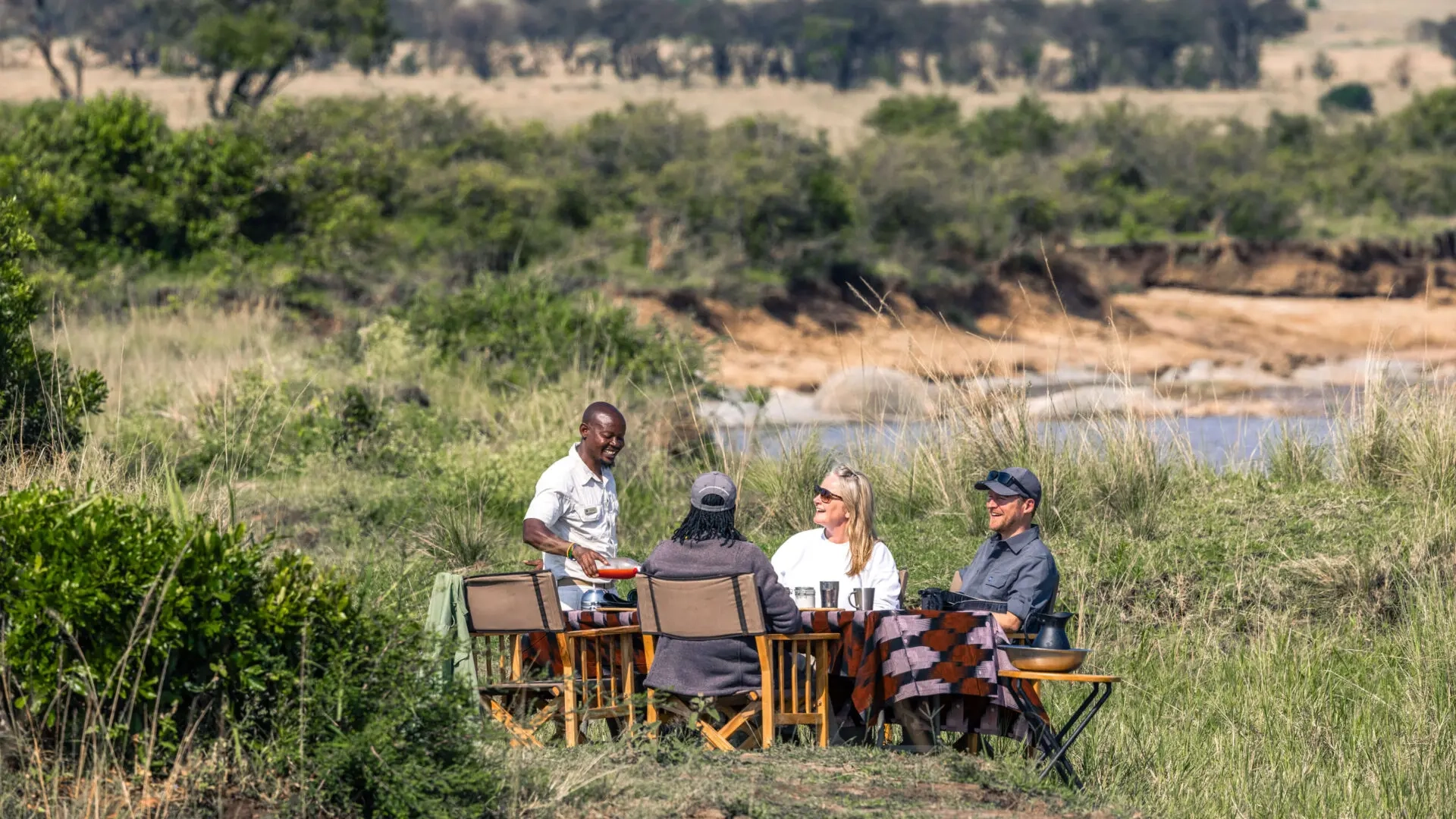
Definitive answer: A picnic lunch on safari is a packed or catered midday meal eaten at an approved…
Read article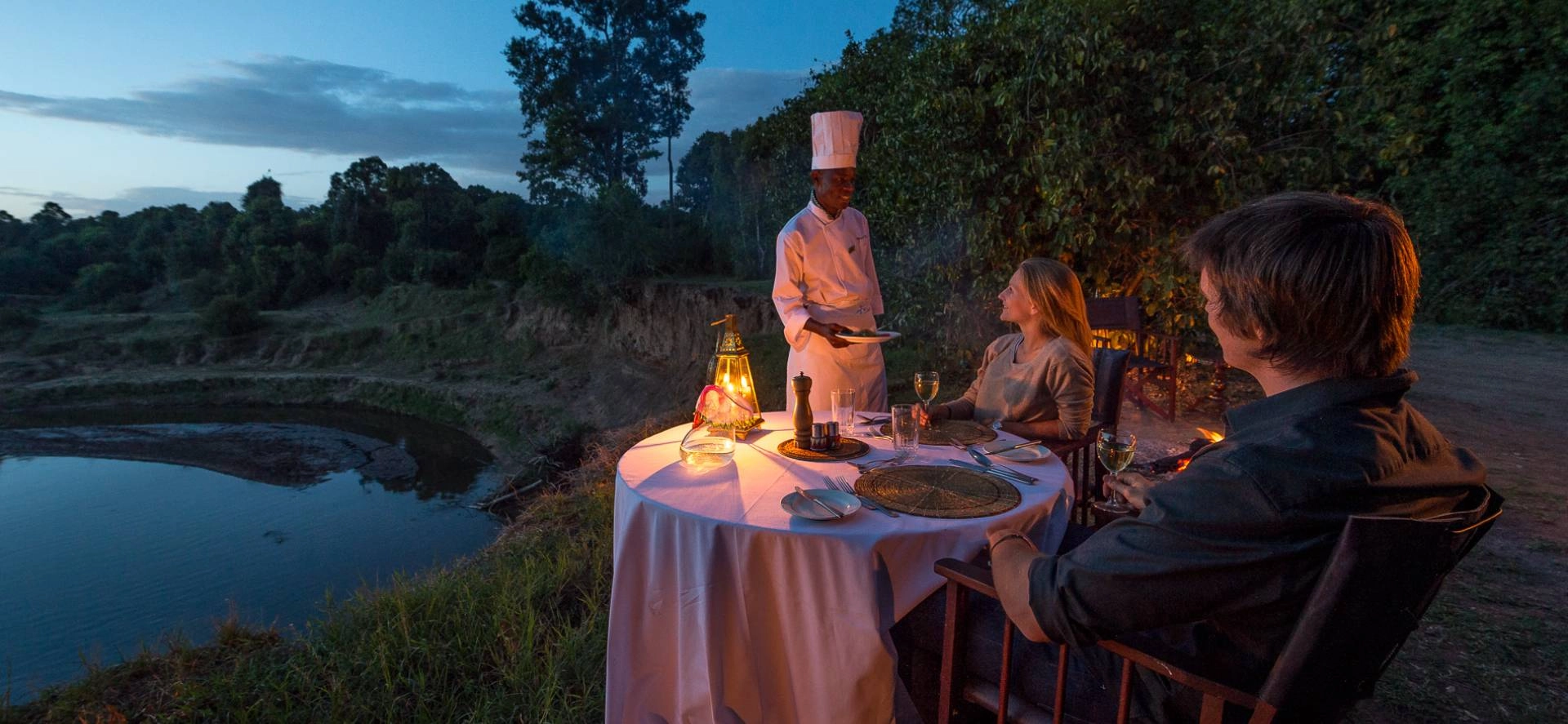
Definitive answer: A bush dinner is an outdoor evening meal arranged in a safe safari setting away from…
Read articleLet us take you closer to the wildlife, people and places that make Africa extraordinary.
Plan Your Safari Today