
What should I look for when booking a luxury African safari?
When booking a luxury African safari, look beyond the room and compare the quality of guiding, wildlife location,…
Read article

Travel Guide
Kenya is famous around the world for lions prowling across the Masai Mara, elephants walking beneath Mount Kilimanjaro in Amboseli and millions of wildebeest moving through the greater Serengeti-Mara ecosystem. Yet for travelers willing to look…
Kenya is famous around the world for lions prowling across the Masai Mara, elephants walking beneath Mount Kilimanjaro in Amboseli and millions of wildebeest moving through the greater Serengeti-Mara ecosystem. Yet for travelers willing to look beyond Africa’s large mammals, Kenya reveals another extraordinary natural treasure: its birds. From the flamingo-rich lakes of the Great Rift Valley to the forests of Mount Kenya, the arid landscapes of Samburu, the Indian Ocean coastline, the papyrus wetlands of Lake Victoria and the open grasslands of the Masai Mara, birding in Kenya offers remarkable variety within a relatively compact country. More than a thousand bird species have been recorded in Kenya, placing the country among Africa’s outstanding birdwatching destinations. This diversity is possible because Kenya sits at an ecological crossroads. Equatorial forests meet dry savannah. Rift Valley lakes interrupt grasslands. Mountains create cool high-altitude habitats. The Indian Ocean introduces coastal forests, mangroves and marine environments. Seasonal migrants arrive from Europe, Asia and other parts of Africa. For a dedicated birder, a Kenya birding safari can easily become a two- or three-week expedition. For a first-time safari traveler, birdwatching can be integrated naturally into a conventional wildlife itinerary without sacrificing opportunities to see elephants, lions, leopards, cheetahs, giraffes and other iconic African animals. This detailed safari guide to the best birding in Kenya explores the country’s most important birdwatching destinations, distinctive habitats, notable species, seasonal considerations and practical planning advice.
Kenya’s greatest birding advantage is habitat diversity.
A traveler can begin a morning in Nairobi, drive into the Great Rift Valley and reach wetlands containing pelicans, flamingos, kingfishers and African fish eagles. Continue north and the landscape becomes increasingly dry, introducing species associated with semi-arid bushland. Travel toward Mount Kenya and montane forests support an entirely different bird community. Head south toward Amboseli and birds occupy swamps beneath Africa’s highest mountain. Travel west and the immense Lake Victoria basin introduces papyrus specialists.
Fly east toward the coast and mangroves, coral islands and coastal forests add another collection of species. This means a birdwatching safari in Kenya can generate an exceptional species list without requiring international border crossings. Another advantage is infrastructure. Kenya has one of Africa’s oldest and best-developed safari industries. National parks, reserves, private conservancies, lodges, camps and experienced guides exist throughout the country’s main wildlife regions. Birders can therefore combine specialist birdwatching with comfortable accommodation and conventional wildlife viewing.
Kenya’s resident birdlife is impressive throughout the year, but seasonal migration adds another dimension.
Birds moving between Eurasia and Africa use eastern Africa as wintering habitat and migration territory. During the northern winter, Kenya can therefore host species that have traveled enormous distances from Europe and Asia. This seasonal influx makes the wetter months particularly attractive for birders. At the same time, resident birds may enter breeding plumage, courtship activity increases and landscapes become greener. A green-season Kenya birding tour may therefore produce very different photographs and behaviors from a dry-season wildlife safari.
One of the greatest misconceptions about birdwatching is that travelers must choose between birds and mammals.
Kenya demonstrates why this is unnecessary. A morning game drive in the Masai Mara might begin with lions resting beside a track. Minutes later, a secretarybird strides across the grasslands. A lilac-breasted roller lands on an exposed branch. Vultures circle overhead. Crowned cranes feed beside a wetland. At a river crossing, attention shifts back to wildebeest, crocodiles and hippos. This constant alternation between large mammals and birds makes Kenya especially suitable for couples or groups in which only some travelers identify as serious birders. A skilled safari guide can incorporate Kenya bird identification into ordinary game drives without turning every sighting into a prolonged technical discussion.
The Masai Mara National Reserve is one of the world’s most famous wildlife destinations, yet its birdlife is often overshadowed by lions, cheetahs and the Great Migration.
For birders, this is a mistake. The Mara’s open grasslands, riverine woodland, seasonal wetlands and acacia habitat support an impressive variety of birds. Large terrestrial species are particularly conspicuous. Secretarybirds walk through grasslands hunting insects, snakes and other small prey. Their long legs and distinctive crest make them unmistakable. Southern ground hornbills may move slowly across the plains in family groups. Kori bustards, among the world’s heaviest flying birds, inhabit open country. Ostriches are common enough to be overlooked by experienced safari travelers but remain extraordinary birds when observed closely.
The Mara is excellent for birds of prey.
Eagles, vultures, hawks, kestrels and other raptors take advantage of abundant prey and open landscapes. Vultures play a particularly important ecological role. By rapidly consuming carcasses, they recycle nutrients and help remove decomposing animal material. A predator kill can therefore become a fascinating birding event after lions or hyenas have finished feeding. Different vulture species may arrive and compete around the carcass. For photographers, this can provide dramatic behavioral opportunities.
The lilac-breasted roller is among East Africa’s most photographed birds. Its combination of blue, turquoise, green and lilac plumage looks almost unreal in bright sunlight. Rollers frequently perch on exposed branches or posts, watching for insects. Because they often tolerate safari vehicles, they are excellent photographic subjects. The species has become almost as symbolic of an East African safari as the larger mammals.
Travelers visiting during the Great Migration often concentrate entirely on wildebeest and zebras. Birders should continue looking upward. Large concentrations of mammals influence scavenger activity, while rivers, grasslands and temporary pools continue supporting diverse birdlife. A Masai Mara birding safari during the migration therefore combines two completely different wildlife spectacles.
Lake Nakuru has long been associated with images of enormous flamingo flocks turning the shoreline pink. The reality is more dynamic. Flamingo numbers fluctuate because water depth, chemistry, algae availability and broader Rift Valley conditions change. Birds move between lakes in response to these factors. Travelers should therefore avoid assuming that every visit will reproduce historic photographs of millions of flamingos. Nevertheless, Lake Nakuru birdwatching remains excellent. Greater and lesser flamingos may occur depending on conditions. Pelicans, cormorants, herons, storks and numerous other waterbirds use the lake. The surrounding national park also contains woodland and grassland birds.
Lake Nakuru is particularly useful for mixed-interest safari groups because it combines birding with substantial mammal viewing. The park is well known for rhino conservation. Buffalo, giraffes, zebras, antelope and predators may also be encountered. A birder can spend considerable time around the lake while other travelers remain engaged by larger wildlife.
Lake Naivasha is a freshwater lake within the Great Rift Valley and one of the most accessible birdwatching destinations from Nairobi. Boat trips are particularly rewarding. African fish eagles are among the signature species. Their distinctive calls carry across the water and are one of the defining sounds of East African wetlands. Guides may also locate kingfishers, cormorants, herons, jacanas, pelicans and other water-associated birds. Hippos inhabit the lake, adding a large-mammal component to the experience.
Boat-based birding creates excellent photographic opportunities because the viewing angle is close to water level. Birds may be observed fishing, drying their wings, nesting or moving between papyrus stands. A telephoto lens is useful, but visitors should resist asking boat operators to approach birds excessively closely. Responsible bird photography prioritizes natural behavior over a frame-filling image.
Lake Bogoria is another important Rift Valley birding destination. Its alkaline environment can support huge numbers of lesser flamingos when conditions are favorable. The sight of thousands of pink birds feeding against a stark Rift Valley landscape can be extraordinary. However, flamingos are mobile. They respond to food availability and changing lake conditions. A responsible Kenya birding safari itinerary should therefore remain flexible and use current information rather than assuming a particular lake will always hold the largest concentrations.
Amboseli is internationally famous for elephants and views of Mount Kilimanjaro. Its wetlands are equally important. Underground water originating from the Kilimanjaro ecosystem feeds swamp habitats that remain productive even when surrounding plains become dry. These wetlands attract numerous waterbirds. Herons, egrets, pelicans, storks and other wetland species can be observed alongside elephants and buffalo.
Away from the swamps, Amboseli’s grasslands support raptors, bustards, ostriches and numerous smaller species. The contrast between wetlands and semi-arid plains creates excellent bird diversity. Photographers may capture birds with Kilimanjaro in the background, although clear views of the mountain depend on weather. Early mornings often provide the best opportunities.
Travel north from central Kenya and the landscape changes dramatically. Samburu National Reserve lies within a semi-arid environment characterized by dry bush, rocky hills and the Ewaso Nyiro River. This habitat supports birds that may be absent or less common in wetter southern regions. Samburu is therefore essential for birders seeking a broad Kenya species list.
The spectacular vulturine guineafowl is one of northern Kenya’s signature birds. Its cobalt-blue breast, long neck feathers and unusual appearance make it one of the most memorable species on a Samburu safari. Groups often move across dry ground together.
The Somali ostrich differs visibly from the common ostrich found farther south. Adult males display distinctive bluish neck and leg coloration. For birders traveling across Kenya, seeing both ostrich species highlights the country’s ecological transition between East African and Horn of Africa habitats.
The Ewaso Nyiro River creates a vital green corridor through otherwise dry country. Birds concentrate around riverine vegetation, particularly during dry periods. Elephants and other mammals do the same. This produces a safari in which bird and mammal viewing are constantly interconnected.
Meru National Park receives fewer visitors than the Masai Mara or Amboseli, but this is part of its appeal. The park contains rivers, grassland, woodland and bush habitat. For birders who value quiet wildlife areas and want to move beyond Kenya’s most famous safari circuit, Meru deserves serious consideration. Lower vehicle density can make birding particularly pleasant because guides can stop for small species without feeling pressure from surrounding traffic. A longer Kenya birdwatching safari can combine Meru with Mount Kenya and Samburu, creating a diverse northern circuit.
Mount Kenya introduces an entirely different ecological world. As elevation increases, vegetation changes from agricultural landscapes and forest to bamboo, heath and Afro-alpine habitat. Each elevation zone supports different birds. Forest birding can be challenging because species are often heard before they are seen. This makes a knowledgeable specialist guide particularly valuable.
Mixed-species feeding flocks can suddenly transform a quiet forest. For several minutes, numerous birds may move through the canopy before disappearing. The ability to recognize calls becomes essential. Travelers accustomed to open savannah birding may initially find forests frustrating, but the challenge is part of their appeal.
Mount Kenya birding is not only about building a species list. Mist, giant vegetation and mountain scenery create an atmospheric experience very different from conventional safari landscapes. Combining forest birding with a savannah destination gives a Kenya itinerary greater ecological depth.
The Aberdare range contains highland forest, bamboo and moorland. Birding here differs dramatically from the open plains of the Mara. Dense vegetation means patience matters. Species may remain hidden while calling from the canopy. Waterfalls, forest roads and mountain scenery add to the experience. Aberdare can be incorporated into a central Kenya itinerary alongside Mount Kenya and Rift Valley destinations.
Few world capitals have a major wildlife park immediately beside them. Nairobi National Park allows travelers to begin birding almost immediately after arriving in Kenya. Open grasslands, dams, woodland and seasonal wetlands support substantial bird diversity. Large mammals add to the attraction. The unusual backdrop of Nairobi’s skyline makes the park one of Africa’s most distinctive safari environments.
Travelers with a long layover or one free day before a longer safari can use Nairobi National Park as an introduction to Kenya birds and wildlife. Early morning visits are particularly rewarding. A dedicated birder can then continue to other Nairobi-area birding sites or travel onward into the Rift Valley.
Western Kenya contains one of the country’s most important birding environments: Kakamega Forest. The forest represents an eastern remnant of the great equatorial rainforest system extending across central Africa. Its bird community therefore differs substantially from Kenya’s savannah destinations. For serious birders, Kakamega can become one of the highlights of an entire Kenya tour.
Savannah birds are often visible from long distances. Forest species may remain concealed behind leaves only meters away. Birders rely heavily on sound. A guide who understands calls, feeding behavior and preferred vegetation becomes invaluable. Walking slowly and remaining quiet generally produces better results than covering large distances.
Kakamega is not exclusively about birds. Primates, butterflies and forest plants add diversity. Travelers interested in broader natural history will find the forest particularly rewarding.
The Lake Victoria basin introduces papyrus wetlands and lakeshore habitats. Papyrus specialists are particularly interesting to dedicated birders because they occupy relatively specialized environments. Wetland birding may involve boats, boardwalks or walks along marsh edges. Western Kenya can therefore complement Kakamega Forest within a specialist itinerary.
Kenya’s Indian Ocean coast is famous for white-sand beaches, coral reefs and Swahili culture. For birders, the coastal forests are equally important. Arabuko-Sokoke Forest near Watamu and Malindi is one of East Africa’s most significant remaining coastal forests. It protects species associated with this increasingly restricted habitat.
Coastal forests have experienced extensive historical fragmentation. Remaining protected areas therefore have disproportionate conservation importance. Specialist birders visit Arabuko-Sokoke specifically for species difficult to find elsewhere. The forest also provides an excellent way to add serious birding to a Kenya safari and beach holiday. A traveler can spend mornings birding and afternoons beside the Indian Ocean.
Near Arabuko-Sokoke, Mida Creek provides mangrove and tidal habitats. Waders, herons and other coastal birds feed across exposed mudflats and shallow water. Tides strongly influence birding. An experienced local guide can time visits according to conditions. Mangrove ecosystems also demonstrate the ecological connection between terrestrial forests and the Indian Ocean.
The vast Tsavo ecosystem contains dry woodland, savannah, riverine habitat and volcanic landscapes. Bird diversity reflects this range. Because Tsavo lies between inland Kenya and the coast, it can introduce species associated with different ecological regions. Birders combining Nairobi with the Indian Ocean can therefore use Tsavo as both a safari destination and a transitional birding zone.
Tsavo’s enormous size means many areas feel far quieter than famous sections of the Masai Mara. For birders, this can be advantageous. A vehicle can stop for small species without creating traffic. The sense of wilderness is itself a major attraction.
Flamingos are among Kenya’s most famous birds. Historically, Lake Nakuru became synonymous with enormous flocks. Today, flamingos move among multiple Rift Valley lakes according to environmental conditions. Lake Bogoria, Lake Nakuru and other suitable alkaline lakes may all become important at different times. This mobility means birders should avoid building an entire safari around the assumption that flamingos will be concentrated at one predetermined location. A well-planned itinerary incorporates flexibility.
Kenya is exceptional for raptors. Eagles, hawks, falcons, kestrels, harriers, vultures and owls occupy habitats from open savannah to mountain forest. Predator-rich ecosystems such as the Masai Mara support numerous scavenging birds. Dry northern landscapes provide excellent visibility for perched raptors. Forest regions introduce species that may be difficult to detect without knowledge of calls. For travelers particularly interested in raptor photography in Kenya, a private vehicle is highly valuable because sightings can be given sufficient time.
Vultures are among Africa’s most ecologically important and threatened birds. They dispose of carcasses quickly, helping maintain ecosystem health. Threats can include poisoning, habitat change and collisions with infrastructure. Safari tourism can help create economic value around intact ecosystems where vultures and other scavengers survive. Travelers should appreciate vultures as essential wildlife rather than unattractive background species around predator kills.
The secretarybird is one of Africa’s most unusual raptors. Unlike eagles that hunt primarily from the air, secretarybirds spend much of their time walking across open grassland. Their extremely long legs allow them to move through vegetation while searching for prey. Seeing a secretarybird stride across the Masai Mara or another open savannah is a highlight for many birders. Because the species requires extensive open habitat, its presence also emphasizes the importance of protecting large connected grassland ecosystems.
Bee-eaters are among Africa’s most colorful birds. Their slender bodies, pointed wings and vivid plumage make them immediately appealing to photographers. Different species occur in different habitats and seasons. They often perch conspicuously before launching into the air to catch insects. Migratory movements can create concentrations in suitable areas. For beginners, bee-eaters are excellent birds because their appearance encourages curiosity about identification.
Kenya supports several kingfisher species. Not all live beside water. Some specialize in terrestrial prey and may occur in woodland or savannah. Others are strongly associated with lakes and rivers. Lake Naivasha and other wetlands can provide excellent kingfisher viewing. Understanding these ecological differences transforms birdwatching from simple identification into a study of how species occupy different niches.
Hornbills are among the most characteristic birds of African woodland. Their oversized bills and distinctive calls make them memorable. Ground hornbills occupy a very different ecological niche from smaller tree-dwelling species. Watching hornbills feed, interact and move through habitat can occupy birders for far longer than simply adding a species to a checklist.
Kenya can be visited for birding throughout the year. The best period depends on priorities. The wetter months often bring greener landscapes, breeding behavior and migrant birds. Photographers may appreciate colorful plumage and dramatic skies. Some roads can become more challenging after heavy rain. Dry periods can make wildlife concentrations easier to locate and may be preferable for travelers combining birding with classic big-game viewing. There is therefore no single best time for a Kenya birding safari. A migration-focused traveler, specialist birder and first-time safari visitor may each choose different months.
Seasonal migrants significantly increase Kenya’s bird diversity. Some travel thousands of kilometers between breeding grounds in Eurasia and African wintering areas. Their journeys are among nature’s greatest achievements. Wetlands become particularly important because migrating birds require feeding and resting sites. Protecting Kenyan lakes, estuaries and marshes therefore contributes to conservation far beyond the country’s borders.
Kenya is an exceptional destination for bird photography. Open habitats provide relatively clear backgrounds. Safari vehicles can function as mobile hides because many birds become accustomed to their presence. A telephoto lens in the 300–600mm range is useful, although excellent images can be produced with less specialized equipment. The most important factor is patience. Rather than immediately driving away after photographing a perched bird, wait. It may begin displaying, hunting, feeding or interacting with another individual. Behavioral photographs usually tell a stronger story than simple portraits.
Birding and shared general-interest safari vehicles do not always mix perfectly. A serious birder may want to spend ten minutes identifying a small brown bird. Other guests may want to continue searching for lions. A private Kenya safari vehicle solves this problem. The guide can adjust the pace according to the travelers’ interests. Photographers can wait for favorable light. Birders can investigate calls. If a leopard appears, everyone can still enjoy it. For dedicated birding groups, private transportation is one of the most worthwhile safari investments.
Good binoculars dramatically improve birding. A practical pair should provide sufficient magnification while remaining comfortable to hold. Many birders favor 8x or 10x binoculars. Optical quality matters more than extreme magnification. A field guide or birding app can also be useful, although travelers should avoid spending the entire safari looking at a screen. Your guide’s local knowledge will often be more valuable than repeatedly searching a database.
You do not need to recognize hundreds of species before booking a birding safari. Kenya is actually an excellent place to begin. Many birds are large, colorful and conspicuous. Start with broad groups. Learn to recognize eagles, vultures, kingfishers, bee-eaters, hornbills, storks and rollers. Gradually notice bill shapes, leg length, habitat and behavior. Within several days, travelers who initially claimed to have “no interest in birds” often begin asking the guide to stop.
Experienced birders require a different itinerary from general safari visitors. The objective may involve finding localized species rather than seeing famous mammals. This can require early starts, forest walks, long periods listening for calls and visits to habitats absent from conventional safari routes. A specialist itinerary might combine Nairobi, the Rift Valley, Kakamega, Mount Kenya, Samburu and coastal forests. The precise route should reflect target species, season and available time.
Birders do not need to sacrifice the Great Migration. A carefully planned itinerary can include the Masai Mara during migration season and then continue to completely different bird habitats. The Mara delivers iconic mammal viewing and open-country birds. Rift Valley lakes add waterbirds. Central highlands introduce forest species. Northern Kenya contributes dry-country specialists. The coast completes the journey with forest and marine habitats. This is one of the reasons Kenya can support remarkably comprehensive wildlife holidays.
For serious East African birders, Kenya combines naturally with Uganda. Kenya contributes open savannah, Rift Valley and coastal species. Uganda adds Albertine Rift forests, papyrus wetlands and central African influences. Uganda is also famous for the shoebill, one of Africa’s most sought-after birds. A combined Kenya and Uganda birding safari can also incorporate mountain gorillas and chimpanzees. This creates one of Africa’s most diverse wildlife journeys.
Travelers visiting East Africa for birds can add Uganda gorilla trekking without abandoning the birding focus. Bwindi Impenetrable National Park is itself an outstanding birding environment. The Albertine Rift contains localized species of major interest to serious birders. A journey can therefore progress from Kenya’s savannah birds to Uganda’s rainforest birds before culminating in a mountain gorilla encounter. For naturalists, few African itineraries offer greater variety.
Birders should consider location more carefully than luxury level. A lodge surrounded by productive habitat may provide excellent birding before breakfast. Gardens can attract sunbirds, weavers and other species. Properties overlooking wetlands may provide continuous sightings without leaving camp. When comparing accommodation, ask whether bird walks are available and whether knowledgeable guides operate nearby. The most expensive lodge is not automatically the best birding lodge.
Responsible birding means minimizing disturbance. Do not approach nests excessively closely. Avoid repeatedly flushing birds for photographs. Playback of recorded calls should be used cautiously and according to local guidance because excessive playback can disturb territorial birds. Respect restricted areas. Do not remove feathers, eggs or other natural material. Wildlife welfare should always take priority over obtaining a photograph or adding another species to a checklist.
A short general-interest trip can incorporate excellent birding in 5–7 days. A more dedicated birding itinerary benefits from 10–14 days. Serious birders targeting multiple ecological regions may want two or three weeks. The mistake is trying to visit too many distant habitats too quickly. Birding improves with time. Weather changes. Mixed flocks appear unpredictably. A species missed one afternoon may emerge the following morning. Slower travel generally produces a better list and a more enjoyable experience.
Costs vary according to accommodation, group size, vehicle arrangement and itinerary. Private specialist guiding costs more than joining a scheduled general safari, but the experience is also substantially different. Sharing a private vehicle among several birders can reduce per-person costs. Midrange lodges often provide an excellent balance. Birders tend to spend more time in the field than at the lodge, so location and guiding quality frequently matter more than elaborate facilities.
Kenya has recorded more than a thousand bird species, although totals can change as taxonomy and records are updated.
There is no single best location. The Masai Mara is excellent for savannah birds, Rift Valley lakes for waterbirds, Kakamega for forest species, Samburu for dry-country birds and Arabuko-Sokoke for coastal forest specialists.
Yes. This is one of Kenya’s greatest strengths. Many major mammal destinations are also outstanding birding areas.
Rift Valley lakes such as Bogoria and Nakuru can host flamingos, but numbers vary according to ecological conditions.
Yes. The Mara contains a rich range of grassland, wetland, riverine and raptor species alongside its famous mammals.
Extremely good. Many species are colorful, large and relatively easy to observe.
General safari guides can identify many common species, but a specialist bird guide is recommended if birding is the primary purpose of the trip.
Yes. Kenya combines naturally with Uganda and Rwanda, allowing travelers to add gorilla trekking to an East African birding itinerary.
The birds of Kenya reveal an entirely different side of one of Africa’s most famous safari countries. The Masai Mara offers secretarybirds, vultures and colorful rollers alongside lions and cheetahs. Amboseli’s wetlands provide waterbirds beneath Kilimanjaro. Samburu introduces northern dry-country specialists. Rift Valley lakes attract flamingos, pelicans and fish eagles. Kakamega protects rainforest birds, while Arabuko-Sokoke adds species associated with East Africa’s threatened coastal forests. For travelers interested in more than simply seeing the Big Five, a Kenya birding safari provides a deeper understanding of how Africa’s ecosystems work.
At Adventure in the Wild Safaris, we can design customized Kenya birdwatching safaris, Kenya wildlife safaris, Masai Mara tours, Kenya and Uganda birding trips, gorilla trekking extensions and multi-country East African safaris. Whether you are an experienced birder carrying a carefully prepared target list or a first-time safari traveler who simply wants to discover the extraordinary birds of Kenya, the country provides enough diversity to transform a wildlife holiday into a lifelong interest.

Share This Article
When booking a luxury African safari, look beyond the room and compare the quality of guiding, wildlife location,…
Read article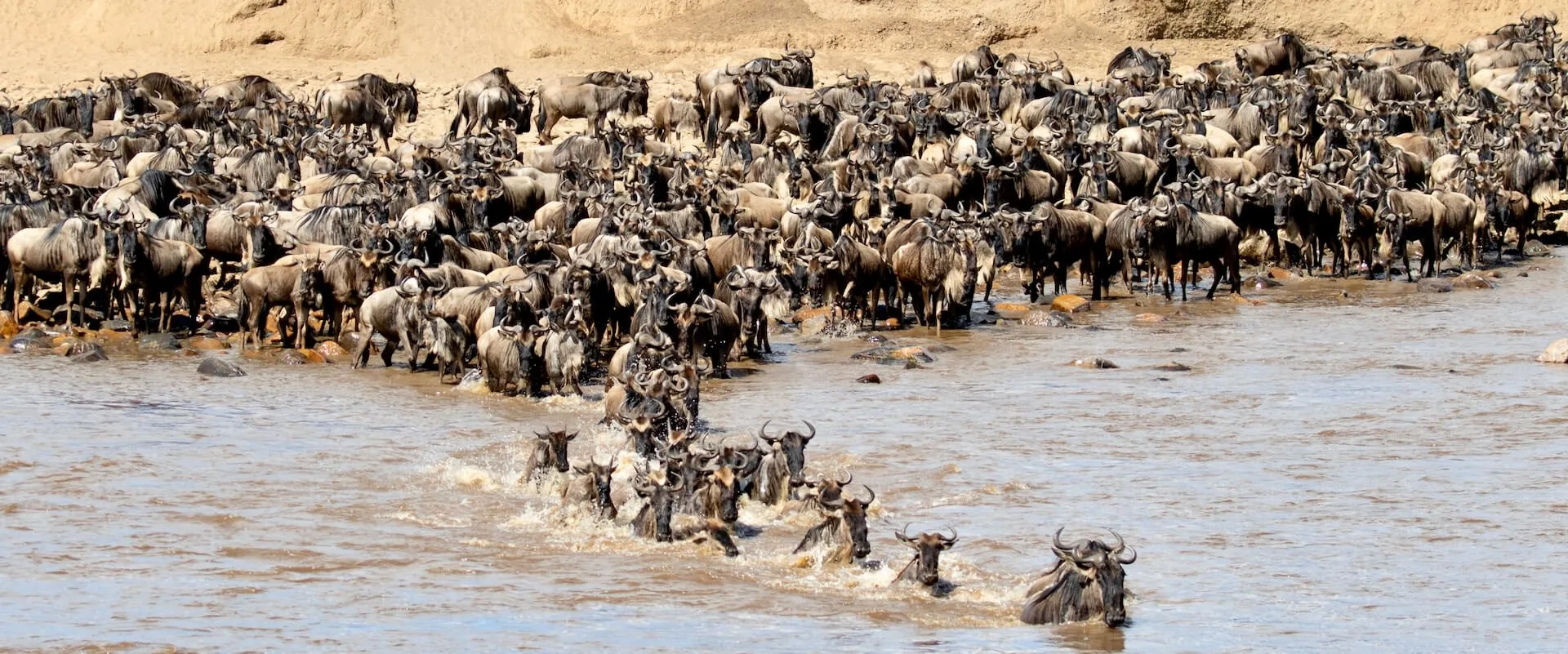
The Great Migration in Africa happens all year because the herds continuously circulate through the Serengeti–Mara ecosystem in…
Read article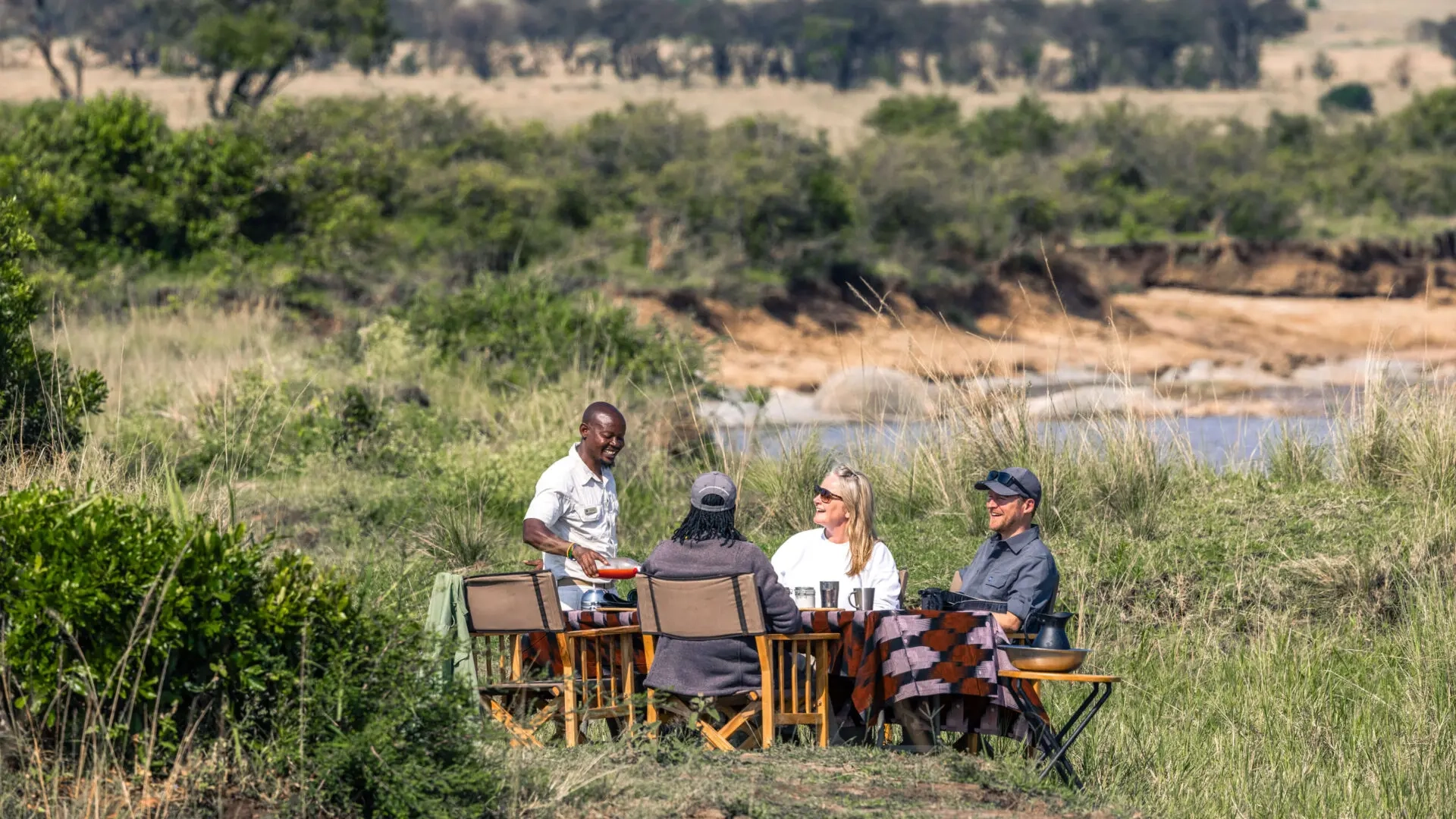
Definitive answer: A picnic lunch on safari is a packed or catered midday meal eaten at an approved…
Read article
Definitive answer: A bush dinner is an outdoor evening meal arranged in a safe safari setting away from…
Read articleLet us take you closer to the wildlife, people and places that make Africa extraordinary.
Plan Your Safari Today