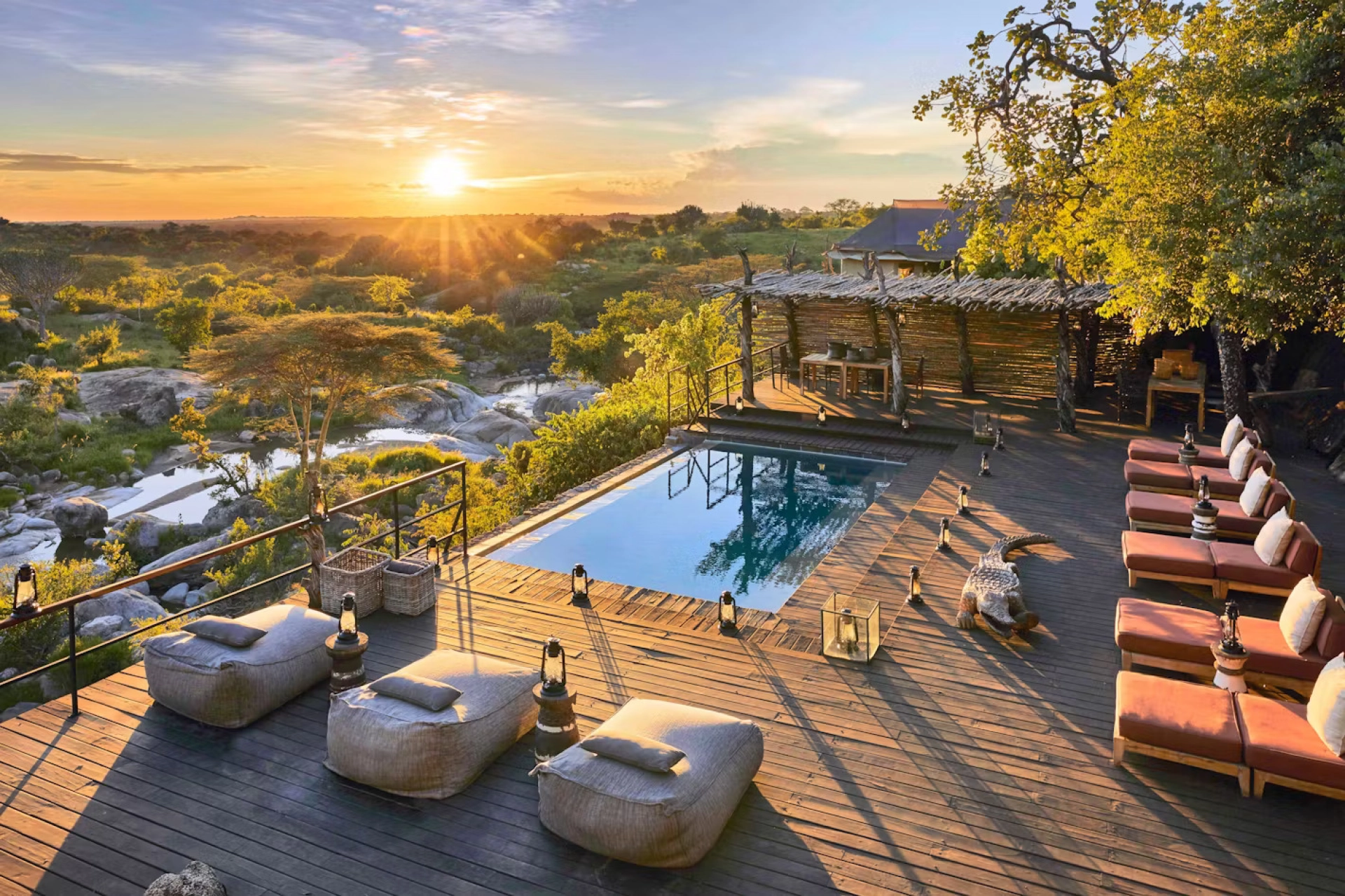
What should I look for when booking a luxury African safari?
When booking a luxury African safari, look beyond the room and compare the quality of guiding, wildlife location,…
Read article

Travel Guide
There is no single reason why Kenya safaris have remained so popular. Instead, Kenya combines several ingredients that travellers usually want from an African wildlife holiday. Wildlife in Kenya There is exceptional wildlife diversity. There are…
There is no single reason why Kenya safaris have remained so popular. Instead, Kenya combines several ingredients that travellers usually want from an African wildlife holiday.
There is exceptional wildlife diversity. There are famous predator populations. There are spectacular landscapes. There is a mature network of safari camps and lodges ranging from simple tented camps to some of Africa’s most exclusive properties. There are experienced professional guides, established safari routes and excellent opportunities to combine wildlife viewing with cultural experiences, mountains, Rift Valley lakes or an Indian Ocean beach holiday.
Most importantly, Kenya offers variety.
A morning in Amboseli can involve watching a family of elephants cross a dusty plain while Mount Kilimanjaro appears above the horizon. Several days later, you could be sitting beside the Mara River watching hippos while wildebeest gather nervously on a distant bank. In northern Kenya, the environment changes again, becoming drier and more rugged, with wildlife species that are uncommon or absent from southern safari areas.
This diversity is why the question “Where should I go on safari in Kenya?” rarely has one universal answer. The best safari in Kenya depends on what you want to experience.
For classic savannah wildlife and predators, the Masai Mara is difficult to beat. For elephants and iconic scenery, Amboseli is exceptional. Travellers particularly interested in rhinos may want to incorporate Lake Nakuru or a conservancy such as Ol Pejeta. Visitors wanting larger, less crowded wilderness landscapes may be drawn toward Tsavo, while experienced safari travellers looking for northern species and dramatic semi-arid scenery often consider Samburu.
A well-designed Kenya safari itinerary does not simply collect destinations. It combines places that complement each other.
For many travellers, the words safari in Kenya immediately evoke the Masai Mara.
There is a good reason for that. The Mara is the northern continuation of the wider Serengeti-Mara ecosystem and contains the open grasslands, scattered acacias, river systems and abundant wildlife that have shaped the popular image of an East African safari. Driving onto the plains for the first time can be deceptive. The landscape looks enormous and exposed, but animals disappear remarkably easily within it. A lion can lie almost completely hidden in knee-high grass. A leopard can vanish into a riverine tree. Cheetahs may initially look like tiny pale shapes on a distant ridge.
This is where an experienced safari guide becomes invaluable. A knowledgeable guide does much more than drive. Guides interpret tracks, animal behaviour, alarm calls, bird movements and information exchanged between vehicles. They understand where predators may move at different times of day and know when a distant cluster of vehicles is worth investigating—and when it is better to search elsewhere. On a good Masai Mara safari, the plains slowly begin to reveal themselves.
You might encounter zebra and wildebeest grazing together, Thomson’s gazelles scattered across short grass, giraffes browsing from acacias and elephants moving between feeding areas. Buffalo may appear in large herds, while warthogs trot away with their tails raised. Then there are the predators. The Mara is renowned for lions, and encounters can range from a pride sleeping through the heat of the day to lionesses coordinating a hunt. Cheetahs favour more open terrain where their extraordinary speed becomes an advantage. Leopards are generally more elusive, often associated with riverine woodland and suitable trees.
But one of the great lessons of safari is that the experience should never be reduced to a checklist. Watching a jackal hunt, a secretary bird stride across the grasslands or a herd of elephants interact around a young calf can be every bit as memorable as finding one of the Big Five.
The Great Wildebeest Migration has become closely associated with Kenya safari holidays, particularly the Masai Mara.
Each year, vast numbers of wildebeest, accompanied by zebra and other herbivores, move through the greater Serengeti-Mara ecosystem in response to seasonal rainfall and grazing conditions. When substantial herds enter the Mara, the plains can become extraordinarily active. The famous Mara River crossings are the most dramatic part of the spectacle. Wildebeest may gather near the river, hesitate, move away and return repeatedly before animals eventually begin crossing. Crocodiles, steep banks, strong currents and confusion within the herds make these crossings dangerous.
However, travellers should understand an important point when planning a Great Migration safari in Kenya: wildlife does not operate according to a fixed tourism timetable. Migration patterns depend heavily on rainfall and grazing. River crossings cannot be guaranteed for a particular day, lodge or game drive. Even during the broader migration season, patience matters. This is why spending sufficient time in the Mara is more valuable than trying to schedule a crossing as though it were an organised event.
A longer stay gives your guide more opportunities to locate the herds and allows you to enjoy the Mara’s excellent resident wildlife regardless of what the migration is doing.
If the Masai Mara represents the classic predator-rich savannah, Amboseli National Park delivers another of East Africa’s defining safari scenes.
Elephants. Amboseli is famous for its elephant population and for views toward Mount Kilimanjaro, which rises across the border in Tanzania. When conditions cooperate, elephants crossing the plains with the mountain behind them create one of the most recognisable scenes in African wildlife photography. Yet an Amboseli safari is about much more than a photograph of Kilimanjaro. The park contains a fascinating mixture of dry plains, seasonal lakebed, woodland and permanent wetlands fed by underground water associated with Kilimanjaro’s ecosystem. These wetlands support wildlife even when the surrounding landscape becomes extremely dry.
Elephants often dominate the experience. Family groups may include females of different ages, playful calves and juveniles learning the social rules of the herd. Watching elephants slowly feed, communicate and move through a wetland is particularly rewarding because it gives you time to observe behaviour rather than simply photograph an animal and continue driving. Buffalo, zebra, wildebeest, giraffe, hippos, various antelope and numerous birds add to the diversity. The landscape also changes dramatically with light and weather. Dust, cloud, mountain visibility and seasonal vegetation can make two consecutive game drives look completely different.
For photographers, early mornings can be especially rewarding. Kilimanjaro is often clearer before cloud develops, although no mountain view can ever be guaranteed.
The Great Rift Valley adds another dimension to a Kenya wildlife safari.
Lake Nakuru National Park is considerably smaller than the Masai Mara or Tsavo, but its compact nature can make wildlife viewing productive. The park is particularly important for rhino conservation and is frequently incorporated into classic Kenya safari circuits. Both black and white rhinos occur here, although—as with all wildlife—individual sightings depend on conditions and luck. The landscape around the lake includes grassland, woodland, rocky viewpoints and shoreline habitat. Giraffes, buffalo, waterbuck, baboons and numerous bird species can also be encountered.
Nakuru became internationally famous for immense flamingo concentrations. Travellers should avoid assuming that the lake will always display the enormous pink gatherings shown in older photographs. Flamingo numbers vary substantially as changing water levels and ecological conditions influence feeding opportunities and movement between Rift Valley lakes. That does not make Nakuru less worthwhile. Instead, it demonstrates another important principle of responsible safari planning: destinations should be appreciated as functioning ecosystems rather than attractions expected to reproduce a particular photograph on demand.
Travellers who venture north encounter a dramatically different Kenya. The Samburu safari landscape is drier, more rugged and visually distinct from the rolling grasslands of the Mara. The Ewaso Nyiro River provides an important wildlife lifeline through this semi-arid region. One reason Samburu appeals to repeat safari travellers is its distinctive wildlife. Species associated with northern Kenya include Grevy’s zebra, reticulated giraffe, gerenuk, Beisa oryx and Somali ostrich. Elephants are also a major attraction, particularly around the river.
The experience feels different from southern Kenya. The vegetation, colours, mountains and wildlife communities create a sense that you have entered another ecological region altogether. This is precisely why combining destinations can make a Kenya safari tour so rewarding. You are not simply seeing more animals. You are seeing how wildlife adapts to different environments.
Together, Tsavo East and Tsavo West form one of Kenya’s great wilderness regions. The scale is immediately noticeable. Tsavo can feel less concentrated than smaller safari destinations, but that is part of its attraction. Long horizons, red earth, volcanic landscapes and large wilderness areas produce a strong sense of space. Tsavo’s elephants are particularly famous, often appearing reddish after coating themselves in the area’s iron-rich soil.
A Tsavo safari can also combine well with Kenya’s coast, making it attractive to travellers planning a Kenya safari and beach holiday. Rather than flying directly between Nairobi and the coast, visitors can incorporate wildlife areas into an overland itinerary before continuing toward Mombasa, Diani or other coastal destinations.
People planning their first African safari in Kenya often wonder what happens during a game drive. There is no single routine, but wildlife activity usually influences the schedule. Morning game drives commonly begin early because temperatures are cooler and many animals are more active. Predators may still be moving after a night of hunting. Herbivores feed before the heat intensifies. Birds become active, and the light can be excellent for photography.
You climb into your safari vehicle, usually carrying binoculars, a camera, water and extra clothing. Early mornings can feel much cooler than travellers expect from equatorial Africa. The vehicle then enters the reserve or conservancy and the search begins. Some mornings deliver wildlife immediately. On others, you may drive for considerable periods without a major sighting. That uncertainty is fundamental to authentic safari. There are no cages and no scheduled appearances.
Your guide reads the landscape. Perhaps impalas suddenly stare in one direction. Maybe baboons begin giving alarm calls. Fresh tracks appear on the road. Vultures circle at a distance. Another guide reports a leopard seen earlier moving toward a river. Slowly, fragments of information become a wildlife encounter. Afternoon game drives usually resume as temperatures decline. The light becomes warmer, animals become more active and predators may begin preparing for the night.
The best game drives are rarely those on which you simply photograph the greatest number of species. They are the drives where you have time to stop, observe and understand what animals are doing.
One of the biggest choices when comparing Kenya safari packages is whether to join a scheduled group departure or book a private safari. Both can work well. Group safaris generally cost less because vehicle and guide expenses are shared among several travellers. They can also be sociable and enjoyable for solo travellers. A private Kenya safari, however, provides substantially more flexibility.
If you are particularly interested in birds, your guide can spend longer identifying species. If you love photography, you can wait for better positioning and light. If a lion pride is resting and you want to observe whether they become active, you are not forced to move because another passenger wants to leave. Private safaris can also be easier for families because the day’s pace can be adjusted around children or teenagers.
For serious photographers and travellers who value flexibility, the private vehicle is often one of the most worthwhile safari upgrades.
The classic vehicle for many Kenya wildlife safaris is a specially adapted 4×4 Land Cruiser with a pop-up roof. The elevated roof allows passengers to stand during sightings and photograph wildlife while remaining inside the vehicle. Good safari vehicle design is extremely important because travellers may spend many hours driving both between destinations and inside national parks. Window access matters. When comparing safari quotations, do not look only at the lodge names. Ask about the vehicle, maximum number of passengers, seating arrangement and whether everybody has suitable viewing access.
A comfortable safari vehicle with an experienced guide can influence your experience more than upgrading a hotel room.
The range of safari accommodation in Kenya is enormous. Budget travellers can stay in simple permanent tented camps and modest lodges. Midrange safaris typically use comfortable ensuite camps and lodges with restaurants, lounges and good locations. Luxury Kenya safaris may feature small boutique camps, highly personalised service, exceptional cuisine, private vehicles, plunge pools and exclusive wildlife areas. “Tented camp” does not necessarily mean basic camping. Many safari tents contain proper beds, ensuite bathrooms, hot showers, electricity and private verandas. At the luxury end, a tented suite may be more comfortable than a conventional hotel room.
Location is often more important than architecture. A camp positioned close to the area you want to explore can reduce daily driving and give you better access to wildlife during prime hours. When choosing Kenya safari lodges, consider location, wildlife area, number of rooms, vehicle arrangements and overall safari style—not simply star rating.
This distinction is particularly important around the Masai Mara. The national reserve provides access to famous wildlife areas and is central to many migration safaris. Surrounding private conservancies can offer a different style of wildlife experience. Depending on the conservancy and property, activities may include night drives, guided bush walks, off-road approaches under controlled conditions, bush meals and more exclusive vehicle densities. Conservancies also play an important role in wildlife habitat protection by creating economic incentives for land to remain available to wildlife rather than being converted entirely to other uses.
Some travellers therefore combine both environments: several nights in a conservancy followed by time inside or close to the main Masai Mara National Reserve. This can produce a more varied Masai Mara safari experience.
Kenya is a year-round safari destination, but the experience changes with the seasons. The famous migration period attracts enormous interest because substantial wildebeest herds may enter the Masai Mara and dramatic river crossings become possible. It is also one of the busiest and generally most expensive periods in the Mara. Outside peak migration months, resident wildlife remains excellent. Drier periods can concentrate animals around dependable water sources and make vegetation less dense. Greener periods transform landscapes, bring dramatic skies and can be outstanding for photography and birding.
The “best time” therefore depends on your priorities. If seeing the migration is central to your trip, your travel window matters greatly. If you want fewer vehicles, greener scenery or potentially better accommodation value, another season may suit you better. Travellers interested in photography should consider light, vegetation and visitor density as much as animal numbers.
For travellers already coming to East Africa, one of the most rewarding extensions is combining a Kenya safari with gorilla trekking in Uganda or Rwanda. These experiences could hardly be more different. Kenya offers open savannahs, long game drives, large herds and predators visible across enormous landscapes. Gorilla trekking takes you into dense mountain forest on foot to search for habituated mountain gorilla families. Together, they reveal two completely different sides of African wildlife travel.
A multi-country itinerary can begin with the Masai Mara, Amboseli or another Kenyan destination before continuing by regional flight toward Uganda gorilla trekking in Bwindi Impenetrable National Park or Rwanda gorilla trekking in Volcanoes National Park. For travellers making a once-in-a-lifetime journey to East Africa, combining a Big Five safari and gorilla trekking can create an exceptionally diverse itinerary.
Another classic combination is a Kenya safari and beach holiday. After early starts, dusty roads and long game drives, several nights beside the Indian Ocean can be an ideal conclusion. Diani Beach is among Kenya’s best-known coastal destinations, but the wider coast includes numerous resorts and quieter beach areas. Safari and beach itineraries can work especially well for honeymooners and families because they combine active wildlife days with genuine downtime.
Depending on the safari route, travellers may fly from the Mara to the coast or travel overland through areas such as Tsavo.
Kenya is extraordinary for wildlife photography, but successful safari photography is less about owning the most expensive camera than understanding behaviour and being patient. Long lenses are useful for distant subjects and portraits, but wider lenses can sometimes produce more memorable images by including the landscape. An elephant beneath Kilimanjaro, a giraffe beneath a stormy Mara sky or a herd moving across a huge grassland tells a different story from a tightly cropped animal portrait.
Dust protection is important. Carry suitable camera bags and avoid unnecessary lens changes in dusty conditions. Beanbags can be useful for stabilising long lenses on vehicle frames, although equipment arrangements vary between safari vehicles. Above all, do not experience the entire safari through a camera. Some moments deserve photographs. Others are better watched.
Wildlife tourism works best when animals remain wild. Responsible guides maintain appropriate distances, avoid blocking animals, respect park regulations and minimise disturbance. Visitors should never pressure a guide to approach wildlife irresponsibly for a photograph. Noise should be kept low around animals. Nothing should be fed. Nothing should be removed from protected areas. Respect for local communities is equally important. Cultural visits should be conducted in ways that provide genuine benefit to participating communities and treat people as partners rather than tourist attractions.
Choosing reputable safari operators, responsible camps and conservation-minded experiences helps ensure tourism contributes positively to the landscapes travellers have come to see.
A short three- or four-day safari can work if you concentrate on one major wildlife area. For example, spending several nights in the Masai Mara is usually more rewarding than trying to squeeze the Mara, Nakuru and Amboseli into an extremely rushed schedule. With approximately a week, travellers can combine two or three complementary destinations. Ten days or more allows a much more relaxed itinerary, potentially incorporating northern Kenya, multiple Mara areas or a coastal extension.
The key is avoiding the temptation to count destinations instead of experiences. Every transfer takes time. A safari itinerary containing six parks is not automatically better than one containing three. Often the opposite is true.
Packing should focus on comfort, layers and practicality. Neutral-coloured lightweight clothing works well for most game drives. Early mornings can be cold, particularly in open vehicles or higher-altitude areas, so a warm layer is important. Sun protection is essential. A hat, sunglasses and sunscreen are useful throughout the year. Binoculars dramatically improve wildlife viewing and are worth carrying even if you have a camera with a telephoto lens. Other useful items include comfortable closed shoes, a reusable water bottle, personal medication, charging equipment, spare camera batteries and a small day bag.
Avoid overpacking. Safari vehicles have finite luggage space, and light aircraft transfers may impose stricter luggage limits.
The biggest surprise about safari is often how quickly your priorities change. Before arriving, travellers may talk constantly about the Big Five. Lion. Leopard. Elephant. Rhino. Buffalo. After several game drives, something different begins to happen. You become interested in behaviour. Why are the impalas staring in one direction? Why has that elephant stopped feeding? Why are vultures circling? Why is the giraffe standing completely still? You begin listening to your guide’s explanation of tracks, territorial calls and predator-prey relationships. A landscape that initially looked empty becomes full of information.
This is where safari becomes more than wildlife spotting. You start understanding an ecosystem. And that is ultimately what makes a classic Kenya safari memorable.
It is not only the moment a lion walks beside your vehicle or an elephant herd crosses the road. It is waking before sunrise because you genuinely want to know what happened on the plains overnight. It is spending twenty quiet minutes watching a cheetah scan the horizon. It is seeing thousands of wildebeest but becoming fascinated by one newborn calf struggling to keep pace with its mother.
Kenya has extraordinary wildlife, but the country’s greatest safari strength may be its ability to make travellers slow down and pay attention.
At Adventure in the Wild Safaris, we design customised East African journeys that can combine Kenya’s classic wildlife destinations with Uganda, Rwanda and other safari regions. A Kenya itinerary can be built around the Masai Mara, Amboseli, Lake Nakuru, Samburu, Tsavo and other destinations depending on your available time, travel style and wildlife priorities. We can also design multi-country journeys combining a Kenya wildlife safari with Uganda gorilla trekking, chimpanzee tracking, Rwanda or other East African experiences.
Rather than trying to fit every park into one trip, the goal should be to create the right journey for you. Tell us how many days you have, when you plan to travel, your preferred accommodation level and the experiences that matter most. From there, we can develop a safari route with realistic driving times, appropriate accommodation and enough time in each wildlife area to enjoy the experience.
A safari in Kenya can be your first African journey or the beginning of a much larger East African adventure. Whether your dream is watching lions in the Masai Mara, photographing elephants beneath Kilimanjaro, searching for rhinos in the Rift Valley or combining Kenya with the mountain gorillas of Uganda, careful planning makes the difference between simply visiting Africa and genuinely experiencing it. Contact Adventure in the Wild Safaris to start planning a tailor-made Kenya safari and East African wildlife adventure.
Get quick answers to the most common questions. If you still have questions, our safari experts are here to help.
Yes. Kenya is particularly suitable for first-time safari travellers because it combines exceptional wildlife, experienced guides, varied accommodation and several outstanding protected areas. The Masai Mara is especially popular for first safaris, while Amboseli, Lake Nakuru and Samburu can add contrasting ecosystems.
Depending on your itinerary, you may see lions, elephants, buffalo, leopards, rhinos, cheetahs, giraffes, zebras, wildebeest, hippos, crocodiles, hyenas, jackals, numerous antelope species and hundreds of bird species.
Yes. Kenya supports all of the Big Five safari animals. However, seeing every species on a single trip is never guaranteed. Rhinos are generally easier to target in specific conservation areas such as Lake Nakuru or Ol Pejeta.
Absolutely. The Masai Mara contains excellent resident wildlife throughout the year. Lions, elephants, giraffes, buffalo, cheetahs, hyenas and many other species remain in the ecosystem even when the largest migratory herds are elsewhere.
Four days can provide an excellent single-destination safari. Around seven days allows two or three destinations to be combined comfortably. Ten days or longer provides greater flexibility and makes it easier to include different ecosystems without rushing.
Yes. Combining a Kenya safari and Uganda gorilla trekking is one of East Africa’s most rewarding multi-country journeys. Regional flights and overland arrangements can connect Kenya with Uganda or Rwanda.
Neither is automatically better. Group safaris are usually more economical, while private safaris provide more control over game-drive duration, photography stops, departure times and daily pacing.
For many first-time travellers, the Masai Mara offers the strongest all-round wildlife experience. Amboseli is particularly famous for elephants and Kilimanjaro scenery, while Lake Nakuru is important for rhinos and Samburu offers distinctive northern wildlife.
Yes. Kenya is particularly good for safari and beach holidays because wildlife destinations can be combined with the Indian Ocean coast, including Diani and other beach areas.
Yes. Kenya offers many family-friendly lodges and safari routes. A private vehicle is especially useful for families because the pace of game drives and transfers can be adapted to children or teenagers.
Our safari experts are here to help you plan your safari. Get personalized advice, the latest information and a free, no-obligation quote.
We typically reply within a few hours.

Share This Article
When booking a luxury African safari, look beyond the room and compare the quality of guiding, wildlife location,…
Read article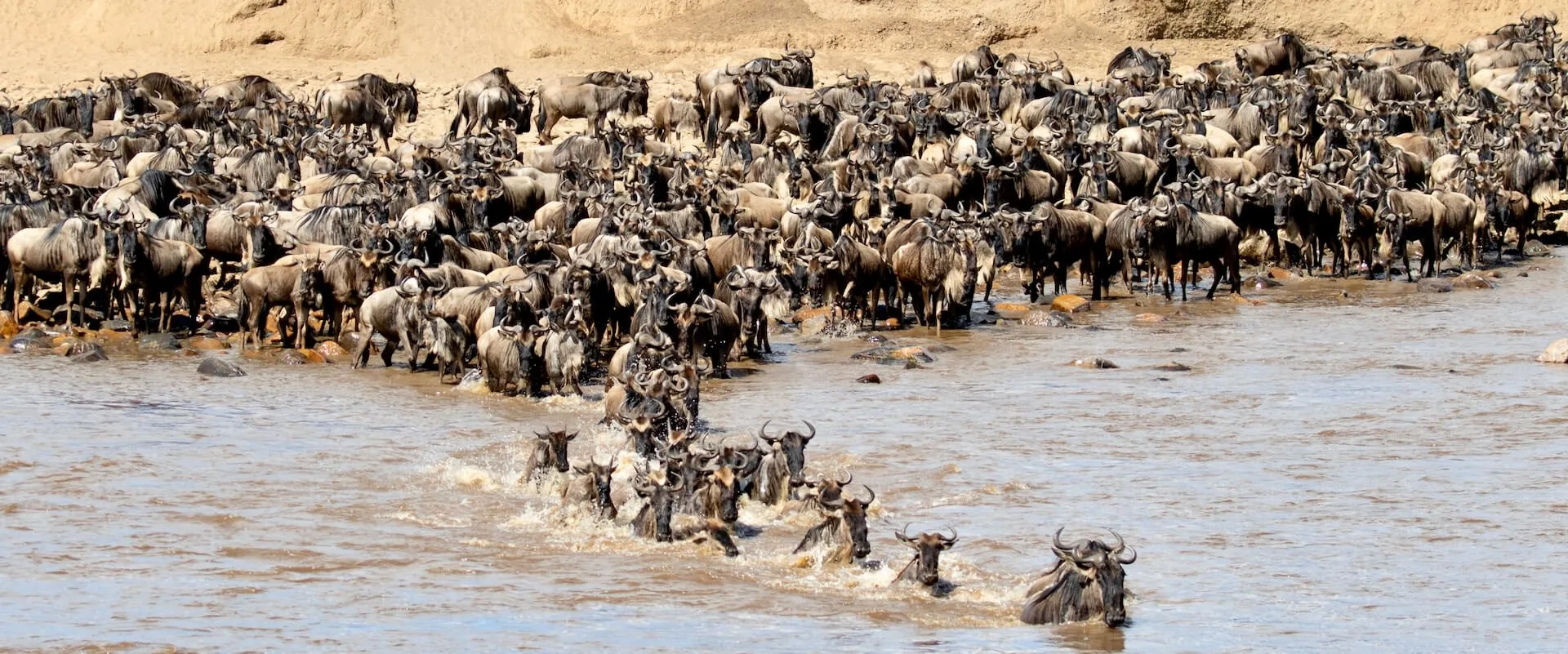
The Great Migration in Africa happens all year because the herds continuously circulate through the Serengeti–Mara ecosystem in…
Read article
Definitive answer: A picnic lunch on safari is a packed or catered midday meal eaten at an approved…
Read article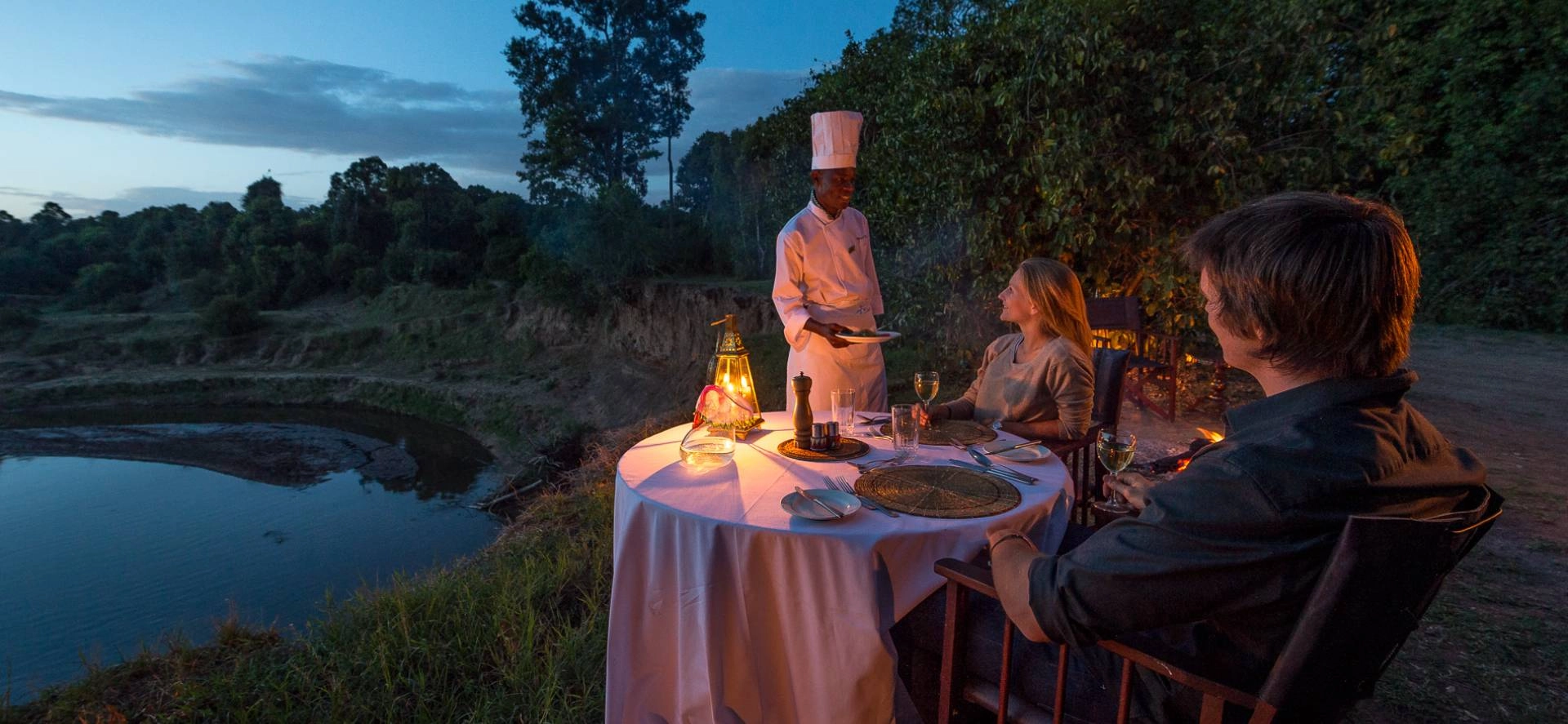
Definitive answer: A bush dinner is an outdoor evening meal arranged in a safe safari setting away from…
Read articleLet us take you closer to the wildlife, people and places that make Africa extraordinary.
Plan Your Safari Today