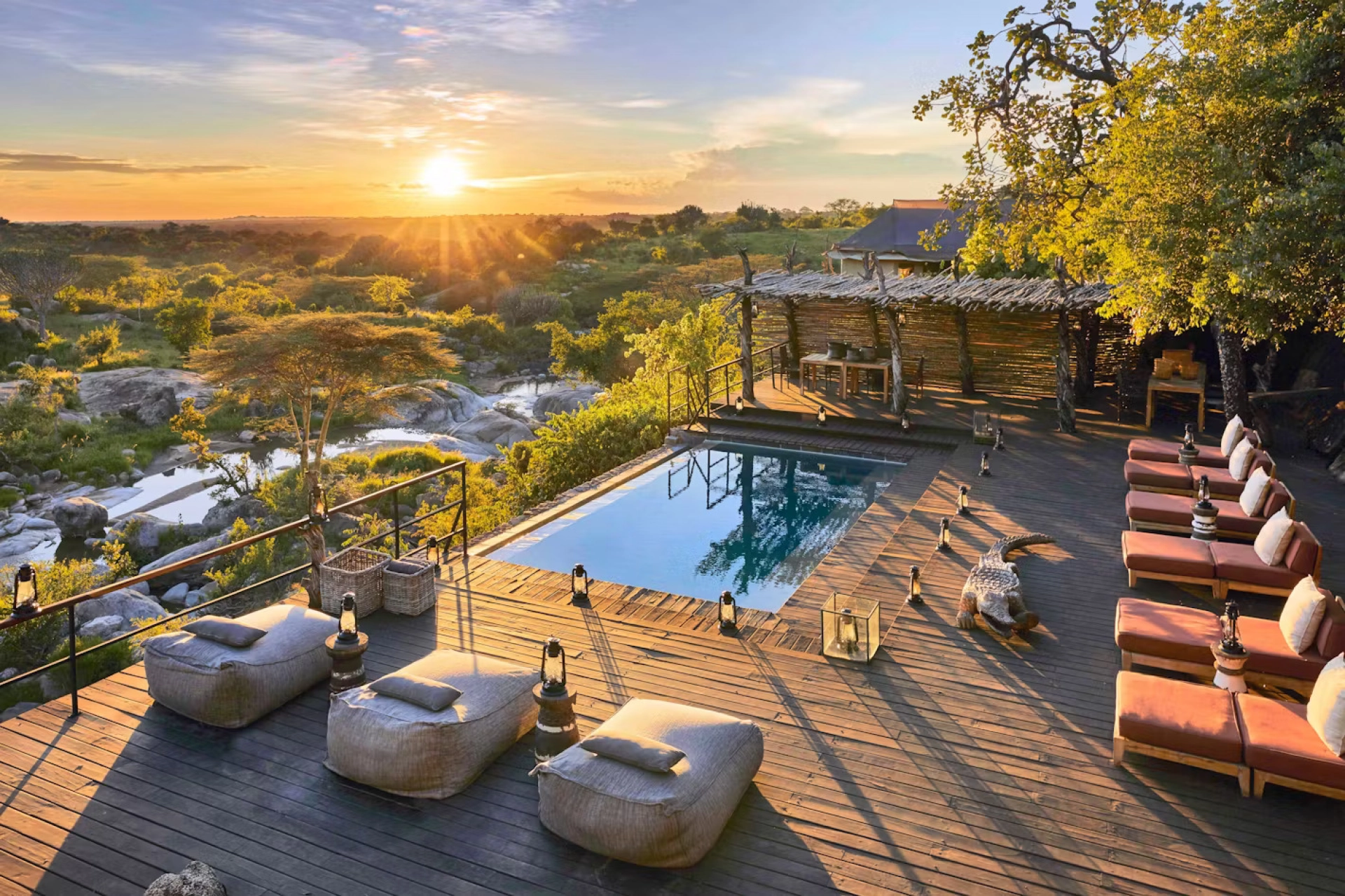
What should I look for when booking a luxury African safari?
When booking a luxury African safari, look beyond the room and compare the quality of guiding, wildlife location,…
Read article

Travel Guide
For many international travellers, a Kenya safari begins and ends with the Masai Mara. The Mara deserves its reputation. It offers spectacular predator viewing, enormous savannah landscapes and seasonal access to the wider Great Migration. Yet…
For many international travellers, a Kenya safari begins and ends with the Masai Mara. The Mara deserves its reputation. It offers spectacular predator viewing, enormous savannah landscapes and seasonal access to the wider Great Migration. Yet Kenya contains far more ecological diversity than the familiar grasslands shown in wildlife documentaries. Travel north from Nairobi toward the drier landscapes beyond Mount Kenya and the country changes dramatically. The vegetation becomes more arid. Mountains rise in the distance. Dry riverbeds cut through dusty plains.
Doum palms gather along permanent water. Giraffes appear with unusually geometric coat patterns. Long-necked antelopes stand upright to browse. Grevy’s zebras display narrow stripes completely unlike the plains zebras familiar from southern Kenya. And beside the Ewaso Nyiro River, elephants move between dry country and a narrow ribbon of life-giving water. This is Samburu. A Samburu Kenya safari offers one of the strongest contrasts available within a conventional Kenyan itinerary. Rather than trying to imitate the Masai Mara, Samburu succeeds precisely because it is different.
Samburu National Reserve lies on the northern banks of the Ewaso Nyiro River and covers about 165 square kilometres according to Samburu County’s official tourism information. The reserve is especially celebrated for elephants and northern dryland wildlife, including the group of distinctive animals frequently marketed as the Samburu Special Five: Grevy’s zebra, reticulated giraffe, gerenuk, Beisa oryx and Somali ostrich.
Predators add another layer. Lions inhabit the dry savannah. Leopards can be remarkably rewarding around the riverine woodland. Cheetahs occur in more open country.
African wild dogs may occasionally move through the wider northern landscape. But Samburu’s appeal cannot be reduced to a species checklist. The combination of wildlife, arid scenery, the Ewaso Nyiro River, Samburu culture and lower visitor density creates an atmosphere that feels distinctly different from southern Kenya’s major parks. For travellers seeking an off-the-beaten-track Kenya safari without abandoning excellent wildlife viewing, Samburu deserves serious consideration.
Samburu National Reserve lies in northern Kenya within a semi-arid landscape associated with the Ewaso Nyiro ecosystem. The river is the geographical and ecological centre of the reserve. Across the river lies Buffalo Springs National Reserve, while nearby conservation areas and community conservancies expand the wider wildlife landscape. The reserve can be reached by road from Nairobi, usually travelling north through central Kenya, or by scheduled and charter flights.
The journey from Nairobi is longer than the drive to some southern destinations, which helps explain why fewer short-stay visitors include Samburu. That additional distance is one reason the destination retains its distinctive atmosphere. Travellers who make the journey are rewarded with a part of Kenya that looks, feels and behaves very differently.
The difference becomes obvious before you even see wildlife. The Masai Mara is associated with rolling grasslands and broad savannah. Samburu is drier. Rocky hills frame portions of the landscape. Thorn scrub dominates large areas. Bare earth is visible between vegetation. The Ewaso Nyiro creates a dramatic green corridor through otherwise arid surroundings. This contrast concentrates wildlife.
Elephants, antelopes, monkeys and predators frequently use the river and surrounding vegetation. The result is an ecosystem in which water becomes visually and ecologically central. In the Mara, travellers often search vast open plains. In Samburu, guides repeatedly return attention to the river, drainage lines, shade trees and dryland habitats where animals are most likely to move.
Understanding Samburu begins with the Ewaso Nyiro River. Official Samburu tourism information describes the river as the defining feature along the reserve, fringed by doum palms and productive riparian vegetation. In an arid landscape, permanent or semi-permanent water has enormous ecological influence. Elephants travel to drink. Predators patrol riverine cover. Baboons and vervet monkeys occupy trees. Crocodiles may use appropriate stretches. Birdlife becomes concentrated. When surrounding vegetation dries, the difference between riverbank and inland scrub becomes even more dramatic. This makes the Ewaso Nyiro one of Kenya’s most atmospheric wildlife corridors.
Elephants are among the reserve’s greatest attractions. The wider Samburu ecosystem has become internationally important for elephant research and conservation. Safari visitors frequently encounter family herds moving toward the river. Calves walk between adults. Large bulls travel more independently. During hot periods, elephants may drink, splash and throw wet soil over their bodies. Watching them along the Ewaso Nyiro is particularly memorable because the environment tells a visible survival story. The river is not simply a beautiful background.
It is a resource determining where elephants can live.
Elephants can be seen in many African safari parks, but location changes the quality of the encounter. In Samburu, dusty animals descending a dry bank toward blue-green water create extraordinary photographic contrast. Doum palms rise behind them. Rocky hills may appear on the horizon. A herd can spend considerable time drinking, bathing and interacting. Instead of photographing one elephant and moving immediately to another species, a good Samburu guide may remain with a relaxed family for forty minutes or longer.
That patience reveals behaviour. Young elephants play. Mothers guide calves. Individuals touch one another with trunks. Dominant animals choose routes. A safari becomes far more rewarding once wildlife is treated as behaviour to observe rather than species to collect.
One of the reserve’s strongest wildlife distinctions is the group commonly called the Samburu Special Five. These northern dryland animals are: Grevy’s zebra Reticulated giraffe Gerenuk Beisa oryx Somali ostrich Samburu County identifies these animals as emblematic of the reserve’s unusual northern fauna. Although some occur beyond Samburu, seeing all five during one safari provides a useful introduction to northern Kenya’s ecological identity.
The Grevy’s zebra looks noticeably different from the common plains zebra. Its stripes are much narrower and more numerous. A white belly remains relatively unstriped. The ears are large and rounded.
The body appears taller and more refined. Grevy’s zebras are strongly associated with arid northern Kenya and neighbouring parts of the Horn of Africa. Seeing them in Samburu allows travellers to compare them directly with plains zebras encountered elsewhere in Kenya. This is one of the pleasures of combining multiple ecosystems on the same trip.
Few African mammals are more visually striking than the reticulated giraffe. Its coat pattern consists of large, sharply defined reddish-brown patches divided by bright pale lines. From a photographic perspective, the geometry is extraordinary. Reticulated giraffes are especially associated with northern Kenya. In Samburu’s dry landscape, their patterns blend surprisingly effectively with sunlight, branches and shadow. Large males can appear almost sculptural when standing against an open sky. Visitors who previously considered all giraffes essentially identical quickly discover how different regional forms can appear.
The gerenuk is one of Samburu’s most memorable antelopes. Its exceptionally long neck immediately distinguishes it from more familiar species such as impala. The name is often translated in association with its giraffe-like appearance. Gerenuks are adapted to browsing vegetation in dry environments. One of their most famous behaviours involves standing upright on their hind legs to reach leaves higher in bushes. Seeing a gerenuk feeding this way is a classic northern Kenya wildlife moment. Their adaptation reduces direct competition with grazers because they exploit vegetation at different heights.
The Beisa oryx is another dry-country specialist. Its long, nearly straight horns create a powerful silhouette. Black facial markings contrast with a pale body. Oryx can survive in environments where many water-dependent herbivores struggle. Their physiology allows them to tolerate extreme conditions. Watching oryx walking calmly across dry Samburu plains provides a strong visual expression of adaptation to aridity.
The Somali ostrich is more colourful than many travellers expect. Adult males can display striking bluish-grey skin on the neck and legs, particularly during breeding periods. The species occupies drier regions of East Africa. Samburu provides excellent opportunities to appreciate this distinctive bird. Its inclusion among the Special Five also reminds visitors that safari highlights should not be limited to mammals.
African lions inhabit Samburu and the surrounding northern Kenya conservation landscape. Because the ecosystem is relatively dry, prey distribution and water influence lion movements. Early mornings can be especially productive. Guides inspect tracks along river roads and open areas. Lions may rest beneath bushes as temperatures rise. Sightings can involve prides, solitary females or males moving through territories. Unlike the wide-open Mara, vegetation around the Ewaso Nyiro can conceal lions remarkably effectively. Finding them can require careful tracking.
For many experienced safari travellers, Samburu has a particular reputation for leopard sightings. Riverine woodland provides useful cover. Leopards may rest in trees, move through thick vegetation or patrol drainage lines. No ethical operator can guarantee a leopard. These cats remain elusive. However, Samburu’s combination of habitat and skilled local guiding can provide excellent opportunities. Early morning and late afternoon are particularly important. A guide may notice fresh tracks, alarm calls from monkeys or antelopes staring intently toward cover.
These small signals often lead to memorable sightings.
Cheetahs prefer more open terrain than leopards. They occur across suitable portions of the Samburu ecosystem.
The dry landscape can provide attractive photographic settings, particularly where low vegetation permits clean views. Cheetahs rely on speed and visibility when hunting. Watching one scan the plains from a termite mound or slight rise can become a safari highlight.
African wild dogs have occurred in northern Kenya landscapes, though their large ranging behaviour makes sightings unpredictable. A pack can travel substantial distances in a short period. This means they may be present in one area today and far away tomorrow. Travellers should never choose Samburu expecting wild dogs to be guaranteed. If they appear, appreciate the sighting as something exceptional.
African buffaloes also occur around the reserve. Water influences their distribution strongly. Large bulls may spend time around productive areas near the river. Buffalo are particularly impressive at close but safe viewing distances. Their massive horn bosses and muscular bodies explain why they belong to the traditional Big Five.
Appropriate stretches of the Ewaso Nyiro may support crocodiles, while hippo presence can vary according to local water conditions. Water levels in northern Kenya are not static. Droughts and rainfall patterns influence river ecology. Visitors should therefore avoid comparing one year’s experience directly with another. The river is a dynamic system.
Samburu is an excellent Kenya birding safari destination. Dry-country birds occur alongside species associated with the river. Visitors may encounter hornbills, eagles, vultures, starlings, rollers, guinea fowl, kingfishers and numerous smaller species. The striking vulturine guineafowl is particularly associated with northern Kenya and often becomes a favourite even among travellers who did not arrive as birders.
Its blue plumage and elongated feathers make it unusually beautiful.
Birding rewards slower travel. A rushed two-night itinerary may produce an impressive species list, but three or four days allows visitors to explore different habitats. Riverine woodland yields different birds from rocky slopes or dry scrub. Early morning bird activity can be intense before temperatures rise. Travellers combining Samburu with Mount Kenya or central Kenyan highlands can experience substantial avian diversity within a relatively compact region.
The main Samburu safari ecosystem includes several neighbouring protected areas. Buffalo Springs National Reserve lies across the Ewaso Nyiro. Shaba National Reserve extends the wider conservation landscape further east. Each has its own character. Samburu is the best known and contains substantial tourism infrastructure. Buffalo Springs provides additional wildlife habitat and alternative driving areas. Shaba offers a more rugged and often quieter experience. A longer stay makes it possible to explore beyond only the central Samburu roads.
One of northern Kenya’s most important conservation developments has been the growth of community conservancies. Areas such as West Gate and Kalama form part of the broader landscape surrounding formal reserves. Samburu County describes West Gate Conservancy as an important wildlife corridor and highlights community ranger employment, grazing management and local livelihood initiatives. For travellers, conservancies can offer quieter wildlife experiences and deeper connections with local communities.
For conservation, their importance extends far beyond tourism. Wildlife does not recognise reserve boundaries. Elephants, predators and zebras need landscapes through which they can move. Community-managed land can keep those corridors open.
The Samburu people are pastoralists with cultural connections to livestock, landscape and community traditions. Cultural experiences can add depth to a safari when arranged respectfully. However, not all “village visits” are equal. Some are highly staged and designed primarily around quick tourist transactions. More meaningful experiences involve genuine community participation, clear financial benefits and respectful interpretation. Travellers should avoid treating people as attractions. A responsible cultural visit is an exchange. Guests learn about local livelihoods, social organisation, livestock traditions, craft production and the realities of living near wildlife.
Communities receive meaningful economic value and control how their culture is presented.
Northern Kenya faces real land-use pressures. Pastoral livestock and wildlife depend on overlapping landscapes. Rainfall can be unpredictable. Drought affects both people and animals. Predators sometimes kill livestock. Elephants can damage crops or infrastructure. Conservation therefore cannot succeed simply by drawing a line around a reserve. Local communities need to benefit from wildlife remaining on the land. Tourism can contribute through employment, conservancy fees, guiding, accommodation and craft markets. This gives a Samburu safari a wider context beyond photographs.
Most days begin early. Coffee or tea is served before sunrise. The safari vehicle departs while temperatures are still comfortable. This is an excellent time to search for lions, leopards and other predators.
Elephants may already be moving toward the river. Giraffes feed in cool morning conditions. Birdlife becomes active. After several hours, guests return to camp for breakfast or brunch. The middle of the day is often reserved for rest. Afternoons bring another game drive as temperatures fall. The final hour before sunset can produce beautiful light. Dinner follows after dark. At unfenced camps, wildlife sounds may continue through the night.
The reserve is a photographer’s dream because wildlife occurs within a distinctive environment. Reticulated giraffe patterns contrast with dry bush. Elephants descend dusty banks toward the Ewaso Nyiro. Doum palms create recognisable silhouettes. Rocky hills add depth. The dry atmosphere can produce strong warm light at sunrise and sunset. Photographers should resist using only long lenses. Environmental photographs showing animals within Samburu’s landscape often communicate far more than tight portraits.
Samburu can be rewarding throughout the year. Because the ecosystem is dry, water availability strongly influences wildlife concentrations. Drier periods generally draw animals toward the Ewaso Nyiro and other reliable sources. Visibility can improve as vegetation thins. Rainier periods bring greener scenery, young animals and strong birding. Road conditions may become more challenging after heavy rain. Rather than asking for a single “best month,” travellers should match season with priorities.
Dry conditions can create excellent wildlife viewing because animals become increasingly dependent on predictable water. Elephants gather along the river. Predators monitor herbivore movements. Dust produces atmospheric photography. The downside is heat and a landscape that can become very dry. That starkness, however, is part of Samburu’s identity.
After rainfall, the transformation can be dramatic. Vegetation responds quickly. The landscape softens. Animals spread beyond immediate river corridors. Photography becomes greener. Bird activity increases. The experience may involve more searching but also reveals another side of the ecosystem.
Two nights provide an introduction. Three nights are considerably better. Four nights can be ideal for photographers, birders and travellers also exploring neighbouring conservancies. Remember that arrival and departure consume safari time. A two-night stay usually provides only one complete day. Travelling the long distance from Nairobi for such a short visit can feel rushed. Three nights provide at least two full safari days and considerably improve the chance of observing interesting behaviour.
Travellers can reach Samburu by road or air. A road safari offers important advantages. You watch the landscape change from Nairobi through Kenya’s central highlands into the drier north. Depending on route and itinerary, stops can be incorporated around Mount Kenya, Ol Pejeta or other central Kenyan attractions. Flying saves time and is particularly attractive for shorter luxury safaris. The best option depends on budget and available days.
A road safari to Samburu generally provides better value for groups because vehicle costs are distributed across several travellers. It also allows flexible stops. The downside is transfer time. A fly-in Samburu safari is faster and can maximise time in the reserve. It may suit honeymooners and travellers with limited vacation days. However, scheduled flights add cost and usually impose stricter luggage limits.
Samburu contains a wide range of accommodation. Official county tourism information identifies established lodges and tented camps within the reserve as well as camping opportunities. Budget options can include camping and simpler lodges. Mid-range properties provide ensuite accommodation and convenient access to game-drive areas. Luxury camps emphasise location, personalised service and often excellent river views. When choosing where to stay, consider location before decoration. A camp overlooking the Ewaso Nyiro can provide wildlife viewing even between game drives.
Accommodation inside or immediately beside the wildlife area can reduce morning transfer time. Guests can begin wildlife viewing almost immediately. Properties further away may cost less. However, additional commuting can reduce actual game-drive hours.
For a short itinerary, paying slightly more for location may provide better overall value.
Samburu can be an excellent family safari destination. The Special Five creates an enjoyable wildlife challenge for children. Elephants are frequent and engaging. The river provides visible ecological lessons. Cultural components can expand the trip beyond animals. Parents should consider drive lengths carefully, particularly when travelling overland from Nairobi. Breaking the journey with a central Kenya stop can make the itinerary more comfortable.
Older travellers often appreciate Samburu’s ability to deliver excellent wildlife without requiring physically demanding activities. Most viewing takes place from safari vehicles. Comfortable lodges provide midday rest. Fly-in arrangements can minimise long road transfers. A well-paced three-night stay works particularly well. Travellers with mobility limitations should discuss vehicle access, room distances and steps at lodges before booking.
Samburu is an excellent addition to a Kenya honeymoon safari because it feels more intimate than heavily visited destinations. Luxury camps beside the river provide atmospheric settings. Game drives can produce excellent predators and elephants. Combining Samburu with the Masai Mara creates ecological contrast. A beach extension to Diani, Watamu or Zanzibar can complete the journey.
This comparison should not be framed as which destination is “better.” The Mara offers extraordinary open-plains wildlife, large predator populations and the seasonal Great Migration. Samburu provides specialised northern wildlife, dry-country scenery, elephants and a quieter atmosphere. A first-time traveller with enough time should consider both. The contrast is precisely what makes the combination strong.
Amboseli is famous for enormous elephant herds and Kilimanjaro views. Samburu also offers excellent elephants, but within a much drier northern ecosystem. Samburu has the Special Five. Amboseli contains wetland areas fed by underground water associated with Kilimanjaro. They feel completely different. Combining them demonstrates Kenya’s ecological diversity particularly well.
Tsavo is much larger and feels more expansive and rugged. Samburu is smaller and often produces more concentrated wildlife viewing around the river. Tsavo’s volcanic landscapes, Mzima Springs and red soil distinguish it. Samburu’s dryland species and Ewaso Nyiro dominate its identity. Travellers interested in an extensive Kenya itinerary can include both.
One of the most practical itineraries combines Samburu with Ol Pejeta Conservancy. The route passes through central Kenya. Ol Pejeta provides different wildlife experiences, including rhino conservation. Samburu then adds dry-country species and elephants. This combination can be extended toward Lake Nakuru and the Masai Mara, creating a strong northern-to-southern Kenya circuit.
A Samburu–Mara itinerary provides one of Kenya’s best wildlife contrasts. Begin in the north among Grevy’s zebras, gerenuks and reticulated giraffes. Then continue to the grasslands of the Mara for plains game, lions, cheetahs and potentially Great Migration activity. Flying between the two can save substantial time. Road travel allows additional central Kenya destinations but requires a longer itinerary.
Travellers seeking a broader East African wildlife experience can combine northern Kenya with Uganda gorilla trekking. After exploring Samburu and perhaps the Masai Mara, fly regionally toward Entebbe. Continue to Bwindi Impenetrable National Park for mountain gorillas. Add Kibale for chimpanzees. This produces an extraordinary ecological progression from semi-arid northern Kenya to equatorial rainforest.
“Off the beaten track” is relative. Samburu is an established safari destination with quality lodges, experienced guides and reliable tourism infrastructure. It is not an unknown wilderness visited by only a handful of explorers. But compared with the Masai Mara, it receives substantially less mainstream international attention. That makes it ideal for travellers seeking something different without sacrificing safari quality. You still have professional guides and comfortable accommodation. You simply experience a landscape that many conventional Kenya itineraries ignore.
Cultural tourism should be approached thoughtfully. Ask how much of the fee reaches the community. Choose experiences organised collaboratively with local residents. Seek interpretation rather than performance alone. Ask questions respectfully. Do not photograph people without permission. Purchase crafts directly when appropriate. Avoid treating poverty as entertainment. A good cultural experience leaves both visitor and host feeling respected.
Vehicles should maintain appropriate distances from animals.
Drivers should avoid surrounding predators. Wildlife corridors must remain open. Guests should never feed animals. Noise should be minimised at sightings. Photography should never take priority over animal welfare. Community conservancies are particularly important because they demonstrate that tourism can support wildlife beyond traditional national-park boundaries.
Samburu’s wildlife exists within a landscape shaped by climate variability, pastoralism, drought and human development. Elephants require large movement corridors. Predators cross community land. Livestock share grazing areas. When drought intensifies, competition for water becomes more severe. Community-based conservation is therefore critical. Protected areas cannot function as isolated islands. The long-term future of Samburu wildlife depends on cooperation across reserve boundaries.
The climate can be hot and dry. Lightweight neutral clothing works well during the day. A hat, sunglasses and high-quality sun protection are important. Closed shoes are useful around camps. A warm layer remains valuable for early morning drives, particularly during cooler periods. Binoculars dramatically improve the safari experience. Photographers should bring dust protection for camera equipment. A reusable water bottle helps maintain hydration.
Travellers should seek personalised medical advice from qualified travel-health professionals before visiting Kenya. Recommended vaccines, malaria precautions and personal medication requirements vary according to individual circumstances and itinerary. Travel insurance should cover safari activities and emergency medical care. Visitors should also carry sufficient prescribed medication because specialised products may not be readily available in remote areas.
Adventure in the Wild Safaris can incorporate Samburu National Reserve into customised Kenya safari itineraries for couples, families, photographers, senior travellers and private groups. A compact northern itinerary can combine Samburu and Ol Pejeta Conservancy. A broader Kenya safari can add Lake Nakuru and the Masai Mara. Travellers interested in southern Kenya can continue toward Amboseli and Tsavo.
Beach extensions can include the Kenya Coast or Zanzibar, depending on the wider East African route. For primate enthusiasts, the journey can continue into Uganda or Rwanda for gorilla trekking and chimpanzee trekking. Accommodation can be arranged across budget, mid-range and luxury categories. The most important planning decision is allowing enough time. Samburu should not simply be added as a rushed overnight stop. Its wildlife and landscapes reward repeated morning and afternoon exploration.
A Samburu Kenya safari demonstrates why travellers should resist building an African itinerary entirely from the most famous names. The Masai Mara is extraordinary. Amboseli is extraordinary. Tsavo is extraordinary. But Kenya becomes far more interesting when you realise these landscapes are not variations of the same safari. Samburu has its own visual language. Dry earth. Doum palms. Rocky hills. A winding river carrying life through an arid landscape. Grevy’s zebras with impossibly narrow stripes. Reticulated giraffes whose patterns look almost geometric.
Gerenuks reaching upward on their hind legs. Elephants descending to the Ewaso Nyiro with calves protected among adults. A leopard disappearing silently into riverine vegetation. This is northern Kenya.
It is familiar enough to deliver everything travellers hope for from safari, yet different enough to feel like discovery. For photographers, naturalists, repeat safari travellers and first-time visitors willing to venture beyond the standard route, Samburu is not merely an alternative to the Masai Mara. It is one of the destinations that explains why Kenya remains one of the world’s greatest safari countries.
And once you have watched elephants crossing the Ewaso Nyiro beneath the dry northern sky, there is a good chance Samburu will stop feeling like the side trip and start feeling like one of the reasons you came to Kenya in the first place.
Get quick answers to the most common questions. If you still have questions, our safari experts are here to help.
Yes. Samburu offers excellent elephants, predators, unusual northern wildlife and a distinctive dryland environment that contrasts strongly with southern Kenya.
The reserve is particularly known for elephants, the Ewaso Nyiro River and the Samburu Special Five: Grevy’s zebra, reticulated giraffe, gerenuk, Beisa oryx and Somali ostrich.
Yes. Lions occur throughout the wider ecosystem, although sightings remain dependent on natural animal movements.
Samburu has a strong reputation for leopard viewing, especially around riverine habitat, but no sighting should be guaranteed.
Yes. Elephant encounters are one of Samburu’s major attractions.
No. The famous wildebeest migration occurs primarily within the Serengeti-Mara ecosystem farther south.
Three nights is an excellent starting point. Two nights is possible but can feel rushed after travelling from Nairobi.
Yes. Combining the two is one of Kenya’s strongest safari itineraries because the ecosystems are so different.
Excellent. Dry-country scenery, elephants, unusual wildlife and the Ewaso Nyiro River provide outstanding photographic variety.
Yes, provided road-transfer lengths and accommodation are selected carefully.
Yes. Air access is available, making Samburu suitable for fly-in safari itineraries.
Our safari experts are here to help you plan your safari. Get personalized advice, the latest information and a free, no-obligation quote.
We typically reply within a few hours.

Share This Article
When booking a luxury African safari, look beyond the room and compare the quality of guiding, wildlife location,…
Read article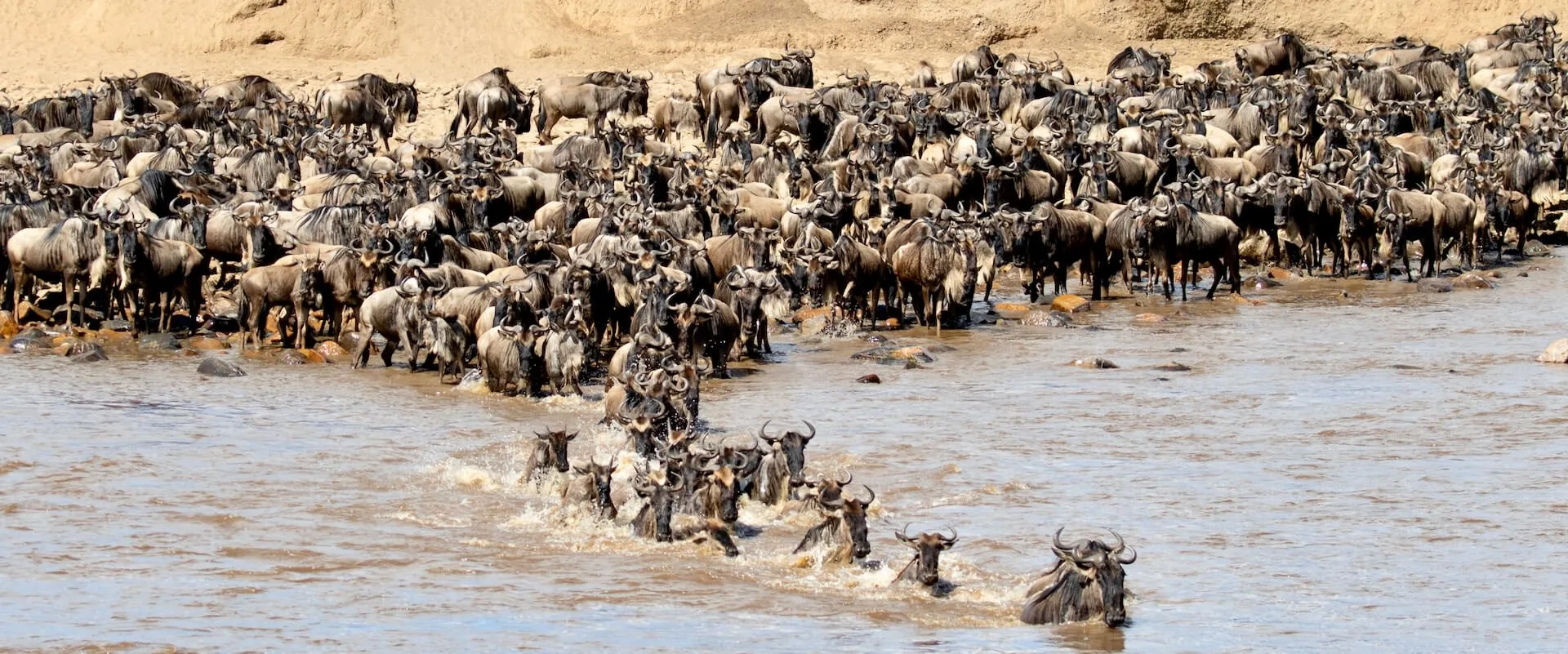
The Great Migration in Africa happens all year because the herds continuously circulate through the Serengeti–Mara ecosystem in…
Read article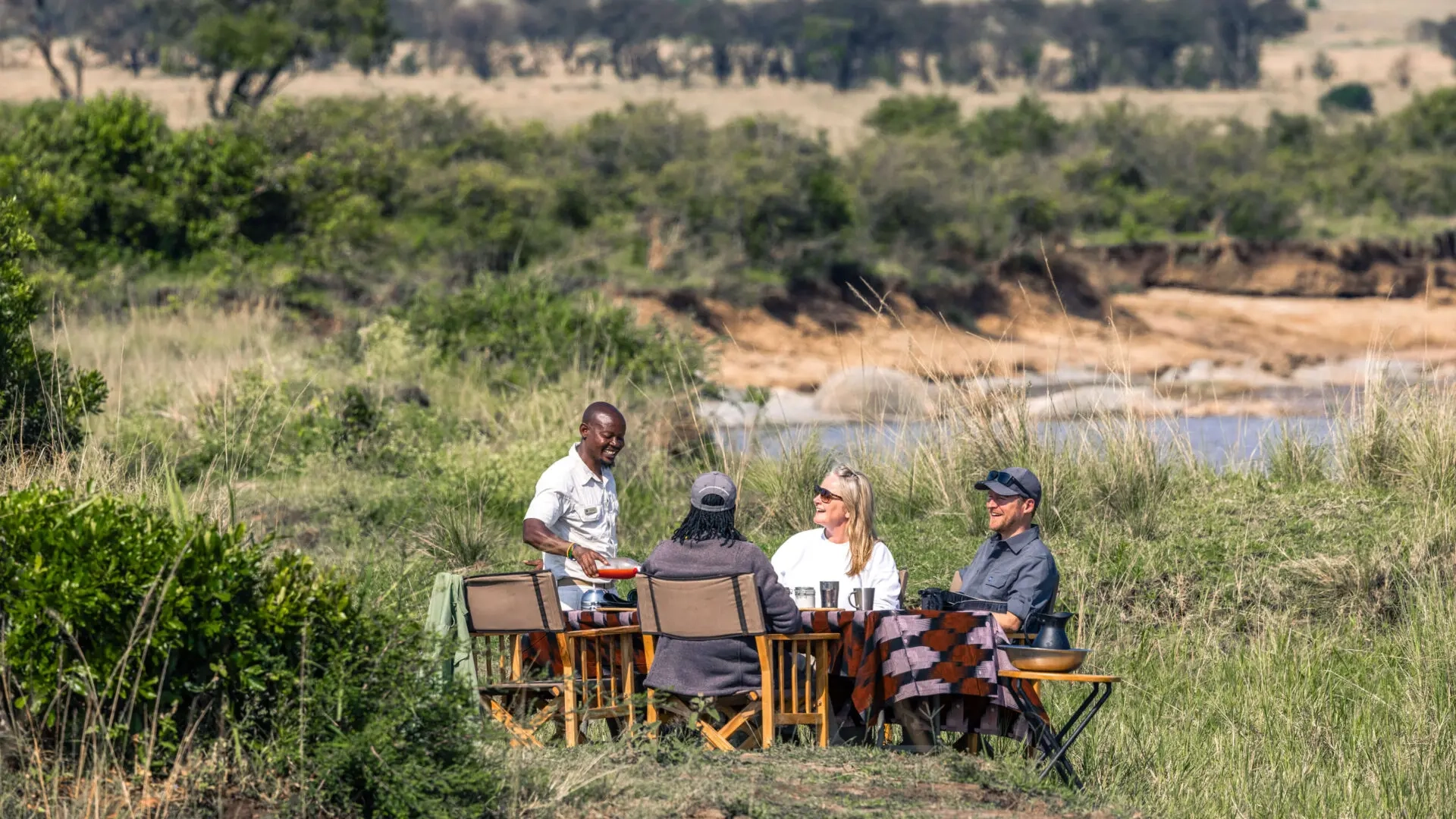
Definitive answer: A picnic lunch on safari is a packed or catered midday meal eaten at an approved…
Read article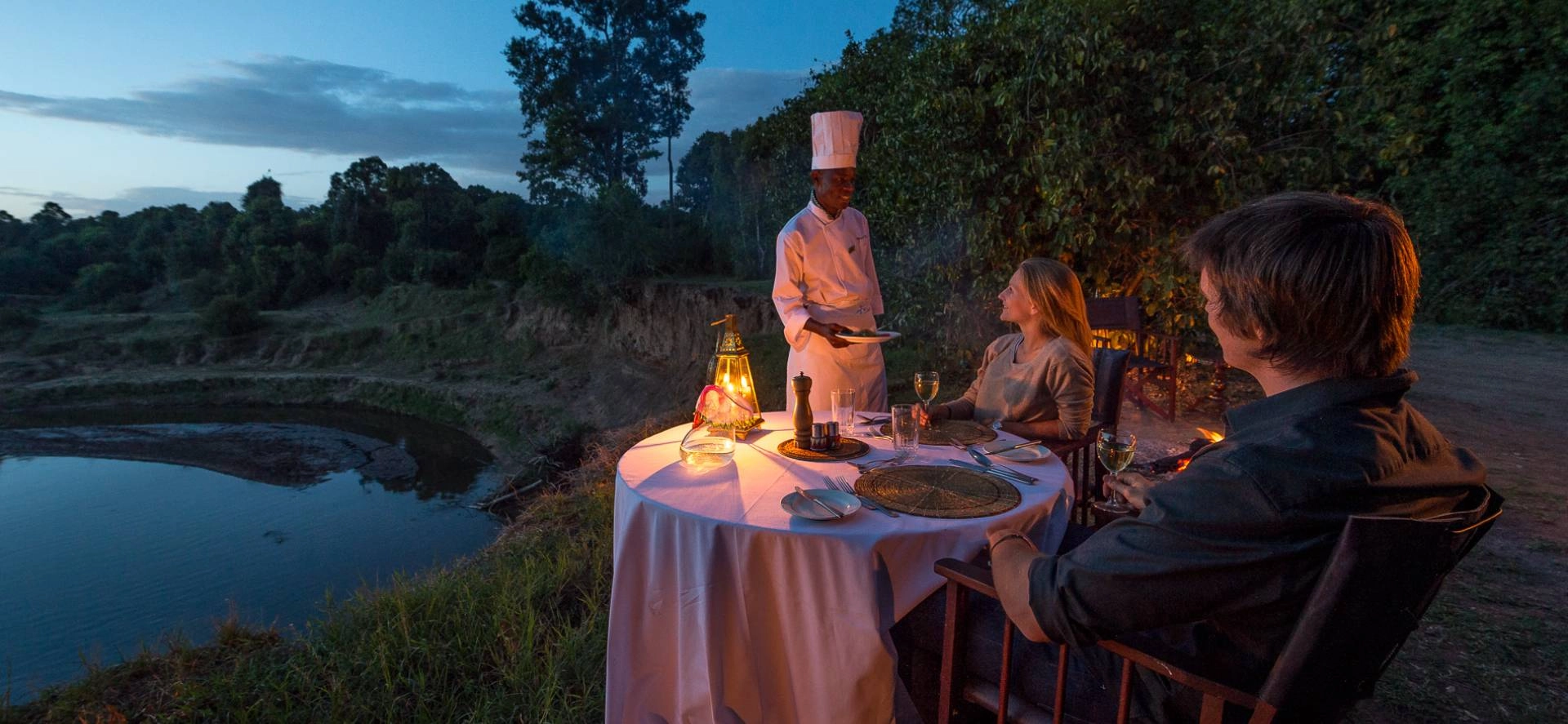
Definitive answer: A bush dinner is an outdoor evening meal arranged in a safe safari setting away from…
Read articleLet us take you closer to the wildlife, people and places that make Africa extraordinary.
Plan Your Safari Today