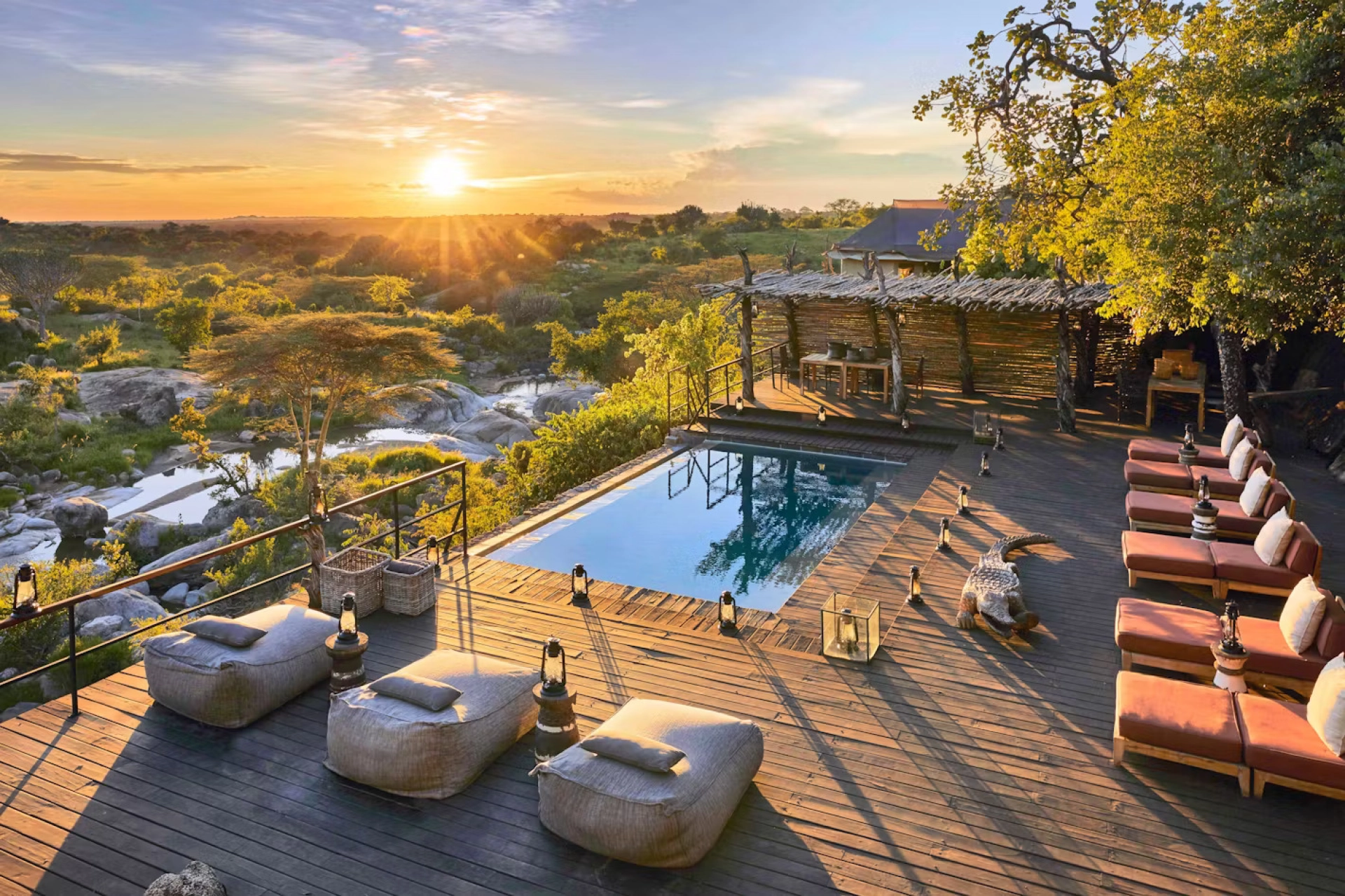
What should I look for when booking a luxury African safari?
When booking a luxury African safari, look beyond the room and compare the quality of guiding, wildlife location,…
Read article

Travel Guide
A small antelope painted onto a sandstone wall can contain more history than an entire modern city. Its body may have been created with red ochre thousands of years ago. Nearby, delicate human figures run, dance…
A small antelope painted onto a sandstone wall can contain more history than an entire modern city. Its body may have been created with red ochre thousands of years ago. Nearby, delicate human figures run, dance or hunt. Other forms appear partly human and partly animal. Some seem simple at first glance, while others reveal layers of movement, ceremony and spiritual symbolism. These are not decorations. They are fragments of an intellectual and spiritual tradition developed by the indigenous hunter-gatherer peoples of Southern Africa.
Collectively known today as San rock art, thousands of paintings and engravings survive across South Africa, Lesotho, Botswana, Namibia, Zimbabwe and other parts of Southern Africa. The art provides an extraordinary connection to the San people, sometimes historically called Bushmen, whose ancestors lived across large areas of Southern Africa long before modern national borders existed. To stand inside a Drakensberg rock shelter and examine a tiny painted eland is therefore not merely to look at an archaeological object.
You are looking across centuries. The mountains outside may have changed little. The animals depicted may still survive in nearby protected landscapes. But the society that created the painting was transformed dramatically by migration, pastoral expansion, colonial settlement and loss of access to ancestral land. Understanding San rock art in Southern Africa therefore means understanding far more than ancient pictures. It involves: San history Khoisan culture hunter-gatherer spirituality African archaeology
Southern African wildlife traditional ecological knowledge and the preservation of some of Africa’s most important cultural landscapes. Among the greatest places to experience this legacy are the Maloti-Drakensberg Mountains of South Africa and Lesotho, Tsodilo Hills in Botswana and Twyfelfontein in Namibia. Each preserves a different expression of Southern Africa’s ancient rock-art tradition.
The term San broadly refers to indigenous hunter-gatherer peoples of Southern Africa with deep ancestral connections to the region. The word is often used alongside the broader term Khoisan, although the two should not automatically be treated as interchangeable. “Khoisan” is a collective historical and linguistic label often used when discussing both San hunter-gatherers and Khoekhoe pastoral communities. Modern communities have their own identities, languages and histories. They are not simply remnants of an ancient past. This distinction matters because travel writing sometimes presents the San as if they existed only thousands of years ago. San communities remain part of modern Southern Africa.
For generations, outsiders sometimes interpreted rock paintings literally. Hunters meant hunting. Animals were simply animals. Dance scenes showed entertainment. Modern archaeological interpretation demonstrates that much of the art is considerably more complex. Images can relate to: spiritual beliefs trance experiences healing ceremonies rainmaking animal symbolism social identity and relationships between humans and the natural world. This is why viewing a rock-art site with an informed guide is so valuable. Without interpretation, you may see an antelope. With interpretation, you begin asking why that particular species mattered enough to paint repeatedly.
Southern African rock art generally appears in two major forms. Rock paintings were created by applying pigment onto rock surfaces. These are particularly famous in the Drakensberg Mountains. Rock engravings or petroglyphs were created by removing, pecking, rubbing or incising part of a rock surface. They are particularly important in places such as Twyfelfontein in Namibia. Environmental conditions partly explain why different forms survive in different landscapes. Protected sandstone shelters can preserve pigment remarkably well. Open desert surfaces may preserve engravings for millennia.
For travellers interested in San rock paintings in South Africa, the Maloti-Drakensberg region is one of the world’s most significant destinations. The mountain range stretches along the eastern edge of Lesotho and South Africa. Towering basalt escarpments rise above rolling grasslands. Below them lie sandstone cliffs filled with caves and rock shelters. Many of these shelters contain paintings. UNESCO describes Maloti-Drakensberg Park as containing the largest and most concentrated collection of rock paintings in Africa south of the Sahara. The World Heritage property contains roughly 690 rock-art sites and probably more than 35,000 individual images. Those numbers are extraordinary. But numbers alone cannot explain the emotional impact of the art.
UNESCO notes that the paintings of the Maloti-Drakensberg region represent the spiritual life of San communities that lived there over approximately 4,000 years. That means the rock-art tradition continued across an enormous span of time. Kingdoms rose and disappeared elsewhere in the world. Trade networks expanded. Empires formed. Yet generations of San artists continued using shelters in these mountains.
Common subjects include: eland people antelope hunting scenes dancers and figures engaged in complex activities. Some images are extraordinarily delicate. Human legs may be represented with lines only millimetres wide. Animals show movement. Bodies overlap. Groups appear engaged in ceremonies. Once you begin looking carefully, the shelter wall becomes less like a gallery of isolated pictures and more like accumulated visual storytelling.
The eland, Africa’s largest antelope, appears frequently in San rock art. That repetition is not accidental. In San belief systems documented by ethnographers, eland carried powerful spiritual and symbolic associations. It could be connected with: healing, trance, rain, initiation, and social ceremonies. An eland painting therefore cannot necessarily be interpreted simply as evidence that someone hunted an eland nearby. The image may communicate concepts far more complex than literal hunting.
One of the most important breakthroughs in understanding San rock paintings came from comparisons between surviving traditions, ethnographic records and archaeological interpretation. San healing dances can involve altered states of consciousness. During prolonged dancing, rhythmic clapping and intense physical effort, healers may enter trance-like states. Rock-art researchers have interpreted certain unusual figures as representations of these experiences. Some human forms bend forward. Some appear elongated. Others display animal characteristics. Rather than representing fantasy creatures in the modern sense, they may express the transformation and spiritual power associated with trance.
Figures combining human and animal characteristics are often called therianthropes. These are among the most intriguing images in Southern African rock art. A human figure may appear with an antelope head or animal characteristics. Such forms challenge literal interpretation. They suggest that San artists were expressing experiences and ideas that moved between visible reality and spiritual perception.
Healing was not separated from spirituality in the way modern Western medicine often separates physical and spiritual experience. A healer could attempt to restore balance within individuals and communities. Dance, trance and spiritual power became interconnected. Some paintings may therefore record or express healing practices rather than ordinary daily scenes.
The Maloti-Drakensberg Park World Heritage Site extends across South Africa and Lesotho. It combines extraordinary natural and cultural heritage. The same mountains protecting important plant and animal species also preserve thousands of San images. UNESCO recognises the site both for its biological importance and for the exceptional artistic record left by San people. That combination makes the Drakensberg one of Southern Africa’s most rewarding destinations. You can hike through a spectacular mountain landscape while simultaneously exploring thousands of years of human history.
Many rock-art sites require hiking.
This is part of their appeal. You begin in grassland. Climb toward sandstone cliffs. Cross streams. Enter valleys. Eventually a guide leads you toward a shelter. There may be no dramatic museum entrance. Just rock. Then your eyes adjust. Paintings begin appearing. One animal. Then another. Human figures. Layers of pigment. Suddenly the wall becomes populated. This gradual discovery gives Drakensberg rock-art tours a uniquely intimate quality.
A guide helps with much more than navigation. Without interpretation, many visitors see only obvious animal forms. A knowledgeable guide can explain: pigments, symbolism, archaeological context, San beliefs, weathering, and conservation challenges. Guides also help protect fragile sites. Rock art can be damaged permanently by one careless visitor.
One of the best-known South African rock-art locations is Game Pass Shelter in the Kamberg area of KwaZulu-Natal. The site is especially important because some of its paintings helped researchers develop modern interpretations of San spiritual symbolism. Guided walks provide opportunities to examine paintings within their original mountain environment. For travellers building a South Africa cultural itinerary, combining a Drakensberg stay with Game Pass is highly worthwhile.
The Didima area near Cathedral Peak is another important centre for understanding San heritage. The dramatic Drakensberg scenery makes cultural exploration especially rewarding. Visitors can combine: Drakensberg hiking San cultural history birdwatching and landscape photography. This makes the region ideal for travellers seeking experiences beyond conventional safari.
Giant’s Castle is another celebrated Drakensberg destination. The area combines high-altitude scenery, wildlife and access to San rock-art heritage. The reserve is also famous among birders, particularly for vulture viewing. A South Africa itinerary can therefore combine ancient cultural heritage with modern wildlife conservation.
San rock art does not stop at South Africa’s political border. The Maloti Mountains continue into Lesotho. UNESCO’s Maloti-Drakensberg property includes Sehlathebe National Park, emphasising the transboundary nature of both the natural landscape and its cultural history. Ancient people moved through ecological landscapes. Modern borders did not exist. Understanding rock art therefore requires thinking regionally rather than nationally.
If the Drakensberg represents one of Africa’s greatest painting landscapes, Tsodilo Hills in Botswana offers another extraordinary concentration. Tsodilo rises unexpectedly from the flat Kalahari. Massive quartzite hills dominate the surrounding desert landscape. For thousands of years they provided: shelter, water, spiritual significance, and gathering places. Today they preserve one of Africa’s most remarkable archaeological records. UNESCO says Tsodilo contains more than 4,500 rock paintings within an area of only about ten square kilometres, giving the site one of the world’s highest concentrations of rock art. It is sometimes called the Louvre of the Desert.
The significance of Tsodilo extends far beyond paintings. UNESCO describes its archaeological record as documenting human activity and environmental change over at least 100,000 years. This is difficult to comprehend. Modern cities are recent. National borders are recent. Even agriculture is relatively recent in comparison. Tsodilo provides evidence of human interaction with the Kalahari stretching unimaginably far into the past.
Tsodilo is not simply an abandoned archaeological site. Local communities continue to regard the hills as spiritually significant. UNESCO notes that both San and Hambukushu communities associate Tsodilo with ancestral spirits and sacred traditions. This is essential for respectful tourism. Visitors are not merely entering a museum. They are entering a cultural landscape that remains meaningful to living communities.
Exploring Tsodilo generally involves walking trails with local guides. Different routes reveal paintings, archaeological features and viewpoints. A guide provides cultural context while ensuring travellers remain on appropriate paths. For travellers visiting Botswana safaris, Tsodilo can add a fascinating cultural dimension to wildlife-focused itineraries.
One of the strongest Botswana itineraries combines: Okavango Delta safari Moremi Game Reserve and Tsodilo Hills. The contrast is extraordinary. In the Delta, travellers explore wetlands filled with elephants, hippos and predators. At Tsodilo, attention shifts from wildlife to tens of thousands of years of human presence. Together, these experiences reveal Botswana as both a wildlife and cultural destination.
In northwestern Namibia lies another of Southern Africa’s greatest rock-art sites: Twyfelfontein, traditionally known as /Ui-//aes. Unlike the Drakensberg, which is most famous for painted shelters, Twyfelfontein is especially celebrated for rock engravings. UNESCO describes the site as containing one of Africa’s largest concentrations of petroglyphs. Common engravings depict animals including rhinoceroses, elephants, ostriches and giraffes, together with human and animal footprints.
A petroglyph is an image created directly into the surface of rock.
Rather than applying paint, artists may: peck, engrave, incise, rub, or polish the rock surface. The result can survive remarkably well in dry environments. This is one reason Namibia has preserved such extraordinary engraving landscapes.
Wildlife dominates many engravings. Giraffes appear. Rhinos appear. Ostriches appear. Elephants appear. Tracks are represented with surprising accuracy. But again, these images should not automatically be interpreted as hunting records. UNESCO describes Twyfelfontein as preserving a sophisticated record of ritual practices and the relationship between hunter-gatherer communities and their environment over at least 2,000 years.
One of Twyfelfontein’s best-known images is a lion representation sometimes called the Lion Man because of distinctive features that have inspired spiritual interpretations. Like the hybrid figures of the Drakensberg, it reminds visitors that San imagery often moves beyond purely naturalistic representation. Animals could possess symbolic as well as biological meaning.
Twyfelfontein fits beautifully within a Namibia safari itinerary. Travellers may combine: Etosha National Park Damaraland Twyfelfontein desert-adapted elephants and the Skeleton Coast. This creates an itinerary linking wildlife, desert landscapes, geology and ancient cultural heritage.
A particularly strong route combines Etosha National Park safari with Damaraland. Etosha provides large concentrations of wildlife around waterholes. Moving west changes the environment dramatically. Mountains replace flat salt-pan landscapes. Settlement becomes sparse. Twyfelfontein then provides cultural depth.
Although the Drakensberg contains South Africa’s best-known concentration, South African rock art occurs across numerous regions. Paintings and engravings have been recorded in: the Cederberg, Eastern Cape, Free State, Northern Cape, Western Cape, and other areas. South Africa’s national heritage framework specifically recognises rock art as part of the country’s protected archaeological heritage. Visitors should therefore never treat an apparently remote painting as something they are free to touch or modify.
The Cederberg Mountains near Cape Town provide another excellent opportunity to combine hiking with San rock paintings. The region contains dramatic sandstone formations. Many shelters preserve ancient imagery. For travellers staying in Cape Town, this creates an appealing extension beyond beaches, wine estates and urban attractions. A cultural and hiking journey through the Cederberg reveals a much older South African landscape.
Cape Town is often marketed through: Table Mountain Cape Peninsula Robben Island Cape Winelands and beaches. Yet the broader Western Cape also carries deep indigenous history. Adding Khoisan heritage and San cultural history to a Cape itinerary creates a more complete understanding of the region. The modern city is only the newest layer.
The Northern Cape contains extensive engraving traditions associated with arid landscapes and river systems. In some areas, engravings occur on exposed dolerite rocks rather than protected caves. Sunlight changes how these images appear. At certain times of day, lines become obvious. At others, they almost disappear. This is another reason good local guides improve the experience.
One of the most common questions is how the paintings survived for so long. Pigments were created using natural materials. These could include mineral substances such as: ochres charcoal and other naturally occurring colour sources. Binding agents may have helped pigments adhere to rock surfaces. Exact recipes varied and are not completely understood. Different colours weather differently. Protection from direct rain and sunlight also influenced survival.
Red and reddish-brown colours are particularly common. Iron-rich ochre can create durable pigment. This material has been used by humans for extraordinarily long periods across Africa. Its presence in rock art therefore connects painting traditions with a much wider history of human symbolic behaviour.
There is no single age. Southern African rock art was created across long periods by different communities. Some traditions continued into relatively recent historical periods. The Maloti-Drakensberg paintings represent a tradition extending across roughly four millennia. At Tsodilo, rock art occurs within a landscape documenting human use over at least 100,000 years, although the individual paintings themselves span much shorter periods within that enormous archaeological record. Twyfelfontein’s major engraving tradition records hunter-gatherer ritual practices across at least two millennia. Therefore, avoid simplistic claims such as “all San paintings are 10,000 years old.” Each site requires specific archaeological interpretation.
The word “primitive” should be avoided.
These paintings reveal extraordinary observation and technical control. A few lines can communicate: movement, animal anatomy, emotion, social relationships, and spiritual concepts. Some artists painted extremely fine human limbs. Others created complex layered scenes. The apparent simplicity of the tools should not be confused with simplicity of thought.
Wildlife is central. Depending on region and period, representations may include: eland giraffe rhino elephant antelope lion ostrich and other species. For modern safari travellers, this creates a powerful link between archaeology and wildlife. You may see an engraved giraffe in Namibia and later watch a living giraffe moving through Damaraland. A painted eland in the Drakensberg connects ancient human symbolism with animals still present in Southern Africa today.
This is why combining cultural heritage tours with African safaris is so rewarding. Modern safari tends to focus intensely on animals. Rock art reminds us that humans have observed and interpreted those animals for thousands of years. Wildlife was not simply scenery. Animals shaped: food, belief, identity, stories, ritual, and survival. This deeper context can transform how you experience safari.
Hunter-gatherer survival required extraordinary environmental knowledge. People needed to understand: animal tracks, seasonality, water locations, edible plants, weather, behaviour, and landscapes. A footprint was information. Bird activity was information. Plant growth was information. Modern safari tracking traditions sometimes echo aspects of this close environmental observation.
One mistake is to divide San life into separate Western-style categories: religion, medicine, art, hunting, nature. For many traditional societies, these categories were deeply interconnected. An animal could simultaneously be: food, ecological neighbour, symbol, spiritual source, and artistic subject. Understanding this interconnected worldview makes rock art substantially more interesting.
Travellers frequently search for Khoisan rock art. The term can be useful in broad regional discussions but should be used carefully. “Khoisan” combines different peoples and language traditions. San hunter-gatherers and Khoekhoe pastoralists had related but distinct histories. Some rock-art traditions may involve interactions among multiple communities. Avoid presenting all indigenous Southern African cultural heritage as one homogeneous culture.
The survival of rock art contrasts tragically with the historical displacement of the people who created it. European colonial settlement expanded into San territories. Pastoral and agricultural frontiers changed access to land. Conflict intensified. Communities were displaced, absorbed, persecuted or killed. By the nineteenth century, many San communities had disappeared from regions where their ancestors had lived for generations. The paintings remained. This makes rock-art conservation emotionally significant. The images preserve parts of histories that written colonial records often misunderstood or marginalised.
Pigment can survive thousands of years and still be destroyed in seconds. Major threats include: touching, graffiti, scratching, water damage, smoke, vandalism, uncontrolled tourism, and natural weathering. Even touching apparently bare rock beside a painting can introduce oils and moisture. Visitors should follow a simple principle: look, photograph responsibly and leave absolutely nothing behind.
One historically damaging practice involved wetting paintings to make colours appear brighter. Never do this. Water can accelerate deterioration. Modern digital photography can enhance contrast without physically altering the surface. The art survived centuries without your intervention. Leave it unchanged.
The temptation is understandable. A painting may be within arm’s reach. Touch creates a direct emotional connection. But physical contact transfers oils and moisture. Over thousands of visitors, tiny actions accumulate. Respect requires restraint.
UNESCO notes that guided-visitor controls have helped protect places such as Tsodilo from vandalism and graffiti. This demonstrates why controlled tourism can support conservation. A guide does not simply explain the site. The guide protects it. Visitors follow designated paths. Sensitive shelters remain monitored. Local communities also receive tourism employment.
Rock art is surprisingly challenging to photograph. Pigments may be faint. Rock surfaces create uneven colour. Shade can be deep. Avoid physically manipulating the environment for a photograph. Do not wet paintings. Do not chalk outlines. Do not touch walls. Use natural light, appropriate camera settings and careful post-processing.
The Drakensberg Mountains can be visited throughout much of the year, but weather changes considerably.
Summer can bring rain and thunderstorms. Winter mornings can be cold and high elevations may experience snow. Hiking conditions should always be considered. The best season therefore depends partly on whether rock art is being combined with serious mountain hiking.
Botswana’s heat can become intense. Early-morning walks are often preferable. The drier period can make travel easier, particularly when combining Tsodilo with the Okavango Delta. Carry adequate water and follow local advice.
Northwestern Namibia is arid. Days can become very hot. Morning exploration usually provides more comfortable conditions and attractive light. Twyfelfontein combines particularly well with a wider dry-season Namibia safari.
Cultural conservation and wildlife conservation frequently overlap. The Maloti-Drakensberg World Heritage Site, for example, protects both rock art and important biodiversity. Protecting a landscape can simultaneously preserve: archaeology, vegetation, birds, mammals, water catchments, and cultural meaning. This is one of the strongest arguments for integrated conservation.
For travellers designing a dedicated itinerary, the strongest starting points include: Maloti-Drakensberg Park — South Africa and Lesotho for enormous concentrations of painted shelters. Tsodilo Hills — Botswana for an extraordinary concentration of paintings in a sacred Kalahari landscape. Twyfelfontein — Namibia for one of Africa’s greatest concentrations of rock engravings. The Cederberg — South Africa for accessible combinations of hiking, sandstone scenery and indigenous heritage. Each is different. The best choice depends on the wider safari route.
A strong itinerary could combine: Cape Town Cape Winelands Cederberg Drakensberg and Kruger National Park. This creates an extraordinary journey through urban culture, mountain landscapes, ancient rock art and Big Five wildlife.
For Botswana: Okavango Delta Moremi Game Reserve Chobe National Park and Tsodilo Hills create a sophisticated combination of wildlife and cultural heritage.
For Namibia: Etosha National Park Damaraland Twyfelfontein Skeleton Coast and Sossusvlei create one of Africa’s greatest road journeys. Rock art adds human history to landscapes already famous for wildlife and geology.
For travellers undertaking longer African journeys, Southern African heritage can even be combined with gorilla trekking in Uganda or Rwanda. A multi-country itinerary could include: Cape Town Kruger National Park Drakensberg rock art and Bwindi gorilla trekking. The result is a journey spanning ancient human culture, savanna wildlife and tropical rainforest primates.
San rock art consists of paintings and engravings created by indigenous hunter-gatherer communities of Southern Africa. The imagery includes animals, people, ritual scenes and complex symbolic forms.
Outstanding destinations include Maloti-Drakensberg Park, Tsodilo Hills, Twyfelfontein and the Cederberg Mountains.
Rock art occurs across several Southern African countries. South Africa has particularly extensive painted traditions, while Botswana and Namibia protect internationally important sites.
UNESCO estimates that the Maloti-Drakensberg World Heritage property contains about 690 rock-art sites and more than 35,000 individual images.
UNESCO records more than 4,500 paintings within approximately ten square kilometres.
Twyfelfontein is particularly famous for its concentration of rock engravings or petroglyphs, including images of rhinos, elephants, giraffes, ostriches and tracks.
Some are ancient, but the rock-art tradition spans long periods and continued into comparatively recent historical eras in some places. “Prehistoric” therefore oversimplifies a complex chronology.
Meanings vary. Archaeologists interpret many images in connection with spiritual beliefs, trance, healing, rainmaking, animal symbolism and social practices.
Eland held strong symbolic and spiritual significance within documented San traditions and appear frequently in Drakensberg rock art.
No. Visitors should avoid touching rock-art surfaces because oils and moisture can contribute to deterioration.
Photography is generally possible at many visitor sites, subject to local regulations. Never touch, wet or modify a painting to improve a photograph.
Yes. San communities continue to live in several Southern African countries. They should never be presented merely as an extinct ancient culture.
Not exactly. “Khoisan” is a broad collective term encompassing different indigenous groups, including San hunter-gatherers and historically Khoekhoe pastoral communities.
Safari encourages us to watch wildlife. Rock art encourages us to ask how humans have watched wildlife for thousands of years. The difference is profound. An eland is no longer simply an antelope. A giraffe becomes part of a landscape interpreted by generations of people. Animal tracks become both ecological information and artistic symbols. Mountains become cultural archives. This is why San rock art in Southern Africa belongs within the broader story of African travel. Africa is not merely a continent of wildlife. It is also the continent of humanity’s deepest histories.
The first rock painting may be difficult to see. Perhaps your guide points toward a sandstone wall. You stare. Nothing. Then your eyes adjust. A red line becomes a leg. Another becomes a body. An antelope emerges. A second animal appears. Human figures become visible above it. Within minutes, what seemed like an ordinary rock shelter becomes a gallery created across generations. That moment is one of the quietest yet most powerful experiences available to travellers in Southern Africa.
There is no roaring lion. No charging elephant. No dramatic river crossing. Only pigment on stone. Yet those fragile images have survived political change, migration, conflict, weather and centuries of human history. At Maloti-Drakensberg Park, tens of thousands of images preserve one of the world’s richest surviving rock-art traditions. At Tsodilo Hills, thousands of paintings rise from a Kalahari landscape containing evidence of human activity extending back at least 100,000 years.
At Twyfelfontein, engraved rhinos, elephants, giraffes and human footprints preserve an extraordinary record of hunter-gatherer belief and environmental relationships. Together they remind us that Southern Africa’s landscapes have never been empty wilderness. People have walked them, understood them, named animals, found water, performed ceremonies, raised children, told stories and created art for thousands of years. A meaningful African journey should make room for that history. Combine the paintings with mountains.
Combine the engravings with desert. Combine cultural heritage with safari. Visit Kruger National Park, then learn how people depicted wildlife long before modern safari existed. Explore Botswana’s Okavango Delta, then travel to sacred Tsodilo Hills. Watch desert-adapted elephants in Namibia, then stand before engraved elephants created by hunter-gatherers generations ago. This is how travel becomes deeper than sightseeing.
For travellers who want to combine African cultural experiences, San rock-art tours, South Africa safaris, Botswana safaris, Namibia safaris, Kruger National Park, Cape Town, Uganda gorilla trekking, Rwanda gorilla safaris or other African destinations, Adventure in the Wild Safaris can create a customised itinerary connecting wildlife with the landscapes and human histories that shaped it.

Share This Article
When booking a luxury African safari, look beyond the room and compare the quality of guiding, wildlife location,…
Read article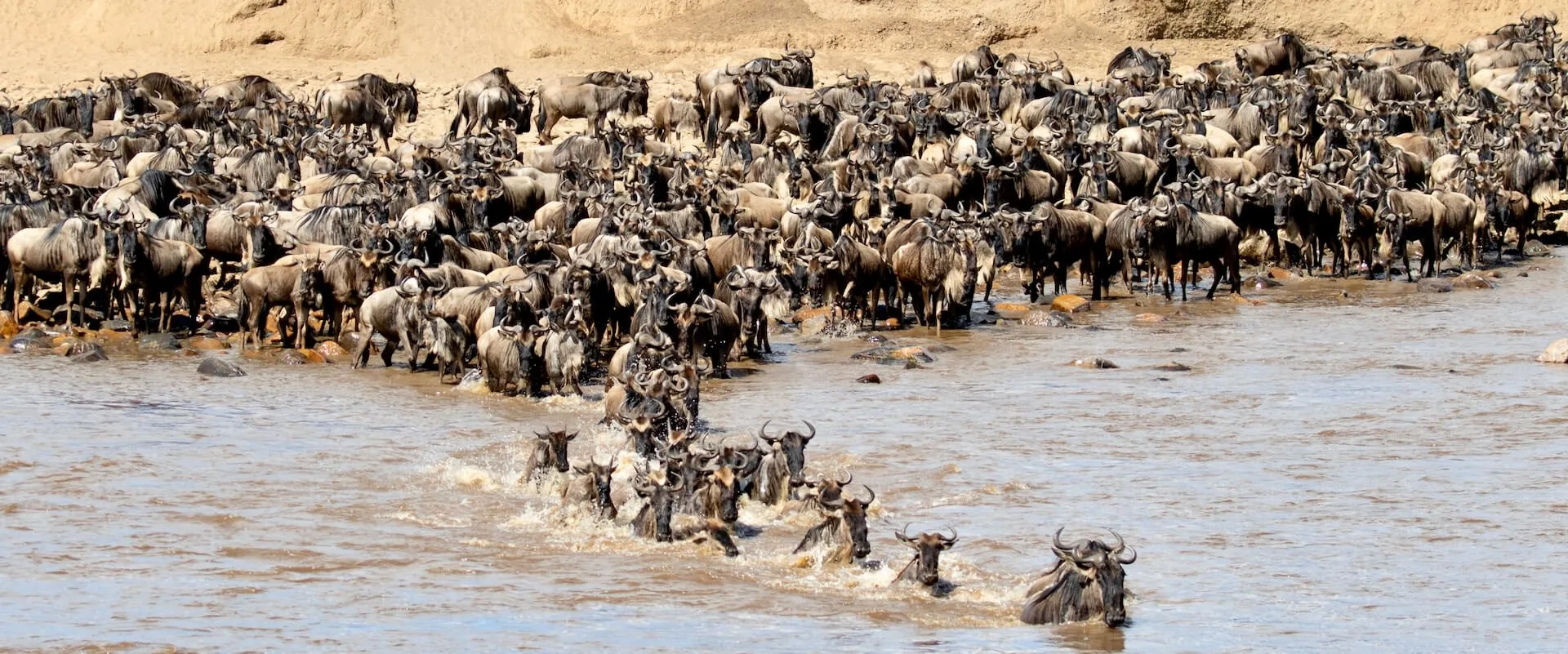
The Great Migration in Africa happens all year because the herds continuously circulate through the Serengeti–Mara ecosystem in…
Read article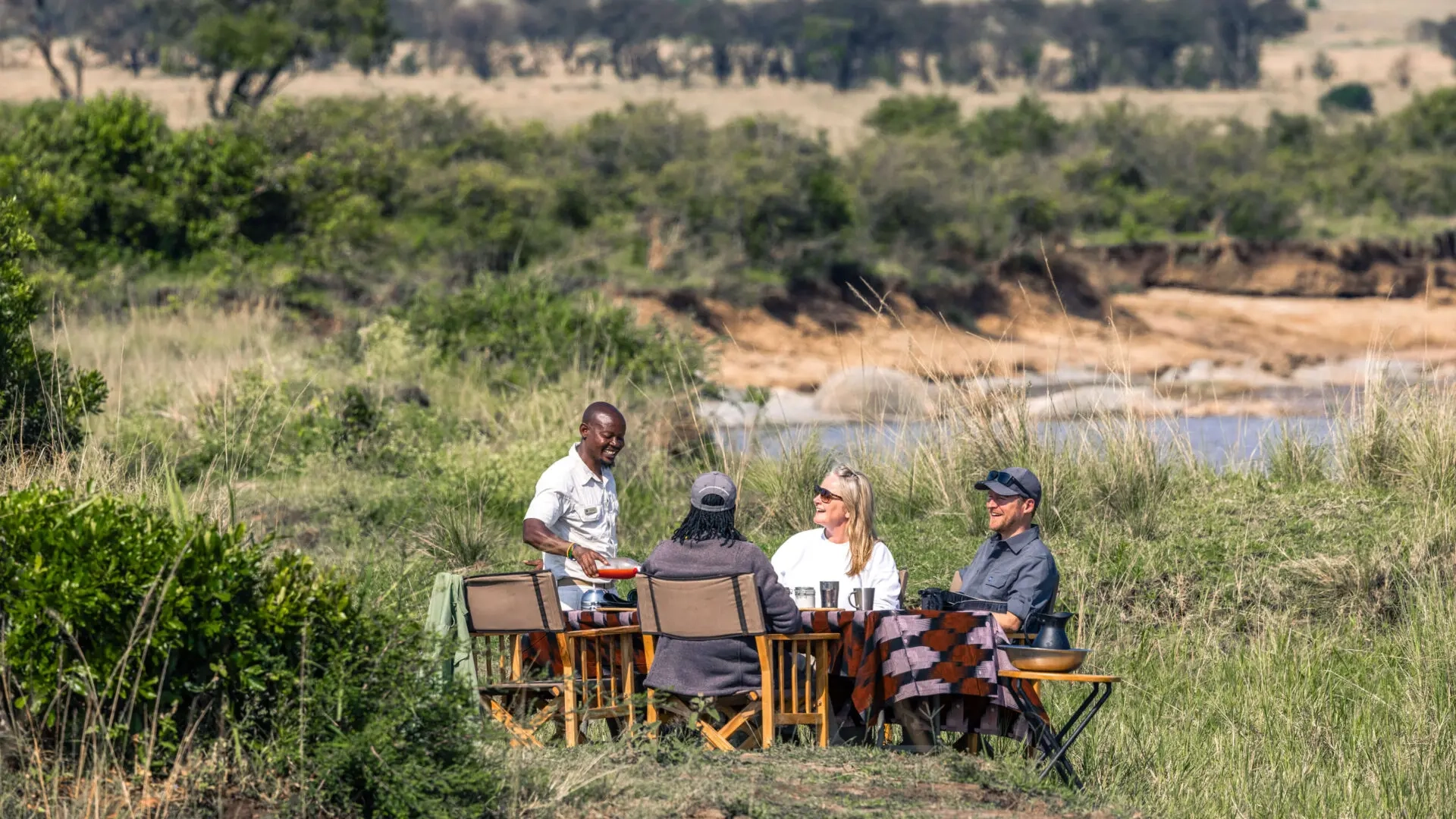
Definitive answer: A picnic lunch on safari is a packed or catered midday meal eaten at an approved…
Read article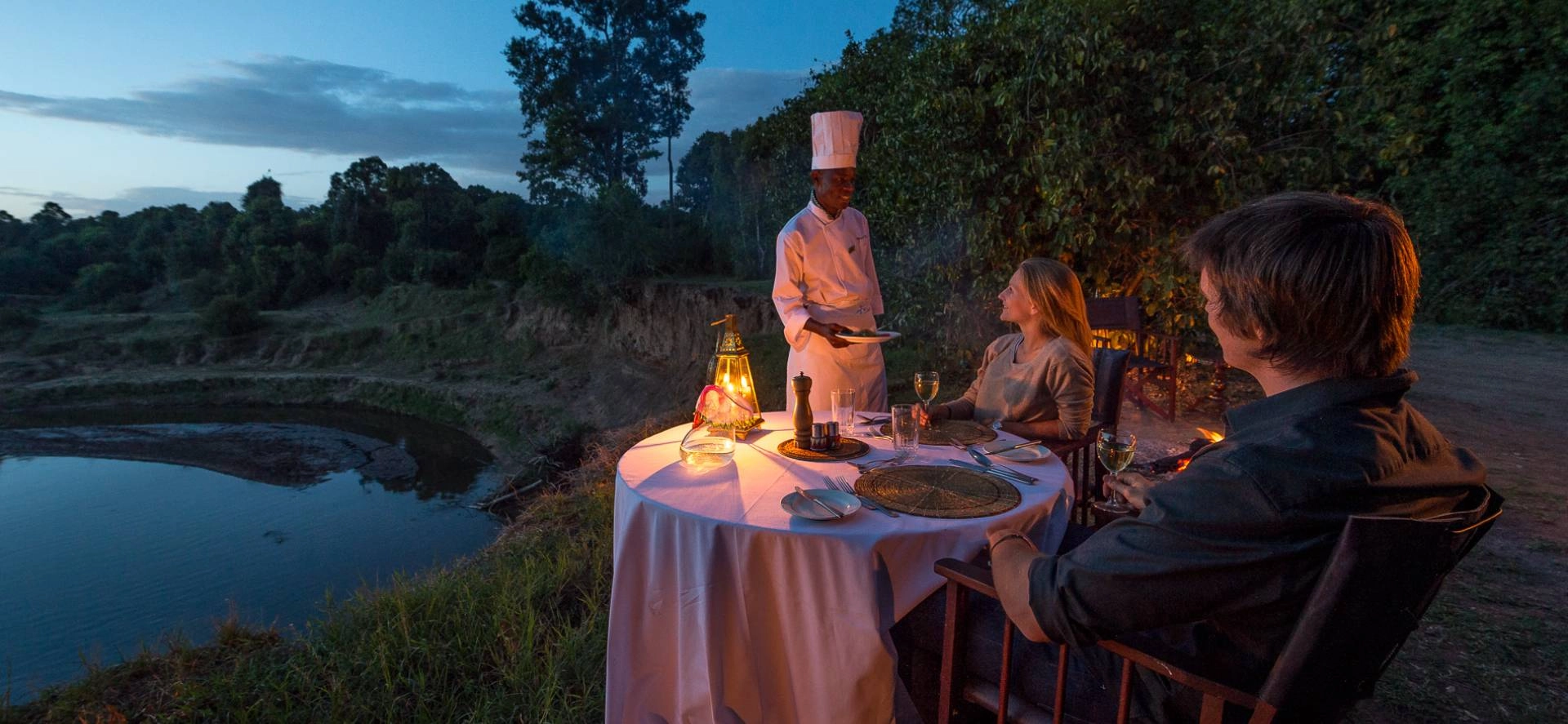
Definitive answer: A bush dinner is an outdoor evening meal arranged in a safe safari setting away from…
Read articleLet us take you closer to the wildlife, people and places that make Africa extraordinary.
Plan Your Safari Today