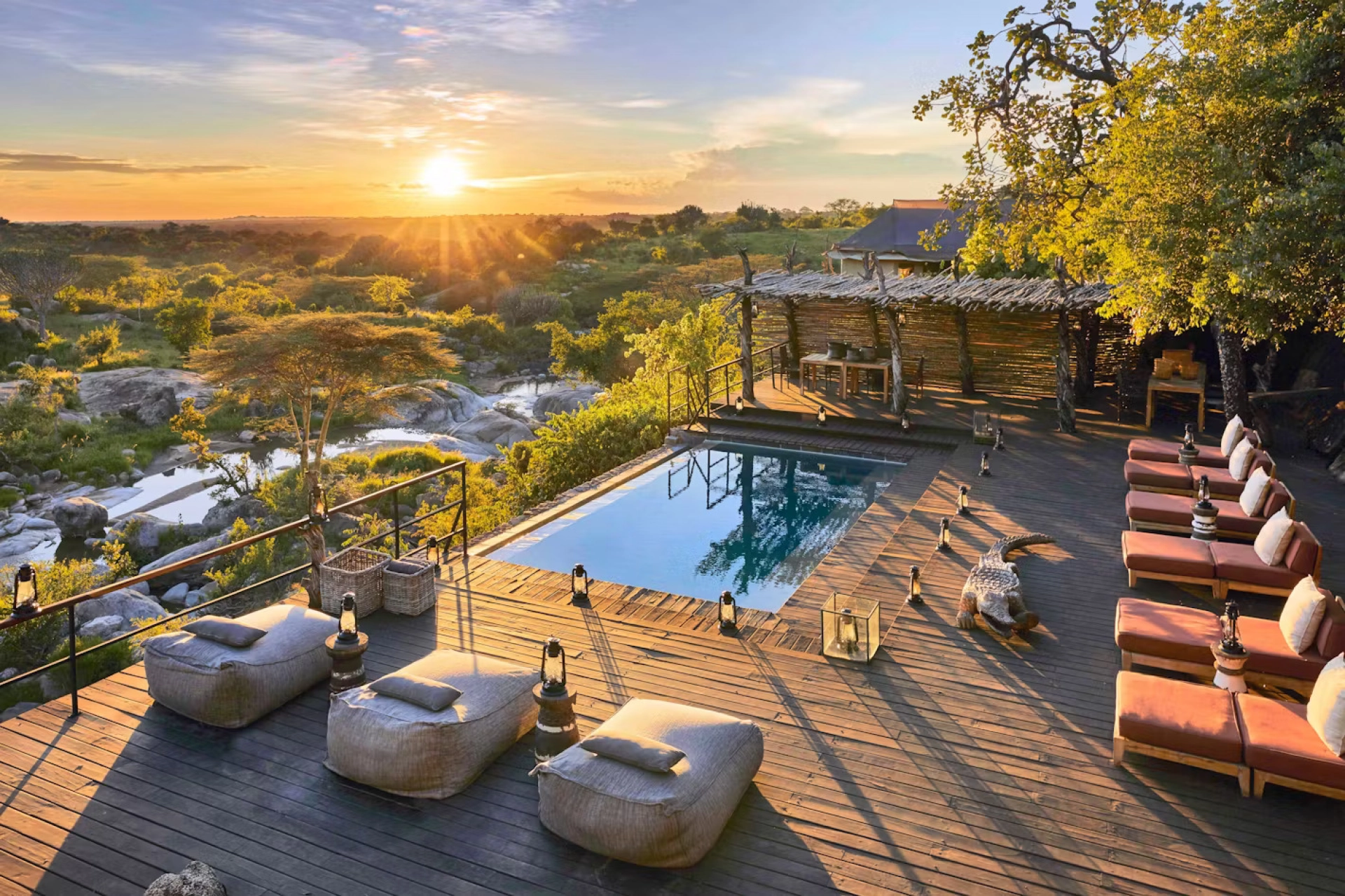
What should I look for when booking a luxury African safari?
When booking a luxury African safari, look beyond the room and compare the quality of guiding, wildlife location,…
Read article

Travel Guide
A safari at Sanbona Wildlife Reserve is easy to describe in terms of animals. There are elephants moving across open valleys, lions resting in the shade, rhinos crossing dry Karoo landscapes, Cape buffalo, antelope, zebra and…
A safari at Sanbona Wildlife Reserve is easy to describe in terms of animals. There are elephants moving across open valleys, lions resting in the shade, rhinos crossing dry Karoo landscapes, Cape buffalo, antelope, zebra and an extraordinary diversity of birds. Yet focusing only on wildlife sightings misses the most important part of Sanbona’s story.
Sanbona is fundamentally a conservation and rewilding project.
The reserve protects approximately 62,000 hectares in South Africa’s Little Karoo, roughly 270 kilometres from Cape Town. It stretches across immense open plains, mountain slopes, ravines, seasonal waterways and biologically important vegetation communities. The reserve describes itself as one of South Africa’s largest privately owned nature reserves and is now owned through a South African non-profit structure focused on long-term conservation rather than conventional private land speculation.
What makes the story particularly interesting is that much of this landscape was not always protected wilderness. Historically, areas that now form the reserve were used for agriculture and livestock farming. Fences divided the land. Natural habitats were degraded. Some wildlife species that would historically have occurred in the broader region disappeared. Beginning in the early 2000s, the landscape entered an ambitious process of ecological restoration. The aim was not simply to introduce a few charismatic animals for tourism.
The larger goal was to restore a functioning Little Karoo ecosystem, reconnect landscapes, rehabilitate degraded land, re-establish indigenous wildlife and protect plant communities within one of South Africa’s most biologically fascinating regions. Sanbona states that this restoration process has been underway since 2002, with the long-term ambition of recreating an ecosystem closer to the landscape that existed before centuries of intensive agricultural transformation.
That makes Sanbona wildlife conservation particularly interesting for travellers. You are not simply visiting a place where wild animals happen to live. You are entering a landscape where conservation can be seen as an ongoing process.
Sanbona Wildlife Reserve lies in the Little Karoo of the Western Cape, east of Cape Town and close to the historic Route 62 tourism corridor. The main entrance is approximately 270 kilometres from Cape Town. The reserve advises travellers to follow the N1 from Cape Town toward Worcester before continuing through Robertson, Ashton and Montagu and then joining the R62 toward the reserve. Driving time is generally around three to three-and-a-half hours, depending on traffic, stops and road conditions.
This location is one of Sanbona’s greatest advantages. Many travellers visiting South Africa want a genuine Big Five safari near Cape Town but do not have time to add flights to Kruger National Park or Greater Kruger. Sanbona provides a very different alternative. It should not be considered a miniature Kruger. The ecology, landscapes and safari atmosphere are completely different. Instead, Sanbona offers a Western Cape wilderness safari shaped by the semi-arid landscapes of the Little Karoo and Cape Fold Mountains.
South Africa’s Western Cape contains extraordinarily diverse plant communities. The broader region includes several internationally important biodiversity zones, and Sanbona itself protects landscapes associated with two biodiversity hotspots. The conservation significance therefore extends far beyond elephants, lions and rhinos. Protecting large tracts of land safeguards: indigenous vegetation rare and endemic plants predators and large herbivores small mammals reptiles birds invertebrates watersheds and the ecological processes linking all of them. This distinction is important because safari marketing often encourages travellers to think about conservation almost exclusively through the Big Five.
A lion is visually impressive. A tiny endemic succulent may not generate the same immediate excitement. Yet preserving the plant communities that support insects, birds, herbivores and soil systems is fundamental to the survival of the entire ecosystem. Sanbona’s conservation programme therefore treats the landscape itself as the primary asset.
One of the most compelling aspects of Sanbona conservation is the scale of ecological restoration. The land that eventually formed the reserve had historically been divided into farms. Livestock grazing, fencing and other agricultural activities changed vegetation patterns and disrupted wildlife movement. Restoration therefore required far more than purchasing land. Old farming infrastructure had to be reconsidered. Wildlife populations needed to be scientifically managed. Habitat recovery had to be monitored.
Species that had disappeared from the region could only be reintroduced when the landscape was capable of supporting them. This process takes decades. Rewilding is not achieved simply by releasing animals through a gate. A successful wildlife restoration project requires appropriate habitat, sufficient water, adequate prey populations, genetic planning, veterinary oversight and continuous monitoring. This long timescale is one reason Sanbona is particularly valuable as a case study in South African rewilding.
Visitors today see a landscape that looks wild, but the apparent naturalness is the result of years of deliberate conservation work.
The term rewilding is increasingly used in conservation, but it can be misunderstood. At Sanbona, rewilding involves rebuilding ecological processes and restoring species that historically formed part of the Little Karoo landscape. This includes allowing indigenous vegetation to recover, managing herbivore populations, reintroducing locally extinct wildlife and creating enough protected space for ecological relationships to develop more naturally. Sanbona says its conservation programme aims to create an ecosystem comparable, as far as reasonably possible, to the Little Karoo that might have existed roughly three centuries ago.
That does not mean attempting to recreate an imaginary untouched past. Modern South Africa has roads, towns, farms and human communities. Instead, the aim is to restore enough ecological integrity for native wildlife and plant communities to function within a protected landscape.
Scale matters enormously in wildlife conservation. A tiny reserve may support a handful of animals, but ecological management becomes highly intensive because wildlife has very little room to disperse naturally. Sanbona’s 62,000 hectares provide much greater ecological space. For travellers, the size creates a very different safari atmosphere. There are areas where you can drive for substantial periods without encountering another vehicle. Mountains disappear toward the horizon. Animals can move over large areas rather than remaining concentrated around tourist roads.
For conservationists, the scale provides possibilities for protecting ecological processes rather than simply managing individual animals.
Sanbona offers a Big Five safari in the Western Cape, meaning the reserve supports lion, leopard, elephant, rhino and Cape buffalo. But viewing the Big Five only as a tourism checklist overlooks their ecological significance. Each occupies a different role. Elephants influence vegetation by feeding on trees and shrubs. Lions regulate herbivore populations and influence animal behaviour. Buffalo can reshape grasslands through grazing. Predators and scavengers redistribute nutrients. Rhinos alter vegetation as they browse or graze.
A functioning ecosystem depends on relationships among species rather than the isolated presence of famous animals.
One of Sanbona’s particularly significant conservation developments came in 2020, when a population of desert-adapted black rhinos was introduced to the reserve. Black rhinos are among Africa’s most intensively protected mammals. Poaching, historical hunting and habitat loss caused enormous population declines across the continent. Reintroducing black rhinos is therefore considerably more complicated than simply transporting animals. Suitable habitat must be assessed. Security must be strong. Animals need careful monitoring. Genetics, territory and browsing conditions must be considered.
For safari visitors, seeing a black rhino is already extraordinary. Understanding that its presence is the result of a carefully planned restoration programme makes the encounter far more meaningful.
Rhino conservation requires discretion.
Modern safari travellers should never share precise rhino locations in real time. Photos containing obvious location clues should also be considered carefully. Responsible guides may avoid giving exact information about recent rhino sightings, particularly when security concerns exist. This can sometimes surprise visitors accustomed to sharing every safari moment immediately online. But protecting wildlife must take priority over social-media convenience. A good rhino safari in South Africa therefore includes both the excitement of seeing these animals and an understanding of why conservation security is necessary.
Another important Sanbona conservation milestone involved the Cape mountain zebra. In 2016, animals were introduced from De Hoop Nature Reserve and Bushmans Kloof Wilderness Reserve as part of a species restoration project. The Cape mountain zebra is significantly more geographically restricted than the plains zebra familiar to visitors in Kruger, Serengeti or the Masai Mara. Its conservation history is closely connected with the Western Cape’s mountainous landscapes. Seeing Cape mountain zebras at Sanbona therefore offers something quite different from seeing large plains zebra herds on an East African safari.
These animals belong specifically to the ecological and conservation story of southern South Africa.
Lions bring a dramatic predator dimension to the reserve. Their presence also creates a more complex ecological system because large predators affect the distribution and behaviour of herbivores. On safari, lions are often the animals guests most desperately want to see. But Sanbona’s large landscape means sightings should never be treated as guaranteed. That unpredictability is a strength. You are exploring a substantial wilderness reserve rather than a compact wildlife enclosure.
A ranger may find lions quickly one morning and spend much longer tracking them the next day. The process of searching becomes part of the experience.
Elephants are ecological engineers. They can push over trees, strip bark, break branches, dig for water and open dense vegetation. In enormous unrestricted ecosystems, animals may move over wide regions in response to changing resources. Within fenced protected areas, however, wildlife managers must carefully monitor the relationship between elephant numbers and available habitat. This is especially important in ecosystems containing sensitive or rare vegetation. Conservation is therefore not simply about maximising the number of elephants.
It is about maintaining a population that the landscape can sustain without compromising other species.
Cape buffalo add another component to Sanbona’s Big Five wildlife. They are powerful grazers and form an important part of the predator-prey system. On a Western Cape safari, seeing buffalo against dry Karoo mountains can feel dramatically different from encountering them around East African wetlands or Kruger’s river valleys. This contrast is one reason Sanbona should be appreciated on its own ecological terms rather than constantly compared with better-known safari regions.
Leopards are naturally secretive. Their presence in a large reserve does not guarantee easy sightings. They move quietly through rocky terrain and vegetation and can remain almost invisible even when relatively close to a vehicle. For experienced safari travellers, this uncertainty often makes leopard encounters more rewarding. The animal has not been placed conveniently for tourists. It must be located through tracking, experience and good fortune.
Sanbona has also become known historically for white lions. White lions are not a separate lion species and should not be confused with albinos. Their unusual colouring results from a rare genetic characteristic. They have attracted substantial public interest because of their appearance. However, responsible conservation should never reduce lions to novelty animals. The more important question is whether lion populations are managed responsibly within a functioning ecological landscape. Sanbona’s overall conservation philosophy is much broader than any single visually unusual animal.
A safari becomes far more rewarding once travellers stop measuring success entirely by the Big Five. Sanbona’s landscapes support numerous additional mammals. Depending on habitat, season and luck, visitors may encounter species such as: giraffe Cape mountain zebra eland kudu oryx springbok hartebeest wildebeest hippopotamus black-backed jackal and smaller mammals. Every one of these species contributes to the ecosystem. Antelope distribute seeds. Predators regulate populations. Scavengers recycle nutrients. Smaller mammals create burrows and alter soils.
The deeper you look, the more complex the conservation story becomes.
Birdwatchers should not treat Sanbona as simply a mammal destination.
The reserve reports more than 200 bird species. The combination of mountains, open plains, rocky slopes, vegetation zones and water sources creates varied habitats. Raptors may dominate the sky. Smaller birds occupy shrubs and grasslands. Water-associated species appear around dams and rivers. For serious birders, the Western Cape location also provides opportunities to encounter species associated with southern Africa’s distinctive ecological zones. A birding safari encourages a very different pace from Big Five searching.
You stop more often. You listen. You examine subtle habitat differences. This is often when a visitor begins to understand how biologically rich Sanbona really is.
Sanbona describes safari drives through two different biomes and numerous habitats, including distinctive quartz fields of the Succulent Karoo. This botanical diversity is one of the reserve’s greatest conservation assets. Many travellers arrive knowing very little about Karoo vegetation. That changes quickly when a guide explains how plants survive with limited water, how tiny succulents exploit particular soils and why seemingly barren landscapes can support remarkable biodiversity. The vegetation is not simply scenery behind the animals.
It is the foundation supporting the entire ecosystem.
The Succulent Karoo is one of the world’s remarkable semi-arid biodiversity regions. Plants have evolved extraordinary strategies for storing water and surviving long dry periods. Some species are small enough to disappear between stones. Others flower dramatically after favourable rainfall. For visitors accustomed to tropical forest or green savanna, the landscape can initially appear sparse. Look more carefully and the biological richness becomes evident. This is why conservation in Sanbona cannot be reduced to large mammals.
Protecting a rare plant community can be just as ecologically significant as protecting a predator.
The mountains provide more than scenery. They create altitude differences, shade, rocky habitat and local variations in water availability. Different slopes may support different vegetation communities. Ravines offer shelter. Cliffs provide nesting habitat for birds. These geological structures also shape animal movement. For photographers, the Cape Fold Mountains give Sanbona one of the most distinctive safari backdrops in South Africa.
Conservation is not only biological. Sanbona also protects cultural heritage. Rock art created by San people survives in parts of the reserve, providing a connection to human history stretching long before modern farming and safari tourism. Some guided experiences include opportunities to learn about these archaeological and cultural sites. Sanbona lists San rock-art experiences among the attractions associated with its wilderness landscape. This adds another dimension to the concept of conservation.
Protecting land also protects stories.
Successful rewilding requires information. Conservation teams must know whether wildlife populations are increasing or declining. They need to understand vegetation change. Predator dynamics must be studied. Reintroduced animals require monitoring. Water resources need observation. Fire patterns, invasive plants and erosion may all affect ecosystem health. Sanbona describes its modern restoration programme as involving methodical and scientific monitoring alongside wildlife reintroductions. That scientific foundation is essential. Without monitoring, conservation decisions become guesswork.
Moving wildlife makes impressive headlines. But a successful introduction requires answering difficult questions. Does the reserve contain enough suitable habitat? Is there adequate food? Will introduced animals compete excessively with existing species? Could disease be transmitted? Is the founding population genetically diverse? How will animals interact with predators? What happens if populations eventually exceed ecological carrying capacity? For species such as rhinos, elephants and predators, these questions become even more complicated.
Responsible conservation therefore involves long-term management well after the initial release.
The strongest conservation projects move gradually from direct intervention toward functioning ecological processes. Instead of artificially controlling every interaction, managers aim to establish conditions in which predators hunt naturally, herbivores move in response to resources and vegetation responds dynamically to grazing and browsing. A reserve will never be completely free from management. Boundaries still exist. Human communities surround protected landscapes. Climate conditions change. But larger protected areas provide significantly more opportunity for ecological processes to operate.
Fire is an important ecological process in many African landscapes.
Completely suppressing natural or managed fire can change vegetation structure. Allowing uncontrolled fire can also cause serious damage. Protected-area managers therefore use ecological knowledge to determine when and where burns may be appropriate. Although tourists rarely think about fire management while watching lions, decisions like these help determine what the reserve will look like decades from now.
Water is another critical conservation issue. The Little Karoo is fundamentally a water-limited environment. Rainfall can vary dramatically. Droughts occur. Wildlife populations must be managed according to what the landscape can realistically sustain. Artificial water points can change animal distribution and create ecological consequences. Conservation teams therefore have to balance wildlife needs with maintaining natural ecological patterns.
Restoring former agricultural land can also involve managing invasive alien vegetation. Alien plants may use large amounts of water, change fire regimes or outcompete indigenous species. Removing them can allow native plants to recover. This work is rarely visible in safari advertising, yet it can be among the most important long-term conservation investments.
Sanbona’s ownership structure gives tourism a particularly direct conservation dimension. The reserve states that it is owned by a non-profit company and that revenue from guest stays contributes to conservation. This changes how travellers can think about the cost of staying there. You are purchasing accommodation, meals and safari experiences. But you are also helping finance: reserve management, wildlife monitoring, habitat protection, anti-poaching, staffing, infrastructure, and broader conservation programmes. Responsible tourism therefore becomes a practical funding mechanism for wilderness.
Protected areas cannot exist sustainably in isolation from nearby communities. Wildlife reserves create employment for rangers, guides, lodge staff, drivers, maintenance workers and administrators. They can also support educational programmes. Sanbona’s history records the establishment of the Strive to Educate programme in 2013, which used the reserve as a platform for conservation education among children in surrounding communities. Community engagement matters because conservation is strongest when local people see tangible value in protected landscapes.
At Gondwana Family Lodge, Sanbona also operates conservation-oriented activities aimed at younger guests. The reserve’s Eco-Explorers programme introduces children to animal tracks, native plants, ecosystems and broader environmental themes. This might seem like a small component compared with rhino reintroductions or habitat restoration. Yet long-term conservation ultimately depends on changing how future generations understand wildlife and landscapes. A child who returns home thinking differently about ecosystems has taken something more meaningful from safari than a collection of animal photographs.
Large valuable mammals require serious security. Rhinos in particular have transformed the economics of wildlife protection across southern Africa. Modern conservation reserves invest heavily in anti-poaching intelligence, patrols and monitoring. Visitors may not see these operations directly, and details are often deliberately confidential. That invisibility does not make them less important. Every successful rhino sighting may represent years of hidden work by conservation teams.
Wildlife conservation occasionally requires veterinary intervention. Animals may be immobilised for translocation, disease testing or monitoring. Rhinos may require security-related procedures. Reintroduced populations may need health checks. The objective should never be to turn wildlife into managed livestock. Veterinary intervention is used when conservation circumstances make it necessary.
Visitors also have responsibilities.
A safari should not pressure animals for better photographs. Guests should never request that guides approach animals closer than is safe or ethical. Noise around wildlife should be minimised. Never feed animals. Never leave litter. Follow ranger instructions during walks. Avoid publishing sensitive wildlife locations. The quality of a conservation safari depends partly on the behaviour of the people participating in it.
Sanbona offers twice-daily nature drives as part of its safari experience. The best drives are not simply searches for the next famous animal. A good ranger explains: tracks, plants, geology, animal behaviour, predator-prey relationships, water availability, and the reserve’s restoration history. That interpretation turns sightseeing into understanding. The conservation story becomes visible in the landscape.
Guided walks change the scale of safari. From a vehicle, travellers naturally focus on elephants, rhinos and lions. On foot, tracks become important. So do insects. Seed pods. Dung. Small succulents. Bird calls. The landscape suddenly becomes more detailed. Sanbona lists guided nature walks among its conservation-oriented experiences. For visitors genuinely interested in ecology, a walk can be as important as a game drive.
Conservation also protects darkness. Far from major cities, artificial light decreases dramatically. The Little Karoo sky can therefore become another part of the wilderness experience. Sanbona includes stargazing among activities associated with the reserve. Standing outside at night and seeing a truly dark African sky reinforces the scale and isolation of the protected landscape.
Wildlife photography can support conservation by building public interest in threatened species. But photography can also create problems if photographers prioritise images over animal welfare. At Sanbona, the best photographic approach is patience. Use the landscape. Include mountains and habitat. Do not focus exclusively on tight portraits. A lion surrounded by Little Karoo vegetation tells a more complete conservation story than an image cropped so tightly that it could have been taken anywhere.
Sanbona can be visited throughout the year, but seasons change the character of the landscape. Winter, roughly May to September, can bring cold mornings and nights. Open safari vehicles may feel extremely chilly before sunrise. Days can be beautiful and crisp. Summer can become much warmer. Vegetation, flowering patterns and wildlife distribution respond to rainfall. There is therefore no single universal “best” season. Wildlife enthusiasts may appreciate different ecological conditions throughout the year.
Sanbona promotes itself as a malaria-free safari destination, which is particularly attractive to families and travellers who prefer to avoid malaria-risk regions. This is one reason the reserve works well as an extension of a Cape Town holiday. Travellers can experience Cape Town, the Winelands and the Little Karoo without flying across South Africa.
Sanbona’s principal accommodation experiences include Dwyka Tented Lodge, Gondwana Family Lodge and Tilney Manor, each aimed at somewhat different travellers. Dwyka is particularly suited to couples and romantic travel. Gondwana is designed around families. Tilney Manor provides a more traditional and intimate lodge atmosphere. Accommodation is part of the conservation funding model, but travellers should choose according to their needs rather than assuming one lodge offers “better wildlife.” All sit within the same broader protected landscape.
A two-night stay provides a basic introduction.
Three nights is much better for travellers genuinely interested in conservation and wildlife. Why? Because safari cannot be scheduled like a museum. Rain may affect one drive. Lions may remain hidden. Rhinos may move to another section of the reserve. A longer stay allows sightings to develop naturally. It also creates time for walking, birding and other experiences rather than pursuing only the Big Five.
Travellers frequently compare Sanbona Wildlife Reserve and Aquila Private Game Reserve because both are reachable from Cape Town. They are different experiences. Aquila is particularly practical for short visits and day safaris. Sanbona generally works better as an overnight wilderness destination where travellers devote several days to the reserve. Sanbona’s approximately 62,000-hectare scale also creates a strong sense of space and ecological restoration. If your primary goal is a quick safari near Cape Town, Aquila may fit conveniently.
If your priority is immersive wilderness and conservation, Sanbona deserves serious consideration.
Kruger is vastly different. Kruger National Park covers nearly two million hectares and forms part of a much larger northeastern South African wildlife ecosystem. Sanbona is smaller but far more convenient from Cape Town. The landscapes are also completely different. Kruger is classic Lowveld bushveld. Sanbona is Little Karoo and Cape mountain country. Visitors should not ask which is “better” without considering the type of trip they want. A first-time safari enthusiast with a week available may still choose Kruger.
A Cape Town traveller with two or three spare nights may find Sanbona far more efficient.
One of the best South African itineraries combines: Cape Town Cape Winelands and Sanbona Wildlife Reserve. This creates an itinerary with city, coast, wine country, mountains and safari without the need for domestic flights. The drive through Route 62 also becomes part of the experience. Sanbona recommends the Cape Town route through Worcester, Robertson, Ashton and Montagu before continuing toward the reserve.
The journey to Sanbona passes through some of the Western Cape’s most attractive inland landscapes. Instead of treating the road as merely a transfer, travellers can stop in towns such as Robertson or Montagu. This spreads tourism spending beyond the reserve itself and turns the journey into a broader regional experience.
No safari reserve should be assessed solely by marketing language. Useful questions include: Is habitat restoration taking place? Are species scientifically managed? Is tourism financing conservation? Is wildlife treated as wildlife rather than entertainment? Are local communities included? Does the reserve have a credible long-term ecological vision? Sanbona’s non-profit ownership, rewilding programme, land restoration, species reintroductions and scientific monitoring provide substantial evidence of a conservation-driven model.
The Big Five attract visitors. But Sanbona’s real significance lies in the landscape supporting them. A successful future for the reserve depends on: healthy soils, functioning water systems, indigenous plants, balanced herbivore populations, predators, insects, birds, reptiles, and enough ecological space for all these relationships to continue. That is a much more ambitious objective than simply maintaining animals for tourist photographs.
The most exciting thing about Sanbona may be that the conservation story is unfinished. Land continues recovering. Wildlife populations change. Vegetation responds to rainfall and management. Scientific knowledge improves. The decisions made now will influence what the reserve looks like decades from today. This is what meaningful conservation looks like. It is not a final state. It is a long process of protecting land, learning from ecological change and adapting management so that natural systems become increasingly resilient.
A lion sighting may last twenty minutes. A rhino may remain visible for only a few minutes before disappearing behind vegetation. But the protected landscape that makes those sightings possible represents decades of work. That is the deeper story of Sanbona Wildlife Reserve and Conservation. Formerly fragmented agricultural lands have been brought together into a vast protected area. Indigenous habitats are regenerating. Species that once disappeared have returned. Black rhinos again move through the Little Karoo.
Cape mountain zebras occupy landscapes associated with their natural history. Predators once again influence prey. Birds, reptiles, insects and rare plants benefit from the same protected land. And tourism helps finance the process. For travellers, Sanbona therefore provides something more interesting than a convenient Big Five safari near Cape Town. It provides an opportunity to witness what happens when conservation is given land, time, scientific management and long-term commitment. The animals are spectacular.
The mountains are beautiful. The silence is memorable. But the most important thing about Sanbona is the idea behind it: that damaged landscapes can recover, lost species can sometimes return and tourism can help protect the wilderness people travel so far to experience. For travellers combining a South Africa safari with Cape Town, Adventure in the Wild Safaris can incorporate Sanbona into a broader journey with the Cape Winelands, Cape Peninsula, Kruger National Park, Greater Kruger, Victoria Falls, Uganda gorilla trekking or Rwanda gorilla safaris, creating a wildlife itinerary built around conservation as well as exceptional experiences.
Get quick answers to the most common questions. If you still have questions, our safari experts are here to help.
Sanbona protects approximately 62,000 hectares in South Africa’s Little Karoo.
Yes. Sanbona offers a Big Five safari experience in the Western Cape.
The reserve’s main gate is approximately 270 kilometres from Cape Town, normally around three to three-and-a-half hours by road depending on conditions.
Sanbona promotes itself as a malaria-free wilderness safari destination.
Yes. Sanbona records the introduction of a population of desert-adapted black rhinos in 2020 as part of its conservation programme.
Yes. Cape mountain zebras were reintroduced as part of the reserve’s species restoration work.
The reserve reports more than 200 bird species.
The property is owned through Sanbona Nature and Wilderness Reserve, a South African non-profit company established to secure the reserve’s long-term conservation future.
Two nights is a reasonable minimum, while three nights provides a more complete safari and conservation experience.
Yes. Gondwana Family Lodge specifically serves families and offers conservation-oriented children’s activities. Very young children may be restricted from standard shared game drives depending on age and lodge rules.
Our safari experts are here to help you plan your safari. Get personalized advice, the latest information and a free, no-obligation quote.
We typically reply within a few hours.

Share This Article
When booking a luxury African safari, look beyond the room and compare the quality of guiding, wildlife location,…
Read article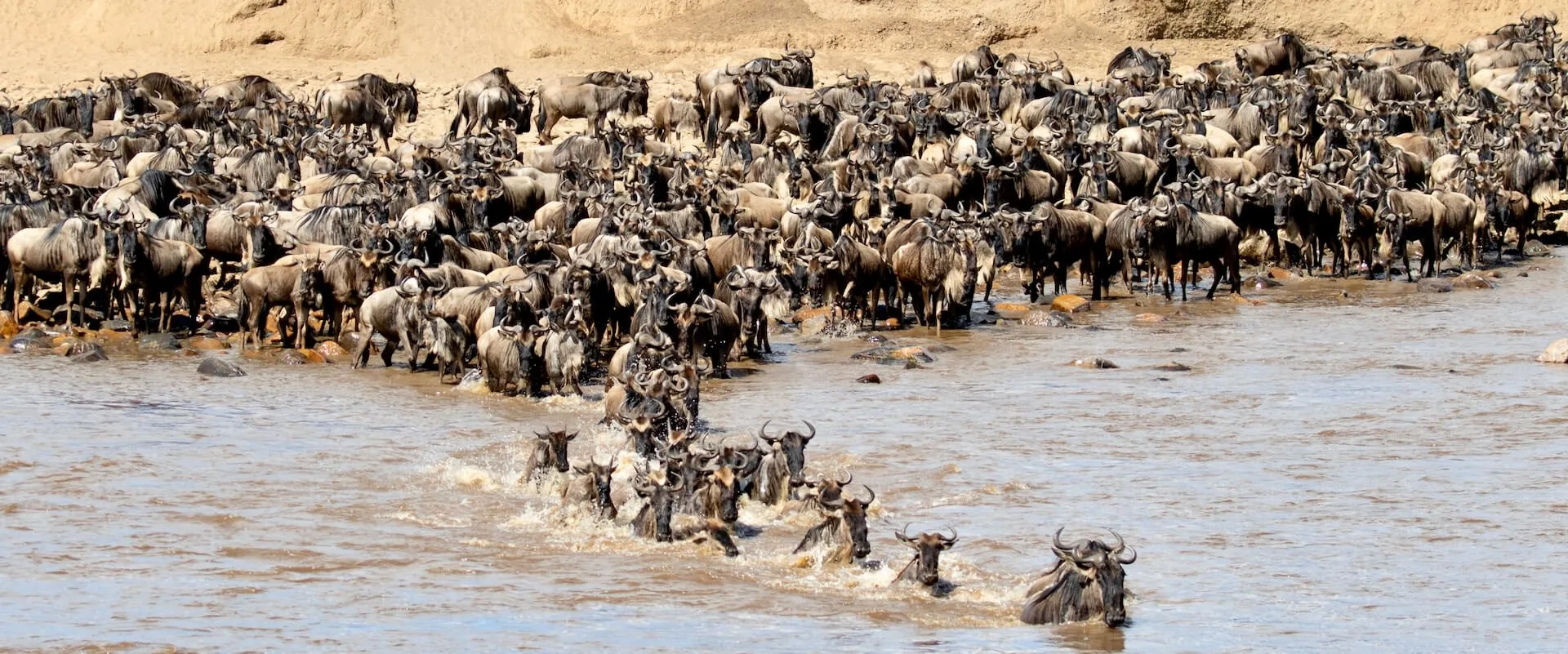
The Great Migration in Africa happens all year because the herds continuously circulate through the Serengeti–Mara ecosystem in…
Read article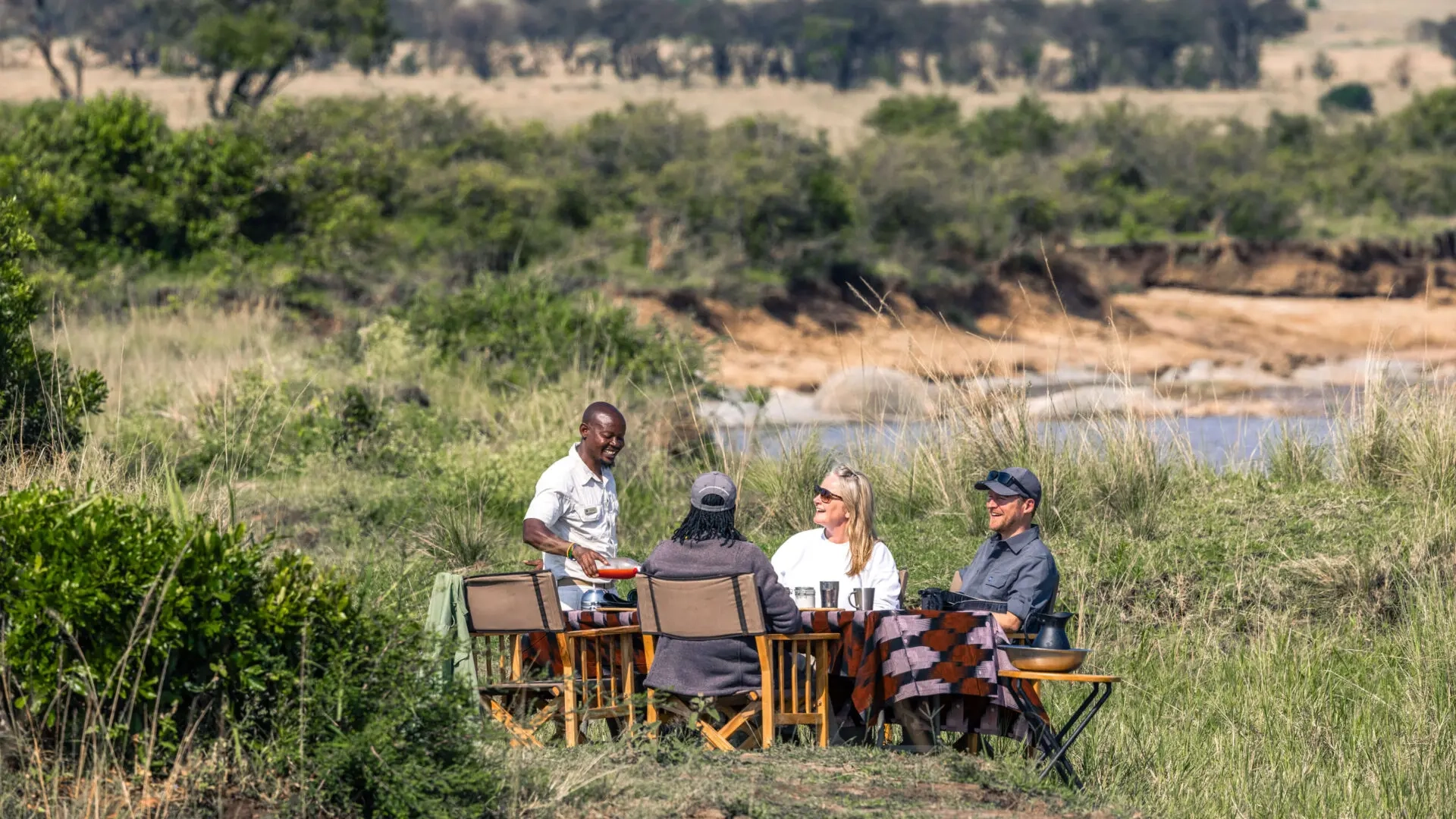
Definitive answer: A picnic lunch on safari is a packed or catered midday meal eaten at an approved…
Read article
Definitive answer: A bush dinner is an outdoor evening meal arranged in a safe safari setting away from…
Read articleLet us take you closer to the wildlife, people and places that make Africa extraordinary.
Plan Your Safari Today