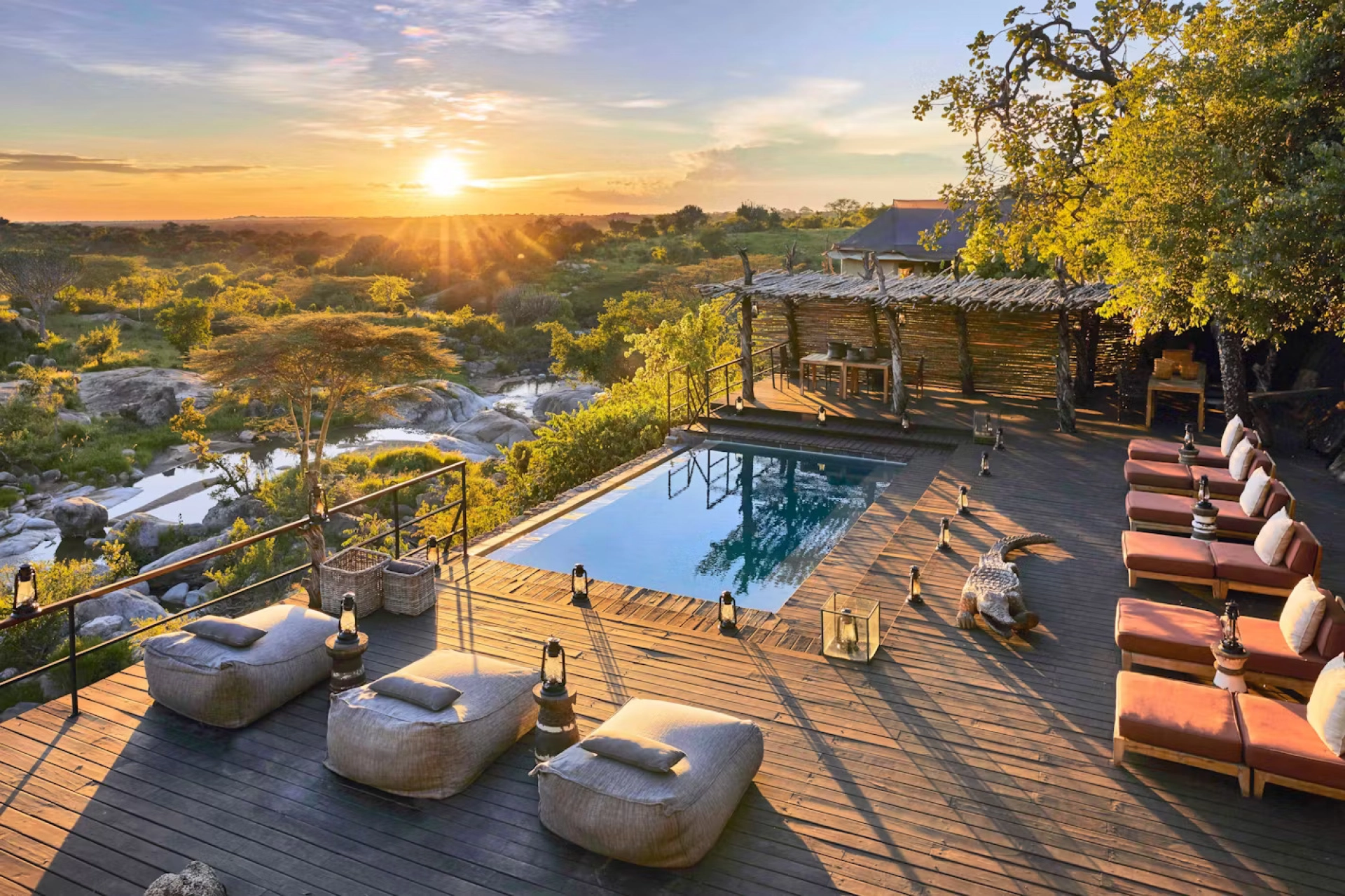
What should I look for when booking a luxury African safari?
When booking a luxury African safari, look beyond the room and compare the quality of guiding, wildlife location,…
Read article

FAQs
Yes, rest days or deliberately slower periods can significantly improve a longer African safari, particularly on itineraries involving early game drives, long road transfers, gorilla or chimpanzee trekking, several hotel changes or travel with children. You do not necessarily need an entire day with nothing planned. A relaxed afternoon, later morning or two-night stay with optional activities can provide enough recovery without sacrificing valuable safari time.
Yes, rest days or deliberately slower periods can significantly improve a longer African safari, particularly on itineraries involving early game drives, long road transfers, gorilla or chimpanzee trekking, several hotel changes or travel with children. You do not necessarily need an entire day with nothing planned. A relaxed afternoon, later morning or two-night stay with optional activities can provide enough recovery without sacrificing valuable safari time.

Not everyone needs a full rest day, particularly on shorter trips. If you have only five or six days in Africa, dedicating an entire day to doing nothing may not make sense unless relaxation is one of your main objectives.
Longer safaris are different. A ten-, twelve- or fourteen-day itinerary can contain repeated early mornings, long road journeys, game drives, trekking activities and hotel changes. Even travelers who are normally energetic can begin feeling the cumulative effects.
The answer is therefore less about inserting a formal “rest day” and more about creating recovery time within the itinerary.
Safari photographs usually show travelers sitting comfortably in a vehicle watching elephants.
They don’t show the 05:30 wake-up call, rough tracks, dust, heat, long road transfer or the fact that you may have packed your suitcase three times in four days.
Game drives can last several hours. Road transfers may take much of the day. Gorilla trekking can involve challenging forest terrain. Even changing accommodation requires packing, checking out, loading luggage and settling into another room.
None of these activities is necessarily unpleasant, but together they create fatigue.
Often, yes.
One of the most effective itinerary designs is a busy morning followed by a free afternoon.
Perhaps you complete a morning game drive, return to the lodge for lunch and spend the afternoon beside the pool or watching wildlife from the terrace.
You are still experiencing Africa.
You simply aren’t following a scheduled activity.
This can be much more useful than inserting a completely empty day into a relatively short safari.
It doesn’t need to mean staying inside your room.
A slower day might include a leisurely breakfast, swimming, reading, birdwatching around the lodge, a massage, reviewing photographs or simply sitting on a veranda overlooking the landscape.
Some lodges are destinations in themselves.
If elephants, antelope, monkeys or birds regularly occur around the property, staying at the lodge can still feel like a wildlife experience.
This is another reason lodge location matters.
Many travelers appreciate it.
Gorilla trekking difficulty varies considerably. Some treks are relatively short, while others involve longer periods of walking through steep, humid or uneven forest terrain.
Because you cannot know exactly how demanding your trek will be, scheduling a relaxed afternoon afterward is sensible.
You might feel energetic enough for a village walk or another light activity. Alternatively, you may prefer a shower, lunch and several hours of rest.
Keeping the afternoon flexible allows both possibilities.
Arriving in the trekking region at a reasonable time is more important than formally scheduling a rest day.
Avoid reaching your lodge extremely late after an exhausting road journey if you need to wake early for the trekking briefing the following morning.
A calm evening, proper meal and good night’s sleep can make a significant difference.
The gorilla trek is often one of the most important experiences of the entire safari. The itinerary should support it rather than treating it as another activity squeezed between long transfers.
Chimpanzee trekking can also involve several hours of walking through forest environments.
If your itinerary combines chimpanzees, long road transfers and gorillas within several consecutive days, examine the pacing carefully.
The activities themselves may be manageable, but the accumulation can become tiring.
An afternoon without a scheduled excursion can restore the balance.
Not necessarily every day.
Morning and afternoon game drives are a classic safari rhythm.
You leave early, return for breakfast or lunch, relax during the hottest part of the day and head out again later.
This naturally creates downtime.
Problems arise when the midday period is filled with transfers, scheduled activities or hotel changes.
If every hour between sunrise and dinner is programmed, fatigue accumulates quickly.
Absolutely.
You paid for a holiday, not an attendance register.
If you’re exhausted after several intensive days, skipping one afternoon drive may allow you to enjoy the following morning far more.
On private safaris this decision is particularly easy because you control the vehicle schedule.
On shared lodge activities, simply tell the lodge you won’t participate.
Don’t force yourself onto every drive simply because it appears on the itinerary.
Yes.
Private safaris provide greater control over timing.
If everyone in your party wants to leave thirty minutes later, shorten a drive or return to the lodge early, the guide can often accommodate the request where operationally possible.
Shared departures need to consider the preferences of other travelers.
This flexibility is one of the less obvious advantages of a private safari vehicle.
Usually.
Children can be fascinated by wildlife while still becoming tired of spending long periods inside vehicles.
A pool, relaxed lunch or several unscheduled hours can completely change the family experience.
Parents should avoid designing a safari around adult endurance and assuming children will adapt.
A family safari often works better with fewer destinations, multiple-night stays and private transportation.
Teenagers may tolerate longer safari days than younger children, but downtime can still be valuable.
Internet access, swimming, photography or simply time away from scheduled family activities may help.
The objective is not to keep every minute occupied.
Allowing teenagers some independence within the lodge environment can make the broader family trip more enjoyable.
Age alone shouldn’t determine itinerary pace.
Some travelers in their seventies are more active than people decades younger.
What matters is personal fitness, mobility and travel style.
However, travelers with back problems, joint discomfort or limited mobility should pay particular attention to repeated long drives and hotel changes.
Reducing unnecessary movement is often more useful than inserting a single formal rest day.
Honeymooners should usually resist overscheduling.
If you are paying for a beautiful lodge, private plunge pool, scenic terrace or exceptional room, allow enough time to enjoy it.
A honeymoon itinerary that departs every morning before sunrise and returns shortly before dinner may provide extraordinary wildlife but very little time together at the properties you’ve chosen.
A combination of intensive safari days and slower lodge time often works better.
Serious photographers sometimes prefer to maximize every available wildlife opportunity.
They may happily leave before sunrise every morning and return after sunset.
However, photography itself can be tiring, especially when carrying equipment and concentrating continuously.
Rather than a complete rest day, photographers may prefer a midday break for backing up photographs, charging batteries and preparing equipment.
The itinerary can remain wildlife-intensive while still creating recovery time.
This depends on arrival time and flight duration.
Travelers arriving late after an overnight international flight may appreciate spending the first night near the arrival airport before beginning the safari.
Others arriving early may prefer to start driving toward the first destination.
There is no universal rule.
The mistake is designing the first day as though international travel causes no fatigue.
Travelers crossing multiple time zones may experience disrupted sleep during the first days.
Early safari mornings can either help reset the body clock or make fatigue worse.
A gentle arrival day can therefore be useful, particularly when traveling from North America or other distant regions.
Try not to place the most physically demanding activity immediately after arrival.
Look for natural points in the itinerary.
After gorilla trekking.
After several consecutive game-drive days.
After a long transfer.
At a particularly beautiful lodge.
Before another intensive activity.
Around the midpoint of a two-week safari.
The rest period should feel like part of the journey rather than an artificial interruption.
Compared with trekking or a long game drive, it can provide a useful change of pace.
Boat activities allow travelers to sit comfortably while observing wildlife from a different perspective.
In destinations such as Queen Elizabeth National Park or Murchison Falls National Park, water-based experiences can break up a sequence of vehicle-based activities.
This type of variation is often more effective than simply removing activities.
Sometimes.
A short transfer of two or three hours followed by an afternoon at the lodge can function as a recovery day.
Not every rest period needs to be labelled “Day at Leisure.”
Good itinerary design creates breathing room naturally.
Many travelers don’t need a complete rest day.
Instead, include one or two relaxed afternoons and avoid scheduling demanding activities every morning and evening.
If the itinerary contains gorilla trekking or multiple long drives, downtime becomes more important.
The objective is balance.
A two-week safari benefits substantially from at least one deliberately slower period.
This could be a complete day at a beautiful lodge or several half-days distributed through the itinerary.
Multiple-night stays naturally create opportunities for this.
Fourteen days is long enough that preserving energy becomes part of good planning.
No.
This is one of the most common planning misconceptions.
Travelers calculate the cost of each safari day and feel they must maximize every minute.
But value doesn’t come from being constantly busy.
If resting for three hours makes the next two days significantly more enjoyable, those three hours have improved the safari rather than diminished it.
Africa isn’t something you can finish.
You don’t need to see every park, take every game drive or complete every optional activity.
The most memorable moments often occur when the schedule slows down.
Watching elephants from the lodge.
Listening to birds over breakfast.
Talking to your guide after lunch.
Watching a storm cross the landscape.
These experiences don’t necessarily appear as itinerary bullet points, but they can become some of the strongest memories.
For many travelers, the best solution isn’t a completely empty calendar.
It is an itinerary with optional periods.
Schedule the major experiences—gorilla trekking, chimpanzee trekking, boat safaris and essential game drives—then leave some afternoons flexible.
When the day arrives, decide how you feel.
If you’re energetic, add an activity.
If you’re tired, stay at the lodge.
That flexibility is one of the foundations of a well-designed safari.
Continue with:
Rest isn’t time taken away from safari. When used intelligently, it helps ensure that you are physically and mentally present for the wildlife experiences you traveled so far to enjoy.

Share This Article
When booking a luxury African safari, look beyond the room and compare the quality of guiding, wildlife location,…
Read article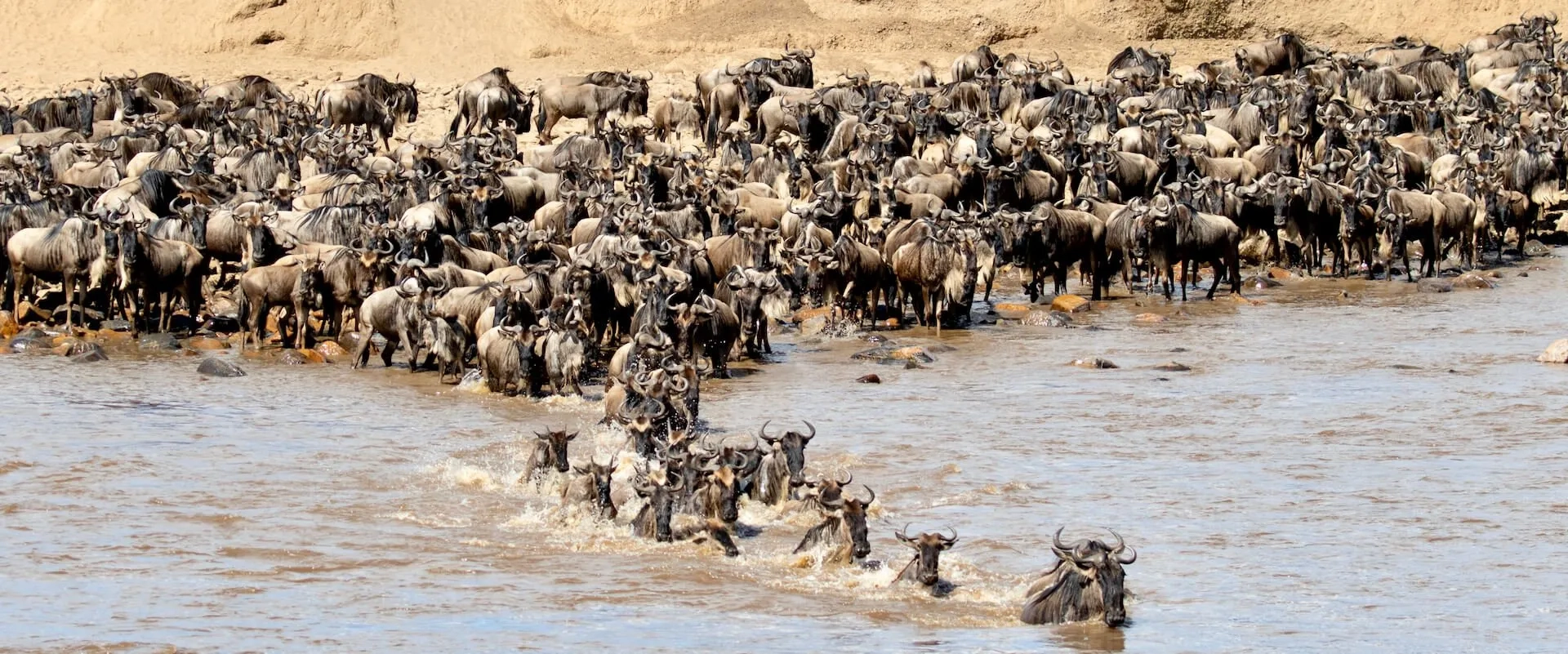
The Great Migration in Africa happens all year because the herds continuously circulate through the Serengeti–Mara ecosystem in…
Read article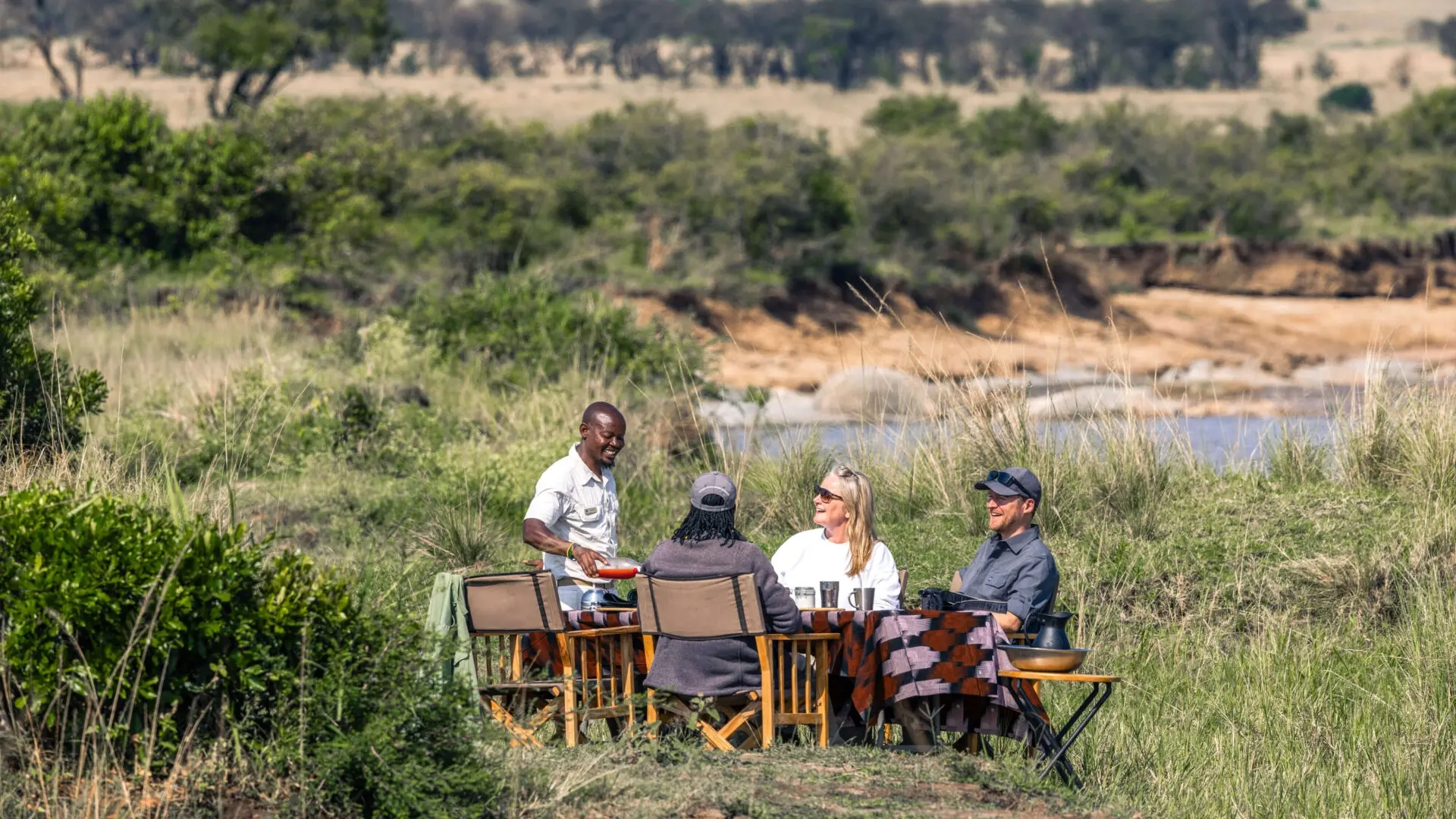
Definitive answer: A picnic lunch on safari is a packed or catered midday meal eaten at an approved…
Read article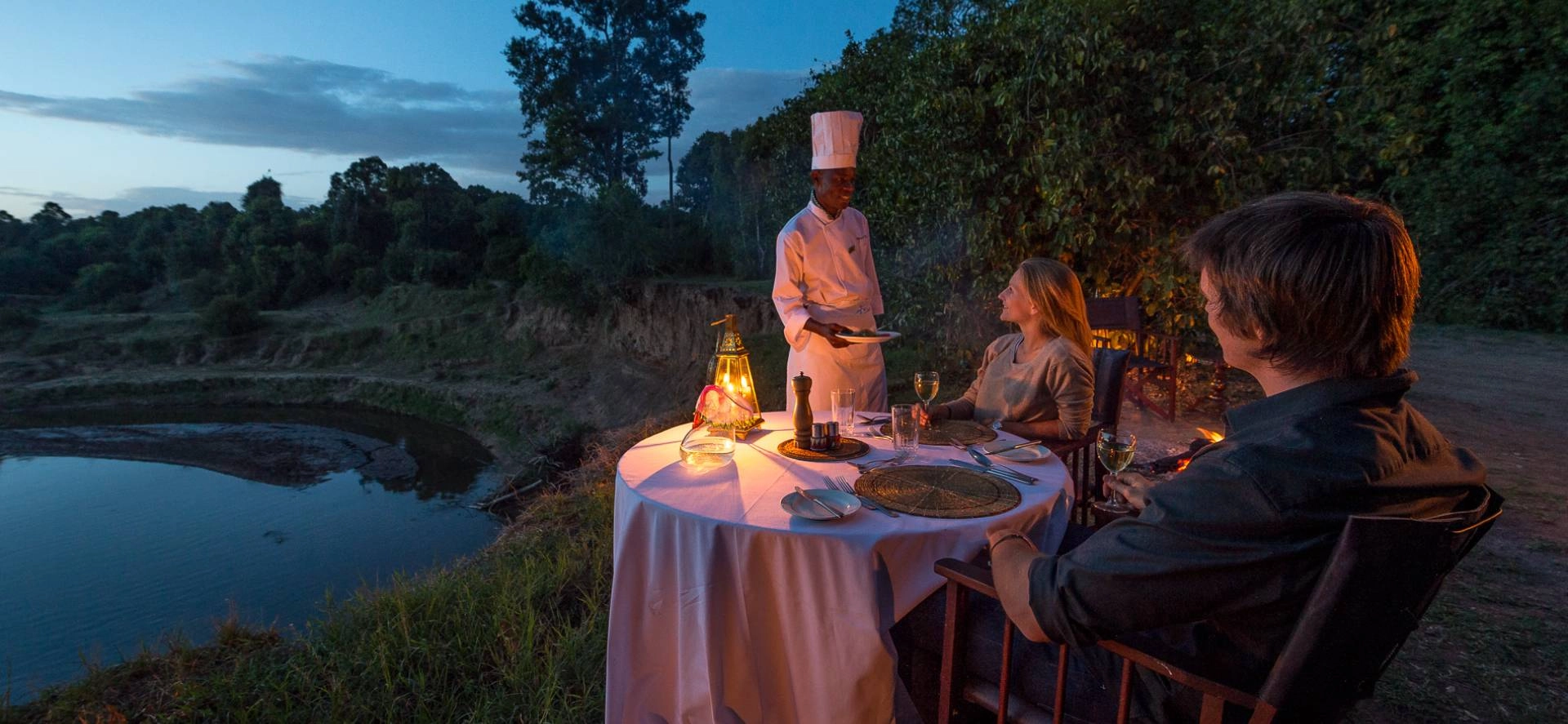
Definitive answer: A bush dinner is an outdoor evening meal arranged in a safe safari setting away from…
Read articleLet us take you closer to the wildlife, people and places that make Africa extraordinary.
Plan Your Safari Today