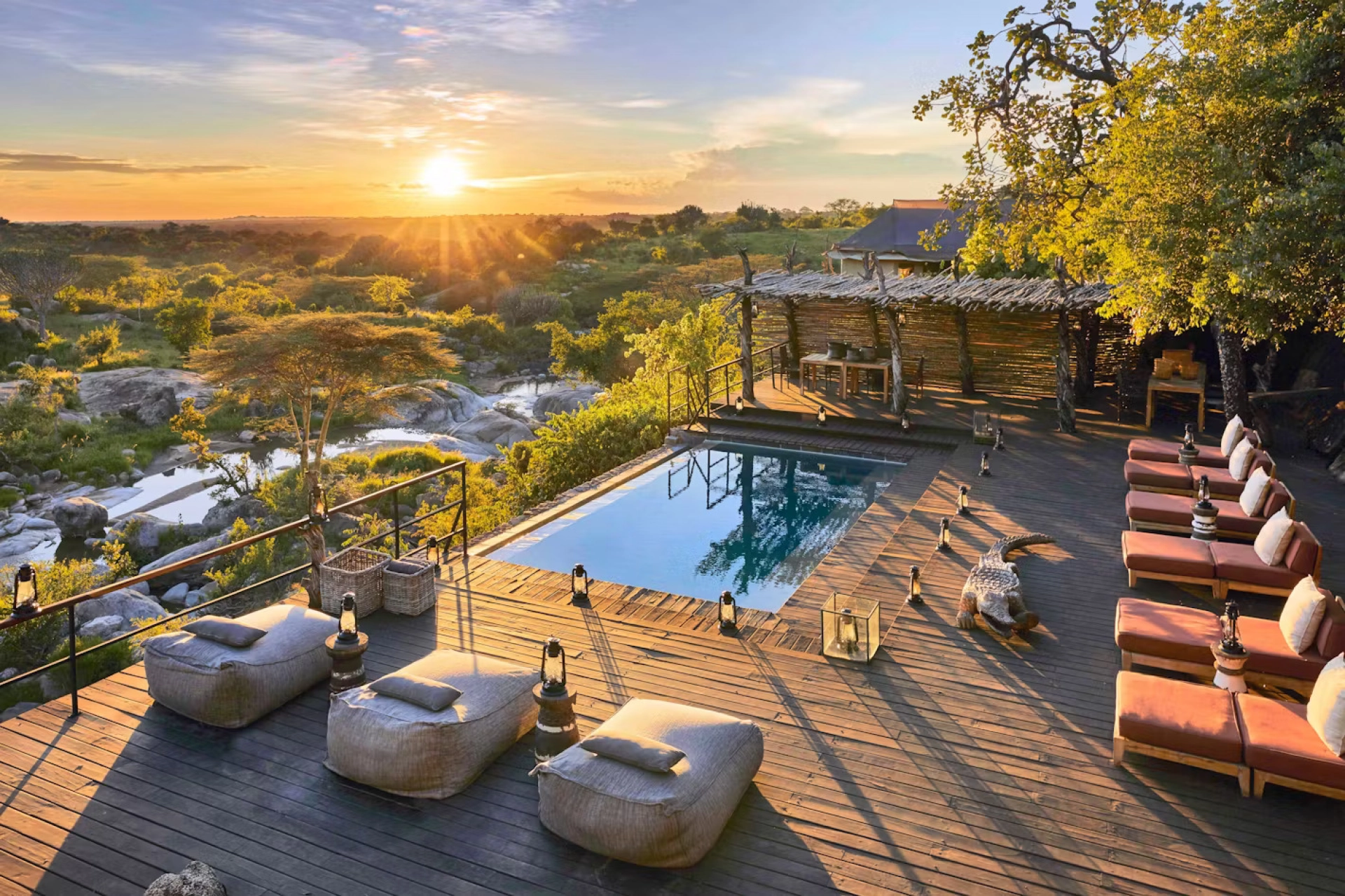
What should I look for when booking a luxury African safari?
When booking a luxury African safari, look beyond the room and compare the quality of guiding, wildlife location,…
Read article

Travel Guide
Travelling alone through South Africa can be one of the most rewarding ways to experience the country. It gives you complete control over your pace, the freedom to spend longer in places that interest you, and…
Travelling alone through South Africa can be one of the most rewarding ways to experience the country. It gives you complete control over your pace, the freedom to spend longer in places that interest you, and the flexibility to combine wildlife, cities, mountains, coastlines, food, culture and outdoor adventure without negotiating every decision with a travel companion.
South Africa is particularly attractive for solo African travel because it offers something many first-time visitors do not expect: an unusually broad spectrum of travel styles within one country. You can stay in an affordable hostel in Cape Town, rent a car and drive portions of the Garden Route, join a guided Kruger National Park safari, spend several nights in a private game reserve, explore wine regions, hike in the Drakensberg, visit coastal towns and then fly to another part of the country without needing to cross an international border.
For women considering solo travel in South Africa, however, enthusiasm should be combined with sensible planning.
South Africa is a major tourism destination with highly developed visitor infrastructure, but personal-security conditions vary substantially by city, neighbourhood, time of day and transport choice. Solo travellers should not approach safety casually or assume that behaviour appropriate in a quiet European or North American town will automatically be appropriate in Johannesburg, Cape Town, Durban or other urban areas.
That does not mean South Africa should be avoided. It means the trip should be designed intelligently. The safest and most enjoyable solo journeys generally combine good accommodation choices, reliable transport, informed local advice, controlled evening movements and professionally organised safari segments. These same decisions often improve convenience and overall value as well. South Africa’s greatest advantage is that solo female travellers do not need to choose between an independent holiday and a fully escorted tour. You can travel independently where infrastructure is straightforward and join professional guides where local expertise adds genuine value.
Kruger National Park illustrates this flexibility particularly well. South African National Parks confirms that visitors can explore Kruger in their own vehicles, stay in public rest camps or use private accommodation, while guided morning and sunset game drives are also available. That means a solo traveller can create anything from a relatively affordable self-drive safari to a fully guided private wildlife experience.
This guide explores how to plan solo travel in South Africa, with particular attention to female travellers, safari safety, transport, Kruger National Park, Cape Town, driving, accommodation, budgeting, packing and the practical decisions that can make the difference between an unnecessarily stressful holiday and an extraordinary African journey.
Yes, for the right traveller and with appropriate planning.
South Africa has several characteristics that make it appealing to independent visitors. English is widely used in tourism. Accommodation spans everything from backpacker lodges to luxury hotels. Domestic flights connect major centres. Car rental is well established. Many national parks have formal visitor infrastructure. Restaurants, shopping centres and tourism services are widely available in major destinations.
The country also provides enormous variety. A traveller can experience a classic Big Five safari, mountain landscapes, vineyards, beaches, penguin colonies, whale-watching regions and cosmopolitan cities within one trip. That variety is especially valuable when travelling alone because there is no need to commit the entire journey to one activity. You might want social interaction for several days and solitude for the next two. South Africa makes both possible.
The challenge is that independence also places more responsibility on the traveller. When travelling with a guide, someone else thinks about road choice, parking, arrival timing and local safety conditions. When travelling alone, those decisions become yours. Good preparation therefore matters more.
No responsible guide should answer this question with an unqualified “yes.” The better answer is that many women travel successfully through South Africa alone, but the country has genuine crime and security risks that should influence how the trip is organised. The level of risk is not uniform. A daytime visit to a busy tourism area with reliable transport is not the same as walking alone through an unfamiliar district after dark. A guided safari inside a well-managed wildlife reserve presents a very different risk profile from urban nightlife.
Solo travellers should therefore think in terms of risk management rather than fear. The practical objective is to remove avoidable exposure. Use reputable accommodation. Arrange airport transfers or verified transport where appropriate. Avoid displaying expensive jewellery or large amounts of cash. Do not walk alone at night in unfamiliar areas merely because the distance looks short on a map. Keep your phone charged. Ask hotel or lodge staff which streets and areas are sensible for walking.
Do not leave valuables visible in a parked vehicle. Plan long drives to arrive before darkness. These are simple decisions, but together they dramatically improve the experience.
One reason South Africa works well for independent women is the ability to build a modular journey. You do not need to organise every day yourself. For example, you can spend four independent nights in Cape Town, join a professionally guided three- or four-day safari, continue independently to another destination and then join another specialist activity. This provides freedom without requiring complete logistical self-reliance. Safari lodges are particularly easy for solo travellers because daily life is structured. Meals are organised. Game drives depart at set times.
Guides lead wildlife activities. Other guests naturally gather in communal areas. A traveller who spent several independent days exploring a city may suddenly find a safari lodge highly social. This can prevent the loneliness some people associate with long solo journeys.
A strong solo itinerary should be relatively simple. Every complicated connection creates another opportunity for delays, poor transport decisions or unnecessary stress. For a first solo trip, choose a few strong destinations rather than attempting to cross the entire country. Cape Town plus the Winelands and a safari is already a substantial holiday.
Kruger plus Johannesburg and the Panorama Route can work well. Cape Town, the Garden Route and an Eastern Cape reserve create another logical circuit. The country is enormous. Trying to visit Cape Town, Durban, Kruger and the Garden Route in a very short trip usually means spending too much time in airports or on roads.
Solo travel becomes easier when geography is respected.
Cape Town is often the first South African destination international visitors imagine, and for good reason. The city has one of the world’s most dramatic natural settings. Table Mountain dominates the skyline. The Atlantic coastline creates scenic drives. Beaches, restaurants, galleries, markets and historical attractions provide enormous variety.
For solo travellers, Cape Town’s strength is the quantity of organised activities available. You can join hiking groups, day tours, food experiences, wine excursions and peninsula trips without needing a private vehicle every day. That makes the city socially accessible. It also means you can choose guided experiences in areas where independent logistics feel uncomfortable.
Accommodation location matters strongly when travelling alone. A cheap room far from the places you intend to visit can create transport complications that erase the apparent saving. It is often worth paying somewhat more for accommodation in a well-established visitor area with restaurants and transport options nearby. Ask practical questions before booking. Can the property arrange airport transfers? Is reception staffed late if your flight arrives in the evening? Can staff help organise reputable transport? Are restaurants accessible without long isolated walks?
Does the property have secure luggage storage? Reviews are useful, but recent reviews matter more than comments written years ago.
Do not assume that a place appearing close on a digital map is necessarily a sensible walking route. Ask locally. During daylight, many visitor areas have significant pedestrian activity. After dark, transport is often a better choice, especially for a woman travelling alone. When using ride-hailing services, verify the vehicle and driver details before entering. Sit where you feel comfortable. Avoid discussing unnecessarily specific travel plans with strangers. Keep your phone accessible but do not stand distracted beside the road while displaying it unnecessarily.
Table Mountain is one of Cape Town’s essential experiences, but conditions can change quickly. Weather matters. Cloud and wind can affect visibility and operating conditions. Solo hikers should be particularly cautious about heading onto unfamiliar routes without proper knowledge. A guided hike can be a good investment. The experience becomes richer because a knowledgeable guide can explain vegetation, geology and route conditions while also reducing navigation risk. For travellers who simply want the summit views, the cableway can provide an alternative when operating conditions permit.
A Cape Peninsula tour is one of the easiest activities for solo travellers to join. The route can include spectacular coastal scenery, Cape Point and wildlife attractions. Group excursions distribute transport cost across several visitors and provide social interaction without requiring a multi-day commitment. For someone nervous about driving alone on the left side of the road, organised day trips are an excellent way to retain independence while avoiding unnecessary stress.
South Africa’s wine regions are beautiful even for travellers whose primary interest is not wine. Stellenbosch and Franschhoek combine mountain scenery, restaurants, historic architecture and vineyards. A major advantage of an organised excursion is obvious: you do not need to drive after tasting alcohol. Solo travellers can join scheduled tours and meet other visitors. Accommodation in the Winelands can also provide a quiet contrast after several active days in Cape Town.
Johannesburg is often used primarily as an aviation gateway for safari travel. Some visitors transit directly to another destination. Others stay to explore museums, historical sites and the city’s cultural landscape. Solo travellers should be particularly deliberate about transport and neighbourhood choice. An international airport arrival late at night is not the moment to improvise. Arrange the next movement clearly. If staying overnight, know who is collecting you or which verified service you intend to use. Choose accommodation based on practical safety and access rather than only price.
Johannesburg is a major gateway for Kruger National Park safaris and private reserves in the Greater Kruger region. Travellers can connect by road or domestic flight depending on the itinerary. A solo visitor may find a scheduled small-group safari especially useful because the operator handles the transition from urban gateway to wildlife area. This removes a major logistical burden.
For solo wildlife enthusiasts, Kruger National Park is one of Africa’s most flexible safari destinations. SANParks describes Kruger as covering nearly two million hectares and confirms that visitors can self-drive, stay in public rest camps or choose private accommodation. The park’s infrastructure includes multiple major camps and a wide range of visitor facilities. This flexibility matters enormously for budget. A traveller does not necessarily need to pay for a luxury lodge and private guide every day. You can stay in official rest-camp accommodation and self-drive if you are confident. You can join scheduled guided drives for specific sessions.
Or you can spend part of the trip independently and then move to a private reserve for a more intensive guided experience.
For confident drivers, self-driving can be an excellent option. Kruger is unusual among major African wildlife destinations because public roads and rest camps make independent exploration relatively practical. However, self-drive should not be chosen simply because it is cheaper. You need to be comfortable driving alone. You need to understand park rules. You must monitor fuel. You should carry sufficient water. You need to respect gate times. You must never leave the vehicle outside designated locations. And you need to remain calm when encountering elephants or other large wildlife on the road. For some travellers, the independence is thrilling. For others, driving while simultaneously searching for wildlife becomes tiring.
A guided drive solves several problems. You can concentrate entirely on wildlife. The guide understands animal behaviour and the local road network. Elevated open safari vehicles can provide good visibility.
Morning and sunset activities can also extend wildlife viewing beyond the ordinary rhythm of independent day driving. SANParks currently states that morning drives generally leave before the normal public gate-opening time and run for roughly three hours, while sunset drives extend beyond dusk. For a solo traveller, this also creates an easy social environment. You are sharing an experience rather than sitting alone in a car.
Kruger and private reserves provide different safari styles. Inside public Kruger, road rules structure vehicle movement and self-driving is possible. In private reserves, guides and trackers may have greater flexibility depending on the property’s operating rules, and guest numbers can be lower. Private lodges often include meals and scheduled game drives. The resulting experience is more seamless.
The cost is higher. A very effective solo itinerary can combine both. Spend several nights in or near Kruger on a moderate budget, then finish with two nights at a private lodge. You experience independent safari travel and a more luxurious guided safari without paying premium rates for the entire trip.
Kruger supports an exceptional range of wildlife, including elephants, lions, leopards, buffaloes, rhinoceroses, giraffes, zebras, spotted hyenas, wild dogs and numerous antelopes. SANParks lists hundreds of bird species and a very large mammal diversity within the park. Wildlife is never guaranteed. Even in an excellent reserve, a leopard can remain hidden. African wild dogs travel enormous distances. Rhino conservation can affect how location information is handled. The goal should therefore be to appreciate the ecosystem rather than define success by a checklist.
Health planning is particularly important for solo travellers because you are responsible for your own medication and decision-making. SANParks explicitly notes that Kruger lies within a malaria-endemic area and advises visitors to consult a medical professional regarding prevention. Do this before departure. Do not rely on anecdotal advice from social-media groups. Your medical history, season, itinerary and individual risk factors need professional assessment. Use insect-avoidance measures regardless of medication decisions.
Travellers sometimes focus so strongly on urban crime that they become careless around animals. Inside safari environments, the risk profile changes. Never walk outside designated areas simply because no animal is visible. Do not approach elephants on foot. Never feed baboons or monkeys. Do not leave food accessible in camps. Listen to guides. Wild animals can appear calm while remaining unpredictable. The purpose of safari rules is not to create unnecessary fear. It is to allow humans and wildlife to occupy the same environment safely.
Elephants deserve particular respect during self-drive safaris. Do not squeeze past an elephant because another vehicle has done so. Give the animal space. Watch its behaviour. Never trap yourself between a herd and another vehicle if avoidable. Females with calves require particular caution. A bull in musth may behave more assertively. If uncertain, wait. A safari is not a race.
South Africa’s safari opportunities extend well beyond Kruger. Addo Elephant National Park is particularly convenient for travellers combining safari with the Eastern Cape and Garden Route. Other SANParks destinations include Mountain Zebra National Park, Mapungubwe, Kgalagadi Transfrontier Park, Marakele and many more. South Africa currently maintains a broad network of national parks, and SANParks’ 2026 National Parks Week covered most of the country’s 21 national parks.
This variety means solo travellers can select parks according to route rather than feeling compelled to cross the country for Kruger.
For a first-time solo traveller uncomfortable with long-distance wilderness driving, the Garden Route and Eastern Cape can create an easier itinerary. Cape Town can be followed by road or organised transfers through coastal destinations before adding an Eastern Cape safari. Addo is known particularly for elephants. Private Eastern Cape reserves provide guided safari options. The combination avoids a cross-country trip to Kruger if time is limited.
The Garden Route is one of South Africa’s most popular road-trip regions. It combines forests, beaches, outdoor activities and small towns. For solo travellers, its popularity can be reassuring because there is substantial visitor infrastructure. However, driving safety still matters. Avoid unnecessary night driving. Keep valuables out of view. Do not leave luggage visible in an unattended car. Plan fuel stops. Know where you are staying before leaving each morning.
Car rental provides enormous freedom in South Africa. But the decision should be based on confidence rather than pressure. If you are comfortable driving on the left and navigating unfamiliar roads, a rental vehicle can unlock independent travel. If driving alone makes you anxious, it may reduce rather than increase freedom. Airport transfers, domestic flights, guided tours and private transfers can build an excellent South African itinerary without a rental car. The best solo journey is the one you feel capable of managing.
This is one of the most useful practical rules. Arrive while there is daylight. The reasons extend beyond crime. Animals can enter roads. Potholes are harder to see. Unfamiliar intersections become more difficult. Fatigue increases. Navigation mistakes are harder to correct. A long-distance solo drive should therefore be treated like a safari activity: plan it around daylight.
South Africa has substantial road infrastructure, but remote routes require planning. Do not wait until the tank is nearly empty. Fuel when practical. Carry payment options appropriate to the journey. On safari routes, ask accommodation staff where the next reliable fuel station is located. This is especially important when driving in less densely populated regions.
The right answer can change during the trip. Hostels and backpacker accommodation are ideal when social interaction and price matter. Hotels provide privacy, security and predictable facilities. Guesthouses can feel more personal. Safari lodges provide structured activities and are naturally social because guests share game drives and meals. A mixed approach works extremely well. You do not need to commit to one accommodation style for the entire journey.
Some solo women prefer female-only dormitories because they provide both affordability and a degree of additional comfort. Others prefer a private room inside a social hostel. This can be an excellent compromise. You can join communal activities but retreat into your own space. Recent guest reviews are especially useful for understanding atmosphere. A property popular with party travellers may not suit someone who needs sleep before an early safari transfer.
Solo travel already involves managing every detail yourself. Poorly located accommodation can add unnecessary stress. If you save the equivalent of $20 but need expensive ride transfers every time you leave the property, the saving disappears. Location, security, transport access and reception support are worth paying for. This is especially true on arrival nights.
Many first-time solo travellers worry about dining alone more than they worry about the safari itself. The concern usually disappears quickly. Cape Town and other tourism centres have many casual dining environments where a person eating alone attracts no attention. At safari lodges, meal arrangements vary. Some use communal tables, creating an easy way to meet people. Others use individual tables. If you prefer social dining, mention it to the lodge.
Solo travel does not mean being alone all day. Join a guided hike. Take a group wine tour. Book a scheduled safari drive. Join a cooking or food experience. Participate in a walking tour. These create natural conversations without requiring the artificial pressure of approaching strangers. For many solo travellers, the strongest friendships begin precisely this way.
The main financial disadvantage of travelling alone is the absence of cost sharing. Accommodation designed around two people may apply a single supplement. Private guides and transfers cost more per person. Safari vehicles become expensive when one traveller occupies them alone. This is why scheduled group safari departures are so valuable for solo travellers. You can preserve independent travel before and after the safari while sharing the expensive wildlife component.
The most effective savings come from structure. Use public or mid-range accommodation where appropriate. Join scheduled safari activities rather than booking every game drive privately. Self-drive where you are comfortable. Use domestic flights selectively. Stay longer in fewer destinations. Avoid unnecessary one-night stops. Travel outside peak holiday periods when your dates permit. South Africa’s range of national-park accommodation makes this far easier than in some exclusive safari destinations.
National-park costs change periodically. For Kruger, SANParks publishes current tariff periods and separate conservation-fee categories. The 2025–2026 schedule, valid through 31 October 2026, distinguishes South African, SADC and standard visitor conservation rates. This matters when reading old travel blogs. Never budget an upcoming safari from a fee mentioned years earlier. Use current official tariffs or an updated operator quotation.
Independent travellers should also understand that national parks can manage visitor numbers. SANParks notes that Kruger has daily thresholds for day visitors and that when these are reached, only visitors with pre-booked overnight accommodation may be admitted. This is particularly relevant around public holidays and long weekends. A spontaneous plan can therefore be less practical during high-demand periods. Pre-booking is sensible.
South African citizens receive special opportunities during the annual National Parks Week, but international travellers should not mistakenly assume this means universal free access. In September 2026, SANParks offered qualifying South African day visitors free entry to participating parks for designated dates, while accommodation and paid activities remained excluded. This is a useful example of why promotional conditions need to be read carefully rather than repeated without context.
Pack for independence, not for fashion variety. Comfortable neutral clothing works well on safari. Layers are important because early mornings can be cold. Carry a lightweight waterproof layer.
Bring comfortable closed footwear. Use sun protection. Carry a reusable water bottle. A small power bank is valuable when navigating with a phone. Pack necessary medication in hand luggage. Photocopies or secure digital copies of important travel documents provide backup. A small crossbody bag or secure daypack can work well in cities. The goal is to move easily rather than carry your entire wardrobe.
Neutral colours are practical, particularly for walking safaris, but you do not need to purchase an entirely new wardrobe. Comfort matters more. Avoid camouflage-pattern clothing where local regulations or associations make it inappropriate. Very bright colours can be less ideal for wildlife activities. Dark blue and black can attract certain biting insects in some environments, depending on region. For vehicle safaris, ordinary practical travel clothing is generally adequate.
For ordinary vehicle-based safaris, usually not. Comfortable closed walking shoes are enough for many travellers. If the itinerary includes serious hiking or multi-hour walking safaris, more supportive footwear becomes useful. Do not bring heavy expedition boots simply because the word “Africa” appears on the itinerary.
This combination requires layers. Cape Town weather can be variable. Safari mornings can be cool. Daytime temperatures may become hot. A flexible wardrobe based on lightweight layers solves most problems. Laundry is available at many accommodation properties, so long trips do not require enormous luggage.
Do not carry everything in one place. Keep backup payment methods separate. Store your passport securely when not required. Avoid carrying large amounts of cash. Use hotel safes where appropriate, while maintaining access to documents needed for immediate travel. Digital copies of travel insurance, flight details and emergency contacts should be accessible independently of your main phone if possible.
A local SIM or suitable roaming arrangement can make solo travel easier. Data access helps with navigation, ride-hailing, accommodation communication and emergency contact. However, avoid walking while staring at your phone in unfamiliar urban areas. Navigate before leaving a secure location where possible. Keep the phone charged. A power bank is one of the most useful solo-travel accessories.
A simple safety habit is ensuring someone knows your broad travel plan. Provide major accommodation names, flight information and key safari dates to a trusted person. This does not mean reporting every movement. It simply provides an external record of where you are expected to be. Solo independence and sensible accountability can coexist.
Travelling alone requires maintaining situational awareness. This becomes harder when drinking heavily. Enjoy South African wine and nightlife if that is part of your trip, but remain in control of your own transport and belongings. Never leave a drink unattended. Arrange the journey back before the evening becomes late. Do not accept transportation merely because someone seems friendly.
Some solo travellers naturally meet people while travelling. Apply the same caution you would at home, with the added understanding that you are in an unfamiliar environment. Meet in public places. Control your own transport. Do not reveal accommodation-room details unnecessarily. Tell someone if you are changing plans significantly. Travel should expand your life, not require abandoning ordinary judgement.
Many women worry most about the wildlife. In practice, professionally run safari segments can be the simplest part of the journey. Once at the lodge or meeting point, the schedule is organised. Guides manage animal encounters. Meals are arranged. Transfers may be coordinated. Guests share activities. This is why pairing independent city travel with an organised safari works so well. The two styles complement one another.
A private safari gives complete control over timing. Photographers may appreciate the ability to remain longer at sightings. A group safari costs less and creates natural social interaction. For a solo first-time visitor, a small shared safari is often excellent value. A repeat visitor with very specific wildlife interests may prefer private guiding.
South Africa is particularly strong for first-timers because there is a large range of safari formats.
You can start gently. Stay at a conventional lodge. Join a morning drive. Relax during the day. Take another drive in the evening. You do not need to commit immediately to remote camping or a multi-country overland expedition. Confidence grows quickly once the first wildlife encounters begin.
Repeat visitors can move deeper. Try the Kgalagadi. Explore Mapungubwe. Spend longer in the northern sections of Kruger. Add walking trails where appropriate. Combine independent road travel with specialised wildlife areas. South Africa rewards repetition because its ecological variety is enormous.
For a longer southern African journey, South Africa can combine naturally with Botswana safari destinations. Botswana adds the Okavango Delta, Moremi, Khwai and Chobe. The style changes considerably. Botswana’s remote camps and wilderness logistics can be more expensive, making a guided or packaged segment particularly attractive for solo travellers. South Africa can therefore provide independent travel before or after a more structured Botswana safari.
Victoria Falls is another logical extension. Regional flights connect southern African hubs. A traveller can complete a Kruger safari and continue toward Zimbabwe or Zambia for the falls. From there, Chobe in Botswana can be added. This creates a compact multi-country itinerary without requiring enormous overland distances.
Travellers with more time can connect South Africa with Uganda gorilla trekking, Rwanda, Kenya or Tanzania using regional aviation hubs. The contrast is immense. South Africa provides self-drive flexibility and classic Big Five wildlife. Uganda adds mountain gorillas and chimpanzees. Kenya and Tanzania add the Serengeti-Mara ecosystem and the Great Migration. For a major once-in-a-lifetime African journey, combining regions can be extraordinary.
Adventure in the Wild Safaris can incorporate South Africa wildlife safaris into wider African journeys for travellers who want professional safari support without losing the freedom of independent travel.
A solo traveller might explore Cape Town independently and then join a professionally arranged safari. Another might combine Kruger National Park with private-reserve accommodation before continuing toward Botswana and Victoria Falls. Longer journeys can connect southern Africa with Uganda gorilla trekking, Rwanda safaris, Kenya safaris or Tanzania wildlife tours. The correct itinerary depends on how independent you want to be.
Some travellers need only the safari section arranged. Others prefer airport transfers, accommodation and domestic movements coordinated as well. There is no advantage in paying for support you do not need, but there is also no advantage in forcing yourself to manage logistics that create unnecessary anxiety.
A successful solo South Africa trip is not built around proving that you can do everything alone. Independence means having the freedom to decide when help adds value. Take the guided transfer when arriving late at night. Join the group safari when it reduces cost and creates companionship. Drive the Garden Route if that excites you. Use a professional guide in a wildlife environment where expertise transforms the experience. Stay somewhere central if it makes evening logistics easier. Pay slightly more for the room that allows you to feel comfortable returning after dinner.
The aim is not to travel fearlessly. It is to travel intelligently. For a solo woman, South Africa offers something particularly valuable: the ability to combine moments of complete personal freedom with periods of structured, professionally supported travel. One morning you may be drinking coffee alone beside the Atlantic Ocean.
A few days later you could be sharing an open safari vehicle while a leopard walks through the grass. Then you might return to a lodge for dinner with travellers from several countries, none of whom you knew that morning. That fluidity is one of the great pleasures of solo travel. South Africa does not need to be approached as an easy destination or a frightening one.
It should be approached as a complex, beautiful country in which preparation creates freedom. Plan your transport. Choose accommodation carefully. Respect both urban security and wildlife. Stay aware without allowing anxiety to dominate the journey. And once the practical decisions are in place, allow yourself to experience what brought you there: African wildlife, extraordinary landscapes, new people, new confidence and the unmatched freedom of discovering Africa at your own pace.
Get quick answers to the most common questions. If you still have questions, our safari experts are here to help.
Many women travel successfully in South Africa independently, but good security planning is essential. Accommodation location, reliable transport, avoiding isolated walking after dark and maintaining awareness in urban areas are particularly important.
Yes. Cape Town has extensive tourism infrastructure and numerous group activities that work well for solo visitors. Transport and neighbourhood decisions should still be made carefully.
Absolutely. You can join scheduled game drives, small-group tours or private safaris. Safari lodges are often highly social environments.
Yes. SANParks allows visitors to explore Kruger in their own vehicles, subject to park rules and gate times.
It can be. Guided drives remove the burden of driving and searching simultaneously and provide professional interpretation. Shared activities also make it easier to meet other travellers.
Kruger is in a malaria-risk area. SANParks advises visitors to seek medical advice about prevention. Your personal decision should be made with a qualified healthcare professional.
It can be more expensive per person because accommodation and private transfers are not shared, but hostels, national-park accommodation, self-drive options and shared safaris can keep costs manageable.
Only if comfortable driving independently. Renting a car provides freedom, but private transfers, tours and domestic flights can produce an excellent itinerary without self-driving.
Avoid unnecessary long-distance night driving. Daylight travel is generally easier for navigation, road visibility and overall risk management.
Kruger and the Greater Kruger region are strong options because of their mature safari infrastructure, diverse accommodation and large range of guided and independent experiences.
Our safari experts are here to help you plan your safari. Get personalized advice, the latest information and a free, no-obligation quote.
We typically reply within a few hours.

Share This Article
When booking a luxury African safari, look beyond the room and compare the quality of guiding, wildlife location,…
Read article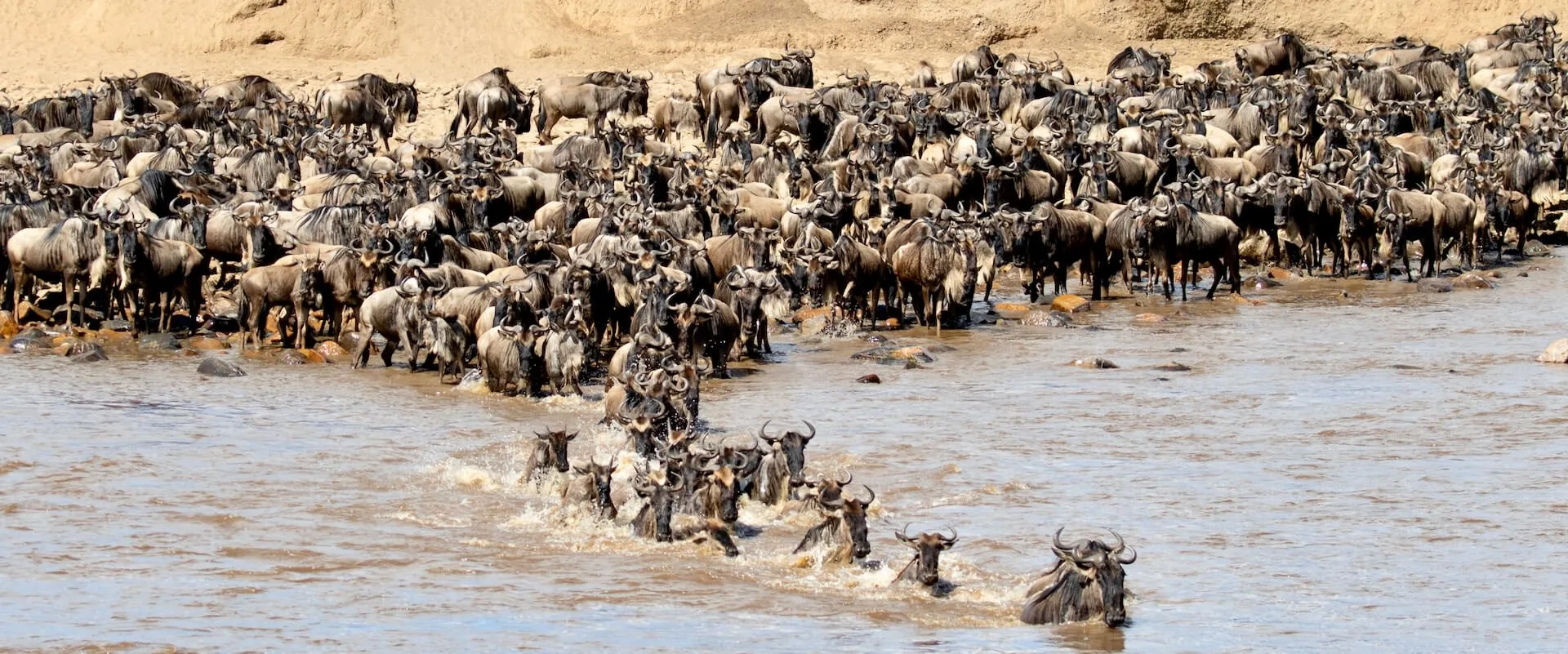
The Great Migration in Africa happens all year because the herds continuously circulate through the Serengeti–Mara ecosystem in…
Read article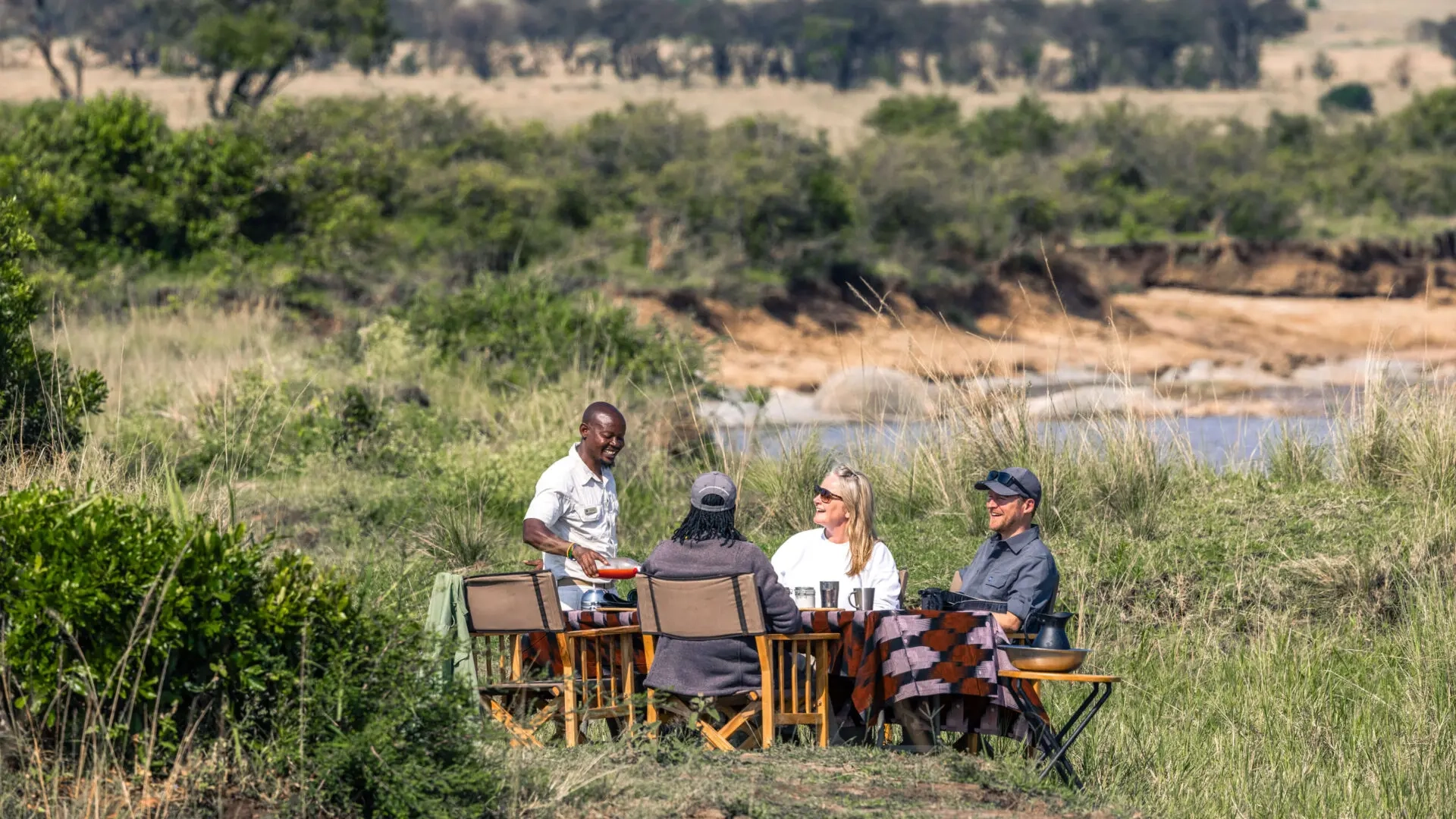
Definitive answer: A picnic lunch on safari is a packed or catered midday meal eaten at an approved…
Read article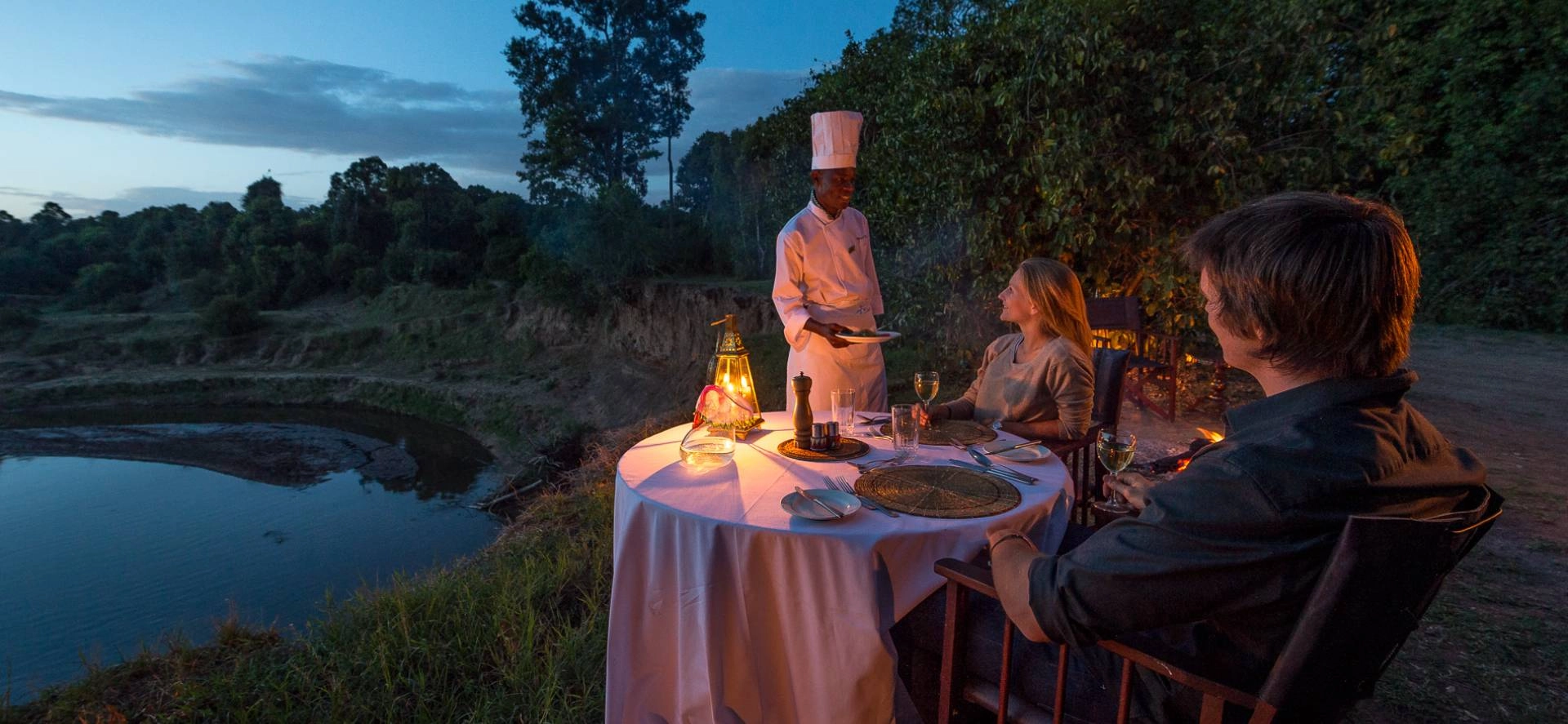
Definitive answer: A bush dinner is an outdoor evening meal arranged in a safe safari setting away from…
Read articleLet us take you closer to the wildlife, people and places that make Africa extraordinary.
Plan Your Safari Today