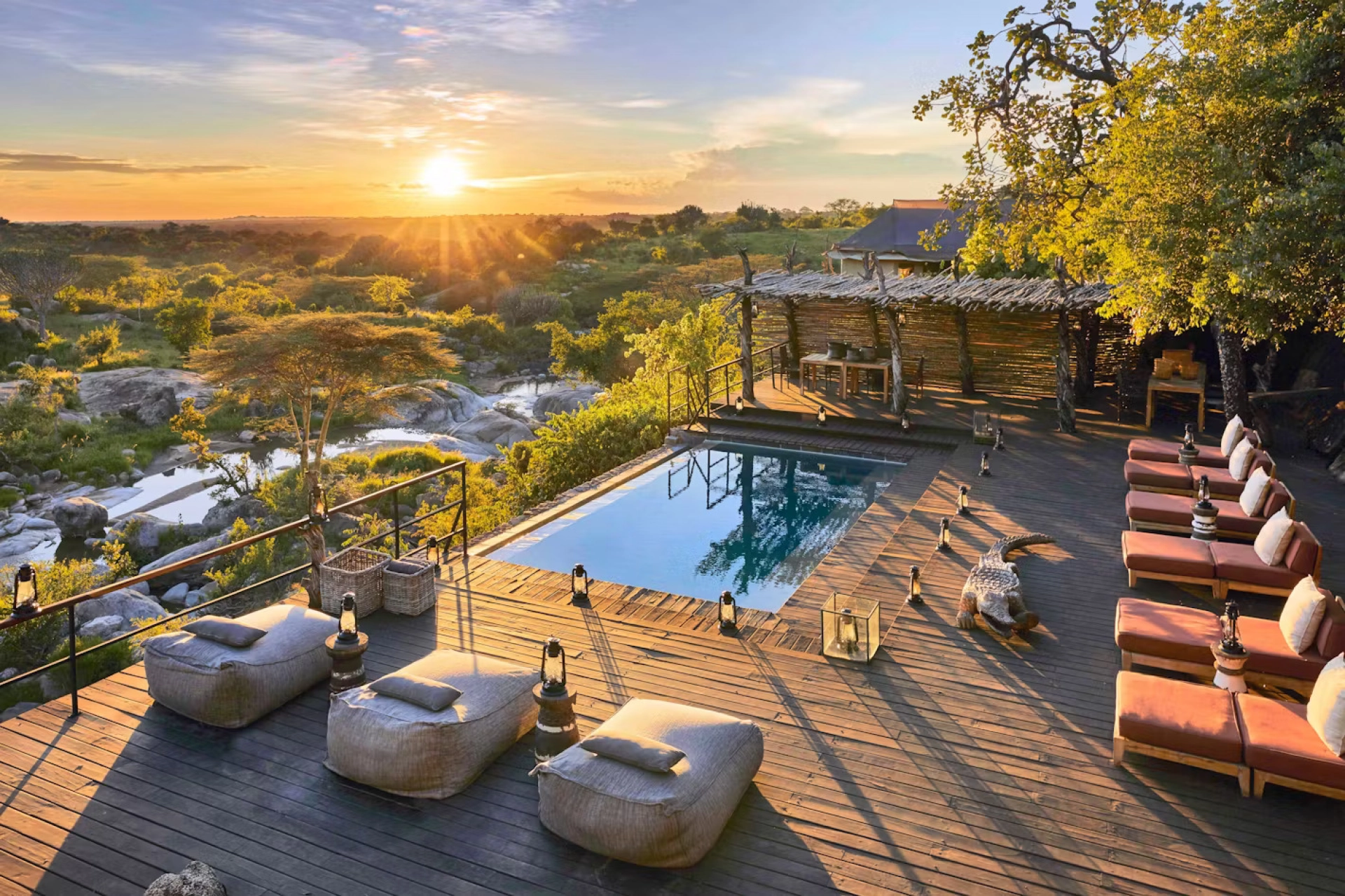
What should I look for when booking a luxury African safari?
When booking a luxury African safari, look beyond the room and compare the quality of guiding, wildlife location,…
Read article

Travel Guide
Long before Cape Town became one of Africa's most famous cities, before the Dutch East India Company established a settlement at the Cape and long before the political boundaries of modern South Africa, Namibia, Botswana and…
Long before Cape Town became one of Africa’s most famous cities, before the Dutch East India Company established a settlement at the Cape and long before the political boundaries of modern South Africa, Namibia, Botswana and neighboring countries existed, people were living, hunting, gathering, herding and creating remarkable cultural traditions across the landscapes of Southern Africa.
Today, many of these histories are discussed under the broad term Khoisan. But understanding who the Khoisan people are requires more than describing them as one ancient tribe. The word is commonly used as an umbrella term for a number of historically and culturally distinct peoples, particularly San hunter-gatherer communities and Khoikhoi pastoralist communities. These groups did not historically form one single nation with one culture or one language. They included numerous communities with different territories, dialects, traditions and ways of life.
That distinction is important. Too many travel articles describe the Khoisan as if they belonged only to the distant past. They may be introduced as “Africa’s oldest tribe” or presented solely through photographs of traditional hunting and gathering. The reality is considerably richer. San and Khoikhoi descendants are contemporary Southern African people. Their histories continue through families, communities, languages, cultural organizations, land claims, heritage projects, art, political debates and efforts to preserve traditional knowledge.
Their story stretches across thousands of years, but it has not ended. Understanding the Khoisan therefore provides travelers with a deeper way of understanding South African culture, Southern African history, indigenous knowledge, rock art and the relationship between people and landscapes. South African History Online describes the term Khoisan as a convenient collective label historically used for hunter-gathering San and pastoral Khoikhoi communities, while also stressing the distinctions between them.
The term Khoisan, sometimes written Khoi-San, combines references to two broad historical groupings:
Khoikhoi, who were traditionally associated particularly with pastoralism and livestock herding, and San, who were historically associated primarily with hunting and gathering. Yet even these categories simplify an extraordinarily complicated cultural landscape. Individual San peoples have their own identities and languages. Likewise, Khoikhoi history includes different communities such as the Nama, Korana and historic Cape Khoikhoi groups. For travelers researching South Africa’s indigenous cultures, it is therefore useful to understand “Khoisan” as a broad historical and linguistic category rather than assuming that every individual identifies primarily by that term.
Modern identity can also be complex. Some people strongly identify as Khoi, San, Khoisan or by a particular community name. Others may identify through broader modern South African ethnic, regional or family identities. Respectful cultural tourism allows communities to define themselves rather than forcing them into categories created by outsiders.
The San peoples of Southern Africa are historically associated with hunter-gatherer lifeways.
They developed extraordinary knowledge of plants, wildlife, seasonal water, animal behavior, weather and landscapes. Living successfully in environments ranging from semi-arid regions to more productive grasslands required highly detailed ecological understanding. Hunting and gathering should therefore not be imagined as a primitive or random existence. It was a sophisticated knowledge system. Hunters needed to interpret spoor, wind, animal behavior and terrain. Gatherers needed to know when particular roots, fruits, seeds and other plants became available and which species could be eaten, used medicinally or avoided.
Water knowledge was equally crucial, particularly in arid areas. South African History Online describes San communities as among the earliest peoples of Southern Africa and distinguishes their traditional hunter-gathering economy from the later pastoral lifeways associated with Khoikhoi communities.
The Khoikhoi were historically pastoralists.
Livestock—especially cattle and sheep—played central economic and cultural roles. Pastoralism meant communities needed access to grazing land and water. Movement through the landscape could therefore be seasonal, responding to environmental conditions. This was not aimless wandering. Pastoral systems involve sophisticated knowledge of grasslands, rainfall, animal health and resource availability. The introduction and spread of herding significantly changed social and economic patterns across parts of Southern Africa. South African History Online notes that Khoikhoi pastoral societies were established in Southern Africa roughly two millennia ago and that their arrival introduced livestock-based lifeways alongside existing hunter-gatherer communities.
No.
They are related historically in complicated ways and some languages have similarities, but San and Khoikhoi should not simply be treated as interchangeable names. Traditionally, the most obvious economic distinction was that many San communities depended primarily on hunting and gathering, while Khoikhoi communities practiced livestock pastoralism. However, real historical life was more complicated. Communities interacted. People traded. Individuals moved between groups. Intermarriage occurred. Political circumstances changed. Hunter-gatherers sometimes acquired livestock, while pastoralists might lose herds through drought, disease, warfare or colonial dispossession. This means rigid labels do not always fit every person or historical period neatly.
The history of Southern Africa did not begin when Europeans arrived.
That sounds obvious, yet older colonial histories often created exactly that impression. Long before Portuguese sailors rounded the Cape or Dutch settlers established a permanent colonial base, indigenous communities had developed social systems, trade relationships, cultural traditions and detailed environmental knowledge. San communities occupied extensive areas of Southern Africa. Khoikhoi pastoralists became especially prominent across parts of what are now the Western Cape, Northern Cape and Namibia. Different communities occupied different ecological zones. These populations were not culturally frozen. They changed over time in response to climate, migration, livestock, neighboring farming societies, trade and conflict.
When European ships began stopping at the Cape on routes between Europe and Asia, Khoikhoi pastoralists were among the communities with whom sailors traded. Livestock was extremely valuable to passing ships because crews needed fresh meat after long ocean voyages. Early interactions therefore included trade. The establishment of a permanent Dutch settlement at the Cape in the seventeenth century fundamentally changed this relationship. European farming required land. Khoikhoi pastoralism also required land.
As colonial settlement expanded, competition intensified. Dispossession, armed conflict, disease and forced labor profoundly disrupted indigenous societies. South African History Online notes that Cape Khoikhoi communities were among the first indigenous peoples in southern Africa to experience the direct consequences of Dutch colonial settlement.
The loss of land is central to understanding modern Khoisan history. Pastoral societies depend upon access to grazing areas. Hunter-gatherer societies also require access to large landscapes containing seasonal plants, animals and water. Colonial fencing and private land ownership restricted mobility. Hunting grounds disappeared. Pastures were occupied. Water sources became controlled. Communities were pushed into smaller areas or absorbed into colonial labor systems. These processes happened over generations rather than through one single event. They also unfolded differently in different parts of Southern Africa.
European arrival brought diseases that could spread devastatingly among populations with little previous exposure. Smallpox outbreaks were particularly destructive at the Cape. Disease combined with land loss, warfare and labor exploitation, accelerating social disruption. The consequences were not simply demographic. When communities are fragmented, languages, rituals, oral histories and ecological knowledge can also become more difficult to transmit between generations.
Travelers researching older books will encounter historical terms that should be treated carefully. European colonists often used names for indigenous peoples that are today regarded as derogatory. South African History Online specifically notes that older labels applied to Khoikhoi and San peoples by settlers are offensive and that Khoikhoi and San are preferable terminology in modern contexts. Historical sources may still use these words because they reflect the vocabulary of their period. That does not make them appropriate for modern travel writing.
One of the best-known features associated with several Southern African indigenous languages is the use of click consonants. To outsiders, these sounds can seem extraordinary. Yet clicks are normal speech sounds within the languages where they occur. Different clicks are produced through different tongue positions and airflow mechanisms. They may sound superficially similar to an inexperienced listener but can distinguish completely different words. The linguistic history of Southern Africa is extremely complex.
Not every language spoken by San or Khoikhoi descendants belongs neatly to one single language family. Linguists today generally avoid assuming that all so-called Khoisan languages share one simple common origin.
Click consonants are not confined to communities labeled Khoisan. Long periods of contact between different Southern African peoples contributed to linguistic exchange. Several Bantu languages of southern Africa incorporate click sounds. IsiXhosa is an especially famous example. This linguistic influence demonstrates how cultural boundaries are rarely absolute. Communities trade, intermarry and influence one another. Southern African history is therefore better understood as interaction than as isolated groups living permanently apart.
One of the most remarkable cultural legacies associated with San history is rock art. Across parts of Southern Africa, rock shelters preserve paintings created over long periods. Some depict antelope and other animals. Others show people, hunting scenes or figures whose meaning is more symbolic and complex. The paintings should not be treated merely as ancient wildlife illustrations. Researchers have long interpreted many examples in relation to San spirituality, ritual and altered states of consciousness. Understanding this transforms rock art from attractive prehistoric decoration into a record of ideas, beliefs and relationships between people, animals and spiritual worlds.
South Africa’s Drakensberg Mountains contain some of the continent’s most important rock-art sites. Hiking through these mountains therefore becomes more than a scenic activity. Rock shelters provide insight into people who inhabited and moved through the region long before modern tourism. Responsible visits should use established paths and guides where required. Visitors should never touch paintings. Oils from human skin can damage fragile pigments.
The Cederberg Mountains north of Cape Town contain another important concentration of rock art. For travelers exploring Cape Town, the West Coast or South African wine regions, guided rock-art excursions can provide a fascinating extension of the journey. They also illustrate that indigenous history is not confined to museums. It remains embedded within physical landscapes.
Few aspects of San knowledge have attracted as much admiration as wildlife tracking. Expert trackers interpret footprints, broken vegetation, droppings, feeding signs and other subtle clues. A track is not simply evidence that an animal passed. Its edges may indicate age. Its depth reveals information about the animal and substrate. Stride patterns can suggest speed. Changes in behavior may reveal whether the animal was feeding, resting or responding to danger. This knowledge is valuable not only historically but also to modern conservation. Skilled trackers contribute to wildlife monitoring, research and safari guiding.
Indigenous botanical knowledge developed through generations of observation. People learned which plants were edible. Some roots could provide moisture. Others had medicinal applications. Certain species were used for tools, fibers or cosmetics. The knowledge required to distinguish similar-looking plants could mean the difference between nourishment and poisoning. This botanical expertise is sometimes described under the broad field of ethnobotany—the study of relationships between people and plants. But cultural knowledge should not be reduced merely to a scientific database. Plants can also have social, spiritual and symbolic meanings.
The Kalahari is frequently described by outsiders as empty. It is not. To people with deep knowledge of the region, it contains extraordinary detail. Animal tracks reveal movement. Vegetation indicates soil and moisture. Different seasons produce different foods. Water can sometimes be obtained from sources invisible to inexperienced travelers. This demonstrates a broader lesson relevant to safari travel. A landscape that appears barren to a visitor may be rich with information to someone who understands it.
The Kalahari region, extending across Botswana, Namibia and South Africa, is strongly associated in popular imagination with San peoples. Several communities continue to live in or near the wider Kalahari. However, travelers should avoid imagining that all San people live there or that everyone follows traditional hunting and gathering lifestyles. Modern livelihoods may include wage employment, tourism, farming, craft production and many other activities. Culture does not become inauthentic merely because people use mobile phones, attend schools or participate in contemporary economies.
In South Africa’s Northern Cape, Khomani San heritage forms an important part of the cultural landscape around the Kalahari. SANParks recognizes the significance of San heritage in its management of the wider Kgalagadi landscape and notes contractual relationships involving local communities in the region. For travelers, this creates opportunities to understand that conservation areas are not simply wildlife spaces. They can also be cultural landscapes containing histories of indigenous use, displacement, return and negotiated access.
Cultural tourism can create income and provide opportunities for communities to present their own histories. It can also become exploitative. The difference often depends on who controls the experience. Responsible Khoisan cultural tourism should allow community members to decide what they share, how they present it and how tourism income is distributed. Visitors should not expect people to perform a frozen version of their ancestors’ lives merely for photographs.
Calling indigenous communities “unchanged for thousands of years” may sound complimentary but is deeply misleading. No culture remains unchanged. San and Khoikhoi peoples have experienced colonialism, Christianity, wage labor, apartheid, modern education, urbanization and technological change, just like other societies. Traditional knowledge can coexist with modern life. A person can value ancestral tracking knowledge while using a smartphone. A community can preserve a language while operating a modern tourism business. Culture evolves.
Photography should never be assumed to be automatically acceptable. Ask permission before photographing individuals. This becomes particularly important where photographs are likely to be used commercially or on social media. People are not tourist exhibits.
Crafts can provide valuable income. Buy directly from community initiatives or reputable outlets where possible. Avoid bargaining so aggressively that local artisans receive almost no return for skilled work. The cheapest souvenir is not necessarily the most ethical purchase.
Khoisan identity has experienced renewed public attention in democratic South Africa. Communities and activists have pursued recognition, cultural revival, land claims and greater protection for indigenous languages and leadership structures. South African History Online notes that Khoisan identity has experienced important revival and political recognition since the end of apartheid. This makes Khoisan heritage a contemporary political and cultural subject, not merely an archaeological topic.
Land remains central. Many communities lost territory through colonial occupation. Later racial land systems further complicated ownership and displacement. Modern claims can therefore involve overlapping questions of historical occupation, legal evidence, identity and contemporary land use. These debates are complex. Travel writing should resist reducing them to simplistic stories.
Cape Town is often marketed through Table Mountain, beaches, restaurants and the Cape Winelands. Yet indigenous history reaches far deeper. Table Mountain itself forms part of a cultural landscape associated with indigenous peoples. SANParks notes that the mountain has an indigenous Khoi name, Hoerikwaggo, commonly translated as “Mountain in the Sea,” and records archaeological evidence of human use of the landscape going back many thousands of years. For travelers, this knowledge changes the way Cape Town is experienced. The mountain stops being only a scenic backdrop. It becomes part of a much longer human history.
Cultural history can also enrich a South Africa safari. The Kalahari, Cederberg, Drakensberg and Cape landscapes contain human stories alongside wildlife. Understanding these connections makes safari travel more meaningful. A national park is not an empty wilderness from which people were always absent. Many protected areas overlap landscapes used by indigenous communities for generations.
Modern conservation increasingly recognizes the importance of local and indigenous ecological knowledge. People who have observed landscapes across generations may understand animal movements, fire, water, plants and seasonal variation in exceptionally detailed ways. Conservation science and indigenous knowledge do not need to compete. When approached respectfully, they can complement one another.
Protecting cultural heritage requires the same seriousness as protecting wildlife. Rock paintings can be damaged by touching, graffiti, smoke, water or unauthorized development. Tourism should therefore follow strict site-management rules. Guided interpretation can also prevent harmful misconceptions.
The phrase is widely used, but it requires nuance. San peoples represent some of the longest continuous human histories in Southern Africa. Khoikhoi pastoral societies developed later within the region’s complex population history. Calling Khoisan communities South Africa’s First People can be useful in discussions of indigenous heritage, but it should not imply that all Khoisan identities, languages and communities are identical.
The safest approach is to use the community’s preferred name. San is widely used in modern academic and tourism contexts. Khoikhoi or Khoi refers more specifically to historically pastoral communities. Khoisan is useful as a collective term but can obscure differences. Some older terminology historically used for San and Khoikhoi people is now considered derogatory and should generally be avoided except when explaining historical texts.
Opportunities exist in different parts of Southern Africa. The Kalahari provides important San cultural landscapes. The Northern and Western Cape contain Khoi and San heritage. The Cederberg and Drakensberg preserve major rock-art sites. Museums in Cape Town and elsewhere provide archaeological and historical interpretation. Community-led cultural experiences can provide contemporary perspectives. The most valuable approach is to combine archaeological heritage with engagement with living communities.
Travelers interested in culture can combine these experiences with wildlife. A South Africa journey might include: Cape Town and indigenous history, Cederberg rock art, Kgalagadi wildlife, Namaqualand landscapes, Kruger National Park, and Drakensberg hiking. This creates a much richer itinerary than focusing exclusively on the Big Five.
The history of the Khoisan people of South Africa is not a simple story about an ancient tribe. It is a story of many communities. It includes San hunter-gatherers, Khoikhoi pastoralists, distinctive languages, rock art, ecological knowledge, colonization, dispossession, adaptation and modern cultural revival. It stretches from the Kalahari to the Cape and from archaeological shelters to contemporary political debates. Most importantly, it continues. Travelers interested in South African people and culture should therefore resist the temptation to treat Khoisan heritage as something that disappeared centuries ago.
Visit rock-art landscapes. Listen to community guides. Learn indigenous place names. Understand how conservation areas overlap with cultural histories. Recognize the difference between San and Khoikhoi traditions. And remember that the people whose ancestors developed extraordinary knowledge of Southern Africa’s plants, animals and landscapes are not merely characters in a history book. Their descendants remain part of Southern Africa today. A safari may introduce you to lions, elephants and spectacular landscapes. Understanding Khoisan culture and history introduces another dimension entirely: the extraordinarily long human relationship with those landscapes.
Get quick answers to the most common questions. If you still have questions, our safari experts are here to help.
Khoisan is a broad collective term commonly used for historically related but distinct San hunter-gatherer and Khoikhoi pastoralist communities of Southern Africa.
Not exactly. San refers primarily to historically hunter-gatherer communities, while Khoisan is a broader umbrella term that can include both San and Khoikhoi peoples.
Khoikhoi communities were historically pastoralists who kept livestock and occupied parts of Southern Africa, particularly areas of present-day South Africa and Namibia.
Descendant communities live across several Southern African countries, including South Africa, Namibia and Botswana, as well as other parts of the region.
Yes. Describing Khoisan peoples solely as ancient populations is incorrect. Contemporary San, Khoi and other communities continue to maintain and revive cultural identities today.
Different communities historically spoke a variety of languages, several of which use distinctive click consonants. Modern community members may also speak Afrikaans, Setswana, English and other regional languages.
San rock art includes paintings and engravings created across Southern Africa. Many works depict wildlife and people, while others are understood in relation to ritual and spiritual traditions.
Important areas include the Drakensberg and Cederberg, alongside many other archaeological landscapes.
Yes, in certain places community-run or community-linked cultural experiences are available. Choose ethical experiences where communities control how their culture is presented.
Terminology is sensitive and preferences vary. San or the community’s own name is generally preferable in respectful modern travel writing.
Khoikhoi communities occupied the Cape long before permanent European settlement. The wider Cape landscape, including Table Mountain, has deep indigenous cultural history.
It helps explain the much deeper human history of Southern Africa, including indigenous environmental knowledge, language, rock art, colonial dispossession and contemporary debates over culture and recognition.
Our safari experts are here to help you plan your safari. Get personalized advice, the latest information and a free, no-obligation quote.
We typically reply within a few hours.

Share This Article
When booking a luxury African safari, look beyond the room and compare the quality of guiding, wildlife location,…
Read article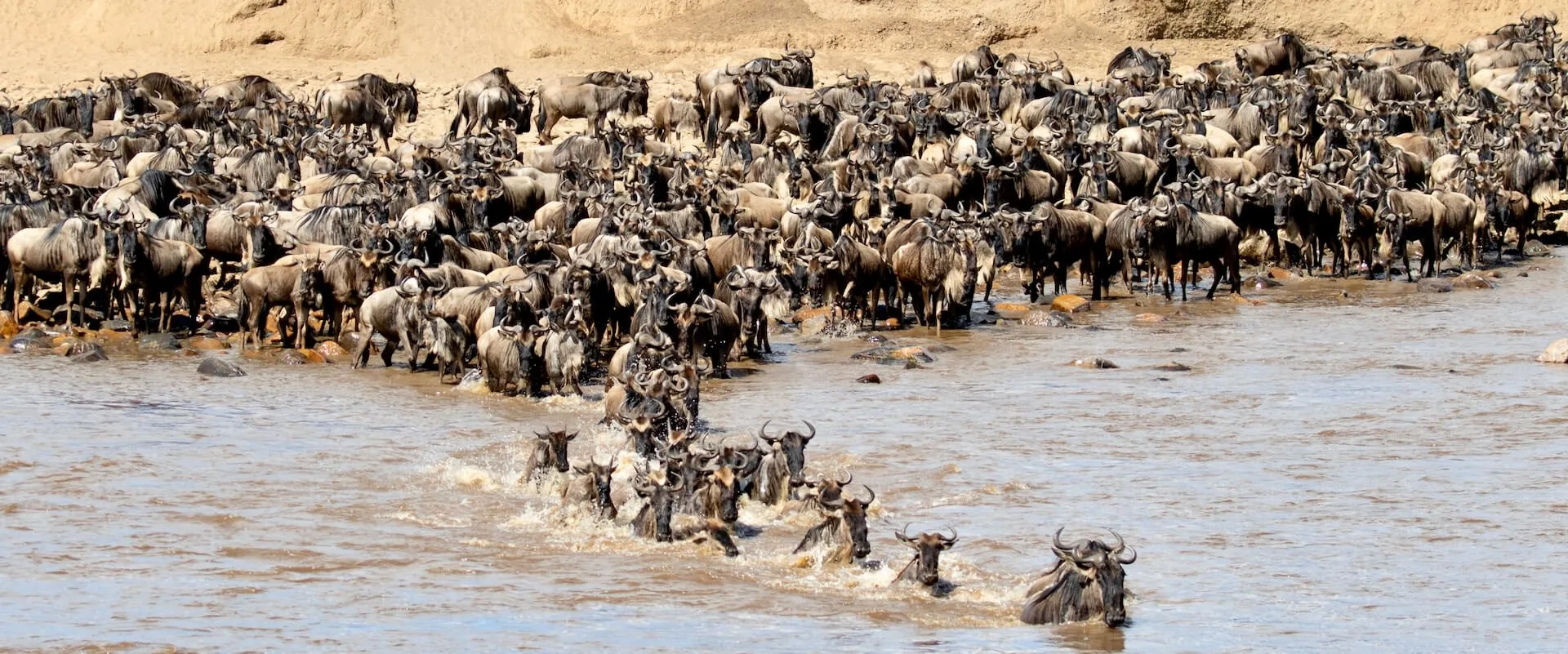
The Great Migration in Africa happens all year because the herds continuously circulate through the Serengeti–Mara ecosystem in…
Read article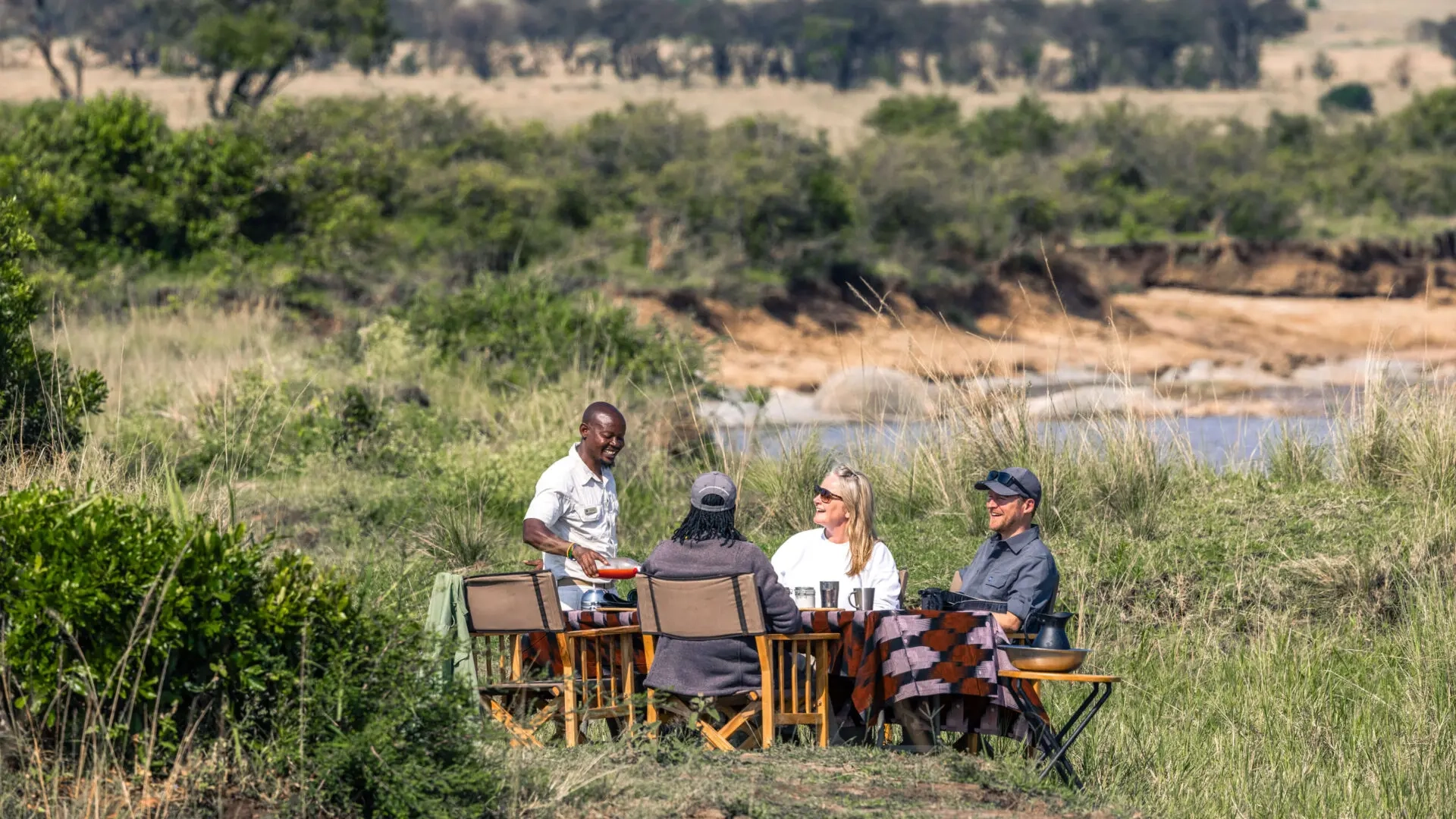
Definitive answer: A picnic lunch on safari is a packed or catered midday meal eaten at an approved…
Read article
Definitive answer: A bush dinner is an outdoor evening meal arranged in a safe safari setting away from…
Read articleLet us take you closer to the wildlife, people and places that make Africa extraordinary.
Plan Your Safari Today