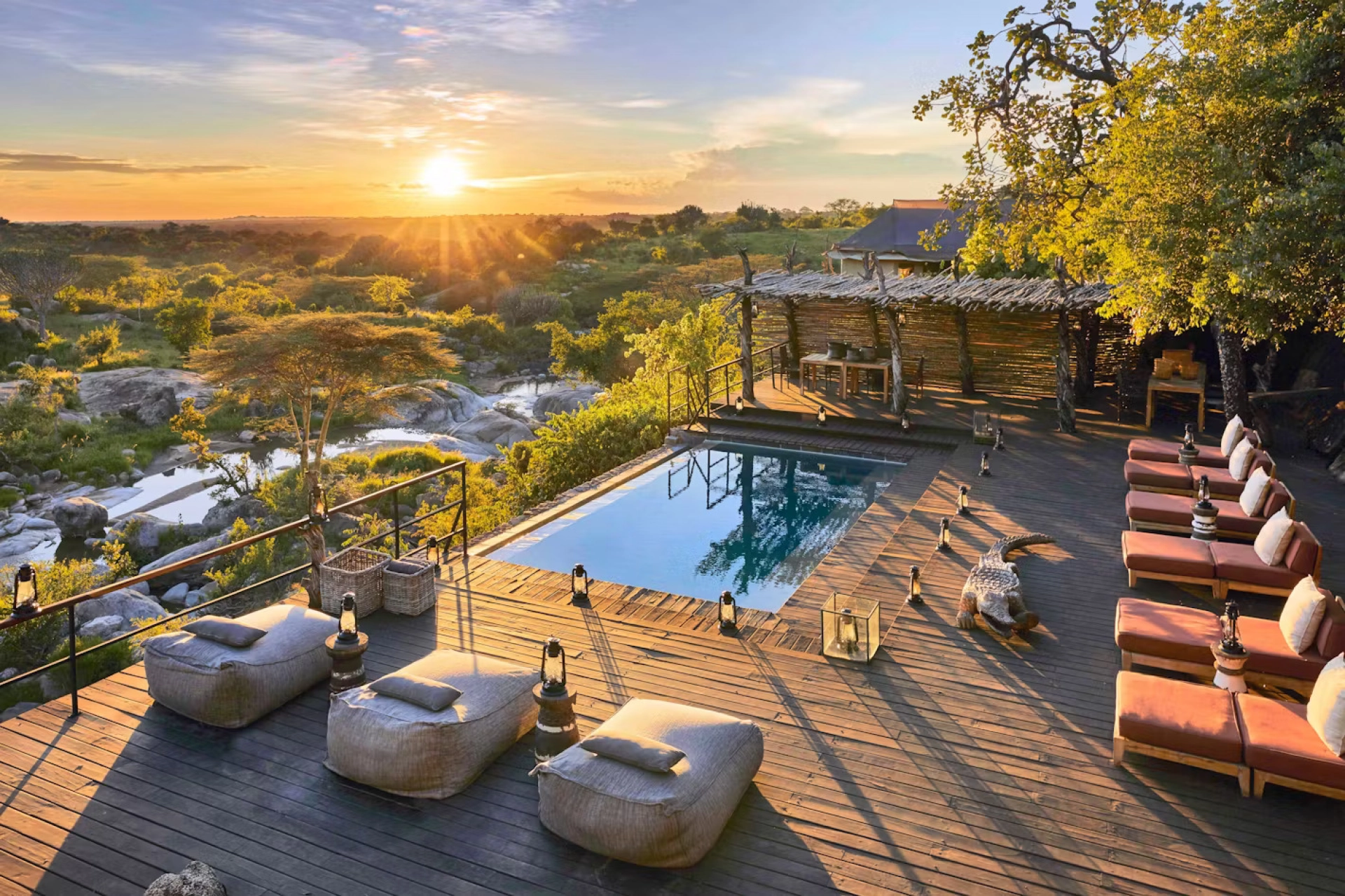
What should I look for when booking a luxury African safari?
When booking a luxury African safari, look beyond the room and compare the quality of guiding, wildlife location,…
Read article

Travel Guide
Thanksgiving is traditionally associated with familiar rituals: family gatherings, cold weather in much of North America, crowded airports, large meals and the unofficial beginning of the winter holiday season. But imagine replacing the familiar Thanksgiving week…
Thanksgiving is traditionally associated with familiar rituals: family gatherings, cold weather in much of North America, crowded airports, large meals and the unofficial beginning of the winter holiday season. But imagine replacing the familiar Thanksgiving week with sunrise over the African bush. Instead of waking to frost or autumn rain, you wake before dawn at a safari lodge. Coffee arrives while the landscape remains dark. Your guide starts the vehicle. Birdsong gradually increases as the horizon brightens. Impalas emerge from the shadows. Somewhere ahead, a pride of lions may still be active after the night.
A few days later, the scene changes completely. You are no longer surrounded by bushveld. You are standing above Cape Town with the Atlantic Ocean stretching toward the horizon, driving the Cape Peninsula, exploring the Winelands or sitting at a restaurant after a day along one of the world’s most dramatic coastlines. This contrast is what makes a South Africa Thanksgiving safari combining Kruger and Cape Town so compelling.
South Africa allows travelers to combine one of Africa’s premier wildlife regions with one of the continent’s most celebrated cities without needing to cross an international border. The result is ideal for couples, families, groups of friends and multigenerational travelers who want Thanksgiving to become a genuine journey rather than simply moving the usual celebration to another hotel.
Late November is also an interesting seasonal period. The safari regions of northeastern South Africa are moving into the warmer, greener summer season. The Cape operates under a different climatic pattern, with late spring moving toward summer. This creates an excellent opportunity to combine wildlife, landscapes, cuisine and coastal experiences in one vacation.
The first advantage is variety. Many safari destinations are extraordinary precisely because they are remote, but the broader holiday may revolve almost entirely around wildlife. South Africa is different. It can provide a world-class safari and still offer major city experiences, fine dining, coastline, wine country, scenic driving and cultural attractions. This makes it particularly suitable for a Thanksgiving trip involving travelers with different interests. Perhaps one person dreams of lions. Another loves photography. Another wants restaurants and wine.
Someone else prefers coastal scenery. A Cape Town and Kruger safari holiday can satisfy all of them without turning the itinerary into a complicated multi-country expedition.
Late November sits within the seasonal transition toward summer in the Greater Kruger region. The bush often becomes greener as rains return. Temperatures rise. Migratory birds contribute to birdlife. Young animals may increasingly be seen in the wider ecosystem. This creates a safari that looks very different from the dry-season images commonly used to advertise Kruger. The vegetation can be lush. Storm clouds may build above the landscape. The air can feel intensely alive after rain. Insects, frogs and birds add another layer to the soundscape. For repeat safari travelers, this green-season transformation can be particularly fascinating.
Yes. November is a rewarding time for Kruger National Park and Greater Kruger safaris, although travelers should understand the seasonal trade-offs. During the dry winter period, vegetation is thinner and animals may concentrate around reliable water. This can make wildlife easier to locate. By November, seasonal rainfall may have begun transforming the environment. Vegetation becomes denser. Animals have access to more widely distributed water. Wildlife may therefore be less concentrated than in the harshest dry months. Yet the ecosystem gains other advantages.
Green backgrounds improve photography. Birding becomes excellent. Summer migrants arrive. New life appears. Dramatic clouds provide atmosphere. The safari experience becomes less about animals gathered at isolated waterholes and more about observing an abundant seasonal ecosystem.
Travelers planning a Thanksgiving safari should understand the distinction between Kruger National Park and the broader Greater Kruger region. Kruger National Park itself is the famous large protected area managed under national park regulations. The broader Greater Kruger landscape includes private reserves and conservation areas associated with the wider ecosystem. Private reserves can provide a more lodge-focused safari style, often involving scheduled morning and afternoon game drives in open vehicles.
For Thanksgiving travelers seeking comfort, this can work particularly well. Guests unpack once, spend several nights in one lodge and organize each day around wildlife rather than repeated transfers.
A lodge-based safari naturally encourages a slower rhythm.
Wake before dawn. Have coffee. Join the morning game drive. Return for breakfast or brunch. Rest during the hottest portion of the day. Swim, read or watch wildlife from the lodge. Have lunch. Meet the guide again in the afternoon. Return after sunset for dinner. This schedule is particularly suitable for a holiday because it combines activity with downtime. You do not need to race continuously from attraction to attraction. The wilderness itself becomes the destination.
South Africa is strongly associated with Big Five safaris, and the Greater Kruger region offers opportunities to search for lion, leopard, elephant, buffalo and rhinoceros. No responsible operator can guarantee all five on a particular trip. Wild animals move according to their own priorities. Nevertheless, the region’s wildlife diversity makes it one of the strongest safari choices for travelers making a first visit to Africa.
Many visitors arrive with a Big Five checklist and leave remembering completely different moments. Wild dogs interacting on a road. A giraffe drinking. Elephants protecting a calf. A hyena carrying food. A hornbill calling from a tree. Safari becomes richer when the objective expands beyond five species.
Lions are among the most compelling animals to encounter. Early morning can be particularly productive because temperatures are cooler and lions may still be active after the night. A pride sleeping beside a road can appear uneventful initially, but patience matters. Cubs begin playing. Adults interact. The pride may move toward water. Experienced guides watch body language and environmental clues rather than simply checking off a sighting and driving away.
Greater Kruger is famous among wildlife enthusiasts for leopard opportunities in appropriate areas. Leopards remain elusive and sightings are never guaranteed. A good guide understands territories, habitat and animal behavior. For photographers, the green November environment can create attractive backgrounds. Rather than only trying to fill the frame with the animal, photograph the leopard within the broader bushveld environment.
Elephants remain one of the great highlights of a South African safari. Watching a herd in fresh green vegetation produces a very different visual experience from dry-season elephants walking through dust. Family interactions are especially rewarding. Give elephants space. Allow the guide to manage vehicle position. The best encounters happen when wildlife continues behaving naturally.
November deserves particular attention from birders. Summer bird activity increases substantially. Migratory species add diversity. Breeding behavior can become more apparent. Colorful birds that may be treated as secondary attractions during mammal-focused safaris become major photographic subjects. Even travelers who arrive claiming they are “not birders” frequently become interested once a knowledgeable guide begins explaining behavior and identification.
Late November is generally warm and can be hot. Rainfall is possible. Afternoon thunderstorms may occur. Humidity can be noticeable. Travelers should pack lightweight breathable clothing, sun protection and a light waterproof layer. Early morning game drives may still feel cool when the vehicle begins moving, particularly before sunrise, so one light layer is useful. The central packing principle remains flexibility.
After several days in the bush, Cape Town feels almost like arriving in another country. The geography changes dramatically. Table Mountain dominates the city. The Atlantic Ocean frames the western coastline.
Restaurants, neighborhoods, beaches and historic areas create countless possibilities. Late November falls within a particularly attractive period as the Cape moves toward summer. Days can be beautiful, although coastal weather remains variable and wind can affect outdoor activities. Travelers should avoid scheduling Cape Town so tightly that one windy or cloudy day ruins the itinerary.
Allow flexibility.
Table Mountain is one of Cape Town’s defining landmarks. Weather determines visibility and cableway operations, so travelers should ideally remain flexible about which day they visit. If the mountain is clear early in the stay, consider going rather than postponing automatically. Views can extend across the city, coastline and surrounding mountains. For active travelers, hiking options exist, but most visitors can use the cableway when operating.
A Cape Peninsula tour deserves a full day. The route is not simply about reaching one final attraction. The journey itself provides the experience. Coastal roads reveal dramatic cliffs and beaches. Small settlements create opportunities to stop. Cape Point and the Cape of Good Hope region add protected landscapes at the southern end of the peninsula. Penguin viewing around Boulders Beach is another popular component. Rushing the peninsula defeats the point.
African penguins provide a complete contrast to Big Five wildlife. Watching them along the Cape Peninsula reminds visitors that South Africa’s biodiversity extends far beyond savannah mammals. Follow designated access systems and viewing rules. Do not attempt to approach wildlife for close-up photographs.
The Cape Winelands, including areas such as Stellenbosch and Franschhoek, can add another relaxing dimension to Thanksgiving week. You do not need to be a dedicated wine collector. The landscapes alone are worth experiencing. Mountain scenery, historic architecture, restaurants and vineyard estates create an attractive day outside Cape Town. For couples and adult groups, the Winelands can become one of the journey’s highlights.
American Thanksgiving is not a national holiday in South Africa, so travelers should not expect every lodge or restaurant to organize a traditional turkey dinner automatically. That can actually be part of the attraction. Thanksgiving becomes less about reproducing the exact meal from home and more about celebrating somewhere extraordinary. A safari lodge may be able to arrange something special with advance notice.
Cape Town offers an enormous restaurant scene. But the most memorable Thanksgiving dinner may be one served beneath an African sky after a wildlife drive. Travelers who absolutely require a particular traditional meal should communicate that preference well before arrival rather than assuming ingredients and arrangements will appear automatically.
Both sequences work. Starting in Cape Town can be excellent after a long international journey. Travelers spend a few days in a comfortable city environment, recover from travel and gradually move into the holiday before flying to safari. Ending with safari creates a more dramatic conclusion. The final days are spent immersed in wilderness before returning home. Flight schedules, international arrival city and lodge availability may ultimately determine the most efficient order.
Cape Town and Greater Kruger are far apart. Attempting to drive between them simply to avoid flying is generally impractical for a normal Thanksgiving itinerary. Air travel provides the sensible connection. The specific airport or airstrip used depends on the selected lodge and itinerary. Some travelers fly into regional gateways and continue by road. Others use smaller connections appropriate to their safari area. Flight schedules change, so the route should be confirmed for the actual travel dates rather than copied from an old itinerary.
For a Thanksgiving trip, three to four nights in one strong safari area provides an excellent introduction. Two nights can feel rushed because arrival and departure reduce wildlife time. Five nights allows greater depth, especially for photographers and serious wildlife enthusiasts.
Do not assume changing between multiple Greater Kruger lodges automatically improves the trip. Staying in one productive reserve can be far more rewarding.
Three nights is a useful minimum. Four or five nights provides a much more comfortable experience. Cape Town contains enough variety to fill a week, particularly if the Winelands are included. The city should not simply be treated as a one-night airport stop before safari.
With seven days, keep the trip focused. Combine approximately three nights in Cape Town with three or four nights on safari depending on flight schedules. Avoid adding the Garden Route, Johannesburg, Victoria Falls and several other regions simply because they appear attractive on a map. South Africa is large. A short itinerary should emphasize quality.
Ten days provides a much better balance. Travelers can spend four or five nights around Cape Town and the Winelands before enjoying four nights in Greater Kruger. Alternatively, more time can be allocated to wildlife. The itinerary has enough space for travel without making every day a transfer.
With approximately two weeks, additional possibilities become realistic. Cape Town. Winelands. Greater Kruger. Perhaps Victoria Falls. Or a scenic extension along part of the Garden Route. The key is not using the extra days as permission to add a new hotel every night. Longer holidays should feel slower.
A South Africa safari for couples works beautifully in November. Private or intimate safari lodges create romantic surroundings. Cape Town provides restaurants and coastal experiences. The Winelands can add leisurely lunches and scenic days. Couples celebrating an anniversary, engagement or honeymoon can choose smaller lodges and upgrade selected experiences rather than making every night ultra-luxury.
South Africa is one of Africa’s strongest family safari destinations. However, lodge age policies vary. Some game drives or activities have restrictions for younger children. Private safari vehicles can be extremely useful because families control the pace more easily. Children become tired. They may not want a four-hour drive every morning. A private arrangement allows the experience to adapt rather than forcing everyone into an adult schedule.
Thanksgiving is naturally associated with family, making multigenerational safari travel especially appealing. Grandparents, adult children and grandchildren can share wildlife experiences that create memories far beyond a conventional family gathering. Planning needs to account for different energy and mobility levels. Choose lodges with easy room access. Avoid too many transfers. Build rest into the itinerary. The oldest traveler should not feel rushed, and the youngest should not be expected to remain silent in a vehicle for ten hours every day.
South Africa excels at luxury safari. Private reserves offer elegant camps, excellent cuisine, attentive service and experienced guides. A premium Thanksgiving itinerary can use beautiful Cape Town hotels before continuing to a high-end bush lodge. But luxury should remain purposeful. A strategically located lodge with excellent guiding provides more safari value than a visually spectacular property selected only because of room design.
South Africa is equally strong for travelers who want comfort without ultra-luxury prices. Quality mid-range lodges provide en-suite accommodation, guided game drives and excellent meals. The wildlife remains exactly the same. For many travelers, spending more on an additional safari night produces greater value than upgrading every room category.
A South Africa safari for senior travelers is particularly practical because the primary wildlife activity is vehicle based. Guests do not need to hike long distances.
The main considerations are vehicle access, lodge pathways and overall itinerary pace. Combining Cape Town and safari allows older travelers to experience extraordinary variety without strenuous activity. Private transfers and carefully selected accommodation can make the journey especially comfortable.
Solo travelers can also enjoy South Africa. Lodge game drives naturally create opportunities to meet other guests. Cape Town can be explored through private or small-group tours. The main price consideration is the single-room supplement. Joining scheduled safari departures can reduce costs compared with hiring an entirely private vehicle.
November can be excellent for photography. Green vegetation produces attractive backgrounds. Clouds reduce harsh contrast. Storms create dramatic skies. New wildlife activity associated with the warmer season adds behavioral opportunities. The challenge is thicker vegetation. Rather than becoming frustrated when branches interrupt a photograph, use the habitat creatively. A leopard partly framed by green leaves can communicate wilderness more effectively than an isolated portrait.
A telephoto lens is useful for wildlife. A wider lens or smartphone is ideal for Cape Town landscapes. Bring enough battery capacity. Carry appropriate charging adapters. Protect camera equipment from rain. Do not bring so much equipment that every airport transfer becomes uncomfortable. Photography should add to the trip rather than dominate it.
The two destinations require versatile packing. Kruger calls for lightweight safari clothing, sun protection, comfortable closed shoes and rain protection. Cape Town can require a slightly broader range because of coastal weather, restaurants and sightseeing. Layers remain useful. A lightweight jacket can work in both regions. There is no need for formal safari clothing. Neutral practical clothes are sufficient in the bush.
Parts of northeastern South Africa are within malaria-risk regions. Risk varies according to geography and season. Travelers should seek current professional medical advice appropriate to their individual circumstances. Do not make medical decisions based solely on an old safari blog. Those wishing to avoid malaria-risk regions can investigate other South African wildlife destinations in consultation with their safari planner and healthcare professional.
Thanksgiving week involves long-haul flights, accommodation reservations and potentially expensive safari arrangements. Comprehensive travel insurance is therefore strongly recommended. Review cancellation terms, medical cover, evacuation and relevant activities. Travel insurance becomes particularly important when substantial portions of the trip are non-refundable.
Thanksgiving itself is primarily a North American travel period rather than a South African public holiday, but late November overlaps with an increasingly popular tourism season in South Africa. Cape Town accommodations begin experiencing stronger summer demand. Good safari lodges have limited room inventory. Flights can become more expensive as dates approach. Travelers seeking specific properties should book early rather than assuming Thanksgiving will be quiet simply because South Africans do not celebrate the holiday nationally.
Travelers with additional time can extend to Victoria Falls. This creates a third contrasting environment after Cape Town and Kruger. Flights and routing should be designed carefully. With fewer than ten days, adding Victoria Falls may make the itinerary too rushed. With twelve to fourteen days, the combination becomes more realistic.
A premium southern Africa journey can continue from South Africa into Botswana. The Okavango Delta offers a different style of wilderness. November is part of the green-season transition, producing lush scenery and excellent birding. Travelers should recognize that Botswana can increase the budget substantially, especially where light-aircraft logistics are involved.
Travelers could spend Thanksgiving in Kenya, Tanzania, Uganda or Rwanda instead.
Each offers extraordinary wildlife. South Africa’s advantage is the ease of combining a sophisticated city experience with a traditional safari. A traveler who wants mountain gorillas should choose Uganda or Rwanda. A traveler focused on the Serengeti should choose Tanzania. Someone wanting the Masai Mara may choose Kenya. But for a mixed-interest Thanksgiving holiday involving safari, restaurants, coast, wine country and comfortable logistics, South Africa is exceptionally strong.
American Thanksgiving is not a South African national holiday. Travelers can nevertheless celebrate privately or request special arrangements where available.
Yes. November provides warm green-season conditions, excellent birding and productive wildlife viewing, although vegetation can be thicker than during the dry season.
Yes. Late spring and the transition toward summer make November a very attractive period for Cape Town travel.
Yes, although approximately seven days requires a focused itinerary. Ten days provides a more relaxed experience.
Three or four nights is a strong starting point. Serious wildlife enthusiasts may prefer longer.
Greater Kruger provides excellent Big Five opportunities, but individual sightings can never be guaranteed.
It can be warm to hot during late November. Lightweight clothing, hydration and sun protection are important.
Rain is possible because the region is entering the summer rainfall period.
Yes. South Africa is particularly strong for family and multigenerational travel, although lodge age policies should be checked.
Prices depend on accommodation and dates. Late November can be less expensive than the Christmas/New Year peak at some properties, but demand and rates vary.
Either works. Starting in Cape Town can provide a comfortable recovery period after international flights; ending with safari creates a memorable finale.
Yes. Traditional safari is largely vehicle based. Lodge layout and vehicle accessibility should be considered when mobility is limited.
Yes, provided the itinerary has enough days to avoid excessive travel.
A Thanksgiving safari should feel like a holiday, not an endurance test. At Adventure in the Wild Safaris, the itinerary can be built around the traveler’s preferred balance of Big Five wildlife, Cape Town sightseeing, the Cape Winelands, family experiences, luxury accommodation and regional extensions. The key is pacing. Stay long enough in Cape Town to enjoy it. Give the safari at least several nights. Use flights intelligently rather than creating exhausting road transfers.
Select lodges according to accessibility and wildlife quality rather than appearance alone. And leave some space in the schedule. Africa rarely produces its best moments according to a timetable.
A Thanksgiving safari is not about escaping tradition because there is something wrong with tradition. It is about creating a new one. Perhaps Thanksgiving morning begins without an alarm clock because lions calling in the distance woke you first. You dress while it is still dark. Coffee is waiting near the vehicle. The guide drives into the bush as the eastern horizon begins changing color. A herd of elephants appears between green trees. A leopard rests in a branch.
Impala lambs move through fresh grass. By midmorning you are back at the lodge for breakfast, discussing everything you saw. Several days later you are in Cape Town. Table Mountain rises above the city. The road curves along the peninsula. Penguins gather beside the ocean. Another day is spent among vineyards beneath Cape mountains. Thanksgiving dinner might not look exactly like it does at home. That is the point. Travel has the power to attach familiar dates to completely new memories. Years later, you may not remember what side dishes were served. You will remember the lion at sunrise.
You will remember the elephant herd. You will remember the wind coming off the Atlantic. You will remember looking across Cape Town from the mountain. And Thanksgiving will no longer refer only to one familiar meal. It will also mean Africa. For travelers seeking wildlife, scenery, food, culture and a genuine change from the usual November routine, a South Africa Thanksgiving safari combining Kruger and Cape Town is one of the most complete holidays the continent can offer.

Share This Article
When booking a luxury African safari, look beyond the room and compare the quality of guiding, wildlife location,…
Read article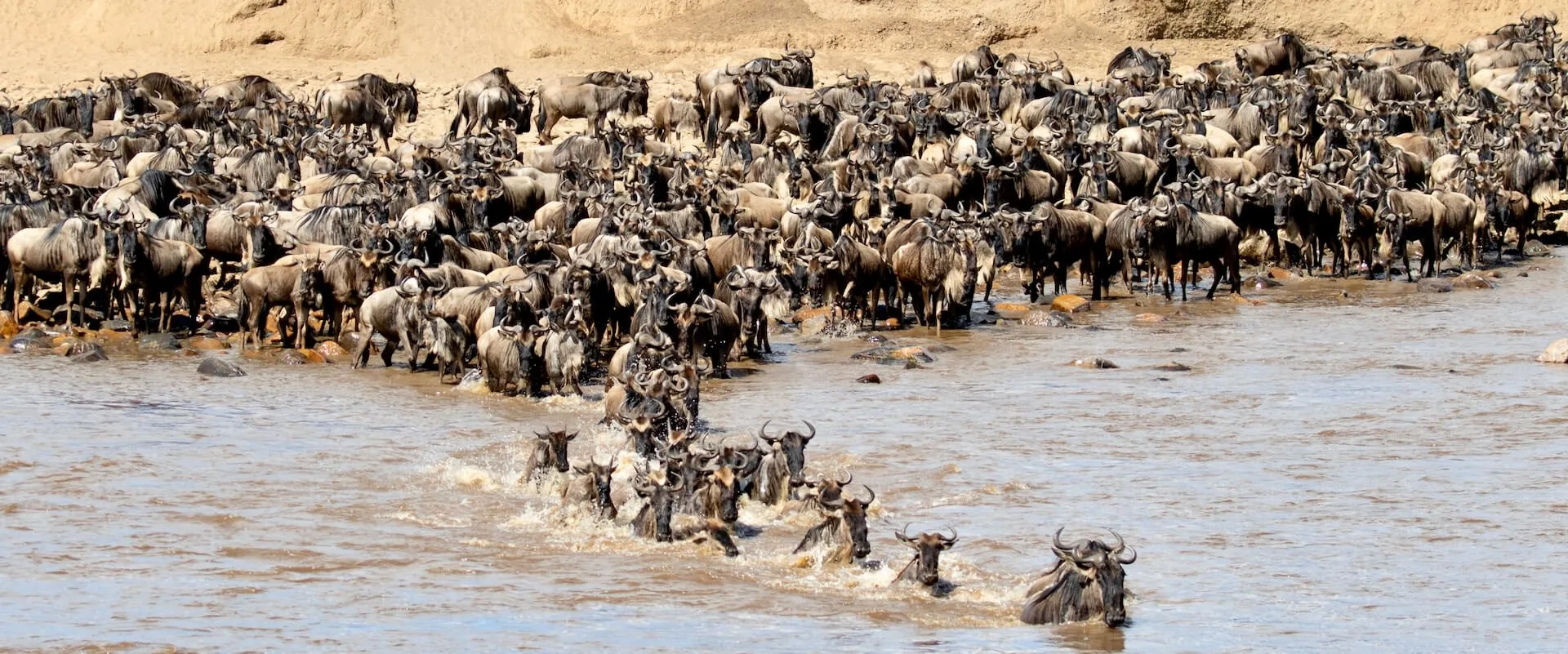
The Great Migration in Africa happens all year because the herds continuously circulate through the Serengeti–Mara ecosystem in…
Read article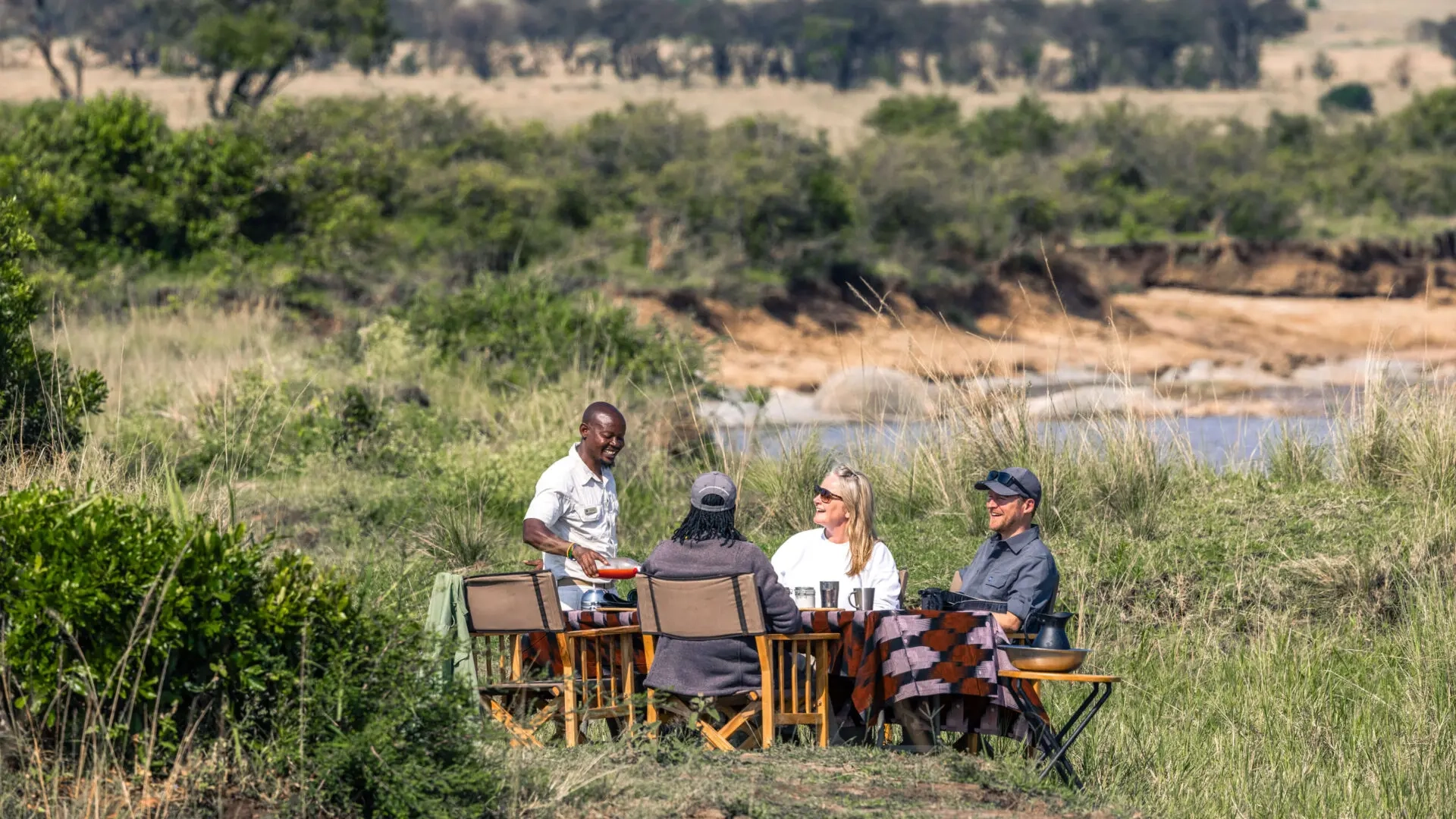
Definitive answer: A picnic lunch on safari is a packed or catered midday meal eaten at an approved…
Read article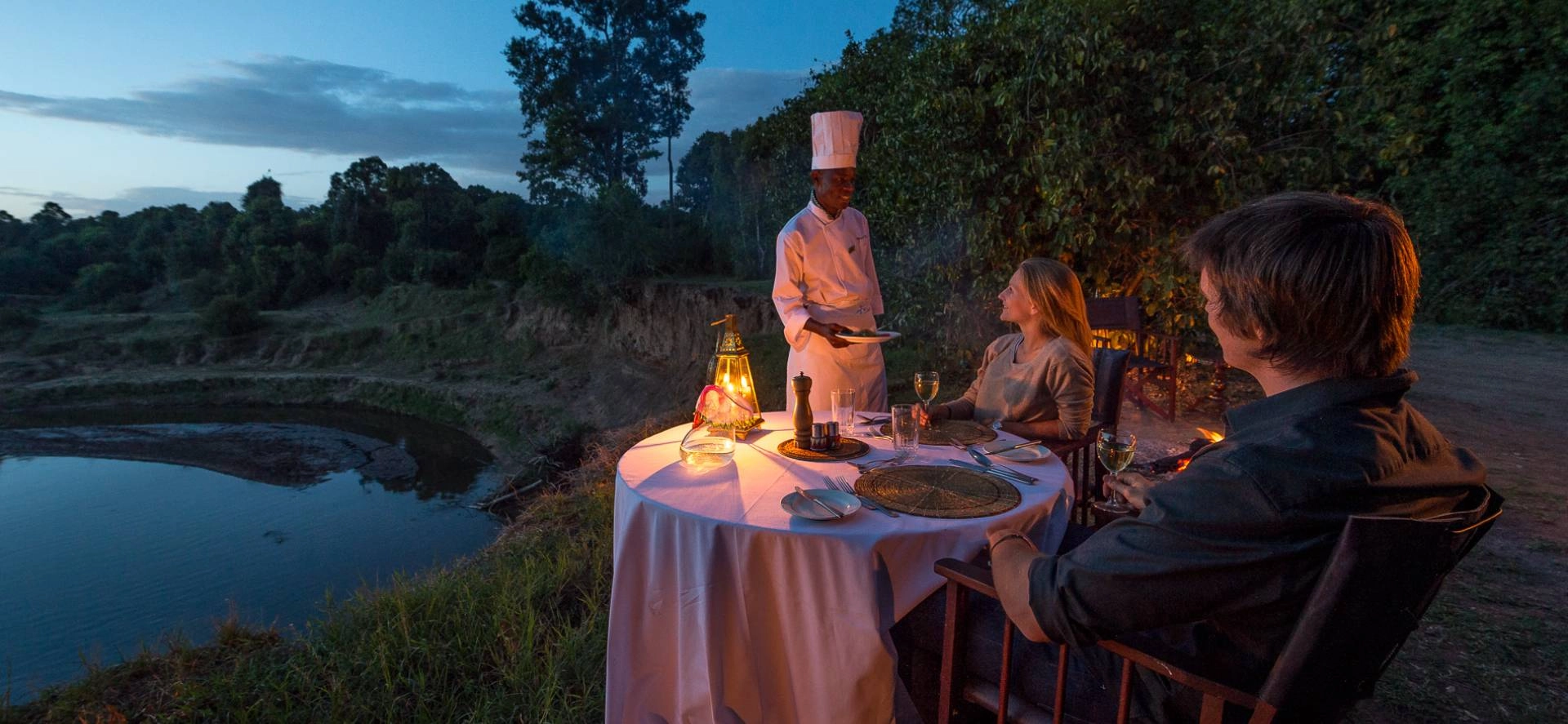
Definitive answer: A bush dinner is an outdoor evening meal arranged in a safe safari setting away from…
Read articleLet us take you closer to the wildlife, people and places that make Africa extraordinary.
Plan Your Safari Today