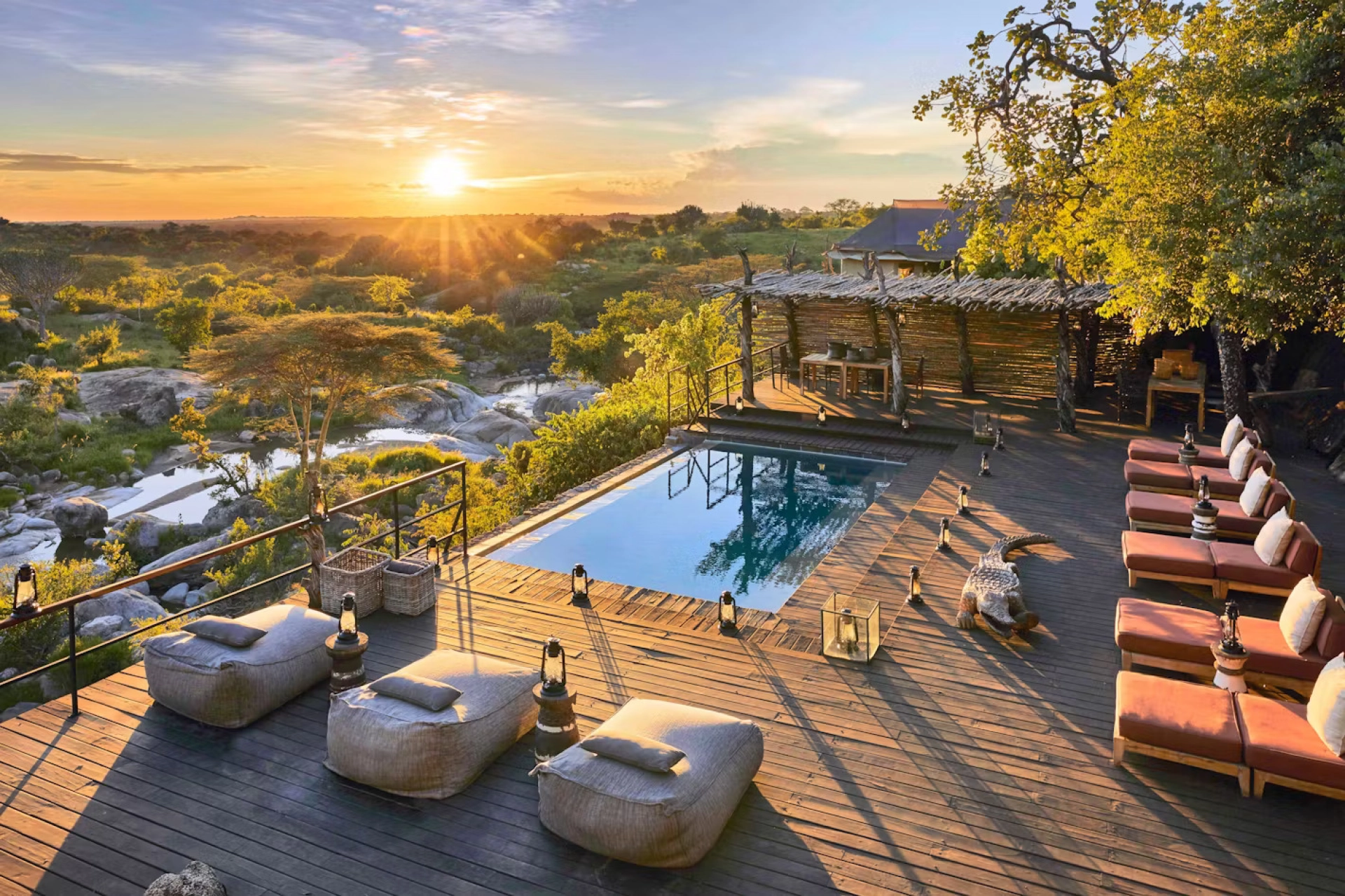
What should I look for when booking a luxury African safari?
When booking a luxury African safari, look beyond the room and compare the quality of guiding, wildlife location,…
Read article

Travel Guide
Tipping can be one of the most confusing parts of planning a South Africa holiday. How much should you leave after dinner in Cape Town? Should you tip your Kruger safari guide every day or only…
Tipping can be one of the most confusing parts of planning a South Africa holiday. How much should you leave after dinner in Cape Town? Should you tip your Kruger safari guide every day or only at the end? What about the tracker sitting on the front of the safari vehicle? Should hotel housekeeping receive a daily tip? Do you tip taxi and transfer drivers? What about the attendant who fills your rental car with fuel?
And who exactly are the people in reflective jackets watching parked cars outside restaurants and shopping centres? The good news is that tipping in South Africa is relatively straightforward once you understand the basic customs. Tipping is common and appreciated, but it is generally discretionary rather than a compulsory payment. For restaurants, a 10% to 15% gratuity remains a widely used benchmark. Safari tipping works differently because guides, trackers and general lodge teams are often tipped according to daily guidelines rather than as a percentage of your accommodation bill. South African Tourism describes 10–15% as customary generally, while specialist safari companies publish their own suggested daily amounts.
The most important principle is simple: A tip should reward good service. It should not become a source of anxiety. Use the guidelines below as practical starting points, adjust according to service quality and group size, and always check whether a service charge or lodge gratuity system already exists before paying twice. Here are eight essential tips for tipping in South Africa in 2026, followed by a comprehensive breakdown of safari lodges, restaurants, drivers, hotels and everyday services.
The first rule of South African tipping etiquette is that gratuities are widely expected in many service industries, but they remain connected to service.
Visitors from countries where tipping is unusual sometimes worry that every interaction requires cash. It does not. Visitors from countries with very high tipping expectations sometimes assume South Africa operates exactly the same way. It does not. The best approach is to understand each situation. Restaurants are normally percentage-based. Safari guides are usually tipped by day. Trackers may be tipped separately. Hotel porters receive small cash amounts. Petrol attendants and car guards often receive modest tips. Your hotel manager does not normally need to be tipped simply for managing the property.
Generally, no.
However, some restaurants may add a service charge, particularly for larger groups. Some safari lodges provide recommended gratuity systems. Always check the bill. If a restaurant has already included service, an additional full tip is normally unnecessary unless you genuinely want to reward exceptional service.
South Africa has a large tourism and hospitality sector.
Waiters, guides, trackers, porters, drivers, housekeeping employees and safari-lodge teams often provide intensely personal service. A gratuity is a direct way to acknowledge that effort. The key is for tipping to remain transparent and fair rather than mysterious.
For most visitors, restaurants are where South Africa tipping etiquette becomes relevant most often.
A tip of roughly 10–15% of the bill remains a useful guideline for good service, subject to whether gratuity has already been added. Current South African tourism guidance uses the same broad range.
A practical framework is:
10% — normal satisfactory service. Around 12–15% — good to very good service. More — entirely optional when somebody has provided exceptional service. These are guidelines, not laws.
Before entering the tip on a card machine, check the restaurant bill. Large groups may have service automatically included. If you see a line labelled: service, gratuity, service charge, or tip, ask your waiter if you are uncertain. There is no need to accidentally add another full gratuity.
Card payment is widely available in South African tourism areas. In many restaurants, you can add your gratuity during card payment. Confirm the final amount before authorising it. Never hand your card to somebody who wants to disappear with it unnecessarily; payment terminals are commonly brought to the table.
If you receive table service, the standard restaurant approach is appropriate. For counter-service coffee shops, tipping is more discretionary. A small tip is appreciated when staff have provided useful service.
At fine-dining restaurants in Cape Town, Johannesburg, the Cape Winelands or luxury hotels, 10–15% remains a suitable starting range. You are not required to increase the percentage simply because the restaurant is expensive.
This is where international travellers often become confused. Safari tipping in South Africa is generally not calculated as a percentage of the lodge bill. Instead, travellers commonly tip guides or rangers according to a suggested amount per day. Current specialist guidance varies. Go2Africa currently lists roughly R400 per day as a South Africa/Namibia guideline for a guide, while andBeyond’s 2026 information uses R500 per couple per day for a ranger/guide.
The difference demonstrates an important rule: There is no single mandatory safari-tip amount across South Africa. Luxury level, service structure, whether figures are per person or per couple, and lodge policy all affect recommendations.
A good South African safari guide does much more than drive the vehicle. Guides interpret wildlife behaviour. Recognise tracks. Identify birds. Explain vegetation. Read alarm calls. Position vehicles responsibly. Coordinate sightings. Manage guest safety. Answer questions. And often adapt every game drive to the interests of the people in their vehicle. Over a multi-day safari, the guide can become one of the most important parts of the trip.
Usually at the end of your stay or at the end of the period during which that guide accompanied you. If the same guide takes you on six game drives over three days, it is generally easier to calculate the total and tip once at departure rather than after every drive.
Yes, if you genuinely want to. Perhaps the guide spent considerable time finding a particular bird. Maybe they were exceptionally good with your children. Perhaps they explained tracking, ecology and conservation in extraordinary detail. Suggested amounts are guidelines—not ceilings.
Wildlife is wild. A guide cannot order a leopard to appear. Judge guiding quality based on knowledge, effort, safety, communication, respect for animals and overall experience rather than whether the Big Five completed your checklist.
Many private safari reserves use a guiding team consisting of a ranger or guide driving the vehicle and a tracker positioned near the front. Tracking is a specialised skill. Trackers look for: spoor, broken vegetation, fresh dung, alarm behaviour, animal movement, and subtle signs that most visitors would never notice. They can be crucial to locating elusive wildlife. Current specialist guidelines again vary, with examples of roughly R250 per couple per day at andBeyond and R300 in Go2Africa’s South Africa guidance. Use your lodge’s own recommendation where one is supplied.
Do not automatically hand all safari gratuity to the guide and assume it reaches the tracker. Ask how the lodge handles tips. In many operations, the two are tipped individually.
Visitors undertaking a self-drive Kruger safari will not have a tracker unless booking a specific guided activity. Trackers are especially associated with private reserves and luxury lodges in the Greater Kruger area and other privately managed safari destinations.
A safari lodge experience depends on many people you may barely see. Chefs. Kitchen staff. Housekeeping. Maintenance teams. Security staff. Waiters. Laundry staff. Gardeners. Front-of-house employees. These people can easily be forgotten when visitors give all their gratuity directly to the guide. This is why many South African safari lodges operate a communal gratuity box. Go2Africa currently suggests about R400 for general staff in its South Africa/Namibia table, while andBeyond’s 2026 guidance lists R500 per couple per day for lodge or camp staff. These should be treated as operator-specific guidance rather than national fixed rules.
A communal system distributes gratuity to employees who contributed to your stay even if they did not interact directly with you every day. It helps avoid a situation in which visible staff members receive everything while behind-the-scenes employees receive nothing.
Some lodges include waiting staff in the communal distribution. Others allow separate tips. Ask discreetly at reception if uncertain.
Luxury safari properties sometimes allocate an individual butler or host to guests. These staff members may have separate tipping guidelines. Again, the lodge’s policy should take priority over a generic article.
Outside safari lodges, hotel tipping in South Africa is familiar and straightforward. Porters who carry luggage commonly receive a small cash tip. Housekeeping can also be tipped when service has been good. Historical South African Tourism guidance suggested roughly R15–R20 per bag or porter trip and around R50 per day for housekeeping, but values naturally change over time and hotel category matters. For 2026 travel, the most useful approach is to treat those as a baseline concept rather than a rigid tariff.
Housekeeping staff work behind the scenes and are easily forgotten. If you decide to tip housekeeping, leaving a small amount daily is often better than one large amount at the end because different staff members may service the room on different days. Place the money somewhere clearly accompanied by a note if necessary so it is obvious that it is intended as a gratuity.
A modest amount for somebody who handles several heavy bags is appreciated. Increase it when service goes well beyond simply moving one lightweight suitcase.
A concierge does not need a tip for answering a simple question. If they organise difficult reservations, resolve a significant travel problem or provide exceptional personal assistance, a gratuity can be appropriate.
South Africa itineraries often involve several forms of road transport: airport transfers, private drivers, Cape Peninsula tours, Cape Winelands tours, Panorama Route excursions, guided day tours, and multi-day driver-guided journeys. These services deserve different treatment from restaurant tipping.
For a straightforward airport transfer, a modest tip is appropriate when service is good. Increase it when the driver handles substantial luggage, waits through a flight delay, provides useful assistance or delivers more than a standard transfer.
For a dedicated private guide, tip according to the length and quality of the day. Current Go2Africa guidance gives approximately R350 for a guided day tour, while andBeyond’s 2026 figures are higher for private half-day and full-day city tours. This variation again shows why operator guidance should be treated as the best reference for a particular trip.
If the same guide accompanies you for several days, calculate your gratuity on a per-day basis and give the combined amount at the end. This is much simpler than tipping daily.
Tipping taxis and ride-hailing drivers is generally more flexible. You can round up or add a modest gratuity for good service. Long trips, luggage assistance or exceptional help justify more.
Visitors renting a car in South Africa quickly encounter two services that can feel unfamiliar. Petrol attendants fill the vehicle at service stations. Car guards watch vehicles around shopping areas, restaurants and parking spaces. Knowing how these systems work makes a South Africa self-drive holiday much easier.
In South Africa, drivers normally do not get out and pump their own fuel. An attendant fills the vehicle. They may also check tyres, oil or water and clean the windscreen. A small cash gratuity is commonly appreciated. Current travel guidance varies from approximately R5 upward, depending on what services were provided. For 2026, many travellers simply keep small notes or coins available and tip modestly based on the assistance provided.
Around restaurants, beaches, shopping centres and tourist attractions, you may see people offering to watch vehicles. Some operate more formally than others. The customary tip is modest. Current South African tourism training materials cite around R10 as a useful example. Give it when you return to your vehicle. If somebody assists with reversing or watches the car for a long period, you can adjust accordingly.
These everyday tips are the main reason travellers should carry some small-denomination South African rand. Trying to tip a car guard with a large banknote creates unnecessary complications.
Because circumstances differ, consider the following as practical guidelines rather than compulsory tariffs:
| Service | Useful 2026 Guideline |
|---|---|
| Restaurant waiter | 10–15% of bill where service is not already included |
| Safari guide/ranger | Follow lodge advice; roughly R400–R500 per day/couple-style guideline depending on operator |
| Safari tracker | Follow lodge advice; commonly a lower amount than the guide |
| Safari lodge staff | Use communal gratuity box where available |
| Guided day tour | Tip according to duration and service; operator guidance varies |
| Housekeeping | Modest daily gratuity |
| Porter | Small amount according to luggage assistance |
| Petrol attendant | Small cash tip |
| Car guard | Small cash tip |
| Airport transfer | Modest tip for good service |
These figures vary because a luxury private safari and an ordinary city transfer are not comparable.
For most South Africa tipping, the simplest currency is the South African rand (ZAR). Employees can spend it immediately. There is no need for them to exchange it. Safari lodges sometimes accept or quote gratuity recommendations in foreign currency, particularly when serving international guests. If a lodge explicitly states that US dollars are welcome, that is fine. But there is generally little reason to tip ordinary restaurant or city staff in foreign cash when you already have rand.
Damaged or outdated foreign banknotes can sometimes be difficult to exchange. Local currency avoids the problem altogether.
Both are common. Restaurants usually allow the tip to be added to the card payment. Cash can be preferable for: safari guides, trackers, housekeeping, porters, petrol attendants, and car guards. At safari lodges, the property may permit gratuities to be settled by card at reception. Ask before your final morning so you are not scrambling for cash at departure.
This depends heavily on the itinerary. A traveller staying only in Cape Town and paying restaurants by card needs relatively little physical cash. A traveller spending ten days moving between safari lodges may require more. Before leaving for South Africa, estimate: number of safari days, number of guides, whether trackers are used, number of lodge nights, private transfers, day tours, porter assistance, and miscellaneous small tips. You do not need to carry the entire amount in one wallet. Use secure storage and withdraw reasonable amounts as needed.
Imagine a couple staying three nights at a Greater Kruger safari lodge. They have: one ranger, one tracker, and a communal staff tip. Instead of thinking about every game drive individually, calculate the stay. If the lodge supplies its own recommended gratuity card, use that. The couple can then prepare separate envelopes: Guide Tracker General lodge team and distribute them at departure. This is clean, discreet and easy.
Now imagine another couple undertaking a self-drive safari in Kruger National Park. They drive their own rental vehicle. They stay at rest camps. They cook some meals themselves. There is no private ranger and tracker to tip every day. Their gratuities may instead involve: restaurant staff, occasional guided activities, housekeeping, and petrol attendants. The total tipping budget can therefore be dramatically lower. This demonstrates why no single daily tipping figure works for all South Africa safaris.
Many published safari gratuity suggestions are expressed per person, per couple or per family depending on the company. This becomes confusing for families. Ask your lodge directly. Children should not automatically be treated as identical to adults if the property’s recommendation specifically distinguishes them. For a private family safari where a guide has provided exceptional attention to children, parents may choose to increase the gratuity voluntarily.
A private vehicle provides much more personalised attention. The guide may alter the schedule around you. Photography positioning becomes easier. Family preferences can be accommodated. A private safari therefore often justifies a more generous tip when service is excellent. However, the fact that the safari was expensive does not automatically determine the percentage. Use the operator’s guideline and your judgment.
Luxury lodges can create anxiety because staff numbers are high. You may interact with: guide, tracker, butler, waiter, housekeeping, spa therapist, porter, manager, and reception. Do not tip everybody randomly. Ask for the property’s gratuity policy. Many luxury safari lodges have well-developed systems precisely to prevent confusion. They may recommend: individual envelope for guide, individual envelope for tracker, communal envelope for staff, and separate gratuity only for a dedicated butler. Follow the system.
You normally do not need to tip every person associated with your trip. Specialist safari guidance commonly excludes positions such as: lodge managers, owners, pilots, airport desk personnel, and certain administrative staff from standard tipping expectations. The purpose is to reward personal service, not distribute money indiscriminately.
Travellers frequently ask whether they should tip pilots on light-aircraft transfers between safari lodges. Generally, no standard pilot gratuity is expected. If a pilot provides extraordinary personal assistance, a traveller may decide otherwise, but tipping should not be treated as mandatory.
For hotel or safari-lodge spa treatments, tipping can follow normal hospitality practice. If gratuity is not already included and the treatment was excellent, a modest percentage or cash tip is appropriate. Check the bill first.
A private Stellenbosch wine tour, Franschhoek wine tour or broader Cape Winelands excursion normally involves a specialist driver-guide. Tip based on the full day’s guiding service. Do not worry about tipping every cellar-door employee automatically. Where a guided tasting includes a dedicated host who provides exceptional personal service, an additional small gratuity is optional.
A Garden Route road trip involves many ordinary South African tipping situations: restaurants, hotel staff, activity guides, petrol attendants, car guards, and perhaps private drivers. There is no separate “Garden Route tipping system.” Use the same national principles. For specialised activities—kayaking, canyoning, marine excursions or guided nature walks—a gratuity to the guide is appreciated after strong service.
Cape Town tipping etiquette is largely the same as elsewhere in South Africa. Restaurants generally follow the 10–15% framework. Hotels follow normal porter and housekeeping practices. Private guides can be tipped according to length and service. Small cash is useful for car guards. The main difference is simply the amount of tourism activity. A visitor may use restaurants, drivers, guides and hotel services every day, making gratuities more frequent than on a remote safari.
The same principles apply in Johannesburg. Restaurants: percentage tip. Private guides: daily or tour-based gratuity. Hotel staff: modest service-based tips. Transfer drivers: discretionary. Visitors connecting through OR Tambo International Airport should not feel obliged to tip every person they encounter. Tip where somebody has genuinely provided service.
A Kruger safari can mean several very different things: self-drive inside Kruger National Park, scheduled SANParks game drives, private guided tours, or a luxury stay in a Greater Kruger private game reserve. The tipping structure changes accordingly. This is why searching the internet for “how much to tip in Kruger” often produces contradictory numbers. The experiences are not equivalent. Always identify the safari type first.
The Sabi Sand Nature Reserve is associated with some of South Africa’s most luxurious safari properties. These lodges often operate professional guide-and-tracker systems. Use the property’s current gratuity recommendations rather than relying on an old internet article. Your travel consultant can also ask in advance.
At payment.
At the end of your stay or guiding period.
At the end of your stay.
Usually at checkout or through the property’s gratuity system.
Daily can be preferable.
Immediately after luggage assistance.
At the end of the transfer.
At the end of the tour. This system reduces awkwardness.
Usually not. If the same guide and tracker are with you throughout the stay, one tip at the end is much easier. Daily tipping becomes useful only where staff change constantly or the lodge specifically recommends it.
Luxury safari lodges often provide them. If not, plain envelopes can make the process easier. Write: Guide, Tracker, Staff, or the person’s name. This avoids confusion and lets you hand gratuities over discreetly.
Tipping is discretionary. If service genuinely fell below reasonable expectations, reduce the amount. For serious problems, speak to management rather than using the tip as your only form of feedback. A lodge cannot fix a safety issue, inappropriate behaviour or major service failure if nobody tells them.
Increase the gratuity if your budget allows. Perhaps your guide helped create extraordinary photographic opportunities. Maybe a hotel employee recovered lost luggage. Perhaps a driver handled an unexpected flight disruption. Exceptional service can be rewarded accordingly.
This deserves repeating. A guide who does everything professionally but does not find a leopard did not necessarily provide inferior service. Wildlife movements are unpredictable. Excellent guides create value through: knowledge, interpretation, tracking, safety, patience, communication, ethical wildlife viewing, and understanding guest interests. A guide who races dangerously between reported leopard sightings should not automatically earn a better tip than one who provides a responsible, educational safari.
Prepare gratuities discreetly. Do not count large quantities of money publicly. Keep cash in secure locations. South Africa is a modern travel destination where card payment is widespread, so there is rarely a reason to carry excessive physical cash.
A generous tip does not purchase the right to: ask guides to break park rules, pressure drivers to speed, demand off-road driving where prohibited, disturb wildlife, photograph people without permission, or treat staff disrespectfully. Gratuities reward professional service. They do not override professional boundaries.
Tipping becomes stressful mainly when travellers forget to budget for it. When calculating your South Africa safari cost, include: accommodation, park fees, meals, activities, flights, transfers, and gratuities. A tipping budget is a travel expense just like airport transfers. Once included in advance, it stops feeling like a surprise.
Group size matters. If ten travellers each apply an individual private-guide tipping figure blindly, the resulting gratuity may be very different from what is expected for that tour structure. Tour companies may provide specific group guidelines. Follow them. Large groups should not assume that every published per-person number was designed for their situation.
Do not assume South African etiquette applies everywhere else in Africa. A trip might combine: South Africa, Botswana, Zimbabwe, Zambia, Kenya, Uganda, Rwanda, or Tanzania. Each destination and operator may have different guidance. Ask your safari company for a country-by-country gratuity guide. This is particularly important on complex African safari itineraries.
The biggest mistakes are not about being R50 too high or too low. They are: forgetting to check whether service is already included, using outdated online figures as strict rules, confusing per-person and per-couple safari amounts, forgetting the tracker, forgetting behind-the-scenes lodge staff, carrying only large banknotes, tipping in inconvenient currencies, and allowing gratuity anxiety to dominate the holiday. Understand the system and then relax.
The central principles of tipping in South Africa are straightforward. Tip restaurants around 10–15% when service is not already included. Reward your safari guide or ranger separately according to lodge recommendations. Remember your tracker where applicable. Use the communal lodge staff tip system where one exists. Give modest gratuities to hotel porters, housekeeping, transfer drivers, petrol attendants and car guards when appropriate. Use South African rand for everyday tipping. And remember that every amount is ultimately connected to service quality and your own judgment.
You are not taking an exam. There is no exact number that determines whether you are a good traveller. Ask when unsure. Safari lodges are accustomed to international guests and will gladly explain their systems. The best tipping etiquette is informed, discreet and generous enough to recognise good service without becoming uncomfortable or performative.
Adventure in the Wild Safaris helps travellers plan customised African journeys that can combine southern African destinations with Uganda gorilla trekking, Rwanda, Kenya and Tanzania. Whether your itinerary includes Kruger National Park, Cape Town, the Garden Route, Victoria Falls or East Africa, understanding practical details such as safari tipping etiquette helps make the journey smoother from beginning to end.

Get quick answers to the most common questions. If you still have questions, our safari experts are here to help.
Yes. Tipping is common in restaurants, tourism, hotels and safari services, although it is generally discretionary.
Around 10–15% is a useful standard guideline when service has not already been included.
Not always. Some establishments add service charges for larger groups, so check the bill.
There is no single national amount. Current specialist recommendations vary, commonly around several hundred rand per day depending on whether the guideline is per person or per couple and on the lodge’s service level.
Usually yes where guides and trackers work as separate members of the safari team.
Yes, when service has been good. Many safari lodges provide a communal tip box or staff gratuity system.
Normally this is not expected.
A modest daily gratuity is appreciated, particularly at full-service hotels.
Yes, a small amount for luggage assistance is customary.
Yes, a small cash tip is commonly appreciated, especially when they also clean windows or provide additional assistance.
A modest amount is normal when somebody watches or assists with your vehicle.
It is discretionary. Rounding up or adding a modest tip for good service is reasonable.
It is optional. You can add a gratuity through the app or provide cash where appropriate.
Yes. Tip according to the length of the tour and service quality.
Usually not if you have the same guide throughout your stay. Give the total gratuity at the end.
Some safari lodges accept foreign currencies, but South African rand is normally the most practical currency.
Yes. Even if most major expenses are paid by card, small rand notes are useful for porters, petrol attendants and car guards.
Usually not unless your itinerary explicitly states that gratuities are included.
Calculate it based on the number of days, guides, trackers and lodge staff using your property’s specific recommendations.
Check the operator’s policy because guidelines may be quoted per person, per adult, per family or per couple.
Follow the lodge’s current recommendation. It reflects the property’s own staffing and gratuity structure.
Yes, 10% remains a normal baseline for satisfactory service. Many visitors leave 10–15% for good service.
You can if service was exceptional, but it is not required.
Use clearly marked envelopes or the lodge’s established gratuity system.
A routine tip is generally not expected.
No. Gratuities are discretionary. For serious service problems, also inform management.
Usually yes. Confirm the final amount before authorising the transaction.
Yes. Cape Town tipping etiquette follows the same general South African conventions.
It depends on whether you are self-driving, joining scheduled activities or staying at a private safari lodge. Private lodge safaris generally involve more guide, tracker and staff gratuities.
Follow the lodge’s policy. Usually guides and trackers are tipped individually while a communal gratuity covers the broader lodge team.
Check whether service is already included, follow current lodge guidance for safari gratuities and use your own judgment based on the quality of service.
Our safari experts are here to help you plan your safari. Get personalized advice, the latest information and a free, no-obligation quote.
We typically reply within a few hours.

Share This Article
When booking a luxury African safari, look beyond the room and compare the quality of guiding, wildlife location,…
Read article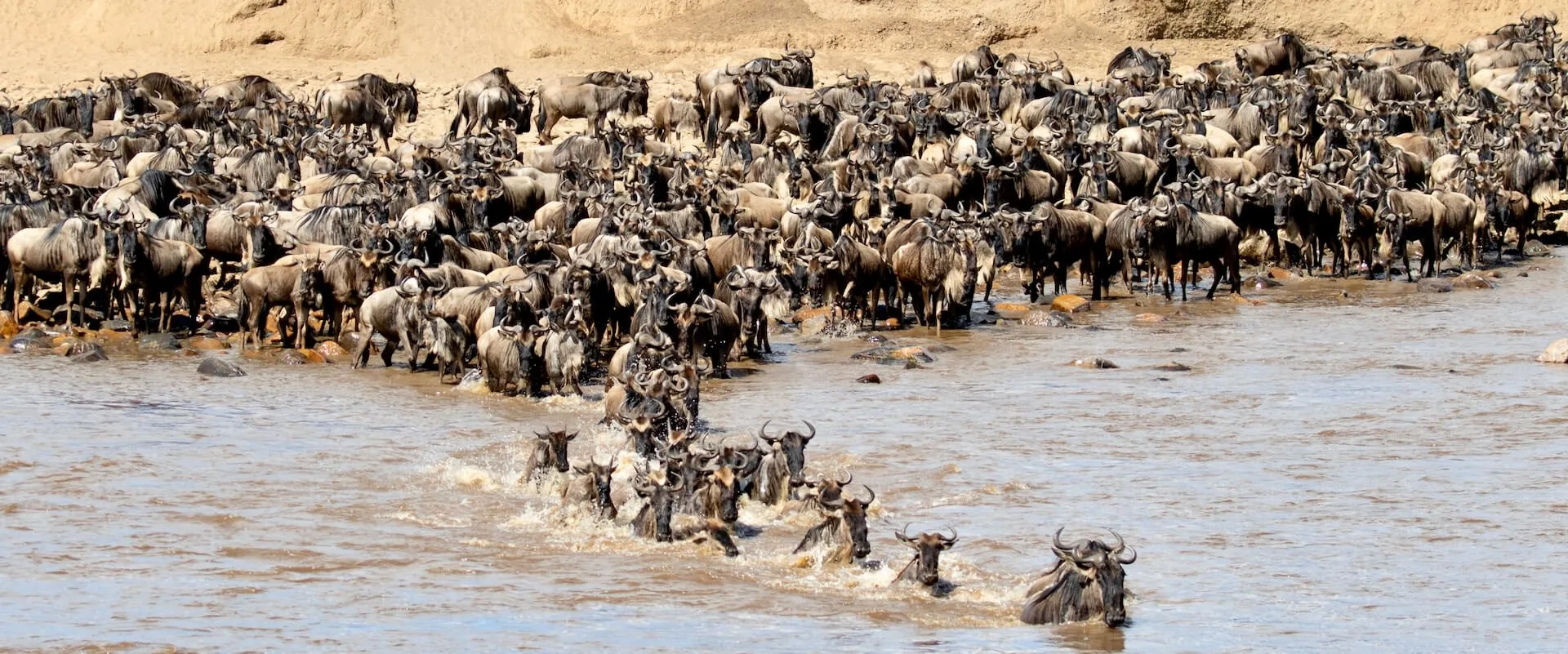
The Great Migration in Africa happens all year because the herds continuously circulate through the Serengeti–Mara ecosystem in…
Read article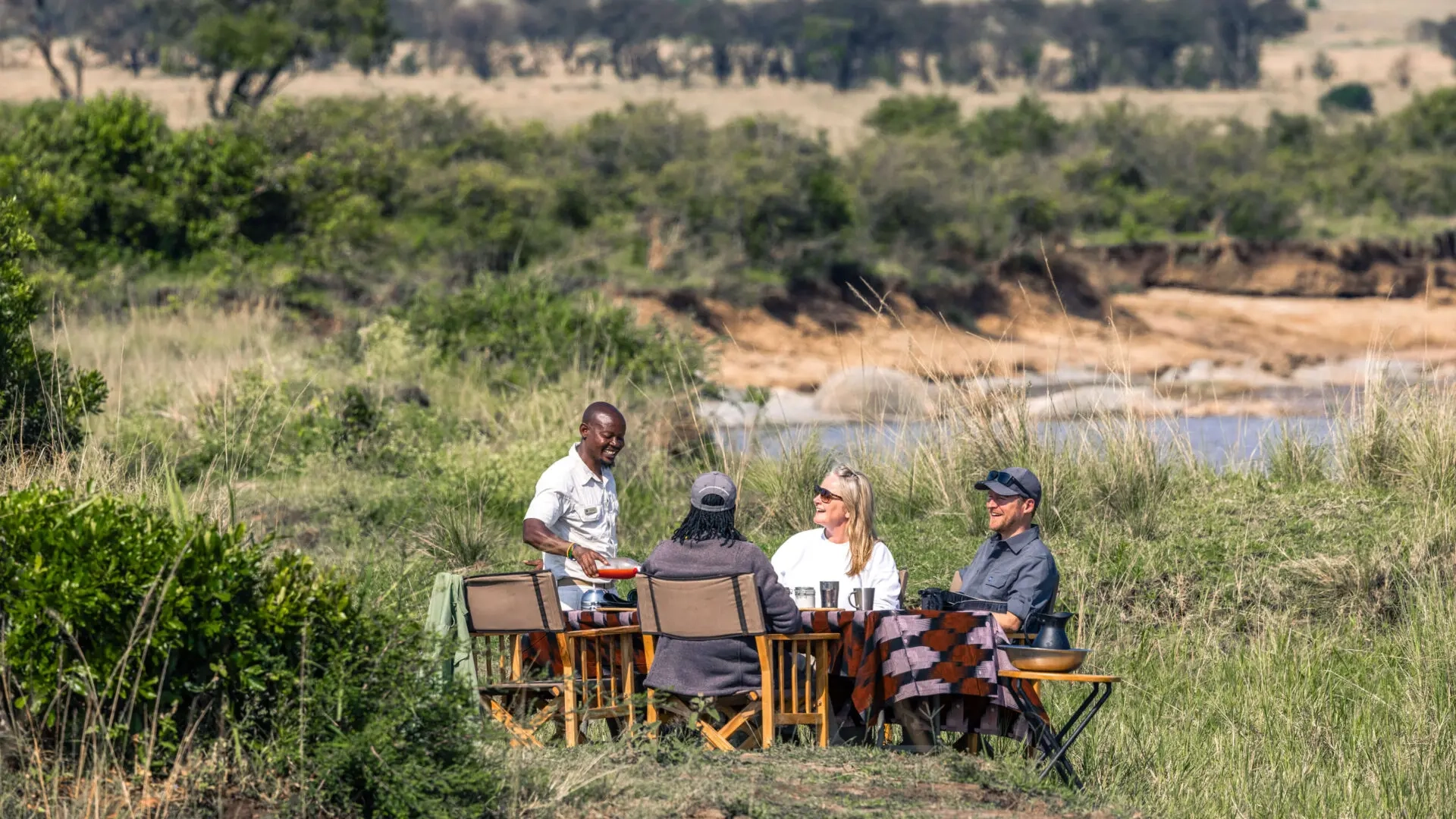
Definitive answer: A picnic lunch on safari is a packed or catered midday meal eaten at an approved…
Read article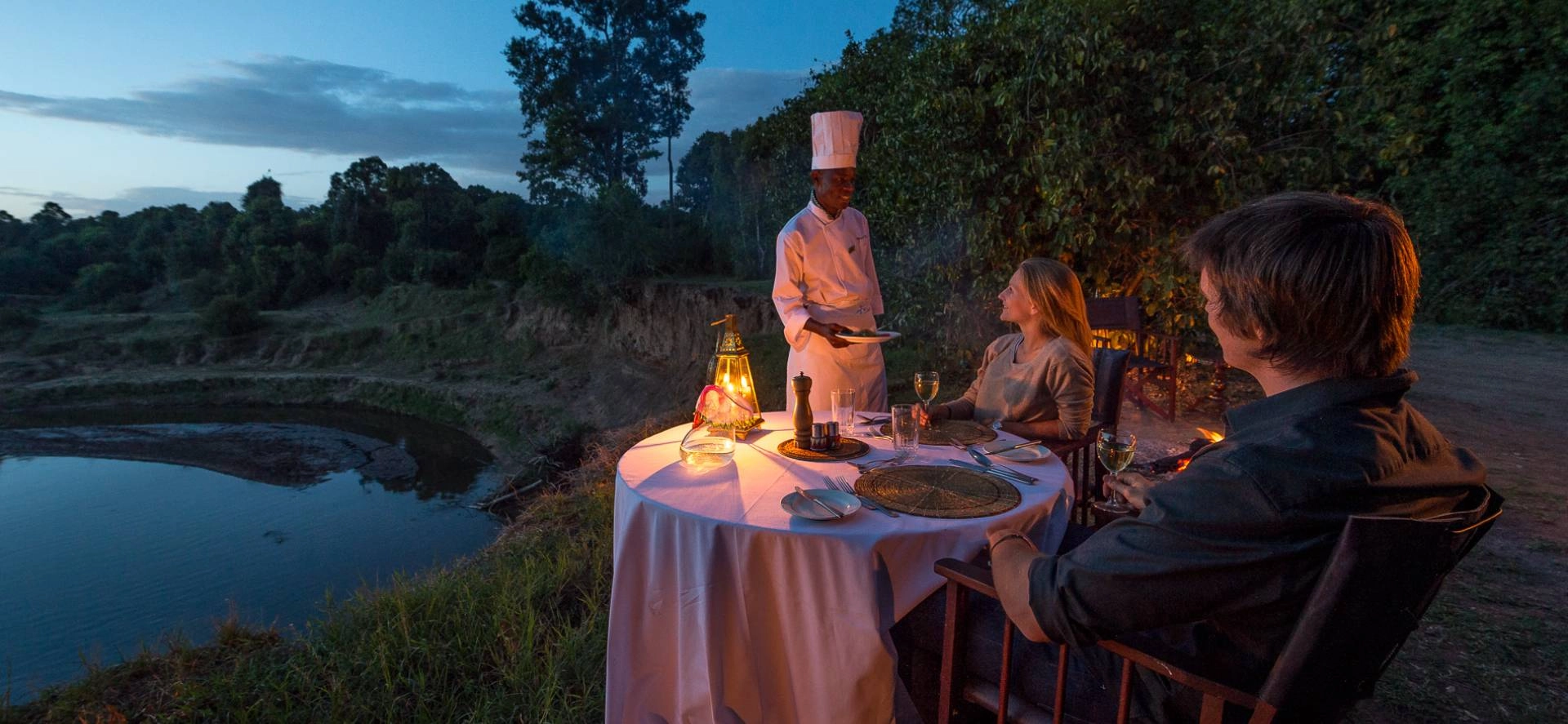
Definitive answer: A bush dinner is an outdoor evening meal arranged in a safe safari setting away from…
Read articleLet us take you closer to the wildlife, people and places that make Africa extraordinary.
Plan Your Safari Today