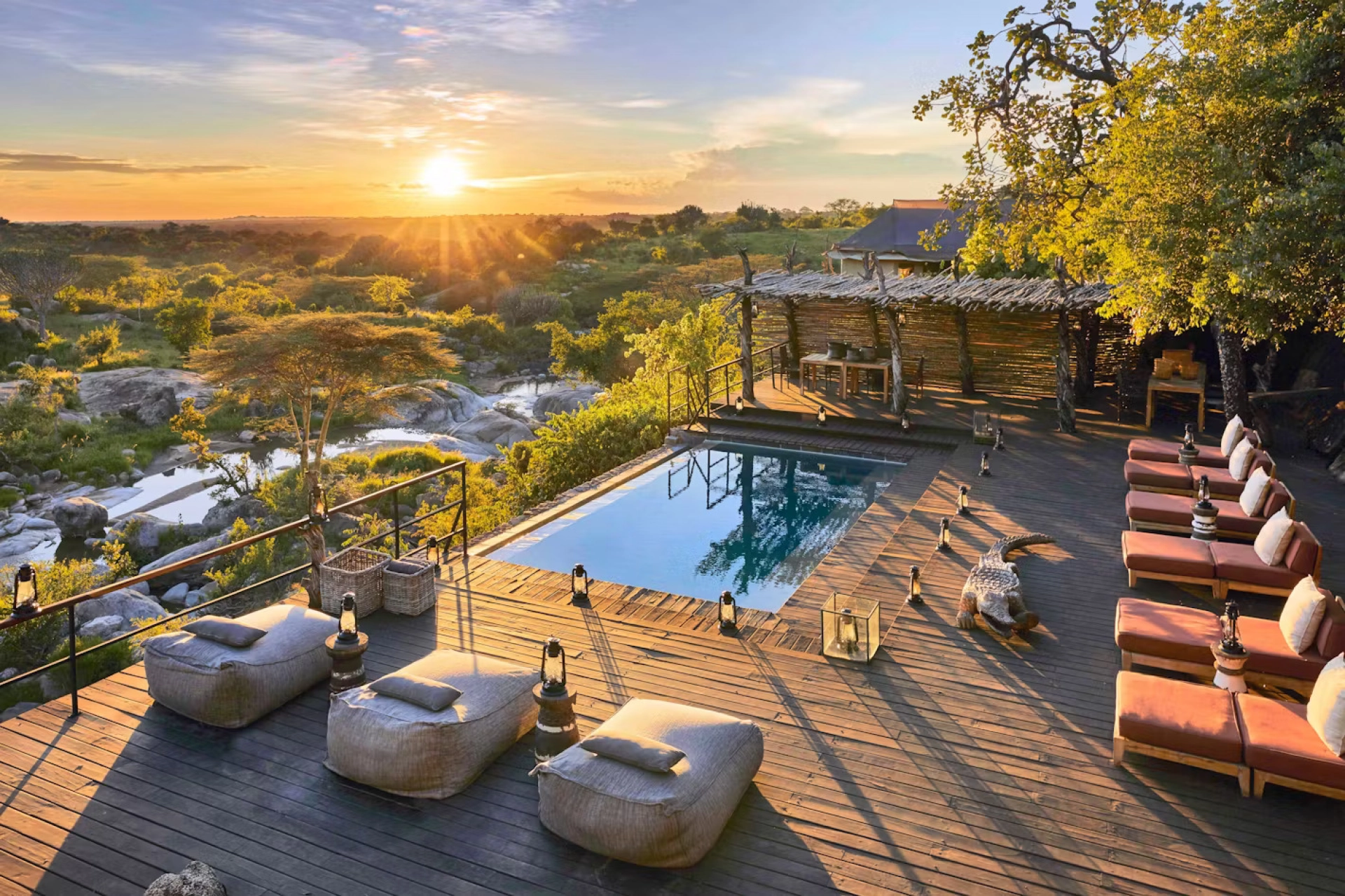
What should I look for when booking a luxury African safari?
When booking a luxury African safari, look beyond the room and compare the quality of guiding, wildlife location,…
Read article

Travel Guide
South Africa is famous for lions, elephants, dramatic coastlines, mountains and some of the finest safari destinations on the continent, yet one of its most remarkable natural spectacles happens on a much smaller scale. For several…
South Africa is famous for lions, elephants, dramatic coastlines, mountains and some of the finest safari destinations on the continent, yet one of its most remarkable natural spectacles happens on a much smaller scale. For several weeks each year, landscapes that appear dry, dusty and almost empty for much of the season can transform into extraordinary carpets of colour.
Orange daisies cover entire hillsides. Purple, pink, yellow and white blooms appear between rocks and across plains. Delicate bulbs emerge from seemingly barren ground. Tiny flowers that would be easy to miss individually combine to produce one of the most beautiful seasonal landscapes in Africa. The wild flowers of South Africa are not merely a scenic attraction. They are part of one of the world’s most extraordinary botanical regions, shaped by winter rainfall, dry summers, ancient soils and an exceptional concentration of plant diversity.
For travellers, the annual flower season creates the opportunity for a completely different kind of African journey. Instead of searching for the Big Five from a safari vehicle, visitors may spend days following quiet roads through Namaqualand, walking between flowers in protected reserves, photographing vast plains and stopping in small towns that become temporary centres of activity during the spring bloom.
A South Africa wildflower trip rewards patience, flexibility and curiosity because the flowers do not follow a rigid calendar. Rainfall, temperature, wind and sunshine all influence when and where the strongest displays occur. That unpredictability is part of the experience.
South Africa has one of the richest floral environments on Earth.
The most famous wildflower displays occur across the western and northwestern parts of the country, particularly through Namaqualand, the Northern Cape and the Western Cape. These regions contain an extraordinary variety of plants adapted to Mediterranean and semi-arid climates. For much of the year, certain landscapes can look austere. Vegetation may be low and sparse. The earth can appear dry and sun-baked. Yet beneath the soil, seeds and bulbs wait for favourable conditions.
Winter rainfall provides moisture. Cool temperatures allow plants to develop. Then, as spring arrives and sunny days increase, entire landscapes can burst into flower. The scale can be astonishing. A field may appear orange from a distance, only for a closer inspection to reveal dozens of species growing together. Large daisies dominate the visual impression while smaller bulbs, succulents and annual flowers create layers of botanical diversity beneath them. This is one reason South Africa’s spring wildflower season appeals to more than dedicated botanists.
You do not need specialist plant knowledge to appreciate a valley transformed by flowers. At the same time, travellers who slow down and inspect individual plants discover a level of diversity that turns a scenic drive into a much deeper natural history experience.
For most travellers, the phrase South Africa wildflowers immediately brings to mind Namaqualand.
This broad region stretches across parts of South Africa’s Northern Cape and into neighbouring Namibia. It is famous for dry landscapes, dramatic granite formations, hardy succulents and extraordinary seasonal flower displays. During peak flowering conditions, areas of Namaqualand can become covered in colour. The transformation is especially striking because visitors who know the region outside flower season understand how dry it normally appears. What looks like an empty plain in one month may become a dense mosaic of orange, yellow, pink and white blooms several weeks later.
This makes Namaqualand one of the world’s most unusual seasonal travel destinations. The flowers are not arranged in formal gardens. There are no carefully designed borders. Instead, the landscape itself becomes the display.
The broad South Africa wildflower season generally falls between late winter and spring, but there is no single guaranteed week when every area will be at its best.
Flowering normally begins earlier in the warmer northern parts of the region and then progresses gradually southward as temperatures change. In many years, travellers begin searching for significant displays in August, while September can be excellent further south and in parts of the Western Cape. However, exact conditions vary. A wet winter may produce spectacular displays. A dry season can reduce flowering. Extended cold weather may delay blooms. A sudden period of heat may shorten the best viewing window.
Wind can also affect fragile flowers and photography. This is why experienced flower travellers do not think only in terms of fixed dates. They follow conditions. The ideal strategy is to build flexibility into the itinerary and check local flowering reports shortly before and during the journey.
The extraordinary spring transformation depends heavily on winter rain.
Many of the annual flowers remain dormant as seeds until moisture creates favourable germination conditions. If winter rainfall is poor, fewer plants may emerge. If rain is well distributed and followed by suitable sunshine, the displays can be exceptional. This relationship between rain and flowering means no two seasons are identical. Some years produce broad carpets of daisies across open plains. Other years may favour particular valleys or coastal areas.
Travellers therefore benefit from seeing the flower route as a regional journey rather than a visit to one single location. The strongest displays may shift from place to place.
Namaqua National Park is one of the most important destinations for travellers interested in the Namaqualand wildflowers.
The park protects landscapes ranging from semi-desert plains to rugged hills and coastal environments. During flower season, portions of the park can become spectacular. Orange and yellow blooms spread across open ground while granite outcrops create dramatic backgrounds. The park is especially rewarding because it provides both broad landscape views and opportunities to stop and examine individual plants. The flowers are only part of the attraction. Succulents, insects, birds and small wildlife add interest throughout the landscape.
Travellers interested in photography can spend hours working with changing light, cloud movement and different angles across the flower fields.
The Skilpad section of Namaqua National Park is one of the area’s best-known flower-viewing locations. In good seasons, enormous sweeps of flowers can spread across gently rolling landscapes. The visual effect is often strongest on sunny days. Many daisies respond directly to sunlight, opening fully when temperatures are pleasant and the sun is strong. This creates an important practical lesson. Arriving extremely early in cold conditions does not necessarily produce the best flower viewing.
Unlike a wildlife safari, where sunrise is often the most productive hour, flower viewing can improve later in the morning as blooms open. A relaxed start can therefore work surprisingly well.
While Namaqualand receives much of the attention, Nieuwoudtville deserves a prominent place in any serious wildflower itinerary. The town is often described as one of South Africa’s most important bulb-growing regions. Its surrounding landscapes can contain remarkable diversity. Visitors may encounter large flower displays as well as much smaller, more specialised species that require careful observation. Nieuwoudtville is especially rewarding for travellers who want to move beyond the classic image of endless orange daisies.
The region demonstrates how varied South Africa’s flower season can be. One field might contain bright annuals. Another may reveal delicate bulbs. Rocky areas can contain entirely different plant communities. Wetlands and seasonally moist areas add another layer. For keen botanists and photographers, several days can easily be justified.
A flower trip should not focus so narrowly on blooms that the broader landscapes are ignored. Namaqualand contains remarkable geological formations and desert-adapted vegetation. One of the most distinctive plants of the wider region is the quiver tree. Its branching shape creates strong silhouettes against open skies. Although quiver trees are not part of the seasonal spring flower spectacle in the same sense as annual daisies, they help define the visual character of northwestern South Africa.
Combining broad landscapes with close-up flower photography creates a more complete impression of the region.
Travelling south from the Northern Cape brings visitors toward Clanwilliam and the Cederberg. This is another important area during the spring flowering period. The landscape changes gradually. Mountain scenery becomes more prominent. Rock formations, rooibos-growing areas and seasonal flowers create an appealing combination. Clanwilliam can make an excellent stop on a route between Namaqualand and Cape Town. The region also demonstrates that a South Africa flower route need not be solely about standing in open fields.
Travellers can combine botanical interests with mountain scenery, cultural stops, local food and regional history.
The Biedouw Valley is another celebrated wildflower area. When conditions are favourable, its fields can produce tremendous displays. The valley setting makes the experience especially photogenic. Mountains frame the flower-covered ground and create a sense of scale that differs from the more open plains of northern Namaqualand. Because flowering depends heavily on rainfall, the valley can vary dramatically from year to year. Checking current reports is therefore essential.
Closer to Cape Town, West Coast National Park becomes one of the most convenient wildflower destinations for visitors who do not have time for a long trip north. The park protects coastal landscapes, wetlands and important bird habitat around Langebaan Lagoon. During spring, wildflowers add another attraction. The combination of flowers, lagoon scenery, coastal vegetation and wildlife makes the park particularly suitable for travellers who want a diverse day trip or short excursion from Cape Town.
Within the broader West Coast National Park region, Postberg is strongly associated with seasonal flower viewing. Access to the area is managed seasonally, and the spring period can produce beautiful displays across coastal landscapes. The combination of wildflowers and distant Atlantic scenery creates photographs very different from inland Namaqualand. Here, the visual story is not only about fields of flowers. It is also about the meeting of fynbos, coast, lagoon and seasonal colour.
The town of Darling is another popular stop for flower enthusiasts travelling north of Cape Town. The surrounding area forms part of the broader Cape West Coast flower region. During spring, local reserves and countryside can produce excellent displays. Darling is particularly convenient for visitors based in Cape Town who want a taste of the flower season without committing to a multi-day journey into the Northern Cape. This makes the town attractive to first-time flower travellers.
To understand why the Western Cape wildflowers are so extraordinary, it helps to understand the broader botanical setting. The Cape Floristic Region is globally famous for exceptional plant diversity and high levels of endemism. Many species occur naturally in extremely limited areas. Fynbos vegetation dominates large parts of the region. Proteas, ericas, restios and numerous bulbs contribute to a botanical landscape unlike any other in the world. The seasonal wildflower spectacle therefore belongs to a much larger ecological story.
A traveller exploring the flower route is passing through one of Earth’s great centres of plant diversity.
The words “South African wildflowers” can refer to several very different types of vegetation. Namaqualand is famous for mass displays of annual flowers after winter rainfall. Fynbos is structurally different. It often contains shrubs, proteas, ericas, restios and specialised bulbs rather than broad carpets of daisies. Both are remarkable. Understanding this difference helps travellers appreciate why flower viewing changes so dramatically as they move south. A journey from Namaqualand toward Cape Town is therefore almost like travelling through a sequence of botanical worlds.
A sunny day can transform the flower experience. Many annual flowers respond to direct light. On cold, cloudy mornings, blooms may remain partly closed. As temperatures rise and the sun appears, the same landscape can suddenly become much more colourful. This is why flower photographers often wait for brighter conditions rather than assuming overcast weather will automatically be ideal. Soft cloud can help control contrast, but completely closed flowers may reduce the visual impact.
The ideal conditions often combine good light, open blooms and manageable wind.
A surprisingly useful flower-viewing technique is to pay attention to the direction the blooms are facing. Many flowers orient themselves toward the sun. This can influence both photography and route planning. Driving with the flowers facing you can create a dramatically better view than seeing mostly the backs of blooms. Experienced local travellers often plan road sections accordingly. This small detail can make a major difference to the experience.
The Namaqualand wildflower season is a dream for photographers, but the best images require more than simply pointing a camera toward colourful fields. Wide-angle photographs communicate scale. A low viewpoint can place flowers in the foreground while mountains, granite outcrops or distant hills create depth. Telephoto lenses can compress layers of colour. Macro lenses reveal the extraordinary structure of individual plants. The best photography often combines these approaches. Do not spend the entire trip trying to capture endless carpets of flowers.
Some of the strongest images may come from a single bloom, an insect pollinating a flower or the contrast between a bright patch of colour and a harsh desert landscape.
One of the greatest threats during popular flower seasons comes from visitors accidentally damaging the plants they came to admire. Walking into flower fields can crush delicate stems. Driving off designated tracks can damage vegetation and compact soil. Photographers searching for a perfect composition should resist the temptation to step into sensitive areas. A strong image is never worth damaging the landscape. Use established paths. Follow reserve rules. Photograph flowers from road edges and authorised viewpoints where required.
The spring displays exist because entire ecological systems have survived, and tourism should help protect them.
The flower season is not only visually spectacular. It is ecologically important. Flowers provide food for insects and other pollinators. Bees, beetles, flies and butterflies play essential roles in reproduction. Some South African plants have evolved remarkably specialised relationships with particular pollinators. Watching insects visiting flowers adds another dimension to the journey. A landscape that initially looks like a static carpet of colour reveals constant activity when viewed closely.
A flower trip can also produce wildlife encounters. Depending on the region, travellers may see antelope, small mammals, birds and reptiles. West Coast National Park can offer good birding. Namaqualand supports wildlife adapted to arid conditions. Although these journeys are not equivalent to a classic Kruger safari or Big Five safari, they can easily be incorporated into a longer South African holiday that includes both flowers and wildlife. This creates one of the most attractive ways to experience the country.
South Africa is particularly well suited to multi-interest travel. A visitor can spend several days exploring the spring flowers of the west and then fly or drive to a completely different ecosystem for a traditional wildlife safari. Kruger National Park provides the country’s most famous Big Five experience. Private reserves around the Greater Kruger region offer guided game drives. Other reserves across South Africa can also be included. Combining South Africa wildflowers with safari creates a journey that showcases the country’s botanical and zoological diversity.
Cape Town is one of the easiest major cities to combine with the flower season. The city’s location provides access to West Coast National Park, Darling, the Cederberg and routes leading north toward Namaqualand. Within Cape Town itself, travellers can also explore important botanical sites. The broader Cape Peninsula contains outstanding fynbos diversity. A flower-focused journey can therefore begin or end in the city without feeling disconnected from the botanical theme.
Travellers interested in South African plants should consider visiting Kirstenbosch National Botanical Garden. Located against the slopes of Table Mountain, the garden showcases an extraordinary range of indigenous species. Kirstenbosch is different from the spontaneous carpets of Namaqualand. Its value lies in interpretation and botanical diversity. Visitors can learn to recognise plant families they may later encounter in the wild. The setting is also exceptional. Mountain slopes rise dramatically behind landscaped collections and natural vegetation.
A day trip from Cape Town can provide a taste of the flower season. A deeper experience requires more time. Travellers heading north into Namaqualand should avoid rushing. Distances are substantial. The most rewarding trips allow flexibility to respond to current flowering conditions. A week can provide a satisfying regional journey. Ten days or more makes it easier to explore Namaqualand, Nieuwoudtville, the Cederberg and the West Coast while keeping the pace relaxed.
Both options work well. A self-drive South Africa wildflower trip provides flexibility. Travellers can stop whenever a landscape looks interesting and modify routes according to reports. However, local knowledge is extremely valuable. A guide familiar with the season may know where particular species are flowering and which roads currently offer the strongest displays. Serious botanists may benefit especially from specialist guiding. For general travellers, a combination can work well: self-drive through the main route while using local guides for selected botanical areas.
Accommodation can fill quickly during peak flowering weeks. Small towns such as Springbok and Nieuwoudtville have limited capacity compared with major tourism centres. Booking accommodation in advance is therefore sensible. However, rigidly pre-booking every night months ahead can reduce flexibility. There is a balance. A practical approach is to reserve key nights while leaving enough route flexibility to respond to flower reports when possible.
Spring weather can be changeable. Days may be sunny and pleasant while mornings and evenings remain cool. Wind is common in certain areas. Layered clothing is useful. A hat, sunscreen and water remain important because some flower-viewing areas are exposed. Comfortable walking shoes help when exploring reserves and botanical sites. Photographers should carry lens-cleaning equipment because dust can become an issue on gravel roads.
Popular wildflower areas can become busy during peak weekends. Local visitors often travel specifically to see the blooms. If your itinerary allows, weekday visits may provide a quieter experience. This is especially useful for photographers. Fewer vehicles and visitors make it easier to work slowly without feeling pressured.
Perhaps the greatest pleasure of a South Africa spring flower trip is that it encourages a slower style of travel. There is little benefit in racing from one famous viewpoint to another. The most rewarding discoveries may happen beside an ordinary-looking road. A patch of colour invites a stop. A closer look reveals several different species. A nearby café becomes lunch. A local resident explains that another valley is flowering better.
The itinerary gradually becomes shaped by what is happening on the ground. This flexibility is part of the charm.
The wild flowers of South Africa reveal a side of the country that many safari travellers never expect. For much of the year, Namaqualand and the western interior can appear dry and restrained. Then rain falls. Seeds germinate. Bulbs emerge. The sun returns. And landscapes that seemed almost empty become covered in colour. The transformation is dramatic, but it is also temporary. That short flowering window is part of what makes the experience so special.
A South Africa wildflower holiday is therefore not simply about seeing pretty fields. It is about witnessing an ecological response to rainfall. It is about discovering one of the world’s richest botanical regions. It is about learning to look closely at plants that might otherwise disappear into the landscape. And it is about travelling slowly enough to appreciate a seasonal event that cannot be controlled or perfectly predicted. For travellers who love landscapes, photography, botany and unusual natural experiences, the Namaqualand flower season, Western Cape wildflowers and broader South African spring flower route deserve a place alongside the country’s more famous safari attractions.
Get quick answers to the most common questions. If you still have questions, our safari experts are here to help.
The main season generally runs from late winter into spring, with August and September often being important months. The best timing varies according to rainfall, temperature and location.
Namaqualand, Namaqua National Park, Nieuwoudtville, the Cederberg, Biedouw Valley, West Coast National Park, Postberg and Darling are among the best-known flower destinations.
Namaqualand flowers usually begin appearing after good winter rainfall as temperatures rise toward spring. Peak conditions vary from year to year.
Yes. West Coast National Park, Postberg and Darling are among the easiest options for travellers based in Cape Town.
Yes. The region has dramatic desert landscapes, succulents, geology and cultural interest, although the spectacular mass flower displays are seasonal.
Many major flower destinations can be reached using ordinary vehicles, although road conditions vary. Some remote routes or reserves may require higher-clearance or four-wheel-drive vehicles.
Three to five days gives a useful introduction, but a longer itinerary allows much greater flexibility and makes it possible to combine Namaqualand with Nieuwoudtville, the Cederberg and West Coast.
Absolutely. A flower trip can be combined with a Kruger National Park safari, Cape Town, the Winelands or other South African wildlife reserves.
Our safari experts are here to help you plan your safari. Get personalized advice, the latest information and a free, no-obligation quote.
We typically reply within a few hours.

Share This Article
When booking a luxury African safari, look beyond the room and compare the quality of guiding, wildlife location,…
Read article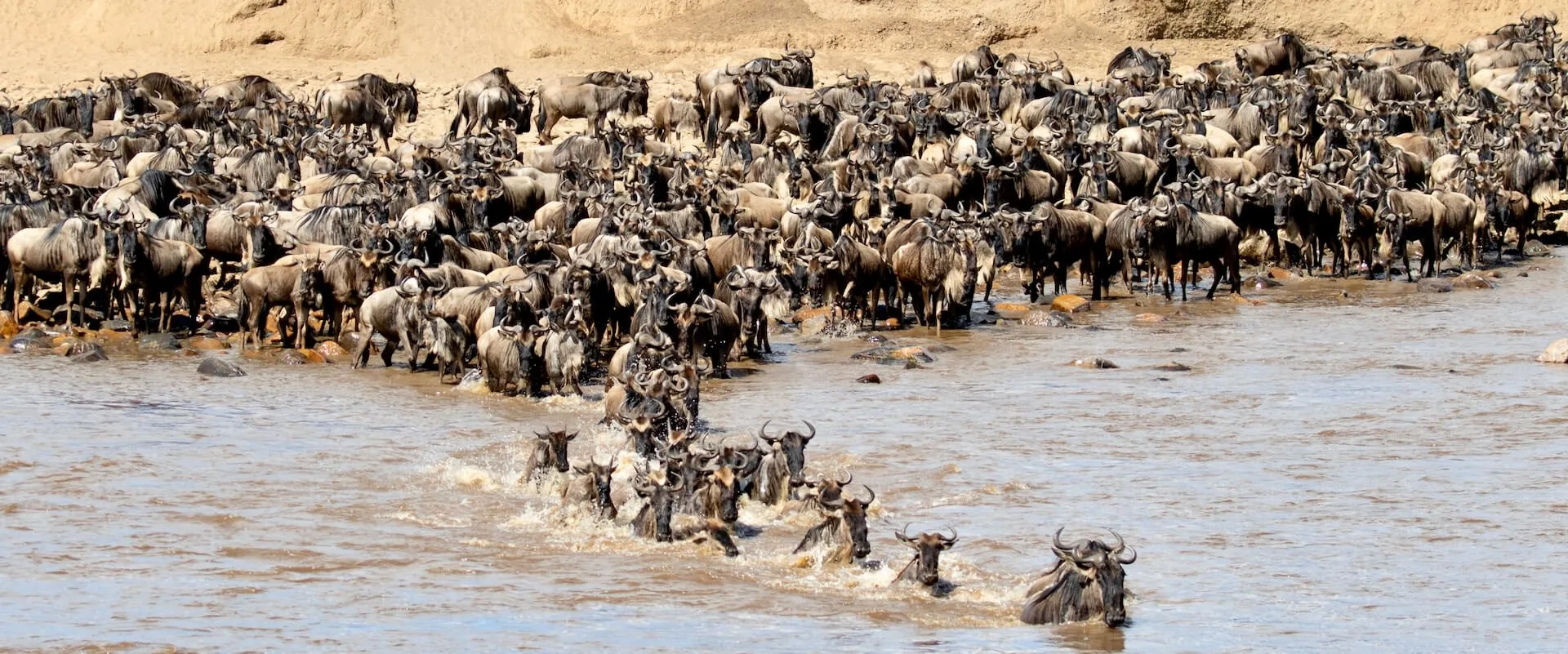
The Great Migration in Africa happens all year because the herds continuously circulate through the Serengeti–Mara ecosystem in…
Read article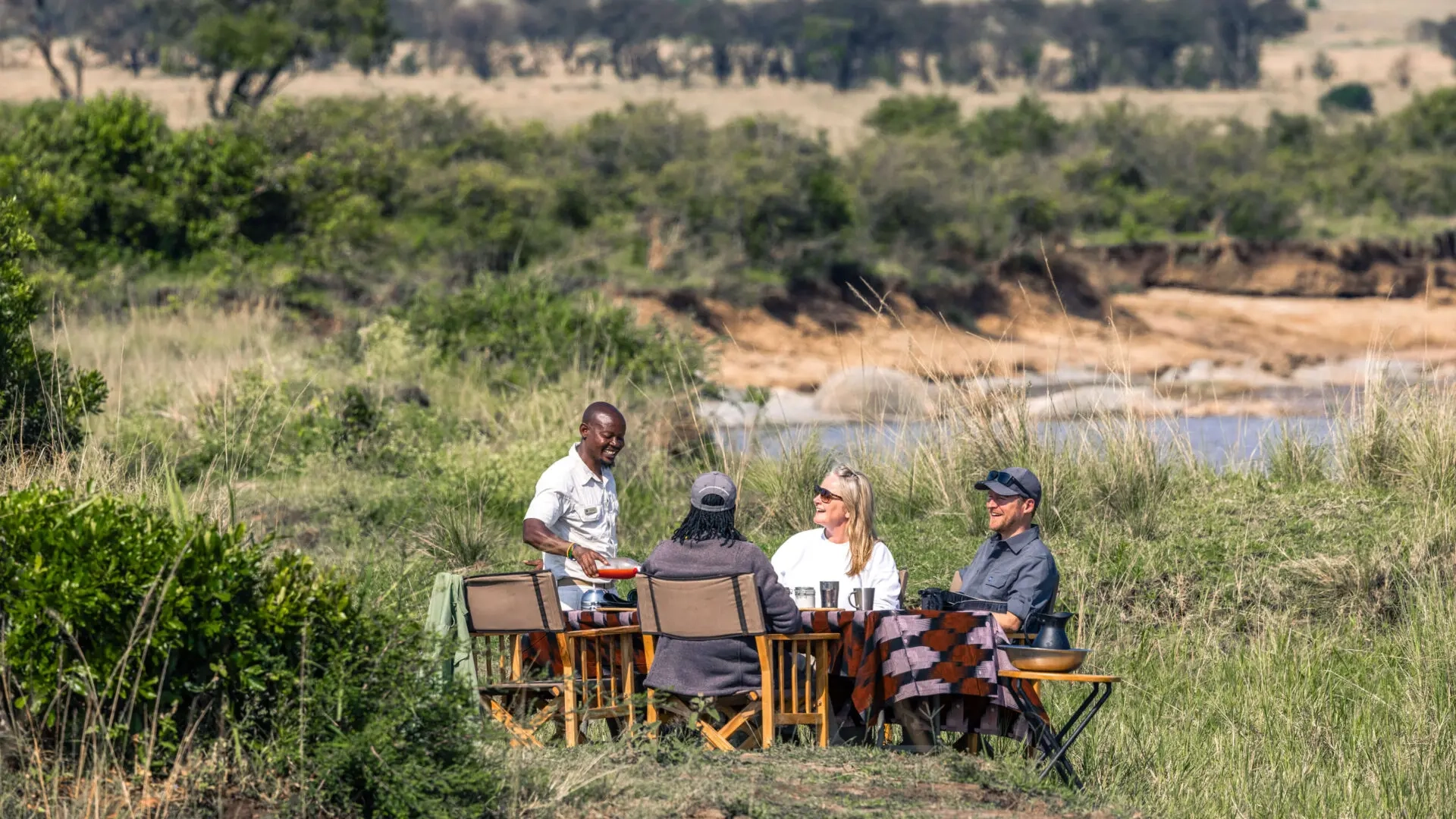
Definitive answer: A picnic lunch on safari is a packed or catered midday meal eaten at an approved…
Read article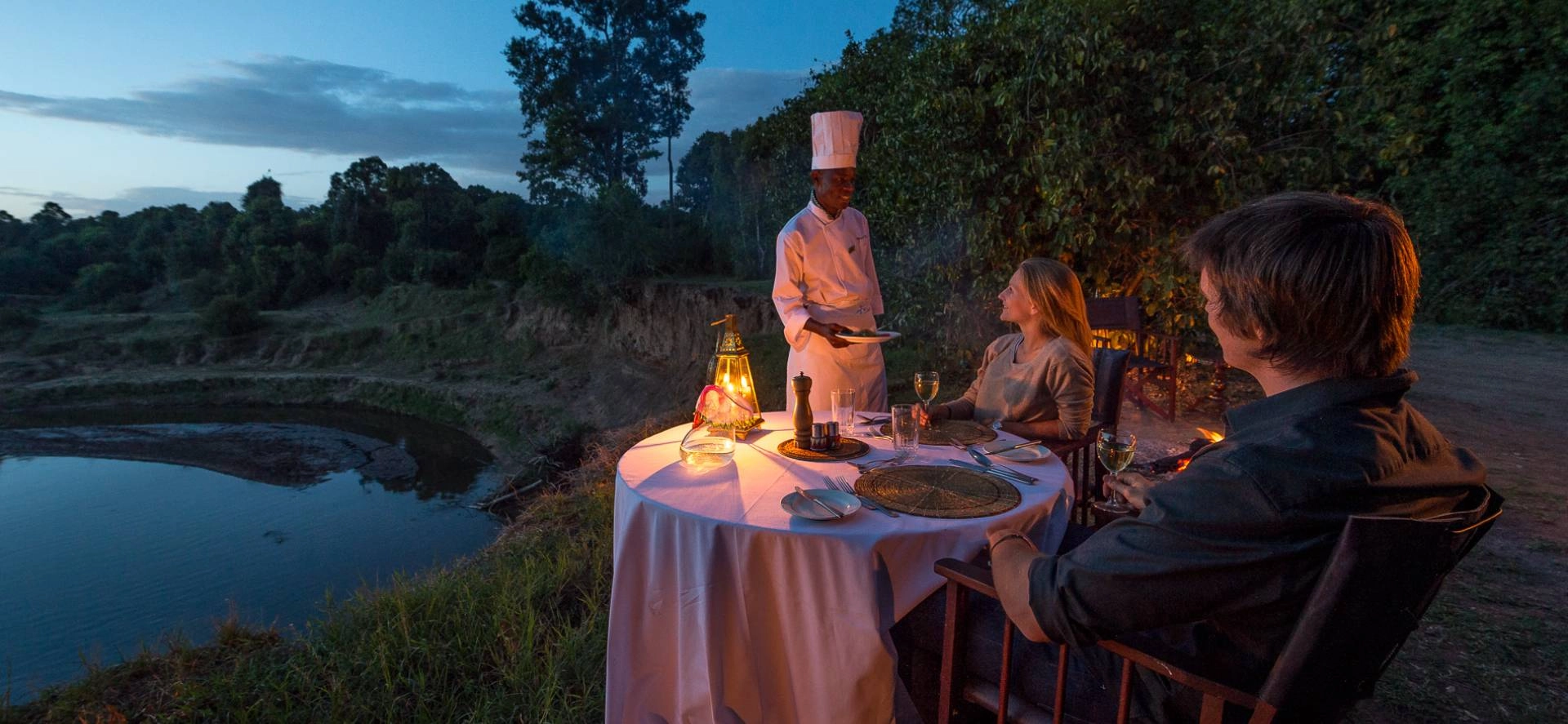
Definitive answer: A bush dinner is an outdoor evening meal arranged in a safe safari setting away from…
Read articleLet us take you closer to the wildlife, people and places that make Africa extraordinary.
Plan Your Safari Today