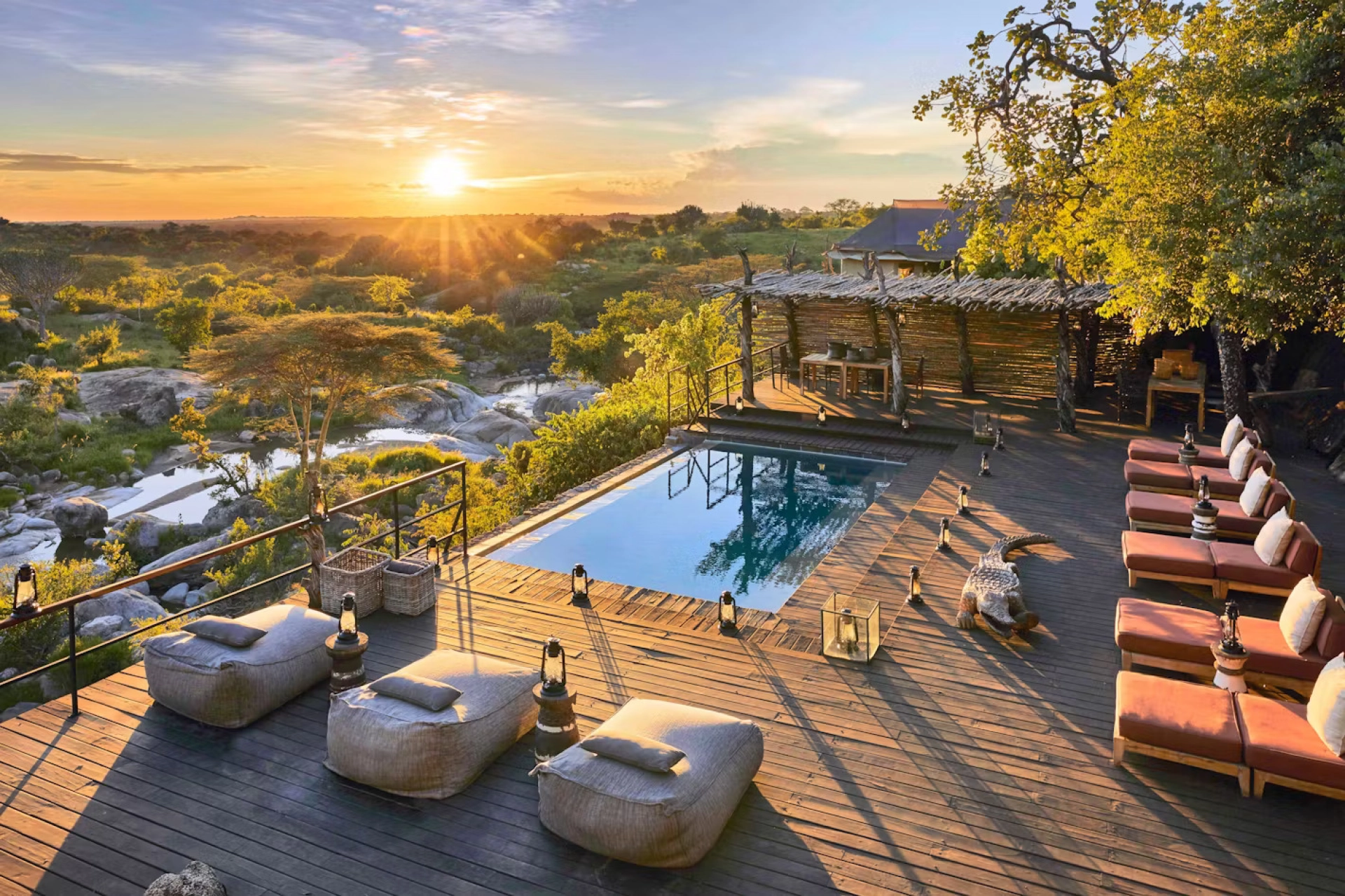
What should I look for when booking a luxury African safari?
When booking a luxury African safari, look beyond the room and compare the quality of guiding, wildlife location,…
Read article

Travel Guide
Wildlife documentaries have a remarkable ability to make distant landscapes feel familiar. Viewers spend hours following individual animals through drought, rain, territorial battles, hunts, births and changing seasons. By the end of a series, a remote…
Wildlife documentaries have a remarkable ability to make distant landscapes feel familiar. Viewers spend hours following individual animals through drought, rain, territorial battles, hunts, births and changing seasons. By the end of a series, a remote African river bend can feel almost recognisable, and a leopard or lion pride may seem less like an anonymous wild animal and more like a character whose story has been unfolding in front of us.
That emotional connection is one reason interest in a South Luangwa BBC Kingdom safari can be so powerful. South Luangwa is not simply a dramatic television backdrop. It is one of Africa’s great wildlife ecosystems and one of the continent’s most rewarding destinations for travellers who want intensive predator viewing, walking safaris, night drives, river landscapes and a style of safari that can feel more intimate than some of Africa’s busiest headline destinations.
Located in eastern Zambia, South Luangwa National Park protects a large section of the Luangwa Valley, a landscape shaped profoundly by the Luangwa River and its seasonal changes. The river twists through the valley, leaving channels, lagoons and oxbow lakes that become essential wildlife resources. Woodlands, open areas and riverine habitats create a complex ecosystem where animals constantly respond to water, food and seasonal conditions.
For safari travellers, this produces exceptional variety. Elephants move through woodland and river areas. Hippos crowd waterways. Buffalo gather in substantial numbers. Antelopes occupy different habitats. Lions patrol territories, wild dogs may be encountered, and South Luangwa has developed an especially strong reputation among safari enthusiasts for leopard sightings in Zambia. Yet focusing only on a checklist of species misses the reason South Luangwa can be so compelling.
This is a park where the structure of the safari allows travellers to understand behaviour. Morning drives, evening drives, night drives and guided walks reveal different parts of the same ecosystem. Staying several nights gives guides time to follow developing stories rather than simply searching for a new animal every hour.
For viewers inspired by wildlife documentaries, this is the important distinction. Visiting South Luangwa is not about recreating a scene you watched on television. Wild animals will not appear on command, and no guide can promise a hunt or a particular individual animal. The value lies in entering the same type of living ecosystem and allowing your own wildlife stories to unfold.
South Luangwa lies in Zambia’s eastern region within the broader Luangwa Valley. The park is associated closely with the Luangwa River, which acts as an ecological lifeline and gives the landscape much of its character. The valley is part of a larger natural system extending beyond the boundaries travellers see on a tourist map. Wildlife movements, water availability, vegetation and seasonal change interact across a much broader landscape.
The main safari gateway is associated with the Mfuwe area, which has become the logistical centre for many South Luangwa trips. From there, travellers access camps and lodges positioned in different parts of the safari region. Some properties are relatively accessible, while others are deliberately remote. The accommodation location has a major influence on the character of the safari, so travellers should not select a lodge solely by room photographs.
South Luangwa has long held a special reputation among experienced safari travellers because it combines strong wildlife viewing with a tradition of immersive safari activities. Many African parks offer excellent game drives. South Luangwa adds something more: a deep association with the walking safari. Walking changes how travellers understand the wilderness. Instead of using a vehicle to move rapidly between large animals, guests explore the ecosystem at a human pace with professional guides.
This heritage, combined with conventional game drives and night activities where operated according to local rules, gives South Luangwa unusual depth. A traveller might spend the morning tracking wildlife from a vehicle, walk later with a guide and then return to the bush after sunset to search for nocturnal species. Each activity reveals a different park.
To understand South Luangwa, begin with water. The Luangwa River and associated channels, lagoons and seasonal water sources influence where wildlife moves and gathers. During drier periods, shrinking water availability can concentrate animals around remaining resources. Predators respond to prey movements. Hippos compete for aquatic space. Elephants visit water and move between feeding areas. The resulting wildlife density can be impressive. During wetter periods, the landscape changes dramatically. Vegetation becomes greener, water spreads more widely and the ecosystem takes on a completely different appearance.
This seasonal transformation is one of the reasons repeat visitors can experience South Luangwa as though it were a different destination.
Wildlife filmmakers need more than beautiful scenery. They need animal density, behavioural opportunities, recognisable individuals and enough time to observe stories developing. South Luangwa offers all of these ingredients. Predators interact with prey across a landscape where water strongly shapes movement. Individual animals occupy territories. Seasonal pressure changes behaviour. Young animals are born, predators compete and environmental conditions continuously alter survival strategies. This is exactly the kind of ecosystem where long-form wildlife storytelling becomes possible. A safari guest will obviously not have a documentary crew’s months of field time. But spending four, five or six nights gives you a small taste of the same principle: time creates stories.
South Luangwa’s reputation for leopards is one of the strongest reasons wildlife enthusiasts visit. Leopards are famously elusive across much of Africa. Their camouflage is extraordinary, they frequently move alone and they can disappear into vegetation almost instantly. Finding them requires both luck and skilled guiding. South Luangwa’s combination of habitat, prey and professional guiding has made it one of the destinations commonly associated with rewarding leopard viewing.
However, this reputation should never be converted into a guarantee. A wild leopard decides where it goes. Weather, vegetation, prey and countless other variables influence sightings. The appropriate expectation is that South Luangwa provides excellent leopard potential, not that a leopard has been booked for your arrival.
A lion resting in open grassland may remain visible for hours. A leopard can be much more secretive. Sometimes the first clue is not the cat itself. A guide may hear alarm calls. Baboons may be reacting to something. Antelopes stare intensely toward vegetation. Tracks reveal recent movement. Then, suddenly, the spotted shape becomes visible. The process of finding a leopard can be as exciting as the sighting. This is where experienced guiding becomes invaluable. A skilled guide is not merely driving along roads hoping to encounter something. They are reading the landscape.
Leopards may receive much attention, but South Luangwa’s predator community is broader. Lions are important components of the ecosystem and can produce dramatic sightings. African wild dogs, where encountered, can provide some of the most dynamic predator behaviour on safari. Hyenas and smaller carnivores also contribute to the ecological story. Predator viewing becomes particularly interesting when guests remain in the park long enough to observe relationships. A lion pride is more meaningful when your guide explains its territory, recent movements and interactions with other predators. This is one reason a five-night South Luangwa safari often provides greater depth than a rushed two-night visit.
Lions are among the most socially complex large predators. Watching a pride reveals relationships between adults, cubs and territorial males. Much of lion life involves resting, social interaction and conserving energy rather than constant hunting. Documentaries compress weeks of observation into dramatic sequences.
Safari travellers should remember this. Seeing lions asleep beneath a tree is not a disappointing sighting. It is normal behaviour. Stay long enough and the situation may change. A lion raises its head. Another approaches. The pride begins moving as temperatures fall. Suddenly a quiet sighting becomes active.
For many experienced safari travellers, African wild dogs rank among the most exciting animals to encounter. Their social structure, coordinated movement and energetic behaviour can create unforgettable sightings. They are also conservation-sensitive animals whose populations have faced significant pressures across parts of their historical range. When a guide locates wild dogs, the atmosphere in the vehicle often changes immediately.
They can cover substantial distances, and their movements may be difficult to predict. Again, patience and experienced guiding matter.
Wildlife documentaries have often reinforced the stereotype of hyenas as thieves waiting to steal from lions. The ecological reality is far more interesting. Hyenas are capable hunters with complex social systems. Observing them in a predator-rich ecosystem provides an opportunity to understand competition between carnivores. A meaningful Zambia wildlife safari should therefore appreciate the entire predator community rather than focusing only on lions and leopards.
Elephants are another major part of the South Luangwa experience. Watching elephants in a riverine environment reveals how strongly they influence landscapes. They browse, break vegetation, open pathways and move nutrients. Family groups provide especially rewarding behavioural observations. Calves remain close to adults. Females communicate. Herds respond to perceived threats and changing conditions. Because elephants are highly intelligent social animals, spending time with one herd can be far more rewarding than photographing several different herds briefly.
The Luangwa system is strongly associated with hippos. Visitors may see them resting in water during the day, hear their calls and observe them around river habitats. Hippos are often treated comically in popular culture, but they are powerful wild animals requiring substantial distance and respect. The river environment provides an opportunity to understand their ecological role rather than viewing them merely as another species to photograph.
During periods when water becomes limited, the relationship between hippos and shrinking aquatic habitat can become particularly dramatic.
Large buffalo herds can create some of South Luangwa’s most impressive scenes. Buffalo are not simply prey animals waiting for lions. They are formidable animals with their own defensive strategies and social behaviour. Watching predators assess a buffalo herd reveals the complexity of hunting decisions. Documentary sequences may make attacks appear inevitable. In reality, predators abandon many opportunities because the risk is too high. Understanding these calculations makes predator sightings much more interesting.
South Luangwa is also associated with distinctive regional wildlife that adds interest beyond the standard Big Five conversation. The Luangwa Valley’s fauna and habitats give the safari a local identity. This is important because African wildlife tourism can become overly homogenised. Travellers sometimes imagine that every park contains the same animals in the same landscape.
In reality, each ecosystem has its own combinations, seasonal patterns and conservation priorities. Learning these differences is part of becoming a more informed safari traveller.
Birds provide constant activity even when large mammals are resting. River habitats, lagoons, woodland and open areas support diverse birdlife. For dedicated birders, South Luangwa can become a major destination in its own right. For general safari guests, learning a handful of characteristic species greatly enriches the experience. Birds also provide ecological information. Their behaviour can indicate predators. Seasonal arrivals reflect broader environmental changes. Colonies and nesting activity can become major spectacles.
A safari that ignores birds is observing only part of the ecosystem.
South Luangwa’s association with walking safaris in Zambia is central to its identity. Walking changes safari completely. A game-drive vehicle gives travellers height, speed and a degree of separation from the environment. On foot, the wilderness feels larger. A guide may stop beside a track and explain how recently an animal passed. Dung reveals diet. Plants have medicinal, ecological or cultural significance. Small creatures become visible. Wind direction becomes relevant. The experience develops humility. You understand physically that humans are only one species moving through a much larger system.
No. The goal is not to create dangerous encounters for excitement. Responsible walking is based on professional guiding, awareness and interpretation. Guides select routes according to wildlife conditions, terrain and regulations. Large animals may sometimes be observed from appropriate distances, but the value of walking does not depend on dramatic close encounters. In fact, travellers who approach walking expecting constant adrenaline may miss its greatest strength.
Walking teaches attention.
Morning can be an excellent time for walking because temperatures may be more comfortable and the landscape is becoming active. Tracks from the previous night can reveal what happened while guests were sleeping. A guide may reconstruct animal movements from signs on the ground. This creates a detective-like quality that is impossible to reproduce from a vehicle.
A few hours walking can permanently change how you experience later game drives because you begin recognising details that previously seemed invisible.
For adventurous travellers, multi-day walking programmes can create one of Africa’s deepest wilderness experiences. The exact format varies between operators and locations. Some involve walking between camps. Others use a central camp with longer daily excursions. These safaris require appropriate fitness, realistic expectations and careful packing. They are not necessarily about covering enormous distances. The value comes from remaining immersed in the landscape for extended periods.
Night changes everything. Animals that seemed inactive during the heat of the day may begin moving. Nocturnal species emerge. Predators become more active.
Guides and spotters search the darkness using trained eyes and controlled lighting practices. A South Luangwa night drive therefore adds an entirely different safari layer. For travellers accustomed to national parks where vehicles must leave before darkness, the ability to experience the transition from sunset into night can be particularly exciting. The day does not simply end when the sun disappears.
The ecosystem changes shift.
Leopards and other predators can become more active around dusk and after dark. Night drives therefore increase the range of behaviour guests may observe. But again, nothing is guaranteed. The real value is diversity. Even if the leopard remains hidden, nocturnal mammals, owls and other species can make the drive fascinating. The strongest safari mindset is curious rather than demanding.
South Luangwa has accommodation ranging across different comfort levels and safari styles. Small bush camps can provide particularly immersive experiences because the property becomes part of the wilderness rather than a retreat from it. Guests may hear animals at night. Meals are often shared in intimate settings. Guides and staff become familiar faces. There is more opportunity for conversation. Luxury in such places may be defined less by elaborate architecture and more by location, guiding, privacy and the privilege of being surrounded by wilderness.
A first-time visitor may stay in a more accessible lodge near a major game-viewing region. Repeat travellers or walking enthusiasts may prefer more remote bush camps. Neither approach is automatically superior. Accessible camps can provide excellent wildlife and convenient logistics. Remote camps can provide intimacy and fewer vehicles. A well-designed South Luangwa safari itinerary may combine the two, allowing travellers to experience different sections of the valley.
Three nights can provide an introduction, but four to six nights generally creates a much more satisfying safari for serious wildlife travellers. This gives you multiple morning and evening activities and reduces the pressure to find everything immediately. If the first game drive produces few predators, there is no panic. You have time. Longer stays are particularly valuable for photographers and travellers inspired by wildlife documentaries because behaviour develops over days. A seven-night or longer stay can be excellent for combining different camps and walking experiences.
A two-night safari often means arriving during the first day, completing perhaps one afternoon activity, having one full day and then departing the following morning. That gives very little time for an ecosystem as rich as South Luangwa. Wildlife is unpredictable. Weather changes. Animals move. A short visit can be excellent, but it depends heavily on luck. Adding even one additional night significantly improves the experience.
The ideal time depends on what you want to experience. South Luangwa changes substantially across the year. Drier periods can concentrate wildlife around remaining water and make some areas easier to access. Vegetation can become thinner, potentially improving visibility. These conditions are often associated with intense traditional game viewing. Greener periods transform the landscape. Vegetation becomes lush, birding can be rewarding and photography takes on a completely different character. Some camps and routes may operate seasonally according to access conditions.
Rather than asking for one universally “best” month, travellers should match timing to their interests.
As the landscape dries, water becomes increasingly important. Wildlife may concentrate around rivers and lagoons. Predator-prey interactions can become particularly interesting. Dust, golden vegetation and lower water levels create the classic dry-season safari atmosphere. Later dry-season conditions can also become hot. Travellers should prepare for the climate rather than assuming every safari month has mild temperatures.
Rain changes the valley dramatically.
The landscape becomes vivid. Birdlife and seasonal activity can be excellent. Photography benefits from green backgrounds and dramatic skies. Visitor numbers may also differ from peak dry-season periods. However, accessibility and camp operations vary, so itineraries need to be planned around properties operating during the intended travel period.
South Luangwa is extremely attractive for wildlife photographers because of predator potential, river landscapes and the opportunity to work with different light conditions. A private vehicle can be especially valuable. Photographers often need more time at sightings than general safari guests. One guest may be satisfied after ten minutes with a leopard. A photographer may want to wait for the animal to move into better light. Vehicle space also matters because long lenses and camera bags require room. If photography is a major objective, spend money on vehicle space and safari time before automatically upgrading every lodge.
Leopards are visually extraordinary because their coat pattern interacts beautifully with woodland and dappled light. They can also be frustrating subjects. Branches obstruct views. Light disappears. The animal turns away. The temptation is to pressure the guide to move closer. Responsible photography requires patience. The animal’s welfare and natural behaviour come first. Often the strongest photographs result from waiting rather than chasing.
Is South Luangwa suitable for a first African safari? Absolutely. A traveller does not need to begin with Kenya, Tanzania or South Africa simply because those destinations are more familiar. South Luangwa provides many of the elements people dream about when imagining safari: predators, elephants, river landscapes, professional guiding and intimate camps. The main consideration is logistics. Reaching Zambia and then the Luangwa Valley may require more planning than visiting some highly connected mainstream safari hubs. For travellers comfortable with that, the reward can be exceptional.
Repeat visitors often appreciate South Luangwa even more. Once you have already seen the Big Five, the quality of guiding and behavioural observation becomes increasingly important. Walking safaris, night drives and longer stays create exactly this type of experience. Instead of asking, “Did we see a leopard?” you begin asking, “What was the leopard doing?”
That shift represents a deeper stage of safari travel.
The Serengeti is vastly famous for its open plains, enormous ecosystem and Great Migration. South Luangwa offers a different experience. The Luangwa landscape is strongly shaped by riverine habitats and seasonal water. Walking and night-drive traditions add another dimension. A traveller whose dream is the Great Migration should prioritise the Serengeti. A traveller fascinated by leopards, walking and intimate predator observation may find South Luangwa especially compelling. Neither is universally better. They answer different safari desires.
The Masai Mara offers extraordinary predator viewing and can produce high wildlife density. Its international fame also means visitor pressure can be substantial in some areas and seasons. South Luangwa can feel different in scale and safari style. Walking opportunities and night activities can provide variety that is not available in the same way everywhere in the Mara ecosystem.
Travellers with enough time can experience both on separate journeys and appreciate how different African safari ecosystems can be.
Kruger National Park is enormous and highly accessible, with a broad accommodation network and self-drive possibilities in many areas. South Luangwa is more strongly associated with guided safari experiences and the Luangwa Valley’s distinctive ecosystem. Travellers who enjoy independent self-driving may find Kruger attractive. Those wanting guided walking, small camps and a more specialised safari structure may lean toward South Luangwa.
Within Zambia itself, Lower Zambezi National Park can complement South Luangwa beautifully. The Lower Zambezi introduces a strong river-based safari dimension, including water activities where available. South Luangwa excels in walking, predators and its distinctive river-valley ecology. A longer Zambia safari can combine both. This is often more rewarding than trying to add several countries simply for variety.
Another excellent combination pairs South Luangwa with Victoria Falls. The safari provides intensive wildlife experiences, while Victoria Falls introduces one of southern Africa’s great natural landmarks and a range of optional activities. This combination works particularly well for travellers who want more than wildlife without diluting the safari itself. Allow enough time in South Luangwa first.
The park should not be reduced to two nights merely to fit Victoria Falls into the schedule.
Travellers with larger budgets and longer holidays can combine Zambia with Botswana. The Okavango Delta provides an extraordinary contrast with South Luangwa. One destination emphasises the Luangwa Valley’s riverine and terrestrial predator ecology; the other can add wetlands, mokoro experiences and remote fly-in camps. This is a sophisticated southern African combination best suited to travellers with enough time to avoid rushing between countries.
A honeymoon safari does not need to mean only ultra-luxury lodges and private plunge pools. South Luangwa can be deeply romantic because of its intimacy. Small camps, sunset game drives, campfire dinners and wilderness sounds create experiences that cannot be manufactured by hotel design alone. Couples can combine a high-quality safari with Victoria Falls, Lake Malawi, an Indian Ocean extension or another suitable destination depending on the broader route.
Families can enjoy South Luangwa, but activity rules and age requirements need to be checked carefully. Walking safaris may have restrictions.
Some camps are more family-friendly than others. A private vehicle can improve flexibility substantially. Parents should also consider the remote nature of some camps. For families with older wildlife-loving children and teenagers, South Luangwa can be exceptionally educational.
Age alone should not determine whether someone can enjoy South Luangwa. Game drives can suit travellers across a wide range of fitness levels. Walking activities can be selected according to ability where appropriate. The key is honest planning. Senior travellers who prefer not to walk extensively can still experience the park through vehicle-based safaris. Those who are active can include guided walking. The itinerary should fit the individual rather than a stereotype about age.
The precise schedule varies by camp and season, but South Luangwa safari days often make use of the cooler morning and late-afternoon periods. Guests may wake early, have a light meal and depart for a game drive or walk. After returning, there is time for breakfast or brunch, rest and lunch. The hottest part of the day is often quieter.
Later, guests return to the wilderness as temperatures begin falling. An afternoon drive may continue through sunset and, where permitted and organised, into darkness. This rhythm provides both wildlife time and rest. It is far more sustainable over several days than trying to remain active continuously from dawn until night.
South Luangwa’s reputation is closely connected to guiding. A professional guide does not simply locate animals. They explain relationships. Why are impalas staring toward that bush? Why are vultures gathering? Why is a leopard choosing this particular route? What does a track reveal? How has the river changed since the previous season? This interpretive layer is what transforms wildlife watching into safari education. For guests inspired by documentaries, the guide becomes especially important because they help translate dramatic television storytelling into ecological reality.
This may be the most important advice for anyone travelling because of a wildlife series. The animals you watched were filmed over extended periods. Editors condensed hundreds or thousands of hours into a compelling story. Your safari may last five days. You might see a leopard on the first drive. You might wait several days. A lion hunt may happen directly beside your vehicle or nowhere near you. Wild dogs may appear unexpectedly.
Nature owes visitors nothing. That uncertainty is not a weakness of safari. It is the reason the experience is real.
Although they create expectations, documentaries can also make travellers better observers. Someone who has watched a detailed series may arrive already understanding territorial behaviour, predator competition and seasonal challenges. This background allows the guide to go deeper. Instead of asking only the animal’s name, you begin asking why it is behaving a particular way. That curiosity makes the safari much more rewarding.
A popular destination associated with television attention can attract travellers eager to reproduce specific images. Responsible operators resist that pressure. Vehicles should not surround animals unnecessarily. Guides should respect park rules. Predators should not be chased. Wildlife should not be manipulated to create dramatic photographs. The best safari companies understand that long-term conservation matters more than a guest’s social-media post.
A film set is controlled. A safari ecosystem is not. Clouds cover the sunset. A leopard walks into thick vegetation. Rain changes the road. Elephants move away. This unpredictability forces travellers to become present. You cannot schedule the best moment. You can only create enough time and use good guiding so that when something extraordinary happens, you are there to experience it.
For travellers specifically motivated by predator behaviour and documentary-style observation, we recommend thinking beyond the shortest possible visit. Four nights should be considered a useful starting point. Five or six nights provides much greater depth. Seven nights allows travellers to divide time between different camps or areas and potentially combine walking with vehicle-based wildlife viewing.
The longer stay does not guarantee more dramatic events. It simply gives nature more opportunities to surprise you.
For four nights, staying in one well-located camp can be excellent. You avoid transfer time and develop continuity with guides and local wildlife. For six or seven nights, combining two camps can introduce different habitats and safari styles.
The decision should depend on camp location and activity interests rather than a desire to collect lodge names. Moving accommodation has a cost in time. Every transfer should add meaningful value.
Packing should reflect season and activities. Lightweight practical safari clothing works for many game-drive days, while early mornings may require additional layers depending on conditions. Walking safaris require suitable closed footwear and clothing appropriate for moving through the bush. Sun protection is important. Travellers using bush flights should pay particular attention to baggage restrictions and use luggage appropriate for light-aircraft operations. Because conditions and airline policies change, request an updated packing and baggage guide before departure.
Zambia travel can involve malaria-risk areas and other health considerations. Travellers should consult a qualified travel-health professional before departure for individual advice regarding malaria prevention, vaccinations and personal medical needs. Entry requirements can also change, particularly when a journey combines several countries. Always verify current official information for your nationality and travel route.
South Luangwa can be experienced at different accommodation levels, but high-quality guided safaris and remote bush camps can represent a substantial investment. The price reflects more than the room. Remote operations require logistics, staff, guiding, vehicles, conservation fees and supplies. Fly-in arrangements may add further cost. When comparing packages, look at the number of included activities, guide quality, park access and camp location. A cheaper lodge that provides less safari time may not represent better value.
If wildlife is the priority, invest first in time. Stay enough nights. Then consider guide quality and vehicle arrangements. Photographers may benefit enormously from private vehicle access. Walking enthusiasts should choose camps with strong walking programmes. Accommodation luxury should come after these core decisions unless the lodge experience itself is one of your principal priorities.
Absolutely. Travellers sometimes assume every African trip must contain several countries. South Luangwa alone can provide enough depth for a serious wildlife holiday. A week divided between two camps can be more rewarding than rushing through three national parks in three different countries. For first-time visitors, adding Victoria Falls can create a broader holiday while keeping the wildlife section focused.
Five days provides enough time for multiple wildlife activities without requiring a long holiday. The itinerary should ideally minimise transfer time and use one well-positioned camp or carefully selected accommodation. Several morning and evening activities give travellers repeated opportunities to encounter predators and explore different habitats. For documentary-inspired visitors, five days is far stronger than a quick two-night extension.
Seven days allows the ecosystem to become familiar. You may begin recognising individual areas. Guides can follow developing wildlife stories. There is room for walking, game drives and night activities without feeling that every session must produce something dramatic. This is where the safari begins approaching the deeper observational style that attracts serious wildlife enthusiasts.
With approximately ten days, South Luangwa can be combined with another Zambian destination. Lower Zambezi or another appropriate region can create contrast. Alternatively, spend most of the time in Luangwa and finish at Victoria Falls. The best route depends on season, flight schedules and interests. The goal should be diversity without sacrificing depth.
Africa contains many extraordinary wildlife destinations. Some are famous because of spectacular annual events. Some are accessible and easy to combine. Others become favourites because of the quality of the safari itself. South Luangwa belongs strongly in the final category. It rewards patience. It rewards curiosity. It rewards travellers willing to walk. It rewards photographers who stay at sightings. It rewards guests who want to understand predators rather than merely photograph them. The park is not simply somewhere to “see leopards.” It is a landscape where the Luangwa River, seasonal water, herbivores and predators continuously shape one another.
That complexity is exactly what makes it such compelling documentary territory—and such an exceptional real-world safari destination.
A South Luangwa BBC Kingdom safari should not attempt to reproduce television. It should use the inspiration created by wildlife storytelling as the beginning of a real journey. At Adventure in the Wild Safaris, a South Luangwa experience can be incorporated into a broader Zambia safari, paired with Victoria Falls, combined with other southern African wildlife regions, or planned as a focused predator and walking safari for travellers who want to spend meaningful time in one ecosystem.
For photographers, we can prioritise longer stays and suitable vehicle arrangements. For walking enthusiasts, the itinerary can focus on camps and areas where professional walking experiences form an important part of the safari. For couples, intimate camps can create a highly personal wilderness journey. For experienced safari travellers, South Luangwa can provide exactly what many eventually begin seeking: fewer checklists, deeper observation and more time.
And for anyone arriving because a wildlife documentary made the Luangwa Valley feel strangely familiar, the greatest surprise may be discovering how much television could never show. A screen cannot reproduce the smell of dust before rain. It cannot recreate the silence when a guide suddenly stops the vehicle because they have heard an alarm call. It cannot make you feel the temperature fall after sunset.
It cannot reproduce the scale of an elephant walking past at ground level. And it cannot give you the uncertainty of knowing that the next bend in the road may reveal nothing at all—or one of the greatest wildlife moments of your life. That is why South Luangwa remains more powerful in reality than it could ever be on television.

Share This Article
When booking a luxury African safari, look beyond the room and compare the quality of guiding, wildlife location,…
Read article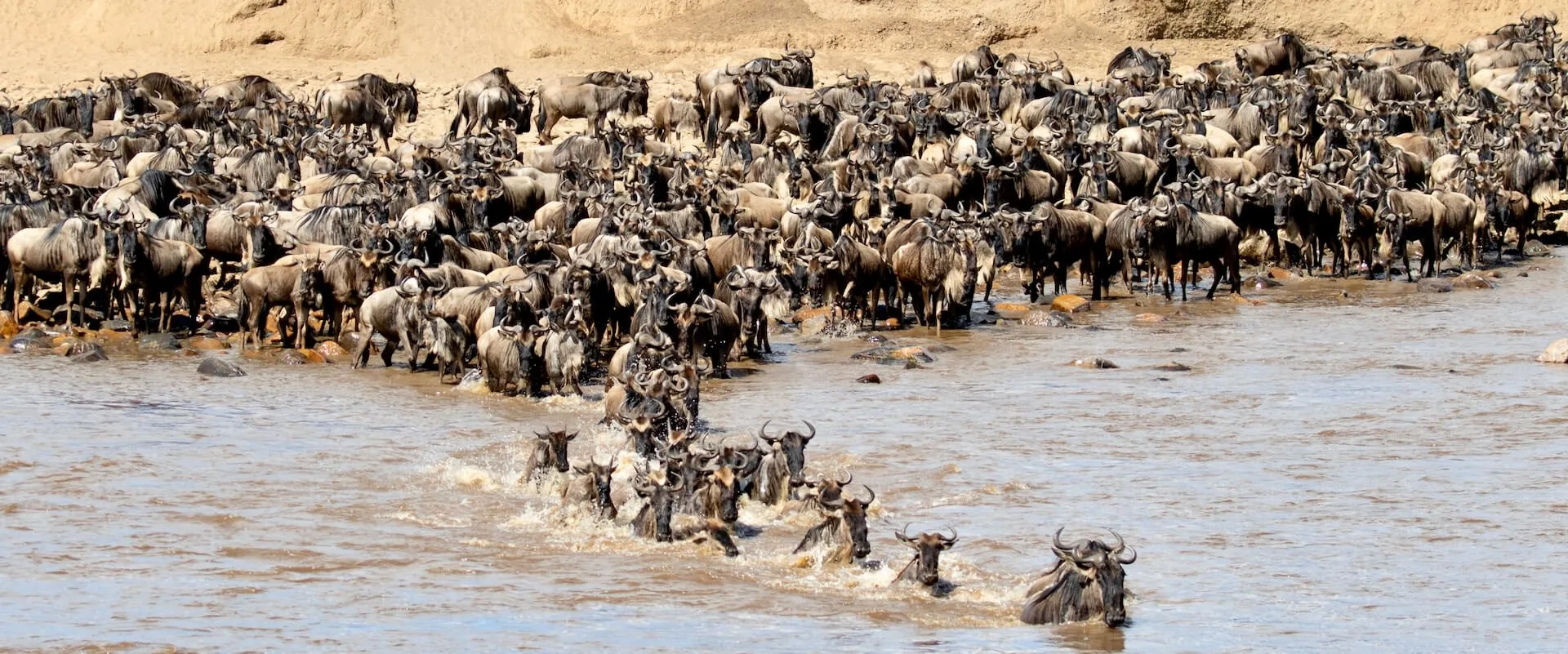
The Great Migration in Africa happens all year because the herds continuously circulate through the Serengeti–Mara ecosystem in…
Read article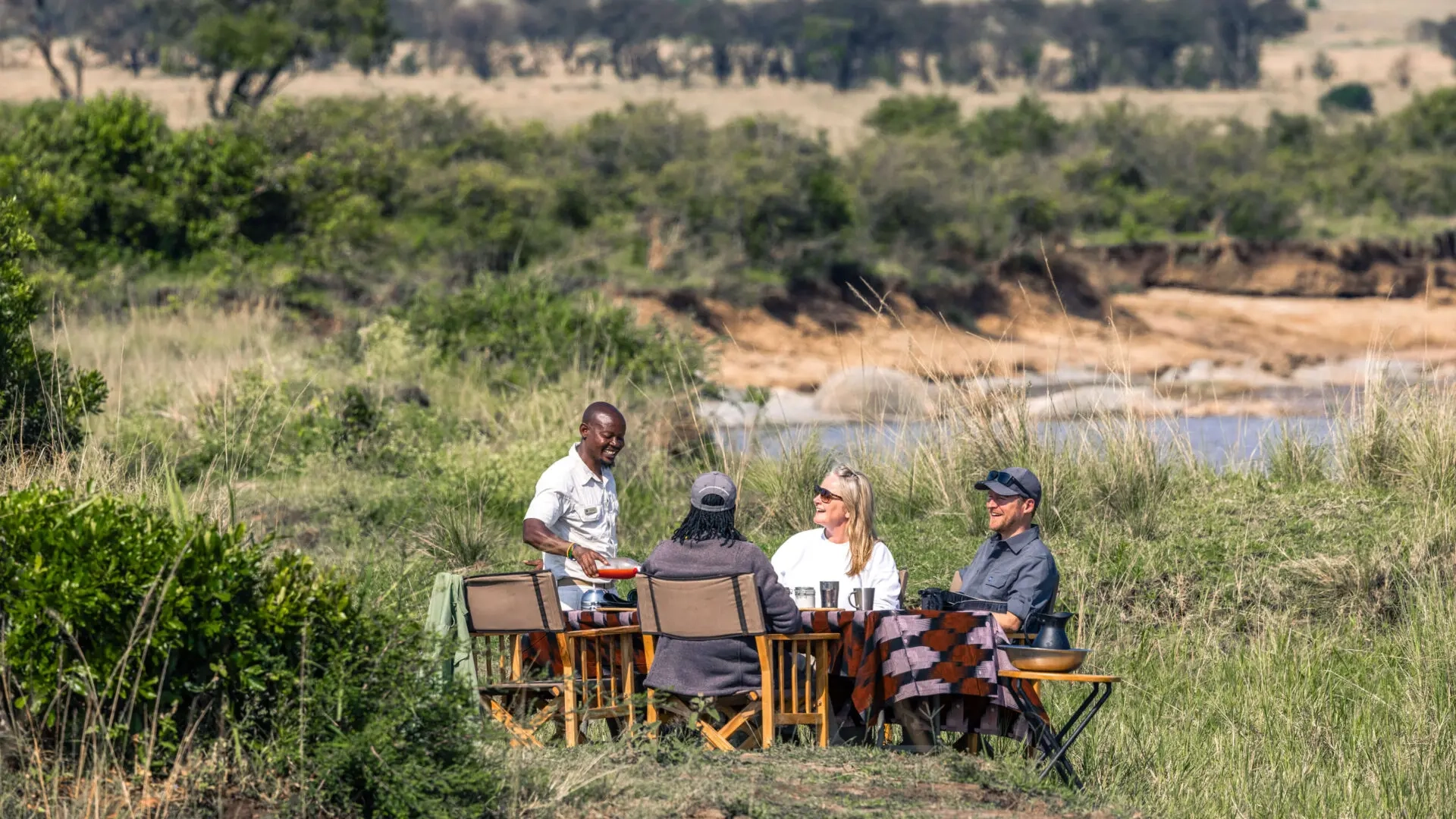
Definitive answer: A picnic lunch on safari is a packed or catered midday meal eaten at an approved…
Read article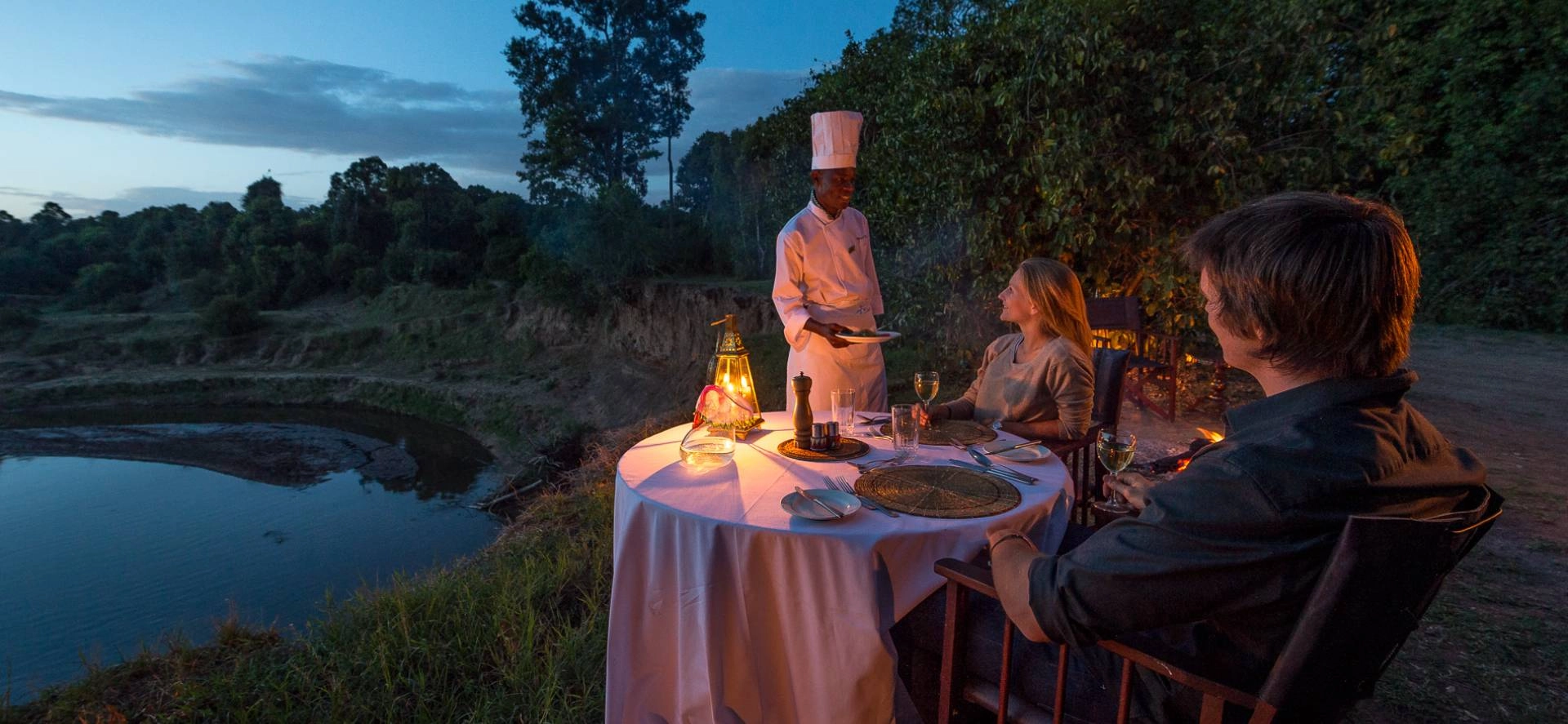
Definitive answer: A bush dinner is an outdoor evening meal arranged in a safe safari setting away from…
Read articleLet us take you closer to the wildlife, people and places that make Africa extraordinary.
Plan Your Safari Today