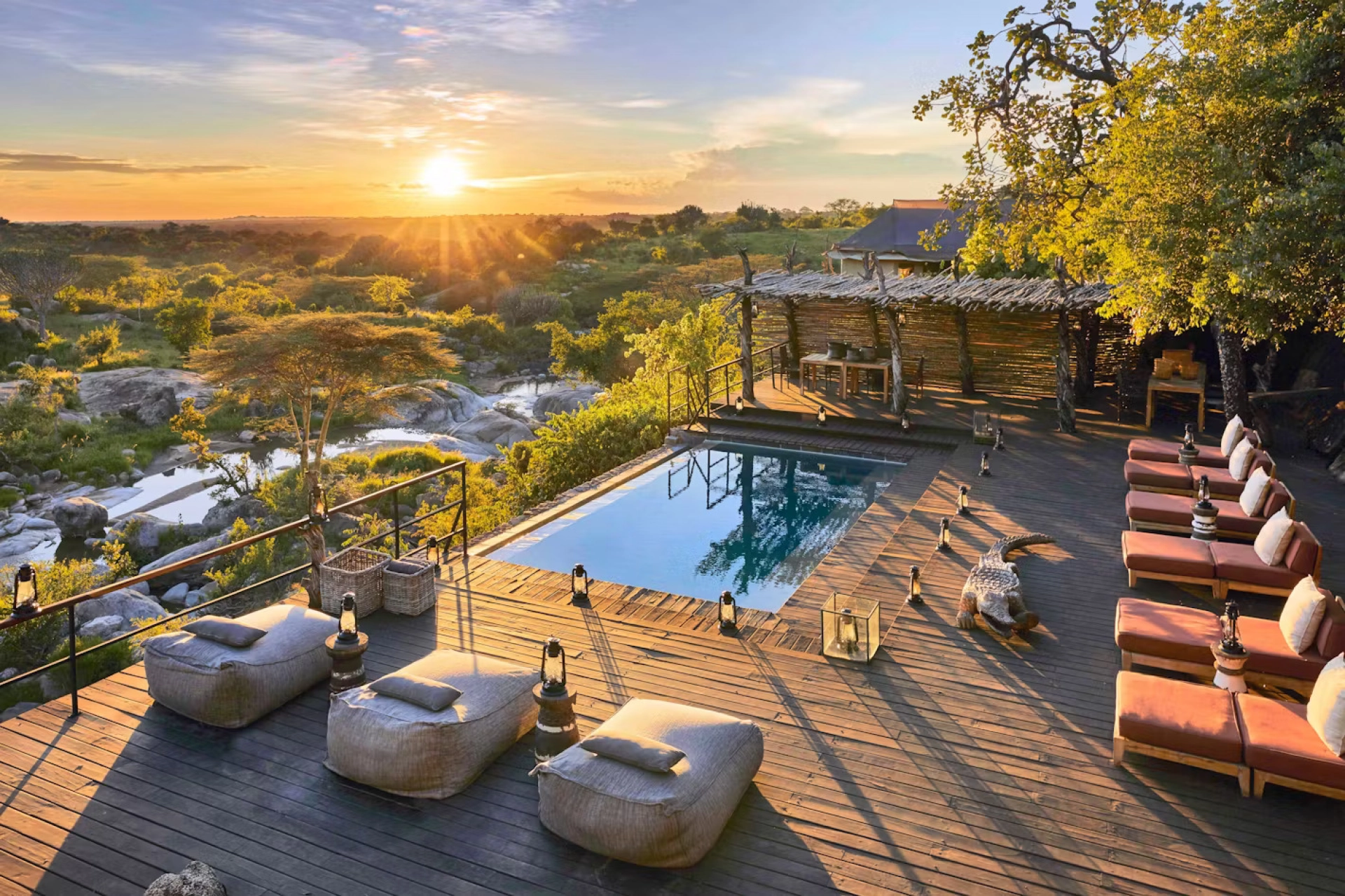
What should I look for when booking a luxury African safari?
When booking a luxury African safari, look beyond the room and compare the quality of guiding, wildlife location,…
Read article

Travel Guide
When most travellers imagine an African safari, the first image is usually a wide savannah filled with zebras, giraffes, elephants and perhaps lions resting beneath an acacia tree. Yet some of Africa's most extraordinary safari landscapes…
When most travellers imagine an African safari, the first image is usually a wide savannah filled with zebras, giraffes, elephants and perhaps lions resting beneath an acacia tree. Yet some of Africa’s most extraordinary safari landscapes contain almost none of the scenery traditionally associated with safari. Instead, there are towering red dunes. Endless salt pans. Rocky mountains. Dry riverbeds. Ancient valleys. And horizons so vast that distance becomes difficult to judge.
Welcome to the world of the African desert safari. Southern Africa contains some of the planet’s oldest, driest and most visually dramatic environments. From the enormous dunes of Namibia’s Namib Desert to the wildlife-rich expanses of the Kalahari, these landscapes offer a completely different interpretation of what an African safari can be. A Southern Africa desert safari is not necessarily about seeing huge concentrations of animals around every corner. It is about understanding how life survives where water is scarce, temperatures fluctuate dramatically and distances can seem infinite.
For photographers, adventurers, wildlife enthusiasts and travellers seeking remote wilderness, Africa’s desert regions can be among the continent’s most rewarding destinations.
Deserts create a different rhythm of travel.
Traditional safari destinations often revolve around game drives and concentrations of large mammals. Desert journeys encourage travellers to appreciate landscapes just as much as wildlife. You begin noticing details. The tracks of a gecko across a dune. An oryx standing against a red horizon. The twisted skeleton of an ancient tree. Morning light moving slowly across a mountain. A jackal crossing an apparently empty plain. Desert ecosystems demonstrate one of nature’s greatest achievements: adaptation.
Animals and plants have evolved remarkable strategies for surviving extreme heat, limited rainfall and scarce food. A desert safari in Southern Africa therefore becomes as much an ecological journey as a wildlife holiday.
The Namib Desert stretches along the Atlantic coast of southern Africa and is generally regarded as one of the world’s oldest desert environments.
Its landscapes are extraordinary. Enormous dunes rise from gravel plains. Mountains emerge unexpectedly from otherwise empty horizons. Coastal fog moves inland from the Atlantic and provides critical moisture to specially adapted plants and animals. For travellers, Namibia provides perhaps the most iconic African desert safari experience. The country is spacious, visually dramatic and remarkably varied. A journey can move from red dunes to rocky highlands, wildlife-rich drylands and a fog-bound Atlantic coastline.
Few landscapes are as immediately recognisable as Sossusvlei.
Located within the Namib-Naukluft region, Sossusvlei is famous for enormous orange-red dunes surrounding pale clay pans. Sunrise transforms the landscape. One side of a dune catches intense golden light while the opposite slope remains in deep shadow. The contrast creates extraordinary photographic conditions. For many travellers, climbing a dune is one of the defining experiences of a Namibia desert safari. The climb can be physically demanding, particularly as temperatures rise, but the views reveal the enormous scale of the surrounding dune field.
Nearby Deadvlei creates an even more surreal scene. Ancient dark tree skeletons stand against a pale clay pan, surrounded by towering dunes. It is one of Africa’s most photographed landscapes, yet standing there in person remains remarkably powerful.
The Namib may appear empty, but wildlife survives throughout the desert.
Oryx are among its most iconic residents. Also known as gemsbok, these striking antelope are superbly adapted to hot, dry environments. Their pale bodies reflect solar radiation, while physiological adaptations allow them to tolerate extreme conditions. Springbok also inhabit arid landscapes. Ostriches move across seemingly barren plains. Jackals search for opportunities wherever food can be found. Smaller desert animals can be even more fascinating. Reptiles, insects and arachnids have evolved specialised methods of dealing with heat and water scarcity.
Understanding these adaptations adds enormous depth to a Namib Desert safari.
Travel north along Namibia’s Atlantic shoreline and the desert takes on another personality.
The Skeleton Coast is famous for fog, shipwrecks, powerful surf and an extraordinary meeting between desert and ocean. Cold Atlantic currents help generate coastal fog, which can penetrate inland. This moisture supports life in an environment where conventional rainfall is extremely limited. The result is one of Africa’s most unusual ecosystems. The Skeleton Coast feels remote even by Namibian standards. Its atmosphere is completely different from Sossusvlei. Instead of brilliant red dunes beneath clear skies, travellers may encounter pale sand, mist and a coastline that appears to continue indefinitely.
One of Namibia’s most remarkable wildlife experiences is searching for desert-adapted elephants. These elephants inhabit arid northwestern landscapes and move through dry river systems searching for water and vegetation. They are not a separate species, but their behaviour reflects generations of adaptation to extremely dry conditions. Watching elephants move through a desert environment is dramatically different from seeing them beside a lush East African river or Botswana floodplain. Their presence demonstrates just how adaptable African wildlife can be.
A Namibia wildlife safari that includes these arid regions therefore combines landscape travel with genuine big-game viewing.
Damaraland is one of Namibia’s most compelling regions. Rocky mountains, dry valleys, gravel plains and ancient geological formations create a landscape that feels almost prehistoric. Wildlife densities may be lower than in traditional national parks, but the encounters can feel particularly meaningful because animals survive within such challenging conditions. Elephants, giraffes and various antelope species move through the region. Black rhinos also survive in parts of northwestern Namibia, supported by important conservation initiatives.
Tracking rhinos in these vast landscapes can become one of the most memorable experiences of a Southern Africa safari.
The Kalahari covers an enormous area across Botswana, Namibia and South Africa. Although commonly described as a desert, much of the Kalahari receives more rainfall and supports considerably more vegetation than the hyper-arid Namib. It is better understood as a vast semi-arid sandy basin. This distinction matters because the Kalahari can support impressive wildlife populations. Grasslands stretch between thorn trees. Predators patrol open areas. Antelope gather where seasonal conditions create productive grazing.
The Kalahari therefore combines the feeling of desert wilderness with excellent wildlife viewing.
Botswana’s Central Kalahari Game Reserve is one of Africa’s great wilderness destinations. The scale is difficult to comprehend. Huge skies dominate the landscape. Roads cross grasslands and fossil river valleys where wildlife has adapted to seasonal extremes. A Central Kalahari safari is particularly appealing to travellers who value remoteness. Unlike some famous safari areas where vehicles may gather around major predator sightings, the Central Kalahari can provide long periods in which travellers feel almost completely alone.
That solitude is part of its attraction.
The Kalahari supports an impressive range of animals. Lions are among the most famous. The region’s Kalahari lions are often associated with impressive dark-maned males, although appearance varies between individuals. Cheetahs are well suited to open terrain. Brown hyenas inhabit arid landscapes and can be a particularly rewarding sighting. Oryx and springbok are common representatives of desert-adapted herbivores. Bat-eared foxes, jackals and meerkats add another dimension. For wildlife enthusiasts who have already experienced more traditional safari ecosystems, the Kalahari provides opportunities to observe a distinctive community of species.
Botswana contains another remarkable arid environment: the Makgadikgadi Pans. These enormous salt pans are remnants of an ancient lake system. During the dry season, portions of the landscape can appear almost impossibly empty. White salt stretches toward the horizon. Heat shimmers distort distance. The sense of space is extraordinary. Then seasonal rains transform the region. Water and fresh vegetation attract wildlife, creating one of Africa’s great ecological contrasts. A Makgadikgadi safari therefore changes dramatically according to the time of year.
Seasonal rainfall can trigger large-scale movements of zebras and other herbivores through parts of Botswana’s arid landscapes. These movements demonstrate why deserts should never be considered biologically empty. Rain can completely reorganise an ecosystem. Areas that appear barren during one season can become productive grazing grounds during another. Predators respond accordingly. Lions, cheetahs, hyenas and other carnivores follow prey movements. For travellers, understanding seasonality is essential when planning a Botswana desert safari.
Few desert animals have captured public imagination like meerkats. These small members of the mongoose family live in highly social groups. Watching them emerge from burrows in the cool morning is both entertaining and educational. Individuals may stand upright while scanning for predators. Others forage across the ground. Young animals learn through observation and interaction. Meerkat experiences can become a delightful contrast to traditional game drives focused on Africa’s largest mammals.
They are also an excellent reminder that memorable safari encounters do not require enormous animals.
South Africa also provides access to Kalahari landscapes. The Kgalagadi Transfrontier Park, shared with Botswana, protects an enormous arid ecosystem characterised by red dunes, dry riverbeds and sparse vegetation. The park is famous among wildlife photographers. Predator sightings can be excellent. Lions, cheetahs and leopards occur alongside jackals, hyenas and numerous raptors. Waterholes can become important wildlife-viewing locations, particularly during dry periods. The open environment also provides excellent photographic backgrounds.
A lion walking across red Kalahari sand creates a completely different image from one moving through green savannah.
For landscape photographers, southern Africa’s deserts are extraordinary. Light interacts dramatically with dunes, rock and dust. Early mornings produce long shadows. Evenings can transform pale landscapes into intense shades of orange and gold. Night skies are another attraction. Remote desert areas experience extremely low levels of artificial light, making them outstanding destinations for astrophotography in Africa. The Milky Way can dominate the sky. Stars appear brighter and more numerous than most travellers from urban environments have ever experienced.
A desert safari therefore continues long after sunset.
There is no single best month for every desert region. Seasonal conditions vary considerably. In Namibia, the cooler dry months are particularly popular because daytime temperatures are generally more comfortable for exploring desert landscapes. Mornings can be surprisingly cold. Travellers often underestimate how dramatically desert temperatures change between day and night. The Kalahari follows different ecological rhythms. Rain can transform dry landscapes into productive grasslands, attracting wildlife and creating excellent photography.
The best season therefore depends on what you want to experience. If landscapes are the priority, weather comfort and photographic light may guide your decision. If wildlife is the priority, seasonal animal movements become more important.
Desert travel requires preparation. Temperature variation is one of the biggest considerations. A morning game drive can be extremely cold, while midday temperatures may become intense. Layered clothing works well. Sun protection is essential. A broad-brimmed hat, sunglasses and high-quality sunscreen should be standard equipment. Hydration is equally important. Camera equipment should be protected from dust and sand. Binoculars remain valuable even in apparently open landscapes because wildlife may be visible at considerable distances.
Namibia is particularly famous for self-drive safari holidays. The country’s road network makes independent exploration possible across many major routes. However, distances are substantial. Fuel availability should be monitored carefully. Remote roads may have limited services. Drivers should understand local road conditions and avoid unrealistic daily distances. Some desert areas require specialised vehicles, permits or guided access. Travellers should therefore research routes carefully rather than assuming every attraction is accessible in an ordinary vehicle.
A guided African desert safari offers significant advantages. Experienced guides can identify animal tracks that visitors might completely overlook. They understand geology, desert plants, seasonal water sources and wildlife behaviour. In places like Damaraland, local knowledge can be particularly important when searching for desert-adapted elephants or rhinos. Guides also reveal how apparently empty landscapes function as complex ecosystems.
Plants provide some of the most extraordinary examples of desert adaptation. Namibia’s famous Welwitschia can survive for extraordinarily long periods in extremely arid environments. Other plants store water, reduce leaf surface area or develop root systems capable of exploiting limited moisture. Desert vegetation may initially appear sparse. Look closer and the landscape becomes an ecological laboratory. Understanding these plants changes the way travellers see the desert.
One of the best ways to experience southern Africa is to combine contrasting ecosystems. A Namibia itinerary can include Sossusvlei, Damaraland and Etosha. Botswana travellers can combine the Kalahari with the Okavango Delta. The contrast is extraordinary. One day you may be watching lions crossing a dry sandy landscape. Several days later you could be travelling through wetlands by mokoro while elephants feed beside permanent channels. This diversity is one of southern Africa’s greatest strengths.
For travellers wanting both dramatic landscapes and classic wildlife, combining the Namib Desert with Etosha National Park works particularly well. Etosha is famous for wildlife gathering around waterholes. Elephants, lions, giraffes, zebras and numerous antelope species can be encountered. After days photographing dunes and empty horizons, arriving at a busy Etosha waterhole creates a dramatic change of pace. This combination produces a remarkably complete Namibia safari itinerary.
Botswana offers an equally dramatic combination. The Central Kalahari represents scarcity. The Okavango Delta represents abundance. The Kalahari’s sandy landscapes and seasonal water contrast with the channels, lagoons and floodplains of the Okavango. Experiencing both on the same journey demonstrates how strongly water determines African ecosystems.
A desert safari should not be considered a replacement for a traditional savannah safari. It is a different experience. Savannah destinations may provide greater concentrations of large mammals. Deserts offer scale, silence, geological drama and specialised wildlife. Travellers interested primarily in seeing as many large mammals as possible may prefer classic safari areas. Those interested in landscapes, photography, ecology and remote wilderness may find desert safaris exceptionally rewarding. Ideally, experience both.
Distances across Namibia and Botswana are enormous. Rushing is one of the most common planning mistakes. Travellers often underestimate how much time is required to move between destinations. A well-designed desert itinerary should allow time to stop, photograph landscapes and experience sunrise and sunset. For Namibia, ten days can provide an excellent introduction, while two weeks or more allows a considerably richer exploration. Shorter trips can focus on specific regions rather than attempting to cover the entire country.
A desert safari can work well for families, particularly older children interested in wildlife, geology and outdoor adventure. Dune climbing can be exciting. Meerkats are fascinating. Stargazing can become an unforgettable evening activity. However, long driving distances should be considered carefully when travelling with younger children. A thoughtfully paced itinerary is essential.
Southern Africa also offers exceptional luxury desert safari lodges. Some are located in astonishingly remote landscapes. Luxury in the desert is not simply about elaborate accommodation. It is about access. A lodge overlooking an enormous wilderness can provide experiences difficult to replicate independently. Private guides, scenic drives, guided walks, star beds and specialised desert activities can transform the journey.
Desert ecosystems often appear resilient because they look harsh. In reality, many are extremely fragile. Vehicle tracks can remain visible for years. Plants may grow exceptionally slowly. Wildlife depends on limited water and food resources. Responsible travellers should therefore remain on authorised routes, follow local regulations and avoid disturbing wildlife. Supporting conservation-focused accommodation and community tourism initiatives can help ensure that tourism contributes positively to desert regions.
Southern Africa’s desert regions are also human landscapes. Communities have lived in and around these environments for generations. Cultural experiences can add important context to a safari when they are organised respectfully. Learning about traditional knowledge, livestock, water use, plants and survival strategies reveals that adaptation to arid environments is not limited to wildlife. Responsible cultural tourism should prioritise dignity, genuine interaction and benefits for local communities.
Absolutely. But travellers should understand what they are choosing. A desert safari is not necessarily about seeing animals every few minutes. It is about scale. Silence. Adaptation. Light. Geology. Isolation. And the extraordinary ability of life to survive in landscapes that initially appear empty. For some travellers, those qualities make desert safaris even more powerful than conventional game drives.
For travellers planning their first Southern Africa desert safari, several regions stand above the rest. Namibia’s Sossusvlei and Namib Desert offer the continent’s most iconic dune landscapes. The Skeleton Coast provides a haunting meeting of desert and ocean. Damaraland combines dramatic geology with desert-adapted wildlife. Botswana’s Central Kalahari Game Reserve delivers genuine wilderness and predator viewing. The Makgadikgadi Pans provide vast salt landscapes and fascinating seasonal wildlife movements. The Kgalagadi Transfrontier Park is particularly rewarding for photographers and predator enthusiasts.
Together, these destinations demonstrate that there is no single African desert experience. Each landscape has its own personality.
An African desert safari changes the meaning of wilderness. In the savannah, wildlife often dominates the experience. In the desert, the landscape itself becomes the main character. A lone oryx standing beneath an enormous dune can feel more dramatic than a herd of animals on a busy plain. An elephant walking through a dry Namibian riverbed tells a story about adaptation. A Kalahari lion resting beneath sparse shade demonstrates the constant negotiation between predator, prey, temperature and water.
And standing beneath the stars in a remote desert reveals something increasingly difficult to experience elsewhere: genuine darkness and silence. For travellers willing to look beyond the traditional safari circuit, the deserts of Southern Africa offer some of the continent’s greatest adventures. From the red dunes of the Namib Desert and haunting landscapes of the Skeleton Coast to the wildlife-rich Kalahari Desert, Central Kalahari Game Reserve, Makgadikgadi Pans and Kgalagadi, these are places where distance, silence and survival define the journey.
A Southern Africa desert safari is therefore much more than a journey through empty land. Look closely. The desert is anything but empty.
Get quick answers to the most common questions. If you still have questions, our safari experts are here to help.
Namibia and Botswana offer some of Africa’s finest desert safari experiences. Namibia is particularly famous for the Namib Desert, Sossusvlei, Skeleton Coast and Damaraland, while Botswana offers the Central Kalahari Game Reserve and Makgadikgadi Pans.
Yes. Desert and semi-desert ecosystems support remarkable wildlife, including oryx, springbok, elephants, giraffes, lions, cheetahs, brown hyenas, jackals, meerkats and numerous birds and reptiles.
The Namib is an extremely arid coastal desert strongly influenced by Atlantic conditions, while much of the Kalahari is a semi-arid sandy basin supporting more vegetation and, in many regions, higher concentrations of wildlife.
Yes. Sossusvlei is one of Namibia’s most spectacular destinations and is famous for enormous red dunes, dramatic light and the surreal landscapes of nearby Deadvlei.
Absolutely. Namibia’s desert regions can be combined with Etosha, while Botswana’s Kalahari can be combined with the Okavango Delta and other wildlife areas.
Yes. Namibia is one of Africa’s most popular self-drive destinations, although travellers should carefully plan fuel stops, road conditions, distances and vehicle requirements.
The Kalahari supports lions, cheetahs, leopards, brown and spotted hyenas, oryx, springbok, wildebeest, jackals, bat-eared foxes, meerkats and many bird species.
The cooler dry months are popular because temperatures are generally more comfortable for outdoor exploration. However, Namibia can be visited throughout much of the year depending on the route and traveller preferences.
Our safari experts are here to help you plan your safari. Get personalized advice, the latest information and a free, no-obligation quote.
We typically reply within a few hours.

Share This Article
When booking a luxury African safari, look beyond the room and compare the quality of guiding, wildlife location,…
Read article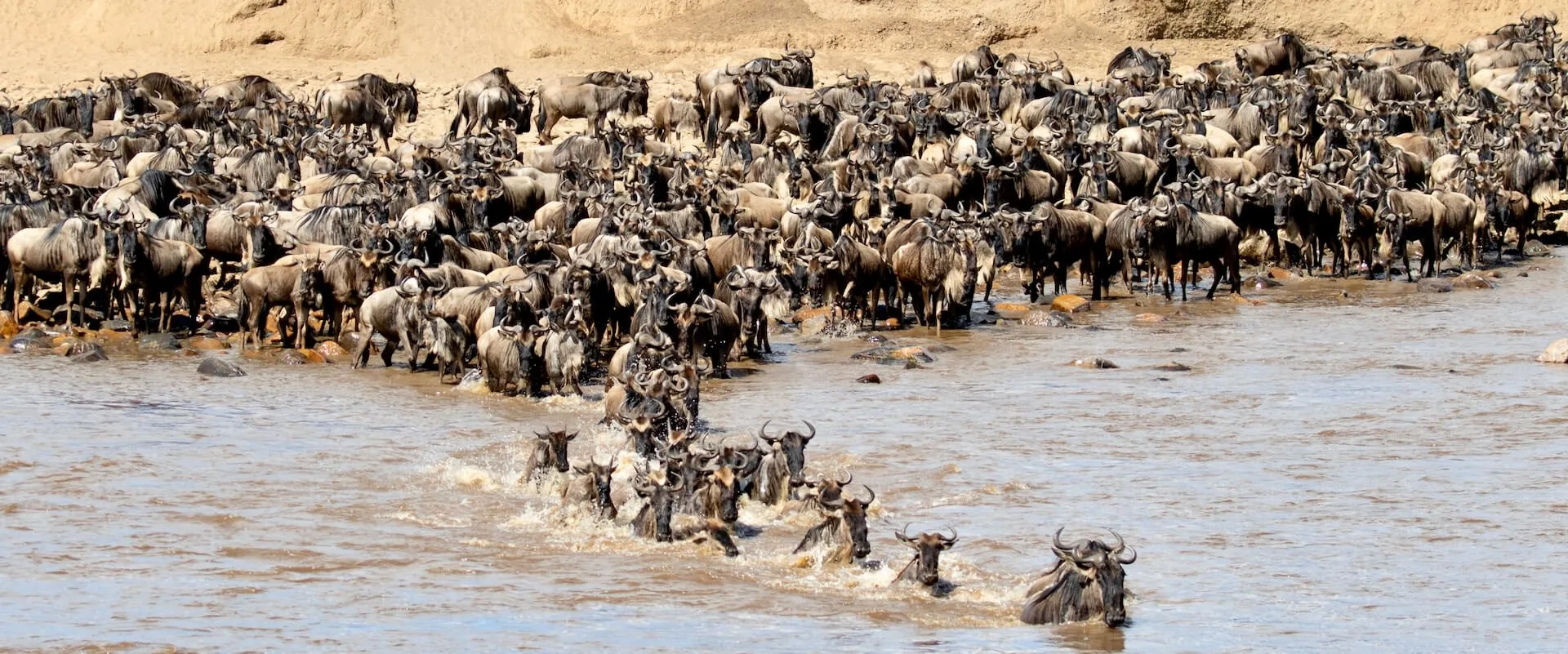
The Great Migration in Africa happens all year because the herds continuously circulate through the Serengeti–Mara ecosystem in…
Read article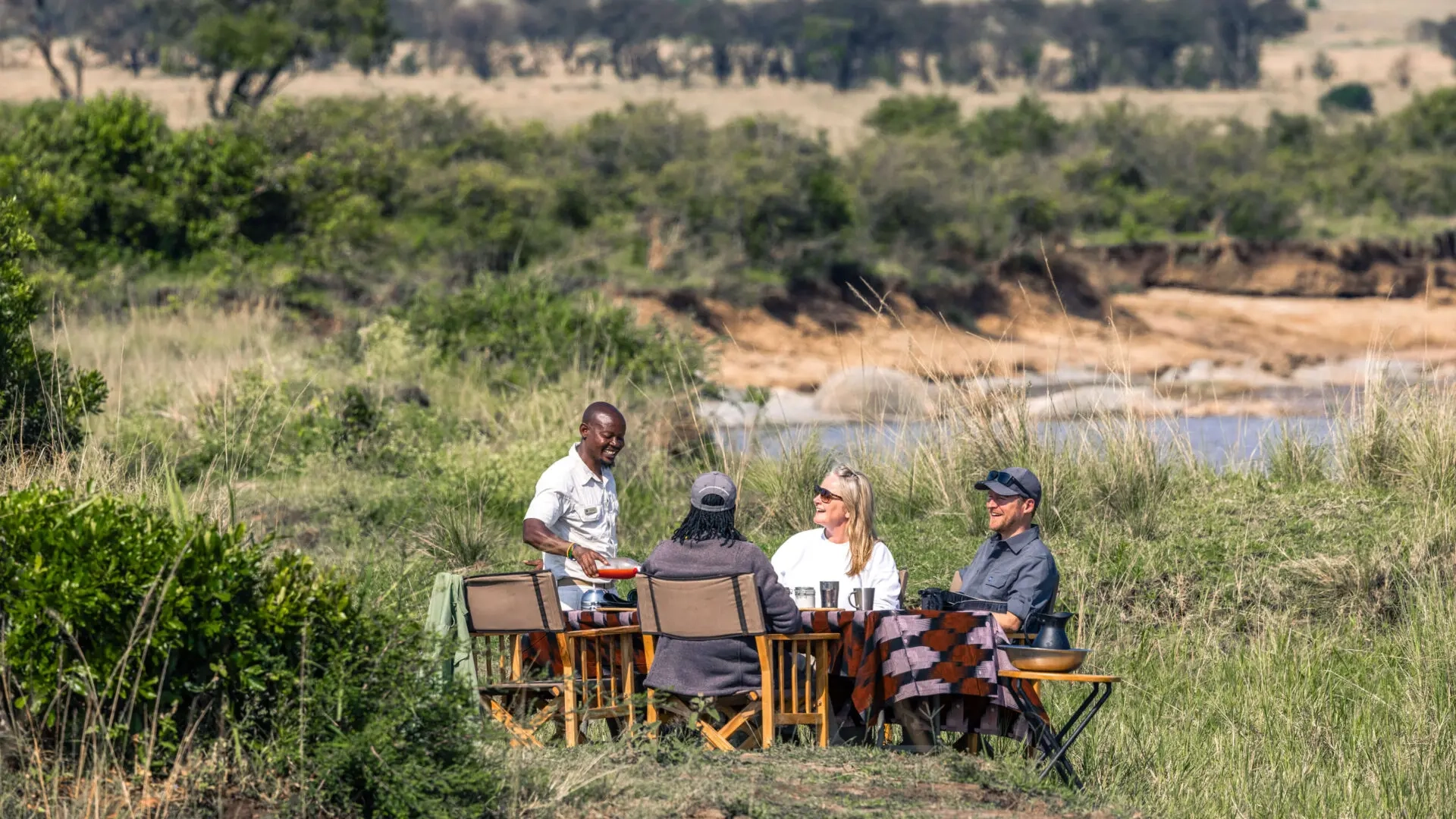
Definitive answer: A picnic lunch on safari is a packed or catered midday meal eaten at an approved…
Read article
Definitive answer: A bush dinner is an outdoor evening meal arranged in a safe safari setting away from…
Read articleLet us take you closer to the wildlife, people and places that make Africa extraordinary.
Plan Your Safari Today