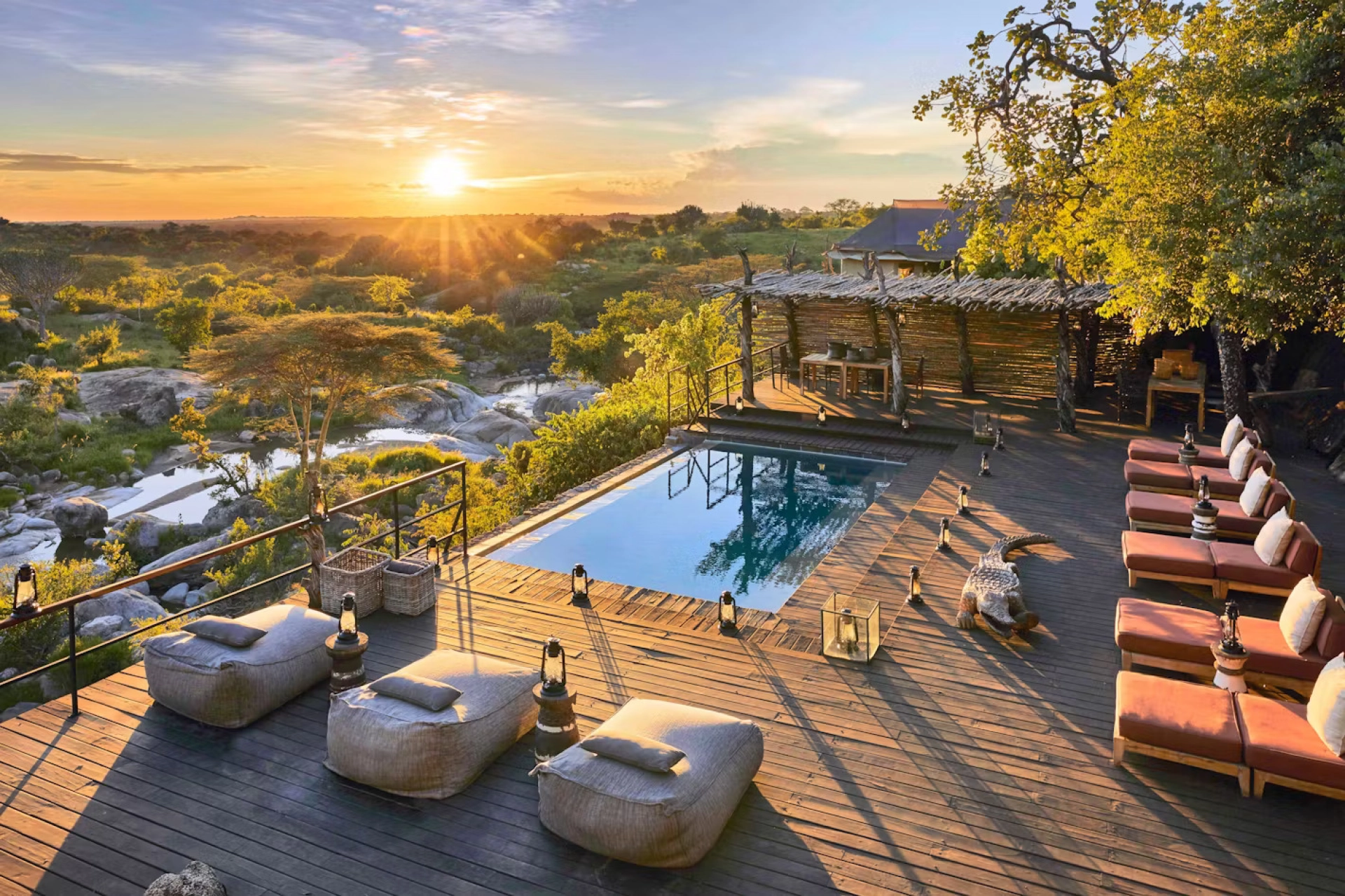
What should I look for when booking a luxury African safari?
When booking a luxury African safari, look beyond the room and compare the quality of guiding, wildlife location,…
Read article

Travel Guide
An elephant footprint looks completely different when you stand beside it. From a safari vehicle, tracks are often little more than marks in the dust. On foot, they become stories. Your guide kneels beside the spoor…
An elephant footprint looks completely different when you stand beside it. From a safari vehicle, tracks are often little more than marks in the dust. On foot, they become stories. Your guide kneels beside the spoor and studies the edges. The impression may reveal how recently an elephant passed, which direction it traveled and whether the ground was damp when it walked across the trail. A few metres farther on, another sign appears: fresh dung, a snapped branch or bark rubbed from a tree.
Suddenly the safari is no longer about driving from lion to leopard and ticking animals from a checklist. You are reading the landscape. That is the essence of an African walking safari. A walking safari strips away the physical separation created by the safari vehicle and places travelers directly inside the bush. Sounds become sharper. Distances feel larger. The smell of wild sage, dust, damp earth and animal dung becomes part of the experience.
Small details that would disappear at vehicle speed become fascinating: antlion funnels, termite structures, animal tracks, feathers, seed pods, spider webs and the complex relationships between plants and wildlife. Southern Africa is particularly famous for this style of safari. Zambia is widely associated with the development of the modern guided walking safari, especially in South Luangwa National Park, which Zambia Tourism describes as the place where the now-famous walking safari originated and remains one of the finest ways to explore the wilderness.
Zimbabwe’s Mana Pools offers a very different walking culture, while Botswana’s Okavango Delta, parts of South Africa and remote areas of Namibia provide additional opportunities. Walking does not replace game drives. Instead, it transforms your understanding of what a safari can be. This detailed guide explains what an Africa walking safari involves, where to go, what wildlife you may encounter, how guides manage safety, when to travel and how to choose between short bush walks and serious multi-day walking expeditions.
At its simplest, a walking safari is a guided wildlife experience undertaken on foot rather than in a vehicle. That description, however, covers a wide variety of activities. Some lodges offer gentle nature walks lasting two or three hours. Others specialize in full walking days. The most adventurous operators run mobile walking safaris, where travelers move between camps on foot and spend several nights deep in wilderness areas. The experience also varies greatly between ecosystems.
Walking through the open floodplains of Zambia feels very different from exploring woodland in South Africa or moving between islands in Botswana’s Okavango. The defining element is pace. You slow down. Once the objective is no longer to cover twenty kilometres of roads before breakfast, the safari becomes more detailed.
A safari vehicle gives travelers tremendous mobility. You can cover large areas, approach wildlife relatively efficiently and reach distant sightings quickly. The vehicle also becomes a familiar object to many animals. On foot, you are slower and far more aware of your environment. That perceived vulnerability changes your attention. A branch snapping somewhere ahead suddenly matters. A flock of oxpeckers moving from one tree to another might indicate large mammals nearby.
Alarm calls from baboons or impala become meaningful. The wind direction becomes important because animals can detect human scent. The guide’s movements become deliberate. This creates a level of concentration difficult to replicate from a vehicle.
People sometimes ask whether walking safaris are disappointing because you cannot approach lions or elephants as closely as you can in a safari vehicle. That misunderstands the purpose. A guided walking safari is not designed primarily to produce close-up Big Five photographs. Its greatest reward is understanding the ecosystem. You learn how trackers distinguish lion spoor from leopard tracks. You may discover how termites maintain enormous colonies. Your guide can explain medicinal or ecological uses of plants.
You learn why certain trees attract elephants, how antelope use scent and how vultures locate food. Bird calls become useful information rather than background noise. Droppings reveal diet. Footprints reveal movement. A walking safari therefore makes the bush intellectually richer.
Walking in African wilderness containing elephants, buffalo, lions and other dangerous animals carries genuine risk. That is precisely why responsible walking safaris rely on trained professionals, strict procedures and careful decision-making. In most major destinations, walks are led by an experienced professional guide and accompanied where required by an armed ranger or scout. Zambia Tourism, for example, describes South Luangwa nature walks as being accompanied by a qualified walking guide and armed ranger.
Guides assess wind direction, visibility, animal behavior, vegetation and escape routes. They do not simply walk directly toward dangerous wildlife for dramatic photographs. The objective is controlled observation. Guests also receive a safety briefing before departure. Following those instructions is essential.
The most important rule is simple: listen to your guide. If the guide says stop, stop immediately.
If you are asked to move quietly, do so. Do not break away from the group to photograph something. Do not run. Do not shout unless specifically instructed. Keep phones silent. Avoid sudden movements around wildlife. Walk in the formation requested by the guide. These procedures exist because guides need to manage the group as one predictable unit.
No destination is more closely associated with African walking safaris than South Luangwa. Zambia Tourism describes South Luangwa as one of the world’s great wildlife sanctuaries and identifies the Luangwa River as the park’s ecological lifeblood. The destination is particularly celebrated because the modern walking safari was made famous here. The combination is ideal. The Luangwa River, oxbow lagoons, woodland and floodplains support dense wildlife populations. During the dry season, animals become increasingly concentrated around water.
This creates exceptional opportunities for tracking and wildlife observation.
Early morning is particularly atmospheric. Travelers usually leave camp after a light breakfast, accompanied by a guide and armed scout. The air is cool. Tracks from animals that moved during the night remain fresh. A leopard may have passed along the same path hours earlier. Hyena spoor crosses the trail. Elephant dung indicates a herd may be nearby. Instead of immediately trying to locate the animals, the guide explains how these signs fit together.
South Luangwa camps often emphasize this educational side of walking.
South Luangwa is particularly famous for mobile walking safaris. Rather than returning to the same lodge each day, walkers travel between small camps. Zambia Tourism describes mobile walking experiences where guests move from one overnight camp to another through remote parts of the park, often following riverbanks and exploring areas with few or no roads. Some dedicated trail camps can only be reached on foot. Zambia Tourism’s description of Tafika Walking Trails, for example, notes that its small camps lie in walking-only areas and are accessed on foot, creating an unusually private experience away from vehicles.
This is walking safari travel in its purest form.
Elephants, buffalo, giraffes, zebras, antelopes, hippos, crocodiles and numerous predators occur across the ecosystem. The park is particularly famous for leopards. Lions and spotted hyenas are also present. Walking groups do not pursue dangerous animals recklessly, but encounters can happen. The guide’s skill determines how the group responds.
Mana Pools National Park provides one of Africa’s most unusual walking environments. Situated along the Zambezi River in northern Zimbabwe, Mana Pools consists of floodplains, woodland, seasonal pools and riverine habitats that support elephants, buffalo, wild dogs, antelope and predators. The park is famous for the feeling of freedom it provides. Zimbabwe Parks’ current management planning documents describe Mana Pools as unusual because walking forms an important part of the park experience, including historically permitted unescorted walking in addition to guided activities. The same management documents emphasize both its exceptional value and the risks of approaching dangerous wildlife irresponsibly.
For most international visitors, particularly first-time walkers, professionally guided walking remains the sensible choice.
Mana Pools is particularly famous for elephants. During dry periods, animals move across the floodplain searching for food and water. Some elephants have developed extraordinary feeding techniques, including standing on their hind legs to reach higher branches. This behavior has produced some of Africa’s most recognizable wildlife photographs. On foot, however, the experience must be approached with caution. An elephant’s behavior changes according to age, sex, breeding condition, herd composition, wind direction and whether it feels surprised or pressured.
Professional guides are trained to interpret those signals.
Mana Pools is also highly regarded for African wild dog sightings. The floodplain provides excellent visibility in some areas. Responsible guides give packs adequate space, particularly around denning sites. Zimbabwe Parks’ management planning specifically identifies inappropriate close encounters with wildlife, including wild dogs and dangerous game, as an issue requiring careful visitor behavior. This is an important reminder that a spectacular photograph should never take priority over animal welfare or safety.
Mana Pools can also be combined with Zambezi canoe safaris. Zimbabwe Parks notes that canoeing has long formed part of the tourism experience, including single-day and multi-day trips. This creates an extraordinary wilderness combination: walking beneath acacia and mahogany trees in the morning, then exploring the Zambezi from water level later in the journey.
The Okavango Delta offers a different interpretation of walking safari. Instead of one continuous terrestrial landscape, the Delta consists of channels, floodplains, islands and woodland. Many itineraries combine game drives, boating, mokoro excursions and walking. Botswana Tourism describes the Okavango as a vast inland delta containing both wetlands and drylands and records exceptional mammal and bird diversity across the ecosystem. Some safari camps specifically include walking among their activities. Botswana Tourism listings for Delta camps such as Shinde, for example, include walking safaris alongside mokoro trips, boat cruises and game drives.
Walking in the Delta frequently involves exploring islands or dry areas between waterways.
Tracks reveal which animals have crossed overnight. Lechwe, impala, giraffe, elephant and buffalo may occur nearby. Predators such as lions and leopards are also present. The combination of wetland and terrestrial habitats makes the ecology especially interesting. A single morning may involve walking through mopane woodland, examining elephant tracks and later returning by mokoro through papyrus channels.
This combination is one of Botswana’s most immersive experiences. The mokoro provides silence on the water. Walking provides silence on land. Together they remove much of the engine noise associated with conventional safari travel. Travelers begin noticing smaller details: frogs, tracks, insects, bird calls, plant adaptations and subtle changes in vegetation.
Mana Pools receives most of the attention, but Zimbabwe has a long professional guiding tradition. Private reserves and selected safari areas elsewhere in the country also provide guided walking experiences. Zimbabwe’s professional guides are widely respected for rigorous field training. Walking safaris here can be particularly rewarding for experienced travelers who want deeper interpretation rather than simply more Big Five sightings. The key is choosing an operator whose guides specialize in walking rather than treating it as a short add-on.
South Africa contains some of the continent’s most accessible walking safari options. The Greater Kruger ecosystem is particularly important. Private reserves adjoining or associated with the broader Kruger landscape often offer guided bush walks.
A typical experience may begin just after sunrise. Guides search for fresh tracks and explain the smaller ecological details often overlooked during game drives. Rhino tracks, elephant signs, leopard spoor, dung beetles, grasses and bird calls all become part of the safari. Because the Greater Kruger contains the Big Five, encounters with dangerous wildlife are possible. Professional guiding standards and reserve regulations therefore matter.
Longer walking experiences may also be available in designated areas of the broader Kruger landscape. These emphasize solitude and immersion. The experience can feel dramatically different from driving major tourist roads. Without vehicles nearby, participants become much more aware of sound and distance.
Namibia is not usually the first destination travelers associate with walking safaris, yet its landscapes create extraordinary opportunities for specialized guided experiences. The country’s strength lies in tracking and desert adaptation.
One of the most memorable walking experiences in Namibia is guided desert-adapted black rhino tracking in appropriate conservation areas. This is fundamentally different from a conventional bush walk. Trackers may begin by studying spoor, dung and browsing signs before following clues through rocky terrain. Actual viewing is carefully managed to minimize disturbance. Community conservancies have played important roles in wildlife protection in parts of Namibia, making some tracking experiences closely linked to conservation tourism.
Namibia’s walking experiences may also focus on smaller desert life. Guides explain how insects, reptiles and plants survive extreme heat and limited rainfall. This reinforces one of the great lessons of walking safaris: the most memorable discovery is not always a lion or elephant.
Travelers should distinguish between these very different products. A short guided bush walk may last two or three hours. It is excellent for first-time walkers. You return to the lodge for breakfast or lunch and continue your itinerary with game drives. A multi-day walking safari is much more immersive. You may move between remote camps, spend much of each day on foot and carry only basic personal items while camp staff transport heavier luggage separately.
Multi-day walking requires greater fitness and a genuine interest in the bush. Travelers who primarily want close-up photography of large mammals may prefer game drives. Those who want ecology, tracking and wilderness immersion often find walking unforgettable.
Most short walking safaris do not require exceptional athletic fitness. The pace is usually deliberate rather than fast. However, terrain, heat and distance matter. A three-hour walk in cool morning weather is very different from covering significant distances between mobile camps. Before booking, ask: how many kilometres are normally walked, what terrain is involved, whether breaks are frequent, and whether luggage is carried by guests or staff. For multi-day safaris, comfortable walking fitness is strongly recommended.
The dry season is generally considered ideal in many southern African destinations. Vegetation becomes thinner. Tracks remain easier to interpret. Wildlife gathers near permanent water. Temperatures can also be more comfortable during morning walks. In South Luangwa, Zambia Tourism describes the dry winter period from roughly April through October as offering improved game viewing as vegetation thins and wildlife concentrates closer to the river.
However, this does not mean the green season lacks value. Birdlife can be extraordinary. Vegetation is lush. Young animals and insects create a different ecological experience. Some remote walking camps close during heavy rains because roads and seasonal river crossings become difficult. Always check specific camp operating periods.
The day usually begins early. Guests may gather before sunrise for tea, coffee and a light snack. The guide explains the intended route and gives a safety briefing. Once the walk begins, the first hour can be especially productive because temperatures are cool and nocturnal animal signs remain fresh. The group may stop frequently. A set of tracks can trigger a fifteen-minute discussion. An unusual bird call may change the route.
Fresh elephant signs may require the guide to assess wind direction before proceeding. The objective is not to maintain a fixed speed. It is to interpret whatever the bush presents.
Tracking is one of the most fascinating skills travelers encounter. A skilled tracker reads details most visitors barely notice. Footprint shape identifies species. Depth can indicate weight. Sharp edges suggest freshness. Overlapping tracks reveal sequence. Broken grass may indicate direction. Dung provides clues about diet and timing. A disturbed spider web may show that an animal passed recently. Tracking transforms the landscape into a record of events. The animal itself may already be gone, but its story remains.
Vehicles tend to focus attention outward toward animals. Walking brings plants into the foreground. Guides explain which species elephants prefer. Certain trees may contain tannins or chemical defenses. Others provide fruit for birds and primates. Some have traditional medicinal or practical uses among local communities. Even grasses become interesting once you understand how grazing pressure, fire and rainfall influence savanna ecosystems. This is why many experienced safari travelers say walking fundamentally changes how they interpret future game drives.
Termite mounds are among the most overlooked structures on African safaris. From a vehicle they may appear as anonymous piles of soil. On foot, guides can explain their extraordinary architecture. Termite colonies regulate temperature and ventilation. Mounds can influence soil chemistry and vegetation. Trees growing on old termite structures may differ from those in surrounding ground. Other animals use abandoned or active mounds. A walking safari therefore reveals how seemingly small organisms can shape entire landscapes.
Bird calls are easier to appreciate without engine noise. Guides may identify species before anyone sees them. Oxpecker activity can indicate buffalo or giraffes nearby. Alarm calls from francolins, babblers or other birds sometimes reveal disturbance. Vultures circling overhead may suggest a carcass. Birding therefore becomes part of tracking. Even travelers who initially say they are “not birders” frequently begin paying much more attention after several walking days.
Elephants are among the animals most travelers worry about. Professional guides evaluate the encounter before deciding whether to remain, retreat or change direction. Distance matters. Wind direction matters. Vegetation matters. The composition of the herd matters. A breeding herd with calves requires different consideration from a solitary bull. Guests should remain quiet and follow instructions precisely. The objective is never to force a close encounter. A responsible guide would rather lose a photograph than pressure an elephant.
African buffalo command enormous respect among guides. A solitary bull hidden in thick vegetation can be particularly unpredictable.
Tracks and smell may provide warning before the animal becomes visible. Guides therefore assess dense areas carefully. This is another reason why walking is so educational. You begin understanding that visibility and animal behavior matter more than simply whether a species is classified as dangerous.
Seeing lions on foot can be unforgettable, but responsible encounters are generally controlled from a respectful distance. Lions often behave differently toward people on foot than toward vehicles. Professional guides understand body language and positioning. They may use terrain, wind and vegetation to maintain a safe viewing situation. Again, there is no guarantee. A walking safari is not designed to manufacture predator encounters.
Minimum ages vary considerably. Some camps restrict walks to teenagers or older participants because of dangerous wildlife. Other lodges offer shorter nature walks in safer areas for younger guests. Families should never assume that because children are allowed at a lodge they are automatically allowed on all walking activities. Ask specifically about: minimum age, private walking options, distance, and whether child-focused nature walks are available.
Neutral colors are generally preferable. Khaki, olive, brown and muted earth tones blend into the landscape. Avoid highly contrasting bright clothing. Comfortable closed walking shoes or boots are important. Heavy mountaineering boots are usually unnecessary for standard bush walks unless terrain requires them. Long trousers provide protection from thorny vegetation and insects. A lightweight long-sleeved shirt helps with sun exposure. A hat and sunscreen are essential. Layering works well because early mornings can be cold but temperatures rise quickly.
Travel light. A small daypack is usually enough for water, sunscreen and personal essentials. Binoculars are extremely useful. Photographers should think carefully before carrying very heavy equipment. Walking with multiple large lenses can become tiring quickly. A compact camera body with one versatile telephoto lens may be more practical than a full vehicle-safari setup. Follow operator advice regarding water.
Walking safari photography requires a different mindset. You may not approach animals as closely as vehicles do. Instead, opportunities often involve environmental compositions. An elephant framed beneath trees. Giraffes moving across a floodplain. Track details. Plants. Insects. Silhouettes. People walking through enormous landscapes. These images can communicate safari atmosphere more effectively than another tightly cropped lion portrait.
Guide quality determines the experience more than almost any other factor. A strong walking guide combines: animal behavior knowledge, tracking skill, botany, birding, communication ability, risk assessment, and confidence without recklessness. Ask your safari operator specifically about walking-guide qualifications. A lodge may offer excellent game drives without necessarily specializing in serious walking. For multi-day walks, the guide’s experience should be a central booking consideration.
Quietness improves everything. Do not interrupt the guide during a sensitive wildlife encounter. Avoid pushing for closer approaches. Respect photographers and non-photographers equally.
Do not remove plants, feathers or natural objects. Walking should leave minimal trace. Responsible safari travel is built around observation rather than interference.
Travelers sometimes compare these two activities because both happen on foot. They are actually very different. Gorilla trekking in Uganda or Rwanda involves hiking through forest to locate a habituated gorilla group, followed by a regulated viewing period. A southern African walking safari involves interpreting a broader wilderness ecosystem while moving through areas occupied by free-ranging wildlife. Both provide extraordinary immersion. They can even be combined in a longer African journey.
A traveler could undertake gorilla trekking in Uganda before flying south for walking safaris in Zambia, Botswana or Zimbabwe.
A game drive is better for covering distance. It is usually better for conventional wildlife photography. It allows travelers to carry more equipment and is accessible to a wider range of physical abilities. Walking is better for understanding ecology. The strongest itineraries combine both. Spend one morning following tracks on foot and another afternoon searching for leopards from a vehicle. Each experience makes the other more meaningful.
For travelers who want a serious walking experience, South Luangwa remains one of the best places to start. The guiding tradition is deeply established. Wildlife density is excellent. There is a wide range of camps and walking formats. Travelers wanting a wilder, more independent-feeling environment may prefer Mana Pools. Those looking for a luxury wetland combination may choose the Okavango Delta. South Africa can be convenient for travelers combining walking with a broader first-time safari.
South Luangwa is particularly strong because of its history of mobile and camp-to-camp walking safaris. Specialist walking trails allow guests to spend consecutive days away from conventional vehicle routes. For travelers who want the safari itself to revolve around walking rather than treating it as an optional activity, Zambia is extremely difficult to beat.
A game drive shows you African wildlife. A walking safari teaches you how the wilderness works. That difference is profound. On foot, the lion you never see can still become part of the morning through its tracks. An elephant may be understood through broken branches before it appears. Bird calls become warnings and clues. Termite mounds become engineering masterpieces. Plants become food, medicine, habitat and evidence of changing seasons. The landscape stops being scenery.
It becomes information. For travelers looking for the classic experience, South Luangwa in Zambia remains an exceptional starting point. Its long walking tradition, riverine landscapes and specialist camps make it one of the strongest destinations anywhere in Africa. Mana Pools in Zimbabwe delivers greater raw wilderness and unforgettable Zambezi floodplains. The Okavango Delta combines walking with mokoro and boat experiences. South Africa provides accessibility and Big Five ecosystems. Namibia introduces tracking and desert ecology.
Whichever destination you choose, the principle remains the same. Slow down. Leave the vehicle behind. Listen. Look at the ground. Notice the wind. Follow the tracks. Because on a Southern African walking safari, the greatest discovery is often not simply the animal waiting at the end of the trail. It is everything you learn along the way.
Get quick answers to the most common questions. If you still have questions, our safari experts are here to help.
A walking safari is a guided wildlife experience undertaken on foot through a protected area or wildlife landscape.
The modern safari tradition is particularly associated with South Luangwa National Park in Zambia, where walking safaris became famous and remain a signature activity.
They involve genuine wilderness risks, but professional operators use trained guides, armed scouts where required, safety procedures and careful wildlife observation to manage those risks.
Yes, but sightings are not guaranteed and guides maintain appropriate distances.
Yes. Elephant encounters are possible in Zambia, Zimbabwe, Botswana and other walking destinations, but they must be managed carefully by experienced guides.
Zambia is often regarded as the classic walking-safari destination, particularly South Luangwa. Zimbabwe is another outstanding choice, especially Mana Pools.
Short lodge walks are usually manageable for moderately fit travelers. Multi-day mobile safaris require more stamina.
Activities range from approximately two-hour nature walks to multi-day expeditions traveling between remote camps.
Comfortable closed walking shoes are essential. Whether you need heavier boots depends on terrain and operator advice.
Muted earth tones such as khaki, olive and brown are generally ideal.
Policies vary. Dangerous-game walks often have minimum age requirements, so families should confirm directly with the safari operator.
It is a multi-day journey where guests move through the wilderness on foot, usually staying at different camps or temporary camps along the route.
Our safari experts are here to help you plan your safari. Get personalized advice, the latest information and a free, no-obligation quote.
We typically reply within a few hours.

Share This Article
When booking a luxury African safari, look beyond the room and compare the quality of guiding, wildlife location,…
Read article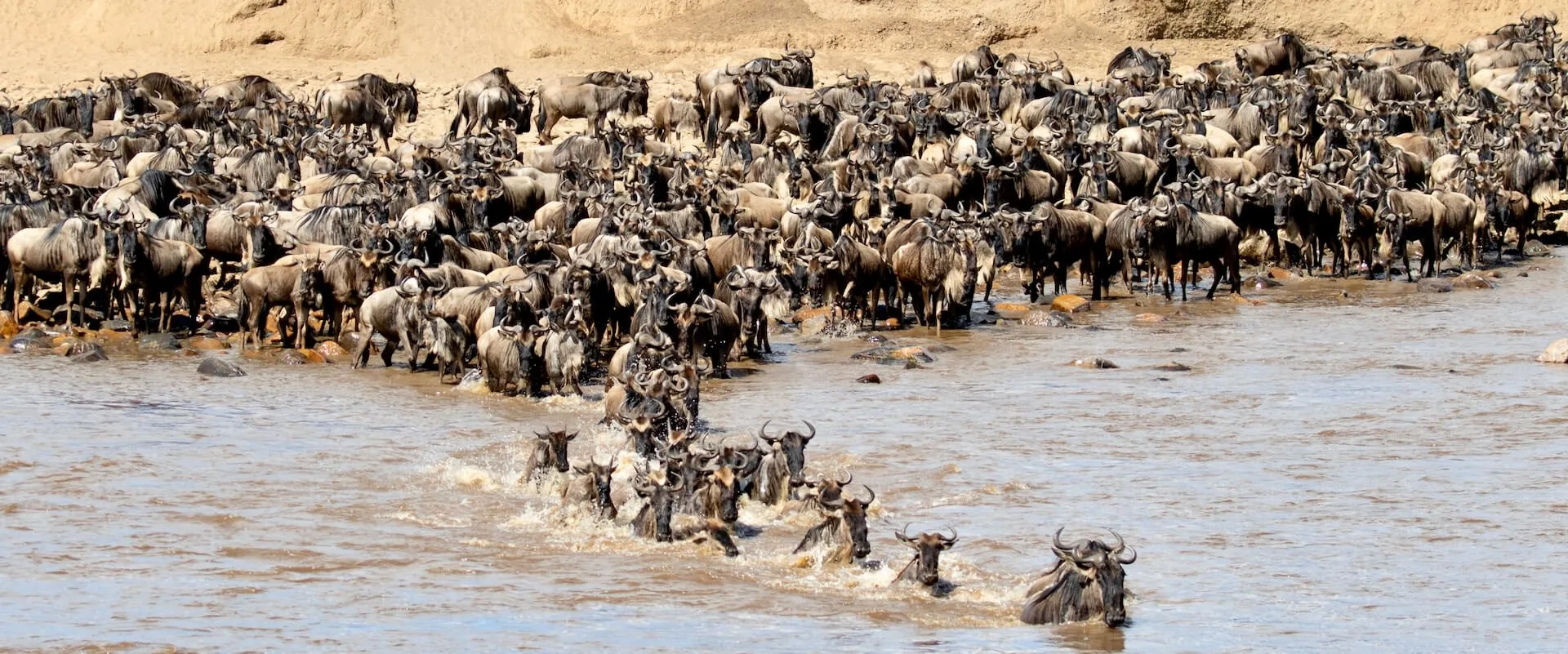
The Great Migration in Africa happens all year because the herds continuously circulate through the Serengeti–Mara ecosystem in…
Read article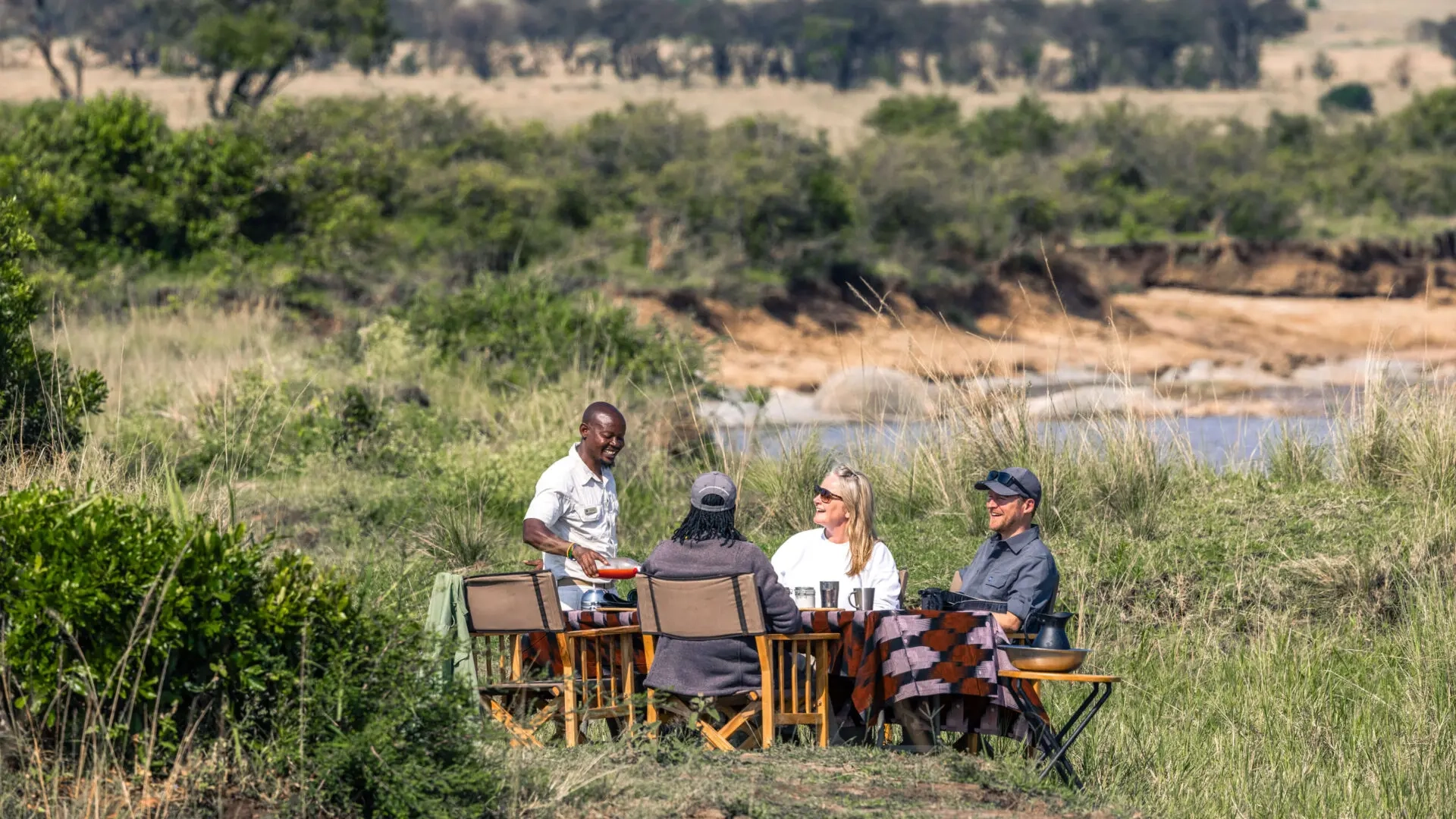
Definitive answer: A picnic lunch on safari is a packed or catered midday meal eaten at an approved…
Read article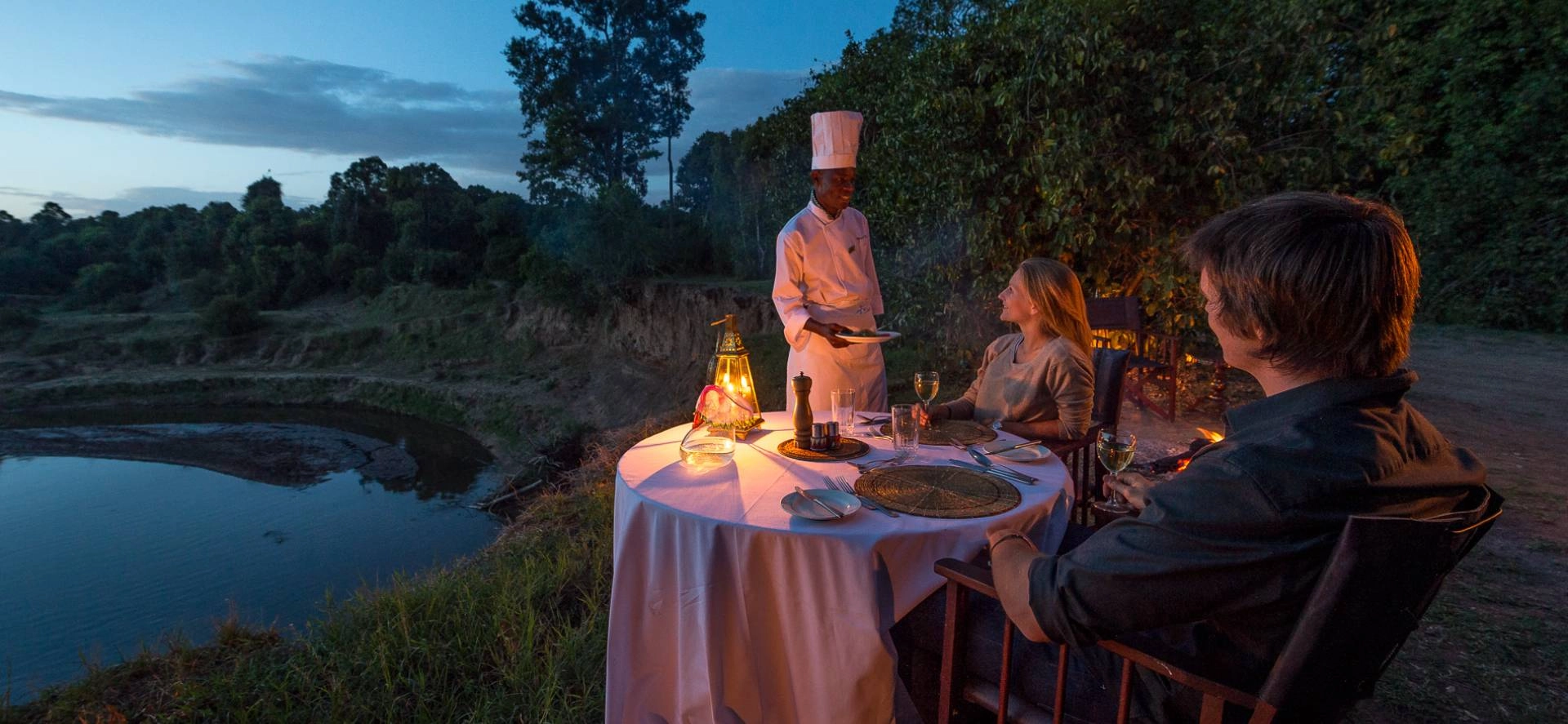
Definitive answer: A bush dinner is an outdoor evening meal arranged in a safe safari setting away from…
Read articleLet us take you closer to the wildlife, people and places that make Africa extraordinary.
Plan Your Safari Today