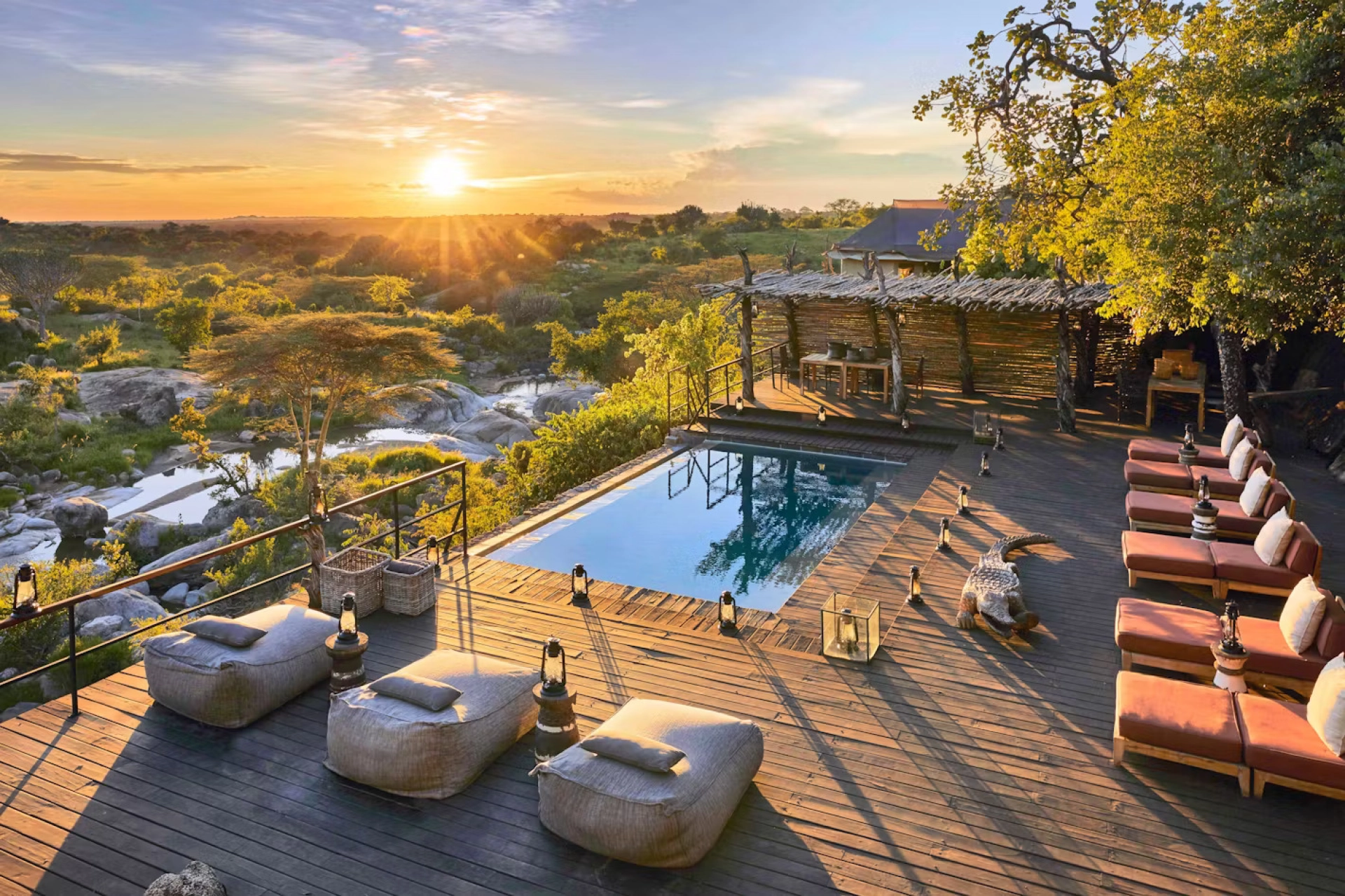
What should I look for when booking a luxury African safari?
When booking a luxury African safari, look beyond the room and compare the quality of guiding, wildlife location,…
Read article

Travel Guide
The Southern Cape Peninsula of Cape Town is one of South Africa's most rewarding coastal regions, combining dramatic mountains, picturesque fishing villages, surf beaches, marine wildlife, African penguins, historic towns and some of the most spectacular…
The Southern Cape Peninsula of Cape Town is one of South Africa’s most rewarding coastal regions, combining dramatic mountains, picturesque fishing villages, surf beaches, marine wildlife, African penguins, historic towns and some of the most spectacular ocean scenery anywhere in the Western Cape.
For travelers planning a Cape Town holiday, it is easy to spend most of the first few days around the V&A Waterfront, Table Mountain, Camps Bay and the city center. Yet one of Cape Town’s greatest travel experiences begins when you leave the central city and follow the coastline toward the communities and protected landscapes of the Cape Peninsula.
The southern and False Bay side of the peninsula offers an extraordinary sequence of destinations. You can begin the morning beside the famous colorful beach huts at Muizenberg Beach, continue to the fishing village of Kalk Bay, explore the maritime heritage of Simon’s Town, walk among African penguins at Boulders Beach and finish surrounded by dramatic cliffs and indigenous fynbos at Cape Point. These places are close enough to combine within a Cape Peninsula day tour, but each deserves more than a rushed photograph.
Cape Town Tourism highlights Cape Point, Muizenberg, Simon’s Town, Noordhoek and Hout Bay among the key neighborhoods and destinations making up the broader Cape Peninsula experience. For travelers combining Cape Town with a South Africa safari, the Southern Cape Peninsula also provides an important contrast. Kruger and South Africa’s private wildlife reserves deliver lions, elephants, leopards and traditional safari landscapes. The peninsula introduces an entirely different ecosystem shaped by mountains, the Atlantic and Indian Ocean influences, marine wildlife, Cape fynbos and centuries of maritime history. Here are five essential places to include when exploring the Southern Cape Peninsula in Cape Town.
The first reason is scenery.
Few metropolitan areas in the world offer such rapid transitions between city, mountains, beaches, fishing harbors and wild protected coastline. Cape Town’s geography is extraordinary. The city sits around a mountainous peninsula extending southward into the ocean. Drive away from the urban center and the environment changes quickly. Suburbs give way to beaches. Mountains rise directly from the coastline. Fishing communities appear around small harbors. Then much of the southern tip becomes protected within the wider Table Mountain National Park landscape. This diversity makes a Cape Peninsula tour much more than a sightseeing drive.
The eastern side of the peninsula faces False Bay.
This side contains several of the destinations covered in this guide, including Muizenberg, Kalk Bay, Simon’s Town and Boulders Beach. False Bay generally has a different character from Cape Town’s Atlantic Seaboard. Communities feel more maritime and relaxed. Fishing remains visible around Kalk Bay. Surf culture is central to Muizenberg. Simon’s Town carries an important naval history. African penguins occupy the coast around Boulders. Cape Town Tourism describes the peninsula as a collection of coastal towns and mountain landscapes with beaches, seafood, activities and wildlife encounters.
The first essential stop when traveling south along False Bay is Muizenberg.
Muizenberg is one of Cape Town’s most recognizable beach suburbs, particularly because of its row of brightly painted beach huts. However, reducing Muizenberg to an Instagram photograph would miss its much broader appeal. Cape Town Tourism describes Muizenberg as a lively coastal area known for warmer water, surfing culture, water-based activities, quirky shops and distinctive architecture.
The enormous stretch of sand at Muizenberg Beach makes it feel completely different from Cape Town’s small Atlantic coves.
The beach extends along False Bay and provides space for walking, swimming, surfing and simply watching the changing ocean. The colorful Victorian-style bathing huts have become one of Cape Town’s most recognizable visual symbols. Early morning can be particularly attractive for photography because the beach is quieter and the light can be soft.
Muizenberg is strongly associated with Cape Town surfing.
Its generally gentler waves make it one of the city’s popular locations for beginner surfing lessons. Surf schools and board-rental businesses operate around the beachfront. Travelers who have never surfed but want to try the sport can often find Muizenberg less intimidating than more advanced surf locations around the peninsula. For experienced surfers, conditions vary and there are many additional Cape Town surf spots elsewhere around the peninsula.
Families frequently appreciate Muizenberg because the beachfront offers more than a quick scenic stop. Children can play on the sand. Adults can walk along the beachfront. Restaurants and cafes are close by. Surf lessons can be organized for older children and adults. That makes Muizenberg a useful starting point for a family Cape Peninsula tour.
False Bay is historically associated with sharks, and travelers sometimes become nervous when they hear this. Cape Town has developed organized shark-safety systems and monitoring in several coastal areas. Visitors should always follow local signage and lifeguard advice rather than relying on general assumptions about ocean conditions. The presence of marine predators is part of the ecological richness of False Bay, but swimming and surfing should always follow current local guidance.
Allow enough time to walk along the beachfront. Photograph the huts. Have coffee. If conditions suit you, arrange a surfing lesson. Then continue toward St James and Kalk Bay. This coastal section becomes increasingly scenic as the railway line follows the edge of False Bay.
Although this article focuses on five main destinations, St James deserves a short stop. The area has another collection of colorful bathing huts and a popular tidal pool. It lies almost directly between Muizenberg and Kalk Bay. Travelers doing a slower False Bay coastal drive can stop for photographs or a swim before continuing. Tidal pools around Cape Town provide a different swimming experience from open beaches because rocky walls reduce exposure to waves. Conditions still vary, so normal ocean safety precautions apply.
Continue south and the atmosphere changes dramatically. Kalk Bay is smaller and more compact than Muizenberg, built between mountain slopes and the ocean. It is one of the most characterful settlements along the False Bay coast. Cape Town Tourism describes Kalk Bay as a working harbor town known for its fishing community, seals, seafood restaurants, beaches and nearby caves. The combination of active fishing culture and tourism gives Kalk Bay a character that is difficult to reproduce elsewhere.
The heart of the village is Kalk Bay Harbour. Fishing boats continue to operate from the harbor. Depending on the time of day, travelers may see fishermen returning with their catch. Seals frequently appear around the harbor as well. Watching them from a respectful distance adds another wildlife element to the journey. Do not attempt to touch or feed wild seals. They may appear accustomed to human activity but remain powerful wild animals.
Kalk Bay is one of the most obvious places along the peninsula for a seafood lunch. Restaurants around the harbor and main road specialize in fish, calamari and other coastal dishes. Cape Town Tourism particularly notes fresh fish and calamari as part of the village’s dining identity. For a Cape Peninsula day trip, timing Kalk Bay around lunch can work extremely well. However, if you plan to spend substantial time at Cape Point later, avoid turning lunch into a two-hour stop.
Kalk Bay’s main road contains an eclectic mixture of: Antique shops, bookstores, galleries, cafes, bakeries, restaurants and independent stores. This makes it an excellent place simply to walk. Travelers interested in shopping for unusual souvenirs may find Kalk Bay more interesting than generic tourist markets.
Visitors planning a Cape Town food holiday should consider spending more time here. The broader Cape Town region has an exceptional culinary scene, and Kalk Bay adds a distinctly seaside dimension. Instead of a formal city restaurant, travelers can sit near a working harbor and eat seafood while fishing boats move nearby.
The mountains behind Kalk Bay contain hiking trails and caves. Cape Town Tourism identifies cave exploration as another attraction of the area. Longer hikes should be undertaken only with appropriate preparation. Weather conditions can change. Some cave routes require experience. Travelers unfamiliar with the mountains should consider a knowledgeable local guide.
Continue south from Kalk Bay and you reach Simon’s Town, one of South Africa’s historically important maritime settlements. Cape Town Tourism places Simon’s Town approximately 35 kilometers from central Cape Town and highlights its naval heritage, beaches, marine wildlife and proximity to the African penguin colony. Unlike some coastal destinations that exist primarily because of tourism, Simon’s Town has a strong identity shaped by maritime history.
Simon’s Town is closely associated with the South African Navy. Its sheltered position on False Bay made the area strategically important as a naval base. The town’s architecture and museums preserve elements of this history. Travelers interested in military or maritime history should resist the temptation to drive directly through town toward Boulders Beach. Spend some time walking around.
The Simon’s Town Museum provides historical context for the town and its relationship with maritime trade, naval activity and local communities. A museum visit can be particularly useful on a longer Cape Peninsula itinerary when you are not trying to complete the entire peninsula in one rushed day.
The town center around the waterfront provides an attractive place for a short walk. Restaurants overlook False Bay. Boats occupy the harbor. Mountains rise behind the settlement. It is easy to understand why this area developed around maritime activity.
Simon’s Town is also marketed as a gateway to marine wildlife experiences. Depending on season and operator, boat-based activities may focus on marine species within False Bay. Travelers considering any wildlife cruise should choose reputable operators following responsible wildlife-viewing practices.
Kayaking is another popular activity. Paddling provides a very different perspective on the coastline. However, weather and sea conditions matter. Trips should be arranged with professional operators who understand local conditions.
Most Cape Town visitors treat Simon’s Town as a daytime stop. But staying overnight changes the pace. You can reach Boulders early. Enjoy dinner beside False Bay. Travel toward Cape Point before large tour groups arrive. For photographers, early-morning and late-afternoon light also provides better conditions. A Simon’s Town accommodation stay therefore makes sense for travelers who want to explore the peninsula slowly.
A few minutes beyond Simon’s Town lies one of Cape Town’s most famous wildlife experiences: Boulders Beach. The coastline here supports a breeding colony of African penguins. Cape Town Tourism notes that Boulders lies within the Table Mountain National Park Marine Protected Area, with controlled access and boardwalks helping visitors view penguins while reducing disturbance. For international visitors who associate penguins only with Antarctica, seeing them beside a sunny South African beach can feel almost surreal.
The African penguin is native to southern Africa. It was historically called the jackass penguin because of its donkey-like braying call. These birds face serious conservation pressures, making responsible tourism particularly important. Boulders allows people to observe the colony at close range without needing to enter remote wilderness.
The boardwalk area around Foxy Beach provides some of the most reliable penguin viewing. Cape Town Tourism notes that established walkways allow visitors to approach nesting and breeding areas while protecting the birds and their habitat. This is one of the best locations for penguin photography. A telephoto lens is useful. You do not need to approach the birds physically.
Penguins may look harmless, but they are wild animals. Do not attempt to touch them. Do not feed them. Do not block their movement. Cape Town Tourism explicitly warns visitors not to touch or feed the Boulders penguins. The best wildlife encounter is one in which the animals continue behaving naturally.
Parts of Boulders also provide sheltered swimming areas. Large granite boulders help create protected coves. This can make the area particularly attractive for families. However, available beach space changes with the tide, and normal swimming precautions still apply.
Boulders can be visited year-round. For a more relaxed experience, arriving early is useful, particularly during the Cape Town summer season. Morning light can also be excellent for photography. The colony remains an important destination regardless of whether you are visiting Cape Town primarily for safari, beaches, food or general sightseeing.
The African penguin population faces major conservation challenges. Visitors should therefore view entrance fees and access restrictions as part of the conservation process rather than an inconvenience. Wildlife tourism works best when animals benefit from habitat protection.
From Boulders Beach, continue south toward one of the most spectacular landscapes around Cape Town: Cape Point and the Cape of Good Hope. This is where the peninsula becomes wilder. Urban development disappears. Mountain slopes are covered in fynbos vegetation. Cliffs fall dramatically toward the ocean. Baboons, antelope and other wildlife may appear. Cape Town Tourism describes the route from Simon’s Town toward Cape Point as a dramatic coastal drive culminating in high cliffs, expansive ocean views and access to the lighthouse area.
Cape Point is one of the peninsula’s great viewpoints. A historic lighthouse stands above the coastline. Travelers can walk uphill or use the Flying Dutchman Funicular toward the upper viewing area. From the higher sections, the ocean stretches almost endlessly. Cloud, sunlight and wind can change the atmosphere within minutes.
Nearby lies the Cape of Good Hope, another of South Africa’s most famous geographical landmarks. Many travelers incorrectly describe it as Africa’s southernmost point. It is not. Africa’s southernmost point is Cape Agulhas, farther east. The Cape of Good Hope remains historically important because of its position along maritime routes around southern Africa.
This is another common travel myth. Tour guides sometimes dramatically describe Cape Point as the exact place where the Atlantic and Indian Oceans meet. Oceanographic boundaries are not that simple or visually fixed. The broader Cape region is influenced by major ocean currents, including cold Atlantic and warmer Indian Ocean systems. Travelers should therefore appreciate Cape Point for its spectacular geography without needing to repeat an oversimplified “two oceans meet here” claim.
The Cape Peninsula is botanically extraordinary. The region forms part of the Cape Floristic Region, internationally famous for its plant diversity. Fynbos may initially look like ordinary low scrub to visitors focused on large animals. Look more closely. The variety of proteas, ericas and other plants is remarkable. A Cape Point visit is therefore as much a botanical experience as a scenic one.
Do not expect a traditional Big Five safari. Instead, travelers may encounter animals adapted to the peninsula landscape. Baboons are among the most obvious. Various antelope species and smaller animals also occur. Marine wildlife may sometimes be visible offshore.
Baboons around the peninsula are wild animals. Never feed them. Keep food securely stored. Do not leave vehicle windows open with food visible. Habituating baboons to human food creates serious management problems and ultimately harms the animals.
Travelers continuing around the western side of the peninsula encounter quieter coastal landscapes such as Scarborough and Misty Cliffs. These communities provide a contrast to the busier False Bay side. The scenery is dramatic and often windswept. A full peninsula loop can continue north from here toward Kommetjie and Noordhoek.
Noordhoek Beach is one of Cape Town’s great expanses of white sand. The beach feels remarkably wild despite its proximity to the city. Horse riding is popular in the area. Even travelers who do not stop for long can appreciate the scale of the coastline from viewpoints above.
A classic Cape Peninsula circuit frequently continues north via Chapman’s Peak Drive. The road hugs dramatic cliffs above the Atlantic Ocean. It is widely regarded as one of South Africa’s great scenic drives. Road access can sometimes be affected by weather or maintenance, so travelers should check current conditions before planning the route.
A well-paced Cape Peninsula day tour from Cape Town might look like this: Leave Cape Town early and travel toward Muizenberg. Spend time along Muizenberg Beach. Continue through St James. Walk through Kalk Bay Harbour. Explore Simon’s Town. Visit Boulders Beach penguins. Continue toward Cape Point. Visit the Cape of Good Hope. Return around the western side of the peninsula, potentially via Noordhoek and Chapman’s Peak depending on time and road conditions.
Both work. A rental car provides freedom. You can stop whenever the scenery interests you. However, driving also means navigating, parking and concentrating on the road rather than the landscape. A private Cape Peninsula guided tour allows everyone to enjoy the scenery and provides useful interpretation. For first-time visitors, a knowledgeable guide can add significant value.
The peninsula can be visited throughout the year. Cape Town’s summer, broadly December through February, usually attracts visitors seeking beaches and long daylight hours. Winter can bring cooler temperatures and more rain, but the landscape remains beautiful and crowds may be lower. Whale season around the broader Cape coastline can add another wildlife dimension during the cooler months. Cape Town Tourism currently describes the broader whale-watching season as approximately June through November.
A full day is the minimum for the classic circuit. Two days are much better if you enjoy beaches, photography, history, food or hiking. Staying overnight in Simon’s Town creates the opportunity to explore more slowly.
The peninsula is an excellent Cape Town family day trip. Children often enjoy: The colorful Muizenberg beach huts, seals around Kalk Bay, boats in Simon’s Town, penguins at Boulders Beach and the funicular at Cape Point. Avoid making the day too long. Families may prefer selecting three or four major stops rather than rushing through everything.
Photographers could easily spend several days here. Top subjects include: Muizenberg beach huts, Kalk Bay fishing boats, African penguins, False Bay mountain scenery, Cape Point cliffs, fynbos, Noordhoek Beach and coastal sunsets. Morning and late afternoon generally provide softer light.
One of the major advantages of visiting Cape Town is that it combines easily with a South Africa Big Five safari. Fly from Cape Town toward the Greater Kruger region. Spend several nights on a Kruger National Park safari or within a private reserve such as those in the Greater Kruger ecosystem. The combination gives travelers two very different versions of South Africa. Cape Town offers coast, food, wine, mountains and marine wildlife. Kruger delivers lions, elephants, leopards, rhinos and buffaloes.
Travelers planning a larger African journey can go further. A Cape Town and Uganda gorilla safari combines two dramatically different environments. Begin with Cape Town and the Cape Peninsula. Fly north toward East Africa. Continue to Bwindi Impenetrable National Park for mountain gorilla trekking. Add Queen Elizabeth National Park, Kibale National Park chimpanzee trekking or Murchison Falls. This creates one of Africa’s most diverse travel itineraries.
The Southern Cape Peninsula Cape Town experience proves that Cape Town is much more than Table Mountain and the city center. Muizenberg introduces surfing culture and colorful beach huts. Kalk Bay offers seafood, fishing heritage and village atmosphere. Simon’s Town adds maritime history. Boulders Beach introduces one of Africa’s most unusual coastal wildlife experiences through its colony of African penguins. Cape Point completes the journey with dramatic cliffs, ocean views and indigenous Cape fynbos.
Together, these destinations create one of the best Cape Town day tours and one of South Africa’s great scenic journeys. At Adventure in the Wild Safaris, Cape Town can be incorporated into larger South Africa safari packages, Kruger safaris, Garden Route holidays, Cape Winelands tours and multi-country African trips combining southern Africa with Uganda gorilla trekking, Kenya, Tanzania, Rwanda, Botswana or Victoria Falls. Do not rush the peninsula merely to collect photographs.
Walk through Kalk Bay. Watch fishermen in the harbor. Listen to penguins calling at Boulders. Explore Simon’s Town’s maritime heritage. Stand above the ocean at Cape Point. The Cape Peninsula is not simply a road trip from Cape Town. It is one of the destinations that explains why Cape Town is considered one of the world’s great travel cities.

Share This Article
When booking a luxury African safari, look beyond the room and compare the quality of guiding, wildlife location,…
Read article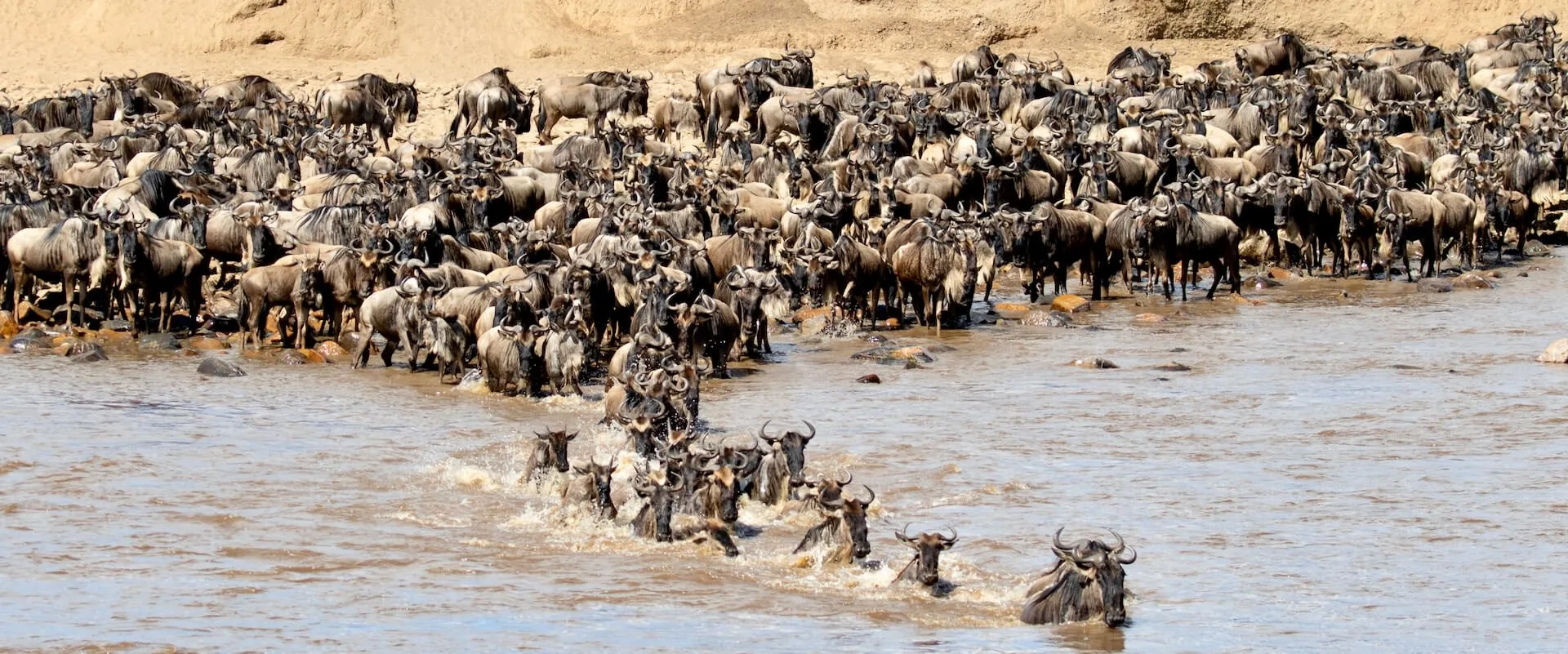
The Great Migration in Africa happens all year because the herds continuously circulate through the Serengeti–Mara ecosystem in…
Read article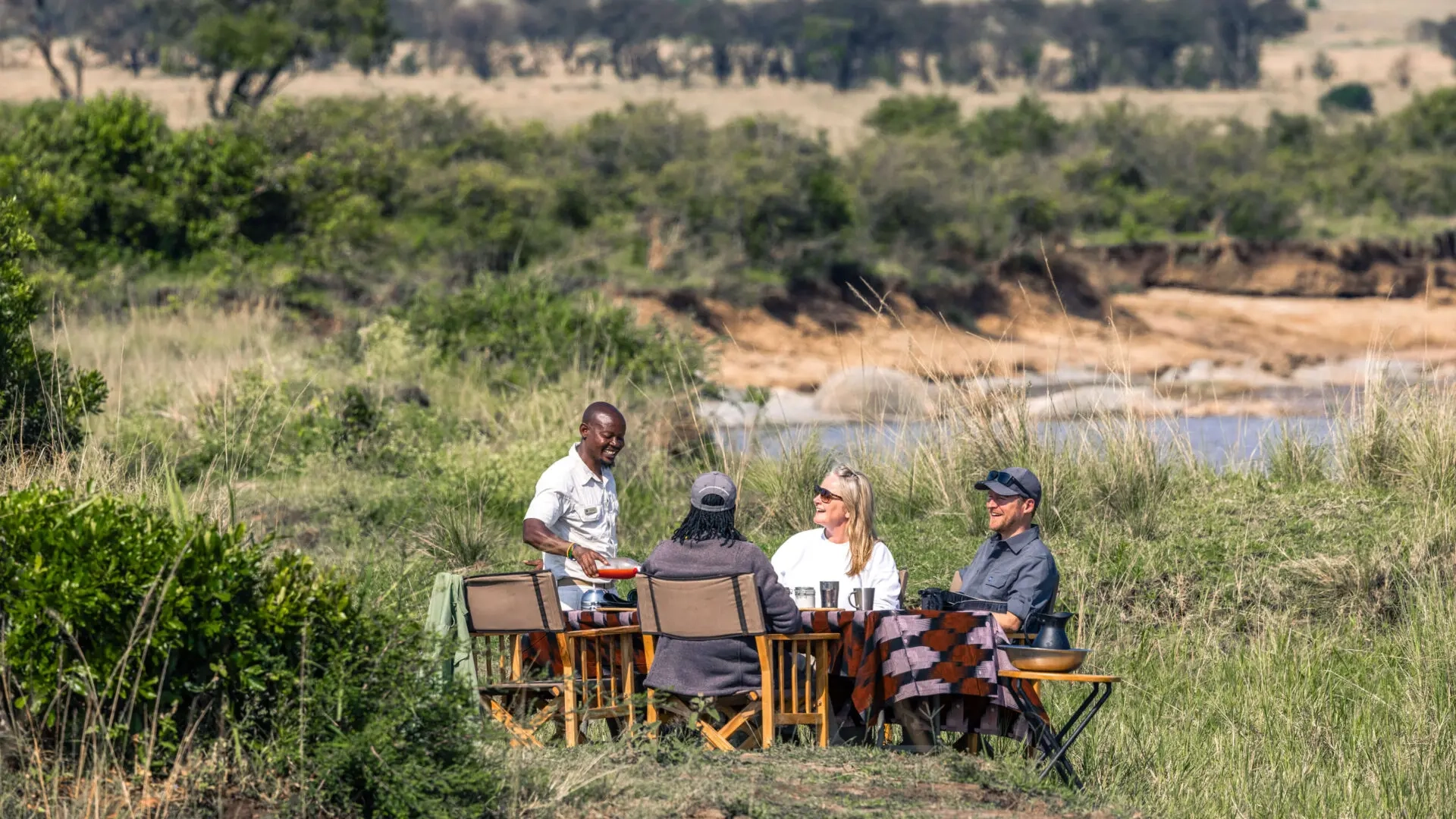
Definitive answer: A picnic lunch on safari is a packed or catered midday meal eaten at an approved…
Read article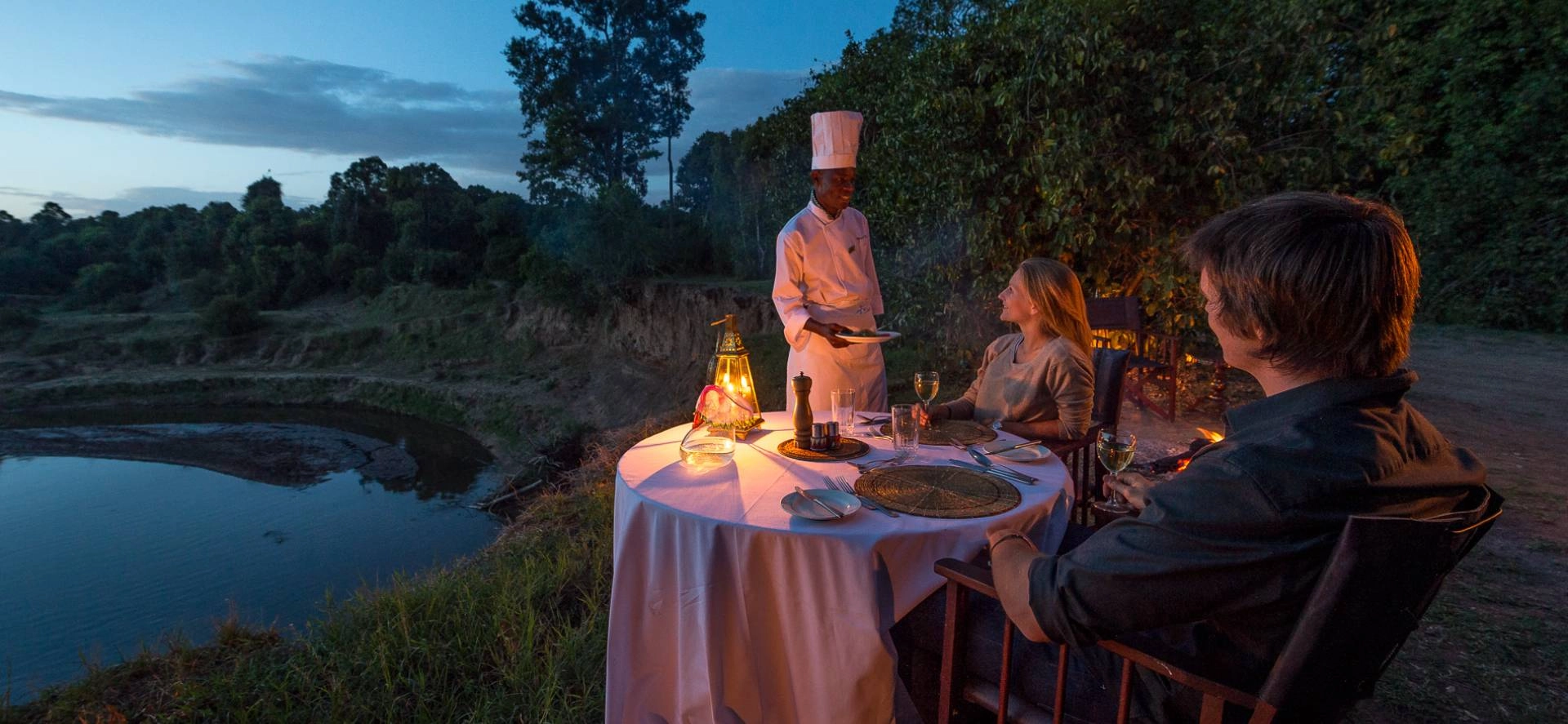
Definitive answer: A bush dinner is an outdoor evening meal arranged in a safe safari setting away from…
Read articleLet us take you closer to the wildlife, people and places that make Africa extraordinary.
Plan Your Safari Today