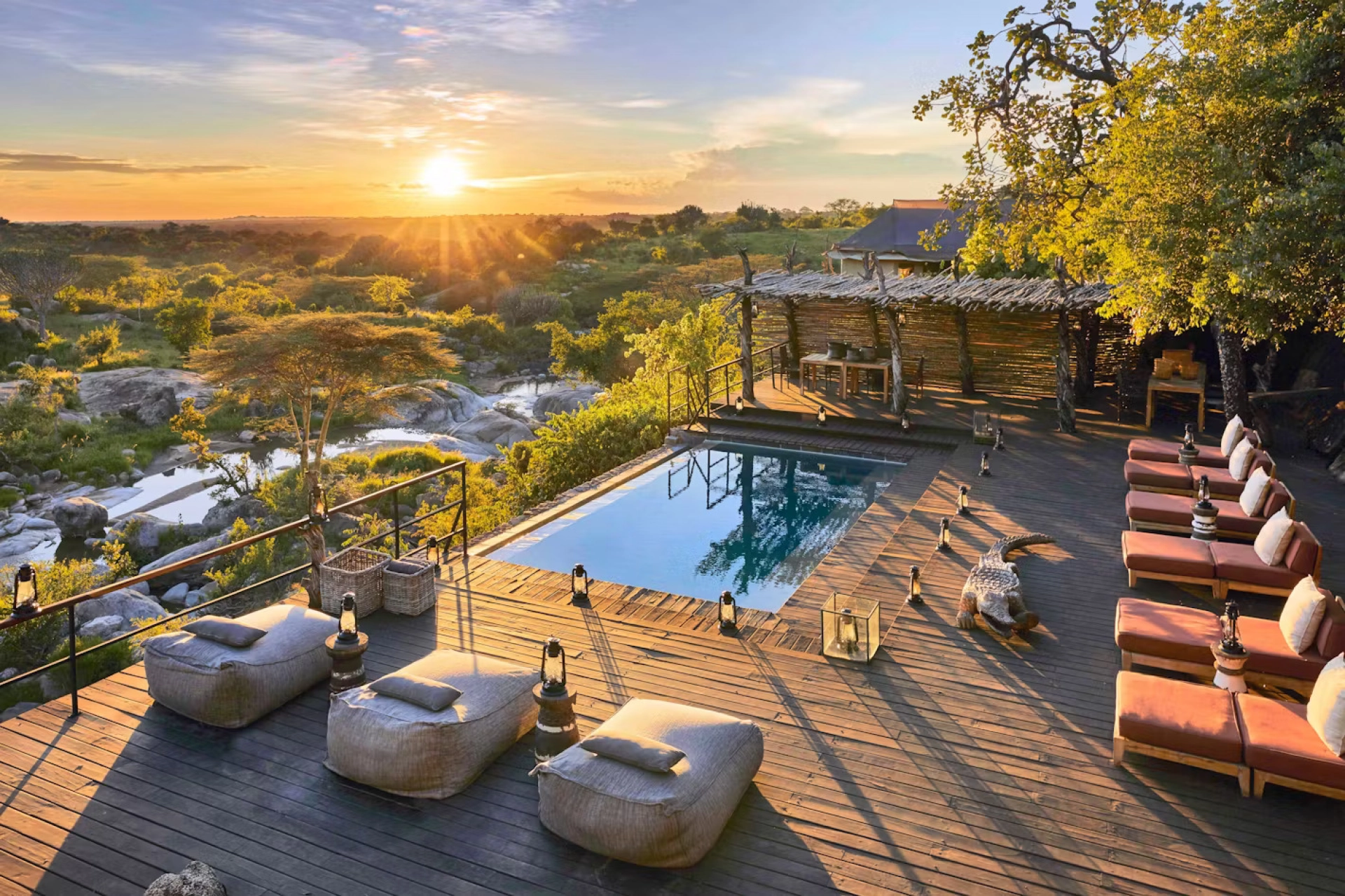
What should I look for when booking a luxury African safari?
When booking a luxury African safari, look beyond the room and compare the quality of guiding, wildlife location,…
Read article

Travel Guide
Botswana has built a reputation as one of the finest safari countries in Africa, and that reputation is not based on one national park alone. The country succeeds because its major wilderness areas are dramatically different…
Botswana has built a reputation as one of the finest safari countries in Africa, and that reputation is not based on one national park alone. The country succeeds because its major wilderness areas are dramatically different from one another.
In the north, the Okavango Delta creates a maze of channels, lagoons, islands and seasonal floodplains unlike almost anywhere else on Earth. Farther east, Chobe National Park attracts extraordinary concentrations of elephants along the Chobe River. The legendary Savuti region offers predator-rich grasslands and a famously unpredictable channel system. Farther south, the Kalahari Desert provides enormous red-sand landscapes, black-maned lions, San cultural experiences and a sense of wilderness completely different from the Delta. In the northwest, Tsodilo Hills introduces rock art, archaeology and thousands of years of human history.
Together, these places make Botswana far more than a conventional Big Five safari destination. A well-designed Botswana safari itinerary can include game drives, boating, mokoro excursions, walking safaris, birdwatching, desert exploration, cultural interpretation, archaeological sites and wildlife photography. The biggest challenge is usually not deciding whether Botswana is worth visiting. It is deciding where to spend your time. These are five of the best Botswana safari destinations and the reasons each deserves a place on your journey.
For many travellers, the Okavango Delta is the first place that comes to mind when imagining a Botswana safari.
It deserves that reputation. Unlike most river systems, the Okavango does not ultimately flow into an ocean. Water arriving from the highlands of Angola spreads across the sands of northern Botswana, creating an enormous inland wetland before gradually disappearing through evaporation and infiltration. The result is one of Africa’s great wildlife ecosystems. Channels cut through papyrus and reeds. Palm-covered islands rise above floodplains. Woodlands shelter leopards. Open plains attract herbivores.
Permanent water supports hippos, crocodiles and extraordinary birdlife. Seasonal flooding completely changes how animals move through the landscape. This combination of wetland and dry habitat gives the Okavango Delta safari experience exceptional variety.
Many safari destinations are primarily experienced from a 4×4 vehicle.
The Okavango offers much more. Depending on camp location and seasonal water conditions, activities may include game drives, mokoro safaris, motorboat trips, walking safaris, birding and scenic flights. One morning may involve tracking lions across dry woodland. That afternoon you may glide quietly through a shallow channel in a mokoro. The following day could begin with a walking safari across an island where elephants crossed during the night. Few African destinations offer this combination.
The Delta supports an impressive variety of mammals.
Elephants are widespread. Buffalo can form substantial herds. Lions occupy several areas. Leopards use woodland and riverine habitat. African wild dogs occur in some concessions and are among the most exciting animals to encounter. Cheetahs favour more open sections. Hippos dominate deeper waterways. Antelope may include impala, red lechwe, kudu, tsessebe, wildebeest and others depending on habitat. For dedicated wildlife travellers, an Okavango Delta wildlife safari can be exceptional.
Botswana is one of the important strongholds for African wild dogs.
These highly social predators move quickly across large areas and can be difficult to find. When encountered, however, watching a pack interact or begin a hunt can become one of the defining moments of a safari. Wild dogs are particularly rewarding for travellers who have already seen lions and elephants elsewhere and want more unusual predator experiences.
A mokoro safari is one of Botswana’s signature activities.
The narrow canoe-style craft is propelled through shallow water by an experienced poler standing at the rear. The experience is quiet. Bird calls become louder. Frogs, dragonflies and water lilies become noticeable. You may pass elephant tracks entering the channel or see red lechwe moving through floodplains. A mokoro trip should not be judged by how many large animals appear. Its strength is intimacy with the wetland.
One of the most important planning considerations is whether an Okavango safari camp is primarily water-based, land-based or able to offer both. Some camps sit near permanent channels. Others depend on seasonal flooding. Some have outstanding game-drive territories but limited boating. For travellers building a multi-camp itinerary, combining different habitats can produce a much stronger safari than choosing three lodges offering almost identical activities.
The Moremi Game Reserve protects a substantial portion of the eastern Okavango ecosystem. It contains floodplains, woodland, lagoons and drier areas. Moremi is famous for strong wildlife viewing and excellent predator opportunities. Travellers planning a Botswana self-drive safari frequently include Moremi because parts are accessible by road with a capable 4×4. Fly-in travellers can also use camps and airstrips throughout the broader region.
There is no single perfect month. The seasonal flood creates one of Botswana’s most unusual safari cycles because water arriving from Angola can peak during Botswana’s dry season. Dry-season months can provide strong wildlife viewing as animals concentrate around available resources. The greener rainy season offers dramatic skies, breeding birds, young animals and lower visitor numbers in some periods. The best time for an Okavango Delta safari therefore depends on whether your priority is water activities, wildlife concentration, birding, photography or value.
If the Okavango represents Botswana’s wetland wilderness, Chobe National Park represents sheer wildlife abundance. The park covers several ecosystems, but the Chobe Riverfront is its most famous region. Large numbers of elephants gather near the river, particularly during the dry season. Buffalo herds can be enormous. Hippos occupy the water. Crocodiles rest on banks. Giraffes, zebras and antelope move through surrounding woodland. Lions and other predators follow prey. For first-time safari travellers, Chobe National Park can provide some of the most immediately rewarding wildlife viewing in Botswana.
Botswana supports one of Africa’s largest elephant populations, and northern Botswana is particularly important. Along the Chobe River, dry-season conditions draw elephants toward water. Family groups arrive to drink. Calves play. Adults spray water and mud across their bodies. Some herds cross channels. From a boat, these encounters can be spectacular. A Chobe elephant safari therefore ranks among Botswana’s signature wildlife experiences.
A Chobe River boat safari gives visitors a perspective that conventional game drives cannot replicate. Boats move slowly along the river. Wildlife often pays less attention to them than to vehicles. Elephants may approach the water closely. Hippos can be observed from a safe distance. Birdlife is excellent. Sunset creates beautiful reflections. For photographers, a Chobe boat cruise is especially valuable because the low angle over the water produces unusual wildlife images.
Game drives remain an essential part of the Chobe experience. The riverfront road network can deliver excellent sightings of elephants, buffalo, giraffes, lions and antelope. Early morning is particularly rewarding. During peak periods, however, popular sightings can attract several vehicles. Travellers who value maximum exclusivity may prefer combining Chobe with private concessions elsewhere in Botswana.
The combination of river, floodplain and woodland makes Chobe a superb Botswana birding destination. Kingfishers, fish eagles, herons, storks, bee-eaters and many other species occur. Birding becomes particularly productive during the warmer months when migrants increase diversity. Even travellers who do not consider themselves birdwatchers often become interested because the river makes species easy to observe.
One major advantage of Chobe is its proximity to Victoria Falls. Kasane, the main gateway town, is close enough to Zimbabwe and Zambia for straightforward road transfers. This makes a Botswana and Victoria Falls safari one of the easiest and most rewarding multi-destination combinations in Southern Africa. A traveller can spend several days in Chobe and then continue to the falls without another complicated bush flight.
Yes. A Chobe family safari can work particularly well because activities are varied and access is easier than at many remote Delta camps. Boat trips provide a break from game drives. Kasane offers a wider range of accommodation than more remote safari regions. Parents should still confirm age restrictions for particular activities.
Savuti, sometimes written Savute, lies within the wider Chobe ecosystem and is one of Botswana’s most legendary wildlife regions. Its reputation has been shaped by predators, elephants, dramatic seasonal change and the mysterious Savuti Channel. For serious wildlife enthusiasts, Savuti can be one of the most exciting Botswana safari destinations.
The Savuti Channel is famous because its water flow has changed dramatically across history. At times the channel carries water. During other periods it dries almost completely. These changes affect vegetation and animal distribution. This unpredictability has become part of Savuti’s identity. Rather than being a static landscape, it demonstrates how African ecosystems can change profoundly across decades.
Savuti has long been associated with lions. Large prides may operate across open plains and woodland. Historically, some Savuti lions became famous for hunting unusually large prey, helping build the area’s legendary reputation. Modern visitors should not expect one specific hunting behaviour on command, but predator viewing remains a major attraction. For travellers interested in lion safaris in Botswana, Savuti deserves serious consideration.
Savuti can also produce leopard and African wild dog sightings. These animals are never guaranteed. That uncertainty is part of genuine safari. Dry river systems, woodland edges and open grasslands provide habitat diversity that supports several predator species.
Elephants move through the region seasonally. Water availability strongly influences their distribution. The contrast between enormous elephants and the dry landscapes creates classic Botswana imagery. When waterholes become crowded, wildlife interactions can be particularly interesting.
Seasonal wildlife movements influence Savuti. Zebras may move between regions in response to rainfall and grazing conditions. The broader northern Botswana ecosystem contains important migration routes. These movements remind visitors that national park boundaries do not define the ecological world experienced by animals.
Open spaces and strong predator opportunities make Savuti excellent for Botswana wildlife photography. Dust can add atmosphere. Low morning light produces dramatic scenes. Lions walking through grass are often visible at considerable distance. Photographers should resist shooting only tight portraits. Including the broader Savuti landscape gives images stronger geographic identity.
The Chobe Riverfront is defined by water and dense wildlife concentrations. Savuti feels drier, rougher and more remote. Animals may be more dispersed. Predator sightings can be excellent. The scenery is less lush. Combining the two areas therefore provides greater variety than treating all of Chobe National Park as one uniform destination.
The Kalahari Desert offers a completely different vision of Botswana. Instead of channels and wetlands, visitors encounter red sand, grassland, thorn scrub and immense skies. Water becomes scarce. Wildlife must adapt. Distances feel enormous. The silence can be extraordinary. For travellers who want true wilderness rather than only high wildlife density, a Kalahari safari can be unforgettable.
The Central Kalahari Game Reserve, often abbreviated CKGR, protects one of Africa’s largest wilderness areas. Its scale is difficult to comprehend. Game drives may involve substantial time between sightings. That is part of the experience. When lions, cheetahs or brown hyenas appear, the encounter feels earned. Travellers should not visit the CKGR expecting the same constant animal activity found around Chobe water sources. This is a landscape safari as much as a wildlife safari.
Deception Valley is among the Central Kalahari’s best-known wildlife areas. After summer rains, fresh grass can attract herbivores. Predators follow. The landscape becomes greener and more productive than visitors expecting stereotypical desert conditions might imagine. This can make the rainy-season Kalahari extremely rewarding.
The black-maned lions of the Kalahari are among Southern Africa’s most iconic predators. Not every male is equally dark, but mature males in the region can develop impressive manes. Against red dunes and golden grass, they create exceptional photographic opportunities.
Cheetahs benefit from open areas where they can detect and chase prey. The Kalahari can therefore provide excellent cheetah safari opportunities. Watching a cheetah use a dune or raised area to scan its surroundings is a classic dryland wildlife scene.
The brown hyena is particularly well adapted to arid Southern African environments. It is less famous than the spotted hyena but highly sought after by experienced safari travellers. It may cover large distances while scavenging. Sightings are less predictable, which makes encountering one especially memorable.
The gemsbok is perhaps the animal most visually associated with the Kalahari. Its long horns, bold markings and tolerance of heat make it perfectly adapted to dry environments. A gemsbok safari in Botswana illustrates how extraordinary physiological adaptations allow wildlife to survive without constant access to surface water.
The Kalahari is also closely associated with San communities and their extensive traditional knowledge of dryland environments. Responsible cultural experiences may include tracking, plant interpretation and discussion of historic survival strategies. Visitors should choose community-based San cultural experiences that treat people as contemporary communities rather than as performances frozen in the past.
The contrast is extraordinary. In the Delta, water shapes life. In the Kalahari, scarcity shapes life. Combining an Okavango Delta safari with a Central Kalahari safari gives travellers one of Africa’s most dramatic ecological contrasts.
The Tsodilo Hills are very different from Botswana’s famous wildlife destinations. They are culturally and archaeologically important and provide one of the strongest opportunities to explore the country’s human history. Rising dramatically above relatively flat surrounding terrain in northwestern Botswana, the hills contain an exceptional concentration of rock art. For travellers interested in Botswana culture, archaeology and African history, Tsodilo can be a major highlight.
Thousands of rock paintings occur throughout the area. Images include animals, geometric forms and human figures. Different paintings were created during different periods. Their meanings cannot always be reconstructed with certainty, and travellers should be cautious about simplistic explanations. What is clear is that the area was culturally significant to communities over very long periods.
Tsodilo is strongly associated with San cultural history, although different communities have connections with the wider region. Oral traditions contribute additional meaning to the archaeological landscape. Visiting with an experienced local guide is therefore far more rewarding than walking through independently and seeing only painted rocks. A guide can explain cultural context, archaeology, geology and modern community relationships with the site.
Safari itineraries often focus so heavily on wildlife that human history disappears. Tsodilo corrects that imbalance. It reminds travellers that Botswana’s landscapes have been inhabited and interpreted for generations. Animals depicted in rock art connect directly with species visitors may see elsewhere on safari. A painted antelope becomes more meaningful after encountering living antelope in the Delta.
Exploring Tsodilo involves walking. Trails vary in length and difficulty. The rocky environment can become hot, so early starts, adequate water and sun protection are important. For active travellers, the walking component provides welcome physical activity after multiple days in game-drive vehicles.
Although this guide focuses on five headline destinations, Moremi Game Reserve deserves additional attention. Moremi lies within the Okavango ecosystem and is often considered one of Botswana’s premier wildlife areas. Its diversity of habitat supports excellent predator and herbivore populations. Chief’s Island, Xakanaxa, Third Bridge and other sectors are well known among safari enthusiasts. For travellers choosing between multiple Botswana wildlife destinations, Moremi can easily become one of the trip’s strongest wildlife components.
The enormous Makgadikgadi Pans occupy the remains of an ancient lake system. During the dry season, salt pans create stark open horizons. After sufficient rainfall, parts of the ecosystem transform and attract wildlife. Seasonal zebra movements, meerkat experiences and unusual landscapes make the area a superb addition for travellers with more time. Combining Makgadikgadi, the Kalahari, the Okavango Delta and Chobe creates extraordinary environmental diversity.
Nxai Pan National Park is another excellent dryland destination. Open grasslands and scattered acacias create classic safari scenery. Seasonal rains can attract wildlife. Baines’ Baobabs provide one of Botswana’s iconic landscape features. Travellers interested in Botswana baobabs, photography and less crowded safari environments may find Nxai Pan particularly rewarding.
The “best” destination depends on your interests. For wetlands and mixed safari activities, choose the Okavango Delta. For elephants and river safaris, choose Chobe National Park. For predators and classic wilderness, consider Savuti. For desert ecology and San cultural experiences, include the Kalahari. For archaeology and rock art, visit Tsodilo Hills. For exceptional game drives, add Moremi Game Reserve. The strongest itinerary often combines several.
First-time safari travellers may enjoy a combination of Okavango Delta, Chobe National Park and Moremi Game Reserve. This provides strong wildlife, water activities and varied landscapes. Adding Victoria Falls creates an excellent regional itinerary.
Experienced safari travellers may appreciate more specialised areas such as Savuti, Central Kalahari Game Reserve, Makgadikgadi Pans and private Okavango concessions. These destinations reward patience and deeper ecological interest.
Families benefit from destinations offering varied activities. Chobe can be particularly convenient. Certain Okavango camps specialise in family safaris in Botswana. Age restrictions vary, so camps should be selected carefully. Older children and teenagers may especially enjoy mokoro trips, tracking, boating and desert exploration.
The Okavango Delta is particularly strong for honeymoon travel. Remote luxury camps, private decks, sunset boating and small guest numbers create a romantic atmosphere. Combining the Delta with a quieter Kalahari lodge or Victoria Falls can make the itinerary even more diverse.
Photographers should prioritise habitat diversity. Chobe is outstanding for elephants. Savuti and Moremi can produce predators. The Okavango offers wildlife in wetland environments. The Kalahari provides atmospheric landscapes and uncluttered backgrounds. A private vehicle can dramatically improve photographic flexibility.
A Botswana fly-in safari is one of the easiest ways to combine remote destinations. Light aircraft connect Maun and Kasane with bush airstrips. The flights save time and provide superb aerial views. They also make it possible to combine two or three remote camps without exhausting road transfers.
A Botswana self-drive safari provides independence but requires experience and preparation. Deep sand, remote roads, wildlife and seasonal water can create difficult conditions. A capable 4×4, recovery equipment and conservative planning are important. Moremi, Savuti and the Kalahari can all be explored independently by appropriately prepared travellers.
Seven nights can provide a strong introduction. Ten to fourteen nights allows much greater variety. A particularly rewarding itinerary might include three nights in the Okavango Delta, two or three nights in Moremi or Savuti, two nights in Chobe and additional time in the Kalahari or at Victoria Falls. The exact combination depends on transport and budget.
The Okavango Delta, Chobe National Park, Savuti, Kalahari Desert and Tsodilo Hills offer five very different Botswana experiences.
The Okavango Delta is Botswana’s most internationally recognised safari region.
The Chobe Riverfront is particularly famous for large elephant concentrations.
Lions occur across several regions, with Savuti, Moremi, the Okavango Delta and Central Kalahari Game Reserve all offering opportunities.
Yes. Northern Botswana is an important region for African wild dogs, although sightings are never guaranteed.
Tsodilo Hills is outstanding for rock art and archaeology, while responsible San cultural experiences in the Kalahari provide insight into traditional ecological knowledge.
Yes. Chobe and Victoria Falls combine particularly easily via Kasane.
For travellers prioritising wilderness, wildlife quality, small camps and relatively low visitor density, Botswana can offer exceptional safari value despite premium pricing.
The five best Botswana safari destinations demonstrate why Botswana remains one of Africa’s most respected safari countries. The Okavango Delta offers water, wildlife and extraordinary ecological variety. Chobe National Park delivers elephants, river safaris and accessible big-game viewing. Savuti provides predators, wilderness and dramatic environmental change. The Kalahari Desert reveals red sands, black-maned lions, desert wildlife and San cultural heritage. Tsodilo Hills adds thousands of years of human history to a journey often dominated by wildlife.
And beyond these five, Moremi Game Reserve, Makgadikgadi Pans, Nxai Pan, Chief’s Island and numerous private concessions provide even more possibilities. The strongest Botswana safari adventures therefore do not simply chase famous animals. They connect contrasting landscapes. Wetlands with desert. Elephants with rock art. Mokoro safaris with predator tracking. River cruises with red dunes. When these experiences are combined thoughtfully, Botswana becomes not merely one of the best safari destinations in Africa, but one of the continent’s most complete wilderness journeys.

Share This Article
When booking a luxury African safari, look beyond the room and compare the quality of guiding, wildlife location,…
Read article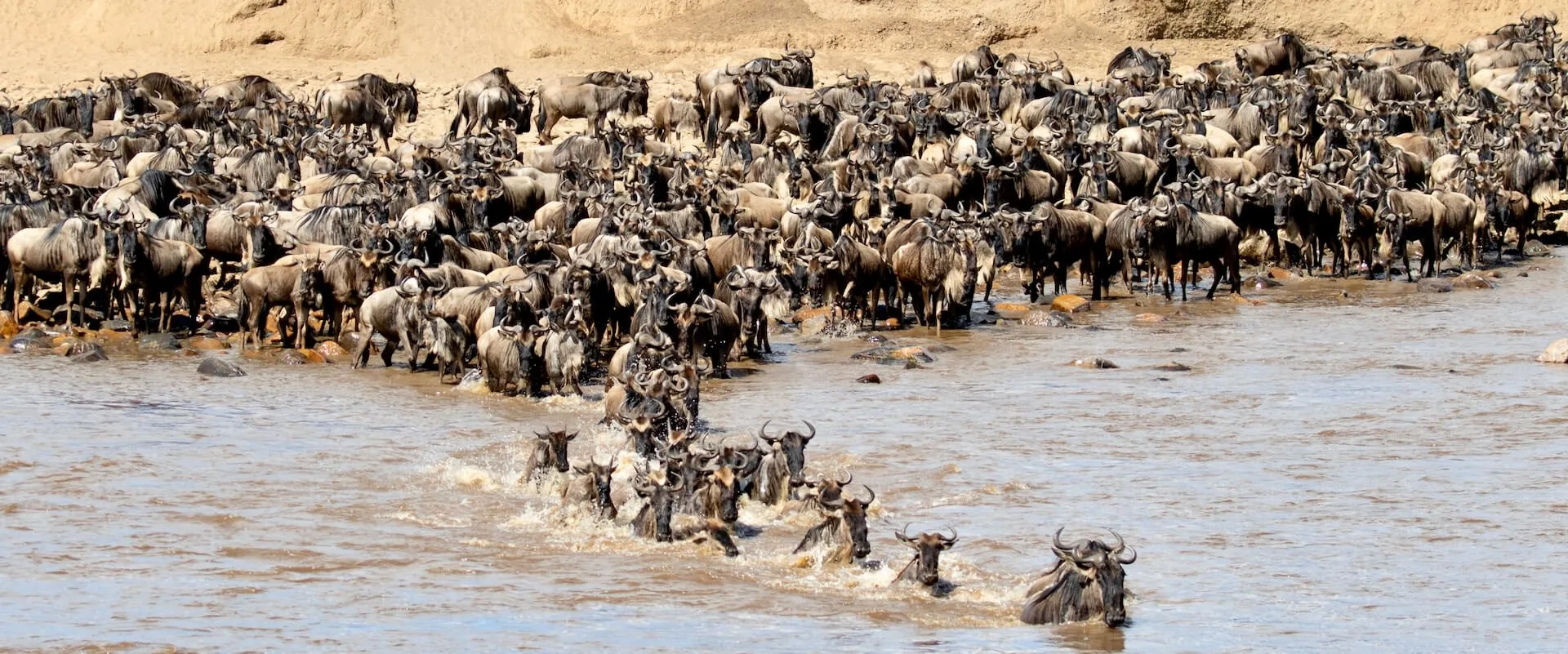
The Great Migration in Africa happens all year because the herds continuously circulate through the Serengeti–Mara ecosystem in…
Read article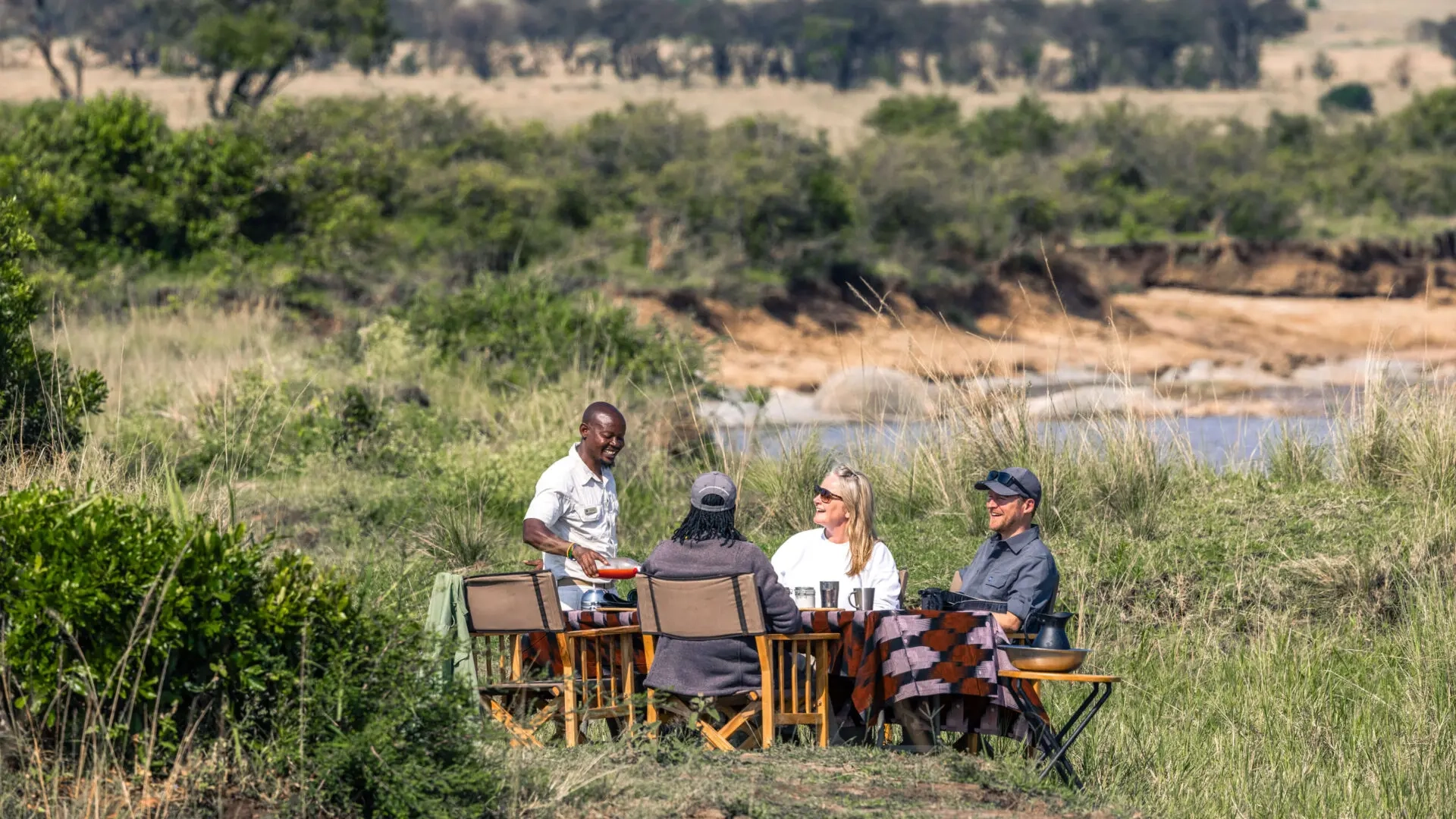
Definitive answer: A picnic lunch on safari is a packed or catered midday meal eaten at an approved…
Read article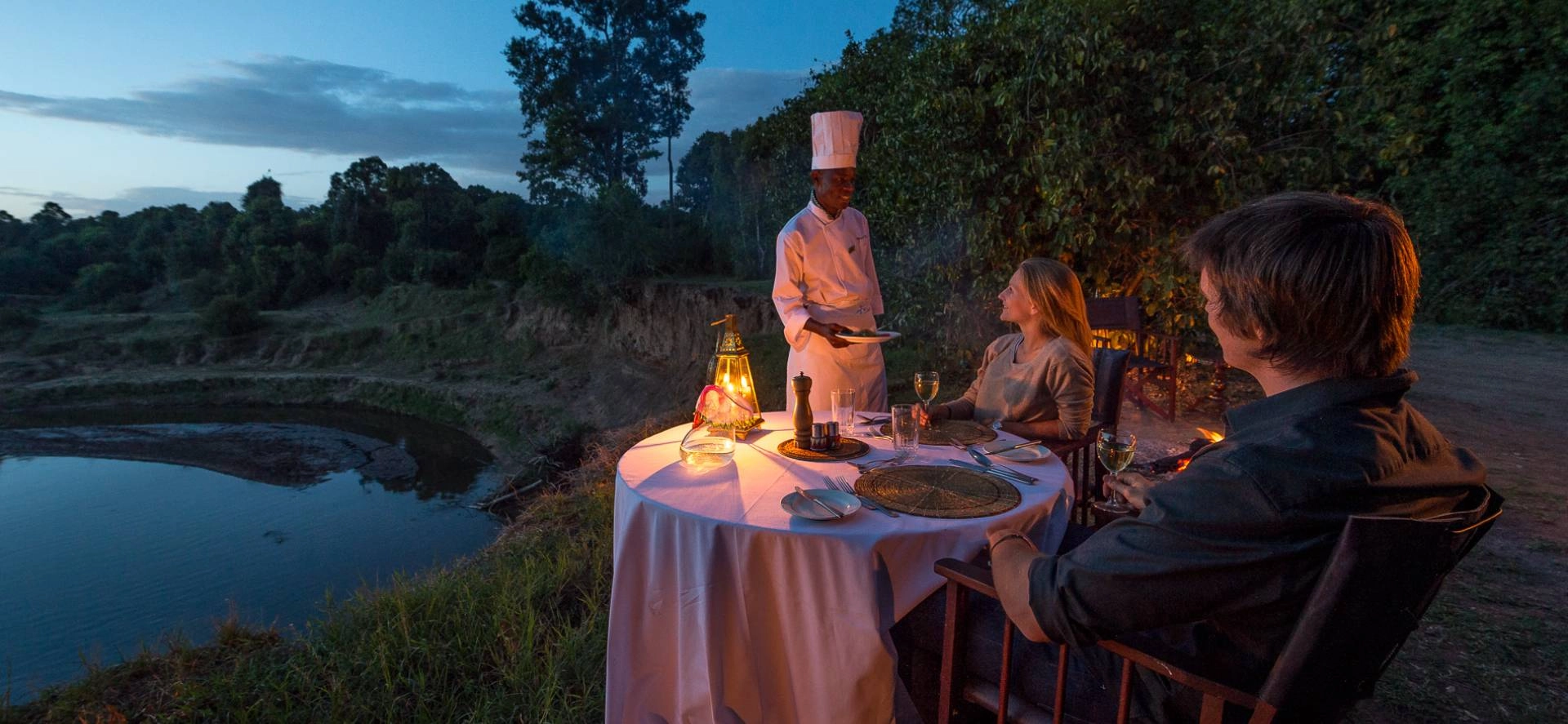
Definitive answer: A bush dinner is an outdoor evening meal arranged in a safe safari setting away from…
Read articleLet us take you closer to the wildlife, people and places that make Africa extraordinary.
Plan Your Safari Today