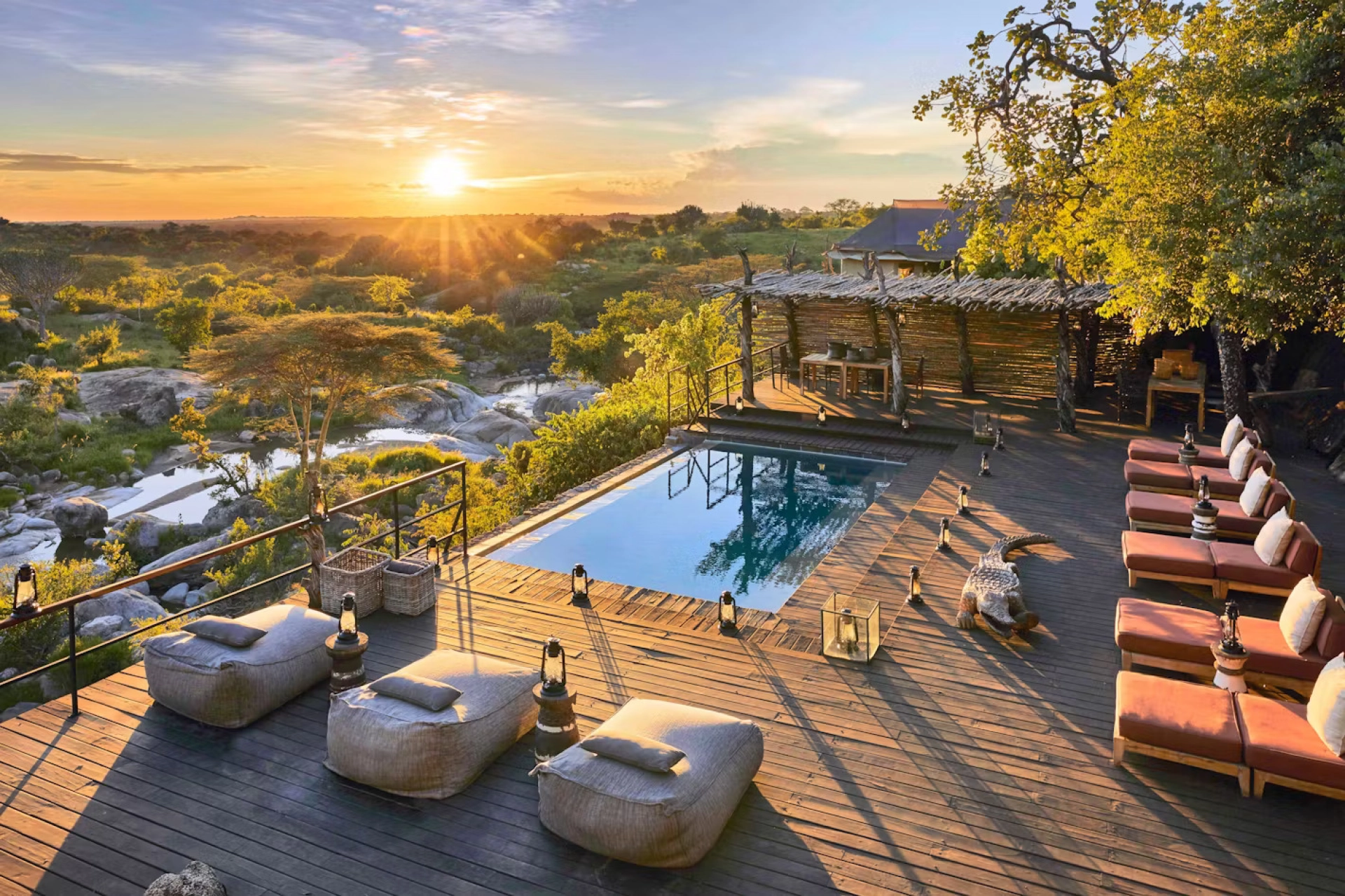
What should I look for when booking a luxury African safari?
When booking a luxury African safari, look beyond the room and compare the quality of guiding, wildlife location,…
Read article

Travel Guide
A Tanzania safari does not belong exclusively to travellers with unlimited budgets. Tanzania certainly has some of Africa's most spectacular luxury safari camps, private villas and fly-in wilderness experiences, but the same country also offers affordable…
A Tanzania safari does not belong exclusively to travellers with unlimited budgets. Tanzania certainly has some of Africa’s most spectacular luxury safari camps, private villas and fly-in wilderness experiences, but the same country also offers affordable Tanzania safari tours, comfortable midrange lodge itineraries, scheduled departures, private road safaris and carefully planned combinations that make the Serengeti and Ngorongoro accessible to a much wider range of travellers. The key is understanding what actually determines the cost of a Tanzania safari.
Travellers sometimes begin planning with the assumption that choosing a cheaper lodge automatically creates a cheap safari. Accommodation matters, but Tanzania safari pricing is more complicated. National park and conservation fees, vehicle costs, fuel, professional guiding, route length, season, group size, internal flights and the number of days spent inside premium wildlife areas all influence the final price.
A well-designed budget Tanzania safari can therefore be considerably better than an inefficiently planned expensive itinerary. Likewise, paying for luxury accommodation does not automatically create a better wildlife experience if the lodge is located far from the region where you actually need to be. The best Tanzania safari for your budget is the itinerary that places your money where it improves the journey most. For some travellers, that means spending more nights inside the Serengeti rather than upgrading every hotel.
For others, it means choosing comfortable midrange accommodation while paying for a private 4×4 and experienced guide. For honeymooners, the priorities might be privacy, atmosphere and a spectacular lodge. For photographers, vehicle space and location may matter more than spa facilities. For families, a well-designed room configuration and reasonable transfer times can be more important than formal luxury. This comprehensive guide explains how to plan the best Tanzania safari tours for every budget, from relatively affordable adventures to high-end fly-in safaris, while exploring Serengeti National Park, Ngorongoro Crater, Tarangire, Lake Manyara, Nyerere, Ruaha and the beaches of Zanzibar.
Few countries can match Tanzania’s combination of wildlife, landscapes and safari variety.
The country contains the Serengeti National Park, one of the world’s most celebrated wildlife ecosystems. Nearby lies the extraordinary Ngorongoro Crater, where wildlife occupies the floor of a vast volcanic caldera. Tarangire provides elephants, baobabs and highly productive dry-season wildlife viewing. Lake Manyara adds groundwater forest, Rift Valley scenery and birdlife. Southern Tanzania offers enormous wilderness areas such as Nyerere National Park and Ruaha National Park, where visitor numbers can be significantly lower than in the famous northern circuit.
Then there is the coast. After several days of game drives, travellers can fly to Zanzibar for white-sand beaches, Stone Town, spice experiences and the warm waters of the Indian Ocean. Tanzania can therefore provide a complete African holiday without requiring complicated international connections. But the country’s scale means careful planning is essential.
There is no single answer to the question, “How much does a Tanzania safari cost?”
Two itineraries of the same length can have dramatically different prices. A seven-day camping safari using simple accommodation and sharing certain costs between several travellers will cost considerably less than a seven-day luxury fly-in safari using exclusive camps. Yet both travellers may see the same lion pride. Both may watch elephants in Tarangire. Both may descend into Ngorongoro Crater. Both may experience the Serengeti. The difference lies primarily in comfort, exclusivity, transport, service level, location and flexibility. Understanding those components allows travellers to decide where additional spending actually creates value.
A private safari vehicle has substantial fixed costs.
The vehicle, guide, fuel and many logistical expenses remain similar whether one traveller or four travellers occupy the vehicle. This means Tanzania safari cost per person generally decreases when more travellers share the trip. A solo private safari can therefore be relatively expensive. Two travellers sharing already reduces the per-person vehicle cost. Families and groups can obtain even better value, depending on room arrangements. This is one reason private safari quotations should always be compared based on the same number of travellers.
Season dramatically influences accommodation prices.
The Tanzania high season generally overlaps with popular dry-season safari months and major migration periods. Demand for strategically located Serengeti camps can become extremely strong. Rates increase accordingly. Green-season months often provide better accommodation value. Some properties introduce lower seasonal rates or special offers. Travellers willing to accept occasional rain can therefore access excellent camps at considerably lower prices. Wildlife does not disappear when rates fall. The landscape simply changes.
Tanzania offers an enormous range of safari accommodation. At the more affordable end are campsites, simple tented camps and modest lodges. Midrange travellers can choose comfortable permanent tented camps and safari lodges with private bathrooms, restaurants and good locations. Luxury properties may include enormous suites, plunge pools, gourmet dining, exceptional interior design, private vehicles or highly personalised service. At the highest end, exclusive-use villas and private camps can cost more per night than an entire budget safari. Accommodation is therefore one of the easiest places to adjust a Tanzania safari budget.
Protected-area fees are a significant component of Tanzania safari prices. Premium wildlife destinations require entrance or conservation fees, and some areas have additional charges associated with vehicles, concessions, camping or crater access. These costs support conservation and protected-area management but also create a baseline below which legitimate safari pricing cannot realistically fall. This is important when comparing suspiciously cheap Tanzania safari offers. If one quotation is dramatically lower than every comparable itinerary, ask what has been excluded.
Most northern Tanzania road safaris use customised 4×4 safari vehicles. A good vehicle should provide excellent visibility, suitable seating and a pop-up roof or comparable wildlife-viewing arrangement. Vehicle quality affects comfort significantly. Northern Tanzania safari routes can involve long driving days and rough roads. Saving a small amount by accepting a poorly maintained vehicle can be false economy.
A guide is one of the most important investments in the entire safari. The lodge provides somewhere to sleep. The vehicle provides transport. But the guide interprets the ecosystem. An excellent guide notices tracks that visitors miss. They recognise alarm calls. They understand animal behaviour. They know when remaining patiently at a sighting is more productive than rushing toward the next reported animal. They also manage logistics, timing and route decisions. When comparing cheap Tanzania safari packages, do not evaluate accommodation while ignoring guide quality.
A budget Tanzania safari is designed to minimise unnecessary expenditure while preserving the essential wildlife experience. This may involve simple camps, public campsites, affordable lodges or less elaborate tented accommodation. Road transport is normally used rather than expensive internal flights. Travellers may choose shorter itineraries or travel during lower-priced seasons. The most important point is that “budget” should describe comfort level, not safety or professionalism. A legitimate budget safari should still use a properly maintained vehicle, qualified guide and correctly arranged park access.
Camping can significantly reduce accommodation costs. The experience also creates a stronger connection with the environment. At night, travellers hear the sounds of the African bush. Hyenas may call in the distance. Lions may roar beyond camp. Birds become active before sunrise. However, camping is not suitable for everyone. Bathroom facilities may be simpler. Privacy can be limited. Travellers who dislike basic conditions may enjoy Tanzania much more by spending moderately more on permanent tented camps. The goal is not to select the cheapest possible safari. It is to find the lowest comfort category you will genuinely enjoy.
For many travellers, a midrange Tanzania safari offers the strongest balance between cost and comfort. Midrange lodges and tented camps commonly provide private bathrooms, comfortable beds, restaurants, hot showers and attractive safari settings. Some are surprisingly atmospheric. A tented camp does not necessarily mean basic camping. Permanent safari tents may include large beds, ensuite bathrooms, furniture and private verandas while still allowing guests to hear wildlife outside. This accommodation style can provide much of the atmosphere associated with luxury safari without the highest price.
Most travellers spend relatively little daytime inside their rooms. They wake early. They eat breakfast. They leave for game drives. They return later for dinner and sleep. This means an extremely expensive suite may add less value than an additional night in Serengeti. Midrange accommodation allows travellers to redirect money toward the safari itself. A longer itinerary, private vehicle or strategically located camp can often improve the experience more than elaborate room amenities.
A luxury Tanzania safari moves beyond comfortable accommodation into exclusivity and highly personalised service. Luxury camps may occupy exceptional wildlife locations. Rooms can include enormous living areas, private decks and pools. Dining becomes more elaborate. Guest-to-staff ratios decrease. Some camps provide private vehicles or specialist guiding arrangements. Internal flights reduce transfer times. Luxury is particularly valuable when it improves location or privacy. A camp positioned close to migration activity can provide significantly more useful safari time than a cheaper property requiring long daily drives.
At the highest level, Tanzania offers private villas, exclusive-use safari houses and extraordinarily remote camps. These experiences are designed for travellers who prioritise privacy. A family or group may have its own vehicle, guide, chef and staff. Schedules become extremely flexible. There is little need to coordinate with other guests. For celebrities, multigenerational families or travellers seeking complete privacy, this can be invaluable. But ultra-luxury is not necessary for outstanding wildlife. The lion does not know how much your lodge costs.
No discussion of the best Tanzania safari tours can avoid Serengeti. The ecosystem is enormous. Its name has become synonymous with African wildlife. Serengeti supports lions, leopards, cheetahs, elephants, buffaloes, giraffes, hyenas and enormous populations of grazing animals. It is also the principal Tanzanian stage for the Great Wildebeest Migration.
Budget travellers can use simpler accommodation and road transport. The key is avoiding excessive driving. A cheap lodge located too far outside the areas you want to explore can cost valuable wildlife-viewing hours.
Permanent and seasonal tented camps provide excellent options. Many offer strong locations without the highest luxury rates.
Luxury camps can provide outstanding positioning, exceptional service and fly-in access. Mobile or seasonal camps may follow migration patterns, allowing guests to stay closer to likely herd concentrations.
The Great Wildebeest Migration is not a single event. It is a continuous movement through the Serengeti-Mara ecosystem influenced primarily by rainfall and grazing. During parts of the year, large herds gather across southern Serengeti and nearby plains. Later they move through central and western regions. Eventually many reach northern Serengeti and Kenya’s Masai Mara before the broader cycle continues. This means a lodge that is perfect for migration viewing in February may be badly positioned for August. Safari budgeting should therefore begin with geography. Do not pay a premium for a famous Serengeti lodge if it is far from your seasonal wildlife priority.
The Ngorongoro Crater provides one of Tanzania’s most extraordinary wildlife experiences. Safari vehicles descend from highland forest toward the crater floor. Below lies an immense natural amphitheatre containing grasslands, wetlands, woodland and abundant wildlife. Lions, buffaloes, zebras, wildebeest, hippos, elephants and many other species can be encountered. Ngorongoro is also one of Tanzania’s important areas for black rhino conservation.
Yes, relative to many safari areas. Access and conservation charges make it a premium destination. But because wildlife density is high, even one carefully planned crater game drive can be extraordinarily productive. Budget travellers should generally include Ngorongoro rather than eliminate it purely because of cost. Instead, save elsewhere.
Tarangire National Park can be one of the best-value additions to a northern Tanzania safari. Its enormous baobab trees create a distinctive landscape. Elephants are particularly important. During the dry season, wildlife can concentrate around the Tarangire River and other remaining water sources. The park receives less international attention than Serengeti and Ngorongoro, but this can work in its favour. For travellers interested in elephants, scenery and a varied northern circuit, Tarangire deserves serious consideration.
Lake Manyara National Park occupies a beautiful setting beneath the Rift Valley escarpment. The park contains groundwater forest, open habitat, wetlands and lake environments. It supports elephants, buffaloes, primates and abundant birdlife. Lake Manyara is relatively compact and can fit conveniently into northern Tanzania routes. Whether it deserves a full day depends on the overall itinerary. Travellers with limited time may prioritise Tarangire, Ngorongoro and Serengeti. Those with longer itineraries can appreciate Manyara’s ecological contrast.
Travellers who have already visited Africa or dislike crowded wildlife sightings should consider Ruaha National Park. Ruaha lies within Tanzania’s southern safari circuit and provides enormous wilderness landscapes. Elephants, lions, leopards, buffaloes and numerous antelope species occur here. The safari atmosphere differs substantially from northern Tanzania. Visitor numbers are generally lower. Wildlife can require more searching. But sightings often feel more private. The challenge is access. Flights and more remote logistics can make southern Tanzania relatively expensive despite lower visitor density.
The vast ecosystem associated with Nyerere National Park offers a different safari style. Waterways create opportunities for boat-based wildlife viewing in addition to conventional game drives in suitable areas. This diversity can be particularly attractive to repeat safari travellers. Southern Tanzania works extremely well for travellers who value wilderness and fewer vehicles more than seeing famous landmarks.
One of Tanzania’s greatest advantages is the ability to combine wildlife with the Indian Ocean. A Tanzania safari and Zanzibar holiday can include several days exploring national parks followed by beach relaxation. This combination suits honeymooners particularly well. It also works for families. After early safari mornings and dusty roads, a few days beside the ocean can provide an ideal change of pace. Budget travellers can choose modest beach hotels.
Midrange travellers have an enormous range of resorts. Luxury travellers can choose private villas and boutique properties. The same safari-and-beach concept therefore works across virtually every budget category.
A cost-conscious traveller should focus on efficient routing. A practical northern circuit might include Tarangire, Ngorongoro and Serengeti without unnecessary detours. Use comfortable but simple accommodation. Travel overland. Share fixed vehicle costs with companions. Consider shoulder or green-season travel. Avoid changing camps unnecessarily. Every accommodation change consumes time and creates logistical cost. Three nights in one well-positioned Serengeti camp can be better than three different camps chosen simply because the itinerary looks more elaborate.
Midrange travellers have enormous flexibility. A 7-day Tanzania safari can combine Tarangire, Ngorongoro and Serengeti comfortably. With additional time, extend Serengeti or add Zanzibar. Spend money on strategic accommodation locations rather than upgrading every property. Choose a private vehicle if flexibility is important. For many couples, this is Tanzania’s sweet spot.
Luxury travellers should consider using internal flights strategically. Flying between distant safari regions can save many hours. Seasonal camps can place guests close to migration areas. Private vehicles create complete game-drive flexibility. High-end lodges can also provide exceptional experiences outside game drives, from private dining to spa treatments and scenic locations. The important principle remains the same: Luxury should improve the safari, not merely the bedroom.
A family safari in Tanzania requires different planning. Long road transfers can be tiring for children. Room configuration matters. Some camps have age restrictions or activity limitations. Private vehicles are extremely useful because families can adjust departure times and game-drive duration. Children often become fascinated by smaller wildlife once guides engage them properly. Dung beetles, tracks, bones, birds and animal behaviour can be as interesting as lions. Combining safari with Zanzibar can also make the holiday more balanced.
Few destinations suit honeymoons better than Tanzania. A Tanzania honeymoon safari can combine intimate tented camps, spectacular wildlife and Zanzibar beaches. Couples should not automatically select the most expensive lodge. Privacy, setting and atmosphere matter more. A small camp overlooking a beautiful landscape can feel more romantic than a larger luxury property. Private game drives are worth considering. They allow couples to control their own schedule without coordinating with strangers.
Photographers should budget differently. The safari vehicle matters enormously. Having an entire seat row or even a private vehicle can be more valuable than luxury accommodation. Photographers often want to remain with an animal for extended periods. A shared vehicle creates compromises because other passengers may want to move. Camp location also matters. Early access to wildlife areas provides better light. Spending more for strategic location can therefore produce far greater photographic value than spending on room luxury.
A short safari can include Tarangire, Lake Manyara and Ngorongoro or a focused fly-in Serengeti experience. It is suitable for travellers combining safari with another East African destination or Zanzibar.
This is an excellent duration for a classic northern Tanzania safari. Tarangire, Ngorongoro and Serengeti can be combined without extreme rushing.
This allows deeper Serengeti exploration and slower travel. It is particularly useful when targeting migration regions.
Longer journeys can combine northern and southern experiences, add Zanzibar or integrate Kenya. The additional time creates a more relaxed safari and reduces pressure to see everything immediately.
A private Tanzania safari gives you your own vehicle and guide. This creates flexibility. Photographers can remain longer at sightings. Families can adapt schedules. Couples gain privacy. A group safari reduces cost because vehicle expenses are divided between more travellers. For solo travellers, scheduled group departures can be particularly valuable. The disadvantage is compromise. Your schedule becomes partly dependent on other travellers. Neither style is universally better. The correct choice depends on budget and priorities.
Road safaris are usually less expensive. They also allow travellers to experience changing landscapes between parks. However, Tanzania is large. Some transfers are long. Fly-in safaris dramatically reduce travel time. Small aircraft connect major safari regions. The additional cost can be worthwhile for travellers with limited holiday time. A hybrid itinerary is often ideal. Drive through the northern circuit, then fly from Serengeti toward Zanzibar rather than returning overland.
Lower-demand green-season periods can offer some of the best value. Accommodation rates may fall. Visitor numbers decrease. The landscape becomes green. Birdlife can be outstanding. The disadvantage is rain. Road conditions may be less predictable, and some remote camps can close during particularly wet periods. However, the idea that Tanzania becomes unsuitable for safari whenever rain appears is incorrect. Wildlife remains. For flexible travellers, green season can provide exceptional value.
Peak safari months and festive holiday periods generally command higher prices. Strategically positioned Serengeti camps can sell out far in advance during popular migration periods. If you must travel during July, August or Christmas/New Year, early booking is strongly recommended. Waiting for last-minute discounts can instead result in poor lodge locations or no availability.
The best cost-saving decisions are strategic. Travel with another person or small group. Choose midrange rather than luxury accommodation. Use road transfers where practical. Travel during shoulder periods. Avoid unnecessary itinerary changes. Spend longer in fewer locations. Book the correct Serengeti region for your season. Do not remove essential parks merely to reduce price slightly. And never save money by compromising vehicle maintenance or guide quality.
The cheapest lodge may require long daily drives. Fuel and lost safari time can eliminate the apparent saving.
A rushed itinerary creates more driving and less wildlife viewing.
Safari pricing includes substantial conservation costs. Compare complete packages rather than room rates.
Wildlife moves freely. A budget traveller and luxury traveller can watch the same leopard.
Migration geography matters. A cheap camp hundreds of kilometres from your target wildlife is not good value.
Kenya and Tanzania both offer options from budget to ultra-luxury. Direct cost comparisons are difficult because park fees, accommodation styles and routes differ. Tanzania’s northern circuit is particularly attractive because Serengeti, Ngorongoro, Tarangire and Manyara can form one connected route. Kenya provides the Masai Mara, Amboseli, Lake Nakuru, Samburu and other ecosystems. Travellers interested in the Great Migration can combine both countries for an exceptional East African safari.
For travellers with a larger budget or longer holiday, combining Tanzania with gorilla trekking in Uganda creates one of Africa’s ultimate wildlife journeys. Tanzania provides open savannah. Uganda provides tropical rainforest. In Serengeti, travellers watch lions, cheetahs, elephants and enormous grazing herds. In Bwindi Impenetrable National Park, they enter forest on foot in search of mountain gorillas. The experiences could hardly be more different. That contrast is exactly what makes the combination exceptional.
A longer East Africa safari can connect all three countries. Begin with mountain gorillas in Uganda. Continue to Kenya for the Masai Mara. Cross or fly toward Tanzania for Serengeti and Ngorongoro. Finish in Zanzibar. Such an itinerary requires more time and budget, but it brings together an extraordinary concentration of African wildlife experiences.
The answer depends on season, accommodation, trip length, number of travellers and whether you use road or air transfers. Request a complete quotation based on your exact dates rather than relying on generic nightly figures.
Tanzania can be expensive because of conservation fees and long travel distances, but budget and midrange safaris remain possible.
Relatively affordable safaris are possible through simple accommodation, efficient routing, group travel and lower-demand seasons. Extremely cheap offers should be examined carefully to ensure essential fees and professional services are included.
Yes. The wildlife experience does not require a luxury lodge. Good guiding, vehicle reliability and sensible accommodation location matter more.
A private safari costs more for solo travellers but becomes increasingly economical as vehicle costs are shared between several people.
At least two or three nights is preferable for most itineraries. More time is valuable when exploring distant Serengeti regions or following seasonal migration patterns.
Ideally, visit both. Serengeti offers enormous landscapes and extensive wildlife viewing, while Ngorongoro provides concentrated wildlife inside a spectacular volcanic caldera.
Yes. This is one of Africa’s most popular safari-and-beach combinations.
Yes, provided the itinerary considers driving times, child-friendly accommodation and appropriate activities.
For many travellers, a private midrange northern circuit using well-located tented camps provides the best balance of wildlife, comfort and cost.
The best Tanzania safari for every budget is not determined by the number of stars attached to a lodge. It is determined by intelligent itinerary design. A budget traveller who spends three nights in the correct Serengeti region with an excellent guide may have a better safari than a luxury traveller who spends half the holiday transferring between poorly chosen camps. Start with wildlife priorities. Then consider travel dates. Then design the route.
Only after that should you choose accommodation. For first-time visitors, Serengeti National Park, Ngorongoro Crater and Tarangire National Park create an exceptional foundation. Add Lake Manyara if time allows. Choose Ruaha or Nyerere if wilderness and fewer vehicles matter more than famous names. Finish with Zanzibar if you want a beach holiday. And combine Tanzania with Uganda gorilla trekking if you want to experience both East Africa’s great savannahs and its mountain rainforests.
Adventure in the Wild Safaris can design customised Tanzania safari packages, Serengeti safaris, Tanzania and Zanzibar holidays, Tanzania family safaris, honeymoon safaris and Uganda–Tanzania wildlife combinations around your preferred budget and travel style. A memorable Tanzania safari does not require spending the most money. It requires spending your safari budget in the right places.

Share This Article
When booking a luxury African safari, look beyond the room and compare the quality of guiding, wildlife location,…
Read article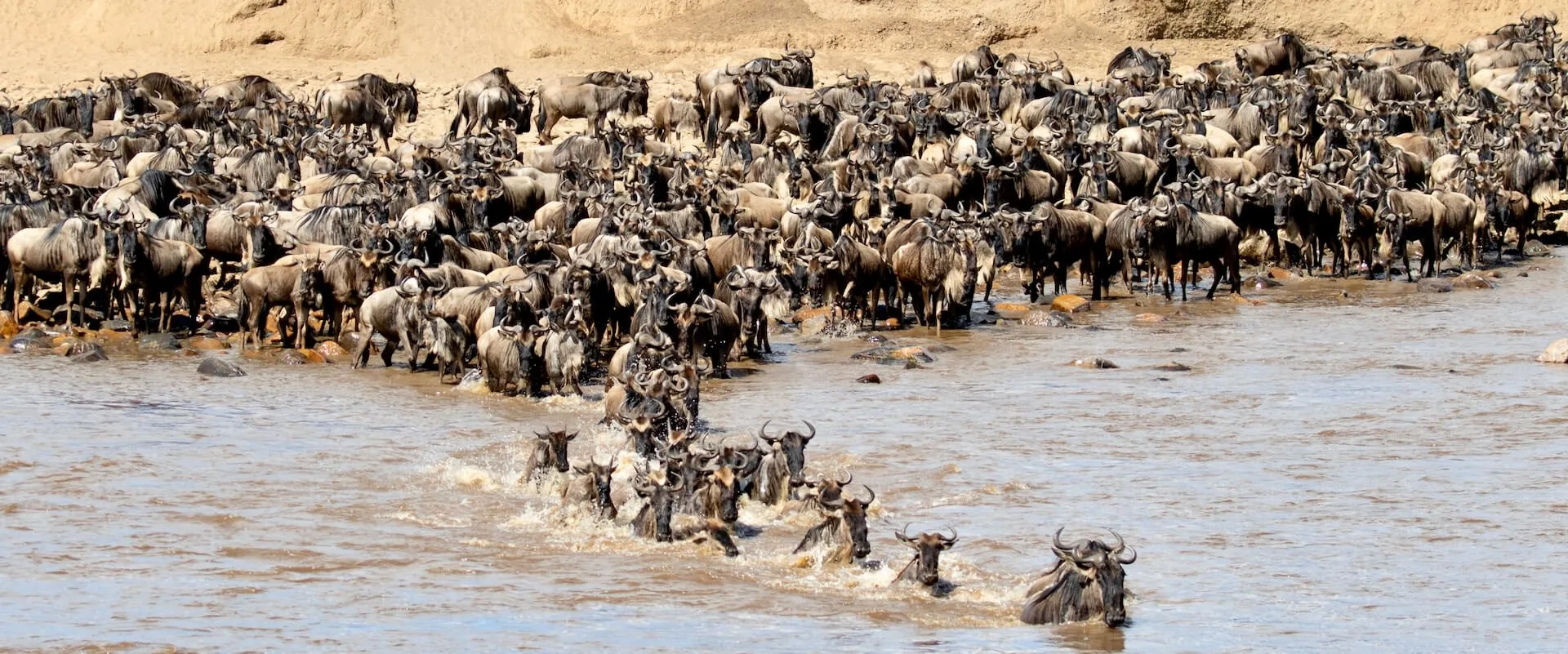
The Great Migration in Africa happens all year because the herds continuously circulate through the Serengeti–Mara ecosystem in…
Read article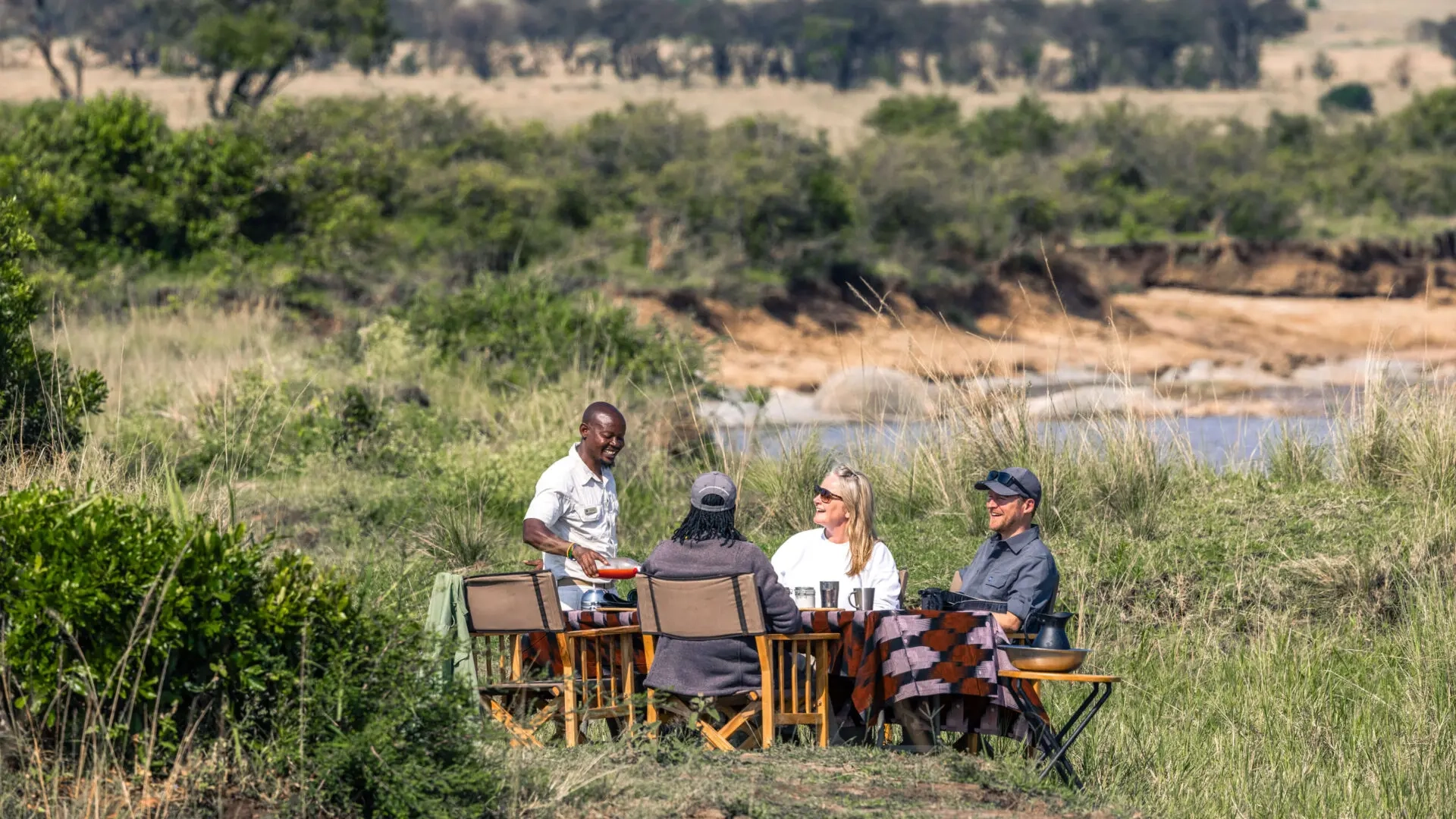
Definitive answer: A picnic lunch on safari is a packed or catered midday meal eaten at an approved…
Read article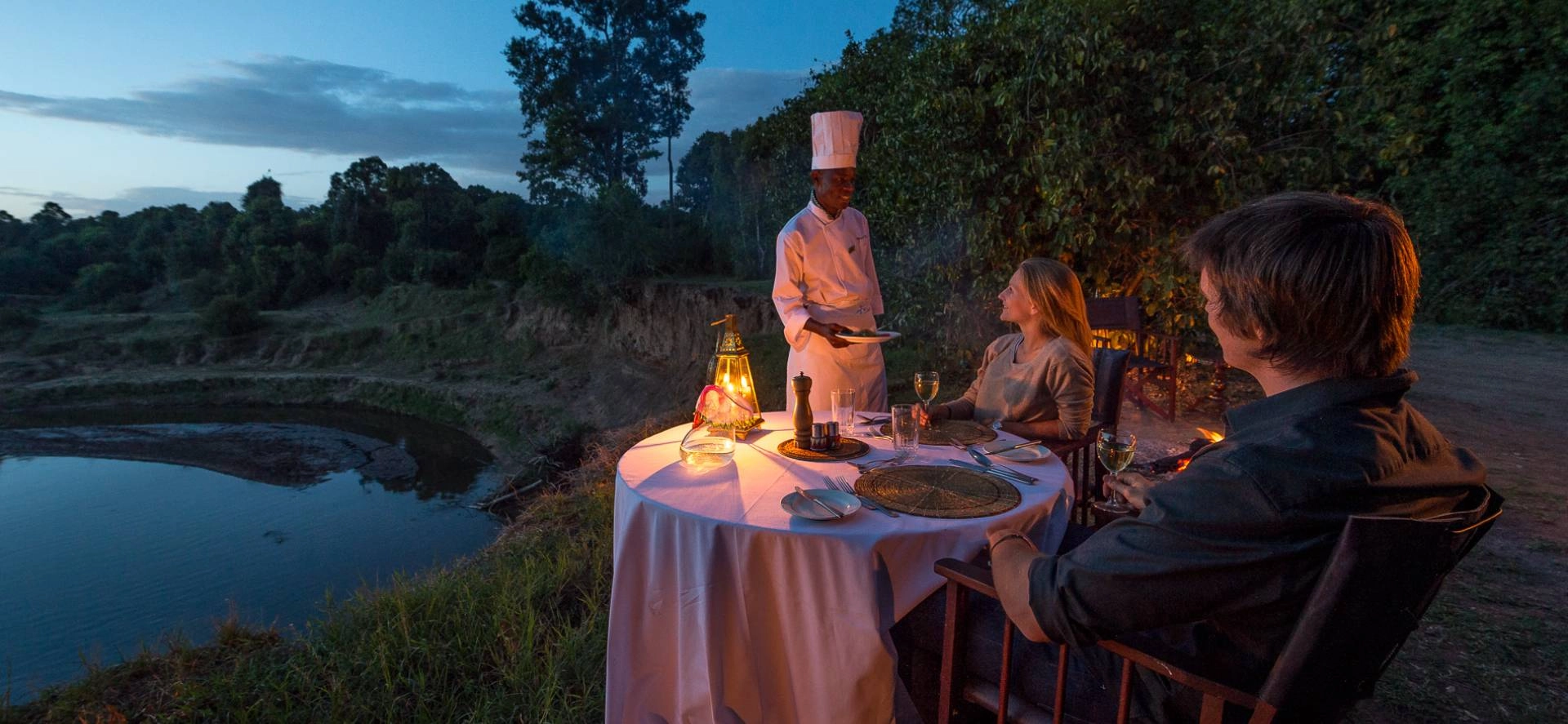
Definitive answer: A bush dinner is an outdoor evening meal arranged in a safe safari setting away from…
Read articleLet us take you closer to the wildlife, people and places that make Africa extraordinary.
Plan Your Safari Today