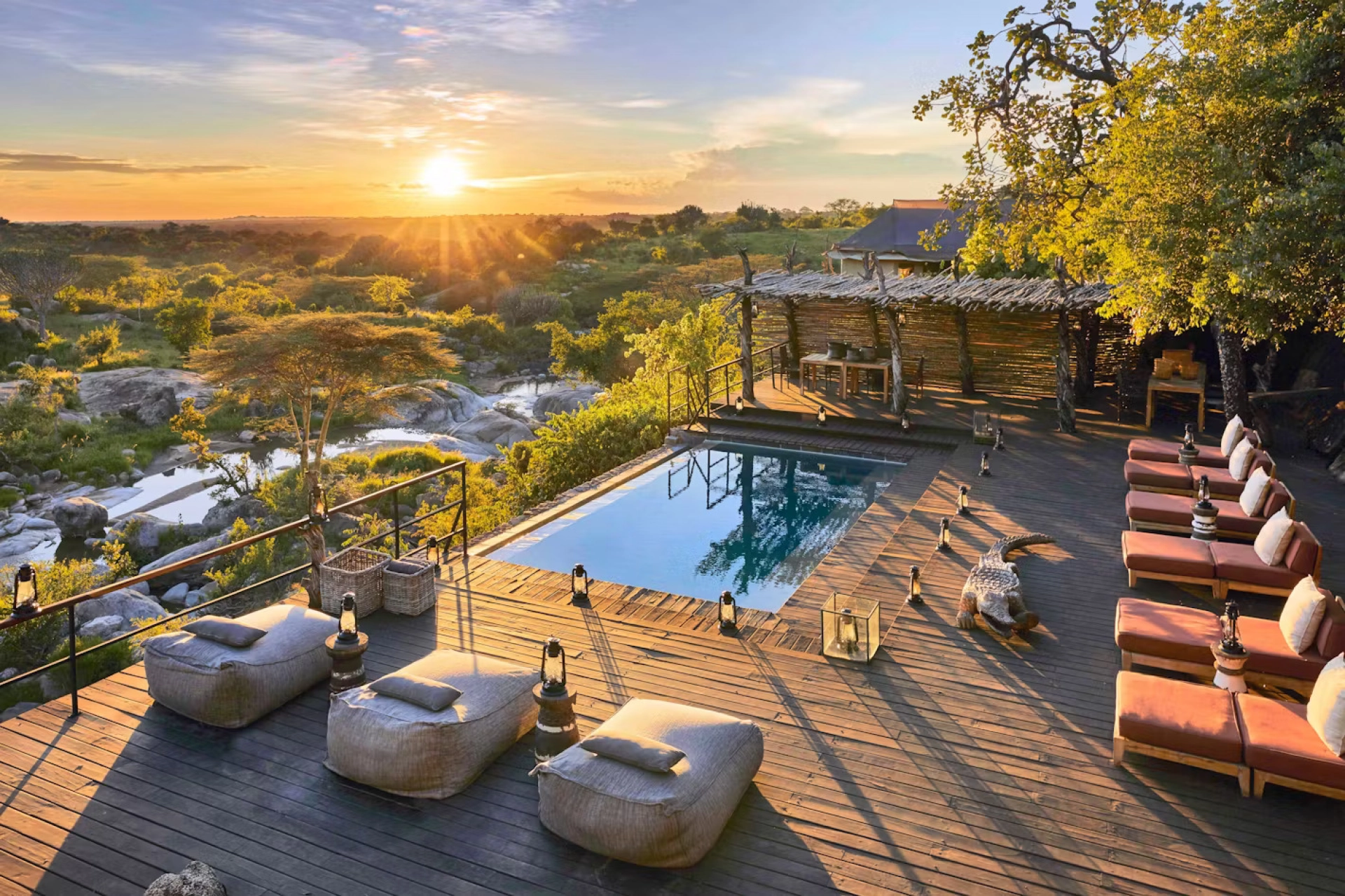
What should I look for when booking a luxury African safari?
When booking a luxury African safari, look beyond the room and compare the quality of guiding, wildlife location,…
Read article

Travel Guide
The best time to visit Kenya for safari depends on what you want to experience. If your dream is watching enormous wildebeest herds spreading across the Masai Mara National Reserve, you will probably choose different dates…
The best time to visit Kenya for safari depends on what you want to experience. If your dream is watching enormous wildebeest herds spreading across the Masai Mara National Reserve, you will probably choose different dates from a photographer wanting green landscapes and newborn animals. If you want clear views of Mount Kilimanjaro from Amboseli National Park, weather patterns matter.
If elephants are your priority, Amboseli can be excellent across multiple seasons. If you want dramatic dry-country wildlife and distinctive northern species, Samburu National Reserve may influence your itinerary. If your goal is to combine a Kenya wildlife safari with Diani Beach, the Indian Ocean coast must also be considered. Kenya is not a destination with one good safari season and eleven bad months. Wildlife remains in the country throughout the year.
Lions do not disappear when rain begins. Elephants do not leave Kenya when the migration moves south. Leopards remain territorial. Rhinos continue inhabiting protected areas. What changes is rainfall, vegetation, wildlife concentration, migration patterns, visitor numbers, accommodation rates and photographic conditions. This means the best month for Kenya safari depends on your personal priorities. For many first-time travellers, the major dry periods—particularly July through October and often January through February—are highly attractive because wildlife visibility can be excellent and travel conditions relatively straightforward.
But green-season travel has important advantages. Landscapes become beautiful. Visitor numbers fall. Birding improves. Some safari camps reduce prices. This detailed Kenya safari month-by-month guide explains how each period affects the Masai Mara, Amboseli, Samburu, Lake Nakuru, Tsavo, Laikipia and the Kenyan coast.
Kenya lies across the equator, so safari seasons are influenced more strongly by rainfall than by conventional northern-hemisphere summer and winter.
Weather varies geographically. The coast differs from the central highlands. Northern Kenya differs from the Mara. Altitude creates major temperature differences. Broadly, however, safari planning often revolves around drier and wetter periods. The long rains are commonly associated with approximately March-May. Shorter rains often occur around October-December. January-February can be relatively dry. June-October forms a major dry safari period in many wildlife regions. These are broad patterns. Weather does not follow exact calendar boundaries.
Kenya’s great strength is resident wildlife.
The Great Wildebeest Migration receives enormous international attention, but it represents only part of the safari experience. The Masai Mara supports resident lions, leopards, cheetahs, elephants, giraffes, hyenas, buffaloes and antelope throughout the year. Amboseli’s elephants remain. Samburu’s specialised wildlife remains. Rhinos can be found in several protected areas. Laikipia’s conservancies remain important wildlife landscapes. A traveller visiting outside migration season can still have an extraordinary safari.
January is an excellent safari month.
Conditions in many regions are relatively dry. Vegetation may begin thinning. Wildlife viewing can be strong. Days are generally warm. January is especially attractive for travellers who want excellent safari conditions without travelling during the famous July-August migration peak. A Kenya safari in January can combine Masai Mara, Lake Nakuru and Amboseli National Park. Photographers may appreciate the balance between manageable vegetation and potentially attractive landscapes.
Yes.
The enormous migration herds may be farther south in the Serengeti ecosystem, but the Masai Mara wildlife safari remains excellent. Resident predators are a major attraction. Lions occupy territories throughout the year. Leopards and cheetahs remain. Elephants, giraffes and numerous herbivores continue using the ecosystem. Travellers who believe the Mara is empty outside migration season misunderstand the reserve.
February can be one of the strongest months for a Kenya safari holiday.
Conditions are often relatively dry. Wildlife viewing is excellent. Road conditions are generally favourable. Birdlife remains interesting. February also combines well with Tanzania for travellers wanting to experience Serengeti wildebeest calving before or after visiting Kenya. A Kenya and Tanzania safari in February can therefore provide resident wildlife in the Mara plus dramatic migration activity in southern Serengeti.
February can be excellent for Amboseli National Park. Elephants remain the major attraction. Clear mornings may provide beautiful views toward Mount Kilimanjaro when atmospheric conditions cooperate. Clouds can develop later in the day, so photographers often value early morning game drives.
March is a transitional month. The early part of the month can provide excellent safari conditions. Rain probability generally increases as the month progresses. The advantage is declining visitor numbers. Landscapes begin changing. Dust decreases. Photography becomes greener. A Kenya safari in March can therefore provide excellent value for flexible travellers.
April is associated with the long rains in Kenya. Heavy rainfall can occur. Some roads become muddy. Certain remote camps may close. Vegetation becomes dense. For travellers seeking guaranteed dry weather, April is not the obvious choice. But it has advantages. Safari areas are quieter. Landscapes become brilliantly green. Cloud formations can be spectacular. Accommodation prices may be lower. Photographers who understand wet-season conditions can produce extraordinary images.
Yes, for the right traveller. If you dislike rain and want predictable game-drive conditions, choose another month. If you value low visitor numbers, green scenery and potentially reduced prices, April can be rewarding. Wildlife remains. Predators still hunt. Elephants still move through Amboseli. The ecosystem does not shut down for the rainy season.
May generally remains within the wetter period. Visitor numbers can be low. Some camps remain closed. Road conditions require greater care. The landscapes are lush. This can be an excellent period for Kenya birding safaris and photography. Budget-conscious travellers may find attractive offers. However, itinerary design becomes more important because not every lodge operates normally during the deepest green season.
June is one of Kenya’s most interesting transition months. The long rains generally ease. Landscapes retain green colour. Road conditions improve. Wildlife viewing becomes increasingly straightforward. Visitor numbers begin rising but often remain below July-August peaks. For travellers with flexible dates, Kenya safari in June can provide one of the best combinations of wildlife, scenery and value.
June often sits between two tourism narratives. It is no longer the wet season. But it is not yet the famous migration peak. That can be an advantage. The Mara is beautiful. Amboseli is productive. Samburu is rewarding. Temperatures can be comfortable. Travellers seeking a Kenya safari with fewer crowds should seriously consider June.
July marks the beginning of one of Kenya’s most popular safari periods. Conditions become drier. Vegetation gradually thins. Wildlife becomes easier to locate around water. The wider migration system may begin bringing increasing numbers of wildebeest toward the northern Serengeti and Masai Mara ecosystem, depending on annual rainfall and herd movement. A Kenya safari in July is excellent for first-time visitors. But demand rises. Book early.
Travellers often assume that July guarantees enormous wildebeest herds in the Masai Mara. Nature is not that precise. Migration timing depends on rainfall and grazing. Some years herds arrive earlier. Other years movement is later. River crossings are unpredictable. A good safari operator should explain this rather than promising a specific wildlife event on a specific date.
August is one of the most famous months for Masai Mara safari. Large migration herds may occupy the wider Mara ecosystem. Possible river crossings attract visitors from around the world. Predators respond to abundant prey. General wildlife viewing is excellent. For travellers wanting the classic migration experience, August is understandably popular. But it is also busy.
Popular wildlife sightings can attract many safari vehicles. Migration crossing points can become particularly busy. This does not mean travellers should avoid August. Instead, choose accommodation strategically. Private conservancies surrounding the main reserve can offer different experiences and potentially lower vehicle densities, depending on location and current wildlife movements. Spending several nights also reduces pressure to chase every sighting.
September remains one of the best months for Kenya safari. Dry-season conditions continue. The migration may remain highly relevant in the Mara. Wildlife visibility is strong. Visitor numbers can remain significant, although some areas may feel calmer than during peak August weeks. For photographers, September offers excellent opportunities. Dust, golden grass and low-angle light create classic East African imagery.
October is a transition month. Early October can still provide strong dry-season wildlife. Migration herds may remain in or around the Mara depending on rainfall. As short rains develop, the landscape begins changing. This creates an interesting combination. Travellers can experience excellent wildlife while visitor numbers begin declining. October is therefore one of the most flexible months for Kenya safari tours.
November is often associated with the short rains in Kenya. Rain rejuvenates the landscape. Fresh grass appears. Dust settles. The Mara becomes green. Visitor numbers decline. This is a superb month for travellers who value photography and fewer vehicles. A Kenya safari in November can also be considerably better value than peak migration season.
Usually, rainfall patterns are more complicated than continuous all-day rain. Showers may occur in bursts. Some days can remain largely dry. Conditions vary annually and regionally. Travellers should be prepared for rain without assuming every safari day will be washed out.
December can be excellent. The landscape is often green. Wildlife remains abundant. Early December can provide attractive value. Late December becomes busy because of Christmas and New Year travel. Families and honeymooners should book festive-period safaris well in advance. A Kenya safari in December also combines very well with beach time along the Indian Ocean coast.
The best time to visit Masai Mara depends on your objective. For Great Migration activity, July through October is generally the most famous period, although exact herd movements vary. For resident predators and fewer tourists, January-February can be excellent. For green landscapes, birding and lower visitor numbers, November, early December and parts of the wetter season can be highly rewarding. The Mara is a year-round wildlife destination.
The Great Migration in Kenya is primarily associated with the period when herds move into the Masai Mara ecosystem from the Serengeti. This often occurs during the dry-season months. However, the exact timing changes. The migration follows ecological conditions rather than dates. Travellers should therefore avoid choosing a safari based on claims such as “crossing guaranteed on August 15.” No one controls wild animals.
The Mara River crossings are among Africa’s most dramatic wildlife spectacles. Large wildebeest herds may gather along riverbanks. They can wait for long periods. Suddenly movement begins. Animals enter the water. The crossing can become chaotic. Crocodiles may be present. Predators may wait beyond the river. But crossings are unpredictable. A safari should never be considered unsuccessful simply because one specific crossing does not occur. The wider migration itself is extraordinary.
Amboseli National Park is famous for elephants and views of Mount Kilimanjaro. Wildlife can be viewed throughout the year. Drier periods can make animals easier to locate around water. January-February and June-October are popular. However, green-season Amboseli can be beautiful. The contrast between wetlands, green plains and Kilimanjaro can produce spectacular photography.
Clear conditions are never guaranteed. Kilimanjaro often develops cloud cover as the day progresses. Early morning frequently provides the best opportunity. Dry-season conditions can improve visibility, but weather remains variable. Photographers should schedule several game drives rather than relying on one morning.
Samburu National Reserve lies in Kenya’s drier north. Its landscapes and wildlife differ significantly from the Mara. The Ewaso Nyiro River acts as a critical ecological feature. Dry periods can concentrate animals near water. This makes Samburu safari particularly productive during dry conditions. Samburu also provides opportunities to encounter species less commonly seen on the southern safari circuit.
Safari marketing often refers to the Samburu Special Five: Grevy’s zebra, reticulated giraffe, gerenuk, Beisa oryx and Somali ostrich. These species give northern Kenya a distinctive character. Travellers combining Masai Mara and Samburu experience very different ecological regions within one country.
Lake Nakuru National Park can be visited throughout the year. The park is important for rhino conservation and supports diverse wildlife. Flamingo numbers vary according to changing water and ecological conditions and should not be treated as guaranteed. Lake Nakuru works conveniently between Nairobi and western Kenya safari routes.
Kenya offers several strong rhino destinations. Lake Nakuru is one. Ol Pejeta Conservancy in Laikipia is another major conservation area. Nairobi National Park can also provide opportunities. Because rhinos are resident rather than migratory, timing is less dependent on one particular month.
The Laikipia Plateau contains private conservancies and wildlife areas offering experiences that complement national parks. Depending on the property and conservation area, activities may include game drives, walking, camel experiences and other specialised safari activities. Dry periods can provide strong wildlife concentrations. Green seasons provide attractive scenery and fewer visitors. Laikipia is particularly suitable for travellers wanting a more varied Kenya conservation safari.
Tsavo East and Tsavo West together form one of Kenya’s great wildlife landscapes. Tsavo is known for enormous scale, elephants and rugged scenery. Its location also makes it useful for travellers combining safari with the Kenyan coast. Drier months generally improve wildlife visibility around water. However, green-season landscapes can be spectacular.
A Kenya safari and Diani Beach holiday combines wildlife with the Indian Ocean. This is particularly convenient because travellers can safari in parks such as Tsavo before continuing toward the coast, or fly between Nairobi/Mara and coastal airports. July-October is popular for both safari and beach travel. January-February can also provide an excellent combination. Coastal conditions should always be evaluated separately from inland safari weather.
Kenya’s coast is warm for much of the year. Rainfall patterns influence beach holidays. The wetter April-May period can be less predictable. January-February and parts of July-October are popular for beach travel. Specific conditions vary by location. Travellers combining Masai Mara safari and Diani Beach should plan both components rather than choosing dates based only on migration.
Families often travel during school holidays. July-August and December are therefore particularly popular. Both periods can provide excellent wildlife. However, demand is high. Family rooms and interconnecting accommodation can sell out. A private safari vehicle is especially useful for families because game drives can be adjusted according to children’s energy levels.
The best Kenya safari with kids should avoid unnecessary travel. Masai Mara and Lake Nakuru can combine well. Amboseli adds elephants and Kilimanjaro. A beach extension gives children time to relax after early safari mornings. Not every family needs to visit five parks. A slower itinerary usually works better.
Kenya is an outstanding honeymoon destination. July-October provides classic safari conditions. January-February is another excellent period. Green-season travel can provide lower lodge rates and more privacy. Honeymooners should consider small tented camps, private conservancies and a Kenya safari and beach honeymoon. Diani, Watamu, Lamu and other coastal destinations can create a beautiful finish.
There is no single answer. Dry season provides predictable wildlife concentrations, dust and golden grass. Green season provides dramatic clouds, saturated colours and fewer vehicles. Migration season provides enormous herds. January-February can provide strong predator photography without peak migration crowds. Photographers should prioritise vehicle space and time at sightings rather than simply choosing the most famous month.
Kenya is one of Africa’s great birding destinations. Resident species provide year-round interest. Seasonal migrants can increase diversity during parts of the year. Green landscapes can create excellent bird photography. A Kenya birding safari can combine Rift Valley lakes, forests, savannah and northern dry-country habitats. Birders often benefit from travelling outside conventional peak safari months.
The wetter and shoulder seasons generally offer the greatest opportunities for lower accommodation prices. April-May can be particularly quiet, although some camps close. November can offer an attractive compromise between pricing, wildlife and weather. Early December may also provide value before festive demand increases. The cheapest safari is not necessarily the best value. A better objective is finding a period when lower prices overlap with strong wildlife conditions.
Peak migration months can command premium rates in and around Masai Mara. Christmas and New Year are also expensive. Premium camps and private conservancies may require substantial advance booking. If your dates are fixed during these periods, reserve early.
A Kenya dry season safari generally provides easier wildlife viewing. Vegetation is thinner. Animals gather near water. Road conditions are usually straightforward. The disadvantage is higher prices and more vehicles. A Kenya green season safari provides lush scenery, fewer visitors, excellent birding and potentially lower prices. The disadvantages include rain, thicker vegetation and more challenging road conditions. Both can produce excellent safari.
Budget travellers should look beyond August. January, February, June, November and early December can provide excellent alternatives depending on the itinerary. Travelling with several people reduces private vehicle cost per person. Using good midrange camps instead of luxury lodges can reduce prices substantially. A budget Kenya safari does not require compromising wildlife.
Luxury safari is available year-round. The decision becomes more about atmosphere. Peak migration season provides extraordinary wildlife but greater demand. Green season can provide exceptional luxury value and quieter camps. Private conservancies can offer additional privacy and varied activities. Luxury travellers should prioritise camp location and guiding rather than simply choosing the most expensive property.
Kenya and Tanzania share the wider Serengeti-Mara migration system. The “better” country therefore changes with season and travel objective. Tanzania becomes particularly important for southern Serengeti migration and calving early in the year. Kenya’s Masai Mara becomes especially important when migration herds move north. Both countries provide exceptional resident wildlife throughout the year. A Kenya and Tanzania safari removes the need to treat the countries as competitors.
For travellers with sufficient time, combining Masai Mara and Serengeti is one of Africa’s greatest safari journeys. The ecosystems are connected. The landscapes change gradually. Wildlife moves across international boundaries. A well-designed Kenya Tanzania Great Migration safari should follow seasonal wildlife geography rather than simply spending equal nights in each country.
Kenya also combines exceptionally well with Uganda. Begin with Masai Mara safari for lions, cheetahs and savannah wildlife. Then travel to Uganda for gorilla trekking in Bwindi Impenetrable National Park. Add chimpanzee trekking in Kibale National Park, Queen Elizabeth National Park safari or Murchison Falls National Park. This creates one of East Africa’s most varied wildlife combinations.
Both countries can be visited throughout the year. Drier months can simplify road travel and trekking conditions. However, Uganda’s rainforest environments can receive rain at any time. Kenya’s migration season can determine the timing if Masai Mara migration is a priority. For travellers interested primarily in resident wildlife and gorillas, there is much greater flexibility.
For travellers with two weeks or more, combining all three countries can produce an extraordinary East African journey. Experience mountain gorillas in Uganda. Continue to Kenya for Masai Mara National Reserve. Travel onward to Serengeti National Park and Ngorongoro Crater. Finish at Zanzibar or the Kenyan coast. This itinerary combines rainforest primates, Big Five safari, the Great Migration and Indian Ocean beaches. Few wildlife journeys can offer greater variety.
Regardless of month, safari travellers should pack layers. Early mornings can be cool. Higher-elevation areas around Nairobi and central Kenya can feel surprisingly cold. Afternoons can become warm. Neutral lightweight clothing works well. A fleece or light jacket is useful. A waterproof layer is sensible. Sun protection is essential. Binoculars greatly improve wildlife viewing. Photographers should protect equipment from both dust and rain.
Usually not. Prolonged heavy rain can affect roads and schedules. But ordinary showers can improve the safari atmosphere. Animals often become active after rain. The landscape becomes colourful. Dust disappears. Photography can be exceptional. The biggest difference is psychological. Travellers expecting uninterrupted sunshine may become frustrated. Travellers prepared for changing weather can enjoy the transformation.
For July-September migration travel, book well in advance. The same applies to Christmas and New Year. Small camps and family rooms have limited inventory. Travellers wanting specific conservancies should also reserve early. Green-season trips may provide greater flexibility, but early planning still gives the best accommodation choice.
July-September is excellent for classic dry-season safari and possible migration activity. January-February is also outstanding for general wildlife and typically lower migration-season pressure.
Masai Mara is excellent throughout the year. July-October is particularly famous for migration, while January-February can provide superb resident wildlife viewing.
Large migration herds generally enter the wider Masai Mara ecosystem during part of the dry season, but exact timing varies annually according to rainfall and grazing.
No. River crossings are completely natural events and cannot be scheduled or guaranteed.
August is excellent but busy and expensive. It is best for travellers prioritising peak migration conditions rather than low crowds.
Yes. January can provide excellent general wildlife viewing and relatively dry conditions.
Yes. February is one of the strongest months for general safari and combines particularly well with Tanzania’s southern Serengeti calving season.
Yes. June can provide green landscapes, improving dry-season conditions and fewer visitors than peak July-August periods.
Absolutely. Short rains can create green landscapes, fewer visitors and excellent photographic conditions.
Wet and shoulder seasons generally offer lower accommodation prices, although exact rates vary by property.
Elephants are resident year-round. Drier conditions can concentrate wildlife, while green-season scenery can be particularly beautiful.
Dry periods can provide particularly strong wildlife concentrations around permanent water.
January-February and parts of the June-October period are popular for combining safari with the coast.
Yes. Kenya and Uganda gorilla safari packages combine exceptionally well, particularly Masai Mara with Bwindi.
The best time to visit Kenya depends on the safari you want rather than one universally perfect month. Choose January or February for strong general wildlife viewing, relatively dry conditions and an excellent opportunity to combine Kenya with Tanzania’s calving season. Choose June for attractive landscapes and the transition into the main dry safari season. Travel from July through September for classic dry-season wildlife and the possibility of large migration herds in the Masai Mara.
Choose October for an interesting transition between dry conditions and seasonal rain. Consider November and early December for greener landscapes, fewer tourists and potentially better value. Travel during April and May if low visitor numbers and green-season photography matter more than predictable dry weather. Most importantly, match the month to the destination. The best time to visit Masai Mara is not necessarily identical to the best time to visit Samburu.
The ideal Amboseli safari season depends partly on whether your priority is wildlife concentration or green scenery. The ideal coastal month depends on Indian Ocean conditions. And the best Kenya and Tanzania safari depends on where the Great Migration is likely to be during your dates. Adventure in the Wild Safaris can customise Kenya safari packages, Masai Mara safaris, Great Migration safaris, Amboseli safari tours, Kenya family safaris, Kenya honeymoon safaris, Kenya and Tanzania safari packages, Kenya safari and beach holidays, and Kenya and Uganda gorilla trekking combinations around your exact travel month.
Kenya does not have one short safari season. It has a full year of changing wildlife, landscapes and experiences. The key is choosing the right place for the right month—and giving yourself enough time to experience it properly.

Share This Article
When booking a luxury African safari, look beyond the room and compare the quality of guiding, wildlife location,…
Read article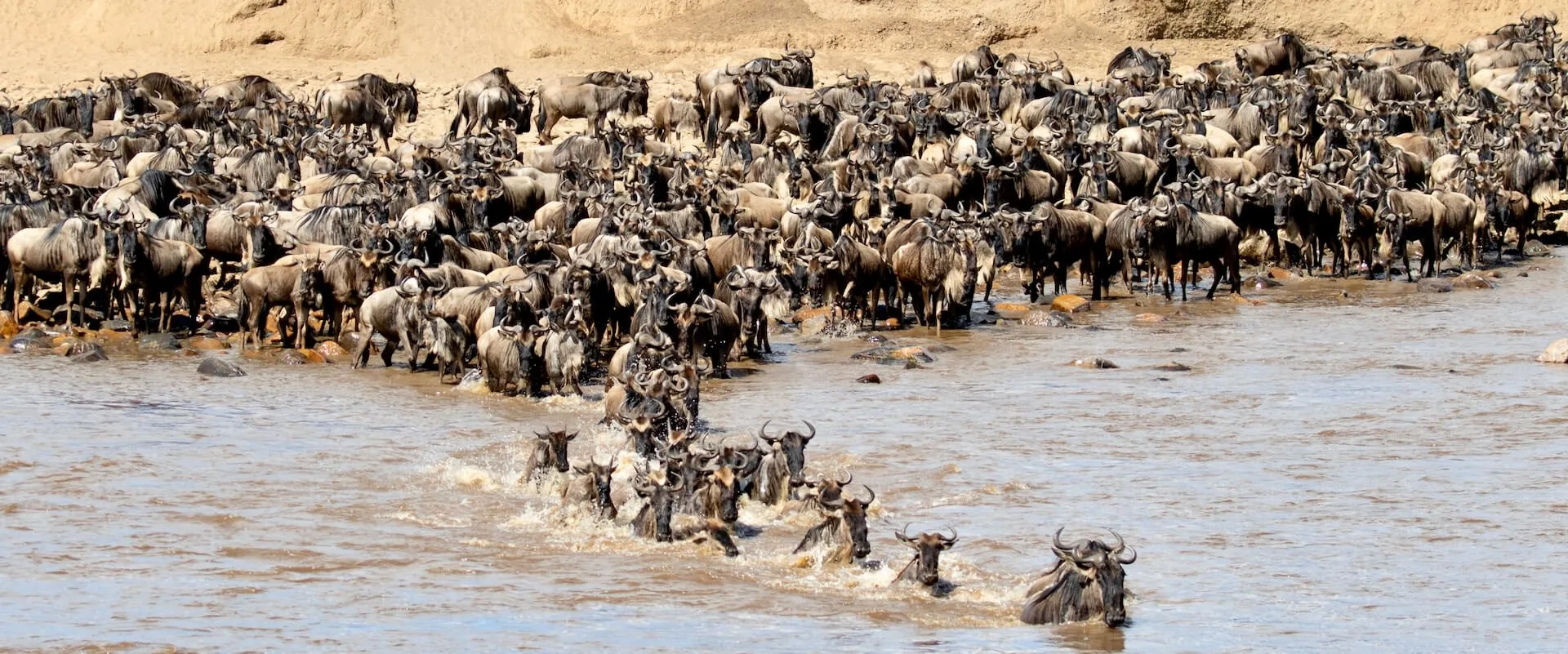
The Great Migration in Africa happens all year because the herds continuously circulate through the Serengeti–Mara ecosystem in…
Read article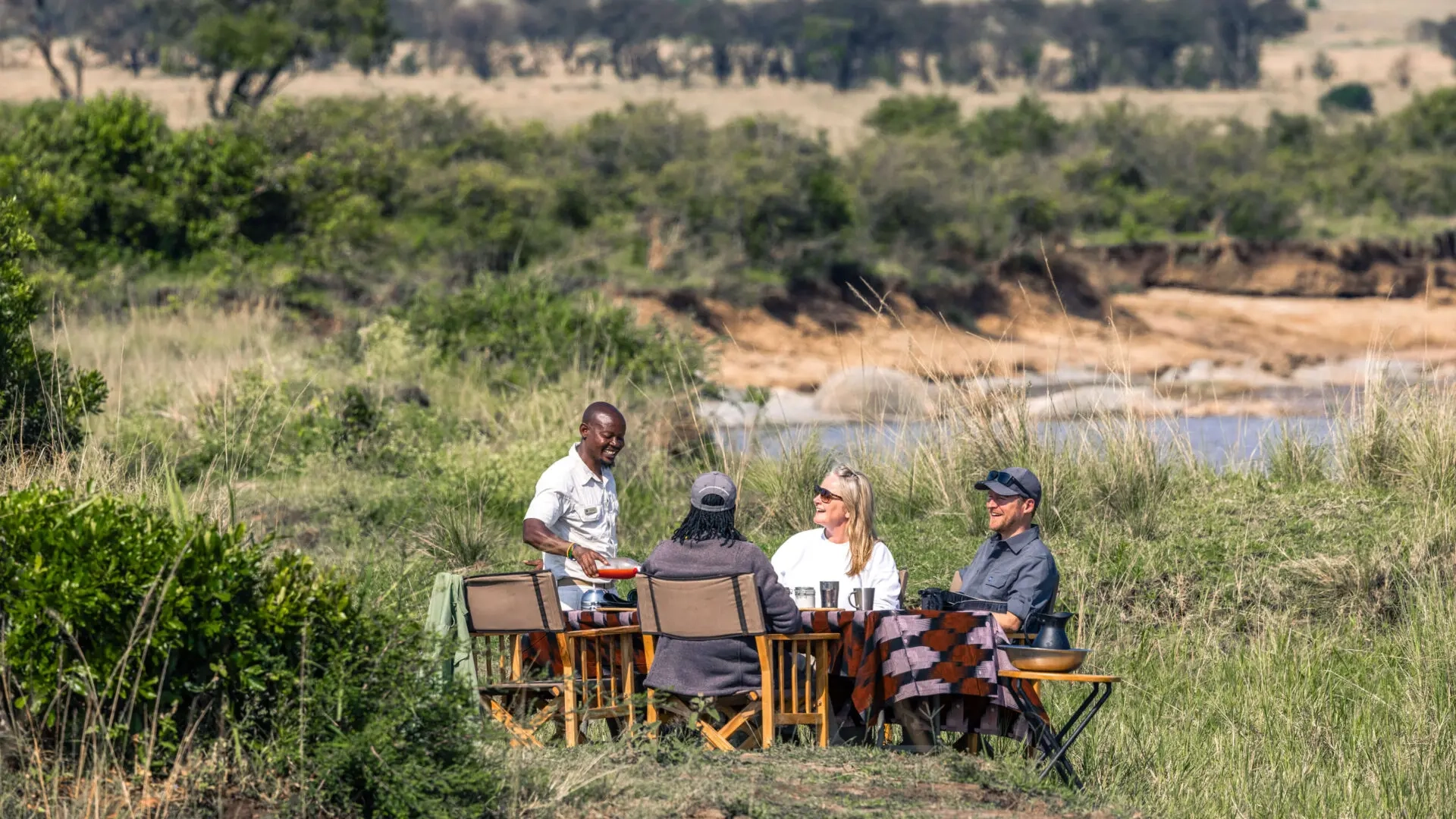
Definitive answer: A picnic lunch on safari is a packed or catered midday meal eaten at an approved…
Read article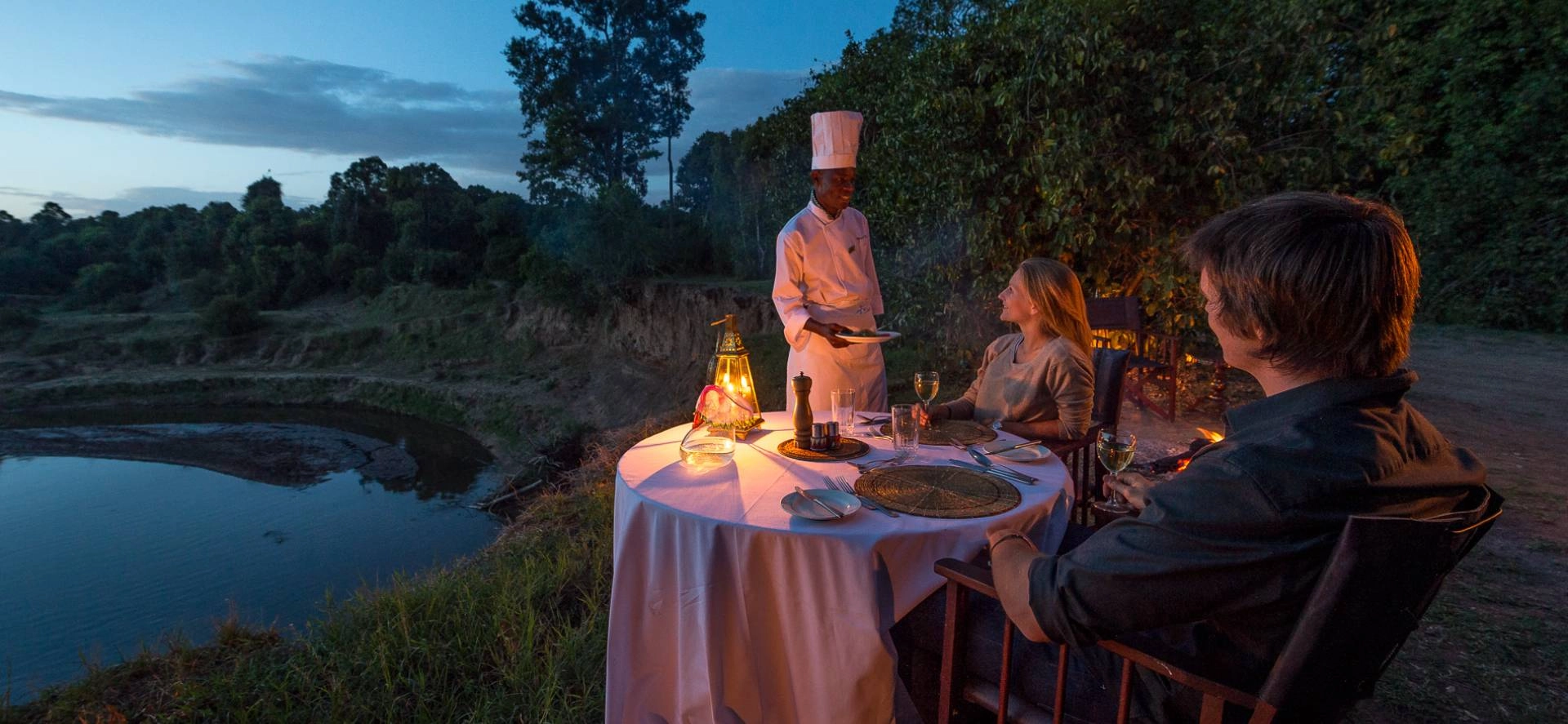
Definitive answer: A bush dinner is an outdoor evening meal arranged in a safe safari setting away from…
Read articleLet us take you closer to the wildlife, people and places that make Africa extraordinary.
Plan Your Safari Today