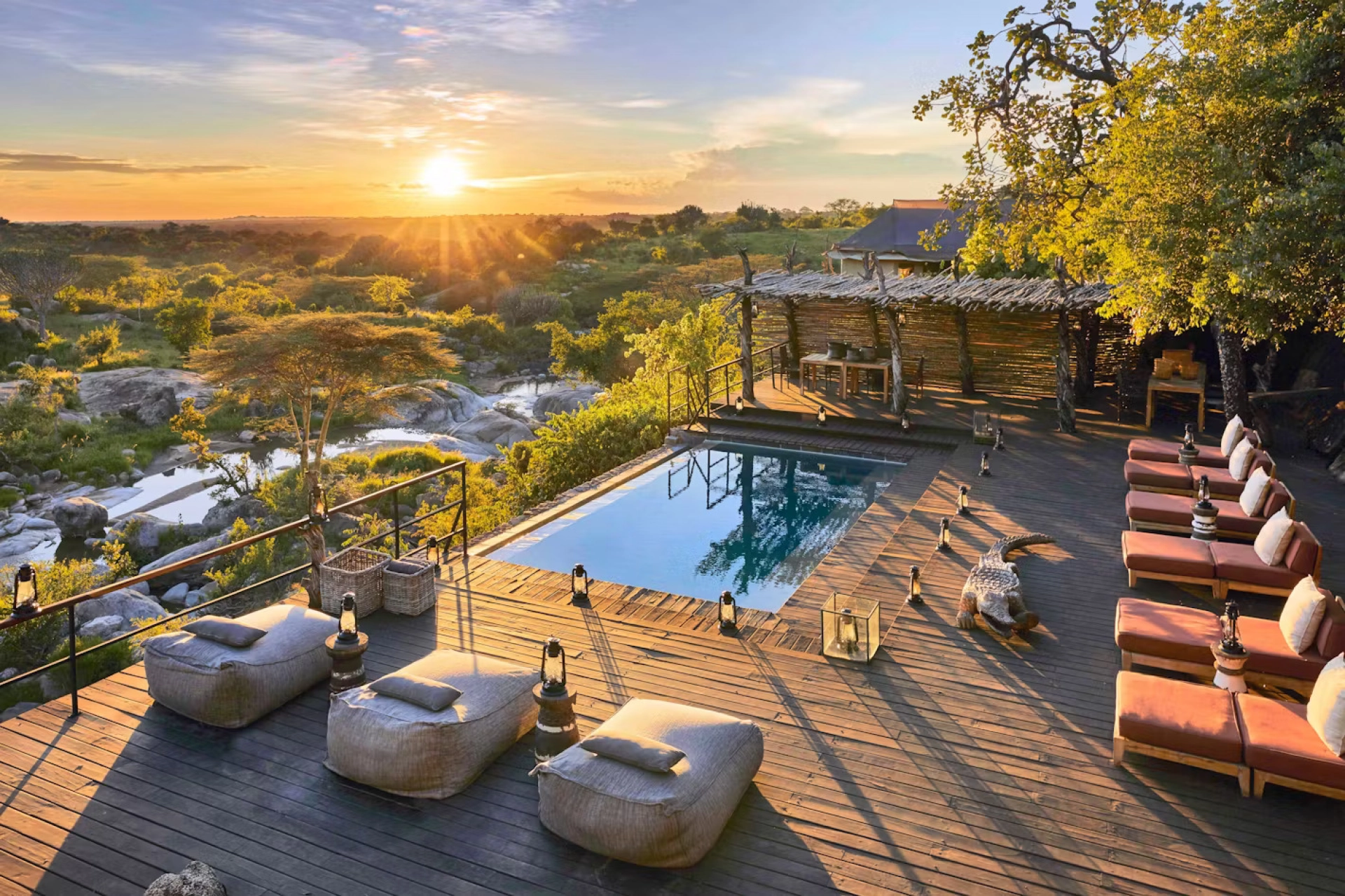
What should I look for when booking a luxury African safari?
When booking a luxury African safari, look beyond the room and compare the quality of guiding, wildlife location,…
Read article

Africa Travel Guide
Choosing the best time to visit Uganda is more interesting than simply identifying the driest month of the year. Uganda is an equatorial country with an extraordinary variety of landscapes, ranging from the mist-covered rainforest of…
Choosing the best time to visit Uganda is more interesting than simply identifying the driest month of the year. Uganda is an equatorial country with an extraordinary variety of landscapes, ranging from the mist-covered rainforest of Bwindi Impenetrable National Park to the open savannah of Queen Elizabeth National Park, the Nile landscapes of Murchison Falls National Park, the tropical forest of Kibale National Park, the volcanic highlands around Mgahinga Gorilla National Park, and the drier wilderness of Kidepo Valley National Park. Weather therefore does not affect every part of the country in exactly the same way, and the ideal month for one traveler may not be the ideal month for another.
For most visitors, the broadly drier periods from approximately December to February and June to September are the most popular times for a Uganda safari. These months generally make forest trekking more manageable, reduce the likelihood of prolonged rain disrupting road travel, and can improve conventional savannah wildlife viewing as animals increasingly depend on reliable water sources. Yet describing these periods as the only good time to travel would seriously underestimate Uganda. The greener months can be spectacular for photography, birding and travelers who prefer quieter parks. Gorilla and chimpanzee trekking continue throughout the year, and Uganda’s tropical forests remain beautifully alive regardless of the season.
The most useful way to decide when to visit Uganda is therefore to begin with the experiences that matter most to you. A traveler planning a once-in-a-lifetime mountain gorilla trekking safari has different priorities from a birder searching for migratory species. A photographer hoping for dramatic green landscapes may deliberately choose months another traveler avoids. Someone combining Murchison Falls, Kibale, Queen Elizabeth and Bwindi must consider both savannah and rainforest conditions. Understanding these differences makes it possible to select a travel period based on the actual safari you want rather than relying on a generic statement that one month is universally “best.”
Uganda lies across the Equator, but elevation moderates temperatures across much of the country. This surprises visitors who imagine equatorial Africa as uniformly hot and humid. Kampala and Entebbe generally experience relatively moderate conditions, while southwestern highlands around Bwindi and Mgahinga can become distinctly cool during early mornings and evenings. At higher elevations, particularly in the Rwenzori Mountains, conditions change dramatically with altitude and can become extremely cold.
Rather than four conventional temperate seasons, much of Uganda experiences alternating wetter and relatively drier periods. The exact timing and intensity of rainfall varies between regions and from one year to another. Climate patterns are not mechanical calendars, and rain can occur during a so-called dry month just as sunny days occur during the wet season. This is especially important for travelers planning gorilla trekking in Bwindi, because rainforest remains rainforest. Even during the drier months, you should carry rain protection and expect muddy ground in places.
The broad seasonal pattern nevertheless remains useful for safari planning. December through February is commonly regarded as one of Uganda’s relatively dry periods, while June through September forms another major travel window. Rainfall often becomes more frequent around March, April and May, with another wetter period commonly associated with October and November. Regional variations are important, particularly in northern Uganda, but this general framework explains why June, July, August, January and February are among the most requested months for Uganda gorilla safari packages.
For many international visitors, the central question is not simply the best time to visit Uganda, but specifically the best time for gorilla trekking in Uganda. Mountain gorillas can be tracked throughout the year in Bwindi Impenetrable National Park and Mgahinga Gorilla National Park, which means there is no season when the gorillas disappear or migrate out of Uganda. The difference between months relates mainly to trekking conditions, visitor demand, surrounding scenery and the overall safari route.
The drier periods are particularly popular because forest trails can be less muddy and steep slopes may be easier to negotiate. This does not transform Bwindi into an easy walking environment. The park’s name—”Impenetrable”—gives a reasonable indication of its character. Trekking may involve climbing steep hills, stepping across roots, navigating dense vegetation and following gorillas away from established trails. After heavy rain, the same terrain becomes more slippery, which can make a physically demanding trek substantially harder.
This is why June to September gorilla trekking and December to February gorilla trekking attract strong demand. Travelers who are concerned about physical difficulty often prefer these periods. However, even then, the location of the gorilla family on the particular day remains one of the biggest determinants of trekking difficulty. A family may be relatively close to the starting point, or trackers may need to lead visitors deeper into the forest. No month can guarantee a short trek.
The wetter months should not automatically be dismissed. Gorilla trekking during the rainy season can provide a beautifully atmospheric forest experience. Mist moves through the hills, vegetation appears intensely green, and the forest feels exactly as a tropical African rainforest should. Photographers may appreciate the softer light and saturated vegetation, while travelers who dislike busy tourism periods can find the quieter atmosphere appealing.
Rain also does not necessarily fall continuously throughout every day. A heavy shower may be followed by clear conditions. The challenge is unpredictability and trail condition rather than constant rain. Travelers who are reasonably fit, equipped with waterproof hiking shoes, a good rain jacket and gaiters, and willing to hire a porter can still have an outstanding trek.
For some travelers, the reduced seasonal pressure on accommodation can also make the greener periods attractive. The important consideration is not whether the gorilla encounter itself is “better.” Once you are sitting quietly in front of a silverback or watching a young gorilla climb through vegetation, the month becomes far less important. The gorillas remain the experience.
The best time to visit Bwindi Impenetrable National Park depends on more than gorilla trekking. Bwindi is an extraordinary forest ecosystem supporting birds, butterflies, primates and a remarkable variety of plants. Travelers interested in Bwindi birding safaris, forest walks and photography may value the greener periods differently from visitors concerned mainly with the easiest possible trekking conditions.
During the drier seasons, trails tend to be more manageable, making these periods particularly attractive for travelers combining gorilla trekking and hiking in Bwindi. June through August is especially popular because it coincides with the Northern Hemisphere summer holiday period. December and January are also heavily requested because travelers combine Christmas or New Year holidays with an African safari.
High demand has practical consequences. Gorilla permits are limited. The best-located lodges can fill early. Private safari vehicles and experienced guides become more heavily booked. Travelers targeting July, August, late December or early January should therefore reserve considerably earlier than visitors traveling during quieter months.
The question of when to visit Uganda for chimpanzee trekking is slightly different. Kibale National Park is Uganda’s best-known chimpanzee destination and is commonly combined with Bwindi on longer primate safaris. Chimpanzees can be tracked throughout the year, but forest conditions and chimpanzee movements can influence the experience.
During wetter and fruit-rich periods, food availability can affect how chimpanzees move through the forest. At certain times, they may find abundant food within more concentrated areas. During other periods, groups may range more widely in search of feeding opportunities. This means the physical duration of a chimpanzee search is influenced by ecology rather than simply whether the calendar says “dry” or “wet.”
Kibale’s forest can become muddy after rain, but chimpanzee tracking often differs physically from gorilla trekking in Bwindi. The terrain around commonly used tracking areas can be less mountainous than many Bwindi routes, although visitors still need good footwear and reasonable mobility. The forest experience is dynamic: chimpanzees may call loudly from the canopy, descend to the ground, travel rapidly between feeding areas and disappear through vegetation within minutes.
A Uganda primate safari combining gorillas and chimpanzees works throughout the year. Travelers seeking easier general road and trekking conditions commonly choose the main dry periods, while keen photographers and primate enthusiasts may be perfectly happy traveling in greener months.
Queen Elizabeth National Park is one of Uganda’s most diverse conventional wildlife destinations. The park combines open savannah, crater landscapes, wetlands, woodland and the famous Kazinga Channel, allowing travelers to experience both game drives and boat safaris. The best season therefore depends partly on whether your priority is large mammals, birds, scenery or photography.
Drier periods can make Queen Elizabeth National Park game drives especially rewarding because vegetation may become less dense and wildlife becomes increasingly dependent on permanent water. Animals can concentrate around productive areas, potentially making them easier to locate. Early-morning drives may reveal lions, Uganda kob, buffaloes, elephants, warthogs and other species, while the Kazinga Channel boat safari remains a highlight because of the abundance of hippos, waterbirds and animals visiting the shoreline.
The greener season transforms the park aesthetically. Savannah becomes lush rather than dusty, crater landscapes become more vibrant, and dramatic clouds can create exceptional photography. Visitors interested in Uganda birding safaris may particularly appreciate periods when resident bird diversity is complemented by migratory species. This is an important reminder that dry-season photographs and green-season photographs tell completely different stories. Travelers who want classic golden African savannah may prefer drier conditions. Those wanting rich green backgrounds behind elephants, lions and antelopes may prefer the wetter months.
The tree-climbing lions of Ishasha are among Queen Elizabeth National Park’s best-known attractions. They can potentially be encountered throughout the year, but they remain wild animals and no season guarantees that they will be resting in trees on the day of your visit.
Weather can influence animal behavior. Lions may climb trees for several possible reasons, including avoiding insects, seeking cooler resting positions and gaining an elevated view of their surroundings. Yet they may equally choose to sleep on the ground or remain hidden within vegetation. A good Ishasha safari should therefore appreciate the entire ecosystem rather than treating tree-climbing lions as a scheduled attraction.
Travelers connecting Queen Elizabeth with Bwindi often pass through Ishasha, making the sector a logical component of a Uganda gorilla and wildlife safari. Allocating enough time for a proper game drive rather than simply driving through increases the likelihood of rewarding wildlife encounters.
For travelers prioritizing classic savannah wildlife, Murchison Falls National Park is particularly attractive during drier periods. The park’s northern savannah supports giraffes, elephants, buffaloes, lions, hartebeest, oribi and numerous other species. As seasonal water sources diminish, animals become more dependent on reliable water, which can concentrate wildlife and improve game-viewing efficiency.
Yet Murchison is much more than a dry-season wildlife destination. The Nile boat safari to Murchison Falls remains one of Uganda’s signature activities throughout much of the year. Hippos occupy the river, crocodiles rest along banks, elephants and buffaloes may approach the water, and birdlife can be exceptional. The approach toward the falls reveals the increasing force of the Nile as the river narrows toward one of Uganda’s most dramatic natural landmarks.
During greener periods, the surrounding landscapes can become extraordinarily beautiful. The trade-off is that vegetation may be taller and some animals more dispersed. For serious photographers, however, an elephant against rich green vegetation and storm-darkened skies can be more visually compelling than the same animal surrounded by dry grass.
Lake Mburo National Park can be visited year-round and is particularly convenient as a stop between southwestern Uganda and Kampala or Entebbe. The park is distinctive because travelers can combine traditional game drives with walking safaris in Uganda, boat activities and specialist experiences such as horseback safaris near Lake Mburo.
Drier periods can make walking more comfortable and improve visibility in some habitats, while greener months produce attractive landscapes and strong birding. Because Lake Mburo is frequently used as the final national park on longer Uganda road safaris, the best time to visit is often simply the time that fits naturally into the broader route.
A traveler returning from Bwindi gorilla trekking can stop in Lake Mburo rather than completing the entire southwestern Uganda to Entebbe journey in one exhausting transfer. This creates a slower and more rewarding conclusion to the safari.
The seasonal story changes when we move to northeastern Uganda. Kidepo Valley National Park has a drier character than the forested southwest and offers one of Uganda’s most remote safari experiences. Travelers come for enormous landscapes, low visitor density, savannah wildlife and the feeling of being far beyond the conventional western Uganda tourism circuit. The dry season can provide particularly strong game viewing as animals concentrate around dependable water. Vegetation becomes thinner, increasing visibility across the savannah. However, temperatures can become high, and the landscape can look dramatically arid. Green-season Kidepo is visually different, with vegetation transforming valleys that may appear almost desert-like during the driest months.
Because Kidepo requires more travel time than Queen Elizabeth or Lake Mburo, visitors should consider the park as a destination in its own right rather than adding it casually to an already overloaded itinerary. A Kidepo Valley safari works best when given several nights.
Uganda is one of Africa’s exceptional birding countries, and for dedicated birders the question of the best time for a Uganda birding safari cannot be answered solely by identifying the driest months. Uganda’s resident species provide excellent birding throughout the year, while migratory movements can make certain periods especially interesting. The country’s ecological diversity is a major advantage. Wetlands support shoebills and waterbirds. Albertine Rift forests contain sought-after regional endemics. Savannah parks provide raptors, bustards, hornbills and numerous grassland species. Lakes, rivers, mountains and agricultural landscapes add still more variety.
A serious Uganda birding itinerary may include Mabamba Wetland for shoebill searches, Bwindi for Albertine Rift specialties, Queen Elizabeth for exceptional habitat diversity, Murchison Falls for savannah and river species, and Kibale for forest birds. For these travelers, green vegetation and migratory bird activity may outweigh the inconvenience of occasional rain.
January is one of the best months to visit Uganda for travelers seeking generally drier conditions. It is an excellent period for Bwindi gorilla trekking, Kibale chimpanzee tracking and savannah safaris. Roads are generally easier than during the heaviest rains, and the month works particularly well for travelers escaping winter in Europe or North America.
Demand can remain high following the Christmas and New Year period, so advance planning is recommended. January itineraries combining Murchison Falls, Kibale, Queen Elizabeth, Bwindi and Lake Mburo can provide a superb overview of Uganda.
February safaris in Uganda offer many of the same advantages as January. Gorilla trekking conditions can be favorable, and conventional wildlife safaris remain productive. The month is particularly useful for travelers wanting to travel before the wetter March-to-May period becomes established. February can also be an excellent month for combining Uganda with neighboring Rwanda. A Uganda and Rwanda gorilla safari can connect Kigali, Volcanoes National Park, Bwindi, Queen Elizabeth and other destinations depending on the available time.
March often marks the transition toward wetter conditions. Rainfall can become more frequent, although this does not mean every day is wet. Travelers willing to accept changing weather can enjoy greener landscapes and potentially quieter tourism conditions. For March gorilla trekking in Uganda, waterproof equipment becomes increasingly important. A porter is highly recommended, particularly if trails are slippery. The forest itself can be magnificent, and photography benefits from saturated vegetation.
April is commonly among Uganda’s wetter months. Travelers whose sole priority is the easiest possible trekking conditions often avoid it. Yet this creates opportunities for people comfortable with rain and mud. A Uganda safari in April can feel much quieter. Parks may receive fewer visitors, landscapes become intensely green and birdlife is excellent. The experience suits adventurous travelers who understand that weather may alter daily timing. For photographers, the reward can be dramatic. Dark clouds above Queen Elizabeth, green hills around Bwindi and mist drifting through forest create images that are impossible to reproduce during the driest months.
May can remain wet, particularly during the earlier part of the month, but conditions may begin transitioning toward the major mid-year dry season. As with April, tourism pressure can be lower. Travelers visiting in May should build some flexibility into road journeys and carry appropriate waterproof equipment. The reward is a green, vibrant Uganda with fewer visitors than July or August.
June is one of the best times for a Uganda safari. The major dry-season travel period begins, trekking conditions generally improve and international demand increases.
This is an excellent month for gorilla trekking in Bwindi, chimpanzee trekking in Kibale, Queen Elizabeth wildlife safaris and Murchison Falls. Families beginning summer holidays also start traveling, so permits and accommodation should be secured well in advance.
July is peak safari season in Uganda. Weather conditions are generally favorable for road travel and forest trekking, making it one of the most requested months. The disadvantage is demand. Popular Bwindi lodges and gorilla permits can become heavily booked. Travelers should not wait until the final weeks before departure to organize a July safari. For visitors who value predictable logistics over lower visitor numbers, July remains an excellent choice.
August is another outstanding month for Uganda gorilla trekking and wildlife safaris. It combines relatively dry conditions with strong demand from international holiday travelers. Bwindi, Queen Elizabeth, Kibale and Murchison can all fit naturally into a longer August itinerary. Early booking remains essential, especially for travelers requiring particular accommodation standards or specific Bwindi trekking sectors.
September often remains favorable, although weather patterns can begin transitioning as the month progresses. Visitor pressure may ease compared with July and August. For travelers able to travel outside school-holiday peaks, September in Uganda can offer an excellent compromise between generally good safari conditions and somewhat reduced demand.
October is commonly associated with increasing rainfall across many parts of Uganda. Forest trekking can become muddier and savannah vegetation greener. Yet October gorilla trekking remains entirely possible. Visitors should simply arrive prepared. Good hiking boots, rain protection, gaiters and a porter can make an enormous difference. The greener landscape also benefits photographers and birders.
November generally falls within the wetter part of the year in many safari regions. It can nevertheless be an attractive month for experienced Africa travelers who value quieter parks.
The atmosphere in Bwindi can be magnificent after rain. Queen Elizabeth becomes green, and birding is strong. Visitors should expect greater weather variability rather than assuming their safari will be ruined.
December often marks the beginning of another relatively drier period and becomes increasingly popular as Christmas approaches. December gorilla safaris in Uganda can sell out well ahead of time, particularly around Christmas and New Year. Families and couples planning festive-season travel should secure permits and accommodation early. December is particularly attractive for longer Uganda Christmas safaris combining primates, savannah wildlife and perhaps Lake Bunyonyi.
For a first-time visitor who wants the simplest answer, the dry season is usually the safest recommendation. Trails tend to be easier, road conditions are generally more predictable, and wildlife can become concentrated around water. This is why June to September and December to February dominate conventional advice about the best time to go on safari in Uganda.
But “best” changes according to personality. If you hate crowds more than mud, the green season may suit you. If photography matters more than easy roads, dramatic clouds and lush landscapes may be worth occasional rain. If birding is central to the journey, the seasonal calculation changes again. Uganda rewards travelers who stop thinking of rain as automatically bad. Rain is one of the reasons Bwindi exists. It is one of the reasons Uganda is so green.
Couples planning a Uganda honeymoon safari often prefer the drier months because the overall journey is easier and outdoor activities are less likely to be affected by heavy rain. June through September and December through February are therefore excellent choices. A honeymoon can combine luxury gorilla trekking in Bwindi, chimpanzees in Kibale, a private safari in Queen Elizabeth and relaxation at Lake Bunyonyi. Couples with more time can add Murchison Falls or continue into Rwanda. However, green-season honeymoons can also be attractive for couples who value privacy. Quieter lodges and beautiful landscapes can create a more intimate experience.
Families often benefit from traveling during drier school-holiday periods, particularly June through August and December. Easier road conditions and reduced likelihood of rain during outdoor activities simplify logistics. Age restrictions must be considered carefully when planning family safaris in Uganda, particularly for gorilla and chimpanzee activities. Families with younger children can instead emphasize savannah parks, boat cruises, cultural experiences and suitable nature activities. The best family itinerary is not the itinerary with the greatest number of parks. It is one with reasonable driving times and enough downtime for children.
The answer is simple: as soon as your travel dates are sufficiently firm.
Demand becomes particularly high during peak periods. Because Uganda gorilla permits are limited for each trekking date and location, delaying can reduce your choice of sectors and accommodation. This matters because the trekking sector affects the route. A lodge in one part of Bwindi may be inconvenient for a permit allocated in another. Safari planning should therefore coordinate the gorilla permit, Bwindi sector, lodge and previous day’s route from the beginning.
Uganda’s main highways have improved significantly over the years, but national park roads and rural access routes can still be affected by heavy rain. A proper 4×4 safari vehicle in Uganda therefore matters. During wetter months, muddy tracks can slow journeys. This is not usually a reason to avoid travel entirely, but it reinforces the importance of realistic itineraries. A safari that attempts to cover enormous distances every day becomes vulnerable to delays.
At Adventure in the Wild Safaris, route planning should account for actual road time rather than simply the distance shown on a map. A hundred kilometers through rural or national park roads is not equivalent to a hundred kilometers on a European motorway.
Regardless of month, anyone trekking in Uganda should carry rain protection. Bwindi can produce rain even during relatively dry periods. Strong waterproof hiking shoes, long trousers, long sleeves and a light rain jacket are fundamental. For savannah safaris, lightweight neutral clothing works well during the day, while a warmer layer is useful for early mornings. Southwestern highlands can feel surprisingly cool. The best packing strategy is layering rather than assuming Uganda will always be hot.
If we had to recommend the easiest all-round periods for a first Uganda gorilla and wildlife safari, the broad windows of June through September and December through February would remain the strongest starting point. They work particularly well for travelers combining Bwindi gorilla trekking, Kibale chimpanzee trekking, Queen Elizabeth National Park, Murchison Falls National Park and Lake Mburo National Park. But travelers with flexible expectations should not ignore March, April, May, October or November. Uganda remains open, the wildlife remains wild and the forests remain spectacular.
The most important lesson when choosing the best time to visit Uganda is that there is no single month in which the country suddenly becomes worth visiting and no single rainy month in which its wildlife experiences stop. The gorillas remain in Bwindi. Chimpanzees continue moving through Kibale. Elephants still roam Queen Elizabeth and Murchison Falls. Hippos remain in the Kazinga Channel and Nile. Zebras continue grazing in Lake Mburo.
The shoebill still waits in Uganda’s wetlands. What changes is the landscape around them and the way you experience it. If you want easier trekking, more predictable roads and classic dry-season wildlife viewing, choose June to September or December to February. If you want greener scenery, fewer visitors, atmospheric forests and excellent birding, consider the wetter months rather than automatically rejecting them. The right question is therefore not simply, “When is Uganda best?”
It is: What kind of Uganda do you want to experience? Once that is clear, the right travel period becomes much easier to identify—and a carefully planned Uganda safari with Adventure in the Wild Safaris can connect the country’s gorillas, chimpanzees, wildlife parks, rivers, lakes and communities into a journey designed around that season.
Get quick answers to the most common questions about gorilla trekking in Africa. If you still have questions, our safari experts are here to help.
There is no single perfect month, but July, August, January and February are particularly popular because they generally fall within relatively dry periods. June, September and December are also excellent depending on the itinerary.
Gorilla trekking is available year-round, but June to September and December to February are especially popular because forest trails tend to be more manageable.
Yes. Gorilla trekking continues during wetter months. Expect muddier trails and carry appropriate waterproof equipment.
Rainfall patterns vary regionally, but March through May and approximately October through November are commonly regarded as wetter periods across many tourism areas.
The broad drier periods commonly occur from December through February and June through September.
Yes. July is one of Uganda’s busiest and most popular safari months, particularly for gorilla trekking and conventional wildlife safaris.
Yes. August is one of the most requested months for Bwindi gorilla trekking, so early permit booking is important.
Yes. December can provide excellent safari conditions, but Christmas and New Year demand means permits and accommodation should be booked early.
Chimpanzee trekking in Kibale operates throughout the year. Drier periods can make forest walking easier, while ecological conditions influence chimpanzee movements throughout the seasons.
The drier months are generally excellent for savannah wildlife because vegetation can become thinner and animals concentrate around reliable water.
Uganda provides excellent birding year-round. Travelers interested in migratory species and greener landscapes may find wetter periods especially rewarding.
Absolutely. The landscapes are exceptionally green, birding is strong and visitor numbers can be lower.
Our safari experts are here to help you plan your gorilla trekking adventure. Get personalized advice, the latest information and a free, no-obligation quote.
We typically reply within a few hours.
“Gorilla trekking is more than a safari — it’s a powerful reminder of our shared humanity and the importance of protecting our natural world.”
— Adventure in the wild Safaris

Share This Article
When booking a luxury African safari, look beyond the room and compare the quality of guiding, wildlife location,…
Read article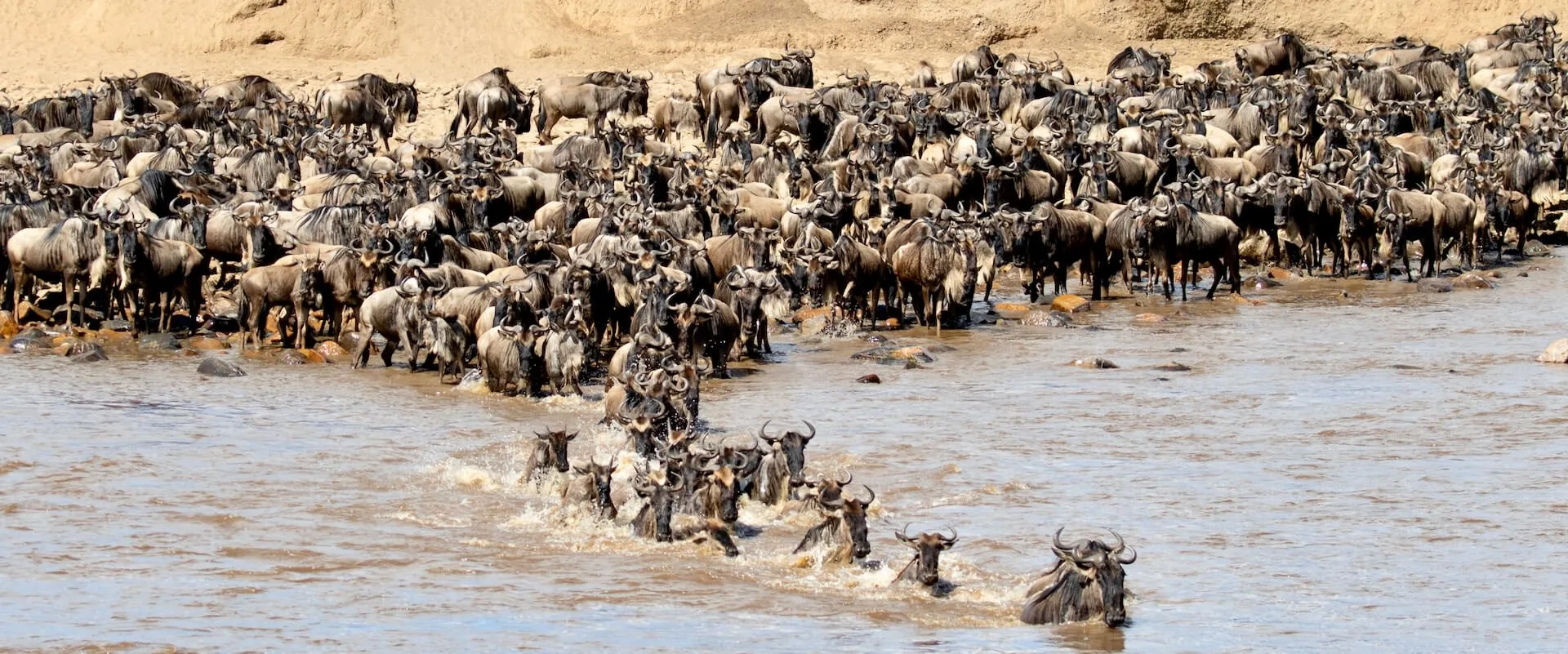
The Great Migration in Africa happens all year because the herds continuously circulate through the Serengeti–Mara ecosystem in…
Read article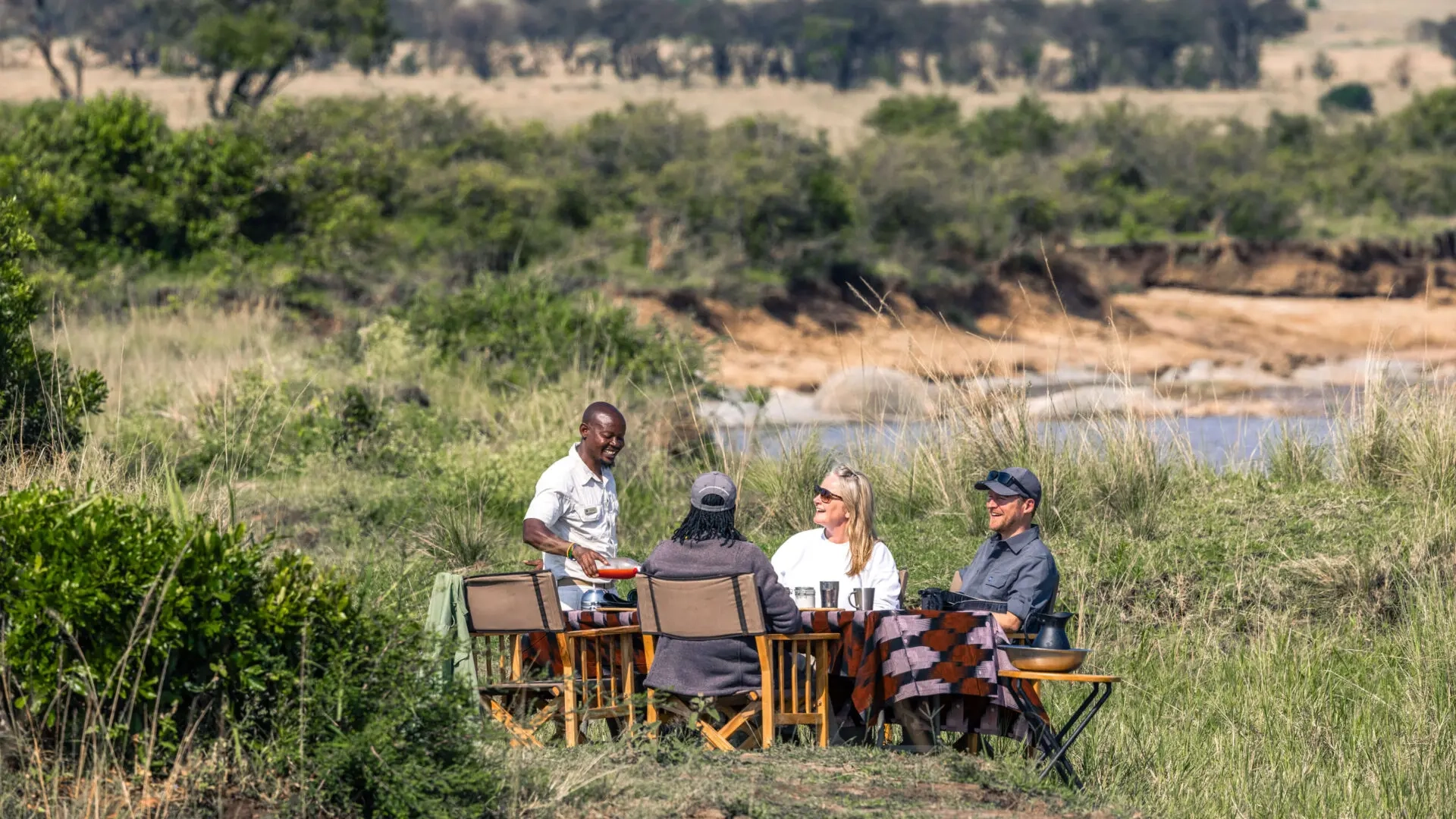
Definitive answer: A picnic lunch on safari is a packed or catered midday meal eaten at an approved…
Read article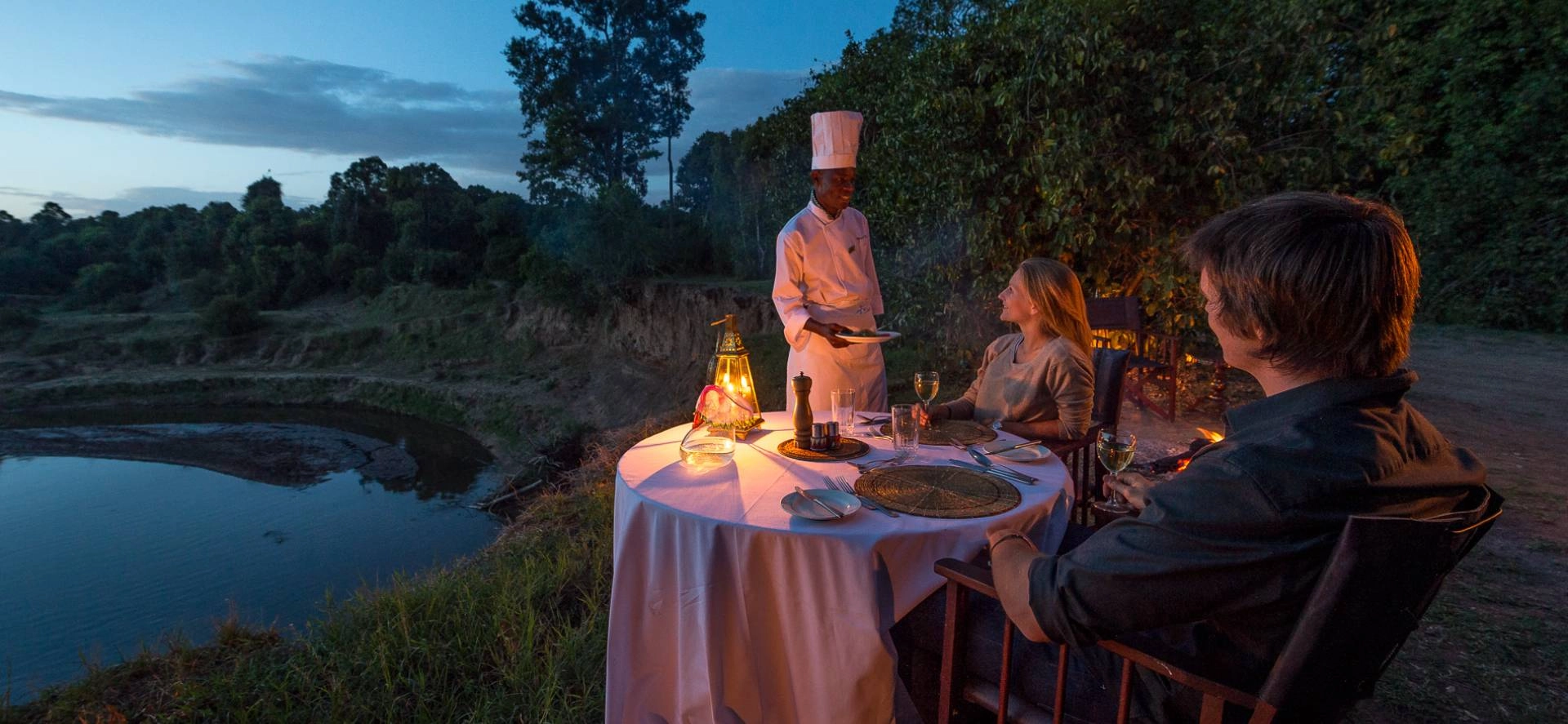
Definitive answer: A bush dinner is an outdoor evening meal arranged in a safe safari setting away from…
Read articleLet us take you closer to the wildlife, people and places that make Africa extraordinary.
Plan Your Safari Today