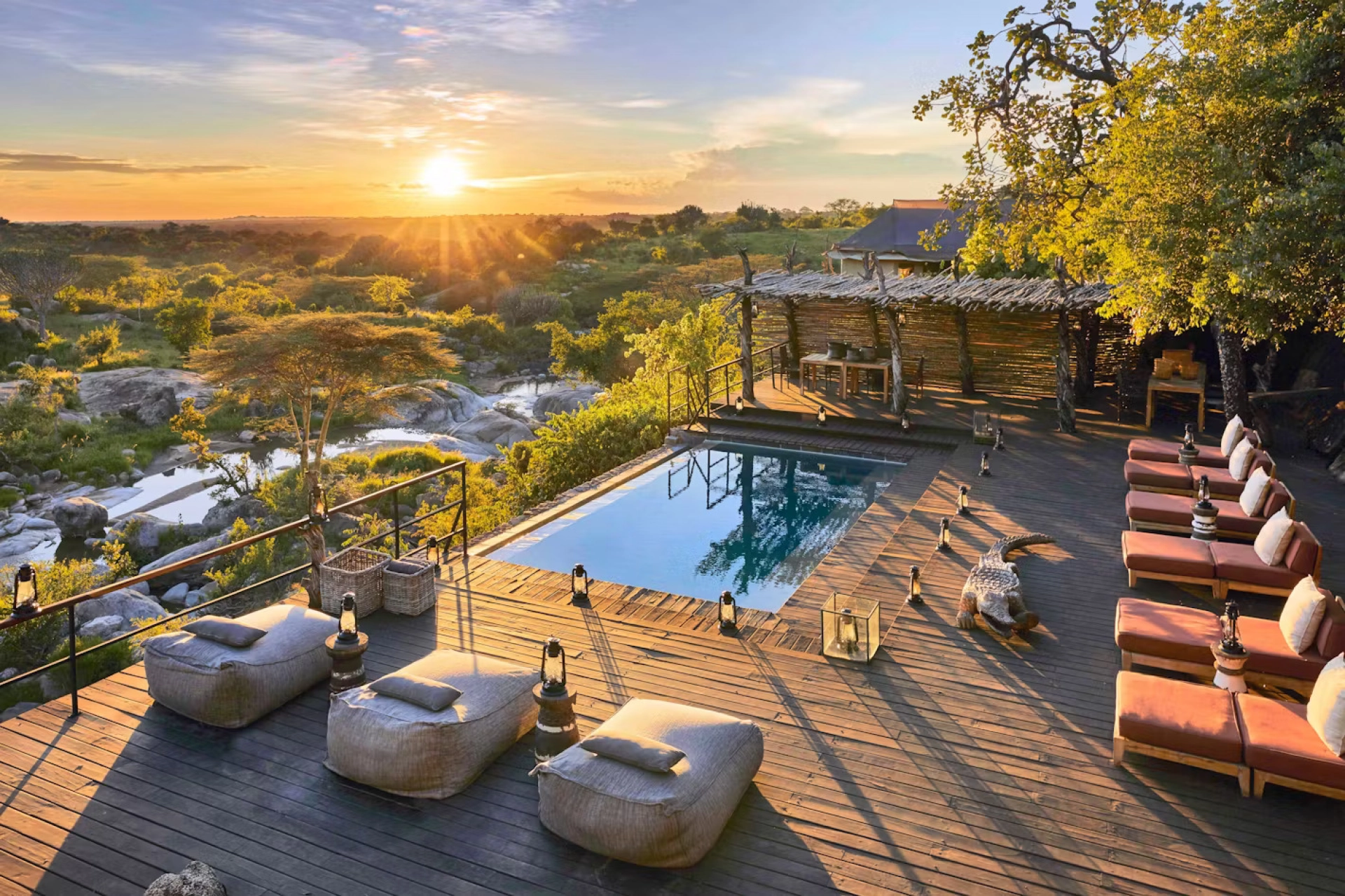
What should I look for when booking a luxury African safari?
When booking a luxury African safari, look beyond the room and compare the quality of guiding, wildlife location,…
Read article

Travel Guide
Most safari planning guides are built around lists of things travelers should do. See the Big Five. Photograph a lion. Watch elephants at a waterhole. Take a hot-air balloon safari. Track mountain gorillas. Visit the Serengeti.…
Most safari planning guides are built around lists of things travelers should do. See the Big Five. Photograph a lion. Watch elephants at a waterhole. Take a hot-air balloon safari. Track mountain gorillas. Visit the Serengeti. Cruise the Nile. Spend a night in the African bush. Those experiences can be extraordinary, but there is another list that every traveler should understand before arriving in Africa: the safari anti-bucket list. This is the list of things you should deliberately avoid.
Some activities disturb wildlife. Others exploit animals. Some disrespect local communities. Others create unnecessary environmental pressure or turn meaningful cultural experiences into staged entertainment. Responsible travel is not about removing excitement from safari. It is about ensuring that the experiences we value can continue long into the future. A great responsible African safari leaves wildlife behaving naturally, treats communities with dignity, supports legitimate conservation and allows travelers to experience Africa without damaging the very places they came to see. Here are eight things we recommend avoiding on your next African safari—and much better alternatives.
One of the biggest mistakes travelers can make is treating wildlife sightings like competitive events.
A lion appears. Someone immediately asks the guide to drive closer. Another vehicle arrives. Then another. Soon the animal is surrounded. Photographers begin competing for position. What began as a natural wildlife encounter turns into a traffic jam. This is not what ethical wildlife viewing should look like.
Wild animals need space.
A predator may be trying to hunt. An elephant herd may be moving toward water. A mother may be protecting young. Animals forced to repeatedly change direction because of vehicles may expend additional energy or abandon important behavior. Wildlife tolerance also differs between individuals. One elephant may ignore a vehicle. Another may feel uncomfortable at the same distance. A professional African safari guide watches animal body language and adjusts accordingly.
Experienced guides understand safe viewing distances.
Do not pressure them simply because your phone camera cannot capture the photograph you want. A wildlife encounter should be determined by the animal—not by your social-media expectations.
Some of the finest safari encounters happen when the vehicle stops.
The engine goes quiet. The animals gradually relax. An elephant might cross the road. A leopard may walk directly toward the vehicle. A pride of lions may become active after resting. Patience usually produces better experiences than chasing. This is especially true during wildlife photography safaris.
Lion, cheetah and leopard hunts attract enormous attention.
But vehicles should never
Safari is not a television production. Animals will not look at you because your camera is ready. Lions sleep. Leopards disappear behind bushes. Gorillas turn their backs. Elephants walk away. Sometimes the cheetah never hunts. Sometimes the lions remain asleep throughout your entire sighting. That unpredictability is exactly what makes a real African safari different from a zoo.
Some travelers make clicking sounds, whistle, clap or call toward wildlife to encourage an animal to look at the camera. Avoid this. The resulting photograph is not worth disturbing the animal. A lion looking directly into your lens because your group deliberately distracted it is not a natural behavioral moment.
Professional guides should never bait, feed or deliberately disturb animals for photographs. If an operator routinely manipulates wildlife, reconsider whether that is the kind of tourism you want to support.
Natural behavior tells a far better story. Photograph elephants feeding. Capture a gorilla quietly eating vegetation. Watch lions greeting after separation. Photograph zebras interacting. These images reveal real African wildlife behavior.
The best safari photographers wait. They observe. They understand light and anticipate behavior. Sometimes nothing happens for twenty minutes. Then everything changes in five seconds. Patience is one of the most important skills on a photographic safari in Africa.
Tourism experiences that involve touching, holding, walking beside or posing with large predators require careful scrutiny. A lion cub may appear harmless. A cheetah accustomed to people may seem relaxed. But travelers should ask a more important question: Why is this wild animal available for physical interaction at all?
Lion cub petting has faced extensive criticism because the welfare and long-term destination of captive animals may be unclear. A genuine conservation program does not need endless streams of tourist-ready cubs. Before participating, ask where the cubs came from and what happens when they become too large for interaction.
Experiences advertised as walking with lions may similarly create welfare concerns depending on how animals are bred, raised and managed. A truly wild lion does not walk calmly beside tourists.
Travelers should be skeptical of any attraction offering close-contact wildlife selfies with animals that would naturally avoid physical contact with humans. A photograph does not prove conservation value.
Instead of touching a lion, watch one hunting across the Serengeti. Instead of posing beside a cheetah, watch one scan the plains from a termite mound. Instead of holding a wild animal, spend your money on protected areas that preserve functioning ecosystems. A wild animal behaving naturally is infinitely more interesting than a captive animal trained to tolerate tourists.
Some legitimate wildlife rehabilitation centers perform essential conservation work. The difference is purpose. Good facilities prioritize animal welfare and rehabilitation rather than tourist entertainment. Research the organization carefully before visiting.
The African Big Five—lion, leopard, elephant, rhino and buffalo—remain important symbols of safari tourism. Seeing them can be genuinely exciting. But obsessing over a checklist can damage the quality of your safari. A guest who wants only lions and leopards may ignore dozens of fascinating encounters.
The lion exists because prey species exist. Antelopes depend on vegetation. Vegetation depends on soil, rainfall and herbivores. Vultures clean carcasses. Dung beetles recycle nutrients. Termites alter soil. Birds spread seeds. Everything is connected. A wildlife safari in Africa becomes dramatically more interesting once you stop separating individual animals from their ecosystem.
Consider the astonishing diversity you might otherwise overlook: African wild dogs, cheetahs, giraffes, zebras, hippos, hyenas, aardvarks, pangolins, servals, caracals, elands, kudus, sable antelopes and hundreds of bird species. In Uganda, the experience expands further to mountain gorillas and chimpanzees.
Tell your guide which species interest you. But remain open to whatever the ecosystem provides. A herd of elephants interacting around a waterhole may become more memorable than the leopard you expected to see. A tiny chameleon discovered during a forest walk can be just as fascinating.
Spend longer in fewer destinations. Repeated game drives allow you to understand animal behavior rather than simply photograph different species. Three nights in one ecosystem are usually more rewarding than racing through three parks in three days.
Some of Africa’s most meaningful travel experiences involve meeting local communities. But cultural tourism becomes problematic when people are treated as photographic objects. A person is not part of the scenery. Traditional clothing does not automatically mean someone wants to be photographed. Children should not be treated as props for travel photographs.
This simple rule demonstrates respect. Your guide can often help translate. If someone declines, accept the answer. Do not secretly photograph them with a telephoto lens.
Africa is often marketed through images suggesting that traditional communities exist unchanged outside modern life. Reality is much more complex. A Maasai herder may own a smartphone. A Batwa guide may use social media. A traditional craft maker may also operate a contemporary business. Culture evolves. Responsible African cultural tourism recognizes this.
Look for activities where local communities control how their culture is presented. Examples can include: Community tourism projects, village walks, craft demonstrations, traditional food experiences, local guiding and cultural performances organized by community groups. The most important question is whether tourism revenue actually benefits the people being visited.
Buy crafts directly from artisans where practical. Eat at locally owned restaurants. Use local guides. Choose community-based tourism initiatives. These decisions make tourism economically meaningful.
The impulse is understandable. A traveler sees children waving beside a road and wants to offer sweets, pens or money. But unstructured giving can create unintended problems. It may encourage children to associate tourists with handouts. In some areas, children may begin approaching vehicles or missing school because begging appears rewarding.
Sweets provide no long-term benefit and may contribute to dental problems where access to dental care is limited. Random distribution also creates competition.
Giving money directly to children can encourage begging. It may also undermine community-based systems designed to ensure support reaches those who need it.
If you want to contribute, ask your safari operator about legitimate local projects. Useful support may include: School materials requested by teachers, conservation initiatives, health programs or established community organizations. The principle is simple: Give through structures that preserve dignity and accountability.
Travelers interested in volunteering should also research carefully. Short-term projects can sometimes prioritize the traveler’s emotional experience more than community needs. Choose programs that are locally led and based on long-term goals.
A plastic bottle discarded beside a safari road may remain in the environment long after the traveler has returned home. Plastic waste affects wildlife. Animals can ingest it. Waste can enter waterways. Even apparently harmless litter damages the wilderness experience.
Use designated waste facilities. Never throw food wrappers from vehicles. Do not leave tissues on hiking trails. This is especially important during gorilla trekking, chimpanzee trekking, mountain hikes and walking safaris.
Carry a reusable water bottle where safe refill systems are available. Some safari lodges provide filtered drinking water. Reusable bottles can dramatically reduce the number of disposable bottles used during a multi-day safari.
Do not leave cigarette butts in the bush. During dry seasons, fire risk can also become serious. Smoking rules should always be followed.
Choose safari companies and lodges that demonstrate sensible environmental practices. Look for efforts involving: Solar energy, responsible water management, waste reduction, refillable drinking water and conservation support. No lodge is environmentally perfect, but responsible choices matter.
One of the fastest ways to turn an extraordinary safari into a dangerous situation is to ignore professional advice. Wild animals are not domesticated. An elephant that appears calm can react quickly. A buffalo can be extremely dangerous. A lion lying beside the road remains a powerful predator. A mountain gorilla is immensely strong. Respecting rules protects both travelers and animals.
Many African parks restrict where visitors can exit vehicles. Follow those restrictions. If your guide tells you to remain inside, remain inside. Do not step out simply because you want a better photograph.
In open safari vehicles, animals often perceive the vehicle and its occupants as one large object. Sudden movement can change that perception. Follow your guide’s instructions.
Elephants communicate discomfort through posture and behavior. Experienced guides recognize warning signs. Do not pressure your guide to approach a herd more closely. Extra caution is required around mothers with young calves.
During gorilla trekking in Uganda or Rwanda, visitors receive a briefing explaining permitted behavior. These rules protect both humans and gorillas. Mountain gorillas are susceptible to human illnesses. Minimum distances, group-size restrictions and other guidelines should be taken seriously.
The same principle applies during chimpanzee trekking in Kibale National Park and other primate destinations. Listen to ranger instructions. Do not eat near primates. Avoid flash photography if prohibited. Remain with your group.
Your safari guide’s priority is not preventing you from having fun. Good guides want you to experience extraordinary wildlife safely. Their judgment comes from understanding animal behavior and park regulations. Trust them.
This mistake harms the traveler more than wildlife. Africa looks smaller on maps than it feels on the road. A route with five national parks in six days may technically be possible but still be miserable.
Every hotel change requires packing, checking out, driving and checking in. That is time not spent watching wildlife.
Choose destinations carefully. Three nights in one wildlife area often provide better results than one night each in three reserves. You gain time to understand the ecosystem. Guides can follow recent predator movements. You can relax between activities. This is the essence of slow safari travel.
Africa is a continent containing more than fifty countries and extraordinary cultural, climatic and ecological diversity. Statements such as “African culture” or “African weather” often oversimplify reality. A Uganda gorilla safari is nothing like a Botswana safari. Cape Town is completely different from Zanzibar. The Sahara bears little resemblance to Bwindi Impenetrable Forest. Understanding these differences creates better travel.
Learn about the country. Learn basic geography. Understand local customs. Know which language is widely spoken. Check climate for the exact month. Learn what wildlife genuinely occurs there. This makes you a better traveler and prevents unrealistic expectations.
For visitors traveling with Adventure in the Wild Safaris, gorilla trekking in Uganda is often the centerpiece of the journey. Responsible behavior is especially important because mountain gorillas live in small, vulnerable populations. Follow ranger instructions carefully. Remain at the prescribed distance whenever possible. Do not trek when seriously ill. Avoid leaving food or waste behind. Never attempt to touch a gorilla. Occasionally a gorilla may approach closer than expected. In that situation, follow ranger guidance rather than moving toward the animal.
Well-managed gorilla tourism creates significant economic value around protected forests. Permits support conservation structures. Tourism creates jobs for guides, trackers, lodge staff, drivers and communities. This provides an economic argument for keeping forests standing. A responsible Uganda gorilla safari therefore demonstrates how carefully managed tourism can contribute to conservation.
Chimpanzee trekking in Uganda requires similar respect. Chimpanzees are active, vocal and fast-moving. Visitors may follow them through forest as they feed or travel. Never chase ahead of ranger instructions. Maintain appropriate distances. Avoid disturbing feeding behavior. The objective is to observe chimpanzees behaving naturally.
During a lion safari in Africa, allow lions to control the encounter. Do not pressure guides to drive through vegetation unnecessarily. Do not surround hunting animals. Keep noise low. A sleeping lion is still a legitimate wildlife experience. Watching a pride rest can reveal social interactions that a rushed visitor misses.
Few animals demand respectful viewing as clearly as elephants. Family groups protect calves. Bulls may enter periods of heightened hormonal activity. Elephants communicate through body posture and low-frequency calls. A knowledgeable guide recognizes these signals. The best elephant safari experiences happen when the animals remain calm enough to continue natural behavior.
Rhino conservation faces serious poaching threats. Travelers should avoid publicly sharing precise real-time locations of rhino sightings. Geotagging photographs can un
The company you choose influences your impact. Ask how guides are trained. Ask whether the operator supports local employment. Ask whether itineraries follow park regulations. Look for companies that discourage wildlife harassment.
A professional guide should respect road restrictions and avoid damaging vegetation merely to obtain photographs. Off-road driving should occur only where legally permitted.
Tourism is more sustainable when communities receive meaningful economic benefits. Employment, locally sourced food, community partnerships and locally owned tourism businesses all matter.
Protected-area fees may seem expensive, but they contribute to maintaining national parks and conservation infrastructure. These costs should be understood as part of responsible travel rather than arbitrary extras.
A powerful wildlife photograph should not require harming or disturbing the subject. Avoid flash where prohibited. Do not call animals. Do not bait. Do not encourage the guide to break park rules. Respect other vehicles. Sometimes putting the camera down creates an even better memory.
Safari can become strangely detached when experienced entirely through a phone screen. Take photographs. Then stop. Watch the elephant with your own eyes. Listen to the lions. Notice the smell after rain. Those sensory memories cannot be recreated later from a photograph.
Accommodation choices affect water, electricity and waste. Remote lodges face unique logistical challenges. Many have increasingly introduced solar-powered safari camps, refillable water systems and reduced-plastic policies. Travelers can support these efforts. However, sustainability should not be reduced to a marketing label. Ask practical questions about how the lodge operates.
Uganda contains numerous communities with distinct cultures, histories and languages. Cultural tourism can enrich a safari when it is organized respectfully. Experiences might include Batwa cultural visits, community walks, local food, crafts and village tourism. The objective should be genuine exchange rather than treating communities as attractions.
Around Bwindi and Mgahinga, Batwa cultural experiences can help visitors understand the complex human history surrounding protected forests. Choose experiences designed with meaningful community participation. Ask how revenue is shared.
The same principles apply in Kenya safari destinations and Tanzania safari destinations. Maasai cultural experiences are common. Look for community-led programs. Avoid assuming every Maasai person wants to perform for tourists. Support conservancies and tourism models in which communities receive direct economic benefits.
Botswana has become known for lower-volume safari tourism in several regions. Travelers should still minimize impact. Water is particularly precious in arid environments. Follow camp guidance. Avoid unnecessary waste. Respect wildlife corridors.
South Africa offers everything from self-drive national parks to luxury private reserves. Ethical issues can arise particularly around captive wildlife attractions. Research facilities carefully. A Kruger National Park safari or reputable private-reserve safari allows visitors to observe wildlife naturally. That is usually far more meaningful than physical interaction with captive predators.
Responsible tourism does not require perfection. You do not have to spend your entire holiday worrying about every footprint. It simply requires awareness. A responsible traveler: Respects wildlife space. Follows guide instructions. Avoids unethical animal attractions. Asks permission before photographing people. Supports local businesses. Reduces waste. Does not litter. Does not pressure guides to break rules. Allows nature to remain natural. These decisions are simple. Together, they matter.
Think about your most memorable wildlife experience. It is rarely memorable because everything went according to plan. Perhaps you were looking for lions and found wild dogs instead. Perhaps a gorilla suddenly appeared through vegetation. Perhaps elephants crossed behind your vehicle while everyone was watching a bird. Safari is compelling because humans do not control it. The moment we begin demanding performances, manipulating wildlife or treating parks like theme attractions, something important disappears.
Avoid crowding wildlife. Avoid forcing animals to perform for photographs. Avoid unethical captive wildlife interactions. Avoid reducing safari to a Big Five checklist. Avoid disrespectful community photography. Avoid indiscriminate gifts to children. Avoid littering. Avoid ignoring guides and park rules. And whenever possible, avoid rushing. The alternative is not less exciting. It is better.
The purpose of the essential safari anti bucket list 5 don’ts—expanded here into a much more complete guide—is not to tell travelers what they cannot enjoy. It is to protect what makes safari extraordinary. Wild lions are extraordinary because they are wild. Mountain gorillas are extraordinary because they live naturally in rainforest. Elephants are extraordinary because they make their own decisions. Communities are worth visiting because they contain real people and living cultures—not because they exist for tourist photographs.
At Adventure in the Wild Safaris, we believe the best African safari experiences combine wildlife, conservation, respectful cultural encounters and professional guiding. Whether you are planning Uganda gorilla trekking, a Kenya safari, Tanzania safari, Botswana wildlife safari, South Africa safari or a wider multi-country African safari, responsible behavior makes the journey better. Give animals space. Listen to your guide. Respect communities. Support conservation. Travel slowly enough to notice the details. And remember that the best safari story is rarely about how close you managed to get. It is about what you were privileged to witness.

Share This Article
When booking a luxury African safari, look beyond the room and compare the quality of guiding, wildlife location,…
Read article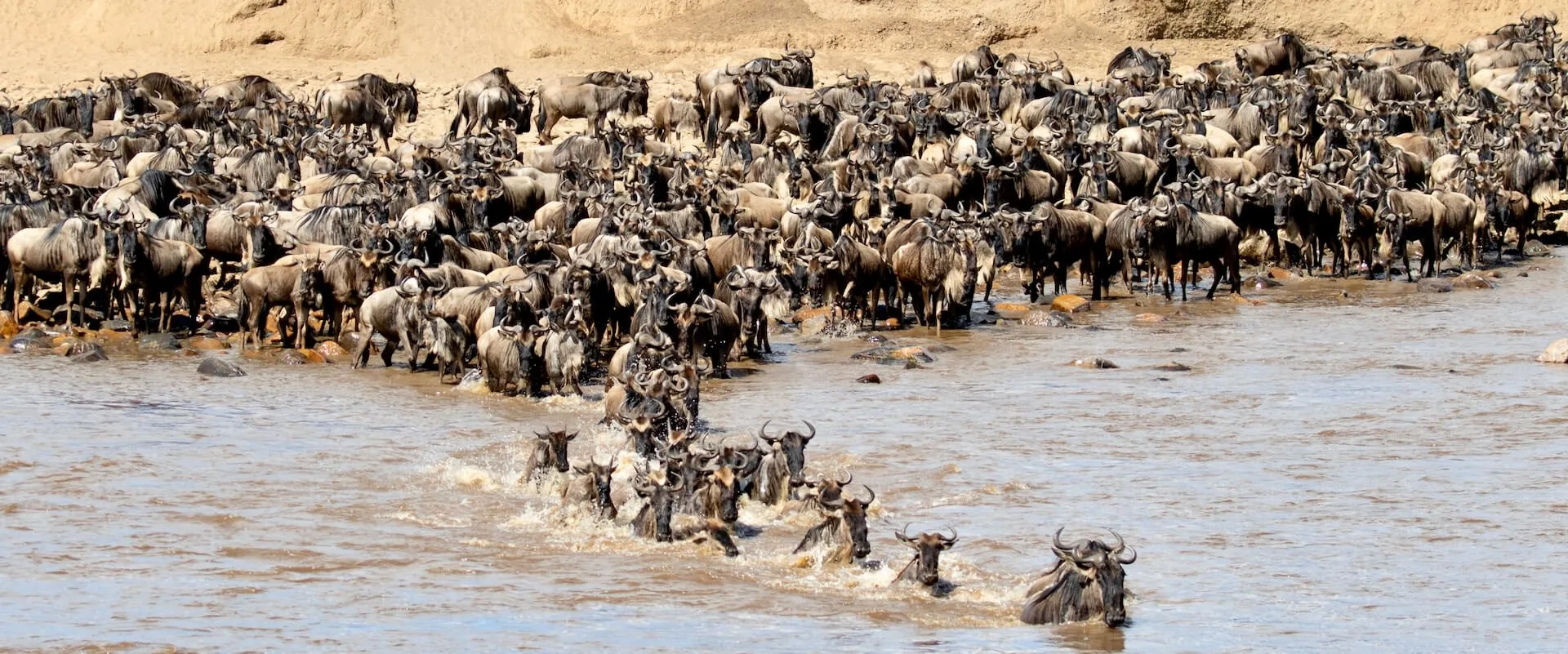
The Great Migration in Africa happens all year because the herds continuously circulate through the Serengeti–Mara ecosystem in…
Read article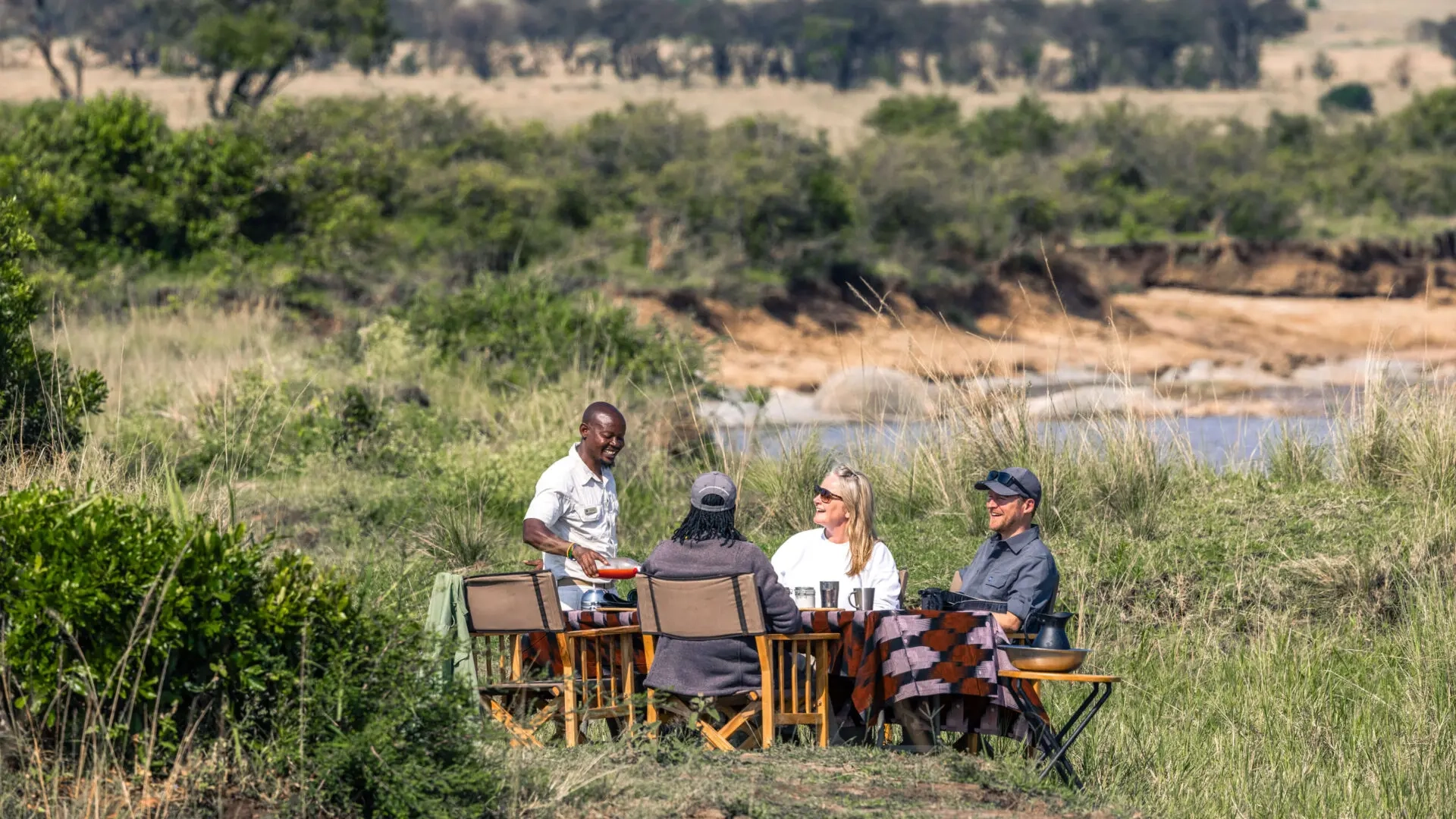
Definitive answer: A picnic lunch on safari is a packed or catered midday meal eaten at an approved…
Read article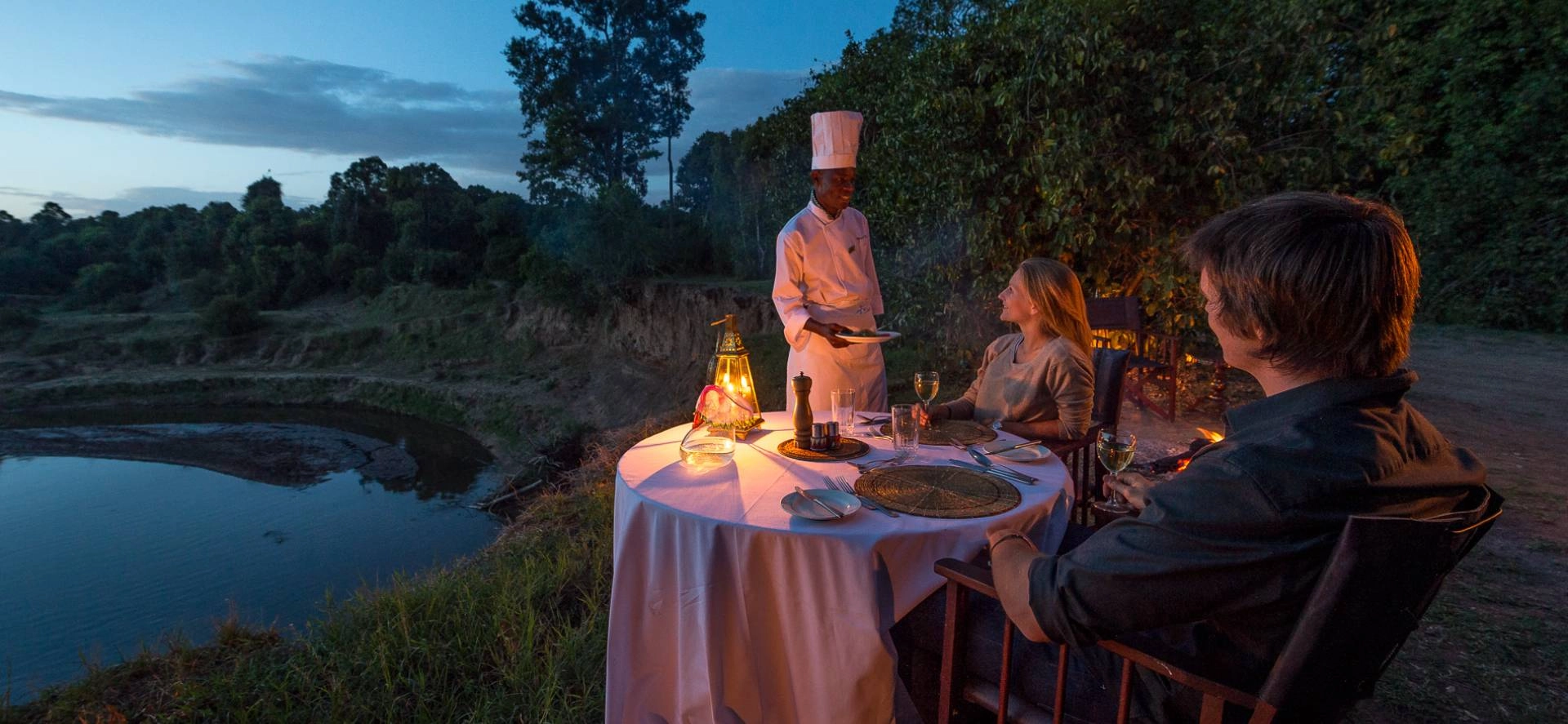
Definitive answer: A bush dinner is an outdoor evening meal arranged in a safe safari setting away from…
Read articleLet us take you closer to the wildlife, people and places that make Africa extraordinary.
Plan Your Safari Today