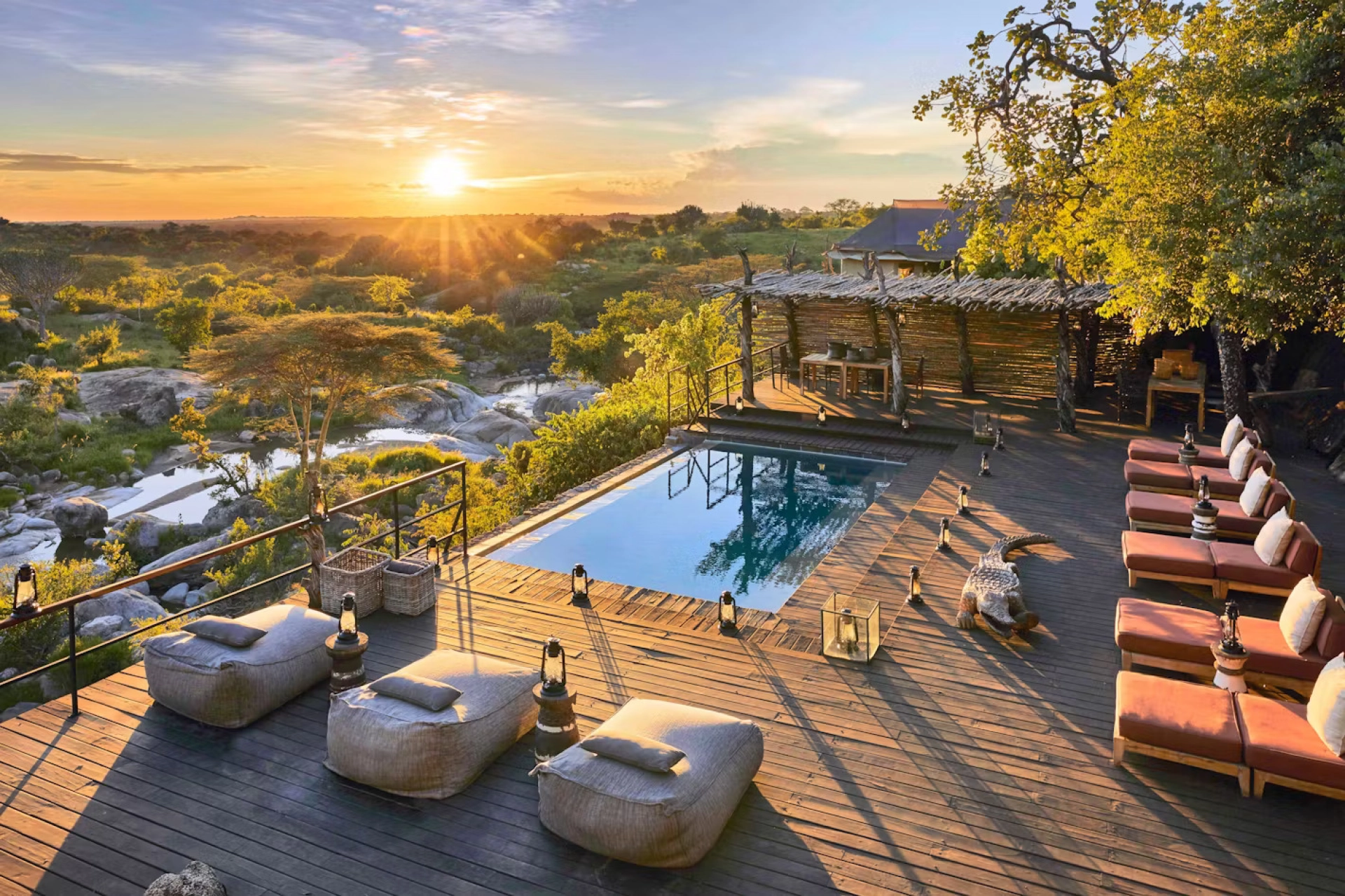
What should I look for when booking a luxury African safari?
When booking a luxury African safari, look beyond the room and compare the quality of guiding, wildlife location,…
Read article

Travel Guide
It sounds like a simple question. Is Victoria Falls better from Zimbabwe or Zambia? Then you begin researching. One traveller says Zimbabwe without hesitation. Another insists Zambia is more adventurous. Someone says Zimbabwe has more waterfall…
It sounds like a simple question. Is Victoria Falls better from Zimbabwe or Zambia? Then you begin researching. One traveller says Zimbabwe without hesitation. Another insists Zambia is more adventurous. Someone says Zimbabwe has more waterfall viewpoints. Someone else posts a photograph from Devil’s Pool and declares Zambia the obvious winner. Then seasonal water levels enter the discussion. Visa questions appear. Safari plans complicate everything. And suddenly choosing where to stay at Victoria Falls feels more difficult than expected.
The truth is that Victoria Falls belongs to both Zimbabwe and Zambia, and the two sides provide genuinely different experiences. The waterfall lies on the Zambezi River, which forms the international boundary at this point. On the southern side is Victoria Falls town, Zimbabwe. On the northern side is Livingstone, Zambia. UNESCO recognises the waterfall as a transboundary natural site, and Zambia Tourism describes Victoria Falls as lying directly on the border between the two countries.
So the real question is not: Which country has Victoria Falls? It is: Which side is better for your particular trip? If you want the broadest classic waterfall panoramas, Zimbabwe often has the advantage. If you want Livingstone Island and Devil’s Pool, Zambia is essential. If you are combining the waterfall with Hwange National Park, Zimbabwe may be more convenient. If your safari continues to South Luangwa or Lower Zambezi, Zambia fits naturally. If you want the most complete experience and your visa situation permits, the best answer may be remarkably simple: Visit both sides.
Victoria Falls lies on the Zambezi River in southern Africa, between Zambia and Zimbabwe. The waterfall stretches across a broad basalt edge approximately 1.7 kilometres wide before plunging more than 100 metres into a narrow gorge. Zambia Tourism lists its dimensions at roughly 1,688 metres wide and 108 metres high. The Zambezi upstream appears broad and comparatively calm. Then the river reaches the fracture zone. Water drops into the gorge. Spray rises. The river turns downstream through a sequence of deep basalt gorges. This unusual geology is one reason Victoria Falls is so spectacular.
The waterfall is also widely known by the indigenous name Mosi-oa-Tunya, commonly translated as “The Smoke That Thunders.” It is one of the world’s great descriptive place names. “Smoke” refers to the enormous clouds of spray rising from the gorge. “Thunder” refers to the continuous roar of water. During high-water periods, the name makes immediate sense. Mist rises above the trees. Visitors become soaked. The waterfall is heard and felt as much as seen. Using the name Mosi-oa-Tunya also recognises that African communities knew and named the waterfall long before David Livingstone recorded his visit in the 19th century.
If you want the shortest possible comparison: Zimbabwe: generally stronger for broad panoramic waterfall viewing. Zambia: essential for Livingstone Island, Devil’s Pool and certain close-up perspectives. Zimbabwe: convenient for Hwange National Park. Zambia: convenient for South Luangwa, Lower Zambezi and Kafue. Both sides: excellent for Zambezi activities and broader southern African safari combinations. But the details matter.
For many first-time visitors whose highest priority is simply seeing Victoria Falls, Zimbabwe has a powerful advantage. The Zimbabwean protected area contains a long series of viewpoints looking toward different sections of the waterfall. Walking through the Victoria Falls rainforest provides changing perspectives. Some reveal broad curtains of water. Others look toward islands and gorge sections. During suitable water conditions, the sequence gives visitors a strong understanding of the waterfall’s scale. This is why many guides consider Zimbabwe the stronger side for traditional panoramic sightseeing.
The Victoria Falls rainforest is one of the most unusual ecosystems around the waterfall. Constant spray supports lush vegetation immediately beside an otherwise seasonally dry landscape. Visitors walk through dense greenery between viewpoints. During high water, it can feel like rain even under clear skies. Water droplets cover cameras. Paths become wet. Rainbows form. The vegetation itself becomes part of the experience. The forest demonstrates how profoundly Victoria Falls influences its local environment.
The Zimbabwe side allows visitors to face major sections of the waterfall from across the narrow gorge. This is the classic postcard perspective. You see water falling rather than standing almost directly above it. The visual effect is particularly satisfying during intermediate and moderate-high water conditions. Too much spray can obscure portions of the falls. Too little water reduces the continuous curtain. This is why season influences the Zimbabwe vs Zambia Victoria Falls debate almost as much as geography.
Zambia offers a more intimate relationship with the river and eastern sections of the waterfall. Visitors can use viewpoints within Mosi-oa-Tunya National Park, cross the famous Knife-Edge Bridge, explore Livingstone and, during suitable conditions, access Livingstone Island. The greatest advantage for adventure travellers is Devil’s Pool. This experience is available only from the Zambian side. For some travellers, that fact alone settles the debate.
The Knife-Edge Bridge is one of Zambia’s signature Victoria Falls experiences. The pedestrian bridge crosses a dramatic section of the gorge-side landscape and provides views toward the Eastern Cataract and other parts of the waterfall. During high water, spray can become intense. You may leave completely soaked. During lower water, visibility improves but the waterfall itself becomes less powerful on sections of the Zambian side. Zambia Tourism identifies Knife-Edge Bridge as one of the country’s important Victoria Falls viewpoints.
Devil’s Pool sits near Livingstone Island at the edge of Victoria Falls. During suitable low-water conditions, guided visitors can swim in this natural rock pool while looking toward the gorge. It is one of southern Africa’s most famous adventure experiences. The pool is normally accessible only in the lower-water season, with current operators generally citing roughly mid-August to late December, subject to daily conditions. Zimbabwe does not have an equivalent experience. Therefore, if Devil’s Pool is one of your top priorities, you need Zambia at least for part of the trip.
Livingstone Island provides another major reason to visit Zambia. The island lies within the Zambezi immediately beside the waterfall edge. Guided visits may include meals or refreshments and seasonal swimming experiences. The current operator offers several daily boat excursions during operating periods, with access always dependent on river levels. Even travellers who do not swim can find the island perspective extraordinary.
Neither country permanently has “more water” in a simple sense.
Victoria Falls is one river system. However, the distribution of water across the broad waterfall changes considerably with river levels. During low water, some eastern sections toward Zambia can become very dry. The deeper channels toward Zimbabwe may continue carrying stronger flows. This is one major reason Zimbabwe often provides more reliable traditional waterfall viewing late in the dry season. Zambia Tourism notes that during the lowest-flow period, parts of the waterfall can become little more than rivulets or dry completely.
During high water, both sides can be spectacular. The falls become extremely powerful. Spray rises high above the gorge. Zambia’s Knife-Edge Bridge becomes an intensely wet experience. Zimbabwe’s rainforest viewpoints reveal enormous curtains of water, although spray may obscure visibility. If pure power is your priority, both sides work well. Aerial sightseeing becomes especially valuable because helicopters can rise above the spray and reveal the overall structure.
Zimbabwe often gains an advantage for conventional waterfall viewing during the driest months because deeper channels may continue carrying substantial water. The Zambian side can become dramatically drier. However, low water is precisely when Zambia gains access to experiences such as Devil’s Pool and Livingstone Island. Therefore: Low water + best conventional waterfall views → often Zimbabwe. Low water + edge adventure → Zambia. This explains why people can visit at exactly the same time and still disagree about which country was better. They valued different things.
The answer depends on the experience you want.
Zambia Tourism identifies peak flood conditions around March and April, when immense spray can make the full width difficult to see from ground level. Choose this period for power and drama.
As flood levels decline, visibility across the falls improves. This can create an excellent balance between water volume and clear views.
Later in the year, exposed basalt becomes increasingly visible. This is the season associated with Devil’s Pool. The experience is different rather than inferior.
During peak flow, Zimbabwe’s long viewpoint trail offers extraordinary encounters with spray. Visitors should bring rain protection for electronics. The experience can feel like walking into a tropical storm. Ironically, extremely high water can make photography harder because the waterfall repeatedly disappears behind mist. Aerial sightseeing can solve this.
The Knife-Edge Bridge can become especially dramatic. Spray is intense. The river’s power is obvious. However, Livingstone Island and Devil’s Pool are closed under high-water conditions. Travellers visiting specifically for those attractions should choose another season.
As water levels decline, Zimbabwe can provide strong visibility along major waterfall sections. The basalt gorge becomes easier to see. The weather is generally dry. This period also combines exceptionally well with Hwange National Park and Chobe National Park, where wildlife concentrations can become impressive around water.
This is one of the most attractive periods for adventure-focused visitors because Devil’s Pool is generally within its normal operating season, subject to actual water levels. The Zambian waterfall sections may show less water than earlier in the year. But the ability to stand on Livingstone Island or swim in a natural edge pool creates an entirely different experience.
This depends strongly on personal preference.
Victoria Falls town developed specifically around tourism. The waterfall entrance is conveniently positioned relative to many hotels and central facilities. Restaurants, craft markets and tourism offices are readily accessible. The compact nature of the town makes it straightforward for visitors without a car. It also provides direct access toward Hwange.
Livingstone is a larger urban centre situated a short distance from the waterfall. It has a broader local-town atmosphere. Accommodation ranges from town hotels to luxury river lodges. Livingstone also offers historical attractions and access toward Zambia’s safari circuit. Travellers wanting to experience a more conventional Zambian city may prefer it.
Both have excellent accommodation. The choice depends more on hotel style and budget than country. Zimbabwe offers iconic historic properties, contemporary hotels, guesthouses and safari-style lodges around Victoria Falls town. Zambia offers town hotels, intimate lodges and luxury properties along the Zambezi. Riverfront accommodation in Zambia can provide a particularly tranquil environment. Hotels near central Victoria Falls in Zimbabwe provide exceptional walking convenience.
Luxury travellers should consider what matters most: Walking access to the Falls. Zambezi River views. Privacy. Safari-style atmosphere. Historic character. Spa facilities. Family suitability. Border convenience. A luxury property on the “wrong” side for your itinerary may create unnecessary transfers. Location should come before prestige.
Budget travellers can find guesthouses, backpacker-style accommodation and affordable hotels on both sides. Livingstone historically offers a broader urban accommodation market. Victoria Falls town also has economical guesthouses beyond the landmark hotels. When comparing prices, include transport. A slightly cheaper hotel requiring taxis for every activity may not actually save money.
Both sides have strong tourism dining scenes. Victoria Falls town offers convenient restaurants within a compact area. Livingstone offers a wider city environment plus lodge dining along the Zambezi. Food should not generally determine which country you choose. Both can accommodate a range of dietary requirements at established tourism properties.
Both can work well. Zimbabwe’s compact geography is convenient for families wanting straightforward access to the waterfall. Zambia adds adventurous experiences, but age restrictions apply to activities such as Devil’s Pool. The current Livingstone Island operator lists a minimum swimming age of 12 for natural-pool activities. Families should choose accommodation with appropriate rooms, pools and transport rather than deciding solely according to country.
Again, both. Luxury river lodges near Livingstone provide romantic Zambezi settings. Zimbabwe offers high-end properties close to the waterfall and easy access toward Hwange. Honeymooners can also cross the border and experience both. Adding Chobe National Park or Okavango Delta creates an exceptional southern African honeymoon.
If your main safari destination is Hwange National Park, Zimbabwe is the logical base. Hwange lies within convenient road-transfer range of Victoria Falls. Travellers can arrive through Victoria Falls Airport, spend two or three nights at the waterfall and continue directly into safari. This creates one of Zimbabwe’s most efficient itineraries. Victoria Falls + Hwange National Park works particularly well for travellers who want elephants, predators and classic dry-season safari.
If your safari continues to South Luangwa National Park, staying in Zambia may simplify the overall travel concept. South Luangwa is famous for: Leopards. Walking safaris. Night drives. Luangwa River wildlife. Wild dogs. A Zambia itinerary combining Livingstone, Victoria Falls and South Luangwa provides both natural wonder and major wildlife experiences within one country.
Lower Zambezi National Park is another excellent Zambia extension.
Safari activities can include: Game drives. Canoe safaris. Boat safaris. Walking. Fishing where permitted. Elephant viewing along the Zambezi. Combining the waterfall with Lower Zambezi creates a fascinating journey following the same river through two completely different landscapes.
Both Zimbabwe and Zambia provide practical access toward Chobe National Park in Botswana. This means Chobe does not strongly settle the debate. Day trips commonly operate from the Victoria Falls region. But staying overnight in Botswana is usually better for travellers with enough time. Chobe is famous for elephants and Chobe River boat safaris. Combining waterfall and wildlife is exceptionally easy.
Travellers continuing toward Botswana’s Okavango Delta can start from either side. Regional flight logistics determine the best arrangement. A classic southern African circuit might include: Victoria Falls. Chobe National Park. Okavango Delta. The result combines waterfall, river, savannah and wetland ecosystems.
Zimbabwe travellers can continue farther east to Mana Pools National Park. Mana Pools is famous for: Walking safaris. Elephants. Wild dogs. The Zambezi River. Canoeing. Remote wilderness. A longer Zimbabwe safari combining Victoria Falls, Hwange and Mana Pools ranks among southern Africa’s finest wildlife itineraries.
For travellers interested in culture and history, Zimbabwe also provides access to the Great Zimbabwe Ruins. This medieval stone city demonstrates the sophistication of pre-colonial Shona civilisation. Combining Victoria Falls with Great Zimbabwe National Monument creates a much broader understanding of the country than wildlife alone.
Zambia gains a major point through Devil’s Pool. However, many adventure activities use the shared gorge and river environment and can be accessed from tourism operators on either side depending on the activity. Common options include: White-water rafting. Bungee jumping. Bridge swing. Zipline experiences. Helicopter flights. Zambezi cruises. Therefore, most travellers can find plenty of adventure regardless of where they sleep.
Rafting takes place downstream in the Zambezi’s Batoka Gorge system. Operating points and transfers can be arranged from the regional tourism centres. Seasonal water conditions matter much more than whether your hotel is in Zimbabwe or Zambia. Travellers should confirm operating status and physical requirements.
Neither has a decisive advantage for the fundamental aerial experience. Once airborne, the international border becomes almost irrelevant. You see the entire landscape. This is why a Victoria Falls helicopter flight is especially useful for travellers staying on only one side. The aerial perspective reveals what you are missing from ground level.
Both countries provide excellent Zambezi sunset cruises upstream from the waterfall. Cruises range from casual shared boats to luxury small-vessel experiences. Wildlife may include: Hippos. Crocodiles. Elephants. Waterbirds. Sunsets are often spectacular. Choose according to boat style, hotel location and atmosphere rather than nationality.
Visa requirements depend on nationality and can change. Travellers planning to visit both sides should check current official entry requirements before travel. Some travellers may be eligible for visa arrangements designed to facilitate movement between Zambia and Zimbabwe, but eligibility and availability should always be verified for the specific passport and travel date. Never rely on an old travel blog for immigration rules.
Yes, travellers can cross the Victoria Falls Bridge between Zimbabwe and Zambia, subject to border formalities. The bridge itself is one of the destination’s major landmarks. Walking provides excellent views into the gorge. Remember that crossing an international border still requires appropriate documentation even if the physical distance seems short.
For many travellers, this is the ideal solution.
Choose accommodation according to the wider itinerary. Then cross the border for a day. For example: Stay in Victoria Falls, Zimbabwe. Visit the Zimbabwe viewpoints. Cross to Zambia for Livingstone Island and Devil’s Pool. Return to Zimbabwe. Then continue to Hwange National Park. Or: Stay in Livingstone, Zambia. Explore the Zambian side. Cross to Zimbabwe for the rainforest viewpoints. Return to Livingstone. Fly onward to South Luangwa. This removes the need to treat the decision as permanent.
Technically, you can see the waterfall during a one-night stop. But it is rushed. Two or three nights is far better. This gives enough time for: Main waterfall viewpoints. The opposite country. Sunset cruise. Helicopter flight. Devil’s Pool where applicable. Bridge activities. Relaxation. Victoria Falls deserves more than a transit stop.
Arrive and settle into accommodation. In the late afternoon, enjoy a Zambezi River sunset cruise. This is a gentle introduction after travelling.
Spend the morning exploring your primary side. Cross the border later if desired. Visitors during low water can incorporate Livingstone Island and Devil’s Pool.
Choose: Helicopter flight. Rafting. Chobe day trip. Mosi-oa-Tunya wildlife experience. Bridge activities. Cultural tour. Relaxation. Then continue onward the following day.
Photographers should ideally visit both. Zimbabwe is generally stronger for wide frontal views of the waterfall. Zambia provides close-up river-edge perspectives. A helicopter adds the essential aerial view. During high water, protect equipment from spray. During low water, basalt formations become more visible. Sun angle also matters throughout the day.
For someone who can visit only one side and whose main goal is conventional waterfall sightseeing, Zimbabwe is often the safest all-round choice, particularly during lower-water months. For someone whose main priority is Devil’s Pool, Zambia is mandatory. For someone planning a Zambia-only safari, Livingstone makes logistical sense. For someone heading into Hwange, Victoria Falls town makes sense. That is the most practical way to settle the debate.
On a larger southern African journey, choose according to transport flow. Zimbabwe-focused safari: stay Zimbabwe side. Zambia-focused safari: stay Zambia side. Botswana-focused safari: compare flight and road connections. Combined Zimbabwe and Zambia: use whichever accommodation you prefer and cross. There is no reason to create unnecessary backtracking merely to sleep on a supposedly “better” side.
Travellers building a major Africa itinerary can combine Victoria Falls with Uganda gorilla trekking or Rwanda gorilla trekking. This creates an extraordinary contrast. Victoria Falls delivers river, gorge and waterfall. Bwindi Impenetrable National Park delivers rainforest and mountain gorillas. Volcanoes National Park adds the Virunga volcanoes. Regional flight connections require planning, but the combination can be spectacular for travellers visiting Africa on a once-in-a-lifetime journey.
Both. The waterfall lies on the Zambezi River forming the border between Zambia and Zimbabwe.
Zimbabwe generally offers the broader conventional panoramic viewpoints, while Zambia provides distinctive close-up perspectives.
Zambia.
Yes. Cross the border into Zambia and join an authorised Livingstone Island excursion.
Zimbabwe generally retains stronger conventional waterfall viewing, while Zambia gains access to low-water experiences such as Devil’s Pool.
Both can be spectacular. Zambia’s Knife-Edge Bridge is dramatic, while Zimbabwe’s rainforest viewpoints provide powerful broad waterfall experiences.
Zimbabwe.
Zambia.
Yes, subject to border and visa formalities, though spending enough time on each side makes the experience more rewarding.
Two to three nights is ideal for most travellers.
No. Access is seasonal and depends on Zambezi water levels.
No. It generally operates during suitable low-water conditions, commonly from around mid-August to late December, subject to actual river levels.
So who wins the Great Victoria Falls Debate — Zambia vs Zimbabwe? For the widest conventional waterfall panoramas: Zimbabwe. For Devil’s Pool and Livingstone Island: Zambia. For a Hwange safari: Zimbabwe. For a South Luangwa or Lower Zambezi safari: Zambia. For low-water waterfall views: Usually Zimbabwe has an advantage. For low-water adventure: Zambia. For the best overall experience: Both. That final answer may sound like avoiding the debate, but Victoria Falls genuinely rewards crossing the border.
The waterfall is one natural system. Zimbabwe and Zambia simply provide different windows onto it. Adventure in the Wild Safaris can design Victoria Falls Zimbabwe holidays, Victoria Falls Zambia tours, Devil’s Pool excursions, Victoria Falls and Hwange safaris, South Luangwa safari extensions, Lower Zambezi safaris, Chobe day trips, Okavango Delta combinations, Zimbabwe cultural tours and Victoria Falls plus Uganda gorilla trekking itineraries. Choose the side that works best with your wider journey. Then, if time permits, cross the bridge. Because the best way to settle the Victoria Falls Zimbabwe vs Zambia debate is not to argue about it. It is to experience both.

Share This Article
When booking a luxury African safari, look beyond the room and compare the quality of guiding, wildlife location,…
Read article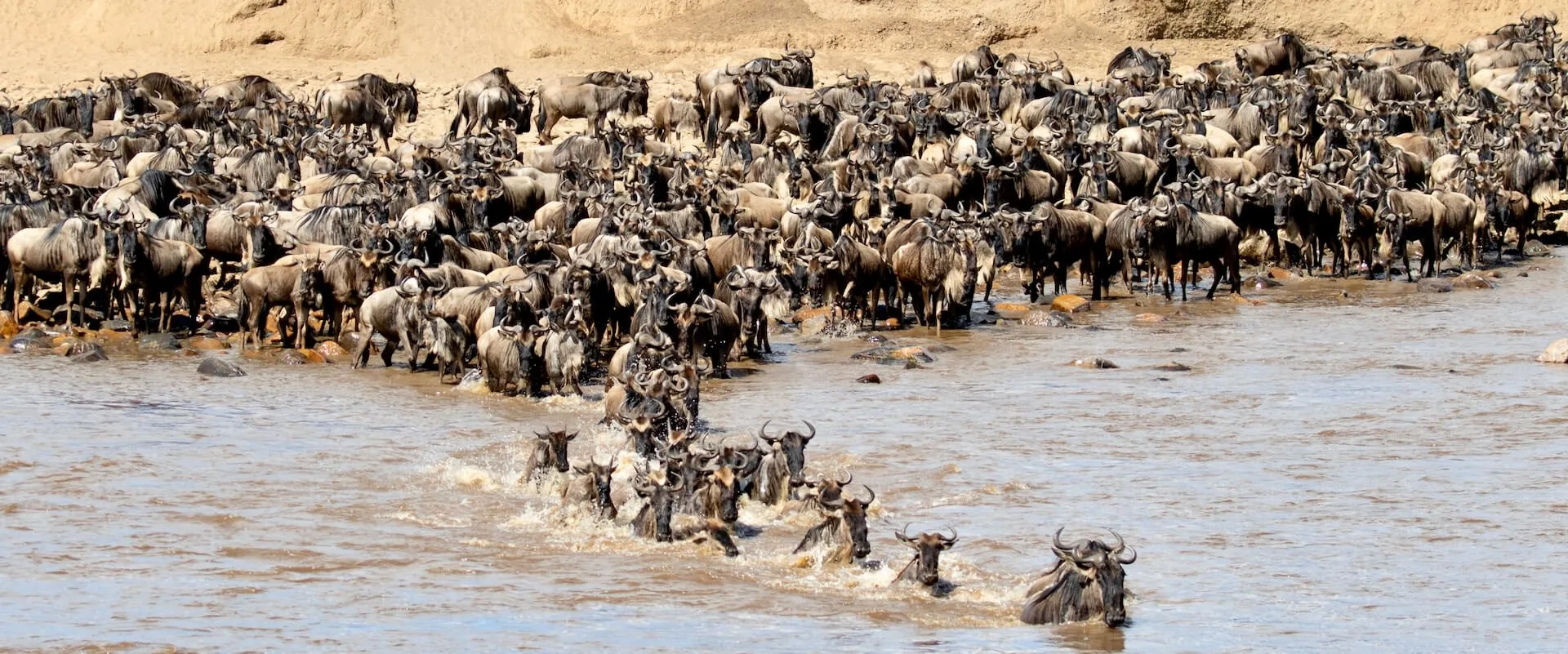
The Great Migration in Africa happens all year because the herds continuously circulate through the Serengeti–Mara ecosystem in…
Read article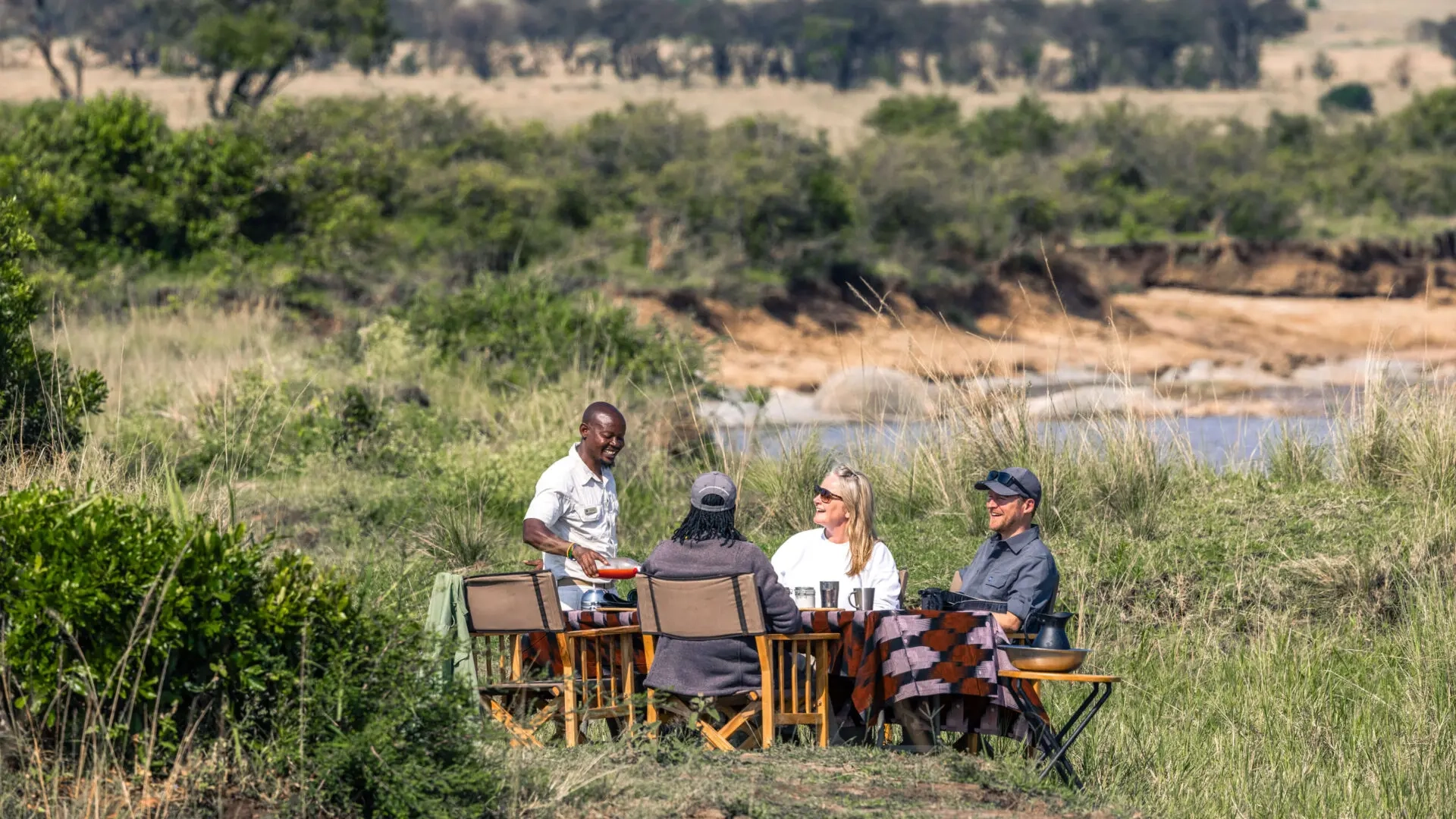
Definitive answer: A picnic lunch on safari is a packed or catered midday meal eaten at an approved…
Read article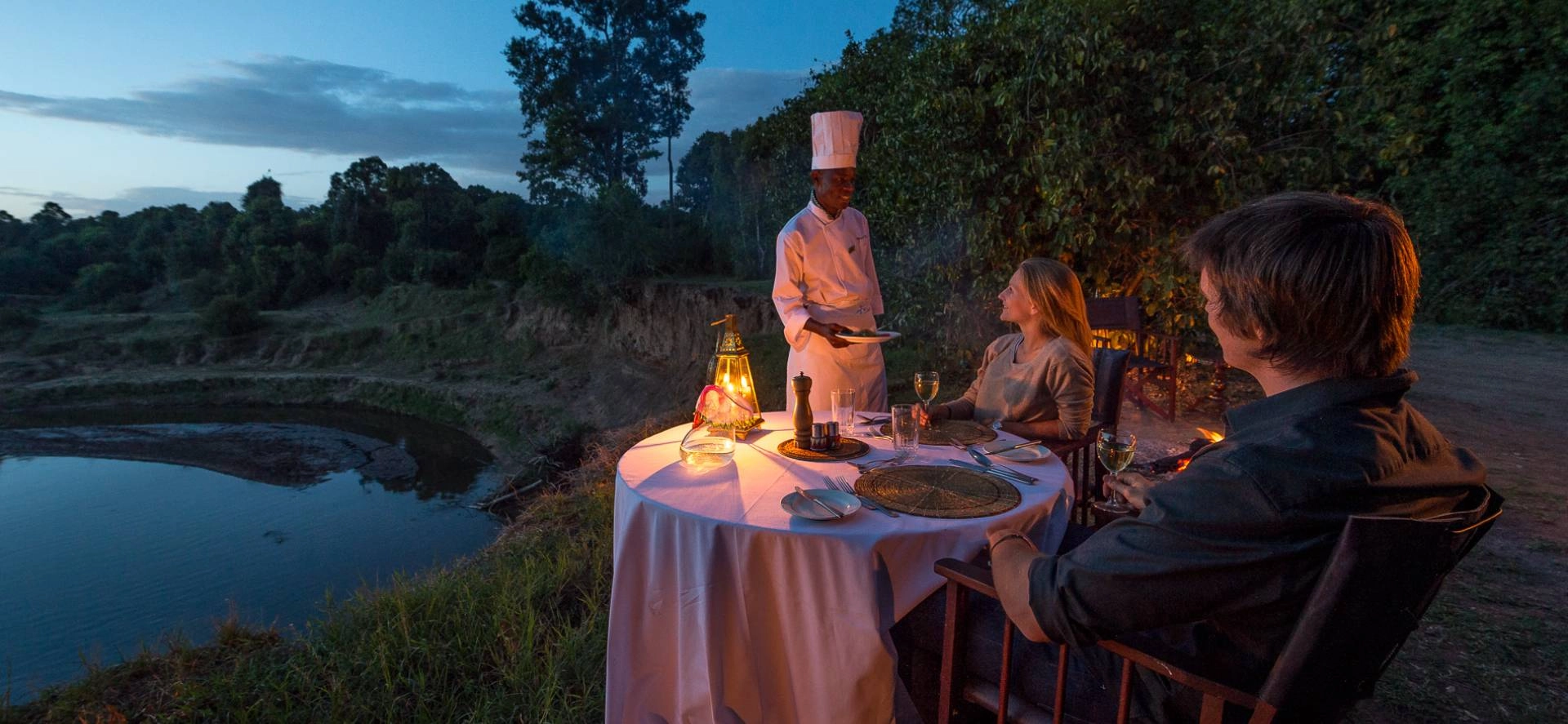
Definitive answer: A bush dinner is an outdoor evening meal arranged in a safe safari setting away from…
Read articleLet us take you closer to the wildlife, people and places that make Africa extraordinary.
Plan Your Safari Today