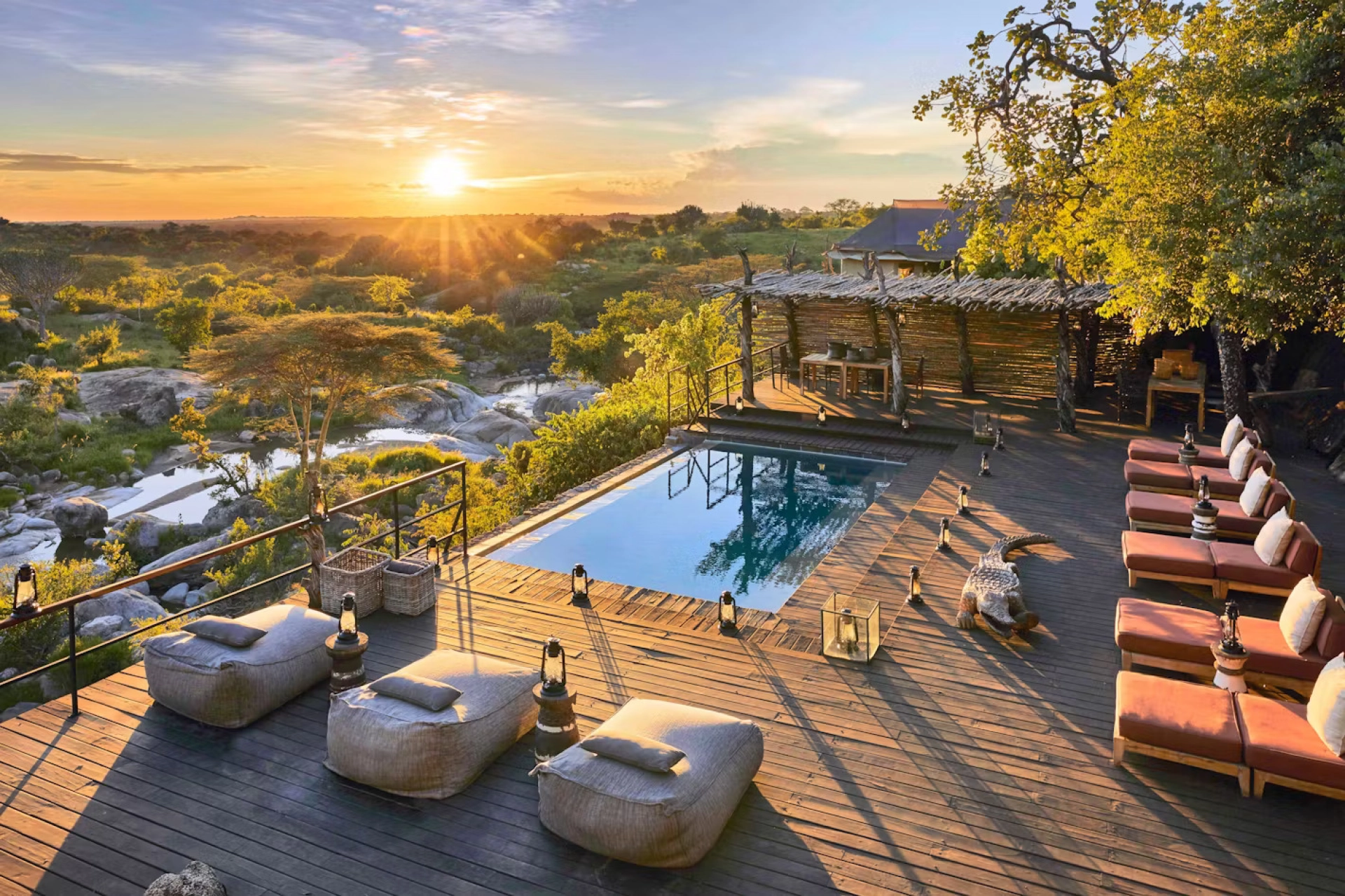
What should I look for when booking a luxury African safari?
When booking a luxury African safari, look beyond the room and compare the quality of guiding, wildlife location,…
Read article

Travel Guide
There is a moment on almost every first African safari when the landscape suddenly changes from scenery into wilderness. Perhaps a guide slows the vehicle beside a dusty track and points toward something almost invisible beneath…
There is a moment on almost every first African safari when the landscape suddenly changes from scenery into wilderness. Perhaps a guide slows the vehicle beside a dusty track and points toward something almost invisible beneath an acacia tree. At first you see only grass and shadow. Then a lion raises its head. Or perhaps you are travelling through woodland when a huge African elephant emerges unexpectedly beside the road, so close that you can hear branches breaking as it feeds.
For another traveller, the defining moment happens nowhere near a safari vehicle. After several hours walking through the rainforest of Bwindi Impenetrable National Park, vegetation opens and a mountain gorilla appears only metres away. These are the experiences that explain why African wildlife travel is so compelling. The most thrilling African animals to encounter are not necessarily the rarest or largest animals. Excitement comes from a combination of unpredictability, behaviour, environment and proximity.
A leopard hidden in a tree may be more exciting than a dozen lions sleeping beside a road. A pack of African wild dogs beginning a hunt can produce more adrenaline than seeing every member of the traditional Big Five. A gorilla calmly looking toward you from a forest clearing can create an emotional connection unlike almost any conventional safari sighting.
The famous Big Five animals of Africa—lion, leopard, elephant, rhinoceros and African buffalo—remain extraordinary. But they are only the beginning. Africa’s wildlife includes cheetahs accelerating across grasslands, hippos defending river territories, giraffes moving silently between acacias, chimpanzees calling through rainforest, crocodiles waiting beneath river surfaces, hyenas cooperating within sophisticated clans and millions of wildebeest undertaking one of Earth’s greatest migrations. This guide explores the animals that make an African wildlife safari unforgettable, where you can see them and what makes each encounter special.
Most travellers have seen lions, elephants and giraffes before arriving in Africa. They appear in documentaries, photographs, advertisements, books and zoos. Yet seeing the same animal living freely within a functioning ecosystem feels completely different. A wild lion is not waiting to be viewed. It may disappear before you arrive. An elephant herd decides where it travels. A leopard may remain invisible despite being only metres from a vehicle. Gorillas move through forests according to food availability and social behaviour rather than visitor convenience.
That uncertainty creates excitement. Safari is not simply about observing animals. It is about entering landscapes where animals continue their lives regardless of whether people are present.
The Big Five are:
The term originated historically in hunting culture, referring to animals considered particularly dangerous and challenging to pursue on foot. Modern safari tourism has transformed the expression. Today, most travellers encounter the Big Five through photography, conservation tourism and guided wildlife safaris. Seeing all five can be exciting, but treating safari purely as a Big Five checklist can cause visitors to overlook equally remarkable wildlife.
Few experiences compare with hearing a lion roar in the wild. The sound can seem to travel through the ground as much as through the air. At night, hearing lions calling beyond a safari camp instantly reminds visitors that they are sleeping within a genuine wildlife landscape. Lions are Africa’s most famous large predators and one of the principal animals travellers hope to encounter on a Big Five safari.
Most cat species live primarily solitary lives. Lions are unusual because they form social groups known as prides. A pride commonly contains related females, cubs and one or more adult males, although social structure varies considerably. Female lions often form the long-term core of the pride. They may cooperate when defending territory, protecting cubs and hunting. Watching pride behaviour can therefore be more interesting than simply photographing an individual lion.
First-time safari travellers are sometimes surprised to find lions asleep. Then they find another lion asleep. Then another. Lions can spend much of the day resting and conserving energy. Hunting requires explosive effort, and hot daytime temperatures make activity expensive. Early mornings and evenings can therefore provide excellent opportunities to observe more active behaviour.
The Serengeti National Park and Masai Mara are among Africa’s premier lion destinations. South Africa’s Greater Kruger ecosystem also provides excellent lion viewing. Uganda has important lion populations in parks including Queen Elizabeth National Park and Murchison Falls. Queen Elizabeth’s Ishasha sector is particularly associated with the famous tree-climbing lions of Uganda.
If lions represent power and visibility, leopards represent secrecy. A leopard can lie motionless inside vegetation while several safari vehicles pass without noticing it. Its rosette-patterned coat breaks up the body’s outline, creating extraordinary camouflage. Finding one therefore creates a particular kind of safari excitement.
Leopards are exceptional climbers. They may use trees for rest, observation and security. They can also haul prey into branches, reducing the risk of losing food to scavengers such as hyenas. Watching a leopard climb vertically while carrying a carcass reveals astonishing strength.
Experienced safari guides rarely search only with their eyes. They listen. Alarm calls from monkeys, antelopes and birds may reveal that a predator is nearby.
Tracks on the road provide additional clues. Other animals staring intensely toward one patch of vegetation can be equally revealing. This is where good guiding transforms safari. The leopard becomes part of a larger ecological puzzle.
The Greater Kruger region is particularly famous for leopard viewing. Kenya’s Masai Mara, Tanzania’s Serengeti, Zambia’s South Luangwa and several other ecosystems also provide excellent possibilities. Sightings are never guaranteed. That uncertainty is precisely why seeing one feels so rewarding.
Photographs rarely communicate how large an African elephant really is. The scale becomes obvious when an adult approaches a safari vehicle. Its feet seem enormous. The trunk is constantly moving. The ears can appear almost architectural. Yet despite their size, elephants often move remarkably quietly.
Elephants live within complex social systems. Female relatives and young animals commonly form family units. Experienced older females can provide valuable knowledge about resources, danger and movement through the landscape. Young elephants learn through years of interaction with older individuals. Watching a herd closely reveals constant communication. Trunks touch. Calves remain close to adults. Individuals react to distant sounds that humans may not detect.
Elephants communicate through vocalisations, physical contact, body posture and low-frequency sounds. Some calls can travel considerable distances. Researchers have also investigated their ability to detect vibrations through the ground. A herd that appears quiet to human observers may therefore be exchanging considerable information.
Kenya’s Amboseli National Park is famous for elephants and Mount Kilimanjaro scenery. Botswana’s Chobe National Park is another exceptional elephant destination. Uganda’s Murchison Falls and Queen Elizabeth National Parks provide excellent opportunities, while elephants are widespread through Tanzania, Zambia, Zimbabwe, Namibia and South Africa.
Rhinos look like survivors from another geological era. Their enormous bodies, heavy limbs and distinctive horns create an unmistakable appearance. Africa has two living rhino species: black rhino and white rhino. Despite their names, colour is not the simplest way to distinguish them. White rhinos are primarily grazers and possess broad mouths adapted to grass. Black rhinos are browsers with more pointed upper lips adapted to selecting leaves and branches.
Rhino horn consists primarily of keratin. Illegal demand for horn has contributed to severe poaching pressure. As a result, rhino conservation requires extraordinary resources. Protection teams, monitoring programmes, protected reserves and international law-enforcement efforts all play roles. A rhino sighting is therefore not simply another Big Five photograph. It represents a species surviving under immense human-created pressure.
South Africa remains an important rhino destination. Kenya protects rhinos in areas including Lake Nakuru and several conservancies. Tanzania’s Ngorongoro Crater provides opportunities to search for black rhino. Uganda’s rhino story is associated with dedicated conservation efforts rather than conventional sightings in its main savannah national parks.
African buffaloes rarely appear at the top of a first-time visitor’s wish list. Then travellers encounter a large herd. Hundreds of animals moving through grassland create an impressive sense of collective strength. Adult bulls are formidable. Their heavy horn bosses and powerful bodies explain why buffalo earned a place among the historical Big Five.
Buffaloes often live in social herds. Group living provides protection from predators. Lions may hunt buffaloes, but attacking a healthy adult is dangerous. Herd members can respond aggressively when threatened. Older males may spend periods in smaller groups. Safari guides sometimes refer to old bulls as “dagga boys.”
Buffaloes are widespread through many major East and Southern African safari areas. The Masai Mara, Serengeti, Kruger, Queen Elizabeth, Murchison Falls, Botswana and Zambia all provide possibilities.
Completing the Big Five is satisfying. But experienced safari travellers often return home talking about something else. Perhaps it was a cheetah hunt. Perhaps wild dogs appeared unexpectedly. Perhaps a baby giraffe approached its mother. Perhaps chimpanzees began screaming through Kibale Forest. Perhaps a silverback gorilla walked through the vegetation. These experiences demonstrate why wildlife should never be reduced to five species.
For many travellers, mountain gorilla trekking becomes the most emotionally powerful wildlife experience they have ever had. Unlike conventional game drives, gorilla trekking begins on foot. Visitors enter dense montane forest accompanied by professional guides, trackers and park personnel. The gorillas move freely through the forest. Trekking duration therefore varies. Then trackers locate a habituated family. The transition can be extraordinary. After hours concentrating on roots, slopes and vegetation, suddenly there is a gorilla only metres away.
Gorillas are close evolutionary relatives of humans. Their hands, facial expressions and social interactions can appear remarkably familiar. A young gorilla may play around vegetation. A mother protects an infant. A silverback sits with an extraordinary combination of physical strength and apparent calm. Visitors are observing wild animals, but the behavioural similarities can create a powerful sense of connection.
Uganda is one of the world’s leading destinations for gorilla trekking safaris. Bwindi Impenetrable National Park protects an important mountain gorilla population and has several trekking sectors. Uganda also offers gorilla trekking in Mgahinga Gorilla National Park. Rwanda’s Volcanoes National Park provides another major trekking destination. For travellers wanting to combine gorillas with conventional safari wildlife, Uganda is particularly attractive because Bwindi can be connected with Queen Elizabeth, Kibale and Murchison Falls.
Chimpanzees provide a completely different primate experience. Where mountain gorillas may spend considerable time feeding calmly, chimpanzees can be extremely energetic. They move rapidly through forest. Calls echo between trees. Groups may suddenly appear and disappear.
Chimpanzees demonstrate remarkable intelligence. Different communities use natural objects as tools and may develop behaviours passed socially between individuals. This has contributed greatly to scientific understanding of animal intelligence and culture.
Uganda’s Kibale National Park is one of Africa’s premier chimpanzee trekking destinations. Combining Kibale chimpanzee trekking with Bwindi gorilla trekking creates one of the world’s most complete primate safaris. The contrast is fascinating. Gorilla trekking introduces travellers to powerful, primarily terrestrial great apes. Chimpanzee tracking reveals faster-moving, vocal and highly dynamic primate societies.
A resting cheetah looks elegant. A hunting cheetah becomes something completely different. Its entire body is specialised for rapid acceleration. The flexible spine extends and contracts dramatically. Long legs increase stride length. The lightweight frame reduces unnecessary mass. Semi-retractable claws provide grip.
Cheetahs often depend on visibility. They need to locate prey, approach within effective range and accelerate. This is one reason the open grasslands of Serengeti and Masai Mara provide such iconic cheetah habitat.
Cheetahs may be exceptionally fast, but they are not exceptionally powerful compared with lions and hyenas. After making a kill, they may lose it to larger competitors. This creates ecological pressure to feed quickly and choose hunting conditions carefully.
African wild dogs are among the continent’s most exciting predators. They are also among its most threatened large carnivores.
Wild dogs live in social packs characterised by extensive cooperation.
A pack beginning a hunt can create one of safari’s most exhilarating scenes. Wild dogs can pursue prey over considerable distances, with pack members coordinating during the chase. Their hunting success can be remarkably high compared with many large predators.
Wild dog society is not simply about hunting. Pack members cooperate in raising pups and maintaining social relationships. Their constant communication and movement make them fascinating to watch even when no hunt occurs.
Botswana, Zimbabwe, Zambia, Tanzania and parts of Southern Africa provide important habitats. Greater Kruger can also produce excellent sightings. Because packs move widely, finding wild dogs requires luck and knowledgeable guiding.
Hippos appear almost comical when only their eyes and ears rise above water. Do not mistake appearance for temperament. Hippos are extremely powerful wild animals. They can be territorial around water and move surprisingly quickly on land.
Hippos spend much of the day in rivers, lakes and wetlands. Water protects them from heat. After dark, they generally leave the water and graze on land. This means camps near hippo habitat may occasionally hear animals feeding after sunset. Guests should always follow lodge instructions and never walk unaccompanied in wildlife areas.
Uganda provides superb hippo viewing. The Kazinga Channel boat safari in Queen Elizabeth National Park is particularly famous. Murchison Falls National Park’s Nile also supports hippos. The Serengeti, Masai Mara, Botswana and numerous other ecosystems provide additional opportunities.
A landscape containing giraffes immediately feels unmistakably African. Their extraordinary height allows them to browse vegetation inaccessible to many other herbivores. Yet their unusual anatomy creates challenges. The heart must pump blood vertically toward the brain. When the giraffe lowers its head to drink, the cardiovascular system must manage substantial pressure changes.
Despite the enormous neck, giraffes generally possess seven cervical vertebrae, the same number found in humans. Each vertebra is simply much longer.
Giraffes were once popularly described as nearly silent. Research has demonstrated that they produce vocalisations and communicate in ways that are not always obvious to safari visitors. Their social lives are also more complex than earlier assumptions suggested.
Murchison Falls National Park is an important Ugandan destination for giraffe viewing. Kenya, Tanzania, Namibia, Botswana and South Africa provide many additional possibilities.
Few African animals have suffered from worse public relations than hyenas. Films and popular stories frequently portray them as cowardly scavengers. The reality is very different. Spotted hyenas are intelligent, social and highly capable predators.
Spotted hyenas live within complex social groups called clans. Females occupy dominant positions. Relationships influence access to resources and social status.
Hyenas do scavenge when opportunities arise. So do lions. But spotted hyenas also hunt a substantial proportion of their food. They can pursue prey over long distances and cooperate during hunts. Their powerful jaws allow them to process bones and other parts of carcasses, contributing to nutrient recycling.
Few safari experiences create more tension than watching wildebeest approach a crocodile-filled river during migration. The Nile crocodile is an ambush predator. Its apparent stillness hides extraordinary explosive power. Crocodiles can wait near riverbanks before attacking animals entering the water.
The famous Mara River crossings expose migrating wildebeest and zebras to crocodile predation. These scenes are dramatic but represent only one part of crocodile ecology. Crocodiles occur across many African freshwater systems. Uganda’s Nile provides excellent viewing opportunities during Murchison Falls boat safaris.
A single wildebeest may not inspire the same reaction as a lion.
A hundred thousand wildebeest can change your understanding of wildlife scale. The Great Wildebeest Migration involves enormous numbers of animals moving through the Serengeti-Mara ecosystem.
The migration does not happen only during river crossings. It is an annual ecological cycle. Rainfall and grazing influence herd movements. Calving occurs during a particularly important period in southern parts of the ecosystem. Herds later move through different Serengeti regions before many reach northern areas and Kenya’s Masai Mara. For travellers, understanding this cycle is essential when choosing where to stay for the Great Migration.
Zebras often become so common on safari that visitors stop photographing them. That is unfortunate. Their stripes remain one of nature’s most striking patterns. Every zebra’s stripe arrangement is individually distinctive. Research continues into the evolutionary advantages of stripes, including evidence related to biting-fly deterrence. Zebras also play an important role in the Great Migration ecosystem. Their grazing patterns complement those of wildebeest and other herbivores.
Warthogs are unforgettable. Their large heads, tusks and habit of running with tails upright make them instantly recognisable. They often use burrows for shelter. When entering a burrow, warthogs may reverse inside, leaving their tusks facing the entrance. Young warthogs running behind adults are among the most entertaining sights on a game drive.
Not every thrilling African animal is a mammal. The shoebill is one of Africa’s most distinctive birds. Its enormous shoe-shaped bill and intense expression give it an almost prehistoric appearance. Uganda is one of the continent’s important shoebill destinations. Wetlands including Mabamba are particularly associated with sightings. For birders, finding a shoebill can be as exciting as seeing a leopard.
Africa’s reptiles are often overlooked. Large pythons, monitor lizards, chameleons and numerous snake species occupy different ecosystems. Most reptiles avoid unnecessary interaction with people. Safari visitors may occasionally see pythons crossing roads or monitor lizards near rivers. A knowledgeable guide can explain how reptiles fit into food webs and why they are important to healthy ecosystems.
Predators naturally attract attention. Part of the excitement comes from unpredictability. A lion can sleep for hours and suddenly become alert. Cheetahs may begin stalking. Wild dogs can transition from resting to running within moments. Leopards appear and disappear almost silently. But the best safari guides do not chase action irresponsibly. Wildlife welfare should come before photographs. Vehicles should avoid blocking hunting animals, surrounding individuals excessively or creating unnecessary pressure.
A thrilling safari should also be a responsible safari.
Young animals can transform a sighting. Elephant calves explore the world with trunks they have not fully learned to control. Lion cubs play and stalk one another. Young gorillas climb vegetation. Giraffe calves remain close to mothers. Wildebeest calves can stand and move remarkably soon after birth. Watching young animals also reveals the challenges of survival. Predation, food availability and environmental conditions all influence whether offspring reach adulthood.
This is one of the most important principles of responsible safari planning. Wild animals move freely. A lodge cannot guarantee a leopard. A guide cannot order lions to hunt. A gorilla family may move farther into the forest than expected. Migration herds respond to rainfall rather than travel calendars. The unpredictability is not a flaw.
It is what distinguishes wildlife safari from visiting an attraction where animals are confined.
Different destinations specialise in different experiences. For mountain gorillas, Uganda and Rwanda are the principal tourism destinations. For chimpanzees, Uganda’s Kibale National Park is exceptional. For the Great Migration, Tanzania’s Serengeti and Kenya’s Masai Mara dominate. For elephants, Amboseli and Chobe are internationally famous. For a traditional Big Five safari, Greater Kruger is exceptionally strong. For remote wilderness, Botswana and Zambia are outstanding. For travellers wanting primates, savannah wildlife and boat safaris within one country, Uganda offers unusual diversity.
Uganda deserves particular attention because its wildlife experiences span multiple ecosystems. In Bwindi, travellers trek mountain gorillas. In Kibale, they search for chimpanzees. Queen Elizabeth provides lions, elephants, buffaloes, hippos and boat safaris. Murchison Falls combines giraffes, elephants, predators, Nile wildlife and one of Africa’s most powerful waterfalls. Kidepo Valley provides remote savannah scenery. This means a Uganda wildlife safari can move from rainforest to savannah without crossing an international border.
For travellers seeking maximum wildlife diversity, East Africa is ideal for multi-country travel. A Uganda and Kenya safari might combine Bwindi gorillas with the Masai Mara. A Uganda and Tanzania safari can combine gorilla trekking with Serengeti and Ngorongoro. These journeys contrast rainforest primates with open-plains predators and grazing herds. Few wildlife holidays can offer greater ecological variety.
There is no universal best time. Dry seasons often make wildlife easier to find because vegetation becomes thinner and animals may gather around water. Green seasons produce lush scenery, young animals, dramatic skies and excellent birding. Gorilla trekking in Uganda and Rwanda operates year-round. The Great Migration is also a year-round movement, but different regions become important at different times. The best approach is to match the destination to your travel dates rather than attempting to identify one perfect month for an entire continent.
Do not spend the entire safari looking through the camera. Take photographs, then lower the camera and observe. Animal behaviour often changes quickly. For photography, early morning and late afternoon provide attractive light. A telephoto lens helps with distant animals, but environmental images showing wildlife within the landscape can be equally powerful. Private safari vehicles provide photographers with greater flexibility. Most importantly, never pressure a guide to approach wildlife irresponsibly for a photograph.
The most thrilling African animals to encounter cannot be ranked entirely by size, rarity or fame. A lion roaring before sunrise is thrilling. A leopard appearing from vegetation is thrilling. An elephant herd surrounding its youngest calf is thrilling. But so is following chimpanzee calls through Kibale Forest. So is watching wild dogs prepare to hunt. And few wildlife experiences compare with sitting quietly inside Bwindi while a mountain gorilla family feeds nearby.
That is why the best African safari should not be built solely around a Big Five checklist. It should be built around ecosystems and experiences. Adventure in the Wild Safaris designs personalised Uganda gorilla safaris, chimpanzee trekking tours, Kenya wildlife safaris, Tanzania safari combinations and multi-country East African adventures. A journey can combine Bwindi gorilla trekking, Kibale chimpanzees, Queen Elizabeth wildlife, the Masai Mara and Serengeti—bringing together some of the most extraordinary animals and landscapes on Earth.
The Big Five may inspire the first safari. The animals beyond the Big Five are often what inspire the second.
Get quick answers to the most common questions. If you still have questions, our safari experts are here to help.
Lions, leopards, elephants, gorillas, chimpanzees, cheetahs, wild dogs, rhinos and hippos are among the most exciting, but memorable sightings depend on behaviour rather than species alone.
Lion, leopard, African elephant, rhinoceros and African buffalo.
Many famous African animals are not Big Five species, including giraffes, cheetahs, hippos, zebras, gorillas, chimpanzees, wild dogs and wildebeest.
Uganda’s Bwindi Impenetrable and Mgahinga Gorilla National Parks and Rwanda’s Volcanoes National Park are major gorilla trekking destinations.
Uganda’s Kibale National Park is one of Africa’s premier chimpanzee trekking destinations.
The Serengeti, Masai Mara and Greater Kruger are among Africa’s famous lion destinations. Uganda also provides lion viewing in Queen Elizabeth and Murchison Falls National Parks.
Tanzania’s Serengeti and Kenya’s Masai Mara are excellent cheetah habitats.
Botswana, Zimbabwe, Zambia and parts of Southern and East Africa support wild dog populations, although sightings are unpredictable.
Several countries have exceptional diversity. Uganda is particularly notable for combining mountain gorillas, chimpanzees, savannah wildlife and boat safaris, while Kenya, Tanzania and South Africa provide extensive traditional safari circuits.
No. Wild animals move freely, and responsible safari operators do not guarantee individual species sightings.
Our safari experts are here to help you plan your safari. Get personalized advice, the latest information and a free, no-obligation quote.
We typically reply within a few hours.

Share This Article
When booking a luxury African safari, look beyond the room and compare the quality of guiding, wildlife location,…
Read article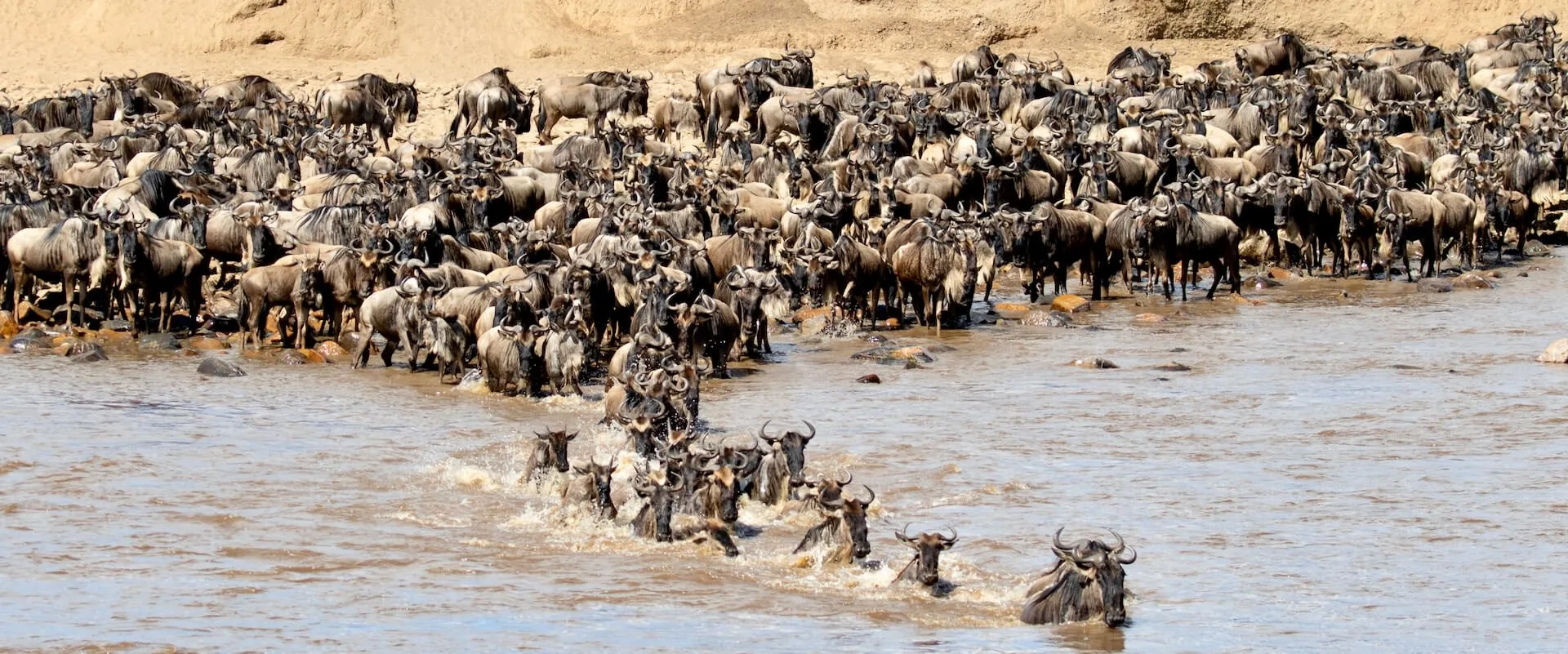
The Great Migration in Africa happens all year because the herds continuously circulate through the Serengeti–Mara ecosystem in…
Read article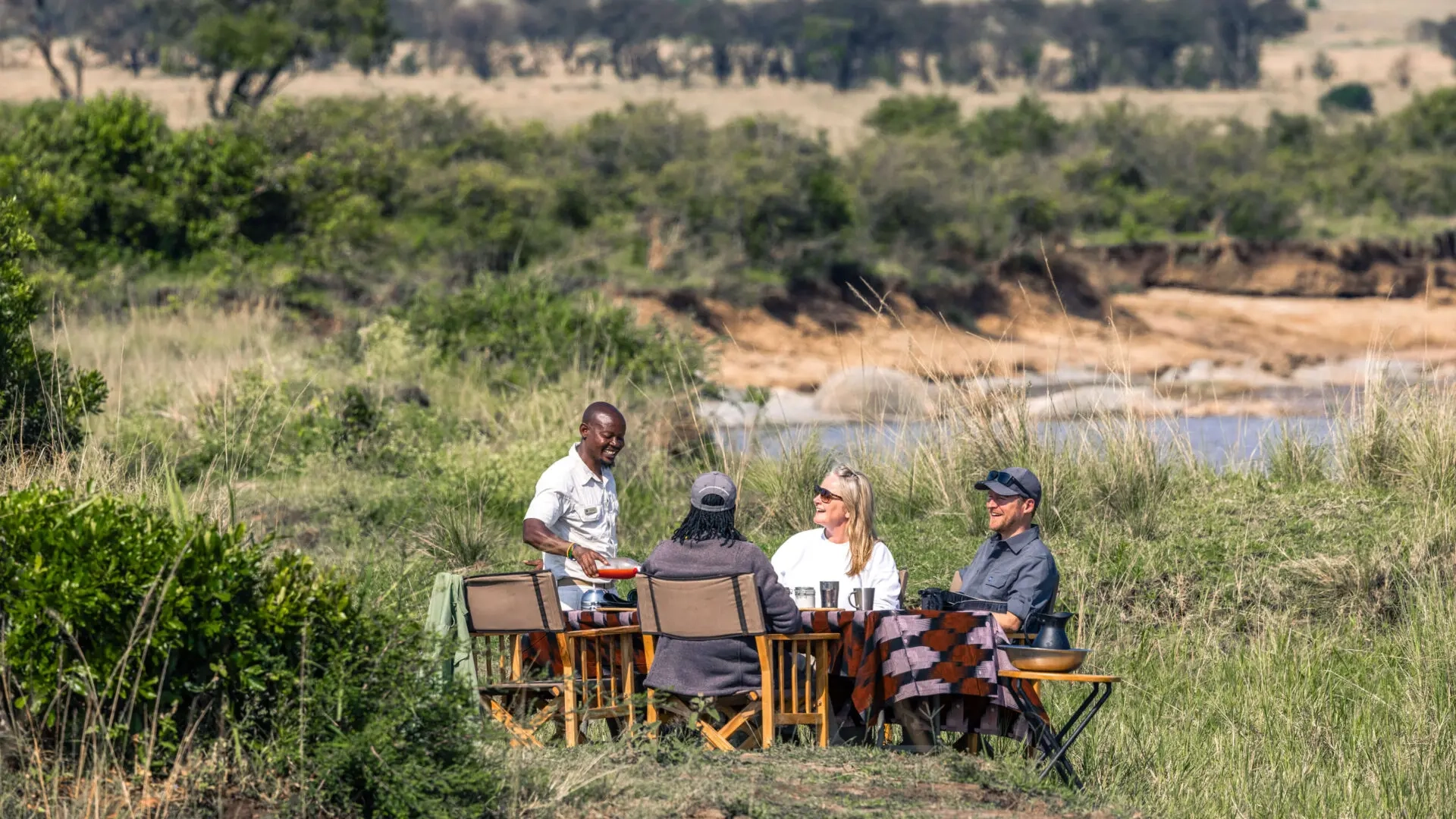
Definitive answer: A picnic lunch on safari is a packed or catered midday meal eaten at an approved…
Read article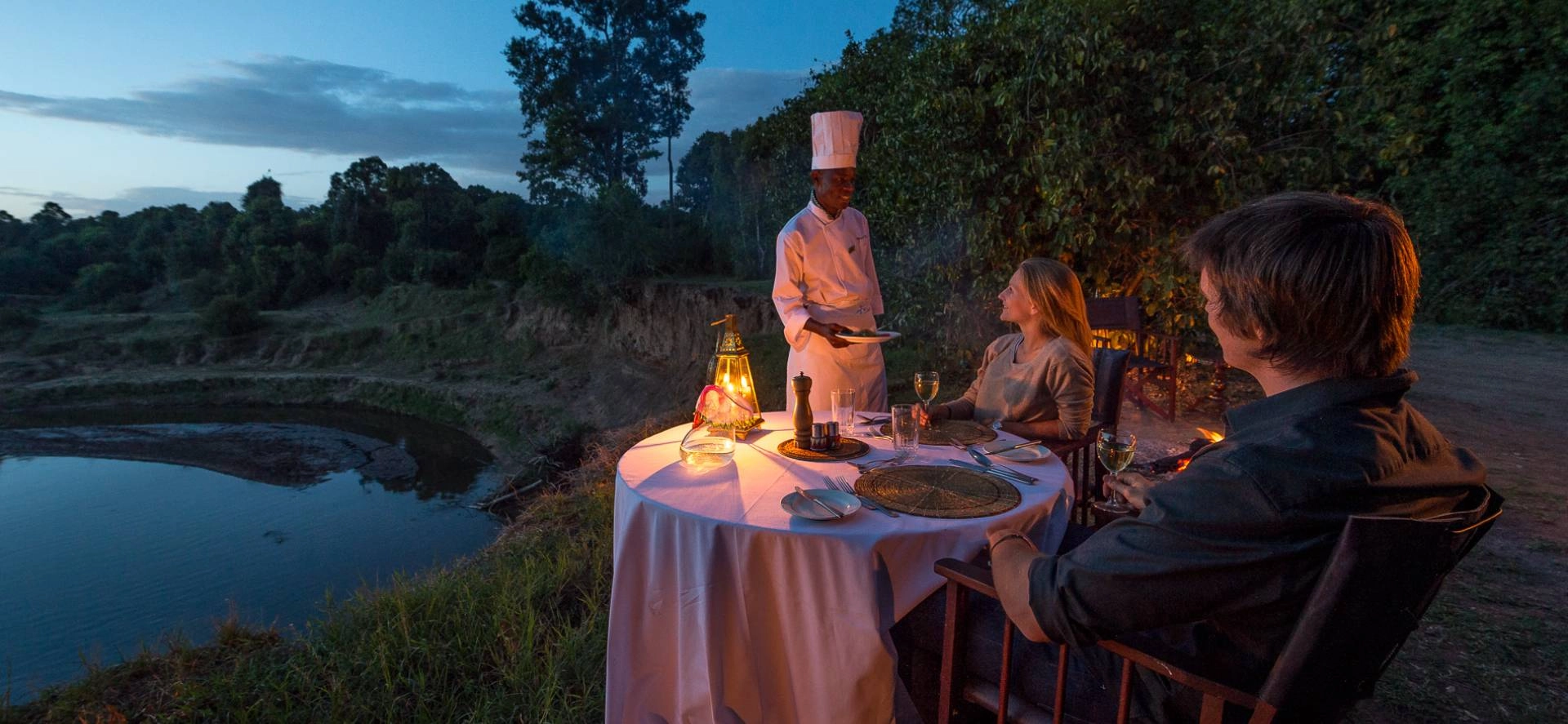
Definitive answer: A bush dinner is an outdoor evening meal arranged in a safe safari setting away from…
Read articleLet us take you closer to the wildlife, people and places that make Africa extraordinary.
Plan Your Safari Today