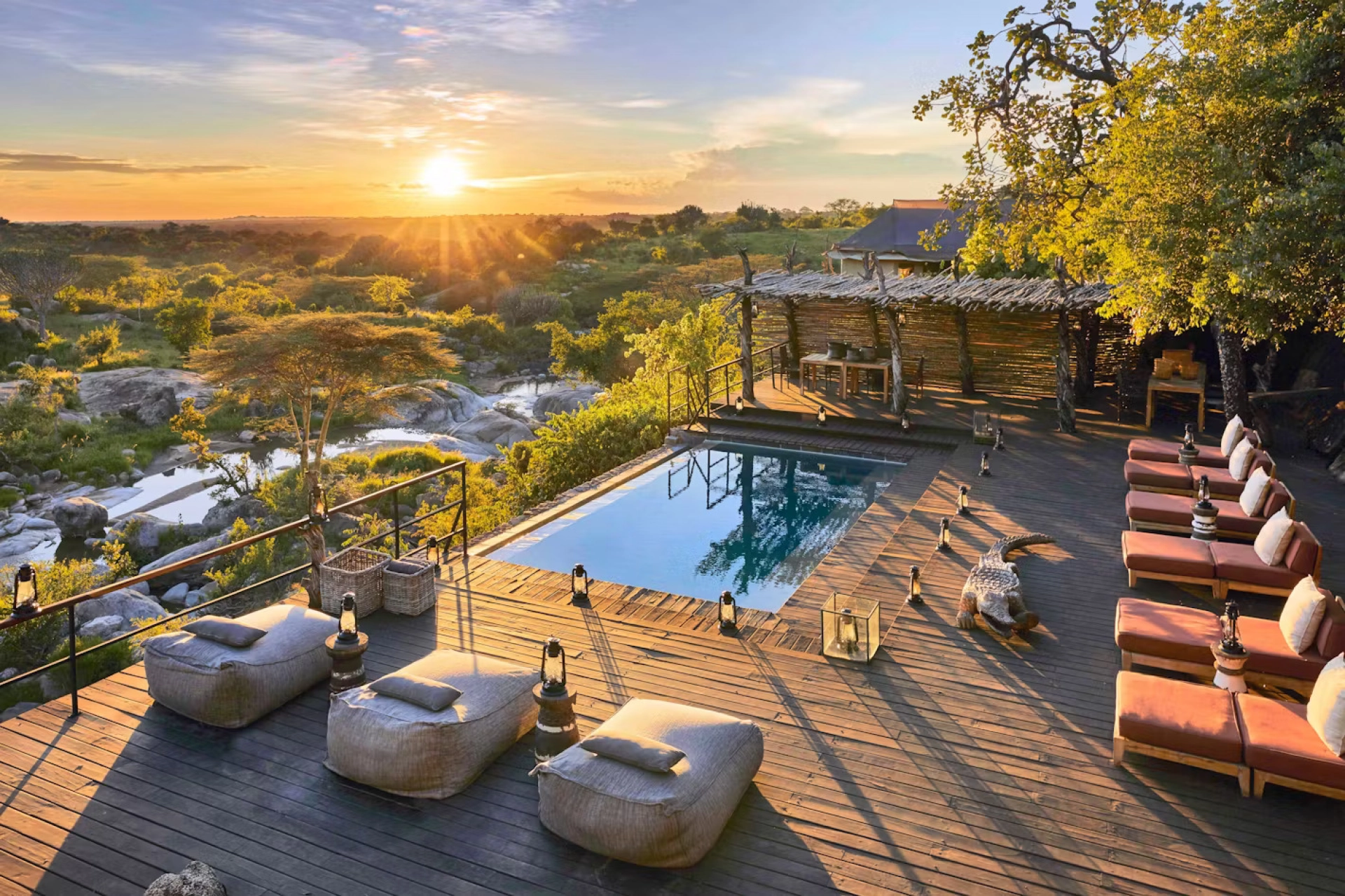
What should I look for when booking a luxury African safari?
When booking a luxury African safari, look beyond the room and compare the quality of guiding, wildlife location,…
Read article

Travel Guide
The Okavango Delta in Botswana is unlike almost any other major safari destination in Africa. There are no ocean tides feeding it, no coastline and no enormous lake at its center. Instead, water that falls as…
The Okavango Delta in Botswana is unlike almost any other major safari destination in Africa. There are no ocean tides feeding it, no coastline and no enormous lake at its center. Instead, water that falls as rain hundreds of kilometers away eventually flows into the dry interior of southern Africa, spreading across channels, floodplains, lagoons and islands before gradually disappearing into the sands of the Kalahari. The result is one of the world’s great inland wetland systems and one of Africa’s most extraordinary wildlife destinations.
For safari travelers, the Okavango Delta offers something significantly different from the endless grasslands of the Serengeti, the rolling savannahs of the Masai Mara, the wooded landscapes of Kruger or the misty mountain forests associated with gorilla trekking in Uganda and Rwanda. Here, water defines the safari. Elephants cross channels. Hippos occupy lagoons. Red lechwe move through shallow floodplains. African fish eagles call from trees above waterways. Traditional-style mokoro excursions carry visitors quietly between reeds.
Elsewhere, open safari vehicles search dry islands and woodland for lions, leopards, cheetahs, wild dogs and other wildlife. The fascinating part is that these environments exist side by side. A traveler might begin the morning gliding silently through a narrow water channel and spend the afternoon tracking lions by vehicle. Understanding where the Okavango Delta is and when to visit is therefore essential. Water levels change seasonally, wildlife movements respond to those changes, and different camps offer very different combinations of land- and water-based activities.
This detailed guide explains the geography of the Okavango Delta, its unusual flood cycle, the best months to visit, the major safari regions, wildlife, accommodation, safari activities and how to combine Botswana with other major African destinations.
The Okavango Delta lies in northern Botswana in southern Africa.
Botswana itself is landlocked, bordered by South Africa, Namibia, Zimbabwe and Zambia. Much of Botswana is dominated by the Kalahari environment, making the existence of such an enormous wetland in the country’s north especially remarkable. The Delta forms where the Okavango River spreads into a broad inland basin rather than reaching an ocean. This creates a mosaic of permanent waterways, seasonal floodplains, islands, grasslands, reed beds and woodland. From a safari perspective, the Delta is not one single park with one entrance and one landscape.
It is an extensive ecosystem containing different concessions, reserves and wilderness areas. That is why simply saying “we are staying in the Okavango Delta” does not tell you exactly what kind of safari you will experience. One camp may specialize in water activities. Another may sit in a predominantly dry wildlife area. A third may provide an excellent mixture of game drives, boating and mokoro excursions. Location matters enormously.
The Delta is extraordinary because a major river effectively disappears into the interior of a semi-arid region.
Instead of flowing to the sea, water spreads through the Kalahari landscape. This creates an ecological contrast that supports exceptional biodiversity. The Delta also changes constantly. Channels shift. Floodplains expand and contract. Islands remain dry while surrounding grasslands fill with water. Wildlife follows these changing resources. The result is a safari landscape that feels dynamic. Visitors returning during another season may experience what seems like an entirely different destination.
One of the most fascinating facts about the Delta is that its major seasonal flood does not primarily originate from rain falling directly over Botswana at the same moment.
Much of the water begins farther north in the highlands of Angola. Rainfall enters river systems that eventually feed the Okavango River. The water then travels slowly southward. By the time the flood spreads extensively through Botswana, the local rainy season may already have ended. This delayed flood creates the famous seasonal paradox of the Okavango. Water levels can rise during Botswana’s dry season. For wildlife, this is enormously important. As surrounding landscapes become increasingly dry, fresh water expands through parts of the Delta.
Understanding the flood cycle helps travelers decide when to visit the Okavango Delta.
The exact timing and extent of flooding vary from year to year. Rainfall upstream, river flows and local conditions all matter. This means travelers should avoid assuming that one calendar date guarantees a particular water level. Generally, floodwaters gradually move through the system before reaching more southerly areas later. Different parts of the Delta therefore experience peak water at different times. This is why a knowledgeable safari planner asks not only, “Which month are you traveling?” but also, “Which camp and which part of the Delta?”
For many first-time safari travelers, the broad period from the cooler dry-season months into the later dry season is particularly attractive.
Wildlife becomes increasingly concentrated around available water. Vegetation may become easier to see through. Floodwaters can create the classic Delta combination of water channels and dry wildlife-rich islands. However, there is no universally perfect month. The best time for an Okavango Delta safari depends on your priorities. If you want classic high-water scenery and strong large-mammal viewing, one period may suit you. If you prioritize birding, lush green landscapes and newborn animals, another may be better. If you want lower visitor numbers and potentially more attractive seasonal rates, the green season deserves serious consideration.
January falls within Botswana’s wetter summer period. Landscapes can be green and dramatic. Afternoon thunderstorms may occur. Birding is excellent because migrant species add to the resident bird population. This is an appealing time for photographers who enjoy dramatic skies and rich backgrounds. Young animals may also be present. The challenge is that wildlife can be more dispersed because surface water is more widely available. Some roads may become difficult depending on rainfall. Temperatures and humidity can be high. For travelers who associate safari only with dry golden grass, January reveals a completely different Botswana.
February remains part of the green season. Vegetation can be lush. Bird activity remains excellent. Storms create dramatic skies. Wildlife remains present, but sightings can require more tracking than during the driest months. This is often a good period for repeat safari travelers who already understand that a successful safari is not measured solely by how quickly the Big Five are found. Photographers may particularly appreciate the contrast between animals and green vegetation.
March can remain warm and relatively wet. The landscape is still influenced by summer rainfall. Birding remains rewarding. As the season begins moving toward drier conditions, travelers may experience a mixture of lush scenery and changing water patterns. This transitional quality makes exact conditions harder to predict far in advance.
April often represents a transition. Temperatures may become more comfortable. Rainfall generally becomes less dominant. The landscape can remain attractive and green. For travelers who dislike the cold early mornings of midwinter but also want to avoid the hottest summer conditions, April can be appealing. Water arriving from farther north gradually becomes increasingly important to the system.
May is an excellent month for many travelers. The rainy season has largely receded, temperatures become cooler and the safari environment begins shifting toward classic dry-season conditions. Floodwaters continue moving through the Delta system. Wildlife viewing can be excellent. Mornings may become chilly, particularly in open vehicles. Pack warm layers.
June is one of the most popular periods for a Botswana safari. Dry conditions become established. Floodwaters may be spreading through substantial areas of the Delta. Wildlife becomes increasingly associated with permanent and seasonal water. Daytime temperatures can be comfortable, but mornings and nights can be surprisingly cold. Travelers sometimes arrive in Botswana expecting constant heat and underestimate winter temperatures. An open safari vehicle before sunrise can feel very cold.
July is firmly within Botswana’s high safari season. The combination of dry weather, cooler temperatures and Delta water makes this one of the classic periods to visit. Wildlife viewing can be exceptional. Water-based activities may be available in suitable areas. Demand for high-quality camps is also strong. Travelers considering July should book early, especially when combining Botswana with other popular destinations.
August is another outstanding wildlife month. The surrounding environment becomes progressively drier. Animals increasingly concentrate around reliable resources. Predator-prey interactions can be fascinating. Days begin warming compared with the coldest winter period. Demand remains high. For first-time travelers wanting a classic Botswana experience, August is frequently an excellent choice.
September can provide exceptional wildlife viewing. Dry conditions intensify. Vegetation thins. Animals gather around remaining water. Temperatures rise. This can be a superb period for photographers and serious wildlife enthusiasts. However, travelers sensitive to heat should understand that conditions become progressively warmer as the region moves toward summer.
October is often one of Botswana’s hottest months. Wildlife viewing can nevertheless be outstanding. Water and shade become increasingly important to animals. Predators may concentrate around areas of prey activity. For travelers able to tolerate high daytime temperatures, October can deliver remarkable safari experiences. The heat itself shapes animal behavior, making early mornings and late afternoons especially important.
November marks a major seasonal transition. The first substantial rains may begin, although timing varies. The atmosphere changes quickly when storms arrive. Dust can give way to fresh vegetation. Animals respond rapidly. Birding activity increases. Temperatures remain high. This is a fascinating period for travelers who enjoy ecological transitions rather than expecting predictable dry-season conditions.
December is part of the green season. Rain creates lush landscapes. Birdlife is excellent. Young animals and breeding behavior can add interest. This is also an attractive time for travelers who want a different visual experience from the dry-season Delta. Rainfall can affect road conditions and activity schedules, so flexibility is important.
The phrase high-water Okavango Delta can be misleading if interpreted too simply. The Delta is enormous. One region may have extensive water while another remains relatively dry. Some camps operate in areas with permanent channels. Others rely more heavily on seasonal floodwater. This distinction matters when choosing activities. If a mokoro excursion is a major dream, confirm that the selected camp normally offers reliable water activities during your travel period. Do not assume every Okavango lodge provides identical experiences.
The mokoro safari is one of the Delta’s signature experiences. A mokoro is a narrow canoe traditionally associated with travel through shallow waterways. Modern tourism operations may use purpose-built versions designed for durability and conservation considerations. A local poler guides the mokoro through channels and floodplains. The experience is almost silent. There is no vehicle engine. You sit close to water level. Reeds rise around you. Tiny frogs, dragonflies and water birds suddenly become important. Large animals may sometimes be observed from appropriate distances, but the mokoro experience is not primarily about chasing predators. Its strength is intimacy with the wetland.
Motorized boat activities may also be offered in deeper channels. These cover more distance than mokoros. Boat safaris can be excellent for birding and observing hippos, crocodiles and animals near waterways. Sunset on the Delta from a boat can be one of Botswana’s most memorable experiences. Availability depends on camp location and water conditions.
Despite the Delta’s reputation for water, game drives remain essential. Many of its most famous wildlife areas include substantial dry land. Safari vehicles search woodland, open floodplains and islands for predators and herbivores. The experience can be exceptionally productive. Lions, leopards, African wild dogs, elephants, buffaloes, giraffes and numerous antelopes are among the potential sightings. Wildlife distribution varies across the ecosystem.
Some camps offer guided walking safaris. Walking shifts attention away from simply seeing large animals. Tracks, plants, insects, dung and ecological relationships become important. Guides explain how to interpret the landscape. Safety protocols are strict. The goal is not to walk as close as possible to dangerous wildlife. It is to experience the ecosystem at ground level.
The Delta supports extraordinary wildlife diversity. Elephants are particularly important. Botswana is internationally known for its large elephant population, and encounters can be remarkable. Buffalo herds move through parts of the ecosystem. Hippos dominate deeper water. Giraffes browse woodland. Zebras, wildebeest and various antelope species occupy different habitats. Predators add another layer.
Lions adapt to the wetland environment in fascinating ways. Depending on location and water levels, they may cross shallow channels and move between islands. Prides follow prey distribution. Some Delta lion populations have become famous through wildlife documentaries. Observing lions in this environment feels different from seeing them on an open East African plain. Water continually influences movement.
Woodland and riverine environments provide suitable leopard habitat. These solitary cats remain difficult to predict. A leopard may spend hours resting invisibly in vegetation before suddenly appearing. Professional guides use tracks, alarm calls and knowledge of territories to improve chances. Multiple-night stays dramatically increase opportunities.
The African wild dog is one of Botswana’s most exciting predator sightings. Packs are highly social and can travel enormous distances. Their hunting behavior is fast and coordinated. Because they move so widely, sightings are never guaranteed. Travelers should consider any wild dog encounter a privilege rather than an expected checklist item.
Cheetahs occur in suitable more-open habitats. They generally avoid the densest wetland areas and woodland. Where open floodplains and grasslands provide suitable hunting terrain, sightings may occur. This again demonstrates why camp location matters. Different habitats support different wildlife opportunities.
Elephants are central to the Botswana safari experience. They may cross channels, feed on islands, gather near water or pass directly through camp environments. Watching elephants in a wetland landscape is particularly memorable. Visitors should always respect their space. Never pressure guides to move too close.
Hippos are fundamental to the Delta ecosystem. They occupy channels and lagoons during the day and may move onto land to feed at night. Their paths can influence wetland environments. From a safari perspective, hippos demand respect. They can be extremely dangerous. Boat and mokoro guides understand appropriate distances and behavior.
The red lechwe is one of the animals most strongly associated with Okavango floodplains. These antelopes are adapted to wet environments. Their elongated hooves and powerful movement allow them to travel efficiently through shallow water. Watching lechwe splash across a floodplain while predators search nearby is a classic Delta scene.
Birding alone can justify visiting Botswana. African fish eagles provide one of the wetland’s signature sounds. Kingfishers, herons, egrets, storks, bee-eaters, raptors and many other species occupy the varied habitats. Summer attracts migrants and breeding activity. Dry-season water concentrations can also produce excellent bird viewing. Travelers who have never considered themselves birders often become interested after several days in the Delta. Bring binoculars.
Moremi Game Reserve protects a significant part of the eastern Delta. It is one of Botswana’s most important safari destinations. Moremi contains an extraordinary mixture of dry land, floodplain, woodland and waterways. This diversity supports rich wildlife. The reserve can be explored through mobile safaris and lodge-based itineraries. Some areas are accessible by road from Maun depending on conditions, while fly-in options provide access to remote camps.
Chief’s Island is one of the Delta’s most famous land areas. Higher ground remains important during flooding. Wildlife can concentrate around productive habitats. Luxury safari camps in the broader region have helped make this part of the Delta internationally famous. Travelers should focus less on famous names and more on exactly what each camp offers.
Much of the Okavango safari experience occurs in private concessions. These areas can offer advantages such as limited vehicle numbers and activities that may differ from those permitted within national reserves. Depending on concession rules and operator, this can include night drives or walking. Private concessions are often associated with premium pricing. The benefit is exclusivity. A predator sighting with one or two vehicles can feel dramatically different from a busy sighting.
Maun is the principal tourism gateway to the Okavango Delta. Many international safari itineraries connect through Maun before guests board light aircraft for remote camps. The town contains hotels, safari operators and aviation services. Some travelers stay overnight before or after the Delta. Others connect directly. Maun is also a starting point for mobile safaris and road-based expeditions into Moremi and neighboring wildlife areas.
Fly-in safaris are common because many camps are remote. Small aircraft connect Maun and other regional gateways with bush airstrips. The flights themselves can become part of the experience. Looking down from the aircraft reveals channels, islands and wildlife trails that are impossible to appreciate fully from ground level. Luggage restrictions can be stricter than on major commercial flights. Travelers should pack accordingly. Soft-sided bags are often more practical for small aircraft.
Botswana is also famous for mobile camping safaris. These can provide a more adventurous and sometimes more affordable alternative to premium fly-in lodges. A mobile safari moves through multiple wildlife regions with a guide and camp team. Standards vary from simple participation camping to fully serviced mobile camps. This can be one of the most immersive ways to experience Botswana.
At the luxury end, the Okavango Delta contains some of Africa’s most exclusive safari camps. Remote locations, small guest numbers, high guide-to-guest ratios and complex logistics contribute to pricing. Luxury camps may offer private plunge pools, elaborate dining and exceptional accommodation. Yet the greatest luxury is often location. Being deep inside a wildlife-rich concession with very few other vehicles is what travelers are truly paying for.
Botswana has a reputation as an expensive safari destination, and there is some truth to this. Remote fly-in logistics and premium concessions can make Delta safaris costly. However, not every Botswana trip must use the most expensive camps. Mobile camping, selected lodges and carefully designed combinations can reduce costs. The most important principle is to spend money on wildlife access rather than unnecessary luxury. A simpler camp in an exceptional wildlife area can provide a better safari than a spectacular room in a weaker location.
Three nights is a reasonable minimum for one Delta camp. Four nights is better. Travelers with six or seven safari nights can divide time between two different areas. This creates habitat diversity. For example, one camp may emphasize water activities while another provides stronger vehicle-based predator viewing. Avoid changing camp every night. Transfers consume time. Wildlife rewards patience.
The Okavango Delta and Chobe National Park complement each other extremely well. Chobe is famous for elephants and the Chobe River. Boat safaris can produce exceptional wildlife viewing. The Okavango offers more complex wetland habitats and remote camp experiences. A Botswana itinerary combining both provides greater diversity than choosing only one.
The Savuti region adds another distinctive ecosystem. Predator viewing can be excellent. Wildlife movements respond to water and seasonal conditions. Combining Savuti with the Delta and Chobe creates one of Botswana’s classic safari circuits.
Travelers seeking even greater landscape contrast can add the Makgadikgadi Pans. The enormous salt-pan environments feel completely different from the Delta. Seasonal wildlife patterns, meerkat experiences in appropriate areas and dramatic open landscapes provide variety. This is particularly appealing to repeat safari travelers.
One of the easiest regional combinations is Botswana and Victoria Falls. Chobe lies relatively close to the Victoria Falls region. Travelers can therefore combine the Okavango Delta, Chobe and Victoria Falls within one itinerary. This creates water-based safari, traditional game viewing and one of Africa’s most famous natural landmarks.
International travelers often connect Botswana with South Africa. Johannesburg is an important aviation hub. A longer itinerary can include Kruger National Park, Cape Town and the Okavango Delta. However, travelers should avoid adding destinations simply because flights exist. Two weeks disappears quickly when every third day involves an airport.
Botswana also combines naturally with Namibia for travelers interested in longer overland journeys. Namibia contributes desert landscapes, Etosha wildlife and dramatic scenery. Botswana contributes wetlands and river systems. The contrast is exceptional. Allow at least two to three weeks for a meaningful combination.
The Serengeti and Okavango provide completely different safari environments. The Serengeti is famous for enormous open plains and the Great Migration ecosystem. The Okavango is famous for wetlands, channels and seasonal flooding. If your dream is huge herds crossing open landscapes, East Africa may be preferable. If you dream about mokoros, waterways and intimate camps, Botswana has the advantage. Experienced safari travelers should eventually visit both.
The Masai Mara generally provides open savannah, strong predator viewing and relatively straightforward road or air access from Nairobi. The Okavango often feels more remote and can provide greater exclusivity in private concessions. Mara safaris can be more accessible across different budgets. Delta safaris can be more expensive because of aviation and camp logistics. The experiences are different rather than directly competitive.
Kruger National Park is excellent for travelers wanting self-drive possibilities and a broad range of accommodation prices. The Okavango is much more dependent on specialized safari logistics. Kruger may therefore suit budget-conscious independent travelers. Botswana appeals strongly to travelers prioritizing remoteness, water-based activities and lower-density safari experiences.
The Delta is an exceptional honeymoon destination. Remote camps create privacy. Small aircraft transfers add adventure. Sunset boat trips and private dinners can create romantic moments. A honeymoon can combine the Delta with Victoria Falls or finish on an Indian Ocean beach. Mozambique, Mauritius, Seychelles or Zanzibar can all create contrasting beach extensions depending on flight logistics.
Botswana can be excellent for families, but camp policies require careful research. Some activities may have minimum ages. Small aircraft logistics also need consideration. Families may benefit from private safari vehicles, which allow greater flexibility. Multi-generational families should select camps according to mobility requirements.
Photographers should consider camp location, vehicle policy and seasonal light. Private vehicles can be extremely valuable. A water-level perspective from boats and mokoros creates images impossible to capture in conventional safari destinations. Dry-season dust produces atmospheric light. Green season creates dramatic skies and saturated landscapes. Bring sufficient memory cards and batteries because remote camps may have different charging arrangements.
Pack lightweight neutral safari clothing. Bring warm layers for winter mornings. A hat, sunscreen and sunglasses are essential. Binoculars dramatically improve the experience. Use a soft-sided travel bag if flying on small aircraft. Comfortable closed shoes are useful. A lightweight waterproof layer may be appropriate during the green season. Ask your safari operator about baggage limits before departure.
The Okavango Delta lies within a region where malaria precautions may be relevant. Travelers should seek current advice from a qualified travel-health professional. Recommendations can change and depend on individual circumstances. Use insect repellent, appropriate clothing and other mosquito-bite prevention measures. Do not make medical decisions based solely on an online safari article.
A successful Okavango Delta safari begins with choosing the correct area rather than simply choosing the most luxurious lodge. Travelers interested in mokoro excursions need reliable access to water. Wildlife photographers may prioritize productive land areas and private vehicles. Birders may choose different seasons from travelers primarily interested in large mammals. Honeymooners may value privacy. Families require camps with appropriate age policies. At Adventure in the Wild Safaris, Botswana can also be incorporated into broader African itineraries combining Victoria Falls, Chobe National Park, South Africa, Namibia and other safari destinations.
The key is not to overload the journey. Botswana deserves time. The Okavango is not a destination to rush through in forty-eight hours simply to add another country to a travel list.
The question “When should I visit the Okavango Delta?” does not have one simple answer. For classic dry-season wildlife viewing and the possibility of extensive floodwater in suitable regions, the middle and later dry-season months are highly attractive. For birders and photographers who love green landscapes, summer can be exceptional. For travelers seeking value and fewer visitors, transitional periods deserve consideration. But the equally important question is where in the Okavango Delta should you stay?
A water-focused camp can provide mokoro and boating experiences. A land-focused concession may provide outstanding predator viewing. A carefully designed safari combines both. That is when the Okavango reveals its true character. One morning you are floating silently between reeds. By afternoon you may be following wild dogs across dry woodland. Elephants cross shallow water. Fish eagles call above the channels. Hippos disappear beneath lagoons. At sunset, the entire wetland changes color.
The Okavango is not simply one of Botswana’s best safari destinations. It is one of Africa’s most distinctive wilderness ecosystems—and for travelers willing to give it enough time, one of the continent’s most unforgettable safari experiences.
Get quick answers to the most common questions. If you still have questions, our safari experts are here to help.
The Okavango Delta is located in northern Botswana in southern Africa.
It is famous for its vast inland wetland ecosystem, exceptional wildlife, seasonal flooding, mokoro excursions and remote safari camps.
The dry-season and flood period is particularly popular for large-mammal viewing, while the green season is excellent for birding, photography and lush landscapes.
Floodwater travels gradually from Angola into Botswana and spreads through different parts of the Delta at different times. Timing and water levels vary annually.
Several iconic African species occur within the wider ecosystem, although exact wildlife varies by area and no sighting should ever be guaranteed.
Yes. Lions occur in several parts of the Delta and have adapted to moving through wetland environments.
Yes. Suitable woodland and riverine habitats support leopards.
Yes. Botswana is one of Africa’s important wild dog destinations, although packs are highly mobile and sightings remain unpredictable.
Yes, in suitable Delta areas and when water conditions allow. Confirm water activities with the specific camp.
At least three nights is recommended. Four to six nights allows a more complete experience, particularly when combining two different areas.
It can be expensive because many camps require light-aircraft transfers and operate in remote concessions. Mobile safaris and carefully selected accommodations can offer better value.
Yes. The Okavango, Chobe and Victoria Falls form one of southern Africa’s strongest multi-destination itineraries.
Our safari experts are here to help you plan your safari. Get personalized advice, the latest information and a free, no-obligation quote.
We typically reply within a few hours.

Share This Article
When booking a luxury African safari, look beyond the room and compare the quality of guiding, wildlife location,…
Read article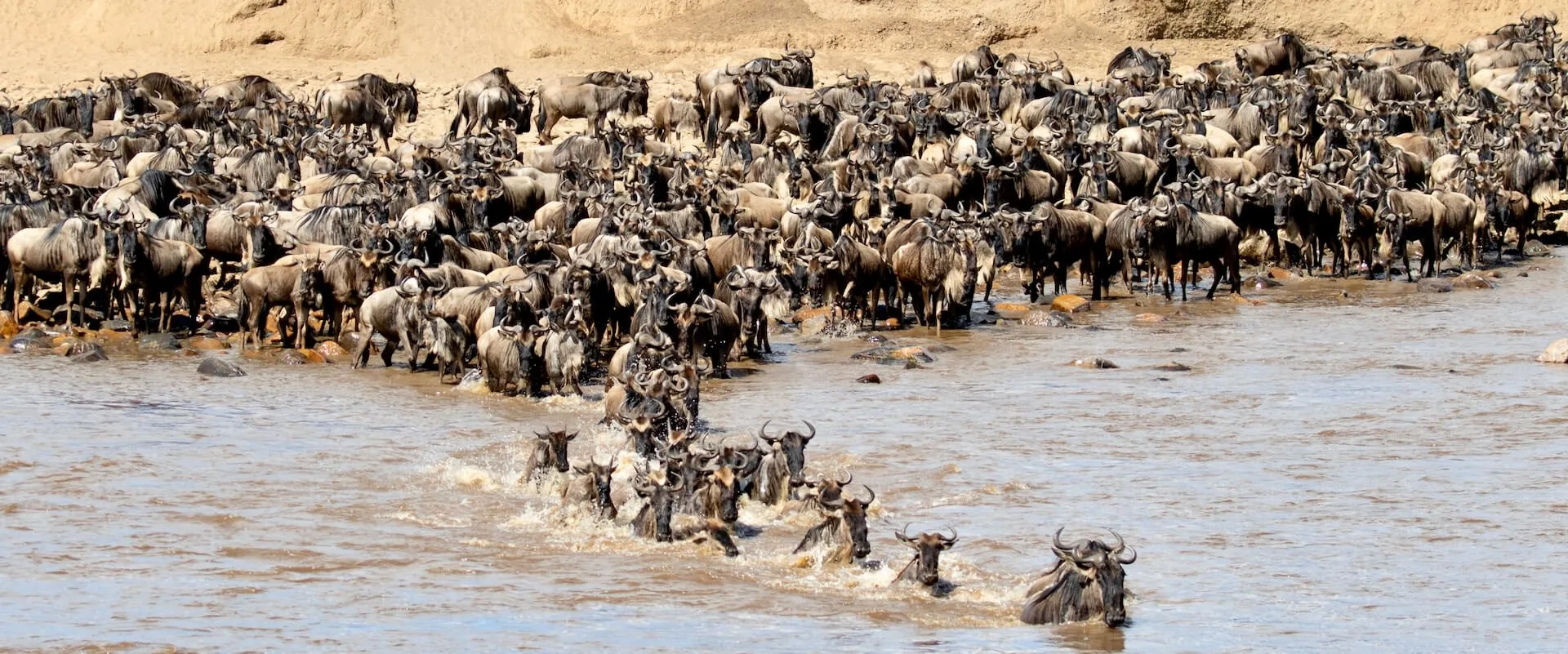
The Great Migration in Africa happens all year because the herds continuously circulate through the Serengeti–Mara ecosystem in…
Read article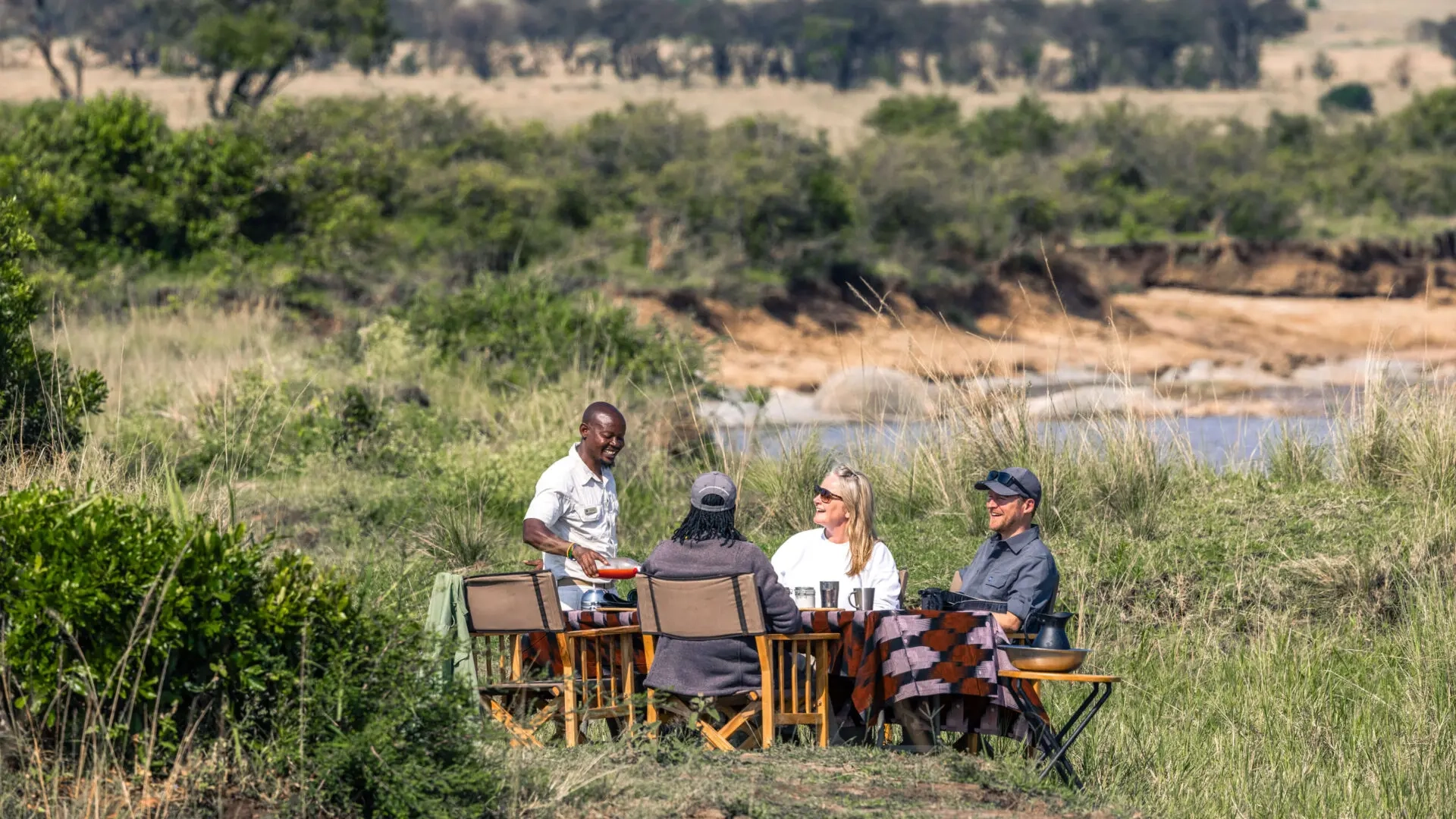
Definitive answer: A picnic lunch on safari is a packed or catered midday meal eaten at an approved…
Read article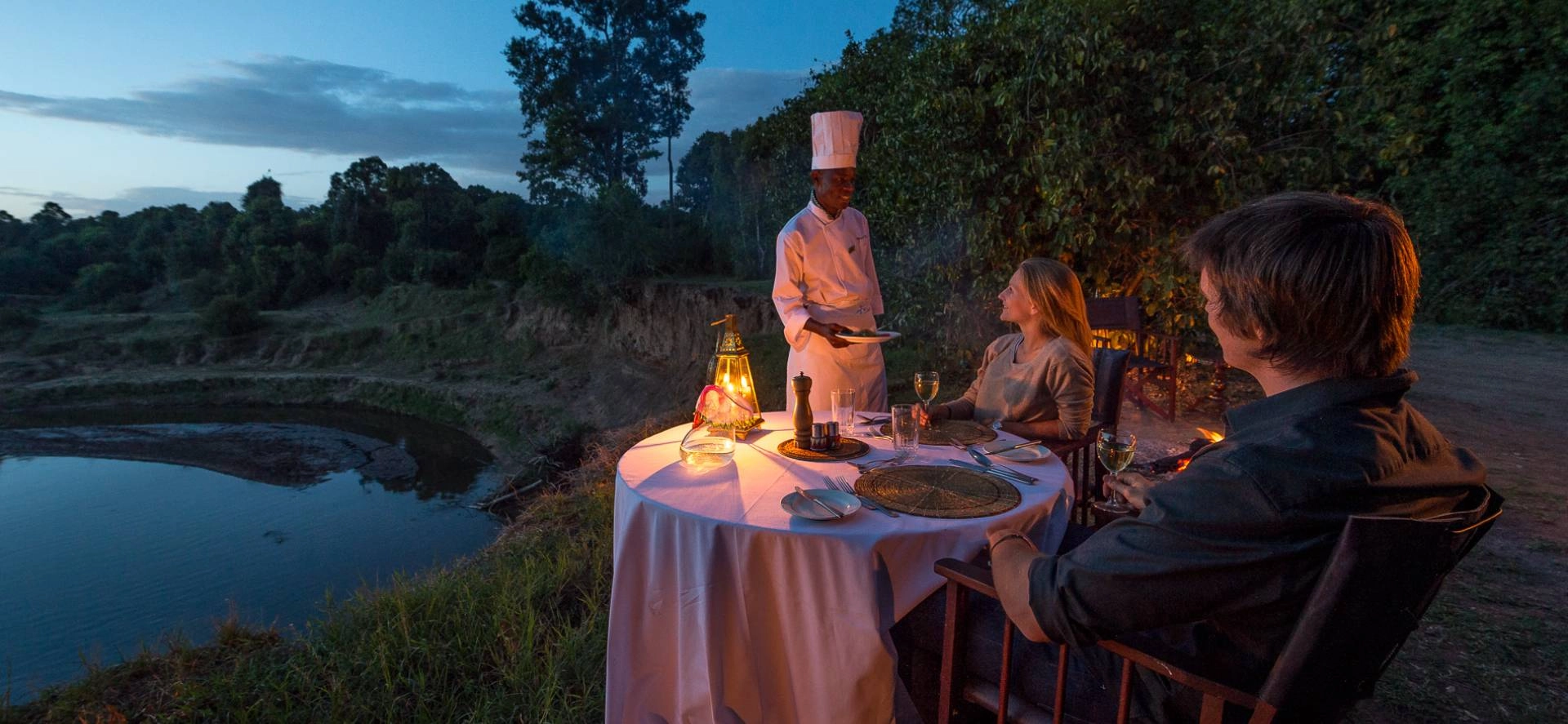
Definitive answer: A bush dinner is an outdoor evening meal arranged in a safe safari setting away from…
Read articleLet us take you closer to the wildlife, people and places that make Africa extraordinary.
Plan Your Safari Today