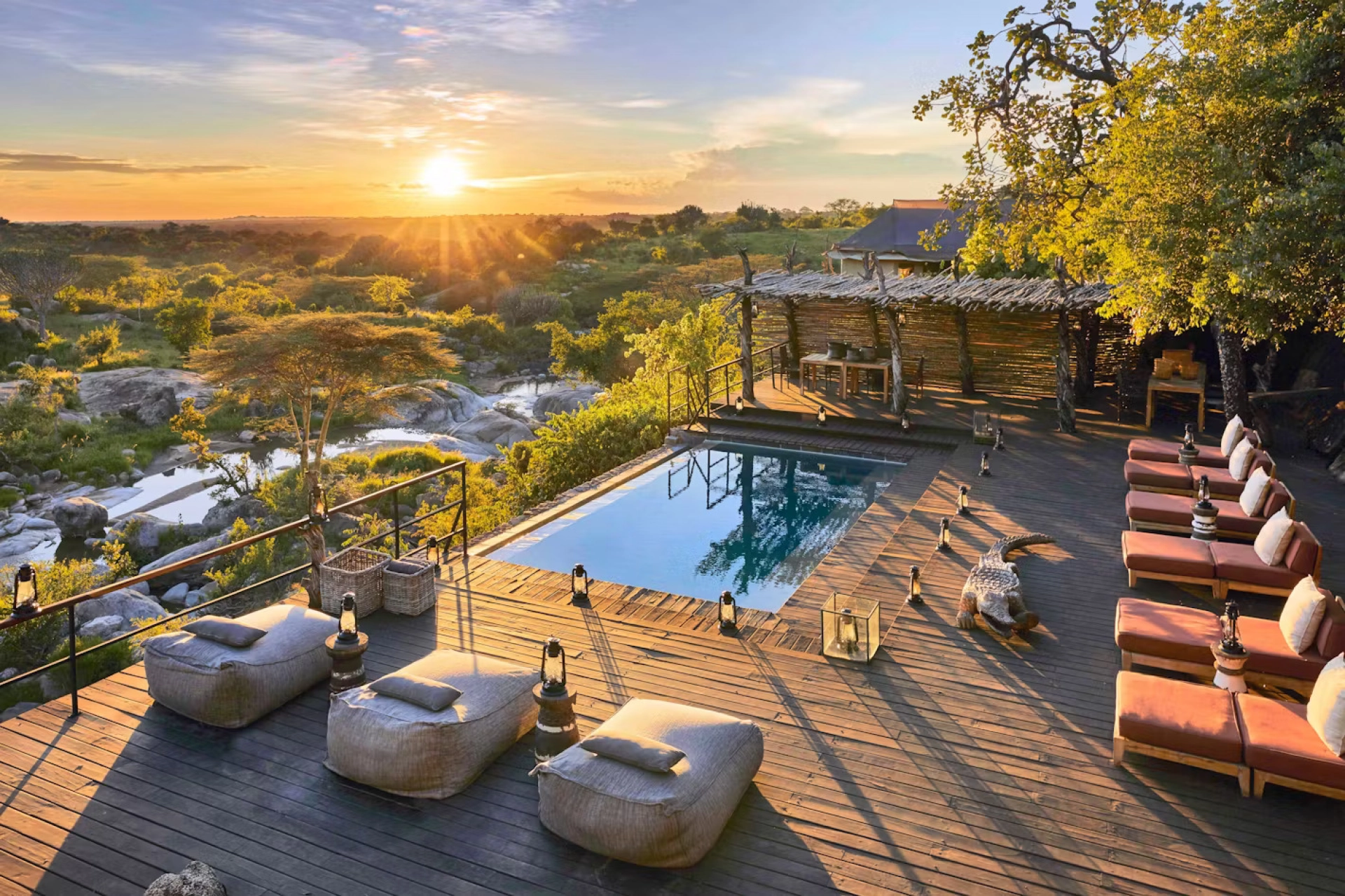
What should I look for when booking a luxury African safari?
When booking a luxury African safari, look beyond the room and compare the quality of guiding, wildlife location,…
Read article

Travel Guide
The first rule of an African walking safari is surprisingly simple: slow down. Walking through a wildlife area is not a race, a conventional hike or a game drive without the vehicle. It is a completely…
The first rule of an African walking safari is surprisingly simple: slow down. Walking through a wildlife area is not a race, a conventional hike or a game drive without the vehicle. It is a completely different way of experiencing wilderness. On foot, every sound matters. A branch breaking somewhere ahead may indicate an elephant. Oxpeckers suddenly flying from one tree to another could suggest that buffalo are moving through the vegetation.
Fresh tracks crossing the trail may reveal that lions passed during the night. The smell of crushed wild herbs rises from beneath your boots. Dung, feathers, broken branches, footprints and alarm calls become pieces of a larger ecological story. This is why African walking safaris often become some of the most memorable experiences for travelers who have already completed conventional game drives. You stop measuring safari success according to how many Big Five animals you photographed.
Instead, you begin understanding how wildlife moves through the landscape. But walking through ecosystems containing elephants, buffalo, lions, hippos and other potentially dangerous animals requires respect. Preparation matters. Guide quality matters. Your behavior matters. Even clothing choices and the way you position yourself within the group can influence the quality of the experience. These detailed walking safari tips for Africa explain how to prepare, what to wear, how to behave around wildlife, what equipment to carry, how physically demanding walks can be and where to find some of the continent’s finest walking experiences.
Before worrying about boots or binoculars, decide what kind of walking safari you actually want. The phrase walking safari covers very different experiences. A lodge may offer a two-hour morning bush walk. Another operator may organize an all-day wilderness walk. Specialist camps in Zambia and Zimbabwe may arrange multi-day journeys where travelers move between remote camps almost entirely on foot. These experiences require different fitness levels and expectations.
A short bush walk is ideal for beginners. You normally leave the lodge early in the morning with a professional guide and, where regulations require it, an armed ranger or scout. The pace is gentle. The emphasis is on tracks, plants, birds, insects and ecological interpretation. You may encounter large animals, but finding the Big Five is not the sole objective.
Half-day walks provide greater immersion. The group covers more distance and may move through several habitats. There is more time for tracking and interpreting wildlife movement. These are excellent for travelers who already know they enjoy being on foot.
Full-day experiences require better fitness. Heat becomes more important. Water and food logistics matter. The route may include a substantial midday break. These safaris allow travelers to penetrate much deeper into wilderness than short lodge walks.
A multi-day African walking safari is the ultimate version. Travelers may move between small camps on foot, sometimes crossing areas with few roads or vehicles. Zambia’s South Luangwa is particularly famous for this tradition. These trips are ideal for people who want wilderness immersion rather than luxury resort-style travel.
Nothing matters more than the guide. A good game-drive guide does not automatically make an excellent walking guide. Walking requires additional skills. Guides must understand animal behavior, tracking, wind direction, vegetation, escape routes, group management and emergency procedures. They also need the confidence to make conservative decisions. A professional guide does not prove bravery by getting dangerously close to elephants. Quite the opposite. The best guides know when to stop, retreat, change direction or abandon a sighting entirely.
When booking, ask whether the guide is specifically qualified for dangerous-game walking safaris.
Before the walk begins, your guide should explain basic rules. Do not treat this as a routine speech. Listen. You may be told to walk in single file. You may be instructed never to move ahead of the guide. The guide may establish specific hand signals. You will normally be told what to do if the group encounters dangerous wildlife. These instructions can vary according to terrain and destination. Remember them.
A bird, butterfly or photograph is never a reason to leave the group without permission.
The guide needs to know exactly where everyone is. If one traveler moves twenty metres away, the guide suddenly has two groups to manage. This can create unnecessary risk. If you want to stop for a photograph, quietly tell the guide.
Running can turn a controlled wildlife situation into an unpredictable one. If your guide tells you to remain still, remain still. If the guide instructs you to walk backward slowly, follow that instruction. Do not invent your own escape strategy. Wild animals can move much faster than people. The professional guide’s objective is to avoid situations where fleeing becomes necessary.
Silence improves both safety and wildlife viewing. Human voices travel. Animals may detect a noisy group long before walkers approach. Quiet groups frequently experience better sightings because wildlife remains relaxed. Silence also allows you to hear the ecosystem. Bird alarm calls, branches snapping and animal vocalizations provide valuable information.
Wind is one of the most important factors on a walking safari. Many African mammals have excellent senses of smell. Your guide may alter direction specifically to remain downwind from an animal. A seemingly strange detour may therefore have a very good reason. Perfume and heavily scented toiletries are also unnecessary. Walking safari mornings are not the time for strong fragrances.
Choose khaki, olive, tan, brown and muted green. These colors blend naturally into savanna and woodland environments. Avoid bright white clothing and highly saturated colors. Camouflage-pattern clothing can have legal or cultural implications in some countries because it is associated with military uniforms, so plain neutral colors are usually safer. Comfort matters as much as appearance.
Long trousers protect your legs from thorns, grass, insects and sun exposure. Lightweight breathable hiking trousers are ideal. Very heavy jeans can become uncomfortable in warm conditions and take a long time to dry. Convertible hiking trousers can be practical, although most walkers should keep their legs covered while moving through bush.
You do not necessarily need heavy mountaineering boots. For many savanna walking safaris, comfortable lightweight hiking shoes or trail shoes are sufficient. However, footwear must provide good grip and protect your feet. Terrain can include loose rocks, thorns, sand, mud and uneven ground. Break new shoes in before traveling. A safari is a terrible place to discover that your boots cause blisters.
Socks receive little attention until something goes wrong. Moisture-wicking hiking socks can reduce friction and improve comfort. Carry spare pairs on multi-day walks. If boots become wet, changing socks can significantly improve the rest of the day.
African mornings can be surprisingly cold. This is particularly true during southern Africa’s dry winter. You may begin walking in a fleece or light jacket and remove layers as the sun rises. Layering works better than one heavy garment. For warm destinations, lightweight breathable fabrics are preferable.
Walking exposes you more than sitting beneath a safari-vehicle roof. Use sunscreen. Wear a hat. Carry sunglasses. Drink water regularly. Sun exposure can become intense even when temperatures initially feel comfortable.
Dehydration affects concentration and physical performance. Your operator should advise how much water to carry according to route, temperature and duration. Do not
Do not carry your entire safari bag. A small daypack should contain essentials only. Water, sunscreen, medication, camera equipment and perhaps a light layer are generally sufficient. Heavy packs reduce enjoyment and increase fatigue.
If your walk includes porter support, follow the operator’s baggage limits carefully.
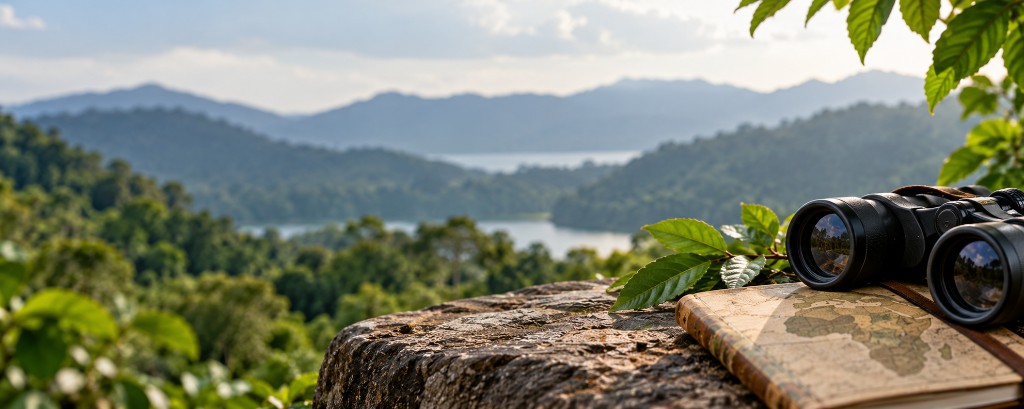
Binoculars are extremely useful on foot. Walking groups often observe large mammals from greater distances than safari vehicles. Binoculars allow excellent viewing without forcing a closer approach. They are also invaluable for birds. A lightweight pair is preferable to oversized equipment.
Many photographers arrive with equipment designed for vehicle safaris. Walking changes the equation. A huge lens, multiple bodies and heavy tripod can become exhausting after several kilometres. Choose a versatile setup. A moderate telephoto zoom can be extremely practical. Remember that walking-safari photography is often environmental. Photograph the landscape. Photograph tracks. Photograph the guide interpreting spoor. Capture elephants within their surroundings rather than insisting on frame-filling portraits.
This is one of the most important African walking safari tips. Walking is not primarily about collecting close-up sightings of dangerous animals. Sometimes you will see elephants. Sometimes buffalo. Occasionally lions or other predators. But some of the best walks may contain no dramatic large-mammal encounter at all. The value lies in understanding the ecosystem.
Tracks turn apparently empty landscapes into stories. Your guide may distinguish: lion from leopard, male from female, front foot from rear foot, fresh spoor from old tracks. Tracks can reveal direction and sometimes behavior. A morning without seeing a leopard can still become fascinating when you follow evidence of where one walked during the night.
This may sound unglamorous, but dung is one of the bush’s richest information sources. It can reveal species, diet and freshness. Elephant dung may contain seeds. Hyena droppings can contain visible calcium from bone. Dung beetles create entire ecological dramas around animal waste. A walking safari makes these details interesting.
Birds are not merely decorative. They communicate information. Oxpeckers may reveal large mammals. Vultures can indicate carrion. Alarm calls can suggest predators. Different habitats support different bird communities. Walking quietly gives you time to hear these relationships.
Trees and grasses shape every safari ecosystem. Your guide may explain how elephants influence woodland. Certain plants provide food for antelope. Others have traditional medicinal uses. Some trees rely on animals for seed dispersal. Plants also reveal soil and water conditions. By the end of a good walking safari, you may find yourself photographing trees you would previously have driven past.
Seeing an elephant on foot is unforgettable. It can also be intimidating. Your guide will assess distance, wind, vegetation and behavior. Never approach independently. Never try to get closer for a photograph. Do not stand between a mother and calf. If the guide changes direction, follow immediately. A peaceful distant elephant sighting is better than an unnecessarily close encounter.
Buffalo deserve particular caution.
Older solitary bulls can spend time in thick vegetation. Visibility may be poor. Guides watch for tracks, smell and other signs before entering dense areas. Do not assume an animal is harmless because it appears calm.
Lions, leopards and wild dogs may occasionally be encountered on foot. The guide controls positioning and distance. Do not crouch, run toward an animal or move away from the group to improve a camera angle. Predators often know walkers are present long before the walkers see them. A responsible guide avoids surprising animals at close range.
Walking safaris should be based on observation rather than pursuit. If an animal moves away, allow it to leave. Following too aggressively creates stress and can increase risk. Ethical safari travel prioritizes animal behavior over photography.
Feeding wildlife alters natural behavior. It can make animals associate people with food. This is dangerous for both animals and future visitors. Carry snacks securely and remove all rubbish.
Everything carried into wilderness should leave with you unless your operator manages waste appropriately. Do not discard tissues, wrappers or fruit peels. Biodegradable does not mean appropriate. Wildlife areas should remain wild.
Leave feathers, bones, plants and stones where they belong. In protected areas, removing natural material may be prohibited. A photograph is enough.
Walking safaris vary enormously. A two-hour lodge walk may be accessible to most reasonably mobile adults. A five-day mobile safari is different. Be realistic. Ask the operator about: daily distance, terrain, temperature, walking hours, rest periods, and accommodation. Do not choose an expedition simply because the marketing photographs look attractive.
If you are booking several consecutive walking days, prepare. Regular walking is the best training. Gradually increase distance. Include uneven terrain. Walk in the shoes you plan to take. Practice carrying your daypack. You do not need elite fitness, but arriving conditioned makes the safari much more enjoyable.
Guides need relevant information. If you carry emergency medication, tell them. If you have allergies, asthma or mobility concerns, communicate these before departure. For remote multi-day expeditions, discuss evacuation arrangements and appropriate travel insurance.
Walking among dangerous wildlife is not always suitable for young children. Minimum ages vary among parks and operators. Some camps may offer family-friendly nature walks in controlled areas while restricting dangerous-game walks to older teenagers or adults. Confirm before booking.
Dry seasons are often excellent for walking. Vegetation thins. Tracks can be easier to interpret. Wildlife becomes concentrated around water. Morning temperatures can be comfortable. However, green-season walks provide different rewards. Birdlife can be outstanding. Plants flower. Insects become more active.
The landscape becomes vibrant. Some camps close during heavy rains, so season should be checked at destination level.
Early morning is often the best walking period. Temperatures are lower. Animal tracks remain fresh. Wildlife may be active before the heat increases. Light is excellent for photography. Afternoon walks can also be rewarding as temperatures begin falling.
If walking is the primary objective of your safari, Zambia deserves serious consideration. South Luangwa is closely associated with the development of the modern walking safari. Its combination of wildlife density, riverine habitat and experienced guiding creates exceptional conditions. Travelers can choose short walks or specialist multi-day experiences.
South Luangwa National Park is particularly famous for leopards, elephants, buffalo, hippos and diverse birdlife. Walking allows visitors to explore the Luangwa ecosystem at ground level. Specialist camps may operate in remote areas where vehicle traffic is minimal. For serious walkers, this is among Africa’s finest destinations.
Mana Pools National Park offers a very different experience. The Zambezi floodplains create open landscapes where elephants, buffalo and other animals can be visible at considerable distances. Mana Pools is also famous for wild dogs. Walking is deeply embedded in the destination’s safari culture. For first-time visitors, using an expert professional guide is strongly recommended.
Botswana’s Okavango Delta combines walking with mokoro and boat excursions. A morning may begin by silently crossing a channel before stepping onto an island and continuing on foot. The mixture of water and land creates an especially immersive safari.
South Africa is one of the easiest destinations for incorporating walking into a broader safari. Private reserves in the Greater Kruger ecosystem frequently offer guided bush walks. This works particularly well for first-time travelers who want to combine comfortable lodges, conventional game drives and several hours on foot.
Namibia offers specialized walking experiences focused on tracking. In appropriate conservation areas, travelers may participate in guided searches for desert-adapted black rhinos. The tracking process itself is fascinating. You learn to interpret footprints, dung and browsing signs before potentially seeing the animal.
Uganda is better known for gorilla trekking and chimpanzee trekking, but it also offers walking opportunities. Lake Mburo National Park is particularly interesting because guided walks allow travelers to experience a savanna ecosystem on foot. Zebras, giraffes, antelopes and numerous birds may be encountered. Uganda therefore works well for travelers who want to combine walking safari, gorilla trekking, chimpanzees and conventional game drives.
These activities are both undertaken on foot but serve different purposes. Gorilla trekking involves hiking through forest to locate a habituated gorilla family. Walking safari involves exploring an ecosystem while interpreting wildlife signs and potentially encountering multiple species. Combining both in Uganda produces an unusually diverse active safari.
Neither is superior. A vehicle covers more ground and usually provides better close-range photography. Walking reveals ecological details and creates greater immersion. The ideal safari uses both. A morning walk followed by an afternoon game drive can be an excellent rhythm.
Private walks have advantages. The guide can adjust pace according to your fitness and interests. Photographers can spend longer on particular subjects. Birders can focus on calls and habitats. Private guiding can be especially valuable for families or travelers with specialist interests.
Guides continually assess conditions. Heavy rain, thunderstorms, excessive heat or strong winds can make walking inappropriate. Do not pressure the operator to proceed when the guide considers conditions unsafe. Weather decisions are part of professional risk management.
Mosquitoes and other insects vary according to region and season. Use appropriate repellent. Long sleeves and trousers provide physical protection. Consult a qualified travel-health professional about destination-specific health precautions well before departure.
Travel insurance should cover the activities in your itinerary. Multi-day wilderness walks can occur far from major medical facilities. Check policy wording carefully.
Emergency evacuation coverage can be particularly important for remote expeditions.
Some walking experiences cross community-managed conservancies or landscapes close to villages. Respect local customs. Ask permission before photographing people. Purchase crafts through legitimate community initiatives where appropriate. Conservation works best when tourism generates meaningful local benefits.
Perhaps the best walking safari advice is to avoid creating an inflexible wish list. You may hope for lions and instead spend an unforgettable morning following wild dog tracks. You may search for elephants and discover a chameleon. You may learn more from a termite mound than from the Big Five sighting you expected. Walking rewards curiosity.
Your exact packing list depends on destination, but keep it simple. Wear comfortable closed shoes, long trousers and neutral clothing. Carry sun protection, water, binoculars and essential medication. Add a lightweight warm layer for cool mornings. Use a compact camera setup. Bring rain protection when required. Avoid unnecessary weight. The objective is to move comfortably and quietly.
First-time walkers should consider beginning with a two- to three-hour experience. If you enjoy it, add a longer walk later in the itinerary. Travelers already accustomed to trekking and wilderness travel may prefer a full-day or multi-day experience. There is no benefit in booking an expedition beyond your comfort level.
South Africa can be an easy introduction because walking can be incorporated into a conventional lodge safari. South Luangwa is excellent for travelers who want a destination with a deep walking tradition. Uganda’s Lake Mburo can work well for travelers already combining gorillas and other wildlife.
Serious wilderness enthusiasts should consider South Luangwa and Mana Pools. Multi-day Zambia walking safaris provide particularly deep immersion. Mana Pools appeals to experienced travelers who value open wilderness and the Zambezi ecosystem.
A walking safari teaches a lesson that modern travel often forgets. You do not need to cover more distance to experience more. Sometimes the opposite is true. Walk slowly enough and the apparently empty bush becomes crowded with information. A footprint becomes evidence. A bird call becomes a warning. A broken branch becomes a direction. Dung reveals diet. Plants reveal soil and water. The wind determines where you walk. Animals you never actually see still become part of the story.
This is why the best African walking safaris are so different from conventional wildlife drives. They replace speed with attention. They replace the checklist with curiosity. And they remind travelers that Africa’s wilderness is not simply a collection of famous animals waiting to be photographed. It is an interconnected ecosystem. Choose a highly experienced guide. Wear comfortable neutral clothing. Carry enough water. Listen carefully. Never chase wildlife. Respect distances. Prepare for the conditions and arrive without demanding a particular sighting.
Then walk. Because once you have followed elephant tracks through the early-morning bush, listened to a guide interpret yesterday’s lion spoor and stood quietly while giraffes watch you from across the savanna, the safari vehicle will never feel quite the same again.
Get quick answers to the most common questions. If you still have questions, our safari experts are here to help.
Walking through areas containing dangerous wildlife carries genuine risk. Professional guides manage that risk through training, planning, appropriate distances and strict procedures.
Depending on destination, travelers may encounter elephants, giraffes, zebras, antelopes, buffalo, rhinos and occasionally predators. Smaller wildlife, birds, tracks and plants are equally important.
Wear neutral-colored lightweight clothing, long trousers and comfortable closed walking shoes.
Plain neutral clothing is preferable because military-style camouflage may be restricted or culturally inappropriate in some destinations.
Yes, but choose lightweight equipment that you can comfortably carry for several hours.
They are highly recommended.
Minimum ages vary by operator and reserve. Always confirm before booking.
Zambia is particularly famous, especially South Luangwa. Zimbabwe, Botswana and South Africa are also excellent.
Elephants may be encountered during professionally guided walks. The objective is responsible observation at safe distances rather than
Yes, but encounters are unpredictable and must be managed by an experienced guide.
Short walks require moderate mobility. Multi-day expeditions demand better endurance.
They provide different experiences. Combining both is usually best.
Yes. Uganda is particularly suitable for travelers who want gorilla trekking, chimpanzee trekking, Lake Mburo walking safaris and conventional wildlife viewing in one itinerary.
Our safari experts are here to help you plan your safari. Get personalized advice, the latest information and a free, no-obligation quote.
We typically reply within a few hours.

Share This Article
When booking a luxury African safari, look beyond the room and compare the quality of guiding, wildlife location,…
Read article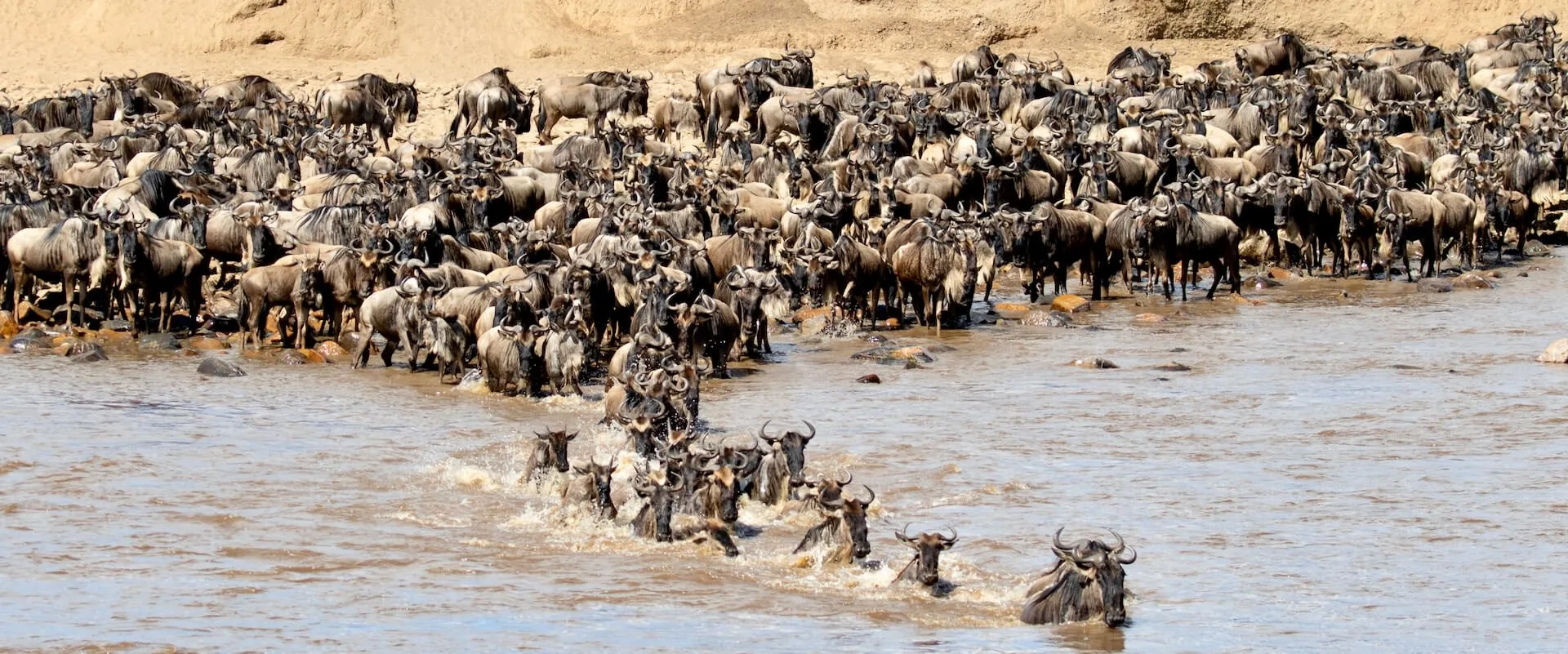
The Great Migration in Africa happens all year because the herds continuously circulate through the Serengeti–Mara ecosystem in…
Read article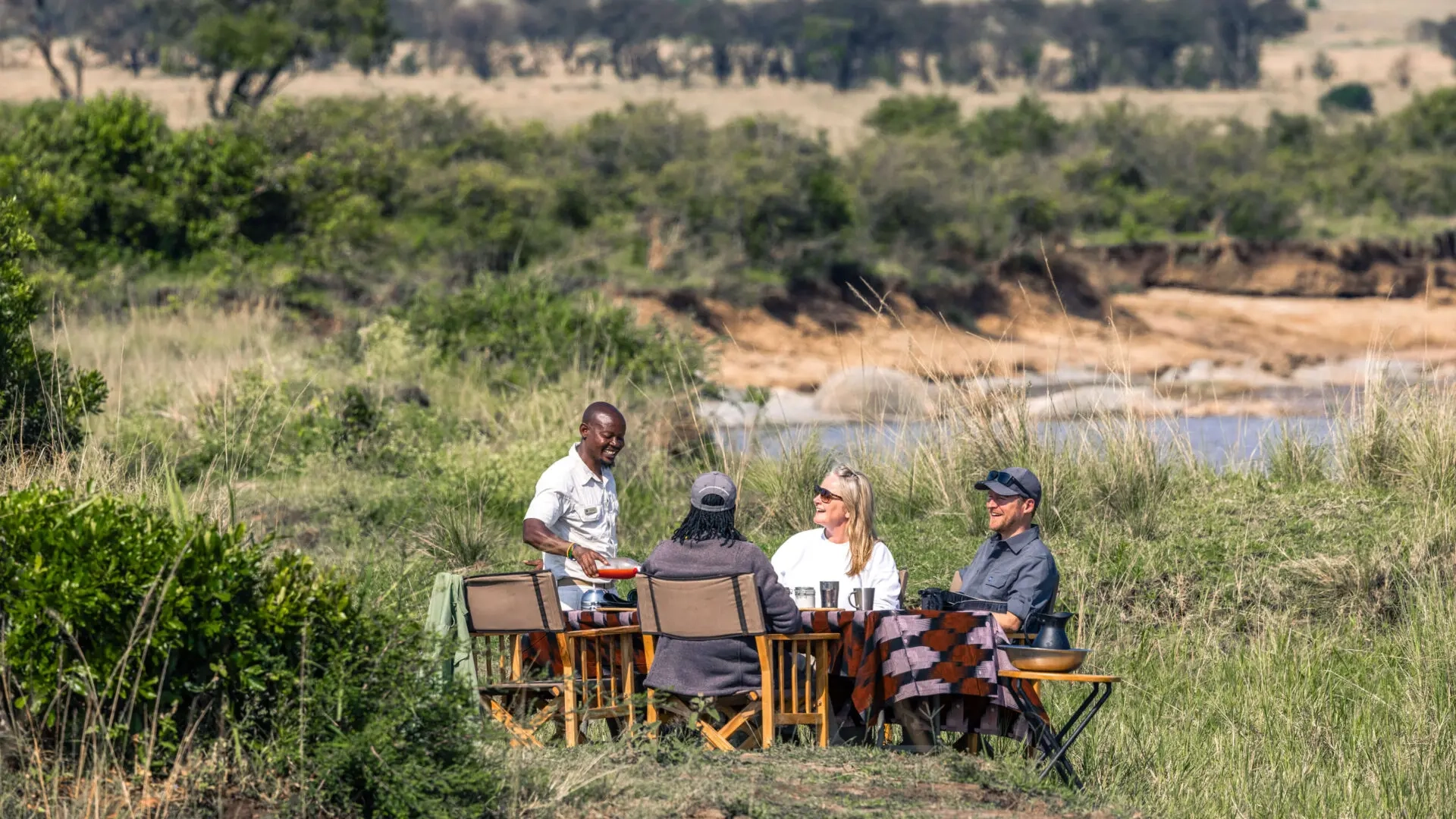
Definitive answer: A picnic lunch on safari is a packed or catered midday meal eaten at an approved…
Read article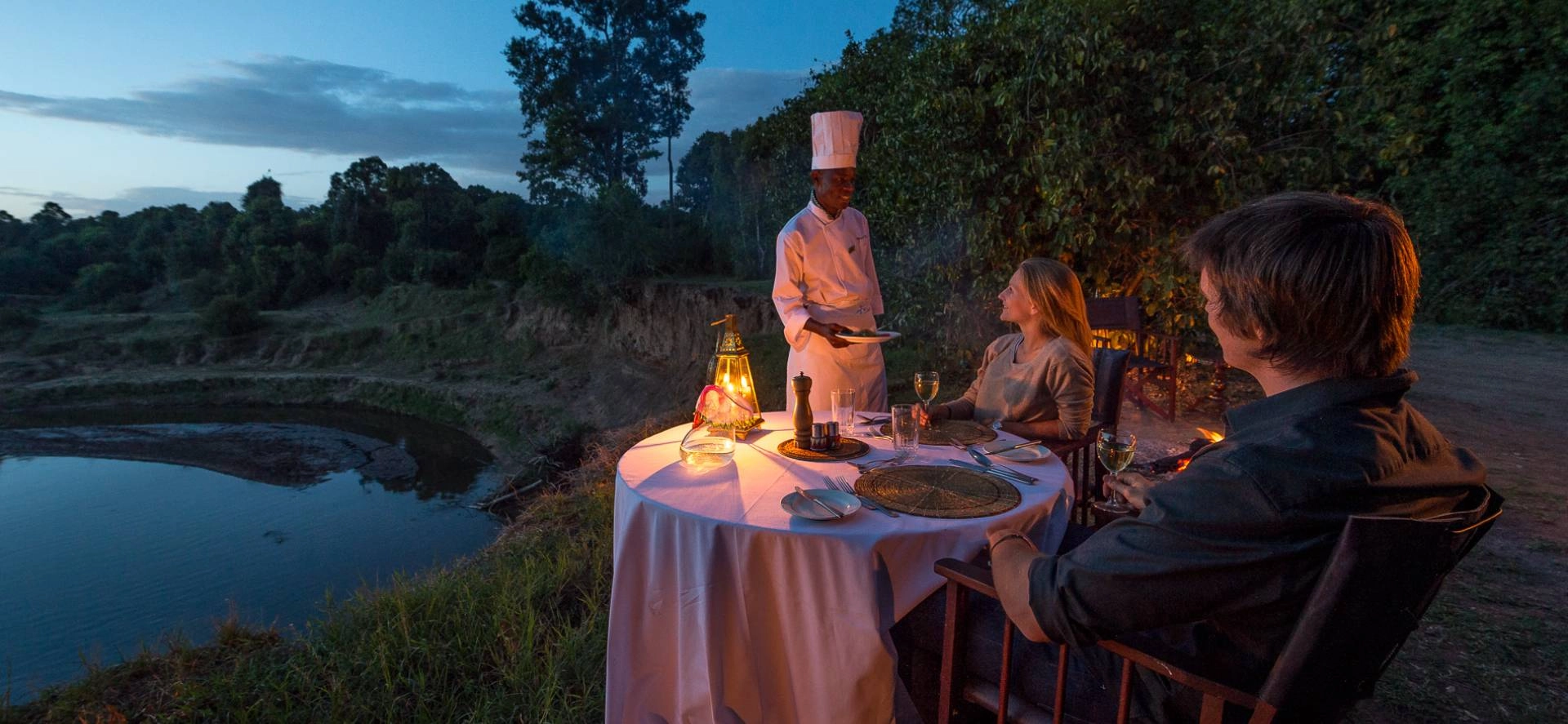
Definitive answer: A bush dinner is an outdoor evening meal arranged in a safe safari setting away from…
Read articleLet us take you closer to the wildlife, people and places that make Africa extraordinary.
Plan Your Safari Today