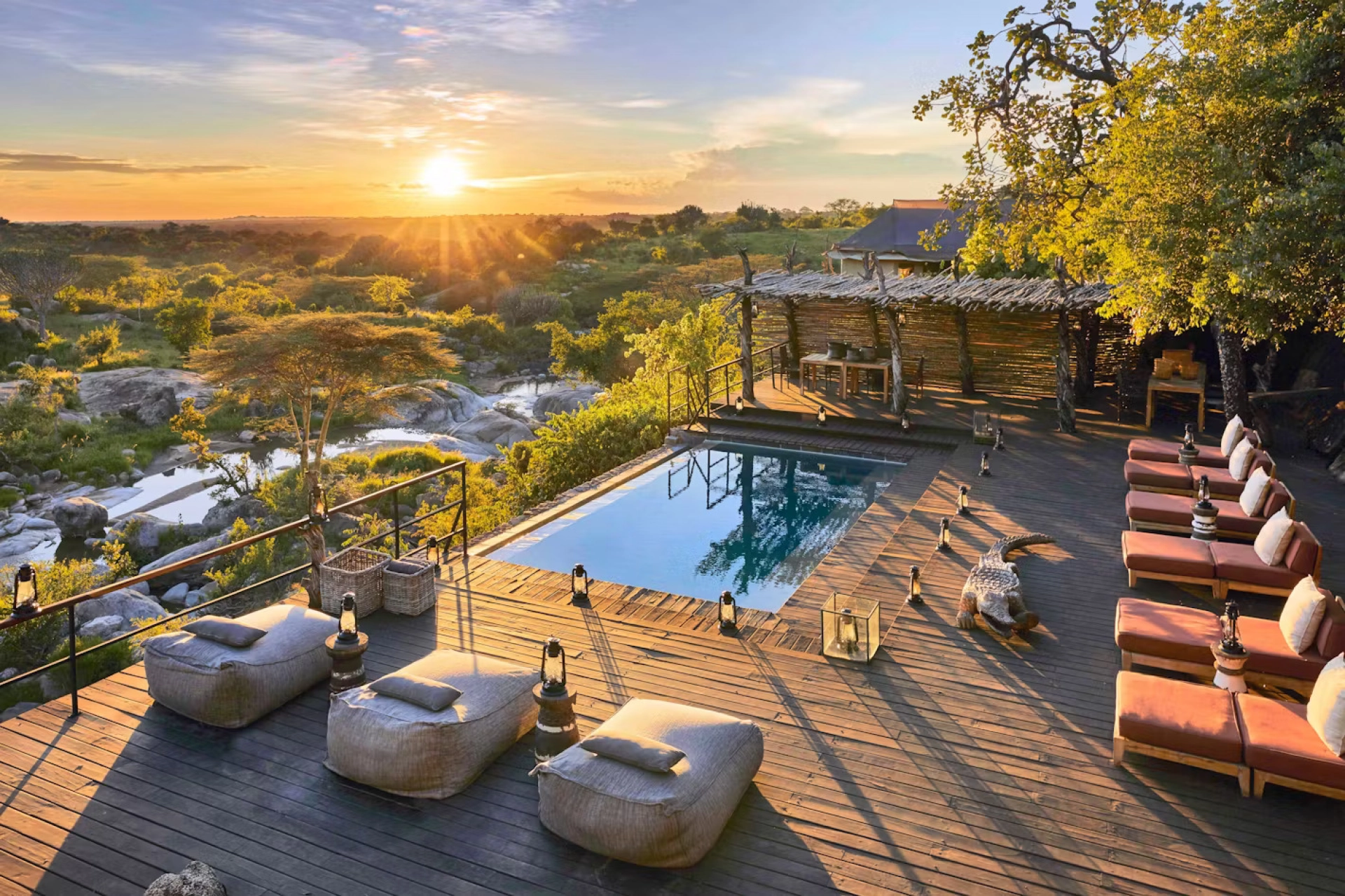
What should I look for when booking a luxury African safari?
When booking a luxury African safari, look beyond the room and compare the quality of guiding, wildlife location,…
Read article

Travel Guide
A two-week holiday may not sound long enough to explore one of the world's most geographically diverse regions, but a carefully designed Southern Africa overland tour can combine extraordinary wildlife, deserts, rivers, waterfalls and national parks…
A two-week holiday may not sound long enough to explore one of the world’s most geographically diverse regions, but a carefully designed Southern Africa overland tour can combine extraordinary wildlife, deserts, rivers, waterfalls and national parks within fourteen memorable days. Imagine beginning your journey among elephants beside the Chobe River, travelling into the wetlands of the Okavango Delta, watching the sunset over the salt pans of Botswana and finishing beside the thundering waters of Victoria Falls.
Alternatively, your two-week Southern Africa itinerary could take you through Namibia’s towering dunes, desert landscapes and wildlife-rich Etosha National Park before crossing into Botswana. Or perhaps your idea of the perfect African journey combines the dramatic coastline and mountains around Cape Town with the immense landscapes of the Namib Desert. Southern Africa is made for overland travel.
Distances can be substantial, but the road journey is often part of the experience. Landscapes change gradually outside the window. Cities give way to farms, mountains, deserts, bushveld and wildlife areas. Border crossings introduce new languages and cultures. Each destination feels connected to the previous one rather than existing as an isolated fly-in experience. For travellers with approximately fourteen days, the challenge is not finding enough places to visit. It is resisting the temptation to visit too many.
A successful 2-week Southern Africa safari should provide enough variety to make the journey exciting without turning every day into a marathon transfer. Below are three of the strongest Southern Africa overland tours for two weeks, including suggested routing, major highlights, wildlife expectations, ideal travellers, accommodation possibilities and practical planning considerations.
Flying between safari destinations can save time, but travelling overland reveals the geography connecting them.
On a road journey through Botswana, for example, the transition from dry Kalahari landscapes to the waterways of the Okavango Delta becomes part of the story. In Namibia, driving between the central plateau and Sossusvlei reveals increasingly arid landscapes until enormous dunes dominate the horizon. The road from Cape Town to Namibia introduces the changing environments of South Africa’s Western and Northern Cape before reaching the Namibian border. Overland travel also makes it easier to combine multiple attractions without paying for numerous regional flights. For adventurous travellers, this can make a Southern Africa safari holiday more immersive and sometimes more affordable.
Fourteen days is enough for a strong itinerary, but not enough to see all of southern Africa properly.
Trying to combine Cape Town, Kruger, Victoria Falls, Chobe, the Okavango Delta, Etosha and Sossusvlei entirely by road would create far too much driving. Instead, concentrate on one geographical corridor. Three particularly strong routes are: Botswana and Victoria Falls for wildlife. Namibia and Botswana for landscapes plus wildlife. Cape Town and Namibia for road-trip scenery, desert and wildlife. Each provides a very different version of southern Africa.
If wildlife is your priority, few two-week overland journeys compete with a well-planned Botswana and Victoria Falls safari.
Botswana contains some of Africa’s most celebrated wilderness areas, including the Okavango Delta, Moremi Game Reserve, Chobe National Park and the Makgadikgadi region. Add Victoria Falls on the Zimbabwe-Zambia border and you have an itinerary combining wetlands, savannah, river ecosystems and one of the world’s most spectacular waterfalls.
A practical journey can begin around Maun, Botswana’s major gateway to the Okavango region.
Spend the opening days exploring the Okavango Delta and Moremi Game Reserve before travelling toward the Makgadikgadi or Nxai Pan region. Continue north toward Chobe. Finish with several nights at Victoria Falls. The precise route can be reversed depending on flight connections.
Maun Botswana is the gateway to the Okavango Delta.
For many travellers, it is less a sightseeing destination than an operational starting point. Use the arrival period to recover from international travel, prepare for the safari and perhaps take a scenic flight over the delta. An Okavango Delta scenic flight immediately demonstrates the scale of the ecosystem. From the air, channels twist through floodplains and islands while elephants and other large mammals may appear as tiny figures below.
The Okavango Delta is one of Africa’s most remarkable natural environments. Instead of flowing into the sea, the Okavango River spreads into the Kalahari Basin, creating an immense inland delta of channels, floodplains, islands and lagoons. This interaction between water and dry landscape creates exceptional wildlife habitat. Depending on location and water levels, activities may include traditional mokoro excursions, boat safaris, game drives and guided walks. Nearby Moremi Game Reserve protects some of the delta’s most productive wildlife habitats.
Expect potential sightings of African elephants, buffalo, giraffes, zebras, antelopes, lions, leopards, spotted hyenas and, with luck, African wild dogs. Birdlife is outstanding. For travellers interested in African birding safaris, the Okavango is one of southern Africa’s premier destinations.
One night is not enough. The delta changes with light, water and animal movement. A three-night stay allows time to appreciate both aquatic and terrestrial habitats. The best Botswana safari itineraries resist the urge to rush through the Okavango simply because Botswana contains many other famous parks.
After the wetlands, travel toward the dramatic salt-pan landscapes of Botswana. The Makgadikgadi Pans represent the remains of an enormous ancient lake. During dry periods, the pans can appear almost impossibly empty. After seasonal rains, parts of the wider ecosystem transform dramatically and wildlife patterns change. Nearby Nxai Pan National Park adds grasslands, wildlife and the famous Baines’ Baobabs. This landscape provides an important contrast with the Okavango. Overland journeys are strongest when destinations feel different from one another. The transition from wet delta to open salt pans makes the scale of Botswana much easier to understand.
Continue north to Chobe National Park, one of Africa’s great elephant destinations. The Chobe Riverfront supports spectacular concentrations of wildlife, especially during the dry season when animals gather around permanent water. Large elephant herds are one of the park’s defining attractions. Buffalo can gather in impressive numbers. Hippos occupy the river. Crocodiles rest along the banks. Lions and other predators inhabit surrounding woodland and floodplains.
One of the highlights is a Chobe River boat safari. Traditional game drives show wildlife from land. Boat safaris reverse the perspective. Elephants may enter the river. Hippos surface nearby. Fish eagles call from trees. Buffalo graze along the floodplain. The late-afternoon light can be superb for African wildlife photography. For photographers, combining morning game drives with afternoon boat safaris creates excellent variety.
From Kasane, continue to Victoria Falls. This border region allows travellers to visit one of Africa’s most famous natural attractions without adding another major flight. Victoria Falls is known locally as Mosi-oa-Tunya, often translated as “The Smoke That Thunders.” Water levels vary dramatically through the year. During high-water periods, enormous spray can obscure sections of the gorge while creating an overwhelming sense of power. During lower-water periods, more of the rock formations and gorge become visible. Neither experience is inherently superior—they are different.
Beyond viewing the waterfall, visitors can choose from activities such as: Zambezi River cruises, helicopter flights, white-water rafting when conditions allow, guided waterfall tours, cultural experiences, and additional wildlife activities. The town also provides a comfortable transition from wilderness safari back toward international travel.
This route is excellent for travellers whose highest priority is African wildlife viewing. It is particularly suitable for: first-time safari travellers, wildlife photographers, couples, honeymooners, families with safari-age children, birdwatchers, and repeat African travellers seeking premium wilderness. The route can be operated at different accommodation levels, although Botswana is generally associated with relatively high safari costs.
The second itinerary is ideal for travellers who want dramatic landscapes without sacrificing wildlife. A Namibia and Botswana safari provides extraordinary contrasts. One week you may be standing among enormous dunes in the Namib Desert. A few days later, elephants may be walking beside your safari vehicle in Etosha. By the end of the journey, you can be exploring waterways in Botswana. This is one of the most visually varied Southern Africa overland adventures.
Begin in Windhoek, Namibia’s capital. Windhoek is an efficient entry point and a useful place to prepare for the journey. Depending on arrival time, travellers may explore the city briefly before travelling north. Namibia’s road network makes self-drive tourism particularly popular, although distances should never be underestimated.
Etosha National Park is Namibia’s flagship wildlife destination. Its enormous salt pan creates a landscape unlike most other African safari parks. During the dry season, waterholes become focal points for wildlife. Rather than constantly searching huge areas, travellers can sometimes wait beside a productive waterhole and allow animals to come to them. Potential sightings include elephants, giraffes, zebras, wildebeest, springbok, oryx, lions, spotted hyenas and black rhinos. Leopards and cheetahs are present but more difficult to locate.
Etosha is particularly rewarding for patient photographers. A single waterhole may produce changing scenes for hours. Zebra arrive. Oryx approach cautiously. Elephants dominate the water. Jackals patrol the edges. Predators may appear. This makes Etosha wildlife photography less about racing between sightings and more about observing behaviour.
Travel east or northeast toward the greener regions that connect Namibia with Botswana. The landscapes gradually change. The extremely arid environments associated with much of Namibia give way to river systems and more productive woodland. Depending on routing, travellers may explore parts of the Zambezi Region, formerly widely known as the Caprivi Strip. This long geographical corridor connects Namibia toward Botswana, Zambia and Zimbabwe. The area can offer elephants, hippos, crocodiles and excellent birdlife.
Cross into Botswana and continue toward Chobe National Park. After Etosha’s dry landscapes, the Chobe River feels extraordinarily lush. This contrast is one reason the Namibia-Botswana combination works so well. Spend enough time for both a game drive and Chobe River safari. Elephants are the headline attraction, but careful observation reveals far more. Look for African fish eagles, kingfishers, hippos, crocodiles, buffalo and antelope. Predators can appear along the riverfront or surrounding woodland.
Continue toward the Okavango Delta. A two-week itinerary does not allow unlimited time, so careful planning is essential. Consider spending at least two nights in a delta-focused property or mobile safari. The change from vehicle-based wildlife viewing to water-based exploration can be one of the journey’s highlights. A quiet mokoro safari offers a completely different pace. Instead of engine noise, travellers hear water, birds and wind through reeds. The experience demonstrates that an African safari is not only about finding large mammals. Landscape and atmosphere matter.
Finish around Maun for onward flights. If schedules permit, a final Okavango scenic flight can provide a spectacular conclusion. From above, the geography that shaped the previous days becomes visible.
This route offers greater landscape diversity than a Botswana-only itinerary. It is ideal for travellers interested in: desert landscapes, African wildlife, photography, birding, road journeys, multiple ecosystems, and contrasting safari styles.
The third option is less focused on dense concentrations of classic safari wildlife and more focused on landscape, adventure and road-trip atmosphere. A Cape Town to Namibia overland tour is one of southern Africa’s great driving journeys. Beginning beside the Atlantic Ocean in one of Africa’s most beautiful cities, the route travels north through increasingly dry landscapes before entering Namibia and reaching the Namib Desert.
Begin with several days in Cape Town. Cape Town deserves time. The city combines mountains, coastline, history, food, wine and urban culture. Major attractions include Table Mountain, the V&A Waterfront, Robben Island, Bo-Kaap, Cape Point and the Cape Peninsula. Travellers can also explore nearby wine regions such as Stellenbosch and Franschhoek.
Weather permitting, ascend Table Mountain or explore one of its hiking routes. The mountain provides extraordinary views across the city and coastline.
A full-day Cape Peninsula tour can include dramatic coastal roads, beaches, Cape Point and the penguin colony at Boulders Beach.
Food and wine travellers should consider a day in the Cape Winelands. Stellenbosch and Franschhoek combine vineyards, restaurants, mountain scenery and historic architecture.
Leave Cape Town and travel north. The road begins revealing the scale of the landscape. Depending on season and routing, travellers can explore the West Coast or continue toward the Orange River region. During the appropriate season, sections of western South Africa can become famous for wildflowers. Outside flower season, the increasingly arid scenery remains fascinating. The important point is the transition. Cape Town’s Mediterranean environment gradually gives way to harsher desert conditions.
Cross into Namibia. One of the major southern attractions is Fish River Canyon, among Africa’s most impressive canyon landscapes. The canyon stretches through an immense dry environment where geological scale dominates the experience. Sunrise and sunset create especially dramatic colours. Unlike a wildlife safari, this is a landscape that rewards stillness. Stand at a viewpoint and allow the dimensions to register.
Travel toward the Atlantic coast and the historic town of Lüderitz. Nearby Kolmanskop is one of Namibia’s most photographed locations. Once a diamond-mining settlement, abandoned buildings are gradually being reclaimed by desert sand. Rooms partially filled with dunes create surreal photographic scenes. The area also introduces Namibia’s German colonial history and the difficult human stories connected with colonial expansion. Travel should not reduce Kolmanskop to an Instagram backdrop. Historical context makes the experience far more meaningful.
The journey’s visual climax is Sossusvlei. Located within the Namib-Naukluft National Park, this region contains some of the world’s most spectacular dune landscapes. Towering orange-red dunes surround pale clay pans. The most famous locations include Deadvlei, Dune 45 and Sossusvlei itself.
Deadvlei is instantly recognisable. Dark dead camel-thorn trees stand against a pale clay pan, framed by enormous orange dunes and blue sky. Photographers travel from around the world to capture this contrast. Early morning light is particularly important.
Climbing Dune 45 can provide spectacular views across the surrounding dune field. Walking on sand is more demanding than it appears, particularly as temperatures rise. Start early. Carry water. Use sun protection.
The desert changes continuously with light. Morning creates long shadows. Midday flattens texture. Late afternoon returns depth and colour. This is why photographers often spend multiple days around Sossusvlei rather than treating it as a quick sightseeing stop.
Travel toward Windhoek for departure. Depending on time, the route can include additional scenic stops. This completes one of Africa’s great overland journeys—from Cape Town’s ocean and mountains to the world’s oldest desert landscapes.
The answer depends on your priorities. Choose Botswana and Victoria Falls if wildlife is the central purpose of the journey. Choose Namibia and Botswana if you want a balance between wildlife and landscapes. Choose Cape Town to Namibia if you love scenery, photography, road trips and desert environments. There is no universally “best” route. The strongest itinerary is the one aligned with your interests.
A fly-in safari maximises time inside wildlife areas. An overland safari reveals the spaces between them. Fly-in travel works especially well in Botswana, where remote camps may be difficult to reach by road. Overland travel works exceptionally well in Namibia, where scenic driving is part of the experience. Hybrid itineraries can combine both. For example, drive across Namibia but fly into a remote Okavango Delta safari camp. This can produce an excellent balance between adventure and efficiency.
A private Southern Africa safari provides greater flexibility. Departure times can change. Photographers can spend longer at sightings. Families can adjust around children. Couples can choose accommodation style. Group overland tours are often more economical and social. They work particularly well for solo travellers and younger adventurers who enjoy meeting people. Neither format is automatically superior.
Accommodation ranges from campsites to luxury lodges. Budget travellers may use: public campsites, basic chalets, guesthouses, and mobile camps. Midrange travellers can combine: comfortable lodges, tented camps, hotels, and permanent safari camps. Luxury journeys may include: private concessions, boutique hotels, exclusive safari lodges, and premium tented camps. The accommodation level significantly influences the final Southern Africa safari cost.
There is no single best month for every destination. For many wildlife regions, the dry southern African winter—roughly May through October—provides excellent game viewing because vegetation becomes thinner and animals concentrate around water. Temperatures can be surprisingly cold in early mornings and evenings. The green season brings dramatic skies, young animals, birdlife and lush landscapes. Namibian desert destinations can be visited across much of the year, although temperatures vary substantially. Victoria Falls changes dramatically according to Zambezi water levels. Therefore, choose travel dates based on the experiences you value most.
Pack light but prepare for temperature variation. Neutral comfortable clothing works well for safari. Bring warm layers for early game drives. Sun protection is essential. A hat, sunglasses and high-SPF sunscreen are valuable across desert and safari environments. Bring comfortable closed footwear. Photographers should consider dust protection for equipment. Binoculars dramatically improve wildlife and birding experiences. Most importantly, avoid overpacking. Overland vehicles have limited luggage space.
A two-week journey can produce extraordinary photographic variety. One memory card might contain: Okavango elephants, Chobe sunsets, Namib dunes, Deadvlei trees, Cape Town coastline, Etosha wildlife, and Victoria Falls spray. Bring sufficient storage. Back up images whenever possible. Do not spend the entire journey looking through a camera. Some landscapes need to be experienced before being photographed.
Yes—provided you choose a sensible geographical corridor. Two weeks is not enough to “see southern Africa.” It is enough to experience one region properly. A focused itinerary produces better travel than a long checklist.
Travellers with additional time can connect a Southern Africa safari with East Africa. For example, after Botswana or South Africa, fly north for Uganda gorilla trekking, a Rwanda gorilla safari, a Kenya safari or Tanzania. This creates extraordinary ecological contrast. Southern Africa provides deserts, deltas and major savannah ecosystems. Uganda and Rwanda add tropical forests and mountain gorillas. Kenya and Tanzania add the famous Great Migration ecosystem.
Overland travel creates opportunities to spend money beyond major lodges. Buy food locally. Use local guides. Purchase crafts directly where possible. Respect communities. Reduce unnecessary plastic. Never encourage guides to disturb wildlife for photographs. Follow park regulations. Keep reasonable distances from animals. A successful responsible African safari should leave destinations better able to protect the wildlife and landscapes travellers came to see.
A fourteen-day holiday forces travellers to make choices. That is not necessarily a disadvantage. A focused route encourages deeper experiences. Follow Botswana’s waterways from the Okavango Delta to Chobe and Victoria Falls. Cross Namibia from Etosha to Botswana. Or drive from Cape Town to Sossusvlei through increasingly dramatic desert landscapes. Each itinerary tells a different southern African story. What they share is movement. You watch landscapes change. You cross borders.
You experience different ecosystems. And the road itself becomes part of the safari. For travellers seeking adventure beyond a single lodge, few journeys are more rewarding than a thoughtfully designed Southern Africa overland tour.
Adventure in the Wild Safaris can help design customised African safari itineraries combining wildlife, landscapes and multi-country travel. Southern Africa journeys can also be connected with Uganda gorilla trekking, Rwanda, Kenya or Tanzania for travellers seeking a broader African adventure.
Get quick answers to the most common questions. If you still have questions, our safari experts are here to help.
Strong options include Botswana and Victoria Falls, Namibia and Botswana, and Cape Town to Namibia.
Yes, provided the itinerary concentrates on one region rather than attempting to visit every major destination.
Botswana combined with Victoria Falls is particularly strong for wildlife.
Cape Town to Namibia offers extraordinary scenery, especially Fish River Canyon, Sossusvlei and the Namib Desert.
Yes. A carefully planned itinerary can include Etosha, northeastern Namibia, Chobe and the Okavango region.
Botswana can be relatively expensive, particularly for premium delta camps, but different accommodation styles and routing can help manage costs.
Yes. Namibia is one of Africa’s best-known self-drive destinations, although distances are large and road conditions require sensible planning.
It depends on the route. Some major roads are suitable for ordinary vehicles, while remote safari and desert routes may require a 4×4.
Potentially, depending on the parks included. Wildlife sightings can never be guaranteed.
Chobe National Park is particularly famous for elephants.
It is an enormous inland wetland system surrounded by relatively dry Kalahari landscapes and supports exceptional wildlife.
Yes. It combines naturally with Botswana and provides a dramatic conclusion to a safari.
There is no single answer, but Sossusvlei, Etosha National Park, Deadvlei and Fish River Canyon are among the country’s major highlights.
Choose private travel for flexibility and group travel for social interaction and potentially lower costs.
Absolutely. Overland travel can combine road transfers with luxury lodges and private safari camps.
Dry-season months are excellent for many wildlife areas, while green-season travel offers different advantages including birdlife and dramatic landscapes.
Yes. Flights can connect South Africa or regional hubs with East Africa for Uganda or Rwanda gorilla trekking.
Our safari experts are here to help you plan your safari. Get personalized advice, the latest information and a free, no-obligation quote.
We typically reply within a few hours.

Share This Article
When booking a luxury African safari, look beyond the room and compare the quality of guiding, wildlife location,…
Read article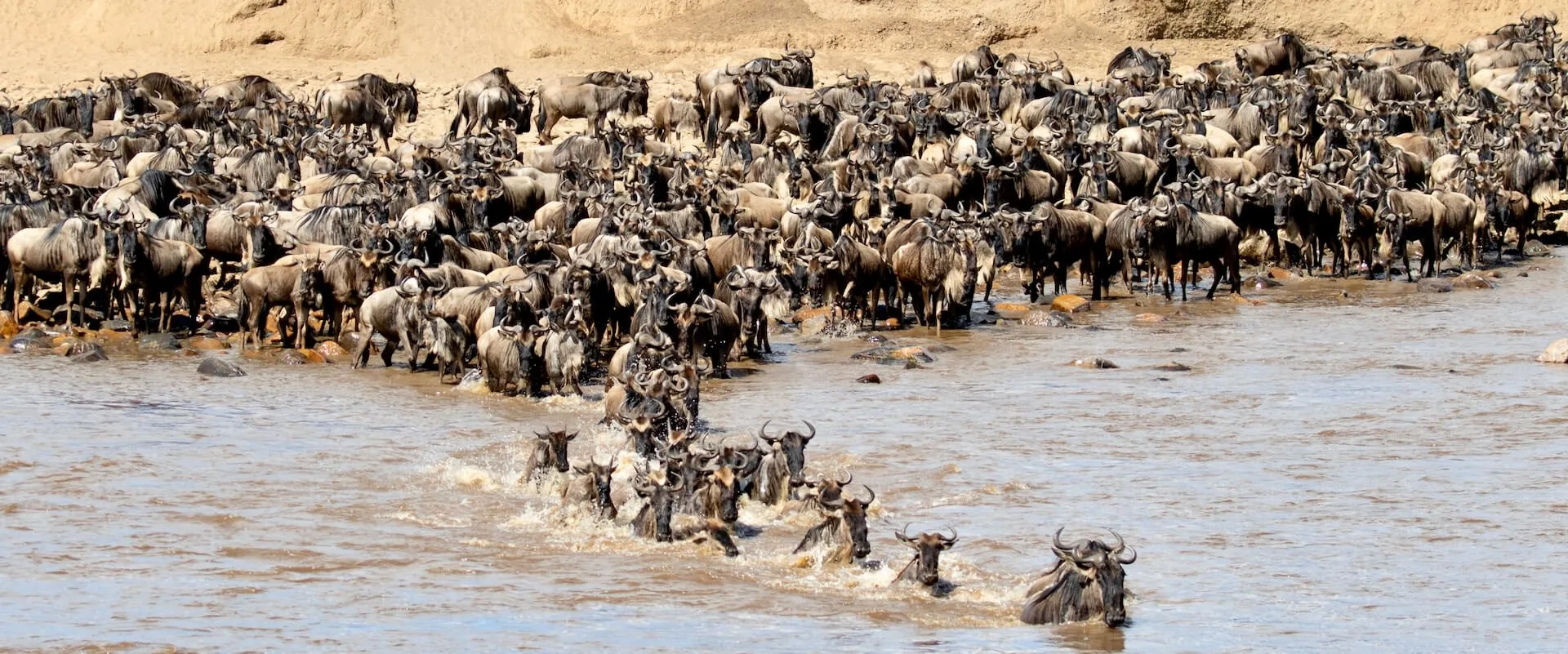
The Great Migration in Africa happens all year because the herds continuously circulate through the Serengeti–Mara ecosystem in…
Read article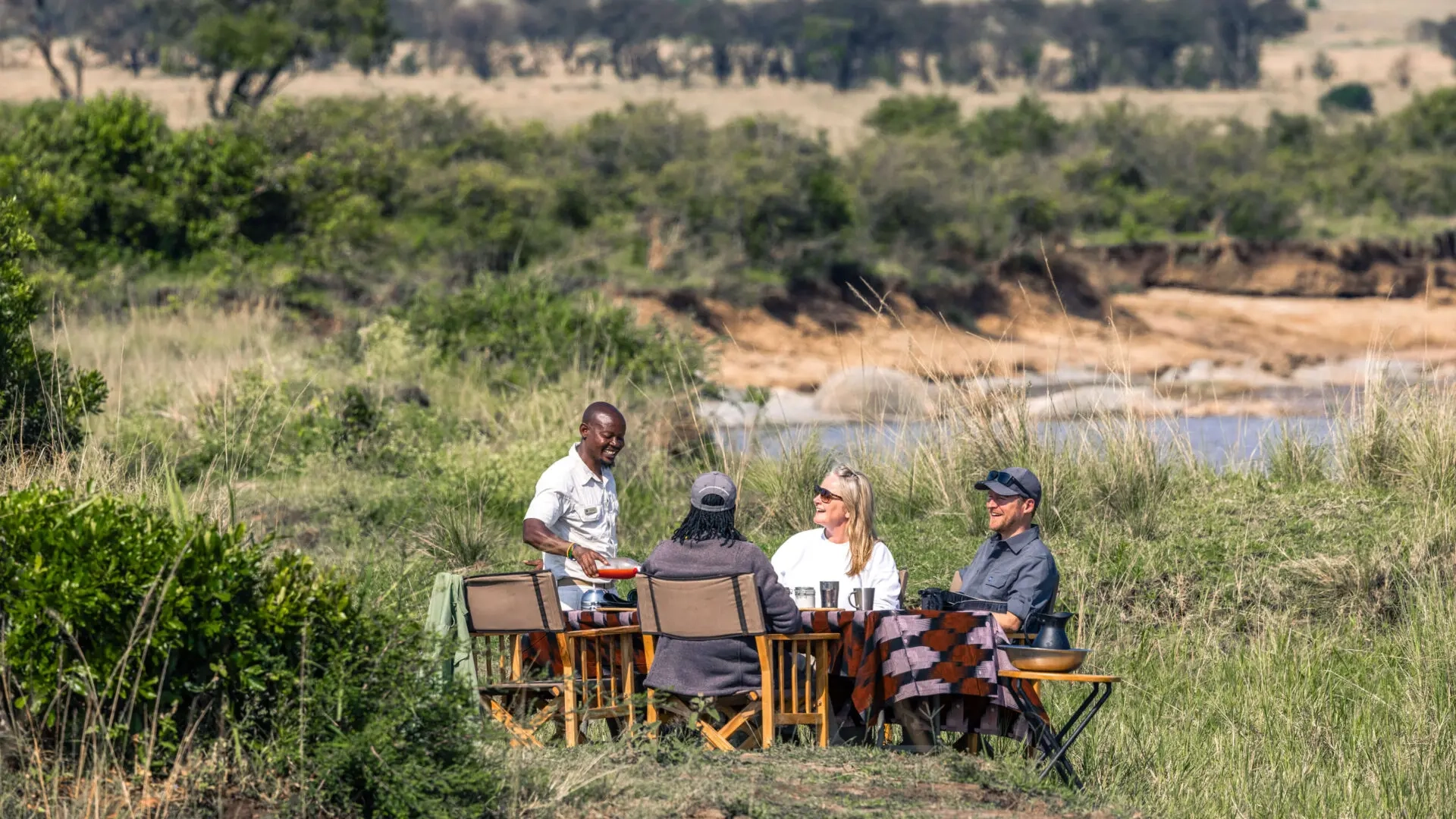
Definitive answer: A picnic lunch on safari is a packed or catered midday meal eaten at an approved…
Read article
Definitive answer: A bush dinner is an outdoor evening meal arranged in a safe safari setting away from…
Read articleLet us take you closer to the wildlife, people and places that make Africa extraordinary.
Plan Your Safari Today