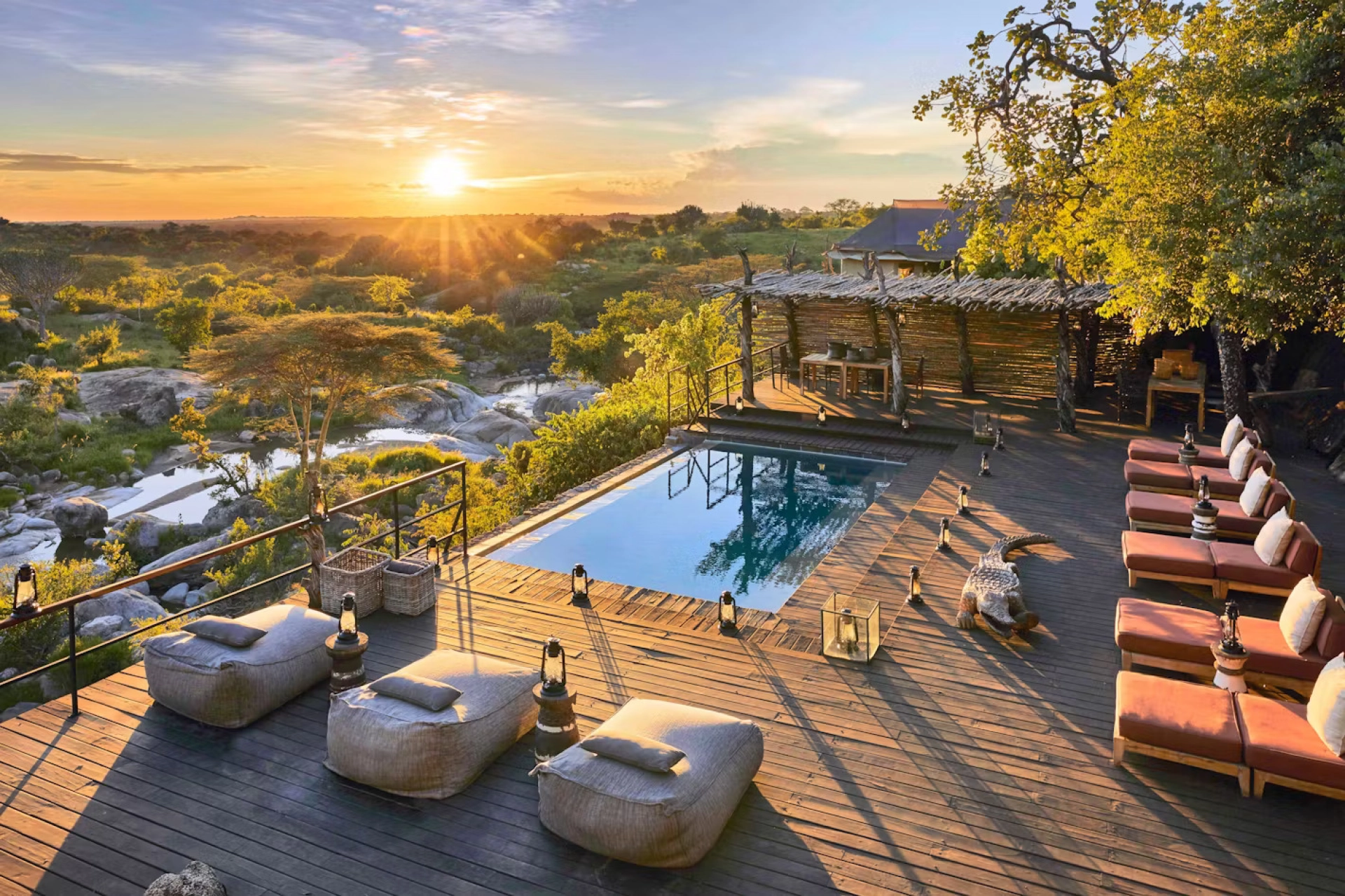
What should I look for when booking a luxury African safari?
When booking a luxury African safari, look beyond the room and compare the quality of guiding, wildlife location,…
Read article

Travel Guide
--- Zanzibar is often imagined as the place you go after safari to do nothing. That description captures only a fraction of what makes the archipelago interesting. Yes, Zanzibar has white-sand beaches, warm tropical water, palm…
—
Zanzibar is often imagined as the place you go after safari to do nothing. That description captures only a fraction of what makes the archipelago interesting.
Yes, Zanzibar has white-sand beaches, warm tropical water, palm trees and resorts designed for travelers who want to spend several days doing almost nothing beyond swimming and watching the Indian Ocean. But treating Zanzibar purely as a beach extension misses the history, culture, architecture, marine ecosystems, forests, villages, food and centuries of Indian Ocean trade that shaped the islands.
The best Zanzibar holiday balances relaxation with exploration.
Spend a morning wandering through Stone Town, where narrow streets reveal carved doors, mosques, markets and buildings shaped by African, Arab, Indian and European influences. Visit a spice farm and understand why cloves became so closely associated with Zanzibar. Walk through Jozani’s forest environment in search of Zanzibar red colobus monkeys. Board a traditional dhow as the sun drops toward the Indian Ocean. Snorkel over coral reefs. Eat seafood beside the beach. Travel north toward Nungwi and Kendwa, east toward Paje and Jambiani, or simply spend several days discovering how dramatically the coastline changes with the tides.
For travelers arriving from a Tanzania safari, the contrast can be extraordinary. Several days earlier, you may have been watching lions in the Serengeti or descending into Ngorongoro Crater. Now you are walking barefoot beside the Indian Ocean. This is why Tanzania safari and Zanzibar holidays remain one of Africa’s classic travel combinations. But Zanzibar also deserves to be visited as a destination in its own right.
This detailed guide explores the top things to do in Zanzibar, the best beaches and cultural experiences, snorkeling and diving opportunities, wildlife, food, historical sites, practical planning considerations and how to combine the island with an East African safari.
Travelers commonly use “Zanzibar” to refer to the main tourism island, Unguja. But Zanzibar is an archipelago. Unguja contains Stone Town, the international airport and most of the accommodation and attractions familiar to international visitors. Pemba lies farther north and provides a quieter, less intensively developed experience. Smaller islands and marine environments surround the archipelago. For a first visit, most travelers stay on Unguja. This guide therefore focuses primarily on experiences accessible from the main island while recognizing that the broader Zanzibar archipelago is more extensive.
Zanzibar’s identity developed through the Indian Ocean. For centuries, merchants, sailors, settlers and empires connected the islands with mainland Africa, Arabia, Persia, India and later European powers. This history remains visible in architecture, religion, language, food and everyday culture. Stone Town provides the most concentrated expression of this history. UNESCO describes it as an outstanding example of an East African Swahili trading town whose architecture and urban form reflect the fusion of African, Arab, Indian and European influences over many centuries. It was inscribed on the World Heritage List in 2000.
Understanding this context changes the way you experience Zanzibar. You stop seeing it merely as a tropical resort island and begin seeing it as one of the Indian Ocean’s great cultural crossroads.
If you do only one activity away from Zanzibar’s beaches, make it Stone Town. Do not rush through it in an hour. Stone Town rewards slow walking. The historic center is a maze of narrow lanes where scooters squeeze past pedestrians, shopkeepers display fabrics and crafts, carved doors open into old buildings and the call to prayer mixes with market noise. The streets themselves are part of the attraction. You will get slightly lost. That is normal. The historic town developed organically rather than according to a modern grid.
UNESCO emphasizes the survival of its distinctive urban fabric and architecture, including Swahili houses, narrow Indian shopfronts, large seafront mansions and elaborately carved Zanzibar doors. A knowledgeable guide can make the experience far richer because many buildings become meaningful only when their history is explained.
One of Stone Town’s most recognizable features is its carved wooden doors. They are not merely decorative backdrops for photographs. Door styles can reveal architectural and cultural influences associated with the families and traditions that shaped the town. Some display elaborate floral and geometric carving. Others include brass studs associated with Indian design traditions. Look beyond the doors themselves. Observe the coral-stone walls, balconies, internal courtyards and narrow streets. Stone Town is best understood as a complete urban environment rather than a collection of individual monuments.
UNESCO’s recognition is based on more than architectural beauty. The town represents centuries of exchange between African and Asian maritime worlds and also carries difficult historical associations with the East African slave trade and the campaigns that eventually contributed to its suppression. This complexity is important. Zanzibar’s past contains prosperity, cultural exchange, empire, commerce and human suffering. A serious historical tour should acknowledge all of these layers rather than presenting the island solely through romantic stories of sultans and spices.
The Old Fort is one of Stone Town’s most recognizable landmarks. Its heavy defensive architecture contrasts with the surrounding streets. The waterfront area provides an excellent place to understand Stone Town’s relationship with the sea. The Indian Ocean was not simply scenery. It was Zanzibar’s highway to the wider world. Ships carried people, spices, ivory, textiles and other goods across networks connecting East Africa with Arabia and Asia. Walking along the seafront in the late afternoon provides both historical context and one of Stone Town’s most enjoyable urban experiences.
Zanzibar played a major role in the history of the East African slave trade. This is not an easy part of the island’s history, but it should not be ignored. UNESCO specifically notes Stone Town’s symbolic importance in the suppression of slavery and its historical role as one of East Africa’s principal slave-trading ports. A thoughtful visit to the historical sites associated with this period provides important context for understanding both Zanzibar and the wider East African coast.
Travelers should approach these places respectfully. They are not simply attractions. They represent real human suffering.
As daylight fades, the waterfront around Forodhani Gardens becomes one of Stone Town’s liveliest gathering places. Food stalls attract both visitors and local residents. The atmosphere is part of the experience. Rather than arriving with a rigid list of dishes, walk around first. Observe what is being cooked. Ask prices before ordering. Try several small items rather than turning the visit into one enormous meal. Seafood, grilled foods, breads, snacks and sugarcane drinks are among the possibilities.
Food hygiene standards can vary anywhere street food is sold, so choose busy stalls where food is prepared freshly and use ordinary travel judgment.
Zanzibar’s association with spices is central to its tourism identity.
The islands became internationally famous for cloves, and spice cultivation remains part of the historical narrative that earned Zanzibar its “Spice Island” reputation. A Zanzibar spice tour typically takes place on a working farm or demonstration property where guides introduce plants used for food, medicine, cosmetics and trade. Cloves are the obvious star, but visitors may also encounter cinnamon, vanilla, nutmeg, turmeric, black pepper, cardamom and tropical fruits depending on the property and season.
The most valuable part of a spice tour is not simply identifying plants. It is understanding how global products actually grow. Many travelers have used cinnamon for their entire lives without seeing the tree. They have sprinkled black pepper on food without thinking about the vine. A good guide turns familiar supermarket ingredients back into living plants.
Spices should also be understood historically. Commercial agriculture was connected to Zanzibar’s political economy and labor systems. The romantic phrase “Spice Island” therefore represents only one layer of a more complicated history. Travelers interested in deeper cultural understanding should combine a spice farm with Stone Town rather than treating the experience as an isolated botanical excursion.
Zanzibar is not only about beaches and coral reefs. The island also protects important terrestrial habitats. Jozani-Chwaka Bay is the best-known forest conservation area on Unguja and is especially associated with the Zanzibar red colobus monkey. These primates are one of the island’s signature wildlife species. Seeing them provides a completely different experience from a mainland Tanzania safari. Instead of scanning open savannah from a Land Cruiser, you walk through forest habitat listening for movement in the canopy. UNESCO lists the Jozani-Chwaka Bay Conservation Area on Tanzania’s World Heritage Tentative List, underscoring its recognized conservation significance.
Do not approach wildlife as though it exists for selfies. Maintain appropriate distance. Follow guide instructions. Do not feed monkeys. Do not attempt to touch them. Close wildlife interaction can cause stress and can also increase the possibility of disease transmission. A good wildlife experience allows animals to behave naturally.
Jozani is also valuable because it demonstrates that Zanzibar’s ecosystems extend beyond beaches and forest. Mangrove habitats are important coastal environments. They provide nursery areas for marine life, stabilize shorelines and support diverse species. A boardwalk or guided mangrove experience can add ecological context to the island holiday. After spending several days looking at turquoise water, you begin to understand some of the biological systems supporting the coast.
Nungwi is one of Zanzibar’s best-known northern beach areas. The north coast attracts travelers who want a combination of beach time, restaurants, accommodation and marine activities. One advantage of parts of northern Zanzibar is that tidal changes can interfere less dramatically with swimming than on some east-coast beaches. This matters more than many first-time visitors realize.
Zanzibar experiences significant tides. On some beaches, the ocean retreats far from shore at low tide. This creates beautiful landscapes but can surprise travelers expecting uninterrupted swimming immediately outside the hotel throughout the day. Nungwi is therefore particularly attractive for visitors prioritizing swimming.
Nearby Kendwa provides another famous northern-coast experience. The beach is associated with broad sand, sunsets and a relaxed resort atmosphere. Travelers frequently compare Nungwi and Kendwa. The better choice depends on the exact hotel and desired atmosphere rather than simply the beach name. Nungwi can feel busier and more developed. Kendwa may appeal to travelers looking for a slightly different balance of resort life and beach relaxation. Visit both if time allows.
The east coast provides a very different Zanzibar experience. Paje has become internationally known for kiteboarding, beach accommodation, restaurants and a youthful travel atmosphere. The landscape changes dramatically with the tide. At low tide, the sea can retreat across extensive shallow flats. This makes the coast visually extraordinary but affects swimming. Do not book an east-coast hotel without understanding the tidal environment. For some travelers, the changing tide is one of the things they love most. For others, it is frustrating.
Neither reaction is wrong. Choose according to how you want to use the beach.
Reliable seasonal winds have helped make Paje one of East Africa’s best-known kiteboarding destinations. Beginners can take lessons. Experienced riders can rent equipment from established centers. Conditions vary with season, wind, tide and experience level. Choose a reputable school rather than selecting solely according to price. Water sports involve genuine risk. Professional instruction is worth paying for. Even if you have no interest in trying the sport, watching colorful kites move across the shallow turquoise water can become part of the Paje experience.
South of Paje, Jambiani offers another appealing east-coast base. The village stretches along the shoreline and can feel more relaxed than the busiest resort areas. Jambiani works well for travelers who want several slow days rather than constant excursions. Walk along the beach. Watch the tide transform the coast. Visit small restaurants. Spend time understanding the rhythm of village life without treating residents as tourist attractions. The east coast is particularly rewarding for travelers who enjoy a strong sense of place.
The Indian Ocean is one of Zanzibar’s greatest attractions. Zanzibar snorkeling can introduce travelers to coral habitats, reef fish and clear tropical water. Conditions depend on weather, tides and the exact site. Not every excursion marketed as snorkeling provides the same quality. Ask where the boat goes, how long you spend in the water, whether equipment is included and how large the group is. Responsible marine operators should also avoid damaging coral and should discourage guests from standing on reefs. Coral is living habitat. Treat it accordingly.
The waters around Mnemba are among Zanzibar’s best-known marine excursion areas. Many tours marketed as “Mnemba Island” trips actually involve snorkeling in surrounding waters rather than landing on the privately managed island itself. This distinction is worth understanding before booking. The attraction is the marine environment. Clear water and reef life can create excellent snorkeling when conditions cooperate. However, popularity can also mean many boats. Travelers seeking a quieter experience should discuss departure times and alternative sites with a reputable operator.
Some excursions in Zanzibar advertise dolphin encounters. Wild dolphins are not performers. Boats should not chase, surround or pressure animals merely to create a close encounter. If dolphins appear naturally, observing them responsibly can be memorable. Avoid operators that guarantee aggressive in-water encounters. Wildlife welfare should come before photographs.
Zanzibar is also a major scuba-diving destination. Dive sites vary in depth, currents and marine life. Certified divers can explore reefs and walls according to conditions and qualification level. Beginners can investigate introductory programs with reputable dive centers. As with any diving destination, safety should determine operator choice. Equipment maintenance, professional certification, briefing quality and group size matter more than finding the lowest price. Travelers flying soon after diving must also account for recommended no-fly intervals according to their dive profile and professional guidance.
Few experiences feel more connected to Zanzibar’s Indian Ocean identity than sailing aboard a traditional dhow. Dhows have been associated with regional maritime trade for centuries. Modern tourist cruises vary from simple local sailing trips to polished sunset experiences with drinks and snacks. The most popular time is late afternoon.
As the sun drops, Stone Town or the coast takes on warmer light and the temperature becomes more comfortable. A dhow cruise can be romantic, but it is not only for honeymooners. It provides a different perspective on the island. From the water, Zanzibar once again becomes what history made it: a place defined by the sea.
A Zanzibar sunset cruise is one of the easiest activities to add to a beach holiday. You do not need an entire day. This makes it particularly useful after a relaxed beach morning. Northern beaches and Stone Town both offer possibilities. Weather determines the quality of the sunset. Cloud may completely obscure it. The experience should therefore be about sailing as much as photographing the sun.
Changuu Island, commonly known to visitors as Prison Island, is a popular excursion from Stone Town. Its history is more complicated than the tourist nickname suggests. The island is also associated today with giant tortoises, which are a major attraction for visitors. Excursions commonly combine historical interpretation, tortoise viewing and time near the water. As with any wildlife attraction, interactions should be managed responsibly. Avoid treating animals as props. A knowledgeable guide can also help move the experience beyond the simplified “Prison Island” label.
Zanzibar’s food reflects its geography and history. Swahili culinary traditions combine local ingredients with influences moving through Indian Ocean trade networks. Rice, coconut, seafood, spices, grilled meat and tropical fruits appear frequently. Food should be part of the travel experience rather than something consumed only inside an international resort. Try local restaurants. Take a food tour. Visit a market with a guide. Ask about ingredients. The relationship between spice cultivation and cooking becomes much clearer when you taste the products after seeing how they grow.
Markets reveal everyday life in ways resorts cannot. Darajani Market provides an energetic contrast to the calm atmosphere of a beach hotel. Expect produce, spices, household goods and busy local commerce. This is a functioning market, not a museum. Be respectful when photographing people. Ask permission when appropriate. Keep valuables secure in crowded spaces. A guide can make the visit more informative and help explain unfamiliar foods and products.
A cooking class can connect several parts of the island experience. You may begin by selecting ingredients, learn how spices are used in actual dishes and then prepare a meal. This transforms the spice-tour experience from botanical curiosity into something practical. Cooking classes are also valuable on rainy days or when travelers want a break from beach activities.
Couples and families can find them particularly enjoyable.
The Swahili coast developed through centuries of African maritime culture and exchange.
Language, architecture, religion, clothing, food and social traditions all contribute to Zanzibar’s identity. Travelers should approach cultural experiences with curiosity rather than expecting performances designed solely for tourists. Spend time with knowledgeable local guides. Learn basic Swahili greetings. Dress respectfully away from resort beaches. Understand that Zanzibar is predominantly Muslim and social norms differ from those at an international beach resort. Responsible travel begins with recognizing that you are visiting someone’s home.
Village visits can be meaningful when organized through genuine community relationships. They can also become uncomfortable when tourists are simply driven into communities to photograph residents. Choose experiences where local people control how tourism takes place and where financial benefits are transparent. Ask before photographing individuals. Avoid giving sweets or money randomly to children. Support locally owned businesses where practical. Community tourism works best when dignity remains central.
Travelers who remain only in Nungwi and Stone Town see only part of Zanzibar. The southeast coast provides villages, long tidal beaches, seaweed-growing areas and a very different atmosphere. Renting a vehicle with a driver for a day can allow you to explore several areas without repeatedly changing hotels. This works particularly well for travelers with five or more nights.
The tides are not merely a logistical issue. They are part of Zanzibar’s visual identity. At low tide, large sections of the east coast can transform into exposed sand and shallow water. People walk far from the normal shoreline. Fishing and seaweed-related activities become visible. Several hours later, the sea returns. Photographers can use this transformation creatively. Before planning swimming, snorkeling or boat activities, check local tide conditions.
One of Zanzibar’s most photographed dining locations sits on a rock off the southeast coast. At certain tides it appears surrounded by water. At others, it can be approached across the exposed shore. Many visitors enjoy the novelty and setting. But it should be viewed as a dining and photographic experience rather than an essential cultural attraction. If your budget is limited, Zanzibar offers many excellent meals without paying for an internationally famous location.
After all these activities, remember why many travelers came to Zanzibar in the first place. You are allowed to do nothing. A safari schedule can involve 5:30 a.m. wake-ups, long game drives and frequent transfers. Zanzibar provides the opposite rhythm. Sleep late. Swim. Read. Have lunch overlooking the ocean. Take an afternoon nap. Walk along the beach before sunset. Do not turn the island into another checklist. The best itinerary often includes completely unscheduled days.
A Zanzibar honeymoon can combine privacy, tropical beaches, seafood dinners and easy excursions. Northern beaches work well for swimming and sunsets. The east coast can provide quieter resort environments and dramatic tidal scenery. Stone Town adds culture and history. A honeymoon itinerary should usually avoid changing hotels every night. Choose one beach base for several days. Add Stone Town either at the beginning or end. If combining Zanzibar with safari, allow at least several nights on the island so the journey actually feels relaxing.
Families can enjoy Zanzibar enormously. Beach time naturally appeals to children. Snorkeling, boat excursions, spice farms and wildlife experiences add variety. However, parents should consider swimming conditions, tides and travel time between attractions. A hotel with a pool can be particularly useful on beaches where low tide makes ocean swimming difficult during part of the day. Private transfers can simplify family logistics.
Stone Town and areas such as Paje can be appealing to solo travelers because restaurants, tours and social accommodation make meeting people relatively easy. Ordinary travel precautions apply. Arrange reliable transportation after dark. Keep valuables secure. Choose established activity operators. Solo travelers who prefer quieter resorts should consider whether an isolated beach property will provide the social environment they want.
Three nights is enough for a very short beach extension, but it will feel brief. Five nights provides a much better balance. You can spend time in Stone Town, take one or two excursions and still have genuine beach days. Seven nights is ideal for travelers wanting to slow down. Ten nights or more works well for dedicated beach holidays, diving trips or visitors who want to explore multiple coasts. Do not underestimate transfer time. Changing hotels repeatedly consumes hours that could be spent enjoying the island.
A balanced short stay might begin with Stone Town before moving to the coast.
Spend enough time exploring the historic center rather than treating it as an airport stop. Then transfer to a beach area and select only one or two major excursions. The remaining time should be left for relaxation. This is generally better than booking an organized activity every morning and afternoon.
With a week, you can experience Stone Town, a spice tour, Jozani, snorkeling or diving, a dhow cruise and several beach days without rushing. You can also divide the stay between Stone Town and one beach region. Changing between two different beach coasts is possible but not essential. Travelers who value relaxation should choose one.
Northern areas such as Nungwi and Kendwa are frequently favored by travelers prioritizing easier swimming through more of the tidal cycle. East-coast beaches can be visually spectacular but experience more dramatic tidal changes. Hotel location matters. Even within one named beach, swimming conditions can vary. Ask the property directly about beach access if swimming is central to your holiday.
Paje is the obvious first choice for many kiteboarding travelers. The combination of wind, shallow water and established schools has made it internationally known. Seasonal conditions matter. Confirm with specialist operators before booking an entire trip around the sport.
Nungwi, Kendwa and Paje generally provide more social nightlife than quieter resort regions. Stone Town has restaurants and evening activity but offers a different atmosphere. Travelers wanting complete tranquility should choose accommodation away from known party areas.
There is no single answer. Kendwa can provide sunsets and swimming. The east coast can provide beautiful boutique hotels and quieter stretches of beach. Stone Town can provide a romantic cultural beginning or ending. Choose the property before choosing the beach label.
Zanzibar is a tropical destination, and conditions vary through the year. Dryer periods are generally popular for beach holidays. Rainier months can provide lower accommodation prices but more weather uncertainty. Humidity and temperature remain important factors. Diving, snorkeling and kiteboarding conditions also depend on seasonal wind and sea patterns. Travelers combining Zanzibar with safari should choose dates according to the entire East African itinerary rather than optimizing the beach in isolation.
This is the classic combination. A northern Tanzania safari can include Tarangire National Park, Ngorongoro Crater and Serengeti National Park before travelers fly to Zanzibar. The contrast works beautifully. Safari days are active. Beach days are slow. The combination also avoids crossing large international distances because both experiences are within Tanzania. For first-time East African travelers, Serengeti and Zanzibar is one of the region’s strongest itineraries.
Kenya also combines well with Zanzibar. A traveler might explore Amboseli and the Masai Mara before flying toward the coast. This produces a Kenya safari and Zanzibar beach holiday. Regional flight schedules change, so the exact routing should be confirmed when booking. If simplicity is more important than visiting Zanzibar specifically, Kenya’s own Indian Ocean coast is also worth comparing.
A particularly interesting combination is Uganda gorilla trekking and Zanzibar. Uganda provides one of Africa’s most intense wildlife experiences. You trek through Bwindi’s mountain forest in search of gorillas, perhaps combine the journey with chimpanzees in Kibale and wildlife in Queen Elizabeth National Park, then fly toward the Indian Ocean. Zanzibar provides the recovery period. After hiking, road transfers and early safari mornings, several beach days can feel especially rewarding.
Rwanda can also combine with Zanzibar. A compact Rwanda itinerary can include Volcanoes National Park and possibly Akagera before a regional flight connection toward Tanzania. This works particularly well for honeymooners who want primates, savannah wildlife and beach time without a very long safari.
A strong combined holiday usually deserves at least ten days. Approximately five to seven days on safari and four to six days in Zanzibar creates a balanced journey. Two weeks is even better. Travelers interested in the Great Migration may want more safari time. Honeymooners may prefer more beach time. There is no fixed formula.
Beach resorts are relaxed, but Zanzibar’s broader culture is predominantly Muslim. Dress more conservatively when visiting Stone Town, villages and local communities. Lightweight clothing that covers shoulders and knees is a respectful choice away from resort beaches. Swimwear belongs at the beach or pool. Sun protection is essential. A hat, sunglasses and high-SPF sunscreen are useful. Comfortable walking shoes are valuable in Stone Town, while sandals work well around resorts.
Zanzibar is extremely photogenic. Stone Town provides architecture, doors, street scenes and waterfront light. The east coast provides tidal landscapes. Dhows create beautiful silhouettes. Northern beaches produce sunsets. Always ask permission before photographing people closely. Do not treat residents as scenery. Drone regulations can change and may involve permissions, so confirm current rules before traveling with a drone.
Private transfers are the simplest option for many international travelers. Taxis are widely used. Local public transport provides a more immersive experience but is less convenient with substantial luggage. Self-driving is possible under applicable local requirements, but travelers should understand road conditions, local driving practices and permit requirements. For most safari-and-beach visitors, pre-arranged transfers provide the easiest solution.
Both work. Stone Town first allows you to begin with culture and activity before gradually slowing down at the beach. Beach first can be useful after a tiring safari, with Stone Town placed near the end before departure. Flight timing often determines the best sequence. Avoid unnecessary backtracking.
Zanzibar is a major tourism destination, but ordinary precautions remain important. Use established transport. Secure valuables. Be cautious in isolated areas after dark. Follow marine-safety instructions. Respect local customs. Use reputable guides and excursion companies. Travel insurance should cover planned activities. Safety advice should always be checked against current official guidance before departure.
The island’s popularity creates environmental and social pressure. Travelers can reduce their impact. Use refillable water systems where safe and available. Avoid touching coral. Do not stand on reefs. Do not buy wildlife products. Choose responsible dolphin excursions. Respect local dress norms. Support locally owned businesses. Avoid photographing people without permission. Use water thoughtfully, particularly in areas where tourism infrastructure places pressure on local resources. The goal should be enjoying Zanzibar without treating the island as an unlimited tourism product.
Stone Town, a spice tour, Jozani Forest, beach time, snorkeling or diving, a dhow cruise and exploring different coastal areas provide an excellent first-time introduction.
Absolutely. It is a UNESCO World Heritage Site and one of East Africa’s most important historic Swahili trading towns.
Five to seven nights works very well for most travelers. Three nights is possible for a short beach extension but provides limited time for both activities and relaxation.
No. The island offers history, architecture, Swahili culture, forests, wildlife, spice farms, marine activities, food and village experiences in addition to beaches.
Yes. Jozani is particularly associated with Zanzibar red colobus monkeys, while marine excursions provide opportunities to observe reef life and other ocean species.
Yes. Zanzibar combines particularly well with Tanzania, Kenya, Uganda and Rwanda safaris.
Nungwi is often preferred by travelers prioritizing swimming and northern-coast resort life. Paje is particularly attractive for kiteboarding, east-coast scenery and a more pronounced tidal environment.
Yes. Safari-and-Zanzibar combinations are particularly popular for honeymoons because they combine wildlife adventure with several relaxing beach days.
Yes. Uganda or Rwanda gorilla trekking can be combined with Zanzibar through regional flight connections.
It can be as inexpensive or luxurious as your accommodation and activity choices allow. Local guesthouses and restaurants can provide significantly lower costs than premium beachfront resorts.
Not necessarily, although popular specialist activities and peak-season travel may justify advance reservations. Avoid filling every day before you know how much beach time you want.
The biggest mistake is trying to complete every attraction. Zanzibar is not a theme park. Its appeal comes partly from rhythm. The sound of the ocean before breakfast. The way Stone Town changes as the afternoon heat fades. The sudden disappearance of the sea at low tide. The smell of cloves and cinnamon on a spice farm. A dhow moving across the horizon. Children playing football on a beach. Fishermen returning with the day’s catch. Monkeys moving through forest. These experiences require time.
A traveler who spends every day rushing from a spice farm to Prison Island to snorkeling to a restaurant reservation may technically “see” more but experience less. Choose several activities that genuinely interest you. Then leave space.
The top things to do in Zanzibar extend far beyond lying on a beach. Stone Town provides one of East Africa’s most important historical urban environments, recognized by UNESCO for its exceptional fusion of Swahili, African, Arab, Indian and European influences. Spice farms connect modern visitors with the agricultural history that helped make the islands famous. Jozani introduces endemic wildlife and forest conservation.
The Indian Ocean provides snorkeling, diving, sailing and beaches. Villages and markets reveal contemporary island life. Food brings together centuries of cultural exchange. And sometimes the best activity is simply sitting beneath a palm tree and doing absolutely nothing.
For travelers planning a wider African journey, Zanzibar becomes even more compelling. Combine it with Serengeti National Park and Ngorongoro Crater for a classic Tanzania safari and Zanzibar holiday. Combine it with the Masai Mara for a Kenya bush-and-beach adventure. Combine it with Uganda gorilla trekking for one of Africa’s most contrasting wildlife and beach itineraries.
Or combine it with Rwanda for gorillas, savannah and Indian Ocean relaxation. At Adventure in the Wild Safaris, the strongest safari-and-beach journeys are designed as one complete itinerary rather than two unrelated holidays. Safari length, flight connections and Zanzibar beach location should work together so that the final days genuinely feel relaxing. Zanzibar should not simply be the place where you collapse after safari. It should be experienced as one of East Africa’s great destinations in its own right — a place where Swahili history, tropical beaches, Indian Ocean culture, wildlife, spices and marine adventure come together on one remarkable island.

Share This Article
When booking a luxury African safari, look beyond the room and compare the quality of guiding, wildlife location,…
Read article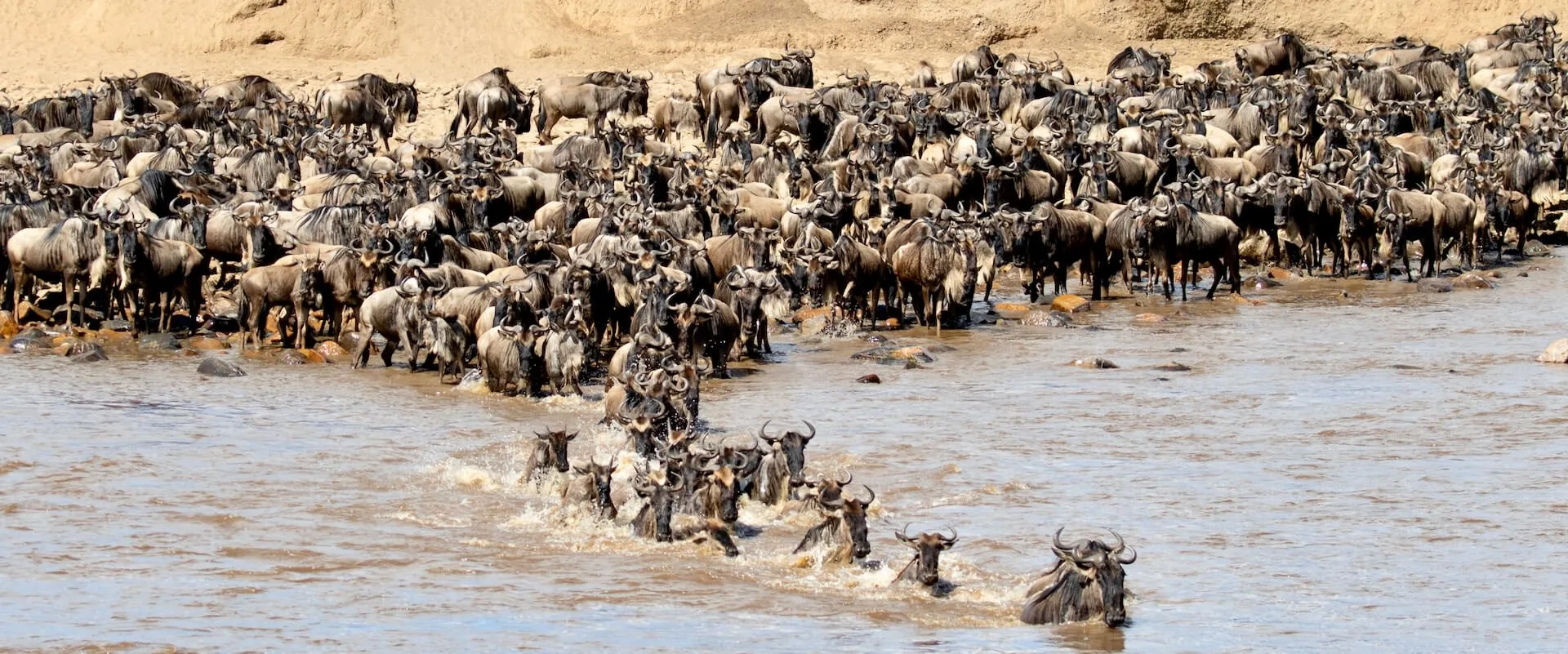
The Great Migration in Africa happens all year because the herds continuously circulate through the Serengeti–Mara ecosystem in…
Read article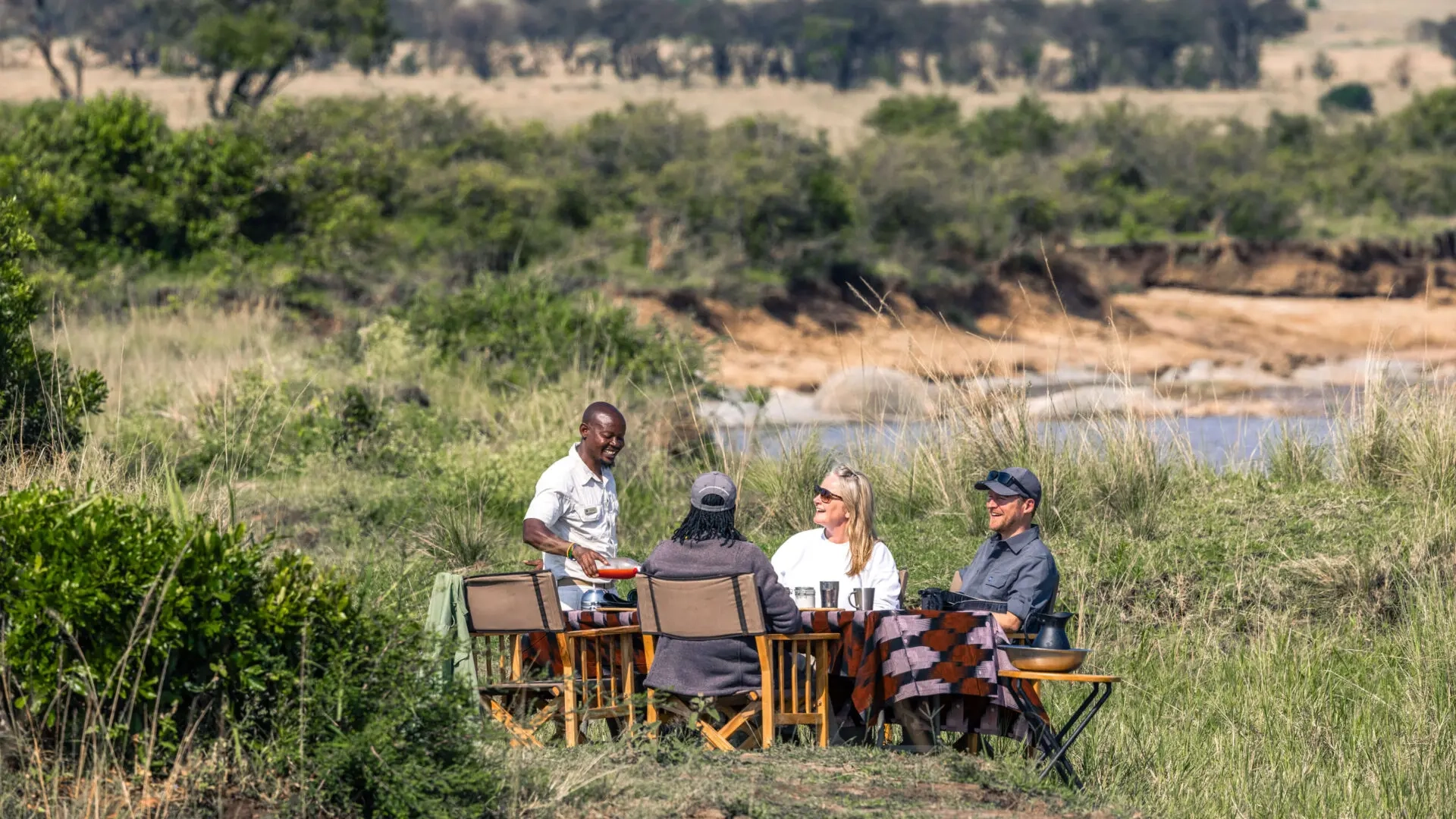
Definitive answer: A picnic lunch on safari is a packed or catered midday meal eaten at an approved…
Read article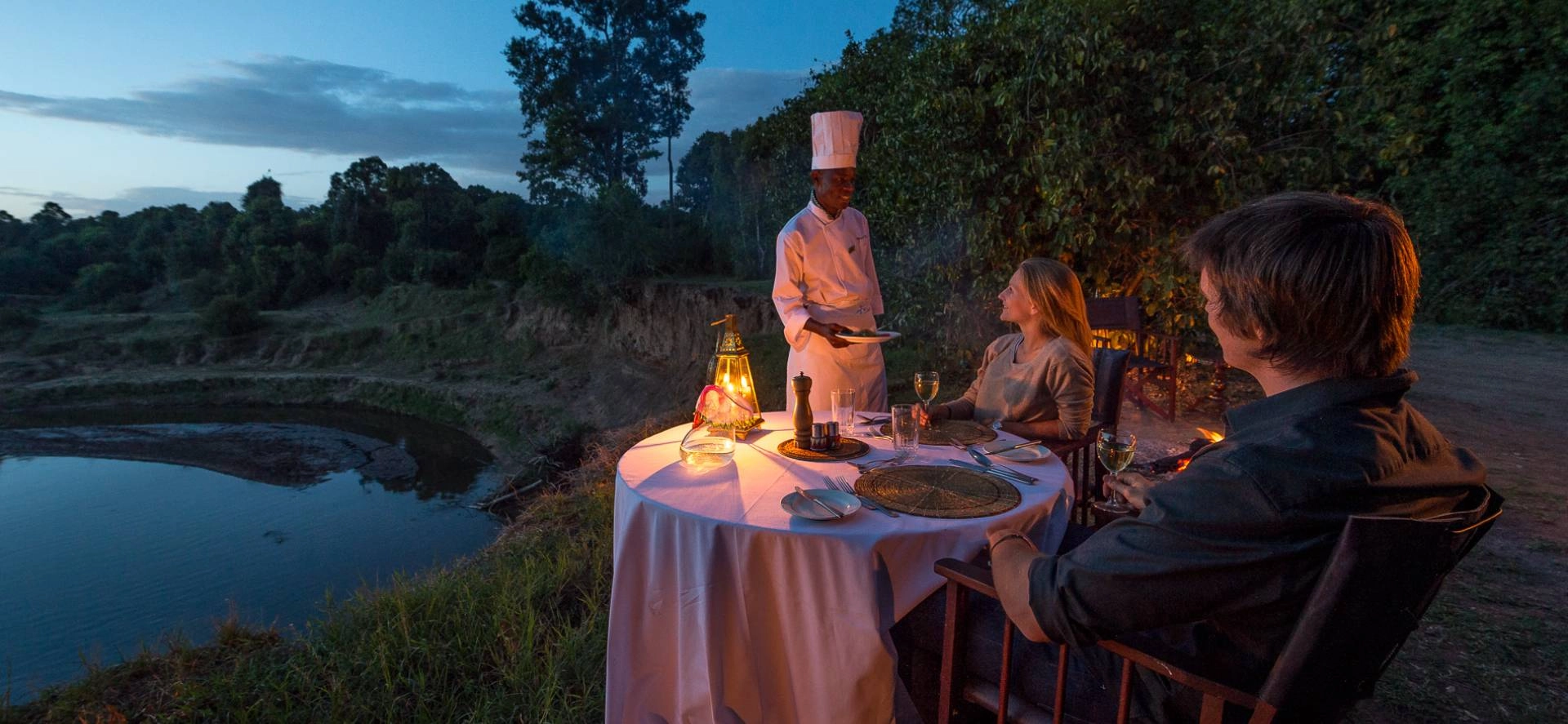
Definitive answer: A bush dinner is an outdoor evening meal arranged in a safe safari setting away from…
Read articleLet us take you closer to the wildlife, people and places that make Africa extraordinary.
Plan Your Safari Today