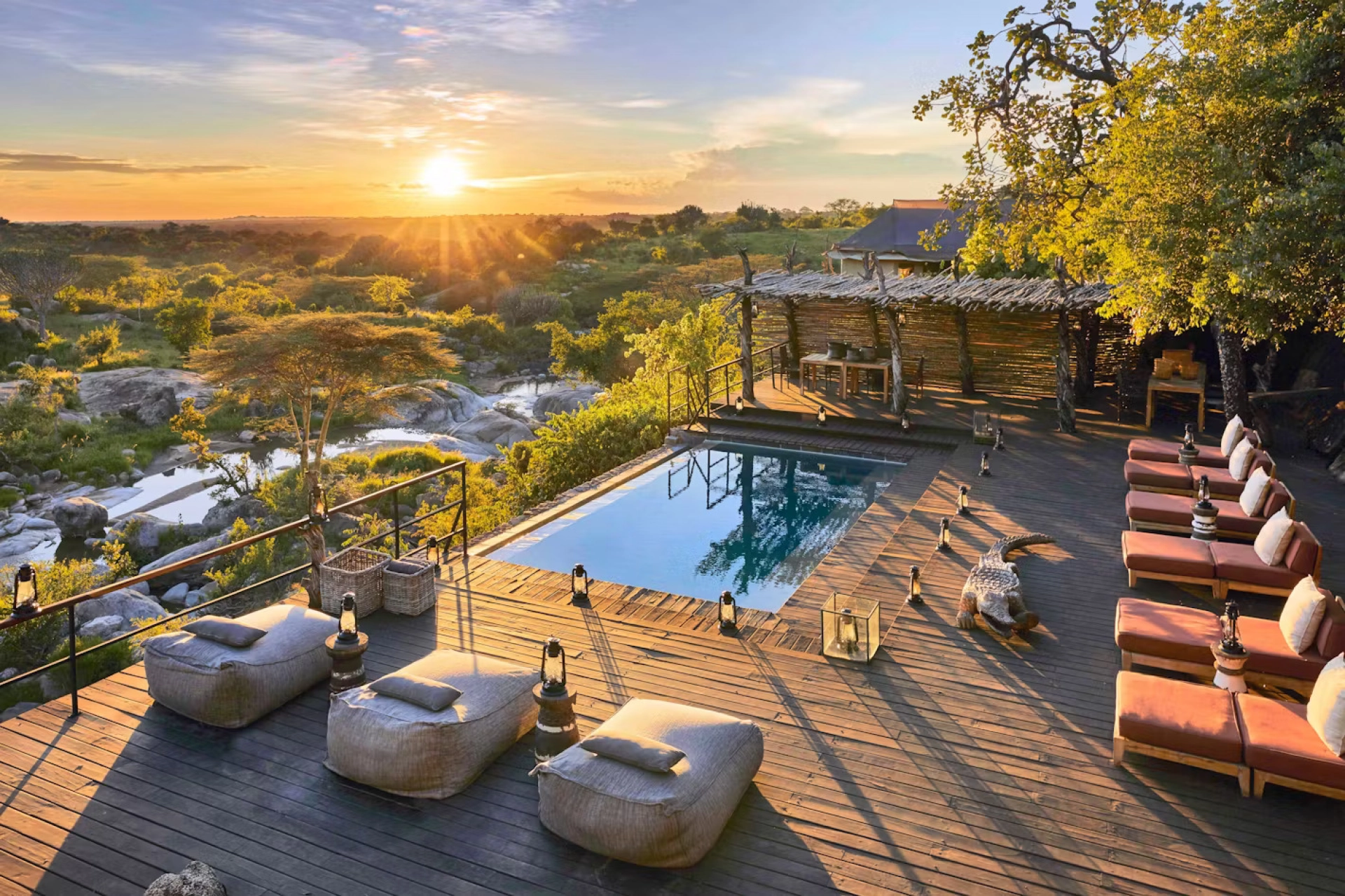
What should I look for when booking a luxury African safari?
When booking a luxury African safari, look beyond the room and compare the quality of guiding, wildlife location,…
Read article

Travel Guide
When travellers begin researching a Kenya safari, the same celebrated names usually appear first: the Masai Mara National Reserve, Amboseli National Park, Lake Nakuru and perhaps Samburu. Tsavo may appear somewhere further down the itinerary, often…
When travellers begin researching a Kenya safari, the same celebrated names usually appear first: the Masai Mara National Reserve, Amboseli National Park, Lake Nakuru and perhaps Samburu. Tsavo may appear somewhere further down the itinerary, often treated as a convenient wildlife stop between Nairobi and the Indian Ocean. That treatment seriously underestimates what a Tsavo West Kenya safari can offer.
Tsavo West is not merely another place to look for lions and elephants. It is one of Kenya’s most visually distinctive wilderness areas, a landscape where volcanic lava fields meet wooded hills, spring-fed oases, open savannah, rocky ridges and distant mountain horizons. Wildlife can require more patient searching than in some open-grassland reserves, but that is precisely part of Tsavo West’s character. Instead of scanning endless plains where animals can sometimes be visible from kilometres away, visitors explore a layered and often dramatic environment where every bend in the track can reveal something different.
One moment you may be driving across dry reddish earth surrounded by thorn bush. An hour later, you can be standing beside the remarkably clear waters of Mzima Springs, watching hippos and vervet monkeys in vegetation so green that it appears almost disconnected from the dry country surrounding it. Continue deeper into the park and the landscape changes again around the stark volcanic formations of the Shetani Lava Flow, the hills around Chaimu, rocky viewpoints and the wilderness stretching toward the Tanzania border.
Officially, Tsavo West covers approximately 9,065 square kilometres and forms part of the much larger Tsavo conservation landscape together with Tsavo East and neighbouring wildlife areas. Kenya Wildlife Service highlights Mzima Springs, the volcanic landscapes, viewpoints, diverse birdlife and rhino conservation among the park’s notable attractions. Yet statistics alone cannot explain why Tsavo West deserves several days rather than a rushed overnight stop. The park works particularly well for travellers who value scenery as much as animal numbers, photographers looking for animals within dramatic environments, repeat safari visitors who want something less predictable than the classic open-plains experience, and travellers combining Nairobi, Amboseli, Tsavo and the Kenya Coast.
This comprehensive guide explains what makes Tsavo West special, where its major attractions are located, which animals you can see, when to visit, where to stay, how it compares with Tsavo East and how to incorporate the park into a wider Kenya safari itinerary.
Tsavo West is located in southeastern Kenya within the broader Tsavo ecosystem. The Nairobi–Mombasa transport corridor separates it from Tsavo East National Park, creating two administratively distinct parks that are ecologically connected through the wider conservation landscape. Travellers sometimes assume Tsavo East and Tsavo West offer essentially the same safari experience. They do not. Tsavo East is famous for enormous open spaces, the Galana River, extensive semi-arid plains and the iconic sight of elephants coated in red Tsavo dust. Tsavo West feels more topographically varied. Hills, rocky formations, lava flows, springs, woodland and volcanic features repeatedly change the character of the safari.
That variety makes Tsavo West especially attractive when combined with other Kenyan destinations. If you have already spent several days looking across the open grasslands of the Masai Mara, the ruggedness of Tsavo West creates a refreshing contrast. If you are coming from Amboseli National Park, known for its elephant herds and views toward Kilimanjaro, Tsavo West introduces a more enclosed and adventurous wilderness.
Wildlife concentrations are important when choosing a safari, but landscape affects how you remember the animals. Seeing an elephant against an empty road is memorable. Seeing one walking between dark volcanic rock, green hills and enormous skies can be unforgettable. Tsavo West provides these environmental layers exceptionally well. Volcanic activity has shaped much of the surrounding region. Lava fields remain visible across sections of the park and neighbouring Chyulu landscape. Rocky hills interrupt flatter areas, creating viewpoints that help travellers understand just how vast Tsavo really is.
The diversity continues around permanent water. In a predominantly dry landscape, Mzima Springs creates a remarkably lush oasis. Vegetation becomes dense and green. Monkeys move through the trees. Fish inhabit the clear water. Hippos and crocodiles may be seen around the pools and channels. This transition from dry bush to spring-fed greenery can occur within a relatively short drive, making Tsavo West feel less like one park and more like several ecosystems stitched together.
For many visitors, Mzima Springs becomes the most memorable non-game-drive attraction in Tsavo West. Water emerging here originates from the volcanic highlands and underground catchments associated with the Chyulu region. The springs produce a permanent source of clear freshwater in an otherwise seasonally dry environment. Kenya Wildlife Service identifies Mzima Springs as one of Tsavo West’s defining attractions.
The immediate visual contrast is striking. After hours of driving through dusty bushland, visitors suddenly enter a much greener environment where palms and thick riparian vegetation line clear pools. Hippos are among the animals most associated with Mzima. Depending on their position and water conditions, visitors may see them resting in deeper sections or surfacing periodically to breathe. Crocodiles also inhabit the aquatic system.
Monkeys and numerous birds occupy surrounding vegetation. The springs demonstrate an important ecological lesson: in dry African landscapes, reliable water can create an extraordinary concentration of life. A good guide will therefore treat Mzima not simply as a sightseeing stop but as an opportunity to explain how geology, groundwater, vegetation and wildlife interact.
Few attractions give Tsavo West a stronger sense of geological drama than the Shetani Lava Flow. The dark, rough lava contrasts sharply with surrounding vegetation and reminds visitors that the landscape they are exploring has been shaped by powerful volcanic forces. The name “Shetani” is commonly associated with the Swahili word for devil or spirit, reflecting the dramatic appearance of the lava and traditional interpretations of volcanic activity. Walking or viewing designated sections reveals a harsh environment.
Plants slowly colonise spaces between rocks. Heat radiates from dark surfaces under strong sunlight. The broken terrain seems almost lunar compared with the greener areas elsewhere in the park. For safari travellers accustomed to thinking primarily about wildlife, the lava flow is a reminder that African safari landscapes can be as interesting as the animals themselves.
Tsavo West contains several elevated areas from which visitors can appreciate the scale of the park. Chaimu Hill, volcanic hills and viewpoints such as Poacher’s Lookout and Roaring Rocks are associated with panoramic perspectives across the broader landscape. Kenya Wildlife Service lists these scenic features among the park’s major visitor attractions. The value of a viewpoint becomes particularly clear after spending hours driving through bush. From road level, vegetation can make it difficult to understand the enormous distances involved. Climb or drive to an elevated position and suddenly the landscape opens. Ridges extend across the horizon.
Dry plains merge with green patches. On exceptionally clear days, distant mountains may become visible. For photographers, these are valuable places to move beyond close wildlife portraits and create broader images that show animals within their environment.
Tsavo West supports a broad range of large mammals. Travellers may encounter African elephants, lions, leopards, buffaloes, giraffes, zebras, impalas, kudus, waterbuck, warthogs, baboons, vervet monkeys and numerous smaller species.
Rhino conservation is another important aspect of Tsavo West. However, wildlife viewing here should be approached with the right expectations. The park’s thick vegetation can make animals harder to locate than in the Masai Mara or Ngorongoro Crater. That does not mean wildlife is absent. It means guides must work. Tracks matter. Fresh dung matters. Alarm calls matter. The direction of other safari vehicles may provide clues. A good Tsavo game drive often feels like genuine searching rather than simply moving from one visible animal to another. For many experienced safari travellers, this is deeply rewarding.
Elephants are strongly associated with the entire Tsavo ecosystem. The famous red elephants of Tsavo are not a separate subspecies. Their reddish appearance results largely from dust and soil coating their skin after bathing, dusting and moving through the landscape. Tsavo’s iron-rich earth creates particularly dramatic colouring. After a dust bath, an elephant may appear almost terracotta against green vegetation. Photographically, this is one of the most distinctive wildlife sights in Kenya. Family herds may move between feeding areas and water sources.
Large bulls can also be encountered alone or in smaller groups. The scale of the conservation landscape is important for elephants because these animals require enormous areas over which to move.
Tsavo’s lions occupy a special place in Kenyan history because of the famous Tsavo man-eaters associated with construction of the Uganda Railway in 1898. Today, lions remain among the park’s major predators. Seeing them is never guaranteed. Dense vegetation means lions can disappear astonishingly quickly. Early morning and late afternoon are generally productive times to search because cooler temperatures encourage activity. Guides may look for fresh tracks on sandy roads or listen for alarm calls from herbivores. A lion encounter in Tsavo often feels especially satisfying because finding the animals can require patience.
Leopards inhabit Tsavo but are naturally elusive. The park’s rocky areas, woodland and bush provide excellent cover. A leopard may be only a few metres from a road yet remain completely invisible. This makes sightings particularly valuable. Early mornings and late afternoons can produce opportunities when leopards move between resting and hunting areas. Visitors staying several nights have a better chance than those racing through the park during one short game drive.
African buffaloes occur in Tsavo West and may appear individually, in bachelor groups or larger herds. They are often associated with water and productive grazing. Mature bulls are impressive animals. Their heavy horn bosses and powerful bodies give them the unmistakable appearance that helped make buffalo one of the traditional Big Five safari animals. When encountered on game drives, travellers should remember that buffalo deserve considerable respect. Guides maintain appropriate distances, particularly where animals appear stressed or where visibility is limited.
Rhino conservation has long been associated with Tsavo West, and Kenya Wildlife Service identifies the park’s rhino sanctuary as a major attraction. Travellers should nevertheless understand an important principle about rhinoceros safaris: protected populations are managed according to conservation priorities, and wildlife sightings should never be treated as guaranteed attractions. Seeing a rhino in the Tsavo ecosystem is significant precisely because these animals have faced enormous historical poaching pressure. A responsible guide should explain the conservation context rather than simply presenting the animal as another Big Five photograph.
Not every safari highlight needs to involve a predator. Tsavo West’s herbivore community gives game drives their rhythm. Giraffes move elegantly between thorn trees. Impalas gather in open patches. Kudus appear and disappear among vegetation. Waterbuck often remain closer to reliable water. Zebras provide bold patterns against dusty landscapes. Warthogs kneel to graze. Baboons and vervet monkeys occupy rocky areas and riverine trees.
Spending time observing these common species reveals behaviour easily missed when travellers focus only on lions. Safari quality improves enormously once the question changes from “What animal is next?” to “What is this animal actually doing?”
Tsavo West is exceptionally rewarding for birding. Kenya Wildlife Service reports more than 600 recorded bird species in the broader park context, highlighting its importance for birdwatchers. The habitat variety explains this richness. Wetland areas around springs and Lake Jipe attract species different from those occupying open savannah. Woodland supports hornbills, barbets, woodpeckers and other birds. Raptors patrol open country. Migratory species add further diversity during appropriate seasons. For travellers who have never considered themselves birdwatchers, Tsavo can change perceptions quickly.
A colourful roller, enormous eagle or group of hornbills crossing the road can become as memorable as a mammal encounter.
Lake Jipe, straddling the Kenya-Tanzania border area, is another ecologically significant part of the Tsavo West landscape. Kenya Wildlife Service identifies it as a transboundary lake with important birding and aquatic value.
This part of the park receives fewer visitors than the most accessible central areas. That relative isolation can appeal strongly to travellers seeking quieter experiences. Wetlands around the lake support birdlife and create a dramatically different habitat from the dry bush elsewhere. In an itinerary with sufficient time, including less-visited sections such as Lake Jipe adds considerable depth.
A Tsavo West game drive is rarely a simple procession of animals. The road bends. Vegetation hides views. You search. The guide slows beside tracks. Everyone studies a patch of bush where something moved. Perhaps nothing appears. Twenty minutes later, the vehicle reaches an opening and suddenly elephants emerge. This rhythm is important. Modern safari marketing can create unrealistic expectations that wildlife should appear constantly. Real wilderness does not operate that way. In Tsavo, periods of searching make sightings more rewarding.
The landscape remains interesting even when animals are temporarily hidden. That combination creates an adventurous quality increasingly difficult to find in heavily visited safari destinations.
Travellers frequently ask whether they should choose Tsavo West or Tsavo East. Ideally, visit both. They complement one another extremely well. Tsavo East generally feels more open and expansive. Its broad landscapes can make wildlife easier to see in certain areas. The Galana River creates an important ecological corridor. Red-dusted elephants are iconic. Tsavo West is more varied topographically. Its springs, volcanic landscapes, hills and denser vegetation create greater scenic complexity. A combined safari provides a much richer understanding of the Tsavo ecosystem. If time allows, spend at least two nights in each rather than trying to see both on a single rushed transit.
Amboseli National Park is much smaller and famous for concentrated elephant viewing and iconic Kilimanjaro scenery. Tsavo West is dramatically larger and wilder. Wildlife may require more searching. Landscapes are more varied. Amboseli is excellent when travellers prioritise elephants and photography. Tsavo West suits those wanting a stronger sense of wilderness, geology and exploration. Combining the two is better than treating them as competitors. The route between them forms one of Kenya’s most rewarding southern safari circuits.
The Masai Mara is one of Africa’s greatest wildlife-viewing destinations.
Its open landscapes can produce exceptional predator sightings and, seasonally, dramatic concentrations associated with the wider wildebeest migration. Tsavo West offers something different. There are fewer vehicles in many areas. Landscapes are rougher and more varied. The safari feels less concentrated and more exploratory. First-time travellers with limited time may still prioritise the Mara. Repeat visitors or travellers combining safari with the coast should seriously consider Tsavo West.
Tsavo West can be visited throughout the year, but conditions change seasonally. Broadly dry periods tend to make wildlife more dependent on permanent water sources. Vegetation becomes less dense in some areas, potentially improving visibility. Road conditions can also be easier. Rainier periods transform the park. Dust settles. Vegetation becomes green. Wildflowers and fresh growth appear. Birdlife can be excellent. Photography benefits from dramatic skies and richer colours. The disadvantage is that some roads may become muddy and vegetation can make animals harder to see. The “best” season therefore depends on what you value.
These months can be relatively warm and often provide good safari conditions between heavier rainy periods, though annual patterns vary. Water availability and vegetation depend on preceding rainfall. Photographers may enjoy a mix of greener landscapes and usable roads.
This period traditionally overlaps with the longer rains. Rainfall can transform the park into a surprisingly green landscape. Visitor numbers may be lower. Road conditions can become more challenging, and travellers should choose appropriate vehicles. For experienced safari visitors who enjoy atmosphere and do not require perfect predictability, this can be rewarding.
The broadly drier months are popular. Wildlife increasingly depends on permanent water. Vegetation may thin. Morning temperatures can be pleasant, with warmer afternoons. July through September can provide particularly good general safari conditions. By the end of the dry season, landscapes may become dusty, but animal concentrations around water can improve.
Short rains often begin greening the landscape. Bird activity increases. Conditions vary considerably between years. This can be an attractive period for visitors wanting fresher scenery without travelling during the longer wet season.
One night is possible. Two nights are much better. Three nights allow the park to begin revealing itself properly. With only one overnight stay, much of your time disappears into arrival, check-in and departure. A three-day Tsavo West safari provides opportunities for several game drives plus Mzima Springs and scenic attractions. Travellers combining Tsavo West with Tsavo East should consider at least four to five nights across the two parks. Longer stays benefit photographers and anyone specifically hoping to find predators.
Tsavo West offers accommodation across multiple categories, from campsites to comfortable safari lodges and high-end tented camps. Kenya Wildlife Service lists public and special campsites as well as established private properties within the park. Budget travellers can consider camping or modest accommodation around the wider ecosystem. Mid-range travellers have several established lodges offering private rooms, restaurants and good access to game-drive areas. Luxury camps provide more personalised service and immersive bush settings. When comparing properties, location matters almost as much as room quality.
A beautifully appointed lodge far from the areas you intend to explore can reduce safari time.
Camping offers one of the most immersive ways to experience the park. After sunset, the atmosphere changes completely. Artificial noise fades. Insects and nocturnal birds become audible. Hyenas or lions may call in the distance. Because wildlife areas require strict safety procedures, campers must follow official regulations carefully. Food needs to be stored correctly. Walking after dark may be restricted. Fires must be controlled. Camping suits adventurous travellers but should not be confused with casual recreational camping in a fenced holiday park.
Tsavo West can be reached by road from Nairobi, commonly as part of an itinerary moving southeast toward Amboseli, Tsavo East or the coast. Travel times depend on the chosen gate, road conditions and traffic. A major advantage of a private Kenya road safari is that the journey can become part of the experience rather than wasted transfer time. Guides can explain changes in landscape, agriculture and local communities as the route moves away from Nairobi.
The park is particularly attractive for travellers combining Kenya safari and beach holidays. From coastal areas around Mombasa, Diani and neighbouring destinations, Tsavo can be integrated into a relatively practical road circuit. This creates one of Kenya’s strongest holiday combinations. Spend several days observing elephants, lions and buffaloes, then finish beside the Indian Ocean. Alternatively, begin with the coast and end with safari before departing from Nairobi.
One of the best southern Kenya itineraries begins in Nairobi. Travel to Amboseli National Park for elephants and Kilimanjaro views. Continue toward Tsavo West for Mzima Springs, volcanic scenery and wilderness. Cross into Tsavo East for open landscapes and red elephants. Then continue toward the coast. This route minimises unnecessary backtracking and gives travellers several completely different ecosystems.
Tsavo West deserves attention from serious wildlife photographers because its environment adds context. Instead of isolating every animal with a long telephoto lens, consider using wider compositions. Place elephants within volcanic terrain. Photograph giraffes against layered hills. Use dust, vegetation and light to create depth. At Mzima Springs, reflections and dense greenery provide completely different photographic opportunities. The reddish soil can produce excellent warm tones, especially early and late in the day.
Families can enjoy Tsavo West, particularly when the itinerary avoids excessively long daily drives. Children often appreciate Mzima Springs because the experience involves leaving the vehicle in an authorised area and exploring a different environment. Lava landscapes add educational interest. Wildlife remains central, but the park contains enough variety to prevent every day from feeling like a repeated game drive.
Families should choose accommodation with appropriate room configurations and discuss swimming-pool supervision where relevant.
Repeat visitors are perhaps the group most likely to appreciate Tsavo West deeply. Once someone has already seen lions in the Mara, elephants in Amboseli and rhinos at Lake Nakuru, priorities often change. Travellers begin looking for quieter roads. Interesting landscapes. Behaviour rather than species counts. Longer sightings without pressure to move. Tsavo delivers these qualities. It does not compete by offering the highest number of animals visible per kilometre.
It competes through scale, atmosphere and variety.
For travellers undertaking a longer East African journey, Kenya can be combined with Uganda gorilla trekking. A safari might begin in Nairobi, visit Amboseli and Tsavo, continue by regional flight to Uganda, then explore Bwindi Impenetrable National Park for mountain gorillas. Add Kibale National Park for chimpanzees and Queen Elizabeth National Park for savannah wildlife.
The result combines dramatically different African ecosystems within one holiday.
Yes, particularly as part of a wider Kenya itinerary. A first-time visitor spending only three days in Africa might prefer a wildlife-dense destination such as the Masai Mara. But someone travelling for seven to fourteen days can gain much more by combining different environments. Tsavo West teaches an important safari lesson: Wildlife is not only about abundance. It is about habitat, behaviour, searching and the relationship between animals and landscape.
Tsavo is a protected wilderness. Visitors should remain on authorised roads and follow park rules. Kenya Wildlife Service requires visitors to respect wildlife, keep appropriate distances, remain in vehicles except in designated places, avoid feeding animals and keep within official speed limits. These rules are not inconveniences. They protect both wildlife and visitors. Driving off-road damages vegetation. Crowding animals causes stress. Feeding wildlife changes behaviour. Responsible safari tourism should leave the park functioning exactly as it did before the visitor arrived.
Adventure in the Wild Safaris can integrate Tsavo West National Park into customised Kenya itineraries ranging from short wildlife trips to multi-week East African journeys. A Tsavo-focused itinerary can combine Tsavo West and Tsavo East. Travellers wanting additional variety can add Amboseli National Park. Longer journeys can include the Masai Mara, Lake Nakuru, Samburu or the Kenya Coast.
Those interested in primates can continue into Uganda or Rwanda for gorilla trekking and chimpanzee trekking. The correct route depends on the number of available days, budget, preferred accommodation level and wildlife priorities. Rather than adding parks simply to increase the itinerary length, each destination should contribute something different. Tsavo West earns its place because it genuinely does.
A Tsavo West Kenya safari rewards travellers who are willing to slow down. It is not a park designed around instant wildlife gratification. The bush can hide animals. Distances are large. Roads wind through environments that change repeatedly. Some game drives may begin quietly. Then the park reveals itself. Elephants emerge from red dust. A lion appears beside thick vegetation. Hippos surface in the astonishingly green waters of Mzima Springs. Black lava spreads across a landscape shaped by ancient volcanic forces. From a rocky viewpoint, the enormous Tsavo wilderness seems to continue beyond the horizon.
This is what makes Tsavo West special. It feels like a place rather than merely a collection of animals. For travellers who want their Kenyan safari to include geology, history, wilderness, photography, conservation and wildlife rather than simply a list of famous species, Tsavo West may become one of the biggest surprises of the entire trip. And often, those unexpected destinations are the ones travellers remember longest.
Get quick answers to the most common questions. If you still have questions, our safari experts are here to help.
Yes. Tsavo West is particularly worthwhile for travellers who enjoy dramatic scenery, large wilderness areas, elephants, volcanic landscapes and varied safari experiences.
The park is famous for Mzima Springs, volcanic landscapes, the Shetani Lava Flow, rhino conservation, scenic viewpoints, elephants and the broader historical legacy of Tsavo.
The broader park supports major Big Five species, although individual sightings should never be guaranteed. Dense vegetation can make some species difficult to locate.
Lions occur in Tsavo West, but sightings can require more patience than in open-grassland parks.
Rhino conservation is an important part of Tsavo West. Sightings depend on location and conservation-management conditions.
Two nights is a practical minimum for most travellers. Three nights provides a more complete experience.
Neither is universally better. Tsavo West offers greater scenic and geological variety, while Tsavo East is generally more open and expansive. Combining them is ideal.
Yes. Amboseli and Tsavo West form an excellent southern Kenya safari combination.
Absolutely. Tsavo’s location makes it one of Kenya’s best safari destinations for combining wildlife with Mombasa, Diani or other Indian Ocean areas.
Yes. Habitat diversity supports outstanding birdlife, with Kenya Wildlife Service recording more than 600 bird species in the park.
Our safari experts are here to help you plan your safari. Get personalized advice, the latest information and a free, no-obligation quote.
We typically reply within a few hours.

Share This Article
When booking a luxury African safari, look beyond the room and compare the quality of guiding, wildlife location,…
Read article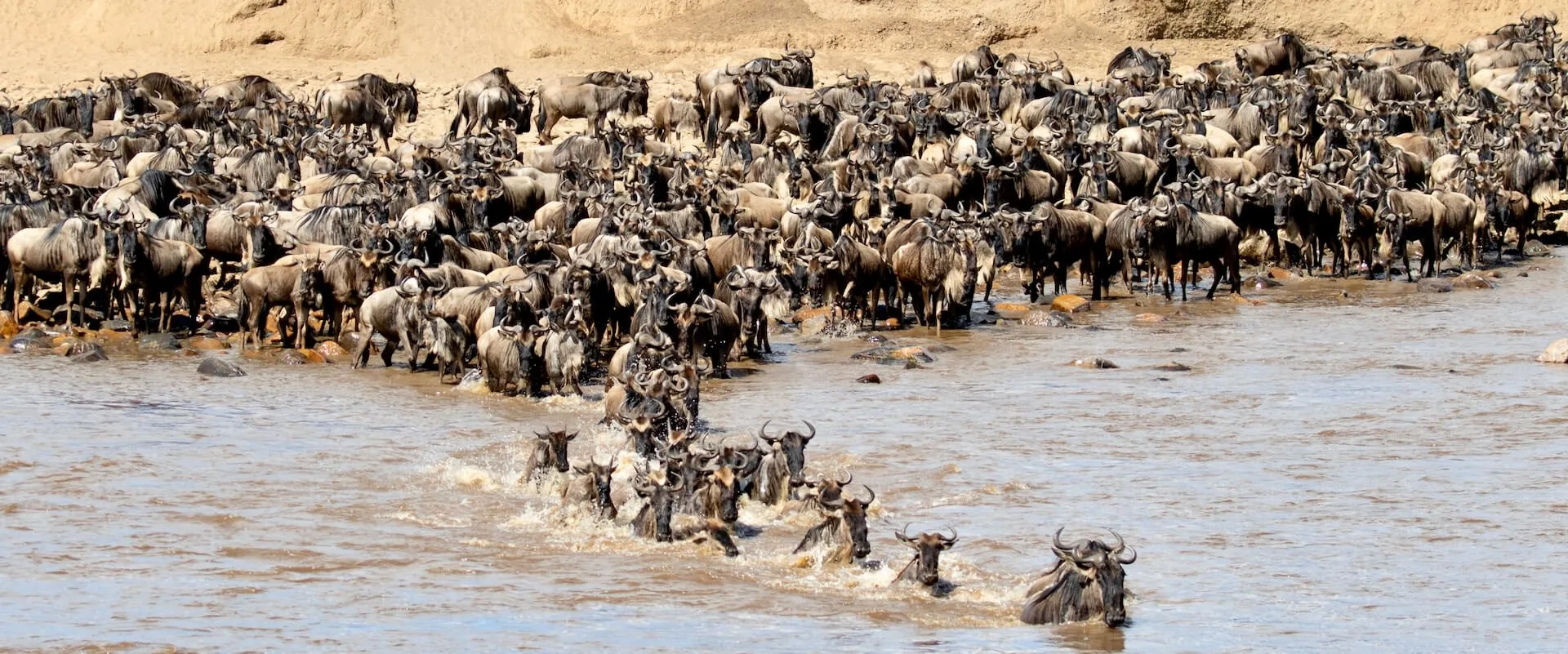
The Great Migration in Africa happens all year because the herds continuously circulate through the Serengeti–Mara ecosystem in…
Read article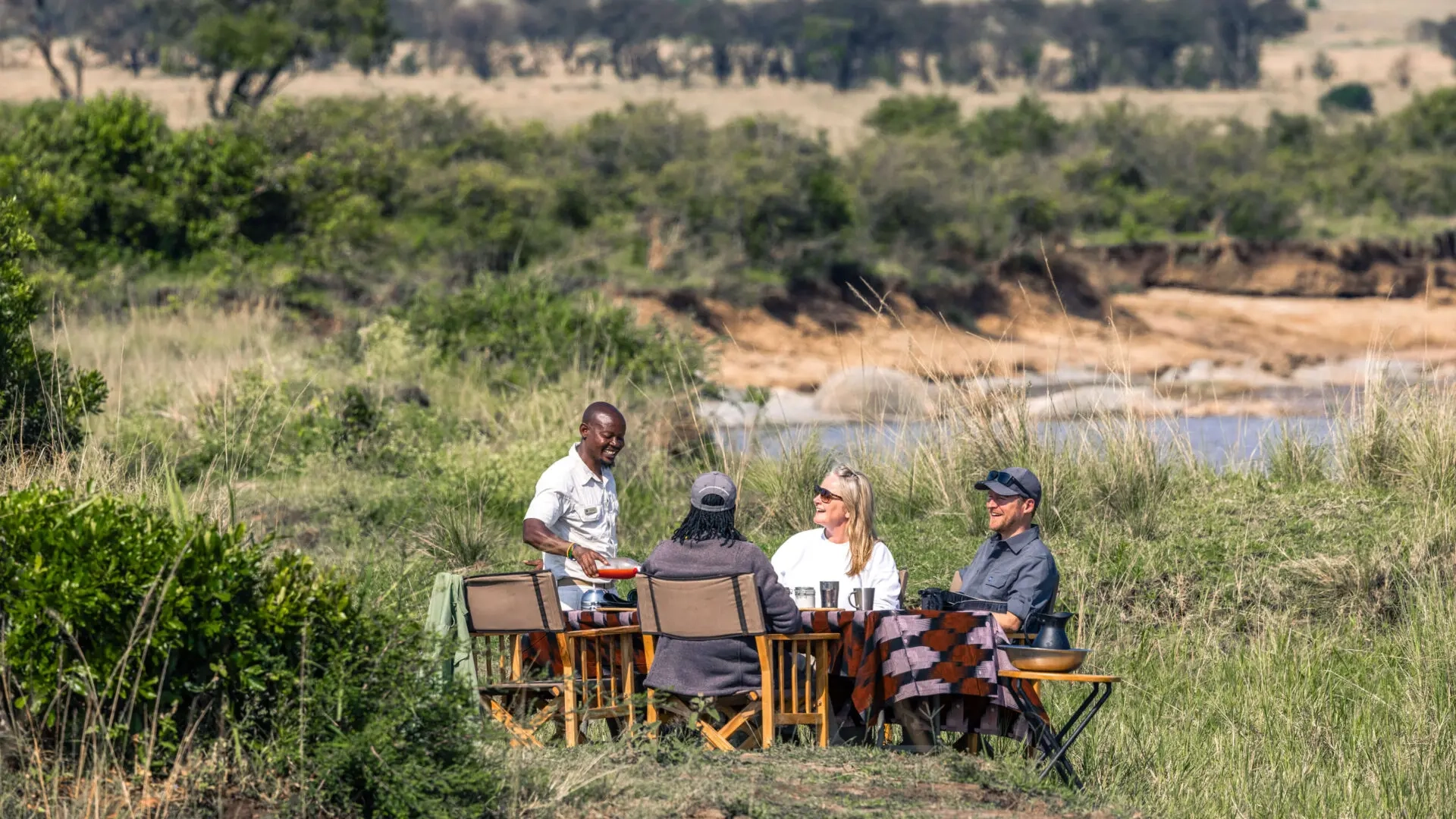
Definitive answer: A picnic lunch on safari is a packed or catered midday meal eaten at an approved…
Read article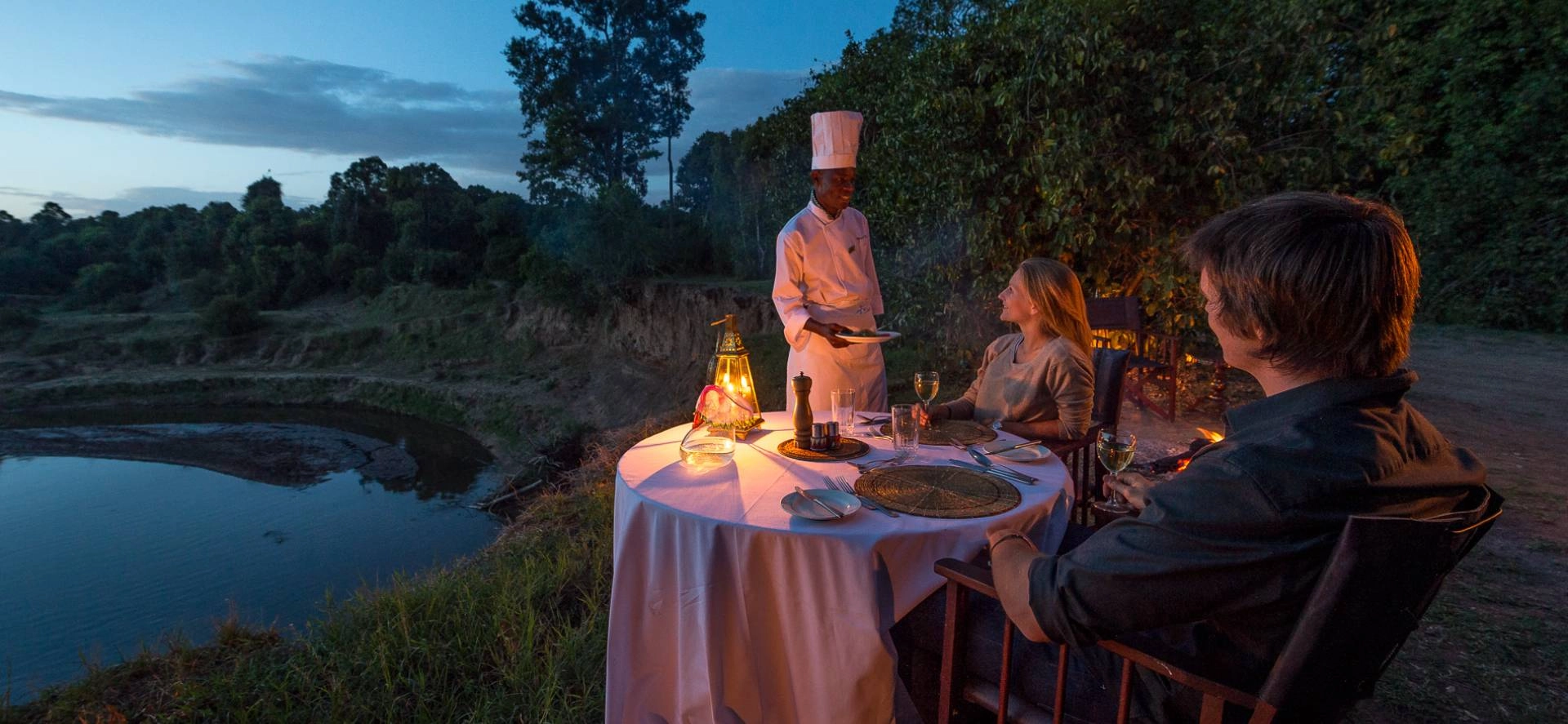
Definitive answer: A bush dinner is an outdoor evening meal arranged in a safe safari setting away from…
Read articleLet us take you closer to the wildlife, people and places that make Africa extraordinary.
Plan Your Safari Today