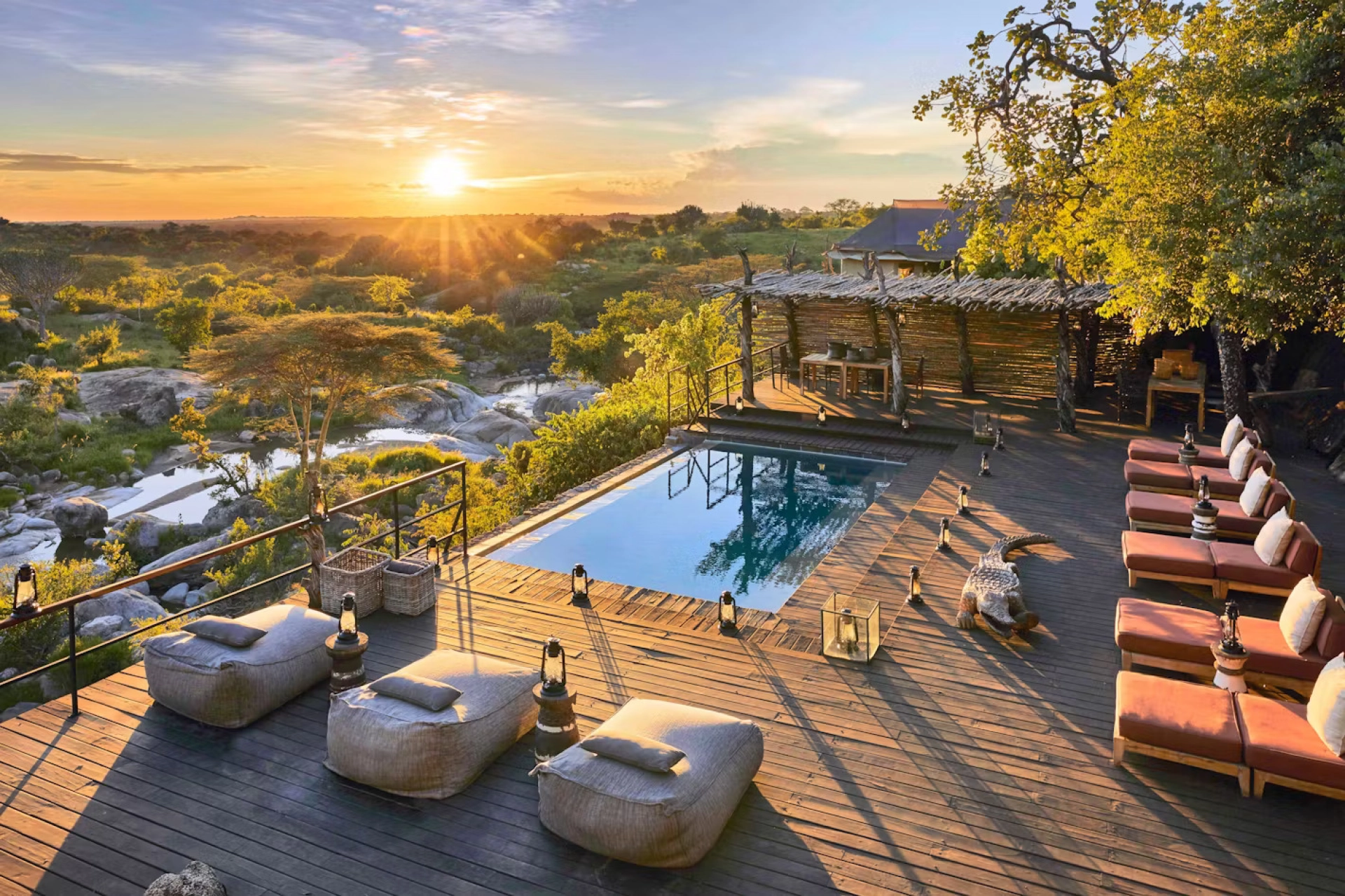
What should I look for when booking a luxury African safari?
When booking a luxury African safari, look beyond the room and compare the quality of guiding, wildlife location,…
Read article

Travel Guide
Kruger National Park is not a destination that can be reduced to one kind of safari. One traveler may explore the park independently in a rental vehicle, staying in national park rest camps and preparing meals…
Kruger National Park is not a destination that can be reduced to one kind of safari. One traveler may explore the park independently in a rental vehicle, staying in national park rest camps and preparing meals beside a bungalow. Another may spend a week at an exclusive private lodge where professional rangers and trackers lead twice-daily game drives. A photographer may reserve an entire safari vehicle to wait for leopards in perfect evening light, while an adventurous visitor may walk through the bush with armed guides and experience Kruger from ground level. All of them are on a Kruger safari, but the experiences are dramatically different. This flexibility is one of the main reasons the Kruger National Park and Greater Kruger region remain among Africa’s most popular safari destinations. The enormous ecosystem supports the Big Five—lion, leopard, elephant, rhino and buffalo—alongside cheetahs, African wild dogs, giraffes, zebras, hippos, crocodiles, hyenas, numerous antelope species and an extraordinary diversity of birds. For first-time travelers, however, the number of choices can be confusing. Should you self-drive or hire a guide?
Is it better to stay inside Kruger National Park or in a private reserve? What is the difference between Kruger and Greater Kruger? Are luxury safari lodges worth the extra cost? Can families take children? What is a walking safari? Which type of Kruger safari gives photographers the greatest flexibility? This detailed guide to the types of Kruger National Park safari adventures explains the main options so you can choose a Kruger safari tour that matches your budget, interests and travel style.
Before comparing safari types, it is important to understand the geography.
Kruger National Park is the famous public national park managed as part of South Africa’s protected-area system. It covers an enormous region of northeastern South Africa and contains an extensive network of paved and gravel roads, rest camps, picnic sites, waterholes and gates. Visitors can drive themselves on designated roads or join guided activities. The Greater Kruger concept extends beyond the official national park boundary. Several adjoining private reserves form part of the wider ecosystem. In important areas, fences between Kruger and neighboring reserves have been removed, allowing wildlife to move across a much larger landscape.
This means an elephant, lion or leopard does not understand whether it is currently inside the national park or a private reserve. For the traveler, however, the tourism experience can differ considerably. Private reserves generally offer lodge-based guided safaris, lower vehicle density and greater flexibility in certain wildlife-viewing situations. Understanding this distinction is essential when choosing among the different Kruger safari packages.
The self-drive safari is one of the experiences that makes Kruger unusual among Africa’s premier wildlife destinations.
Visitors can rent a suitable vehicle, enter through a park gate and explore the road network independently. For confident drivers, this provides exceptional freedom. You choose when to stop, how long to remain at a waterhole and which roads to explore. There is satisfaction in finding wildlife without relying on a guide. A distant shape beneath a tree becomes your leopard discovery. A cluster of stationary vehicles may reveal lions beside the road. Fresh elephant dung suggests a herd may be nearby. The entire landscape becomes a puzzle.
Cost is one of the greatest advantages.
Sharing a rental vehicle between two or more travelers can make self-drive Kruger substantially more affordable than a private lodge safari. Flexibility is another. You are not committed to a fixed game-drive schedule. If you love birds, you can stop for twenty minutes beside a hornbill. If elephants gather at a waterhole, you can remain until they leave. Self-driving also works particularly well for repeat safari travelers who already understand basic wildlife behavior.
The greatest disadvantage is the absence of professional interpretation.
Experienced safari guides recognize tracks, alarm calls and subtle behavioral signs that visitors may miss completely. A leopard hidden fifty meters from the road may be obvious to a trained guide but invisible to a first-time traveler. Drivers must also divide their attention between the road and wildlife. Another limitation is that self-drive vehicles must remain on designated public roads. You cannot simply follow an animal away from the road.
Self-drive works well for independent travelers, repeat visitors, road-trip enthusiasts and budget-conscious safari guests.
It is also excellent for people who enjoy discovering wildlife themselves rather than having every sighting located by a professional.
For many first-time visitors, a guided Kruger safari provides the best balance between accessibility, expertise and cost. Open safari vehicles provide elevated seating and excellent visibility. A professional guide handles navigation while guests concentrate entirely on wildlife.
A good safari guide does far more than identify animals. Guides interpret tracks, dung, bird alarm calls and predator behavior. They understand territories and seasonal movement. They know which waterholes have recently been productive. They communicate with other guides while still respecting wildlife-viewing etiquette. Most importantly, they explain what you are seeing. Watching two elephants is interesting. Understanding why one is displaying dominance, why another is touching a calf or why the herd suddenly becomes alert transforms the sighting.
Many guided safaris operate around the periods when wildlife is most active. Morning drives may begin around sunrise. Temperatures are cooler and predators may still be active after the night. Afternoon drives take advantage of falling temperatures and changing light. Depending on where the drive operates and applicable rules, some guided activities may continue after normal public visitor hours. This can create opportunities to search for nocturnal wildlife.
For travelers seeking one of Africa’s most polished wildlife experiences, the private reserves of Greater Kruger are particularly attractive. Areas such as Sabi Sand, Timbavati, Manyeleti and other reserves associated with the Greater Kruger ecosystem offer lodge-based safaris. Guests generally stay within the reserve and participate in professionally guided morning and afternoon game drives.
Private reserves typically limit the number of safari vehicles. This can create quieter sightings. Guides may have greater flexibility than vehicles operating on public park roads, depending on reserve rules. Controlled off-road driving may be permitted for important sightings such as big cats, allowing guides to position vehicles without requiring animals to remain beside a road. Many lodges use both a ranger and tracker. The tracker may sit at the front of the vehicle, reading spoor and searching for subtle signs. This teamwork can be exceptionally effective.
High-end lodges may include spacious suites, plunge pools, fine dining, wine, spa treatments and highly personalized service. However, the greatest luxury is often not the room. It is time and space around wildlife. A lower vehicle density, skilled guiding and ability to remain quietly with a leopard can be more valuable than elaborate lodge facilities.
The Sabi Sand Nature Reserve is one of the most famous private safari areas associated with Greater Kruger. It has developed an international reputation for excellent leopard viewing. Generations of leopards have become accustomed to professionally managed safari vehicles, creating opportunities for exceptional observations. No sighting is guaranteed, but the combination of habitat, guiding and long-term knowledge of individual animals makes Sabi Sand particularly attractive to travelers prioritizing big cats.
Sabi Sand is ideal for honeymooners, photographers, first-time luxury safari travelers and visitors with limited time who want an intensive wildlife experience. It is generally more expensive than self-driving inside Kruger, but the tourism models are fundamentally different.
Timbavati Private Nature Reserve forms part of the Greater Kruger landscape and provides another excellent private safari experience. The reserve is famous historically for rare naturally occurring white lions, although travelers should never book expecting a guaranteed white-lion sighting. The broader attraction is the wilderness itself. Elephants, buffalo, lions, leopards, rhinos and numerous other animals move through the ecosystem. Timbavati can feel particularly appealing to travelers wanting high-quality guiding and private-reserve benefits without focusing exclusively on one famous reserve name.
Manyeleti Game Reserve lies within the Greater Kruger ecosystem and can offer excellent wildlife viewing. Its name is often associated with a quieter, less heavily developed safari atmosphere. Depending on the selected lodge or camp, Manyeleti may provide a valuable balance between private-reserve game viewing and a more understated accommodation style. For travelers comparing affordable Greater Kruger safaris, it deserves consideration.
Kruger does not have to be expensive. In fact, South Africa provides some of the best opportunities for an affordable Big Five safari anywhere in Africa. National park accommodation ranges from campsites and simple units to more comfortable options. Travelers can self-drive, prepare some of their own meals and control daily expenses. Scheduled group safaris provide another way to reduce costs. Transport, guiding and sometimes accommodation are shared among participants.
No. Wild animals do not know how much you paid. A traveler staying in simple accommodation may see the same lion beside a Kruger road as someone spending substantially more elsewhere. What changes with price is generally the level of service, exclusivity, guiding model, accommodation quality and flexibility. For wildlife-focused travelers, a well-designed budget safari can be extraordinarily rewarding.
A midrange Kruger safari often provides the best compromise for travelers who want comfort without paying premium private-lodge rates. Accommodation may be in comfortable lodges outside or near park gates, selected national park camps or reasonably priced private properties. Guided game drives can be included while travelers retain some flexibility. This category is particularly attractive for couples and families who value private bathrooms, good meals and comfortable beds but intend to spend most of the day exploring.
Camping creates a more immersive relationship with the African bush. At night, sounds become part of the experience. Hyenas may call in the distance. Owls vocalize. Insects create a continuous background chorus. Lions can sometimes be heard far beyond camp boundaries.
Independent travelers can use designated camping facilities where available. These provide an affordable way to experience Kruger.
Some operators arrange guided camping experiences in or around the wider region. The exact style ranges from basic participation camping to comfortable tented arrangements. Travelers should understand what equipment, bedding, meals and facilities are included before booking.
A walking safari changes the scale of the wilderness. Inside a vehicle, travelers naturally focus on large mammals. On foot, tracks, plants, insects, dung, bones and sounds become important. An elephant footprint suddenly looks enormous. Fresh leopard spoor creates immediate excitement. A small bird alarm call may indicate something hidden ahead.
Walking activities are led by appropriately trained professionals under applicable park or reserve regulations. Guides understand animal behavior and carry the necessary safety equipment. Guests must follow instructions carefully. Walking safari participants should never expect guides to approach dangerous wildlife closely simply for photographs. The objective is to experience the ecosystem respectfully.
Longer wilderness trails take the walking concept further. Rather than completing a short bush walk and returning immediately to a lodge, travelers may spend extended periods in remote areas. These experiences are particularly attractive to repeat safari visitors who want to understand Kruger beyond conventional game drives. The emphasis shifts from maximizing the number of animal sightings to experiencing wilderness. Silence, tracks, landscapes and the awareness of moving through genuine wildlife habitat become central.
Kruger is an outstanding wildlife photography destination. Large mammals, predators, birds and varied landscapes provide endless subjects. However, a specialist photographic safari differs from a normal game drive. Photographers need time. The first photograph of a leopard is rarely the best one. Light changes. The animal may move. It may look toward the camera, interact with another leopard or descend from the tree. A general safari vehicle may leave after several minutes. A private photographic vehicle can wait.
Serious photographers should consider reserving a private vehicle. This provides control over positioning and pace. Guests can ask the guide to consider sun angle and background. Vehicle space also matters because large telephoto lenses require room.
A telephoto lens is useful for wildlife. A shorter zoom or wide-angle lens helps capture elephants at close range and landscapes. Beanbags or other stable supports can improve sharpness. Extra batteries and memory cards are essential. Dust protection is valuable during dry periods.
Kruger is one of southern Africa’s great birding destinations. Hundreds of species occur across the park’s varied habitats. Hornbills, rollers, bee-eaters, kingfishers, eagles, vultures, storks and numerous smaller birds ensure that game drives remain interesting even when large mammals are temporarily quiet.
Many species are conspicuous. Large hornbills and colorful rollers are relatively easy to appreciate. Raptors may perch beside roads. Waterholes attract multiple species. The park therefore provides an excellent environment for travelers who want to become more interested in birdwatching.
Dedicated birders should consider private guiding. A specialist guide will listen for calls and stop for species that general-interest vehicles might pass. Northern and southern sections of Kruger support somewhat different bird communities, making longer itineraries especially rewarding.
South Africa is one of Africa’s strongest family safari destinations. Road infrastructure, accommodation variety and relatively straightforward logistics make Kruger accessible. Children often respond enthusiastically to wildlife. Seeing an elephant beside the road is more immediate than learning about it from a book. However, family safaris should be designed according to children’s ages.
A private vehicle can be particularly useful. Children may become tired during long game drives. Parents can request shorter outings or return to the lodge without affecting other guests. Guides can also adapt interpretation to younger travelers.
Some walking safaris, shared game drives and lodge activities have minimum-age requirements. These vary by operator. Families should confirm restrictions before paying deposits.
Greater Kruger is one of South Africa’s premier honeymoon destinations. A luxury lodge combines wildlife with privacy, excellent food and romantic accommodation. Days begin with sunrise game drives. Afternoons can be spent relaxing at the lodge. Evening drives may end with drinks overlooking the bush before dinner. For couples combining safari with Cape Town or the Cape Winelands, South Africa creates a particularly varied honeymoon.
A private safari means the itinerary and vehicle are arranged specifically for your party. This can be extremely valuable. Photographers can wait at sightings. Families can adjust schedules. Birders can stop for small species. Honeymooners can avoid sharing the experience with strangers. Travelers with mobility requirements can plan activities more carefully. Private safaris generally cost more than group departures, but the flexibility can justify the difference.
Scheduled group tours reduce costs by sharing vehicles, guides and sometimes transfers. They are particularly attractive to solo travelers. A group safari also creates a social experience. Travelers from different countries share sightings and meals. The disadvantage is reduced flexibility. If one guest loves birds and another wants only predators, compromises become necessary. Before booking, ask about maximum group size and seating arrangements.
Solo travel in Kruger is entirely possible. Self-drive travelers enjoy complete independence. Scheduled tours provide companionship. Lodge-based safaris allow solo visitors to join shared game drives while retaining private accommodation. Single supplements can affect costs, but certain lodges or departures may offer better solo-traveler value than others.
Travelers with limited time can fly into airports serving the wider Kruger region and transfer to their lodge. This avoids a long road journey from Johannesburg. A fly-in Kruger safari is particularly valuable for visitors combining wildlife with Cape Town. A morning flight can potentially place travelers within the safari region the same day. The exact logistics depend on flight schedules and lodge location.
Driving from Johannesburg can be more economical. The journey also provides an opportunity to explore the wider Mpumalanga region. Travelers may incorporate scenic attractions along the Panorama Route, depending on the itinerary. For visitors with sufficient time, the road journey can become part of the holiday rather than merely a transfer.
The Panorama Route provides dramatic landscapes that contrast with wildlife viewing. Canyons, viewpoints and waterfalls can be incorporated before or after Kruger. This combination works particularly well for travelers who want more than game drives. Rather than flying directly into the reserve, they can experience northeastern South Africa’s broader geography.
One of South Africa’s classic holidays combines Kruger National Park with Cape Town. The contrast is exceptional. Kruger provides Big Five wildlife. Cape Town offers Table Mountain, beaches, restaurants, history, the Cape Peninsula and access to the Winelands. Direct or connecting flights make the combination practical. A first-time visitor with ten days might divide the holiday between safari and the Cape rather than spending the entire trip in one region.
Another popular combination links Greater Kruger with Victoria Falls. This creates a multi-country southern African itinerary combining wildlife with one of the continent’s great natural landmarks. Travelers with additional time can continue toward Botswana’s Chobe National Park or Okavango Delta. Such combinations should be designed around flight logistics rather than simply drawing a straight line on a map.
The Indian Ocean provides another excellent extension. After early morning game drives, travelers can continue toward Mozambique for beaches, diving and marine activities. A bush and beach safari balances adventure with relaxation. The ideal routing depends on the selected coastal destination and available flights or road connections.
The Big Five remain one of Kruger’s major attractions. Lions, leopards, elephants, rhinos and buffalo all occur within the broader ecosystem. However, travelers should understand that no ethical safari can guarantee all five. Wildlife moves freely. Some species are easier to locate than others. Elephants and buffalo may be conspicuous in productive areas. Leopards are naturally secretive. Rhino conservation requires particular sensitivity, and precise location information should not be shared publicly. The quality of a safari should never be measured solely by whether five species were checked off a list.
Kruger and its neighboring private reserves provide excellent predator viewing. Lions are widely distributed. Leopards can be encountered throughout suitable habitat but are particularly famous in some private reserves. Cheetahs favor more open areas. African wild dogs are among the most exciting sightings because packs range widely and can be difficult to predict. Spotted hyenas are frequently encountered and deserve far more appreciation than their popular reputation suggests.
Travelers prioritizing leopards often consider private Greater Kruger reserves, particularly areas with strong historical leopard viewing. The combination of experienced trackers, controlled off-road access where permitted and long-term knowledge of territories can improve opportunities. Still, leopards remain wild. No responsible lodge should promise a sighting.
Elephants occur widely throughout Kruger and Greater Kruger. Dry-season water sources can create excellent viewing opportunities. Observing elephant behavior is often more rewarding than simply finding a herd. Watch how calves remain protected between adults. Notice trunk communication. Observe dominance and greeting behavior. A knowledgeable guide can transform an elephant sighting into a lesson in complex social organization.
Kruger can be visited throughout the year. The dry season, broadly corresponding with the cooler southern African winter months, is popular because vegetation becomes thinner and wildlife may concentrate around water. Morning temperatures can be surprisingly cold, particularly in open safari vehicles. The summer or green season produces lush vegetation, dramatic skies, young animals and excellent birding. Rain can make some wildlife more difficult to see, but photographers often love the color and atmosphere. There is no universally perfect month. The best time depends on priorities.
A minimum of around three nights can provide a rewarding introduction, particularly in a productive private reserve. Four or five nights offer a better balance. A week allows travelers to experience different parts of the ecosystem without rushing. Self-drive visitors often benefit from longer stays because they can move between rest camps and explore different habitats. Photographers and birders may happily spend considerably longer.
Kruger’s enormous size means different regions offer different experiences. Southern Kruger generally has a reputation for productive big-game viewing and receives substantial visitor traffic. Northern regions can feel quieter and appeal strongly to birders and repeat visitors. Rather than asking which half is objectively “best,” travelers should decide whether their priority is maximum classic wildlife opportunity, wilderness atmosphere, birding or a combination.
This is one of the most important choices. Public Kruger offers affordability, independence, an enormous road network and the possibility of self-driving. Private Greater Kruger reserves emphasize guided wildlife viewing, exclusivity, lodge service and greater flexibility under reserve-specific rules. Neither is inherently superior. Some of the best South Africa itineraries combine both. A traveler might spend several nights self-driving inside Kruger and finish with two or three nights at a private lodge. This provides two very different interpretations of the same ecosystem.
For travelers who value expert guiding, low vehicle density and personalized service, it can be. The important point is understanding what you are paying for. The difference is not simply thread count and expensive food. A premium private safari may provide professional tracker teams, private concession access, flexible drives and a smaller number of vehicles. If those features matter, the price can represent real value. If you prefer independence and enjoy finding wildlife yourself, self-drive Kruger may actually be more satisfying.
Safari costs vary enormously. Self-drive camping can be relatively affordable. National park accommodation provides multiple price levels. Midrange guided packages cost more but remove logistical responsibility. Private reserves range from accessible tented camps to some of Africa’s most luxurious lodges. When comparing quotations, examine what is included. Consider accommodation, meals, conservation fees, game drives, airport transfers, drinks and private versus shared activities. A cheap headline price may exclude substantial costs.
The Kruger region is recognized as a malaria-risk area, with risk varying according to season and conditions. Travelers should obtain current advice from a qualified medical professional before departure. Individual health circumstances differ, so safari companies should not replace medical advice. Practical bite-prevention measures such as suitable clothing and insect repellent may form part of broader professional recommendations.
Neutral, comfortable clothing works well. Early morning game drives can be cold, so layers are important. A hat and sun protection are useful later in the day. Binoculars dramatically improve wildlife viewing. Photographers should carry sufficient memory cards and batteries. Comfortable closed footwear is important for walking activities. Luxury safari does not require formal clothing. Most lodges maintain a relaxed atmosphere.
Wildlife always has priority. Do not pressure guides to approach animals too closely. Keep noise low around sightings. Never feed wildlife. Do not leave vehicles except where specifically permitted. Avoid blocking animals’ movement. Respect other safari vehicles. And never publish precise locations of sensitive wildlife such as rhinos. Responsible behavior improves both conservation and the experience of other visitors.
The answer depends on you. Choose a self-drive Kruger safari if you value independence and affordability. Choose a guided open-vehicle safari if this is your first African safari and you want professional interpretation. Choose a private Greater Kruger lodge for exclusivity, expert tracking and high-end service. Choose a walking safari if you want to understand the ecosystem from ground level. Choose a photographic safari if wildlife images are a primary objective.
Choose a family safari with flexible private arrangements when traveling with children. Choose a group safari when budget and social interaction matter. Choose a birding safari if the smaller details of Kruger’s biodiversity excite you as much as lions and elephants. And consider combining multiple styles rather than treating them as mutually exclusive.
Yes. Lion, leopard, elephant, rhino and buffalo occur in the Kruger ecosystem, although sightings can never be guaranteed.
Thousands of visitors self-drive successfully. Travelers must obey park regulations, remain inside vehicles except at designated locations and respect wildlife.
Many public Kruger roads can be traveled in conventional vehicles under normal conditions. The appropriate vehicle depends on route and itinerary.
It is different rather than automatically better. Private reserves emphasize guided exclusivity, while the national park provides enormous scale, independence and more affordable options.
Three nights is a useful minimum for a short safari, while four to seven nights provides a more complete experience.
Yes, although activity age restrictions vary between lodges and safari operators.
Yes. It is one of South Africa’s most popular safari combinations.
Excellent. Private vehicles and specialist photographic safaris can provide additional flexibility.
Yes. Dry and green seasons provide different advantages.
The extraordinary variety of types of Kruger National Park safari adventures means there is no single correct way to experience this famous South African wilderness. You can drive yourself along quiet roads at sunrise, follow a professional tracker into a private reserve, walk through the bush with an expert guide, spend hours photographing a leopard or introduce your children to their first wild elephant. The best Kruger safari tour is therefore not necessarily the most expensive one.
It is the safari style that matches your expectations. At Adventure in the Wild Safaris, we can incorporate Kruger National Park, Greater Kruger private reserves, Cape Town, Victoria Falls, Botswana and other Southern African safari destinations into customized journeys while also linking southern Africa with our specialist Uganda gorilla trekking, Rwanda gorilla safaris and East African wildlife tours. Whether you want an affordable road safari, private Big Five experience, luxury honeymoon, family adventure or photographic safari, Kruger’s combination of wildlife, accessibility and choice makes it one of Africa’s most versatile safari destinations.

Share This Article
When booking a luxury African safari, look beyond the room and compare the quality of guiding, wildlife location,…
Read article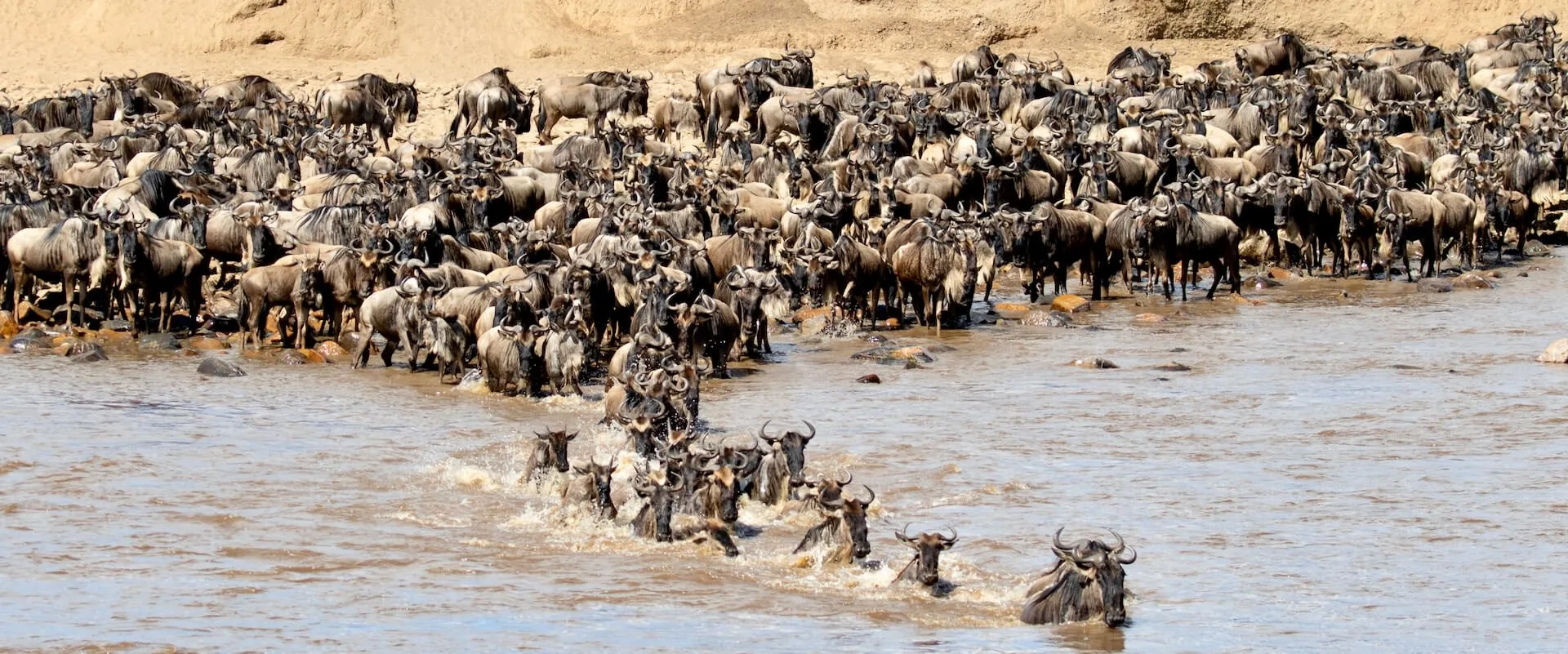
The Great Migration in Africa happens all year because the herds continuously circulate through the Serengeti–Mara ecosystem in…
Read article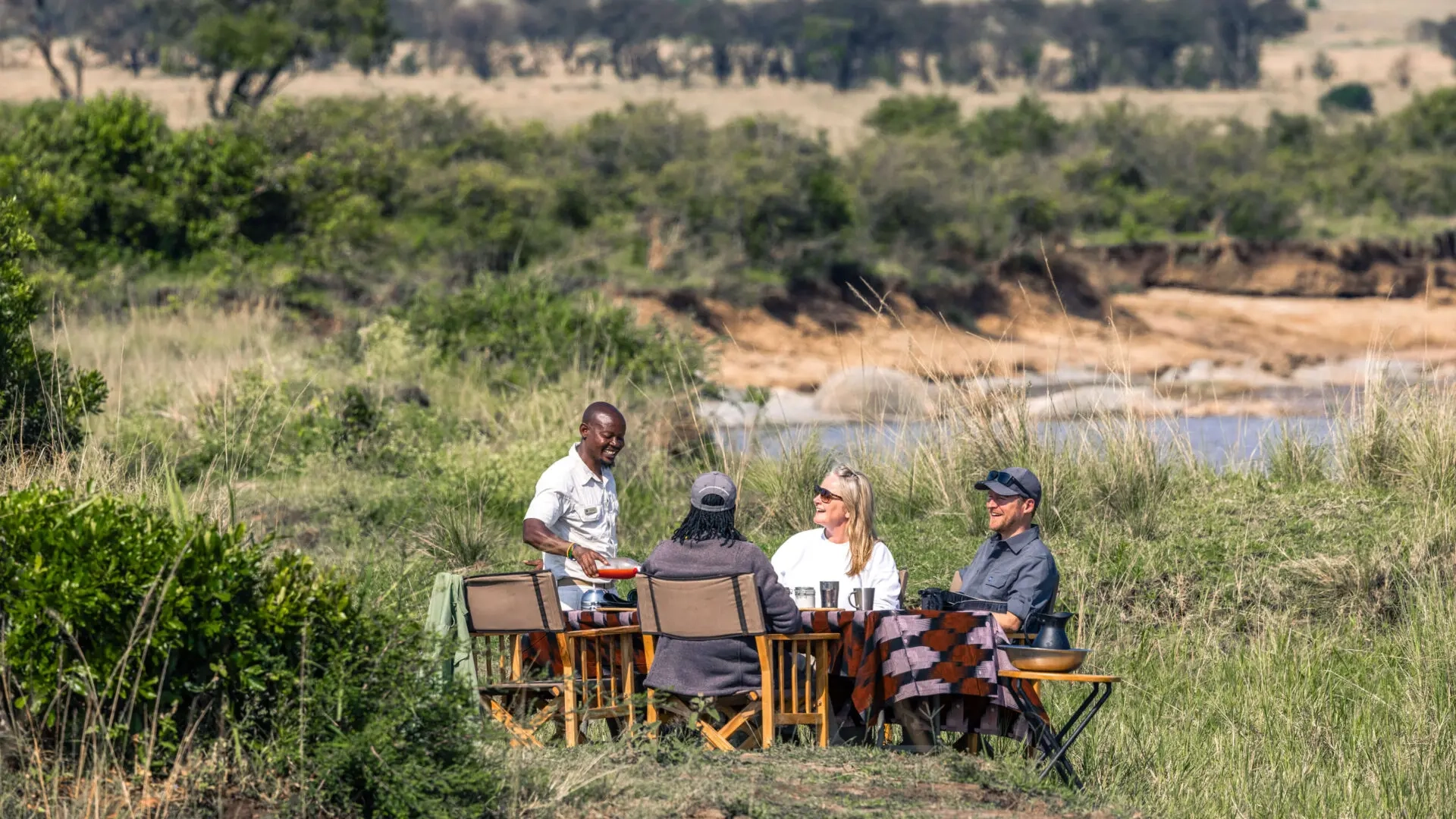
Definitive answer: A picnic lunch on safari is a packed or catered midday meal eaten at an approved…
Read article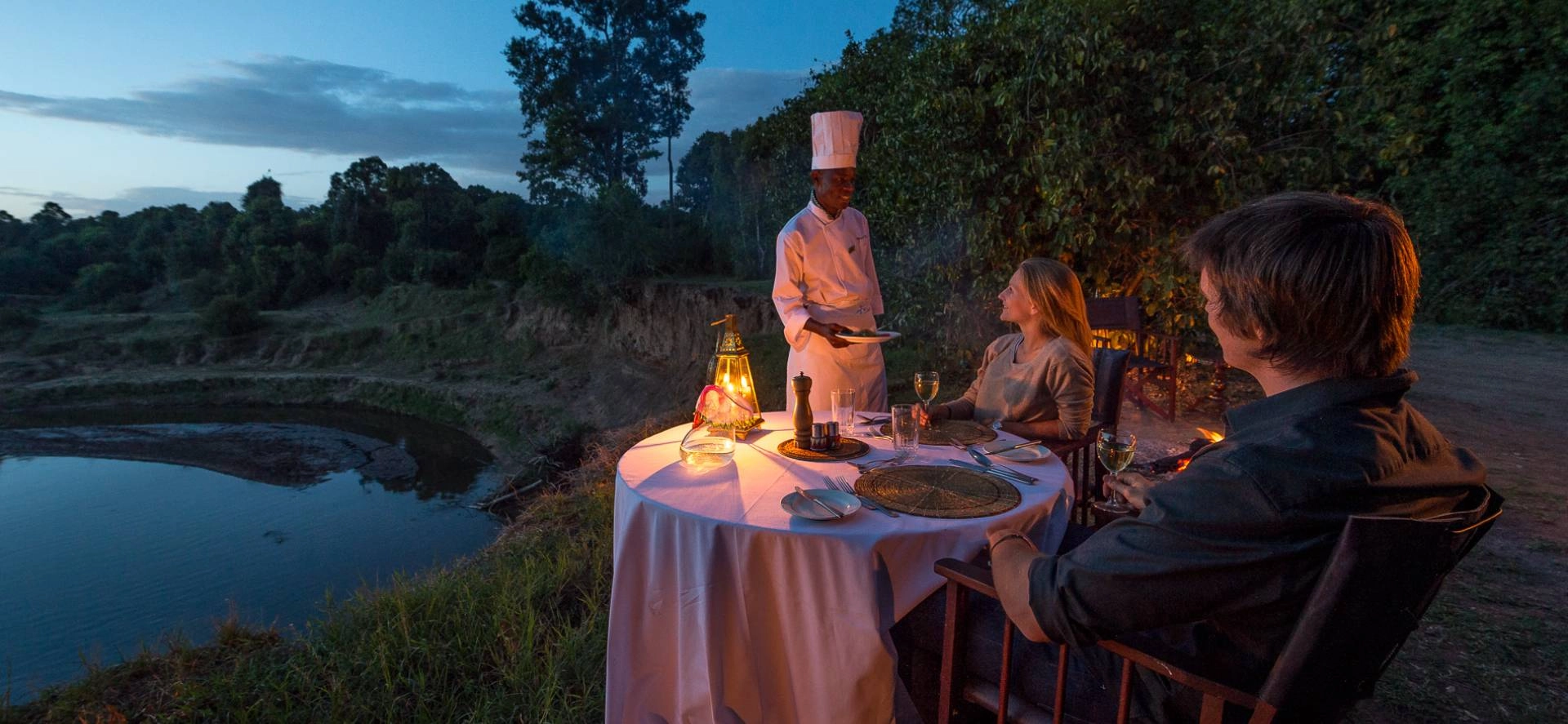
Definitive answer: A bush dinner is an outdoor evening meal arranged in a safe safari setting away from…
Read articleLet us take you closer to the wildlife, people and places that make Africa extraordinary.
Plan Your Safari Today