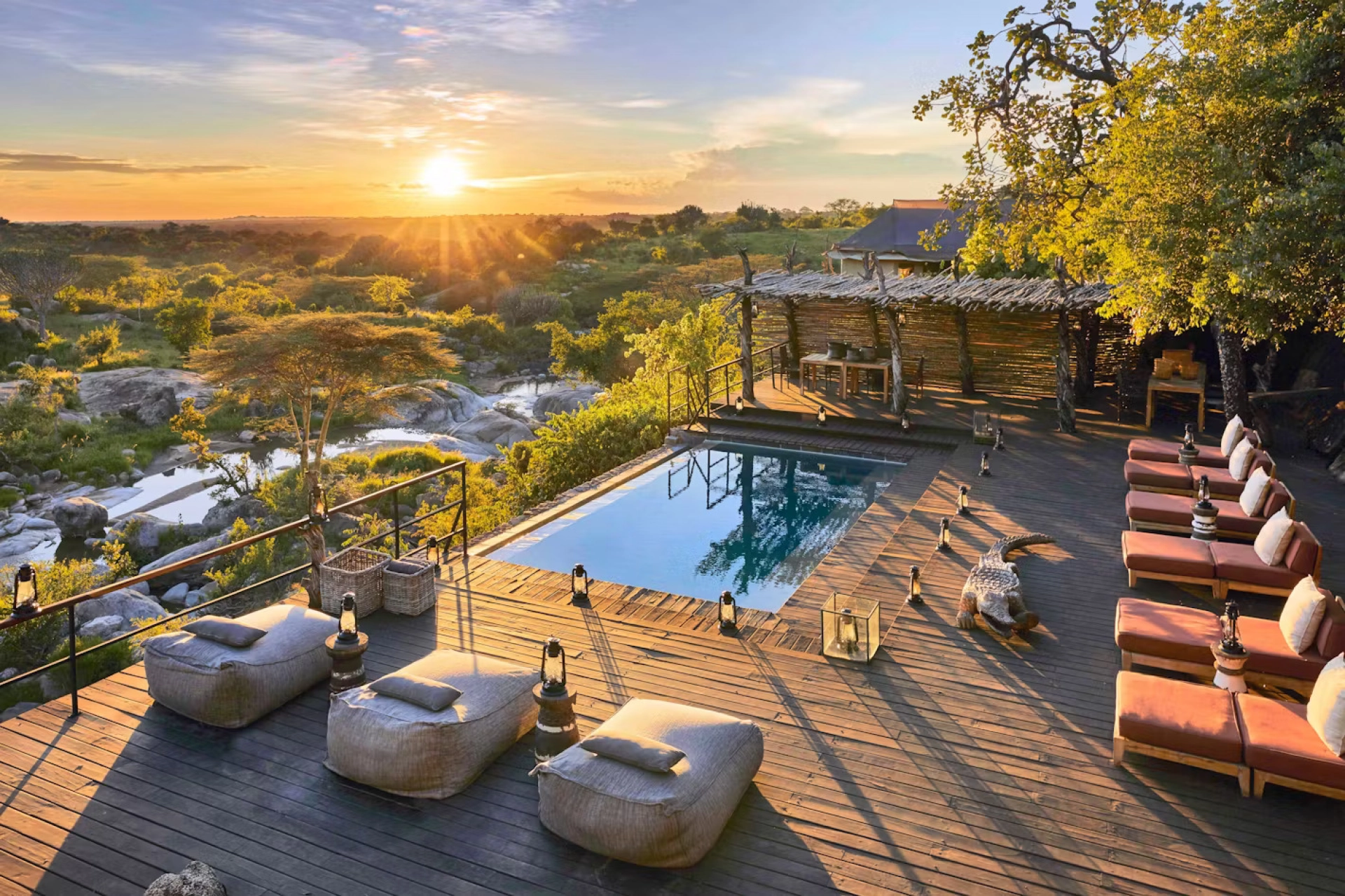
What should I look for when booking a luxury African safari?
When booking a luxury African safari, look beyond the room and compare the quality of guiding, wildlife location,…
Read article

Travel Guide
One of the first questions travelers ask when planning a trip to the Pearl of Africa is simple: how much does a Uganda safari cost? The answer is less simple because a Uganda safari is not…
One of the first questions travelers ask when planning a trip to the Pearl of Africa is simple: how much does a Uganda safari cost? The answer is less simple because a Uganda safari is not a single standardized product. A three-day gorilla trekking safari in Bwindi starting from Kigali can cost dramatically less than a two-week private journey combining Murchison Falls National Park, Kibale National Park, Queen Elizabeth National Park, Bwindi Impenetrable National Park and Lake Mburo National Park. A traveler staying in simple guesthouses will pay far less than someone choosing exclusive forest lodges and luxury safari camps, even when both travelers visit the same parks and see the same mountain gorillas.
That is why the best way to understand Uganda safari prices is to break the trip into the major components that actually create the final cost: wildlife permits, accommodation, transport, park fees, activities, guide services, fuel, meals, airport transfers and the number of travelers sharing the safari vehicle. Once those pieces are understood, the difference between a budget Uganda safari, a comfortable mid-range Uganda safari and a high-end luxury Uganda safari becomes much easier to explain.
Uganda has one major advantage over several famous African safari destinations: most itineraries can be operated efficiently by road. A private 4×4 safari Land Cruiser can collect you at Entebbe or Kigali and remain with you throughout much of the journey. This avoids the need for repeated expensive bush flights and makes Uganda particularly attractive for travelers who want a private African safari at a reasonable cost. The country also combines several very different wildlife experiences in one route, meaning one safari can include mountain gorillas, chimpanzees, lions, elephants, boat cruises, wetlands and traditional savannah game viewing without requiring multiple international borders.
At the same time, some Uganda experiences carry unavoidable premium costs. Gorilla trekking permits, chimpanzee permits and national park fees are controlled by the Uganda Wildlife Authority, not by individual tour companies. These costs therefore form a significant part of the total safari price and cannot simply be discounted away by an operator. UWA’s rates page currently provides a specific 2026–2027 tariff-change notice and remains the authoritative place to verify current conservation fees before booking. The important lesson is that a Uganda safari does not have one fixed daily rate. Instead, there is a realistic price range determined by the itinerary you choose.
The cost of a safari in Uganda is influenced by several variables working together. Accommodation is one of the most obvious, but it is not always the largest. A traveler may save $100 per night by selecting a budget lodge, yet still spend significantly on permits and transportation. Conversely, a couple staying in premium forest accommodation may spend several hundred dollars more per night even though their gorilla permit is exactly the same as that of a budget traveler.
The number of travelers is especially important because much of the safari’s fixed road cost is attached to the vehicle rather than each person. A private Land Cruiser requires a driver-guide, fuel and vehicle availability whether there are one, two or four guests inside. This is why Uganda safari prices per person usually fall as the group gets larger. A solo traveler carries almost the entire transport cost alone, while four travelers divide much of it between themselves.
Route design matters just as much. A compact 3-day Uganda gorilla safari from Kigali may involve only one major destination, while a 10-day Uganda safari can cover thousands of kilometers and several national parks. Each additional park introduces more fuel, accommodation nights, entrance fees and activities. Longer does not always mean worse value, however. Once the vehicle and guide are already committed, adding an extra night in a strategically placed park may cost less than travelers expect and can dramatically improve the safari pace.
Season also affects price. Gorilla permits and government conservation charges may remain fixed for a given tariff period, but safari lodges can apply different rates depending on demand. July, August, Christmas, New Year and other popular periods may attract higher accommodation prices, while shoulder or lower-demand periods can produce more favorable lodge offers. This makes when you travel in Uganda another element of the final budget.
Travelers often want a single daily number. It is useful as a rough planning tool, but it should never replace a complete itinerary quote. A practical Uganda safari daily cost can vary from relatively affordable road-based travel using budget accommodation to several hundred or even more than a thousand dollars per person per day in the luxury category. The widest variation occurs when expensive permits or premium lodge nights are included.
A budget traveler sharing a vehicle may keep land costs reasonably controlled by using simple ensuite lodges, local guesthouses and standard meals. A mid-range traveler typically chooses more comfortable safari lodges with better locations, improved service and stronger views. Luxury travelers may stay in small exclusive properties overlooking Bwindi forest, private cottages around Queen Elizabeth or high-end lodges offering exceptional service.
The crucial point is that a Uganda gorilla trekking day cannot be compared directly with an ordinary safari day. On a gorilla day, the wildlife permit alone represents a substantial cost before accommodation, transport and meals are considered. Similarly, a day involving chimpanzee tracking and a boat safari will cost more than a simple transfer day. This is why reputable operators normally price a full itinerary rather than presenting one universal Uganda safari rate.
The Uganda gorilla permit cost is one of the biggest individual expenses on a gorilla safari. UWA’s previous 2024–2026 tariff listed the standard foreign non-resident gorilla tracking permit at US$800, with different categories for foreign residents, rest-of-Africa visitors and East African citizens. That tariff ended in June 2026, and UWA now directs visitors to its updated 2026–2027 tariff-change information, so anyone booking for current or future travel should verify the applicable rate for the exact date and residency category rather than relying on older figures.
This point is particularly important because many online Uganda safari articles continue displaying permit prices that were valid several years ago. A page that says a gorilla permit “costs $600” or “costs $700” without a date can mislead readers. Current Uganda gorilla trekking costs should always be checked against the latest UWA tariff before a final safari quotation is issued.
The permit is valuable because it does more than provide access to the gorillas. Under UWA’s established permit structure, gorilla tracking charges include conservation-related components and controlled access to one of the world’s most sensitive wildlife experiences. UWA also operates revenue-sharing systems through which communities around protected areas benefit from tourism revenues, and it has specifically linked gorilla permit income with community development around Bwindi and Mgahinga. For the traveler, this means the gorilla permit should be viewed as the core activity cost, not an optional extra that can be reduced through cheaper accommodation.
Travelers wanting a longer and more specialized experience may consider the Gorilla Habituation Experience in Uganda. Under the 2024–2026 tariff, this activity carried a significantly higher permit cost than standard trekking because it allowed a more extended experience with gorillas undergoing habituation.
The same rule applies here: current travelers should confirm the latest 2026–2027 price directly through UWA or a reputable Uganda tour operator because tariff periods change. The habituation experience is aimed primarily at travelers who place gorillas at the absolute center of their safari and are willing to dedicate a larger portion of their budget to primate encounters.
From a budgeting perspective, choosing habituation can transform the overall Uganda gorilla safari cost. A traveler might decide to compensate by selecting a simpler lodge or shortening another part of the itinerary. Another traveler may treat it as the defining experience and build the entire safari around it. Neither approach is wrong. The budget should follow the traveler’s priorities.
Chimpanzee tracking is another major cost on a classic Uganda primate safari. The previous 2024–2026 tariff listed different chimpanzee tracking fees for destinations such as Kibale and Kyambura Gorge, with Kibale commanding the higher rate because it is Uganda’s flagship chimpanzee destination. Again, those historic figures should not be blindly copied into current quotations after the end of that tariff period. The correct approach for 2026 and beyond is to verify the updated tariff when booking. UWA itself now lists a 2026–2027 tariff-change notice on its official rates page.
For travelers deciding whether chimpanzee trekking is worth the additional cost, the answer is usually yes when the itinerary already passes through western Uganda. Kibale chimpanzee trekking offers a completely different primate experience from Bwindi. Gorillas are larger and often more stationary, while chimpanzees can move rapidly through the forest, call loudly and interact with extraordinary social energy. Including both experiences creates a much more complete Uganda primate safari.
Beyond primate permits, national park entrance fees contribute to the overall Uganda wildlife safari cost. These charges apply when entering parks such as Murchison Falls National Park, Queen Elizabeth National Park, Lake Mburo National Park and Kidepo Valley National Park, subject to the current tariff. The effect on the final safari budget becomes more noticeable on itineraries that include multiple protected areas. A seven-day trip visiting three parks will naturally carry a different conservation-fee structure from a three-day gorilla-only itinerary.
Yet travelers should not view park fees as wasted overhead. These revenues support protected-area management, conservation operations, ranger activities, infrastructure and community-related programs. Uganda Wildlife Authority publicly states that it shares a portion of annual park revenues with surrounding communities as part of its conservation model. This is one reason a very cheap safari quote deserves scrutiny if it appears to omit fees that should obviously be present.
Transport is another major component of Uganda safari prices. Most properly designed private safaris use a strong 4×4 vehicle, commonly a Land Cruiser with a pop-up roof for wildlife viewing. The price of operating that vehicle includes more than fuel. It also reflects maintenance, tires, suspension, insurance, professional guide costs and the depreciation caused by demanding African road conditions.
Uganda’s parks and rural roads can be rough, especially after rain. A safari vehicle therefore cannot be treated like a standard urban rental car. Vehicle quality affects comfort, safety and how reliably the itinerary runs. The same Land Cruiser may travel from Entebbe to Murchison Falls, continue through Kibale and Queen Elizabeth, climb toward Bwindi, cross toward Lake Mburo and finally return to Entebbe. Over a ten-day safari, that can involve substantial mileage.
This is why a private safari for two people costs more per person than the same itinerary for four. The fuel and guide cost do not double simply because there are four passengers; they are shared.
A solo Uganda safari is almost always more expensive per person than traveling as a couple or group. The reason is not that tour operators penalize solo travelers. The economics are straightforward: one traveler occupies the room alone and carries the full private-vehicle cost. A solo traveler can reduce costs by joining scheduled group Uganda safaris when suitable departures are available. Group tours distribute vehicle, guide and fuel expenses between multiple guests.
However, private solo travel has important advantages. The guide follows your interests. Photographers can spend longer at sightings. Birders can stop frequently. Driving times and meal breaks become more flexible. For some travelers, that flexibility justifies the premium.
Two travelers are one of the most common safari configurations. A couple shares the room, vehicle and guide, making the trip much more economical than solo travel. For a Uganda honeymoon safari, the budget may rise because couples often select better accommodation, private dinners or premium forest lodges. But a normal mid-range couple’s safari can offer excellent value because the major transportation costs are already divided between two. This is particularly true on a private Uganda gorilla safari, where a couple can have an entire Land Cruiser to themselves rather than being forced into a larger group vehicle.
Four travelers often achieve one of the strongest balances between privacy and value. The group can share one vehicle while each couple or pair occupies separate rooms. Fuel and guide costs are distributed across four guests, often reducing the per-person price significantly compared with a couple. Families and groups of friends should therefore pay attention to per-person safari pricing rather than the total invoice alone. A $10,000 group safari for four people may represent better value than a $6,000 safari for two.
The budget Uganda safari category does not have to mean uncomfortable camping. Uganda has many simple lodges and guesthouses with private rooms, ensuite bathrooms and decent meals. The difference is usually in location, room design, service level and additional facilities rather than basic safety or cleanliness. Around Bwindi, budget travelers may stay slightly farther from the forest entrance or choose simpler cottages. Around Queen Elizabeth, they might use modest lodges outside the most premium viewpoints. Around Murchison, they can select practical properties rather than luxury Nile-facing camps.
A budget safari therefore works best for travelers whose priority is the experience rather than elaborate accommodation. The mountain gorilla does not become more impressive because the traveler slept in a $700 room.
The mid-range Uganda safari is often the best-value category. This level generally provides comfortable ensuite rooms, attractive lodge settings, reliable meals and locations that fit the itinerary well. Travelers avoid the limitations of the most basic properties without paying the significant premium of luxury lodges. For many of Adventure in the Wild Safaris’ itineraries, mid-range accommodation is especially practical because guests spend much of the day exploring. Paying hundreds of additional dollars for a room used mainly in the evening may not make sense to everyone.
Mid-range is also ideal for travelers who want to spend more on activities. The money saved by not choosing a luxury lodge can fund chimpanzee trekking, a boat safari, a private activity or an extra night in another park.
A luxury Uganda safari can become expensive quickly, particularly around Bwindi where premium lodges command high rates due to limited capacity and exceptional forest locations. Luxury accommodation may provide private cottages, fireplaces, highly personalized service, spa treatments, gourmet meals, private decks and spectacular views. In some properties, the lodge itself becomes a major part of the holiday. This category makes particular sense for honeymooners and travelers who want the journey to feel exceptional even between wildlife activities. However, luxury safari pricing should still be transparent. A high-end package should explain whether drinks, laundry, premium meals, transfers and additional activities are included.
A 3-day Uganda gorilla safari is one of the most popular short Uganda itineraries.
When beginning from Kigali, the route can often be more efficient for southwestern Uganda than driving all the way from Entebbe. A typical program may include transfer from Kigali into Uganda, one night near Bwindi or Lake Bunyonyi, gorilla trekking on the second day and a return toward Kigali after the trek or the following day depending on the program.
The total price depends heavily on accommodation category, group size and the current gorilla permit charge. Because the permit forms a large fixed component, short gorilla safaris sometimes have a higher apparent daily cost than longer wildlife trips. This is not because the safari operator is charging more per day; it is because one major permit is concentrated into a very short itinerary.
A 5-day Uganda safari can combine gorillas with one or two additional experiences. Common structures include Kibale, Queen Elizabeth and Bwindi, or a shorter Queen Elizabeth and Bwindi safari. Another option is Murchison Falls for travelers prioritizing savannah wildlife rather than primates. Five days is where the itinerary begins to feel more balanced. The traveler is no longer flying to Africa solely for one gorilla trek but is experiencing multiple ecosystems. The final price increases compared with a three-day trip, yet the value per day may improve because vehicle and guide costs are distributed across a longer journey.
Seven days is a very strong duration for travelers wanting a meaningful but not overly long safari. A 7-day Uganda safari can combine chimpanzees, Queen Elizabeth wildlife and Bwindi gorillas without the itinerary becoming excessively rushed. Depending on arrival and departure points, Lake Mburo can also fit naturally. A well-designed week should avoid trying to include every major Uganda park. Adding Murchison, Kibale, Queen Elizabeth and Bwindi into only seven days may create too much driving.
The cheapest itinerary is not necessarily the one that packs in the most destinations. Often, a slower route produces better value because travelers spend more time enjoying activities and less time burning fuel between parks.
Ten days allows the classic western Uganda circuit to breathe. A 10-day Uganda safari can comfortably include Murchison Falls, Kibale, Queen Elizabeth, Bwindi and Lake Mburo depending on routing. This gives travelers chimpanzees, gorillas, lions, elephants, giraffes, boat safaris, savannah wildlife and active experiences. From a cost perspective, ten days obviously requires more accommodation and fuel, but it often provides excellent overall value for someone already paying for international flights to East Africa. Flying across the world for a three-day trip can sometimes make less economic sense than spending ten days experiencing the country’s full diversity.
A two-week itinerary opens the door to slower travel and more remote destinations. A 14-day Uganda safari might include Kidepo Valley, Murchison Falls, Kibale, Queen Elizabeth, Bwindi and Lake Mburo. Alternatively, travelers can spend more time in fewer areas, add birding or cultural experiences, or combine Uganda with Rwanda. The cost depends less on the simple number of days and more on what is included within them. Two weeks using mid-range road-based lodges can cost less than one week of fly-in luxury travel.
Starting a Uganda gorilla safari from Kigali can be very efficient for Bwindi and Mgahinga. The geographic advantage is significant. Kigali lies relatively close to southwestern Uganda, making it possible to design shorter gorilla itineraries without the much longer drive from Entebbe. However, cross-border trips require appropriate immigration planning and may involve additional operational considerations. Travelers should also compare international airfare into Kigali versus Entebbe rather than assuming one gateway is always cheaper. For longer Uganda itineraries continuing toward Queen Elizabeth, Kibale, Murchison or Entebbe, the route can begin in Kigali and finish in Uganda, creating an efficient one-way safari.
Driving from Entebbe to Bwindi is longer, but it becomes logical when Bwindi forms part of a broader Uganda itinerary. A traveler can break the route through Lake Mburo, Queen Elizabeth or other western destinations rather than treating the entire journey as one transfer. This illustrates an important pricing principle: route design should reduce wasted kilometers. A cheap-looking itinerary with unnecessary backtracking may ultimately use more fuel and more traveler time than a slightly longer but intelligently sequenced program.
Combining Uganda and Rwanda creates an attractive regional safari, especially for travelers interested in primates, Akagera, Kigali and southwestern Uganda.
The cost will depend on border logistics, accommodation and the activities chosen in each country. Rwanda’s tourism market can be more premium in certain areas, while Uganda provides a broad spectrum of budget, mid-range and luxury options. Travelers do not need to trek gorillas in both countries unless that is specifically their goal. One common approach is to use Rwanda for arrival, cultural experiences or Akagera and then undertake gorilla trekking in Uganda.
A Uganda and Kenya safari provides one of East Africa’s most complete wildlife combinations. Uganda contributes gorillas and chimpanzees. Kenya contributes the Masai Mara, Amboseli, Samburu and other classic savannah destinations. The main additional expense is regional air travel. Once an itinerary requires flights between countries, the total budget rises more quickly than a purely road-based Uganda safari. However, travelers who have already traveled a long distance to East Africa may consider the combination worthwhile.
The same principle applies when combining Uganda with Tanzania. A Uganda gorilla and Serengeti safari can be extraordinary. Mountain gorillas, chimpanzees, Ngorongoro Crater and the Serengeti offer dramatically different wildlife experiences. But this is no longer a budget itinerary. Regional flights, Tanzania’s conservation fees and additional accommodation increase the overall cost. For travelers seeking a once-in-a-lifetime East African journey, the diversity can justify the price.
Boat safaris are among Uganda’s best-value wildlife activities. The Kazinga Channel boat safari in Queen Elizabeth allows close viewing of hippos, buffaloes, elephants and waterbirds. Murchison Falls offers Nile boat trips toward the base of the falls and other river experiences. Although these activities add to the daily price, they should rarely be removed simply to make the quote look cheaper. A safari that includes only vehicle game drives may save money but lose some of Uganda’s most distinctive wildlife experiences.
Walking safaris in Lake Mburo National Park can add another dimension to a Uganda itinerary. The cost is generally modest relative to the overall safari and gives travelers a chance to leave the vehicle behind. Specialist activities should be quoted clearly so guests understand whether they are included or optional. The same applies to horseback riding, cycling or community walks.
Hiring a porter is one of the best small expenses on a gorilla safari. The porter can carry water, camera equipment and a daypack while also helping with balance on steep or slippery sections. For travelers budgeting carefully, this is not the place to save a few dollars. Porter income also provides direct benefits to local people around trekking areas. The practical and community value is significant.
Tips should be treated as a separate personal expense because they are discretionary and depend on service quality. Travelers may tip the driver-guide, lodge staff, rangers, trackers or porters depending on the activity. The total can become meaningful over a ten- or fourteen-day safari, so including an approximate gratuity budget before travel avoids uncertainty.
Most Uganda safari quotations specify a meal plan.
On a full-board safari, breakfast, lunch and dinner may be included on most days. On transfer days, lunch may be at a roadside restaurant or lodge. Drinks vary. Bottled drinking water is commonly supplied in the safari vehicle, while alcoholic drinks, soft drinks or premium beverages at lodges may be charged separately unless the property operates on an all-inclusive basis. Travelers comparing Uganda safari package prices should check whether meal plans are equivalent.
International airfare is usually not part of the land safari price. A safari quote may begin when the guide collects you at Entebbe or Kigali. The total holiday budget therefore needs to include flights from your home country. Airfare varies enormously by origin, season and booking date, so it is generally better for travelers to compare flight options independently while discussing suitable arrival times with the safari operator.
Visa or entry authorization expenses are another separate part of the overall Uganda travel budget. Rules can change, particularly on multi-country itineraries, so travelers should verify official immigration requirements for their nationality before departure. A Uganda Rwanda safari or Uganda Kenya safari requires more careful entry planning than a trip staying within Uganda.
Comprehensive travel insurance should be budgeted separately. This is especially important for a journey involving expensive prepaid permits, lodge reservations and international flights. Travelers should ensure the policy is appropriate for trekking and any other adventure activities included in the itinerary.
Laundry, spa treatments, souvenirs, alcoholic drinks and personal shopping are normally excluded. These expenses differ widely between travelers. Someone who buys several pieces of Ugandan art will naturally spend more than someone who purchases only a coffee packet and a small craft. The best safari budget therefore includes a modest contingency for discretionary spending.
Safari payment methods can carry transaction costs. At Adventure in the Wild Safaris, the applicable payment method and any related fees should be clearly communicated at the time of booking. Bank transfer, Wise and card settlement can have different costs depending on the traveler’s banking system. Travelers should compare the total amount arriving with the operator rather than simply the amount debited before bank charges.
If two operators quote very different prices for what appears to be the same safari, compare the details line by line. One quote may exclude gorilla permits. Another may include them. One may use a private Land Cruiser. Another may use a shared minivan. One may include park fees and boat activities. Another may quote them separately. One may use a lodge close to the trekking point. Another may place guests much farther away.
The headline number therefore tells only part of the story. A proper comparison should examine safari vehicle quality, guide experience, accommodation level, permit inclusions, park activities, meals and whether the tour is private or shared.
There is a major difference between cheap and good value.
The cheapest safari can become disappointing if it uses poor accommodation in inconvenient locations, rushed transfers or unreliable vehicles. A slightly higher price may save hours of driving and provide a much better overall experience. The goal should be finding the best value within a realistic budget. For many travelers, this means mid-range lodges, a reliable private Land Cruiser and all important activities included.
Accommodation is usually the easiest place to adjust the budget without changing the core wildlife experience. Choosing a comfortable mid-range lodge instead of a luxury lodge can save hundreds of dollars. Traveling with friends reduces transport costs. Avoiding unnecessary domestic flights helps. Starting a short gorilla safari in Kigali can reduce road time. Spending longer in fewer parks can lower fuel use and improve the experience. These are sensible savings.
Do not remove the gorilla permit from a gorilla safari merely to make the quote appear cheaper. Do not choose an unreliable vehicle. Do not sacrifice professional guiding. Do not build impossible driving days. Do not stay in the wrong Bwindi sector simply because the room is cheaper. Do not remove every meaningful activity and then call the result a “safari.” Saving money should improve efficiency, not damage the experience.
This comparison depends on current permit prices, accommodation and route structure. Uganda has historically offered a broader range of accommodation around its gorilla destinations and extensive road-based safari possibilities. Rwanda, meanwhile, offers very efficient access from Kigali to Volcanoes National Park and a strong premium-lodge market. Travelers should compare total itinerary cost rather than the permit alone. A Uganda gorilla trekking safari may also combine more easily with Queen Elizabeth, Kibale and Lake Mburo, giving travelers more experiences within one private road itinerary.
For traditional savannah safaris, pricing depends heavily on style and season. Uganda often offers strong value because road travel can connect its major western parks efficiently. Tanzania’s northern circuit can carry substantial conservation costs, while Kenya’s popular migration periods can drive lodge prices higher. But Uganda’s gorilla permit adds a unique premium expense. The best comparison is therefore experience for experience, not simply country for country.
For travelers interested in primates, the answer is difficult to dispute. Few destinations allow you to trek mountain gorillas and chimpanzees while also enjoying lions, elephants, hippos, giraffes, boat safaris and spectacular landscapes within one country. The diversity is the value. A traveler who visits only Bwindi may see Uganda as an expensive gorilla destination. A traveler who spends ten days exploring the country sees a much broader return on the journey.
The question “How much does a Uganda safari cost?” matters, but the cheapest answer is rarely the most useful one. A better question is: What experiences do I want, and what is the most efficient way to include them within my budget? If gorillas are the priority, protect the permit and build the rest of the trip around it. If wildlife matters equally, add Queen Elizabeth or Murchison Falls. If primates are central, include Kibale.
If you want a relaxed ending, use Lake Mburo to break the return journey toward Entebbe. If you have only three days, consider an efficient Kigali to Bwindi gorilla safari. If you have ten days, take advantage of Uganda’s extraordinary variety rather than rushing through the country. A well-designed Uganda safari package should explain exactly where the money goes. Permits, park fees, accommodation, fuel, vehicle, guide services and activities should work together to create the journey—not appear as unexplained extras after booking.
That transparency is especially important at Adventure in the Wild Safaris because the aim is not simply to make the headline price look low. It is to design a safari that works in practice: good routing, reliable vehicles, appropriate accommodation, correct permits and enough time to experience the wildlife properly. Uganda can be visited on a budget. It can be experienced comfortably at mid-range level. And it can be done in exceptional luxury.
But at every price point, the defining moments remain remarkably similar: the silverback in Bwindi, the chimpanzees calling in Kibale, elephants beside the Kazinga Channel, giraffes crossing Murchison’s savannah and the quiet satisfaction of realizing that one country has delivered several completely different African adventures.
Get quick answers to the most common questions. If you still have questions, our safari experts are here to help.
The cost varies by itinerary length, accommodation level, group size, permit requirements and activities. A short gorilla safari and a two-week luxury Uganda safari therefore have very different budgets.
The gorilla permit is one of the largest fixed costs, followed by accommodation and private vehicle operations. Current permit rates should be verified against UWA’s active tariff.
Uganda can offer excellent value compared with premium safari destinations, particularly when traveling by road and sharing a private vehicle between several guests.
The permit price is set by Uganda Wildlife Authority and varies by tariff period and visitor category. Always confirm the current rate before booking rather than relying on an older blog figure.
They may be included or quoted separately depending on the operator. Always confirm.
Not automatically. A safari visiting Kibale should clearly state whether the chimpanzee permit is included.
Well-structured safari packages often include them, but travelers should verify the quotation.
Private travel costs more per person for solo travelers and couples, but becomes more economical as vehicle costs are shared by larger groups.
Travel with several people, use budget or mid-range lodges, travel by road, avoid unnecessary flights and design a geographically efficient route.
For short Bwindi itineraries, Kigali can sometimes reduce driving time. The total cost still depends on vehicle logistics, border arrangements and flights.
Seven to ten days provides an excellent balance for many first-time visitors. Fourteen days allows a deeper safari.
Usually not. Gratuities are personal and discretionary.
Most organized Uganda safaris include specified meals, but the exact meal plan should be listed in the quotation.
Some cash is useful for tips, small purchases and local expenses even if most of the safari has been prepaid.
Usually not unless clearly stated.
Payment schedules depend on the operator and booking conditions. Because permits and lodges may require advance payment, deposits are typically used to secure services.
Our safari experts are here to help you plan your safari. Get personalized advice, the latest information and a free, no-obligation quote.
We typically reply within a few hours.

Share This Article
When booking a luxury African safari, look beyond the room and compare the quality of guiding, wildlife location,…
Read article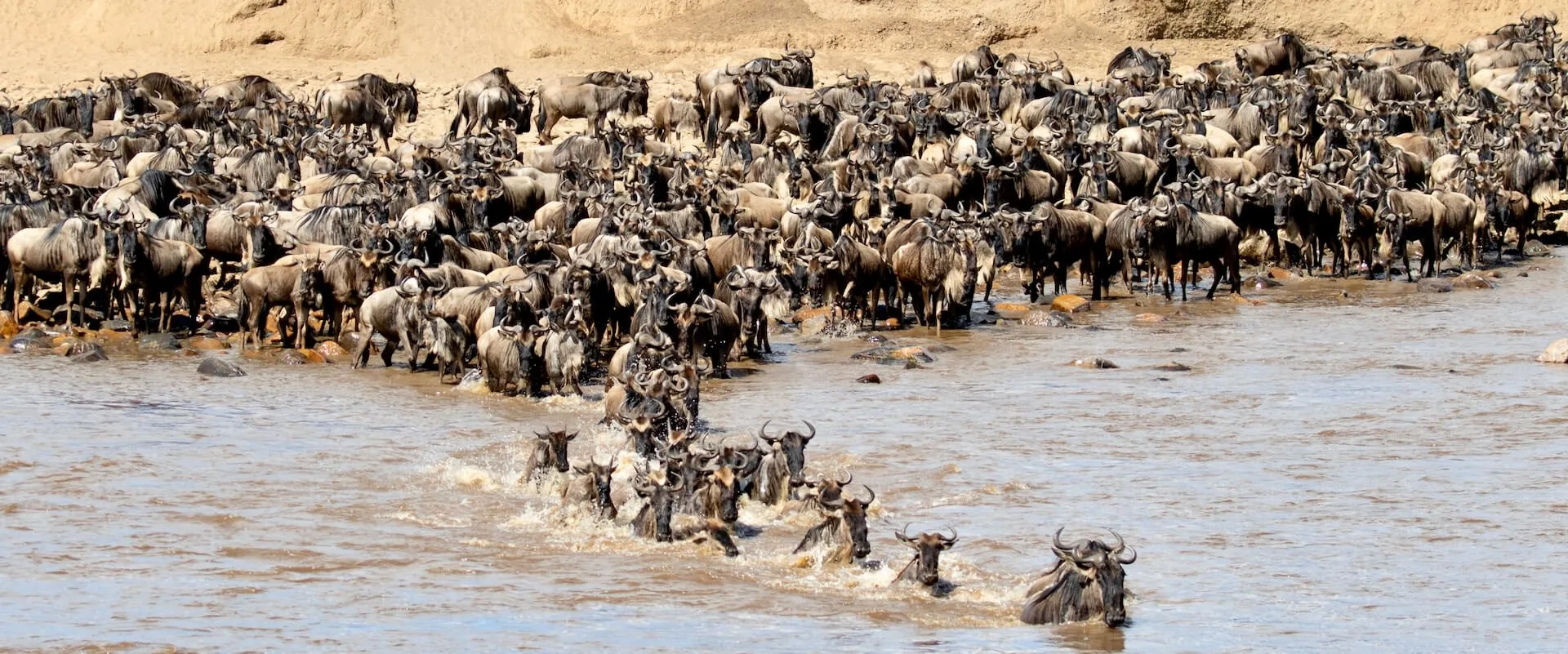
The Great Migration in Africa happens all year because the herds continuously circulate through the Serengeti–Mara ecosystem in…
Read article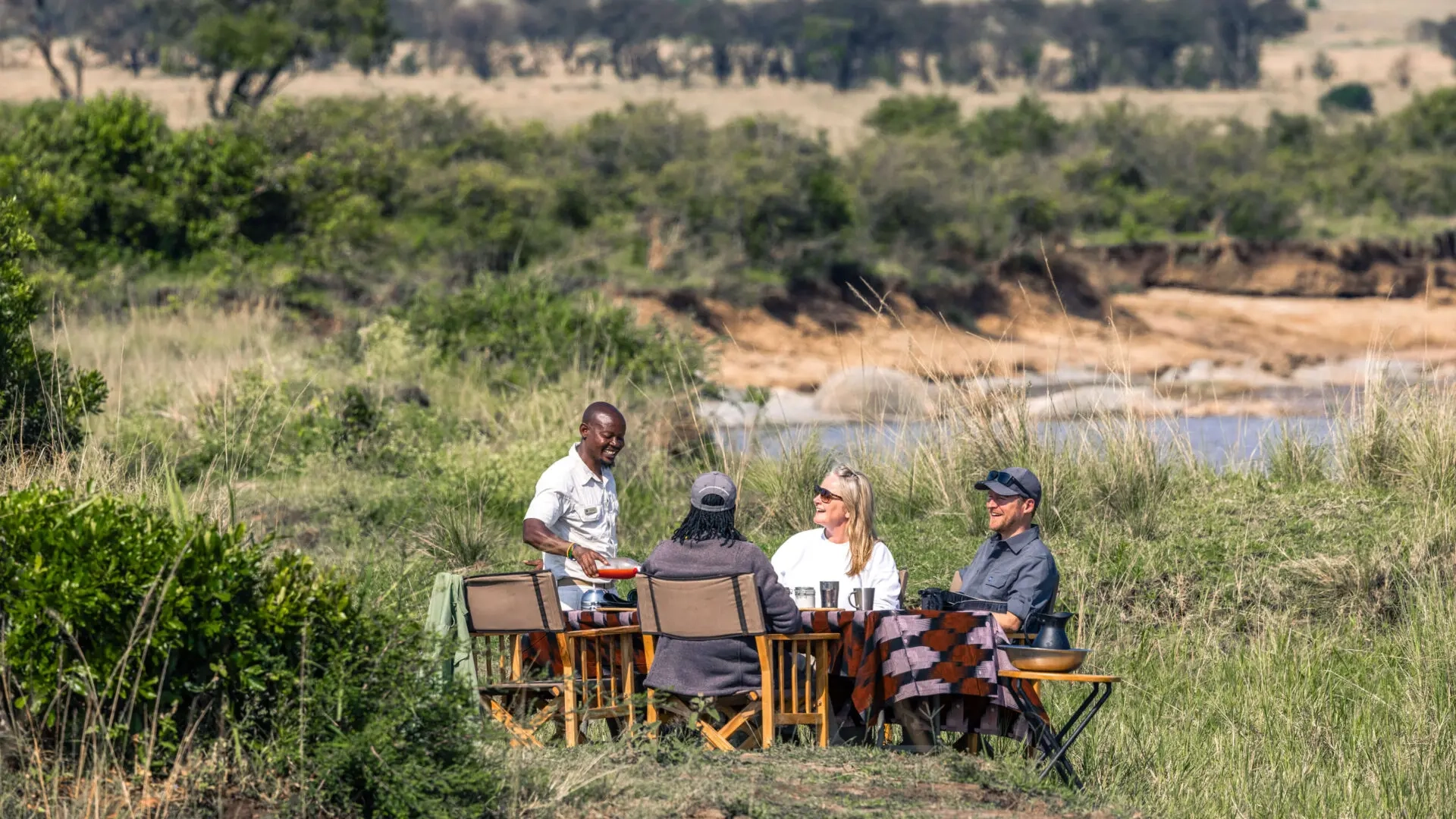
Definitive answer: A picnic lunch on safari is a packed or catered midday meal eaten at an approved…
Read article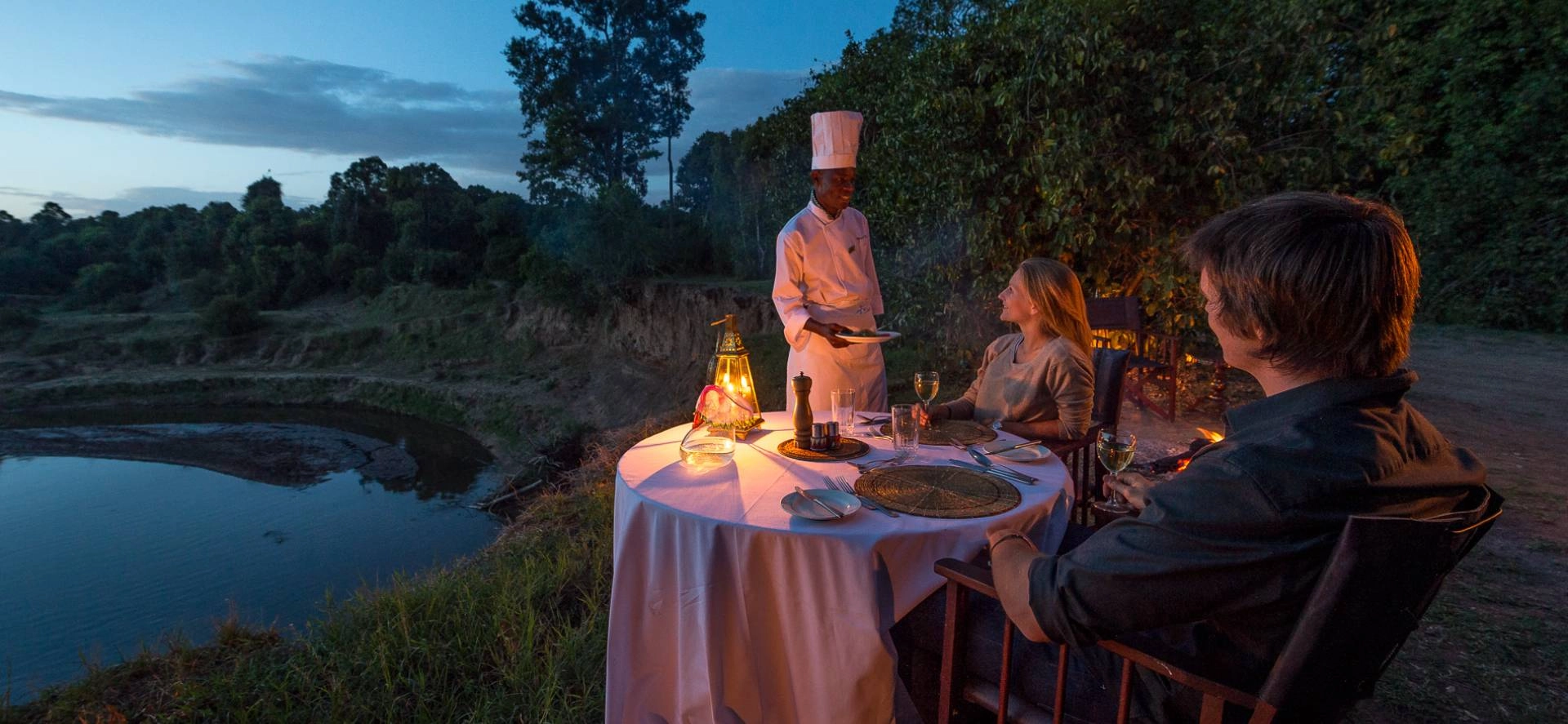
Definitive answer: A bush dinner is an outdoor evening meal arranged in a safe safari setting away from…
Read articleLet us take you closer to the wildlife, people and places that make Africa extraordinary.
Plan Your Safari Today