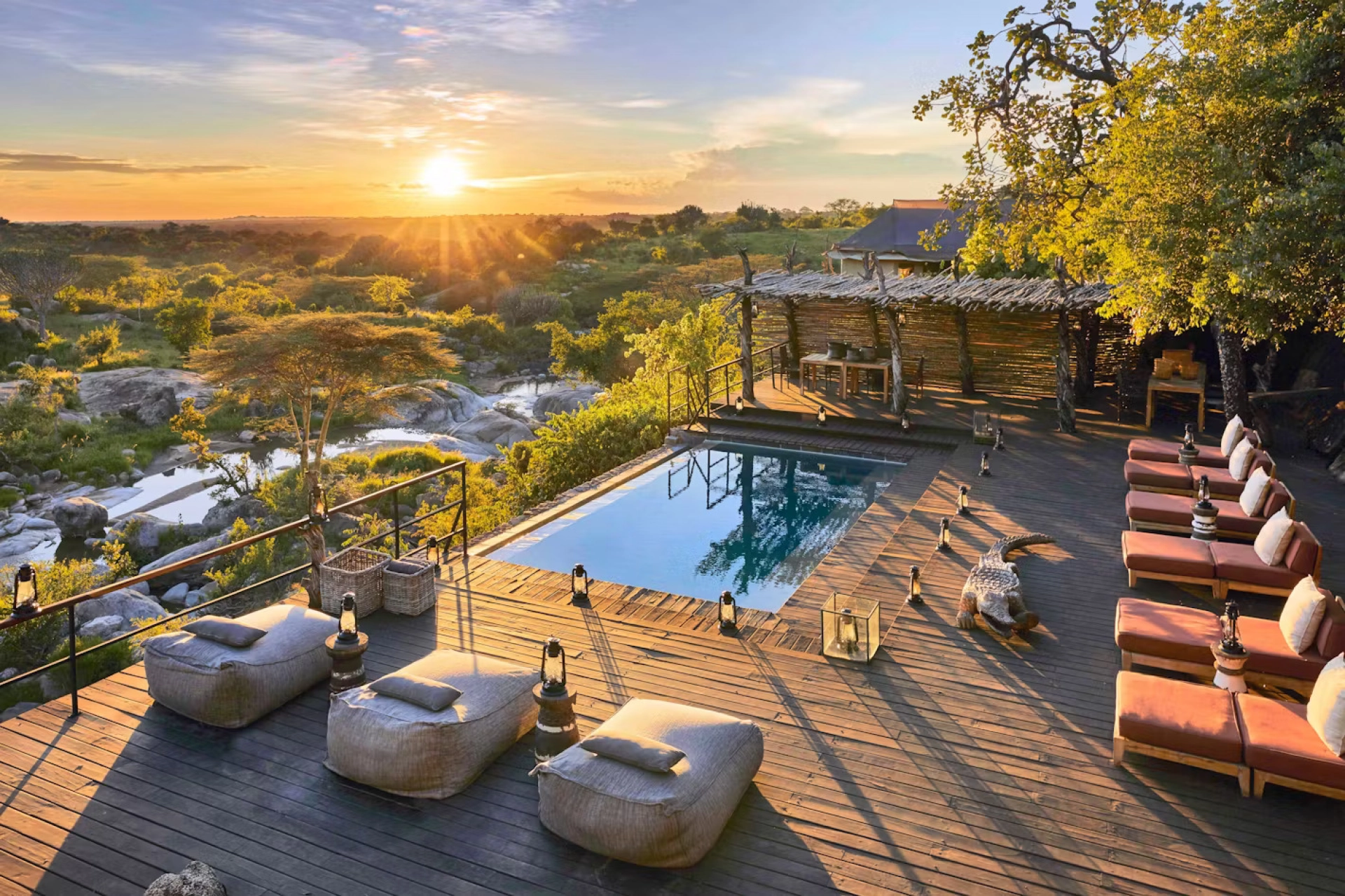
What should I look for when booking a luxury African safari?
When booking a luxury African safari, look beyond the room and compare the quality of guiding, wildlife location,…
Read article

Travel Guide
The question "When is the best time to visit Victoria Falls?" appears simple until you understand how dramatically the falls change throughout the year. At high water, the Zambezi River pours across the basalt edge with…
The question “When is the best time to visit Victoria Falls?” appears simple until you understand how dramatically the falls change throughout the year. At high water, the Zambezi River pours across the basalt edge with extraordinary force. Spray rises hundreds of meters into the air, rainforest paths become wet, rainbows appear through drifting mist and the roar can overwhelm ordinary conversation near the viewpoints. At lower water, the experience changes.
The geological structure of the gorge becomes more visible. Individual channels of water become easier to distinguish. Photography can improve because less spray obscures the falls. Some seasonal activities become possible when river conditions permit. Neither version is universally better. The best time for Victoria Falls depends on whether your priority is: maximum water volume; clear photography; Devil’s Pool; white-water rafting; comfortable weather; wildlife safari combinations; lower visitor numbers; or simply experiencing one of Africa’s greatest natural landmarks. This detailed guide explains Victoria Falls high-water season, lower-water periods, month-by-month conditions, Zimbabwe versus Zambia, photography, activities, accommodation, safari combinations and how to choose the right travel period.
Victoria Falls lies on the Zambezi River along the international boundary between Zimbabwe and Zambia. The Zimbabwean gateway is the town of Victoria Falls. The Zambian gateway is Livingstone. The waterfall itself is one natural system viewed from two countries. This geography creates one of the most common planning questions: Should you stay in Zimbabwe or Zambia? The answer depends partly on season.
The falls are widely known as Mosi-oa-Tunya, commonly translated as “The Smoke That Thunders.” The name captures the high-water experience remarkably well. From a distance, the enormous spray cloud can resemble smoke rising above the landscape. As you approach the gorge, the sound becomes increasingly powerful.
The Zambezi River drains an enormous catchment. Rainfall occurring far upstream takes time to move through the river system. This creates a delayed seasonal rise and fall in water volume. Therefore, the conditions at Victoria Falls do not simply correspond to whether rain is falling in Victoria Falls town on the day of your visit.
This is one of the most important facts when planning.
For travelers wanting to see Victoria Falls with very high water levels and maximum power, the period after the upstream rainy season is generally the main focus. For travelers wanting clearer views of the rock face and less spray, later dry-season conditions can be more suitable. For travelers specifically interested in seasonal low-water activities, the lower-water period may be necessary. There is no one “best month” for everyone.
Think of Victoria Falls as two different experiences.
At high water, expect: enormous water volume; powerful spray; wet rainforest paths; intense sound; dramatic rainbows when sunlight cooperates; and limited visibility from some viewpoints because of mist.
At lower water, expect: less spray; better visibility into the gorge; more exposed basalt; more defined channels of falling water; potential access to certain seasonal activities; and a very different photographic experience. Neither should be described as the “real” Victoria Falls. Both are natural phases of the Zambezi.
Peak flow varies from year to year because rainfall varies. The broad high-water period generally develops after the rainy season, with very high flow often occurring around the middle part of the first half of the year. Exact peak dates should never be treated as guaranteed. If a particular year’s rainfall is unusually heavy, high-water conditions may develop differently.
If rainfall is weaker, peak flow can be less dramatic. Travelers should therefore use seasonal patterns rather than expecting an exact calendar date.
If your dream is to experience maximum power, probably. High water reveals why Victoria Falls became one of Africa’s most celebrated natural attractions. The spray can be extraordinary. The rainforest environment feels immersive. The sound is immense. But photographers need to understand the trade-off. More water can mean less visibility.
Yes. This surprises many visitors. At very high flow, spray can obscure large sections of the falls. A photograph taken from a famous viewpoint may show a brilliant white wall of mist rather than the detailed curtain of water you expected. Camera lenses become wet. Phones become wet. Clothing becomes wet. This does not make the experience disappointing. It simply makes it different.
Photography is only one part of the experience. Standing near the gorge while enormous volumes of water thunder over the edge creates a physical sensation that photographs cannot reproduce. You hear it. You feel spray on your skin. You sense vibration. The atmosphere becomes almost storm-like even under blue sky. For many travelers, this is Victoria Falls at its most dramatic.
Not necessarily. The phrase “low water” can sound negative. In reality, lower flow exposes the geology of the falls and can make individual channels much easier to see. The Zimbabwe side can continue to provide impressive waterfall views during lower-flow periods because of the way the river distributes water across the lip. The Zambian side can change much more dramatically. This is why seasonal planning matters.
The entire waterfall system should not be simplistically described as “dry.” Water distribution varies across the width. During low-flow conditions, sections—particularly toward the Zambian side—can become significantly reduced or appear dry, while other channels continue carrying water. This distinction is important when interpreting dramatic social-media photographs.
At high water, both sides can provide spectacular experiences. The immense spray may limit visibility in different places. Cross-border access can allow travelers to experience several perspectives when immigration requirements and time permit.
The difference becomes more important. The Zimbabwe side generally retains more consistent viewing of major flowing sections during lower-water periods. The Zambian side can expose more rock and may provide access to certain seasonal experiences depending on river conditions.
Travelers visiting during lower water should therefore think carefully about which side they use as their primary base.
If time, visa arrangements and border procedures allow, yes. Viewing Victoria Falls from both Zimbabwe and Zambia provides a more complete understanding of its scale. The perspectives are genuinely different. Do not assume crossing the bridge automatically means you have experienced the full viewpoint network on both sides.
The Zimbabwe side is often favored by travelers whose primary goal is conventional panoramic waterfall viewing. A series of viewpoints follows the gorge. Different sections reveal different parts of the falls. During high water, expect substantial spray. During lower water, views can become clearer.
The Zambia side offers its own dramatic perspectives. During high flow, the experience can be extremely powerful. During low water, conditions change significantly and seasonal activities can become a major reason to visit. Livingstone also provides a strong tourism base.
Seasonal patterns are more useful when understood as a progression rather than rigid categories. Water does not suddenly change from “high” to “low” at midnight on the first day of a month. Weather varies from year to year. The following guide should therefore be used for planning, not as a guarantee.
January falls within the regional rainy season. Rain can be frequent. The surrounding vegetation is green. Water levels generally begin building as rainfall across the wider Zambezi catchment feeds the river system. The falls can already be impressive, but the later high-water peak has usually not yet been reached. For travelers combining Victoria Falls with safari, landscapes across parts of southern Africa can be lush. Birding can be excellent.
Water volume generally continues increasing. The environment remains green. Rain showers and thunderstorms are possible. The falls begin developing greater power as the river rises. February can appeal to travelers wanting strong water without necessarily experiencing the most intense peak spray.
March often brings increasingly powerful flow. Spray becomes more significant. Rainforest paths can be very wet. Photography requires protection. The experience begins moving strongly toward the classic high-water version of Victoria Falls.
April can be spectacular for high-water Victoria Falls. Large volumes of water create intense spray. The falls may be heard from significant distances. Rainbows can appear when sunlight and spray align. Waterproof protection becomes essential. This is an excellent period for travelers whose priority is raw power rather than perfectly unobstructed photographs.
May is frequently associated with extremely high flow. For many travelers, this is close to the ultimate Victoria Falls peak-water experience. The spray cloud can be immense. Viewpoints can feel like standing in heavy rain even under otherwise clear weather. Photographers should expect difficult conditions. Visitors wanting the falls at maximum drama may love it.
June can still provide very strong flow. The regional dry season becomes more established. Rainfall around the falls decreases, although spray remains substantial. This can be an excellent compromise for travelers combining powerful waterfall conditions with improving safari conditions elsewhere in the region.
Water levels generally begin declining from their earlier peak but can remain impressive. Visibility may improve as spray decreases. The broader southern African safari season becomes increasingly popular. This makes July a strong month for combining Victoria Falls and Chobe National Park, Botswana or Zimbabwe safari destinations.
August can offer an attractive balance. The falls remain substantial, but lower spray may reveal more detail. Dry-season wildlife viewing becomes excellent in many nearby safari ecosystems. Visitor demand can be high. For travelers seeking Victoria Falls plus safari, August can be particularly appealing.
September generally moves deeper into the lower-water period. Temperatures rise. The landscape becomes drier. More rock structure becomes visible. Depending on river conditions, seasonal activities associated with lower water may become possible. Safari conditions in nearby wildlife areas can be excellent as animals concentrate around dependable water.
October is typically hot. Water levels can be considerably lower. This is one of the months when the contrast between Zimbabwe and Zambia becomes especially obvious. Travelers focused purely on maximum waterfall volume would usually choose another period. Travelers interested in lower-water perspectives, adventure activities and dry-season wildlife combinations may find October attractive.
November is a transitional month. The river can remain relatively low while regional rains begin returning. Conditions vary. Heat can be intense before storms. The falls show more exposed rock than during high-water months.
December brings the regional rainy season more firmly into the picture. The wider catchment begins receiving water that will eventually increase the Zambezi’s flow. However, the falls do not instantly return to peak conditions because upstream water takes time to arrive. This lag is essential to understand.
If maximum water is your only priority, focus on the high-water period rather than choosing solely by a fixed date. April and May are often central to this conversation, with strong flow also extending into surrounding months depending on annual rainfall. Always check recent hydrological conditions closer to travel.
This depends on the photograph you want. For enormous spray and atmospheric rainbows, high water can be extraordinary. For clearly defined curtains of falling water and visible gorge structure, somewhat lower flow can be easier. Professional photographers may prefer a compromise rather than absolute peak flow.
Rainbows require sunlight interacting with spray. High water provides enormous quantities of spray, but cloud and viewpoint orientation matter. Morning and afternoon light can create different opportunities. A rainbow cannot be guaranteed simply because water levels are high.
Victoria Falls is famous for the possibility of a lunar rainbow, sometimes called a moonbow. This phenomenon depends on moonlight, spray, weather and suitable viewing conditions. Travelers specifically interested in moonbows should research lunar phases and current official viewing arrangements when planning.
Devil’s Pool is a famous natural rock pool near the edge of Victoria Falls on the Zambian side. It has become one of the region’s best-known adventure experiences.
However, access is seasonal and depends on river conditions.
Generally, Devil’s Pool access depends on sufficiently low and safe river conditions. It should never be treated as a year-round activity. Opening and closing dates vary according to water level rather than a guaranteed calendar. Travelers should confirm current operating status shortly before visiting.
It is an adventure activity in a powerful river environment. Visitors should participate only through authorized operators following current safety procedures. Never attempt independent access. River conditions determine whether the activity operates.
Livingstone Island lies near the edge of the falls on the Zambian side and is associated with seasonal excursions. Access depends on river conditions. Different experiences may operate at different water levels. Travelers should verify what is currently available rather than relying on an old blog post.
The activity is associated with lower-water conditions. Exact opening periods vary. If Devil’s Pool is a non-negotiable priority, design your trip around the activity’s operating season rather than first booking peak high-water dates.
This is a classic Victoria Falls planning trade-off. Choose peak high water if your dream is maximum waterfall power. Choose lower water if Devil’s Pool is one of your principal objectives. Trying to optimize simultaneously for both can lead to disappointment.
The Zambezi below Victoria Falls is famous for white-water rafting. River conditions strongly affect operations. Different water levels can change which sections are accessible and how trips operate. This is another activity where current conditions should be confirmed rather than assuming year-round availability.
Lower-water periods are often associated with the most extensive rafting opportunities, but exact operating conditions depend on the river. Travelers should verify current schedules and safety information with reputable operators.
A scenic helicopter flight provides one of the best ways to appreciate the falls’ scale. From the ground, the gorge and spray can make it difficult to understand the complete structure. From the air, the Zambezi’s approach, waterfall line and zigzagging gorges become much clearer.
For travelers who can afford it, often yes. It is particularly valuable at high water when ground-level visibility may be obscured by spray. The aerial perspective complements rather than replaces walking viewpoints.
Do both if possible. Ground level provides sound, spray and physical intensity. The helicopter provides scale and geography. They are completely different experiences.
A guided walking tour can help travelers understand: the geology; history; ecology; viewpoints; and seasonal changes. Independent visits are possible in many circumstances, but a knowledgeable guide adds interpretation.
At high water, very likely. Some viewpoints can feel like standing under intense rainfall because of spray. Protect: phones; cameras; passports; wallets; and electronics. A lightweight rain jacket or poncho is useful.
A rain jacket is often more practical because wind and spray can make umbrellas awkward. Protective camera covers are useful. A small dry bag can be valuable.
Use footwear with good grip. Paths can become extremely wet and slippery. Flip-flops may be comfortable around hotels but are not always ideal for soaked rainforest trails.
Temperatures vary by season. The later dry-season months can become particularly hot. High-water months may feel cooler around the spray zone. Pack for both heat and wet conditions.
The constant spray supports a distinctive rainforest environment near the waterfall. This vegetation contrasts dramatically with the drier woodland farther away. The rainforest is therefore part of the Victoria Falls experience, not simply landscaping around the viewpoints.
Victoria Falls is not only a waterfall destination. The wider region supports substantial wildlife. Elephants, baboons, warthogs and other animals can occur around the broader landscape. However, visitors should not treat animals around town or hotels as tame.
One of the best extensions is Chobe National Park in Botswana. Chobe is particularly famous for elephants and the Chobe River. A combination of Victoria Falls and Chobe creates an excellent short southern African itinerary.
The exact journey depends on border crossing and starting side, but Chobe’s proximity is one reason it is such a popular extension. Kasane in Botswana provides the principal tourism gateway. Border formalities should be factored into travel time.
For travelers with limited time, yes. A day trip can combine road travel, border procedures and wildlife activities. However, staying two or three nights in Chobe provides a much deeper safari experience.
The Chobe River boat safari is an excellent contrast with Victoria Falls. Travelers can observe elephants, hippos, crocodiles and birds from the water. Combining boat and vehicle activities provides different perspectives.
Hwange National Park is Zimbabwe’s most obvious major safari extension. It is famous for elephants and diverse wildlife. Combining Victoria Falls with Hwange avoids the need for another international border if you remain on the Zimbabwe side.
Three nights is a useful starting point. Longer stays work particularly well for wildlife enthusiasts and photographers. Hwange is large enough to reward time.
Longer journeys can combine the falls with: Chobe; Moremi; and the Okavango Delta. This produces one of southern Africa’s great safari routes.
The contrast is excellent. Victoria Falls provides geological drama. The Okavango provides wetlands, wildlife and wilderness. Travel is often by regional flight. This combination is particularly popular for luxury safaris and honeymoons.
Victoria Falls can also connect with Namibia, particularly itineraries through the Zambezi Region. This allows travelers to follow riverine ecosystems across several countries. Longer overland journeys can continue toward Etosha.
Johannesburg provides important regional air connections. Travelers can combine Victoria Falls with Kruger National Park or private South African reserves. This is a useful option for travelers prioritizing Big Five viewing.
There is no reason a Victoria Falls trip must remain within southern Africa. Regional flights can connect with East African safari hubs. Longer travelers can combine Victoria Falls with: Kenya; Tanzania; Uganda; or Rwanda.
For travelers seeking two completely different natural experiences, combine Victoria Falls with gorilla trekking in Uganda. Victoria Falls provides enormous scale. Bwindi provides intimacy. At the falls, you watch a vast river transform into spray and gorge. In Bwindi, you enter dense forest on foot to spend time near a habituated mountain gorilla family. The contrast is extraordinary.
A longer African journey can combine Victoria Falls with the Serengeti, Ngorongoro and Tarangire. This is particularly attractive for travelers making a once-in-a-lifetime visit to Africa and wanting multiple iconic experiences.
Another option is Victoria Falls plus the Masai Mara. This combines one of Africa’s greatest natural landmarks with one of its most famous wildlife landscapes.
A multi-country itinerary can combine the falls with a Great Migration safari in Kenya or Tanzania. Seasonal planning becomes more complex because the ideal Victoria Falls water level and migration location may not perfectly coincide. The itinerary should therefore prioritize which experience matters most.
This is one of the most useful planning questions. Travelers wanting relatively high waterfall flow plus increasingly strong dry-season safari conditions may prefer the transitional period after the falls’ peak. Travelers prioritizing maximum Chobe dry-season wildlife concentration may visit later, accepting lower Victoria Falls water levels. There is no perfect overlap.
A similar trade-off applies. Hwange’s dry season can produce strong wildlife concentration around water. By then Victoria Falls may be substantially below peak flow. Travelers must decide whether wildlife or waterfall volume has priority.
July can provide a useful balance in many years. Victoria Falls may still carry impressive water. Southern African safari conditions are becoming excellent. Temperatures are generally more comfortable than during the hottest late-dry-season period. This makes July popular.
August combines dry-season safari conditions with generally substantial Victoria Falls flow compared with the later low-water period. It is also peak international travel season. Accommodation should be reserved early.
September can provide outstanding wildlife conditions in Chobe, Hwange and other regional destinations. Victoria Falls is lower than during peak months, but visibility can be clearer. Adventure activities may become increasingly relevant depending on river levels.
October can be very hot. Safari wildlife may be heavily concentrated around water. Victoria Falls is substantially lower than at peak. This is excellent for some travelers and completely wrong for others. The month should never be recommended without explaining the trade-offs.
Couples often want several things simultaneously: comfortable weather; beautiful falls; luxury accommodation; and safari. The transitional dry-season months can offer a strong balance. For a honeymoon involving Devil’s Pool, travel must instead match safe operating water levels.
Victoria Falls can be excellent for families. Children may enjoy: waterfall viewpoints; wildlife; boat trips; and short regional safaris. Age restrictions apply to some adventure activities. Families should verify these before promising an activity to children.
The destination can be adapted to different mobility levels. However, viewpoint trails may be wet, uneven or slippery. Travelers with mobility limitations should discuss accessibility with their operator. Scenic flights can provide an alternative perspective.
Photographers should think carefully about water level. Maximum flow is visually dramatic but technically difficult. Spray can soak equipment and reduce contrast. Lower flow improves visibility but produces a less continuous curtain. Bring: lens cloths; waterproof covers; spare batteries; and a wide-angle lens.
A wide-angle lens is extremely useful for capturing scale. A moderate telephoto can isolate individual cascades and gorge details. During high water, constantly changing spray creates unusual light conditions.
Do not underestimate the mist. Use rain covers. Keep unused equipment inside a protected bag. Carry several microfiber cloths. Avoid changing lenses in heavy spray if possible.
Modern smartphones can produce excellent results. However, waterproof protection is still important. A wet lens immediately destroys image quality. Wipe the camera glass frequently.
Lighting depends on viewpoint orientation, season and weather. Some perspectives work better at different times. Sunset activities on the Zambezi are also popular, even when the actual falls are not the central subject.
A sunset cruise provides a relaxing contrast to the intensity of the falls. Travelers may see hippos, crocodiles, elephants and birds depending on location and conditions. It is particularly enjoyable after a morning walking the rainforest viewpoints.
It can include wildlife viewing, but its atmosphere is generally more relaxed than a dedicated Chobe boat safari. Choose according to expectations.
Two nights is the minimum many travelers consider practical. Three nights is better. This provides time for: the falls; a scenic flight or river activity; and relaxation. Add more nights if including Chobe or multiple adventure activities.
You can see the falls in one day. But you will miss much of the surrounding experience. International travel is too substantial for most visitors to justify treating Victoria Falls as a rushed photo stop.
On arrival day, settle into your hotel and consider a sunset cruise. Dedicate the following morning to the falls while light and temperatures are favorable. Use the afternoon for a helicopter flight, cultural experience or relaxation. On the third day, explore the opposite side of the falls if appropriate or undertake another activity before departure.
A four-day journey can combine the falls with a Chobe day excursion. However, travelers particularly interested in wildlife should consider staying overnight in Botswana instead of returning immediately.
A week allows a more meaningful combination. Possible options include: Victoria Falls plus Hwange; Victoria Falls plus Chobe; or Victoria Falls plus Chobe and another Botswana destination. This is far superior to squeezing several countries into three days.
Ten days allows Victoria Falls to become one component of a larger wildlife itinerary. For example: Victoria Falls; Chobe; and the Okavango Delta. Another route can combine Victoria Falls with Hwange and additional Zimbabwe destinations.
Both Victoria Falls town and Livingstone provide accommodation across several categories. Choices include: budget guesthouses; mid-range hotels; boutique properties; luxury hotels; and river lodges. Location influences convenience.
If walking access is important, yes. Central accommodation can make visiting viewpoints easier. River lodges may offer greater tranquility but require transfers. Choose according to the overall experience rather than hotel photographs alone.
Choose based on: season; activities; flight access; visa considerations; and preferred viewpoints. Travelers can also stay on one side and visit the other where border arrangements permit.
Visa requirements depend on nationality and current regulations. Travelers crossing between Zimbabwe and Zambia should pay particular attention to entry rules. If Botswana is added, another international border becomes involved. Check official requirements before travel.
Regional visa arrangements have historically been available for eligible travelers and can simplify certain Zimbabwe-Zambia movements, but availability and eligibility can change. Verify current official immigration information before relying on it.
Victoria Falls Airport serves the Zimbabwe side. Harry Mwanga Nkumbula International Airport serves Livingstone on the Zambia side. Regional flight networks connect the destination with several African hubs.
Regional connections commonly make Johannesburg an important gateway for southern African travel. Schedules change, so travelers should check current services for their dates.
Regional routing between East and Southern Africa is possible, although direct service patterns vary. This makes Victoria Falls plus Kenya safari feasible within a longer itinerary.
Connections can be arranged through regional hubs depending on current airline schedules. Travelers combining Uganda gorilla trekking and Victoria Falls should plan flight days carefully.
It can be visited at different budget levels. Major cost factors include: hotel category; scenic flights; adventure activities; park entry; transfers; and safari extensions. Simply seeing the falls does not require an ultra-luxury budget.
Choose comfortable mid-range accommodation. Prioritize one or two major paid activities. Avoid adding expensive flights or excursions simply because they appear on every package. Stay long enough to justify transfer costs. Combine logically with nearby safari destinations.
No. Victoria Falls is spectacular from the ground. But the aerial view can significantly improve understanding of the landscape. If your budget requires choosing between a helicopter flight and an extra safari night, decide according to your priorities.
Useful items include: lightweight clothing; sun protection; comfortable walking shoes; rain jacket or poncho; waterproof phone protection; camera rain cover; binoculars; insect repellent; personal medications; and appropriate travel documents. Pack a warmer layer if combining the falls with early-morning winter safari drives.
At high water, yes. The “rain” may be waterfall spray rather than weather.
Visitors can become completely soaked at certain viewpoints.
They are not essential for viewing the waterfall itself. They become extremely useful if you add: Chobe; Hwange; or another wildlife safari.
Follow designated paths. Obey barriers. Rock surfaces can be slippery. Never approach unsafe edges for photographs. Participate in river activities only through authorized operators. Wildlife around the broader area should be treated as wild.
Yes, elephants occur in the wider regional ecosystem. Encounters near roads or tourism areas are possible. Do not approach them on foot.
Yes. Hippos are powerful wild animals. River activities should use professional operators familiar with local conditions.
Yes. The Zambezi supports crocodiles. Never treat apparently calm river water as automatically safe for swimming.
Only participate in swimming experiences that are specifically authorized and professionally managed. Do not independently enter the river.
The first mistake is assuming high water is automatically best for photography. The second is booking low-water Zambia while expecting a continuous wall of water. The third is booking peak high water while expecting Devil’s Pool. The fourth is staying only one night. The fifth is ignoring waterproof protection. The sixth is treating Victoria Falls as separate from the region’s excellent safari possibilities. The seventh is relying on exact water conditions from a previous year’s photographs.
The best travel month depends on what you are trying to optimize. For maximum Victoria Falls water volume, travel during the broad high-water period. For clearer waterfall photography, consider a period when flow remains substantial but spray has reduced. For Devil’s Pool, travel during appropriate lower-water conditions and verify current operations. For Victoria Falls and Chobe safari, consider the trade-off between falling river levels at the waterfall and improving dry-season wildlife concentration. For Victoria Falls and Hwange, later dry-season travel can be exceptional for wildlife even though the falls are no longer at peak volume.
For Victoria Falls and gorilla trekking in Uganda, both experiences can be enjoyed across broad parts of the year, allowing the itinerary to be built around your preferred waterfall conditions.
Images can be misleading. A photograph showing an almost dry section may have been taken from one side during low water. A photograph showing nothing but spray may have been taken during peak flow. A perfectly balanced panoramic photograph may represent a transitional water level. Victoria Falls is dynamic. That is part of its appeal. You are not visiting a monument that looks identical every day. You are visiting a living river system responding to rainfall across a huge part of southern Africa.
At Adventure in the Wild Safaris, Victoria Falls can be incorporated into broader African journeys including Botswana safaris, Chobe National Park, Hwange National Park, the Okavango Delta, Namibia, Tanzania, Kenya, Rwanda and Uganda gorilla trekking safaris. A short Victoria Falls trip can focus on the waterfall, Zambezi and nearby activities. A longer journey can combine the falls with Big Five safari experiences. A multi-country itinerary can continue north toward the Serengeti and Great Migration.
For travelers seeking Africa’s most contrasting natural experiences, Victoria Falls can be paired with Bwindi Impenetrable National Park, where the enormous scale of the Zambezi gives way to an intimate encounter with mountain gorillas in rainforest. The most important planning decision is not simply asking, “What is the best month for Victoria Falls?” Ask instead: What version of Victoria Falls do I want to experience? Do you want thunder, mist and overwhelming water?
Do you want clear gorge views? Do you want Devil’s Pool? Do you want rafting? Do you want elephants in Chobe immediately afterward? Do you want to photograph the falls? Do you want to combine Victoria Falls with gorillas, the Serengeti or the Okavango Delta? Once that question is answered, the best time becomes much easier to choose. Victoria Falls is not spectacular despite its seasonal changes. It is spectacular partly because of them.
Get quick answers to the most common questions. If you still have questions, our safari experts are here to help.
It depends on whether you prioritize maximum water, clear views, seasonal activities or safari combinations.
Very high flow generally occurs after the upstream rainy season, commonly during the first half of the year. Exact peaks vary annually.
Yes. April can provide spectacular high-water conditions.
Yes. May is often associated with very powerful flow and heavy spray.
Yes. It can provide a strong balance between high water and improving regional dry-season conditions.
Very. Water can remain impressive while safari conditions strengthen.
Yes. It is particularly attractive for combining the falls with southern African safari.
Yes, especially if wildlife safari conditions and clearer waterfall views matter.
It can be excellent for dry-season safari and lower-water activities but is not ideal for travelers demanding peak waterfall volume.
Yes, particularly for green scenery, although peak river flow generally comes later.
Water levels vary significantly, and some sections can become greatly reduced during low flow, especially toward the Zambian side. The entire natural system should not simply be described as disappearing.
Zimbabwe often provides more consistent panoramic viewing, while Zambia offers different perspectives and certain seasonal activities. Visiting both can be ideal.
Yes, subject to current immigration requirements and border procedures.
No. It depends on safe river levels.
During lower-water conditions, with exact opening and closing dates determined by the river.
Generally, the classic Devil’s Pool experience is not a peak-high-water activity.
Operations depend on river conditions and safety.
Yes. Visibility can improve, geological features become clearer and seasonal activities may be available.
It is better if your priority is maximum power and spray.
At high water, strongly recommended.
Very easily.
Three nights is an excellent starting point.
Yes. It is one of the most popular safari combinations.
You can, but staying overnight provides a deeper experience.
Yes. This is an excellent Zimbabwe itinerary.
Yes. It is one of southern Africa’s premier combinations.
Yes. A Victoria Falls and Uganda gorilla safari creates an exceptional multi-country journey.
Yes.
Very. Luxury hotels, scenic flights, sunset cruises and safari extensions make it an excellent honeymoon destination.
Yes, although adventure activities can have age restrictions.
Yes, but mobility around wet viewpoints should be considered.
For many travelers, yes, particularly when spray limits ground visibility.
Yes, scenic helicopter flights provide an exceptional overview.
Yes. Chobe and Hwange are among the most important nearby options.
Our safari experts are here to help you plan your safari. Get personalized advice, the latest information and a free, no-obligation quote.
We typically reply within a few hours.

Share This Article
When booking a luxury African safari, look beyond the room and compare the quality of guiding, wildlife location,…
Read article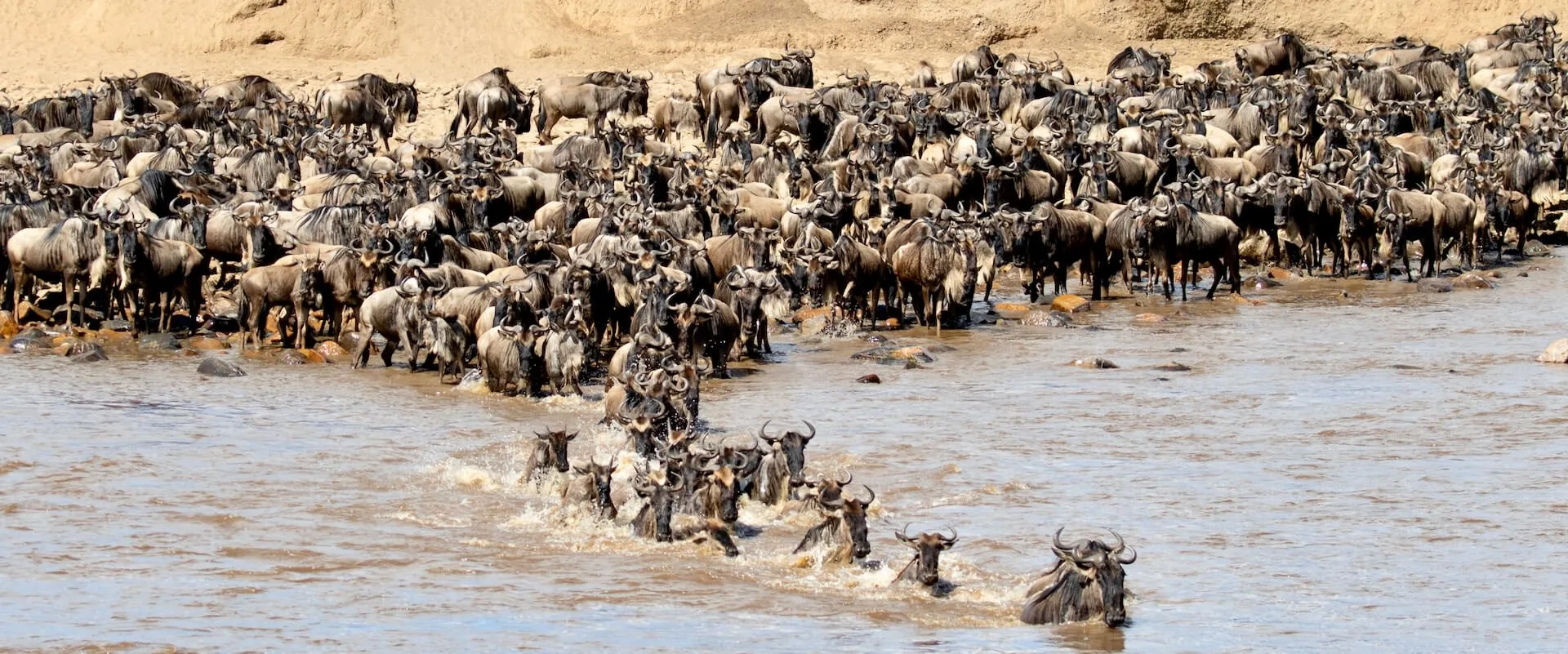
The Great Migration in Africa happens all year because the herds continuously circulate through the Serengeti–Mara ecosystem in…
Read article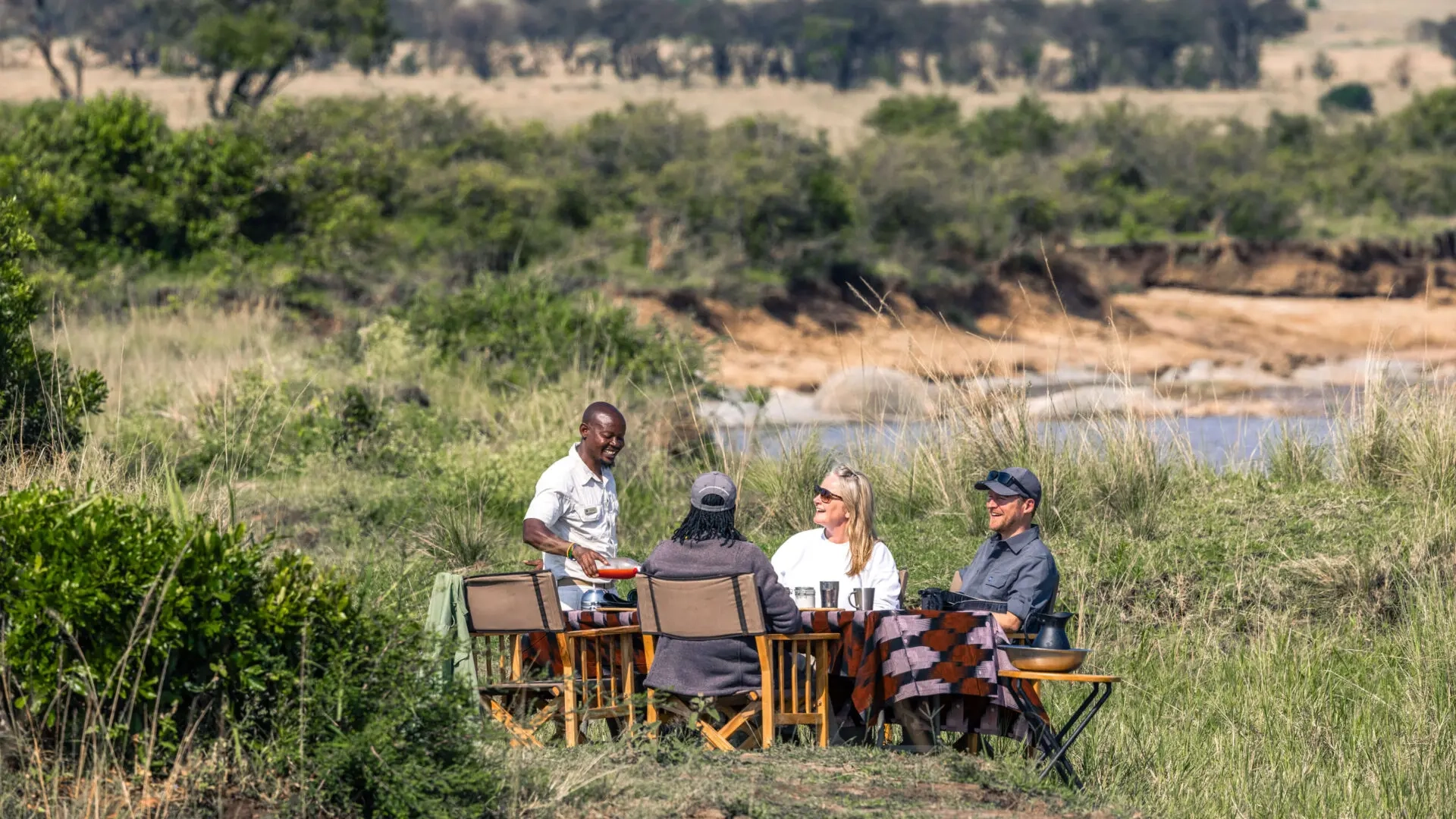
Definitive answer: A picnic lunch on safari is a packed or catered midday meal eaten at an approved…
Read article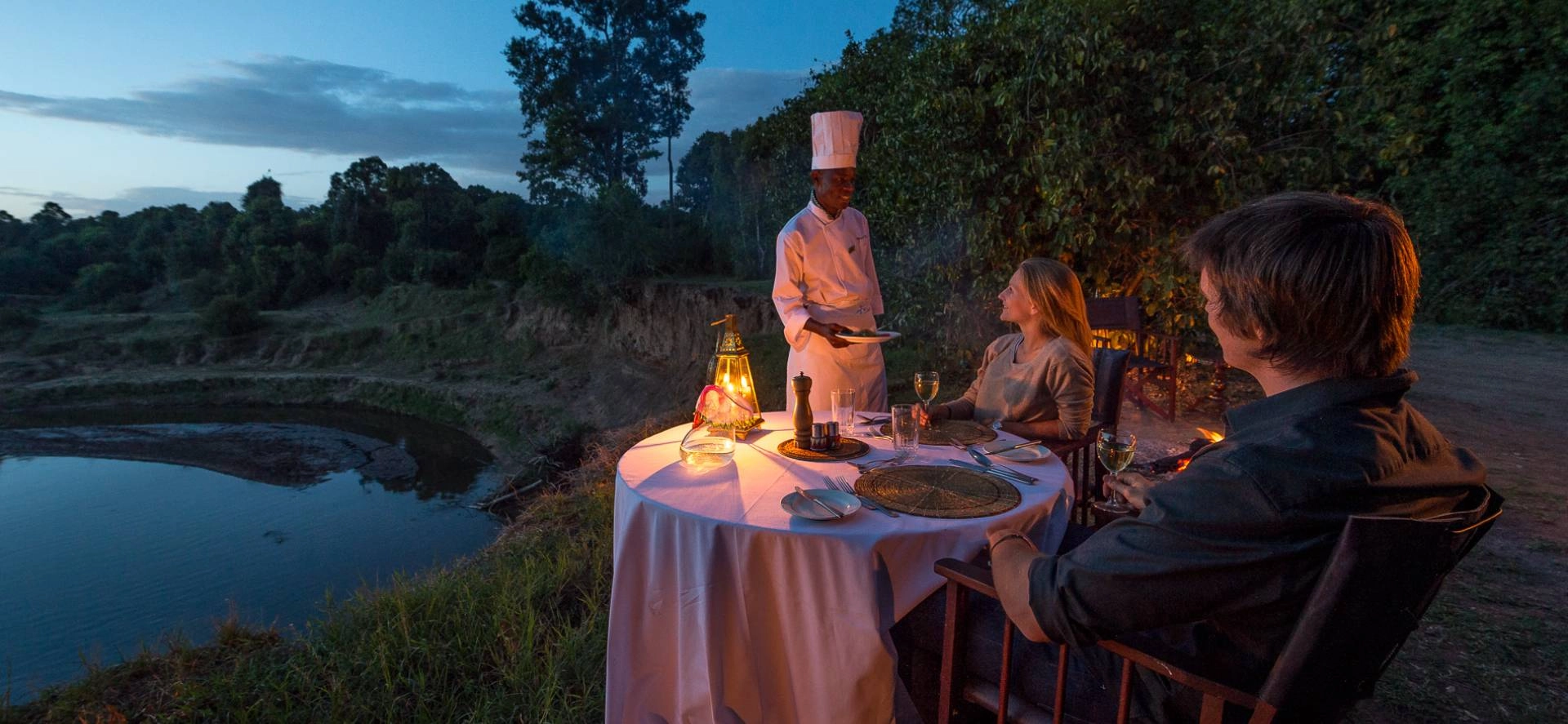
Definitive answer: A bush dinner is an outdoor evening meal arranged in a safe safari setting away from…
Read articleLet us take you closer to the wildlife, people and places that make Africa extraordinary.
Plan Your Safari Today