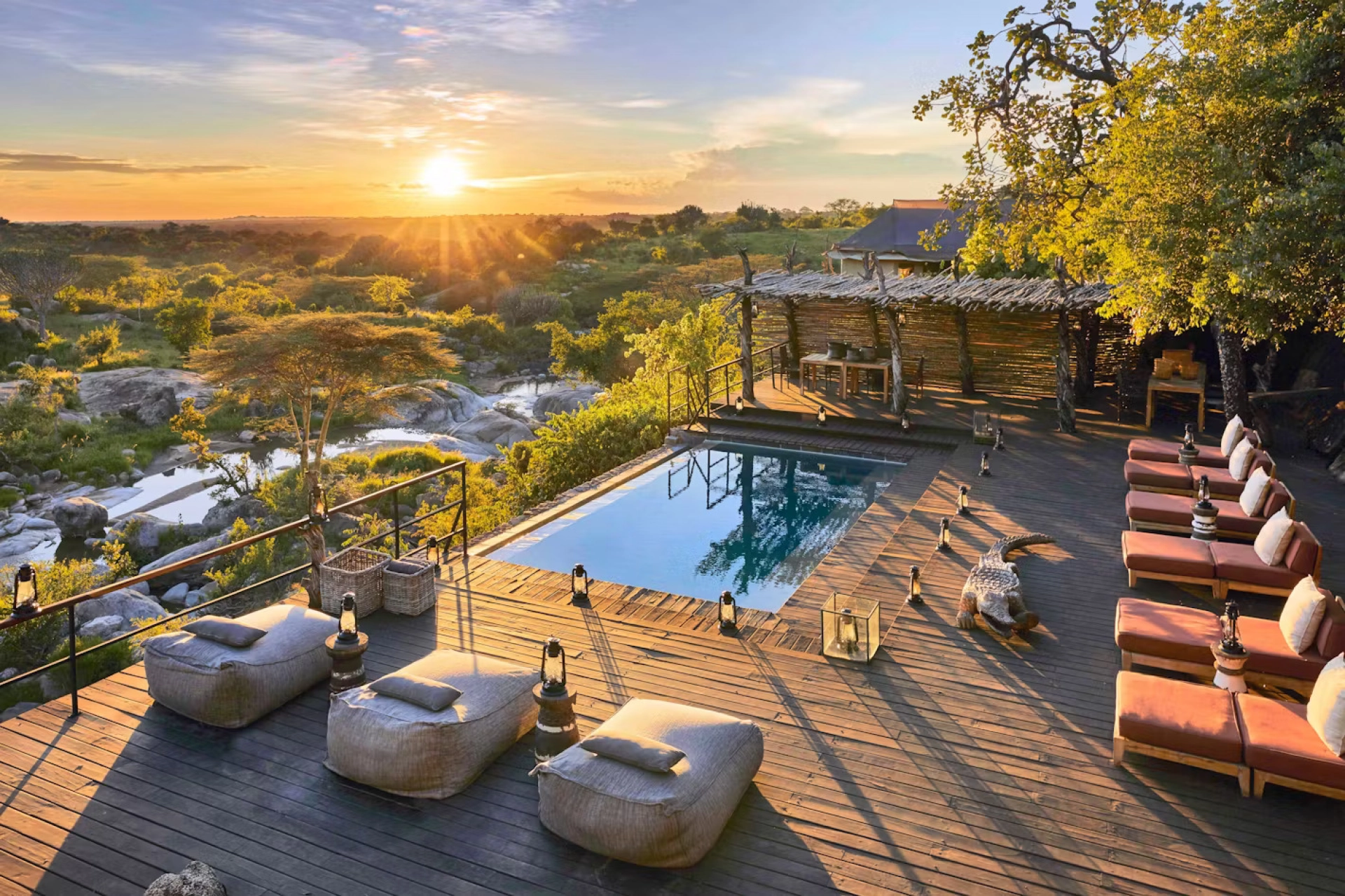
What should I look for when booking a luxury African safari?
When booking a luxury African safari, look beyond the room and compare the quality of guiding, wildlife location,…
Read article

Travel Guide
Africa's wildlife receives enormous attention, but some of the continent's most extraordinary living organisms cannot roar, run or migrate. They simply grow. Some look like stones. Others resemble trees planted upside down. A few survive for…
Africa’s wildlife receives enormous attention, but some of the continent’s most extraordinary living organisms cannot roar, run or migrate. They simply grow. Some look like stones. Others resemble trees planted upside down. A few survive for centuries in deserts receiving almost no rain. Some grow enormous trunks capable of storing water. Others produce bizarre flowers or tower above alpine landscapes in forms that seem more appropriate to another planet.
The weird and wonderful plants of Africa demonstrate just how inventive evolution can become when organisms are forced to survive extreme heat, drought, altitude, poor soils, fire, grazing animals and isolated island environments. For travellers, discovering these plants creates another reason to look beyond Africa’s famous mammals. A safari through Namibia becomes more interesting when you understand how desert plants obtain moisture from fog. A Madagascar journey becomes richer when baobabs are seen as products of long evolutionary isolation rather than simply photogenic trees.
A trek through Uganda’s Rwenzori Mountains changes completely when giant lobelias and groundsels begin appearing through the mist. Even a seemingly empty patch of South African gravel can contain tiny succulents so perfectly camouflaged that they resemble stones. Africa is therefore not only a continent for wildlife safaris. It is one of the world’s greatest destinations for botanical travel.
Africa contains an enormous range of environments.
Equatorial rainforest receives heavy rainfall. The Sahara is one of Earth’s largest hot deserts. The Namib is exceptionally old and arid. Southern Africa contains Mediterranean-climate vegetation. East African mountains rise high enough to create alpine conditions almost directly above tropical lowlands. Madagascar has been isolated for millions of years. Each environment creates different evolutionary pressures. Plants unable to move must solve environmental problems where they stand. When water is scarce, they store it.
When herbivores feed on them, they develop thorns or chemical defences. When temperatures fall below freezing at night but rise dramatically during the day, mountain plants develop specialised structures. When pollinators are rare, flowers evolve unusual relationships with particular animals. The result is extraordinary botanical diversity.
Few plants look stranger than Welwitschia mirabilis.
Found in the Namib Desert of Namibia and Angola, Welwitschia appears almost untidy. A mature plant looks like a tangled heap of leathery green ribbons lying across gravel. Yet its biology is remarkable. Welwitschia produces only two true leaves during its lifetime. Those leaves continue growing from their base while wind, sand and age gradually split them into multiple strips, creating the illusion of many separate leaves. Some plants survive for extremely long periods.
Their ability to persist in one of the world’s driest environments makes Welwitschia one of Africa’s great botanical icons.
The Namib receives extremely limited rainfall in many areas. However, the Atlantic Ocean plays a critical role. Cold offshore currents contribute to frequent coastal fog. This moisture can penetrate inland and becomes ecologically important. Welwitschia survives through a combination of specialised adaptations that allow it to function under severe aridity. Seeing the plant in its natural habitat is far more impressive than seeing one in a botanical garden because the surrounding emptiness reveals the true challenge of its environment.
Namibia is the obvious destination. Travellers exploring areas around Swakopmund and parts of the Namib can encounter these extraordinary plants on authorised routes and guided excursions. The surrounding landscape can initially appear barren. Once a guide begins interpreting it, the desert reveals remarkable life.
Few plants symbolise Africa as strongly as the baobab.
Its enormous swollen trunk and relatively sparse branches create a silhouette unlike almost any other tree. Traditional stories sometimes describe baobabs as trees planted upside down, their branches resembling roots reaching toward the sky. The appearance is strange enough to make the legend understandable.
Baobabs are adapted to seasonal environments where water availability changes dramatically. Their enormous trunks can store substantial quantities of water within specialised tissues. During dry periods, many baobabs lose their leaves. This reduces water loss. When rains return, foliage develops and the trees become much greener. Their ability to survive harsh seasonal conditions allows some individuals to reach remarkable ages and enormous dimensions.
Baobabs are not only ecological landmarks. They have enormous cultural importance. Different communities use parts of the tree for food, fibre and traditional purposes. The fruit contains a dry pulp used in foods and drinks. Large trees can become landmarks, gathering places and subjects of local stories. This relationship between people and plants makes baobabs especially interesting for cultural travellers.
Madagascar is famous for the Avenue of the Baobabs, where huge trees line a dirt road in one of the continent’s most photographed landscapes. Botswana contains celebrated baobabs around the Makgadikgadi region. Tanzania’s Tarangire National Park combines enormous baobabs with elephants and classic safari wildlife. Baobabs are also found across other suitable parts of Africa. Each setting creates a different experience.
Madagascar deserves special attention because several baobab species occur there.
The island’s long evolutionary isolation has created extraordinary levels of endemism. The famous Avenue of the Baobabs demonstrates this perfectly. At sunrise and sunset, the trees become silhouettes against colourful skies. Yet visitors should look beyond the classic photograph. These trees form part of a wider dry forest ecosystem that has experienced significant human pressure. Their survival therefore tells both an evolutionary and conservation story.
At the opposite end of the size spectrum are Lithops, commonly called living stones.
These tiny succulents occur naturally in parts of Southern Africa. At first glance, they can be almost impossible to distinguish from the stones surrounding them. This camouflage is one of their most fascinating adaptations. In dry landscapes, succulent tissue contains valuable moisture. A plant that is obvious to herbivores may be eaten. Lithops reduce this risk by blending into gravel and rocky ground.
Most of the plant remains close to or beneath ground level. Only the upper surfaces are exposed. These surfaces contain patterns and translucent areas that help light reach photosynthetic tissues. The plant therefore manages to capture sunlight while keeping much of its water-storing body protected. During flowering, however, the disguise temporarily disappears. A surprisingly large flower may emerge from the small stone-like body. The contrast is remarkable.
Namibia and South Africa contain natural populations of different Lithops species. Because the plants are small and highly camouflaged, finding them is much easier with a knowledgeable botanical guide. Visitors should never remove wild succulents. Illegal collection is a serious conservation threat to rare plants.
One of the world’s great succulent regions lies in western South Africa and southern Namibia. The Succulent Karoo supports an astonishing concentration of succulent plants. Many species have extremely restricted distributions. This means a plant found on one rocky hill may occur almost nowhere else. The region demonstrates why botanical conservation cannot focus only on huge forests. A small patch of dry-looking ground may contain globally important biodiversity.
Succulents solve the problem of water scarcity by storing moisture in leaves, stems or roots. Many minimise exposed surface area. Others have waxy coatings. Some remain dormant during unfavourable conditions. A few resemble stones. The variety of solutions is extraordinary. For travellers interested in evolution, the Succulent Karoo is effectively a natural laboratory.
Africa’s equatorial mountains create one of the continent’s strangest botanical environments. At high elevations in places such as Uganda’s Rwenzori Mountains and East Africa’s great peaks, visitors encounter enormous relatives of plants that elsewhere may be small and inconspicuous. Giant lobelias are among the most spectacular. Their thick stems and large leaf rosettes create a prehistoric appearance. Mist drifting across alpine valleys makes them look even more surreal.
Equatorial alpine environments experience unusual temperature cycles. Strong sunlight can warm plants during the day, while temperatures may fall dramatically at night. Plants therefore require protection from freezing. Giant lobelias use specialised structures and growth patterns that help protect sensitive tissues. Their form is not simply decorative. It is an adaptation to one of Africa’s most demanding environments.
Alongside giant lobelias, travellers may encounter giant groundsels, particularly in East African high-altitude environments. These plants can grow into extraordinary tree-like forms. Dead leaves often remain around stems, providing insulation. Their strange appearance has become closely associated with trekking in the Rwenzoris and on some other African mountains. Walking among giant groundsels in heavy mist feels completely different from the stereotypical image of tropical Africa. The environment can be cold, wet and almost otherworldly.
Uganda’s Rwenzori Mountains provide one of the best places in Africa to experience unusual high-altitude vegetation. The Rwenzoris are often called the Mountains of the Moon. Their combination of extreme elevation, equatorial location and high rainfall creates distinctive ecological zones. Trekkers move from lower forest through bamboo and heath before reaching remarkable Afro-alpine vegetation. Giant lobelias and groundsels dominate portions of the upper landscape. Moss covers branches. Mist moves across bogs.
The scenery can look more like fantasy than tropical Africa.
A Rwenzori journey is physically demanding. Instead of sitting in a safari vehicle, travellers hike for several days. Mud, rain and altitude can become significant challenges. Yet for hikers interested in landscapes and plants, the mountains offer something that cannot be replicated in Africa’s traditional wildlife parks. A Uganda itinerary combining the Rwenzori Mountains, gorilla trekking in Bwindi and chimpanzee trekking in Kibale would showcase an extraordinary range of ecosystems.
Tanzania’s Mount Kilimanjaro also supports fascinating vegetation zones. Climbers begin in relatively lush lower environments before ascending through heath and moorland into increasingly sparse alpine conditions. Giant groundsels and lobelias are among the plants that attract attention in the higher zones. The transition is remarkable. Within several days, trekkers effectively pass through ecological conditions resembling a journey across enormous changes in latitude. This vertical ecological sequence is one of the hidden attractions of climbing Kilimanjaro.
Few tree shapes are as distinctive as the dragon’s blood tree. The best-known species associated with this name occurs on Socotra, an island politically part of Yemen and geographically close to the Horn of Africa. Its umbrella-shaped crown creates an extraordinary silhouette. The branching structure helps the tree survive harsh, dry conditions. The red resin historically associated with dragon’s blood contributed to the plant’s legendary reputation. Although Socotra sits outside mainland Africa, its biogeographic proximity and unusual flora make it relevant to broader discussions of the extraordinary botanical landscapes around the African and Arabian region.
Many travellers seeing tall succulent plants in Africa immediately call them cacti. Often, they are actually Euphorbia. This is a fascinating example of convergent evolution. Cacti evolved primarily in the Americas. African euphorbias evolved independently but faced similar environmental pressures. Both developed water-storing stems and forms that reduce water loss. The resemblance can be remarkable.
The genus includes an enormous variety of forms. Some are small succulents. Others become tree-sized. Many contain milky latex that can be irritating or toxic. Travellers should therefore avoid touching unfamiliar euphorbias. Their diversity is especially impressive in Southern and Eastern Africa.
Acacias and related thorny trees may not initially seem as strange as Welwitschia or Lithops. Yet their relationship with herbivores reveals fascinating adaptations. Thorns discourage browsing. Small leaves reduce water loss. Deep root systems help plants survive seasonal drought. Some species participate in complex ecological relationships involving insects. The classic flat-topped silhouette associated with African savannah is therefore not simply beautiful. It represents adaptation to climate, fire and herbivory.
African plants face one challenge that most European vegetation never experiences: enormous herbivores. An elephant can break branches, strip bark and push over trees. Giraffes feed high above the ground. Antelope browse lower vegetation. Plants respond through thorns, chemical compounds, rapid regrowth and other strategies. This creates an evolutionary contest between plants and herbivores. Safari travellers often focus entirely on the animal eating. The plant’s response can be equally fascinating.
Africa also supports plants that obtain nutrients by trapping small animals, particularly insects. Carnivorous plants generally evolve in nutrient-poor environments where ordinary root uptake does not provide everything they need. Different species use different trapping mechanisms. Some create sticky surfaces. Others form specialised structures capable of capturing prey. These plants remind travellers that the boundary between “passive plant” and “active predator” is more complicated than it appears.
Some African plants obtain resources by attaching themselves to other plants. Parasitism allows them to exploit water or nutrients collected by a host. Certain species have reduced leaves because they depend heavily on their hosts. Others produce dramatic flowers despite spending much of their life hidden. These unusual strategies illustrate how plants can survive by occupying extremely specialised ecological niches.
South Africa’s Cape Floristic Region is one of the world’s great botanical centres. Its area is relatively small compared with many continental ecosystems, yet plant diversity is extraordinary. Fynbos vegetation includes proteas, ericas, restios and numerous bulbs. Many species occur naturally nowhere else. For botanical travellers, Cape Town provides exceptional access. Table Mountain alone supports remarkable plant diversity. Kirstenbosch National Botanical Garden provides an excellent introduction before exploring wild habitats.
Proteas are among South Africa’s most famous plants. Their large, complex flower heads make them instantly recognisable. Different species occupy different habitats across the Cape region and beyond. Some depend strongly on fire cycles. Fire may initially look destructive, but in fynbos ecosystems it plays an essential ecological role. Certain plants release seeds or regenerate following fire. Without periodic burning, the structure and diversity of the ecosystem would change.
The idea that fire can be necessary for plant survival seems contradictory. Yet many African ecosystems evolved with recurring fire. Grasslands, savannah and fynbos are all influenced by burning. Some plants resist fire. Others regenerate rapidly afterward. Some seeds germinate more successfully after exposure to fire-related conditions. Understanding fire transforms the way travellers interpret apparently burned landscapes. What looks like destruction may be part of a long ecological cycle.
Madagascar deserves an entire botanical journey of its own. Long isolation has created exceptional endemism. Baobabs are only the beginning. Spiny forests contain bizarre succulents and thorn-covered plants. Palms, orchids and other specialised species occur across the island. Many plants have evolved alongside equally unusual animals. Lemurs act as seed dispersers. Specialised insects pollinate flowers. Reptiles disappear against bark and leaves. The entire ecosystem reflects millions of years of isolated evolution.
Southern Madagascar’s spiny forest is one of the strangest-looking ecosystems in Africa and the Indian Ocean region. Tall, narrow, thorn-covered plants rise above dry ground. Some resemble enormous candelabras. Others look like combinations of trees and succulents. The environment is harsh, yet biodiversity is remarkable. Travelling through this region challenges conventional ideas about what a forest should look like. There may be no dense green canopy. Instead, vertical stems and thorns dominate.
Africa also supports remarkable orchids. Some grow on the ground. Others live as epiphytes on trees. Forest environments provide especially important orchid habitat. The relationship between orchids and pollinators can be highly specialised. Certain flowers are structured to attract particular insects, sometimes using scent or visual signals. This degree of specialisation makes orchids especially vulnerable when habitat disappears.
Wildlife tourism often concentrates attention and conservation funding on charismatic animals. Botanical tourism can broaden that focus. A rare succulent may not attract international attention like a gorilla. Yet losing a plant species that occurs on only one hillside is still an irreversible extinction. Travellers visiting botanical regions help demonstrate that intact plant communities have economic value. Local guides specialising in plants can benefit. Protected areas receive visitors. Communities can develop tourism services around landscapes that might otherwise be undervalued.
Rare succulents have become targets for illegal collection. Online demand can encourage poachers to remove plants from the wild. Because many species grow extremely slowly and occur within tiny ranges, collecting even a relatively small number can damage populations. Travellers should never purchase suspicious wild-collected plants. Photography is enough. Leave the plant exactly where evolution placed it.
Plant photography requires a different approach from wildlife photography. You can slow down. Study composition. Wait for light. Use macro techniques. Include landscapes. A Welwitschia photograph becomes more powerful when the surrounding Namib Desert communicates isolation. A baobab image gains scale when people, elephants or the horizon are included. A Lithops photograph should reveal how perfectly the plant blends into stones. Giant lobelias look most dramatic when mist and mountain scenery establish their strange habitat.
The goal is not simply to record the species. It is to explain visually why the plant is extraordinary.
A dedicated African botanical safari can combine several ecosystems. South Africa and Namibia work particularly well together. Travellers can explore Cape fynbos, Namaqualand wildflowers, Succulent Karoo vegetation and Namib Desert plants. Uganda offers an entirely different journey combining tropical rainforest and Afro-alpine vegetation. Madagascar provides perhaps the most concentrated experience of endemic plants. Tanzania combines Kilimanjaro’s altitude zones with baobab-rich Tarangire. The best destination depends on what type of plant ecology interests you most.
Botanical travel does not need to replace wildlife viewing. The best journeys combine both. Tarangire’s baobabs provide habitat and scenery for elephants. Bwindi’s forest vegetation creates the environment mountain gorillas depend on. Namibia’s desert plants support specialised insects and animals. Madagascar’s plants and lemurs evolved together. Once travellers understand vegetation, wildlife safaris become richer because animals are no longer separated from their habitat. The landscape begins to explain why each species is present.
The weird plants of Africa prove that some of the continent’s most extraordinary wildlife does not move at all. A Welwitschia can spend centuries exposed to the Namib Desert. A Lithops can survive by becoming almost indistinguishable from a stone. A baobab can grow into a living monument capable of surviving season after season of drought. Giant lobelias rise through misty equatorial mountains in forms that seem almost prehistoric. Madagascar’s strange vegetation reflects millions of years of evolutionary isolation.
South Africa’s succulents demonstrate how much biological diversity can be hidden in a landscape that initially appears almost barren. These plants also change how we understand safari. The elephant depends on vegetation. The gorilla depends on forest. The giraffe’s anatomy makes sense because of the plants it browses. Birds depend on flowers, fruit and seeds. Insects pollinate the landscapes on which entire ecosystems depend. Plants are therefore not scenery surrounding Africa’s wildlife.
They are the foundation of it. The next time you travel through an African safari destination, spend some time looking away from the lions and elephants. Study the trees. Look between the stones. Notice the flowers. Ask your guide about the strange succulent beside the road. The continent’s botanical marvels may be quieter than its famous mammals, but their evolutionary stories are every bit as extraordinary.
Get quick answers to the most common questions. If you still have questions, our safari experts are here to help.
Welwitschia mirabilis is a strong candidate because it produces only two persistent leaves and survives for extremely long periods in the Namib Desert.
They are commonly called Lithops or living stones. These small Southern African succulents camouflage themselves among gravel and rocks.
Giant lobelias occur in high-altitude environments including Uganda’s Rwenzori Mountains and on other major East African mountains.
Excellent destinations include Madagascar, Botswana and Tanzania’s Tarangire National Park, as well as several other regions of Africa.
Their enormous trunks contain water-storing tissues that help them survive strongly seasonal and dry environments.
Most cactus species are native to the Americas. Many African plants that resemble cacti are actually Euphorbia and other independently evolved succulents.
South Africa is exceptional because of the Cape Floristic Region, Succulent Karoo and seasonal wildflowers. Namibia, Uganda, Tanzania and Madagascar also offer outstanding specialised botanical experiences.
Absolutely. Baobabs, euphorbias, acacias, succulents and numerous specialised plants occur in major safari destinations. A knowledgeable guide can help interpret them.
Our safari experts are here to help you plan your safari. Get personalized advice, the latest information and a free, no-obligation quote.
We typically reply within a few hours.

Share This Article
When booking a luxury African safari, look beyond the room and compare the quality of guiding, wildlife location,…
Read article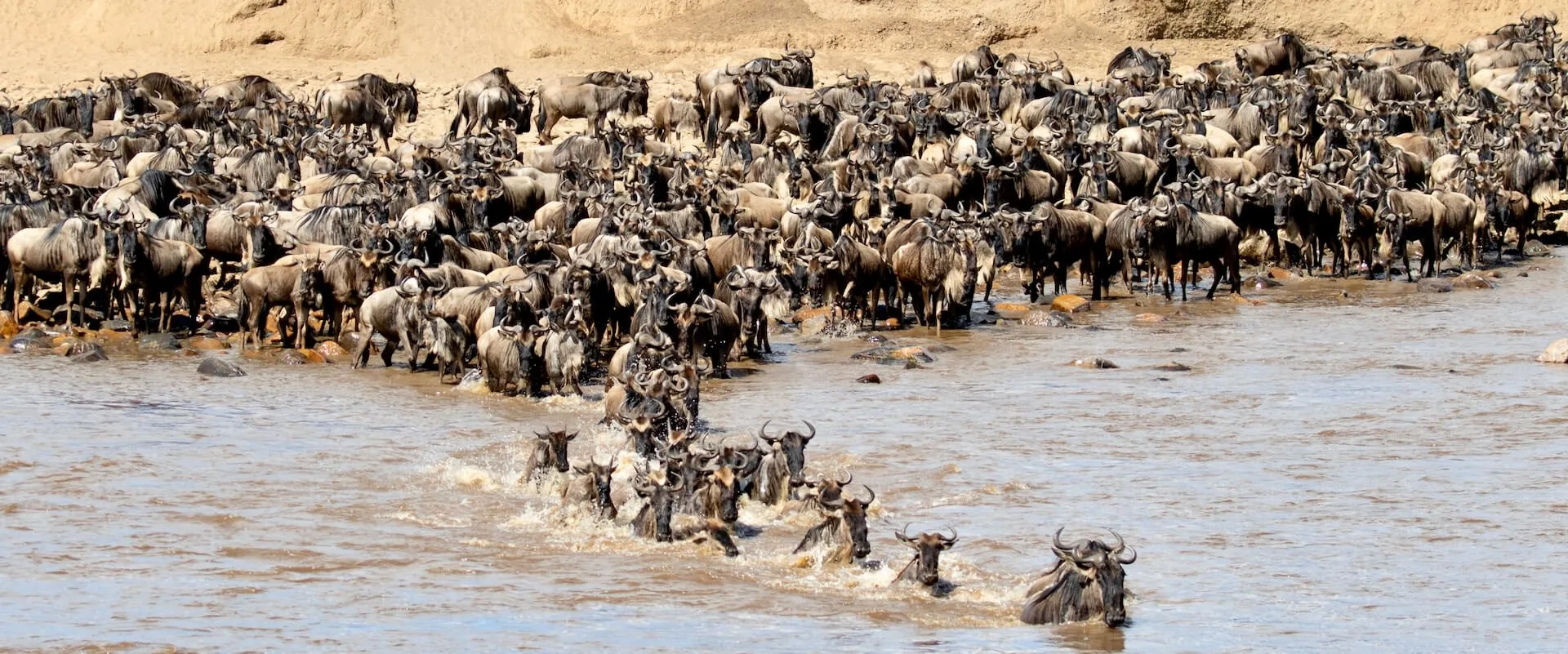
The Great Migration in Africa happens all year because the herds continuously circulate through the Serengeti–Mara ecosystem in…
Read article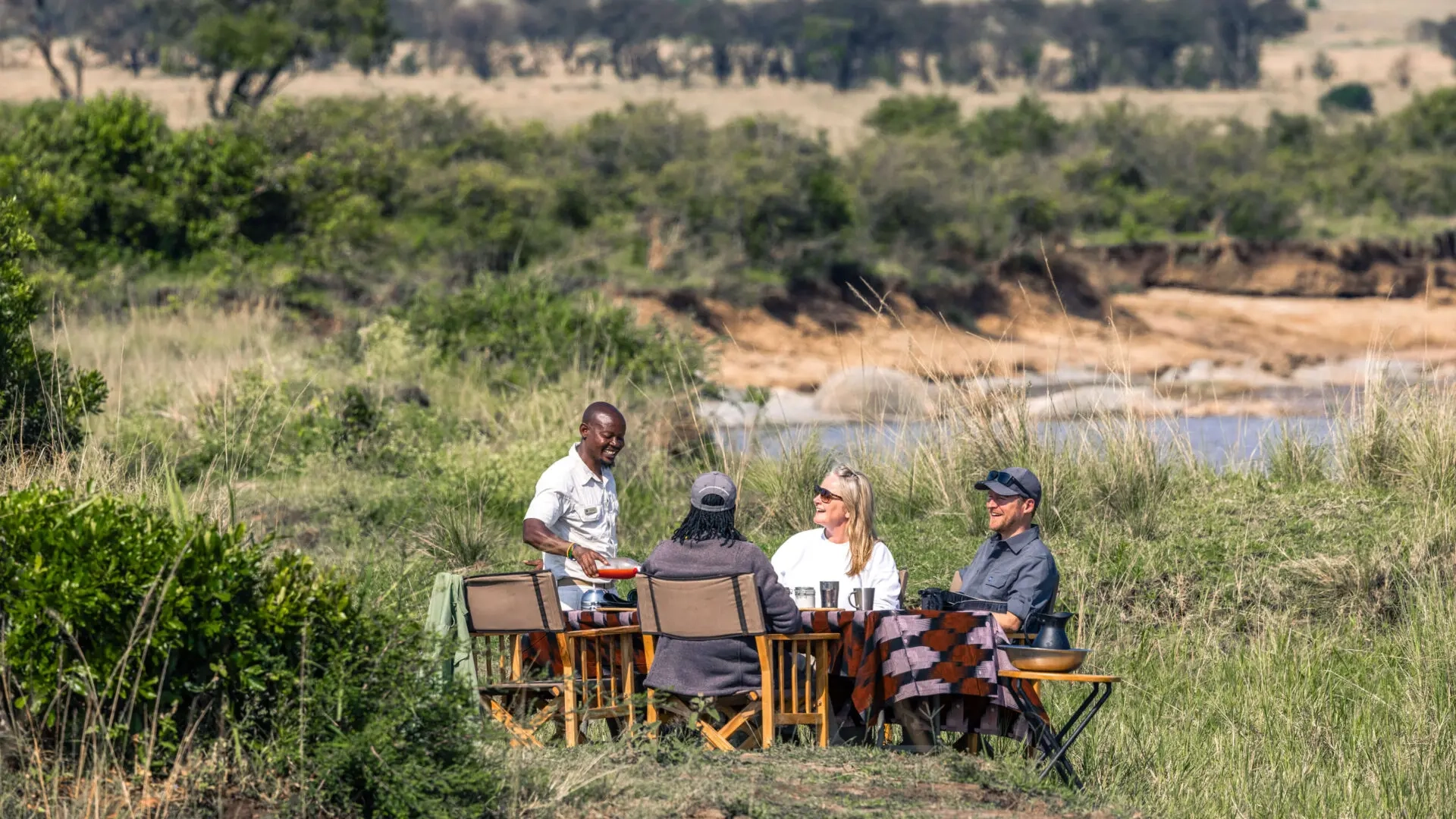
Definitive answer: A picnic lunch on safari is a packed or catered midday meal eaten at an approved…
Read article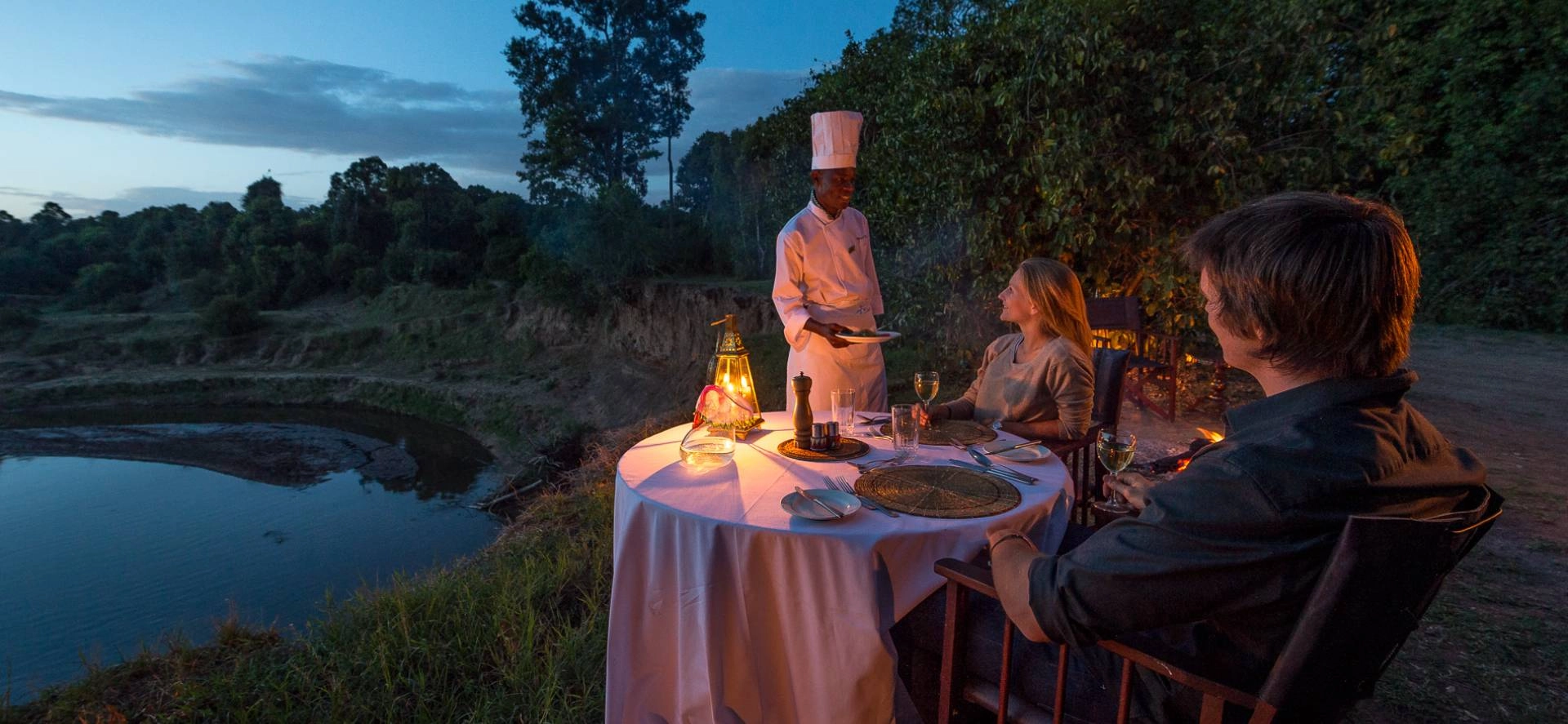
Definitive answer: A bush dinner is an outdoor evening meal arranged in a safe safari setting away from…
Read articleLet us take you closer to the wildlife, people and places that make Africa extraordinary.
Plan Your Safari Today